
Milk-Enriched Classic Omelet & Perfectly Fried Eggs
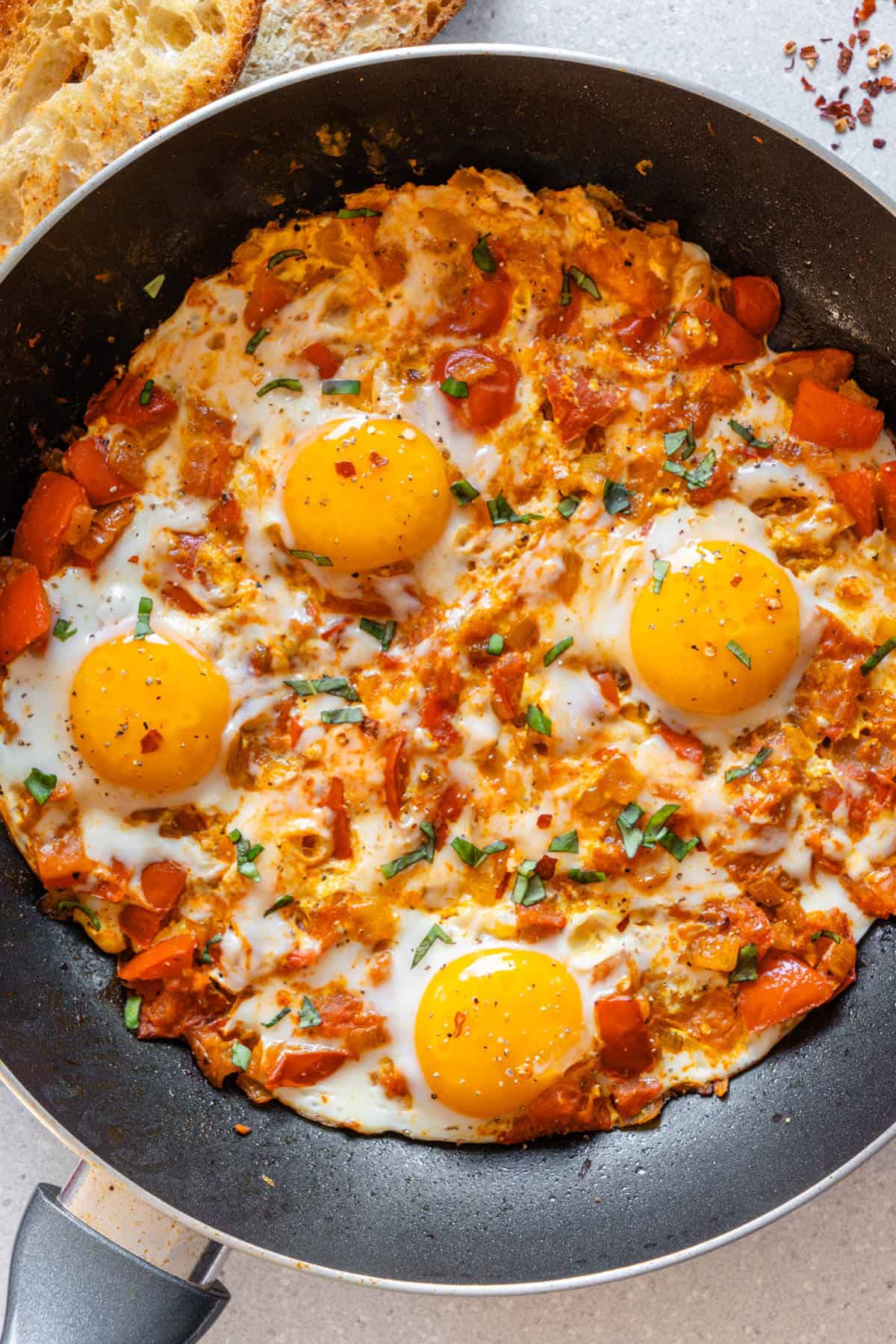
"**ORIGIN & HISTORY**: Egg cookery is among the most ancient culinary practices, spanning from Persian hearths to French cafés. The omelet, as formally defined, crystallized in France during the 17th and 18th centuries, where technique—rather than excess ingredients—became the measure of mastery. Fried eggs, by contrast, represent a universal breakfast ritual, appearing wherever pans, fat, and fresh eggs existed, valued for speed, nourishment, and immediacy. **COMPARISON & DIFFERENTIATION**: Unlike the classic French omelet, which relies solely on eggs and butter for a dense, custard-like interior, this milk-enriched version introduces a measured amount of dairy to lighten the structure. The milk dilutes egg proteins just enough to prevent toughness, creating a softer, more forgiving curd. Compared to aggressively crisp fried eggs, this method emphasizes controlled heat and neutral oil, prioritizing tenderness and clean egg flavor over browning. **SENSORY EXPERIENCE & PRO TIPS**: The omelet emerges pale, supple, and faintly aerated, with a gentle dairy aroma and a melt-in-the-mouth finish. Fried eggs remain silky, with set whites and yolks that flow or firm by choice. Serve immediately on a warm plate, accompanied by ripe tomato slices and a scatter of fresh parsley for freshness and contrast."
Health Benefits
Instructions
Crack 2–3 eggs into a bowl, ensuring they are fresh and free of shell fragments.
Add 1 tablespoon of milk per egg and whisk vigorously until pale and lightly frothy.
Heat a small amount of neutral oil in a nonstick skillet over medium heat until shimmering.
For the omelet: Pour in the eggs, allow the base to set slightly, then gently stir the center while tilting the pan to distribute uncooked egg.
Cook slowly without browning until just set, then slide onto a warm plate and garnish.
For fried eggs: Crack eggs directly into the hot oil and cook to desired doneness, adjusting heat to avoid crisping.