Foul Mudammas (فول مدمس) — Lebanese Slow-Cooked Fava Beans with Lemon and Garlic
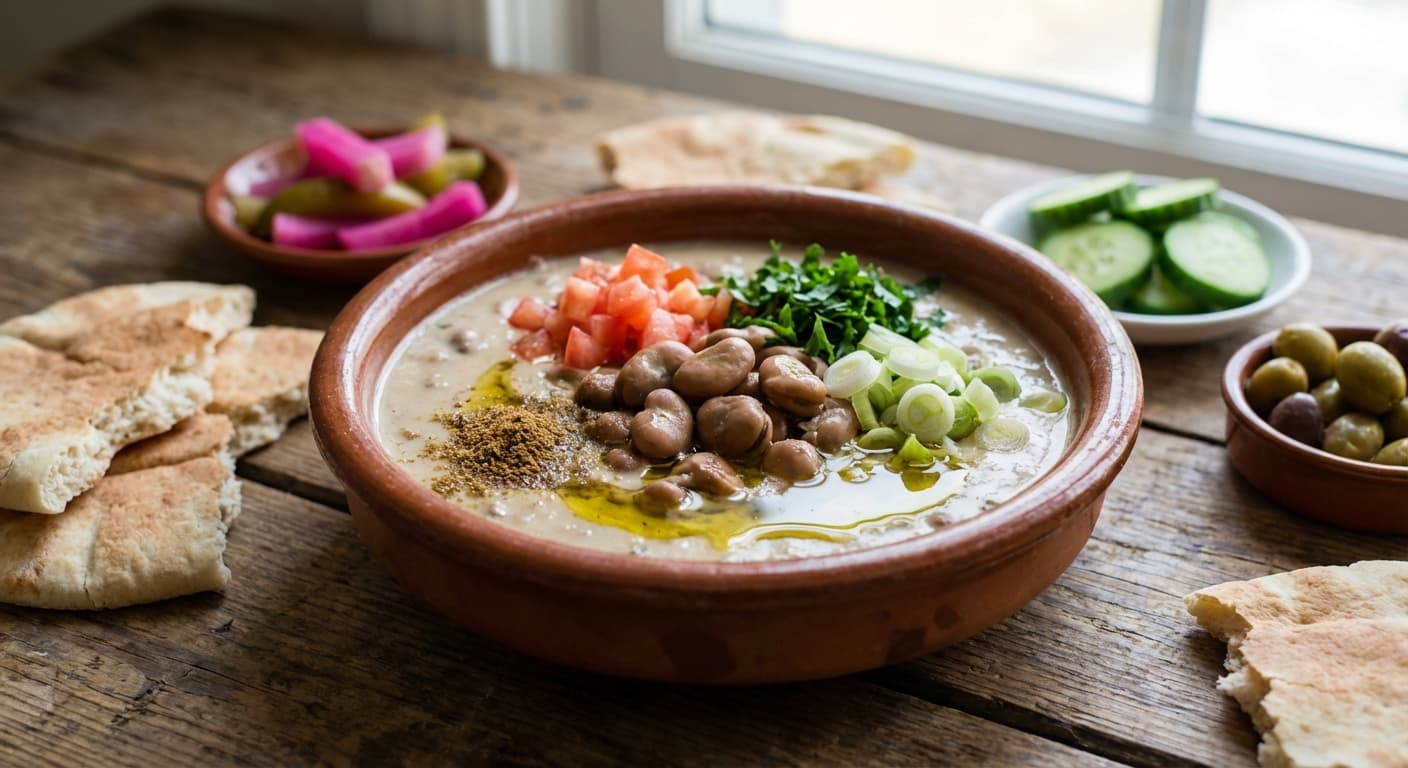
A beloved Lebanese breakfast and mezze staple, foul mudammas turns slow-cooked fava beans into a creamy, lemony dish finished with garlic and olive oil. It’s commonly shared family-style with warm bread, fresh herbs, and crisp vegetables.
Printable Recipe Card
Servings: 4 · Total: 135 min · Difficulty: easy
Ingredients (quick list)
- 300 g dried fava beans, peeled (split) (also sold as split peeled fava beans)
- 1200 ml water (plus more if needed during simmering)
- 1 tsp baking soda (helps soften the beans)
- 1 tsp fine sea salt (added at the end for best texture)
- 3 clove garlic cloves, finely grated (about 9 g total)
- 60 ml fresh lemon juice (from 2 lemons)
- 60 ml extra-virgin olive oil (plus 10 ml for serving if desired)
- 2 tsp ground cumin (classic with foul)
- 1 tsp Aleppo pepper (or mild chili flakes)
- 15 g flat-leaf parsley, finely chopped (about 1/2 cup chopped)
- 150 g tomato, diced (about 1 medium tomato)
- 2 spring onion, thinly sliced (about 30 g total)
Steps (summary)
- Rinse the dried split fava beans under cool running water until the water runs mostly clear. Pick through quickly for any small…
- Add the beans to a medium pot with 1200 ml water and bring to a boil over medium-high heat. As soon as it boils, skim off any f…
- Cover the pot with the lid slightly ajar and simmer for 90–110 minutes, stirring every 15 minutes to prevent sticking. If the w…
- When the beans are very soft and starting to break down, mash about one-third of them directly in the pot with a wooden spoon o…
- In a small bowl, combine the grated garlic with the lemon juice and let it sit for 2 minutes to mellow the raw bite. Stir in th…
- Turn the heat to low and stir the lemon-garlic mixture into the beans, then add the salt and mix thoroughly. Simmer for 3–5 min…
+ 2 more steps in the full instructions section below.
Cultural Background
Across Lebanon, foul mudammas is a cornerstone breakfast dish served in homes and neighborhood shops, often eaten communally with bread. Its simple pantry ingredients reflect Levantine frugality, hospitality, and the mezze tradition of shared plates.
Equipment
💡 Tips
- For the creamiest texture, keep the simmer gentle and stir often; vigorous boiling can break beans unevenly and scorch the bottom.
- Let the garlic sit in lemon juice for 2 minutes before adding; it softens harshness while keeping a bright, authentic bite.
- If the foul thickens too much after resting, loosen it with 30–60 ml hot water and rewarm gently for 2 minutes.
⚠️ Common Mistakes
❌ Adding salt early, leading to beans that stay firm or cook unevenly.
✅ Fix: Hold salt until the beans are fully tender, then season and simmer 3–5 minutes to integrate.
❌ Letting the pot boil hard, causing scorching and a grainy texture.
✅ Fix: Keep a gentle simmer and stir every 15 minutes; add hot water in small amounts as needed.
❌ Adding raw garlic directly without mellowing, making the dish harsh.
✅ Fix: Soak grated garlic in measured lemon juice for 2 minutes before stirring into the beans.
🧊 How to Store
Cool leftovers within 1 hour, then refrigerate in an airtight container for up to 4 days. Reheat gently in a pot over low heat with 60–90 ml water, stirring often, and finish with 5 ml fresh lemon juice and 5 ml olive oil to refresh.
📅 Make Ahead
Cook the beans fully up to 3 days ahead and refrigerate. Reheat with 60–90 ml water, then add the lemon-garlic mixture and olive oil right before serving for the brightest flavor.
🍽️ Pairs Well With
- Warm pita
- sliced cucumbers
- radishes
- pickled turnips
- olives
- labneh
- mint tea.
Regional Variations
- Beirut-style: topped generously with parsley, tomatoes, and spring onion, then finished with a heavier olive oil drizzle.
- Tripoli-style: more cumin-forward, sometimes served with extra lemon and a side of spicy pickles.
- Levantine street-stall style: served very thick and hot, with toppings added at the table for customization.
Ingredients
- 300 gdried fava beans, peeled (split) (also sold as split peeled fava beans)
- 1200 mlwater (plus more if needed during simmering)
- 1 tspbaking soda (helps soften the beans)
- 1 tspfine sea salt (added at the end for best texture)
- 3 clovegarlic cloves, finely grated (about 9 g total)
- 60 mlfresh lemon juice (from 2 lemons)
- 60 mlextra-virgin olive oil (plus 10 ml for serving if desired)
- 2 tspground cumin (classic with foul)
- 1 tspAleppo pepper (or mild chili flakes)
- 15 gflat-leaf parsley, finely chopped (about 1/2 cup chopped)
- 150 gtomato, diced (about 1 medium tomato)
- 2spring onion, thinly sliced (about 30 g total)
🔄 Substitutions
- dried fava beans, peeled (split)→ canned fava beans, drained and rinsed
- Aleppo pepper→ sweet paprika + mild chili flakes
- spring onion→ red onion, very finely diced
Instructions
- 1
Rinse the dried split fava beans under cool running water until the water runs mostly clear. Pick through quickly for any small stones or dark, damaged pieces, then drain well.
- 2
Add the beans to a medium pot with 1200 ml water and bring to a boil over medium-high heat. As soon as it boils, skim off any foam, then stir in the baking soda and reduce the heat to a gentle simmer.
- 3
Cover the pot with the lid slightly ajar and simmer for 90–110 minutes, stirring every 15 minutes to prevent sticking. If the water level drops below the beans, add 100–200 ml hot water at a time so they cook evenly and stay creamy.
- 4
When the beans are very soft and starting to break down, mash about one-third of them directly in the pot with a wooden spoon or potato masher. This creates the traditional thick, spoonable texture while keeping some whole beans for body.
- 5
In a small bowl, combine the grated garlic with the lemon juice and let it sit for 2 minutes to mellow the raw bite. Stir in the cumin and Aleppo pepper so the spices bloom in the acidity and distribute evenly.
- 6
Turn the heat to low and stir the lemon-garlic mixture into the beans, then add the salt and mix thoroughly. Simmer for 3–5 minutes more, stirring constantly, until the flavor is integrated and the pot looks glossy and thick.
- 7
Remove from heat and immediately drizzle in the 60 ml olive oil, stirring to emulsify slightly into the beans. Taste and adjust with an additional 10 ml lemon juice if you want sharper tang, then let the foul rest for 5 minutes to set.
- 8
Spoon the foul mudammas into a warm serving bowl and top with diced tomato, sliced spring onion, and chopped parsley. Finish with an optional extra 10 ml olive oil for a classic sheen, and serve while hot with bread and fresh vegetables.
🪪 Recipe Passport
Cultural Background
Across Lebanon, foul mudammas is a cornerstone breakfast dish served in homes and neighborhood shops, often eaten communally with bread. Its simple pantry ingredients reflect Levantine frugality, hospitality, and the mezze tradition of shared plates.
Regional Variations
Researched from multiple sources and validated by the Zaffaron editorial team. Every recipe is tested for accuracy, measurements, and cultural authenticity.
Nutrition per serving
Pairs well with
If you enjoyed this recipe, here are a few related Zaffaron recipes to try next.
Does your family make this differently?
Every family has their own version. Maybe your grandmother adds a secret ingredient, or your aunt has a completely different technique. Preserve your family's version — with their name on it, forever.
You Might Also Like
Meghli (مغلي) — Lebanese Spiced Rice Pudding with Nuts
Lebanese · Desserts · 40 min
Arayess (عرايس) — Lebanese Grilled Stuffed Pita with Spiced Meat
Lebanese · Kebabs · 34 min
Djej Bi Batata (دجاج ببطاطا) — Lebanese Chicken Stew with Potatoes and Garlic
Lebanese · Stews · 75 min
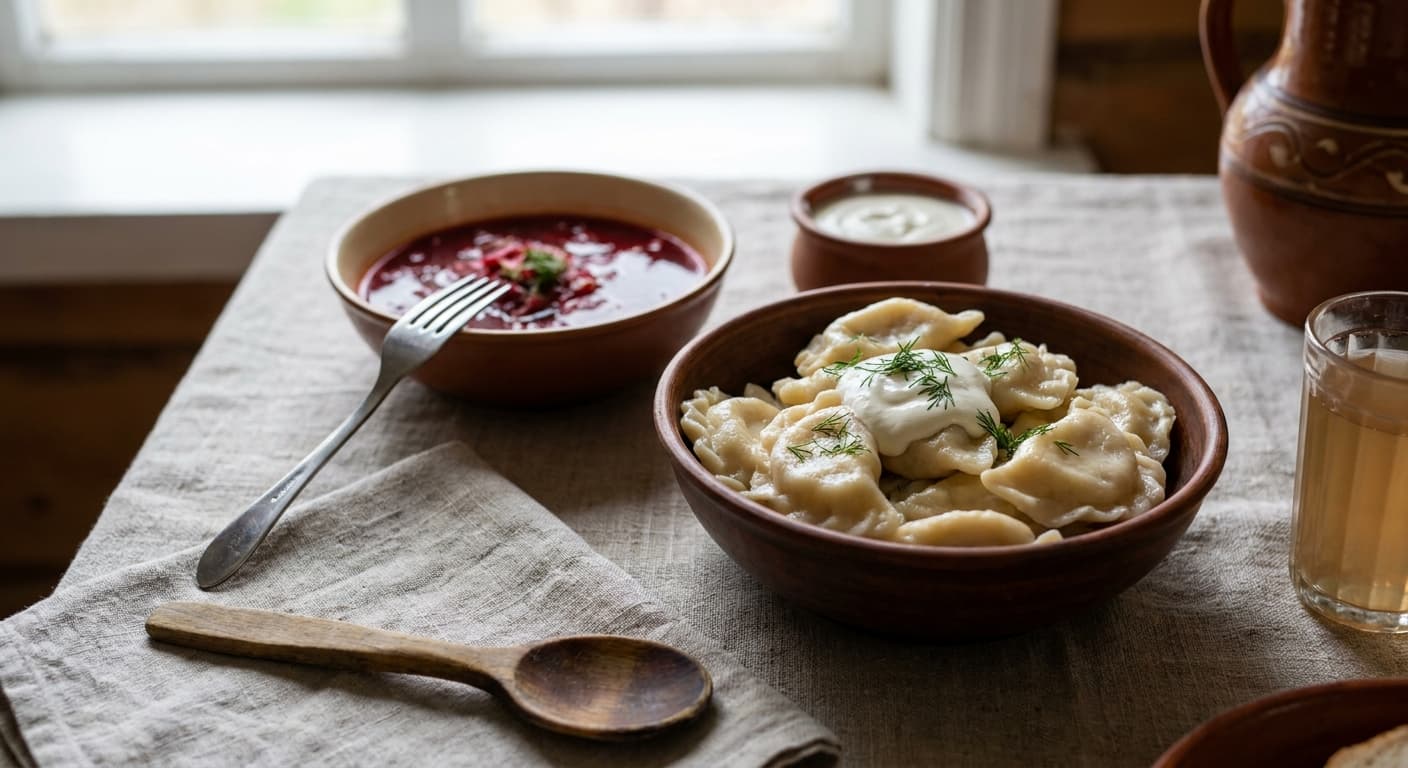
Varenyky (Вареники) — Ukrainian Potato-Cheese Dumplings
Ukrainian · Main Courses · 95 min
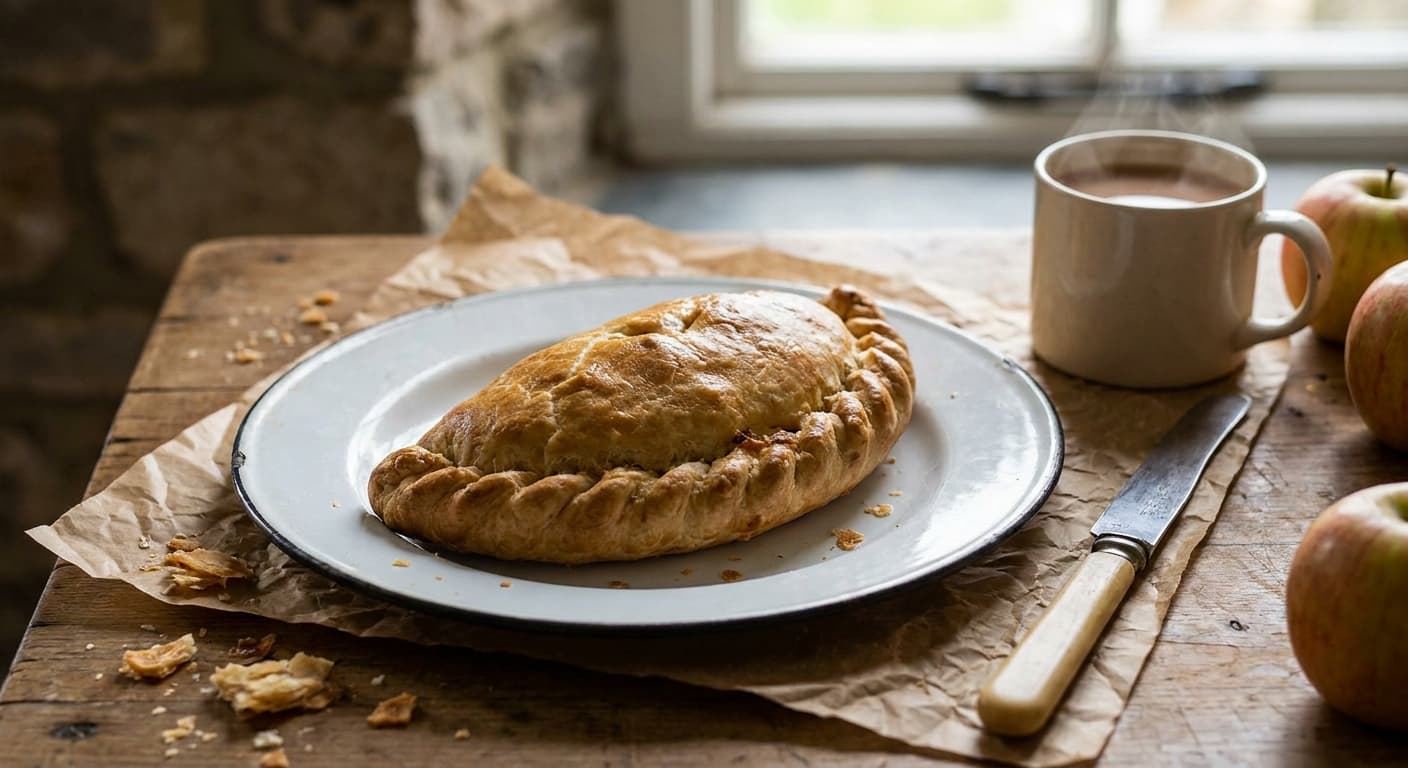
Cornish Pasty (Cornish Pasty) — Traditional Beef and Swede Hand Pie
British · Main Courses · 100 min
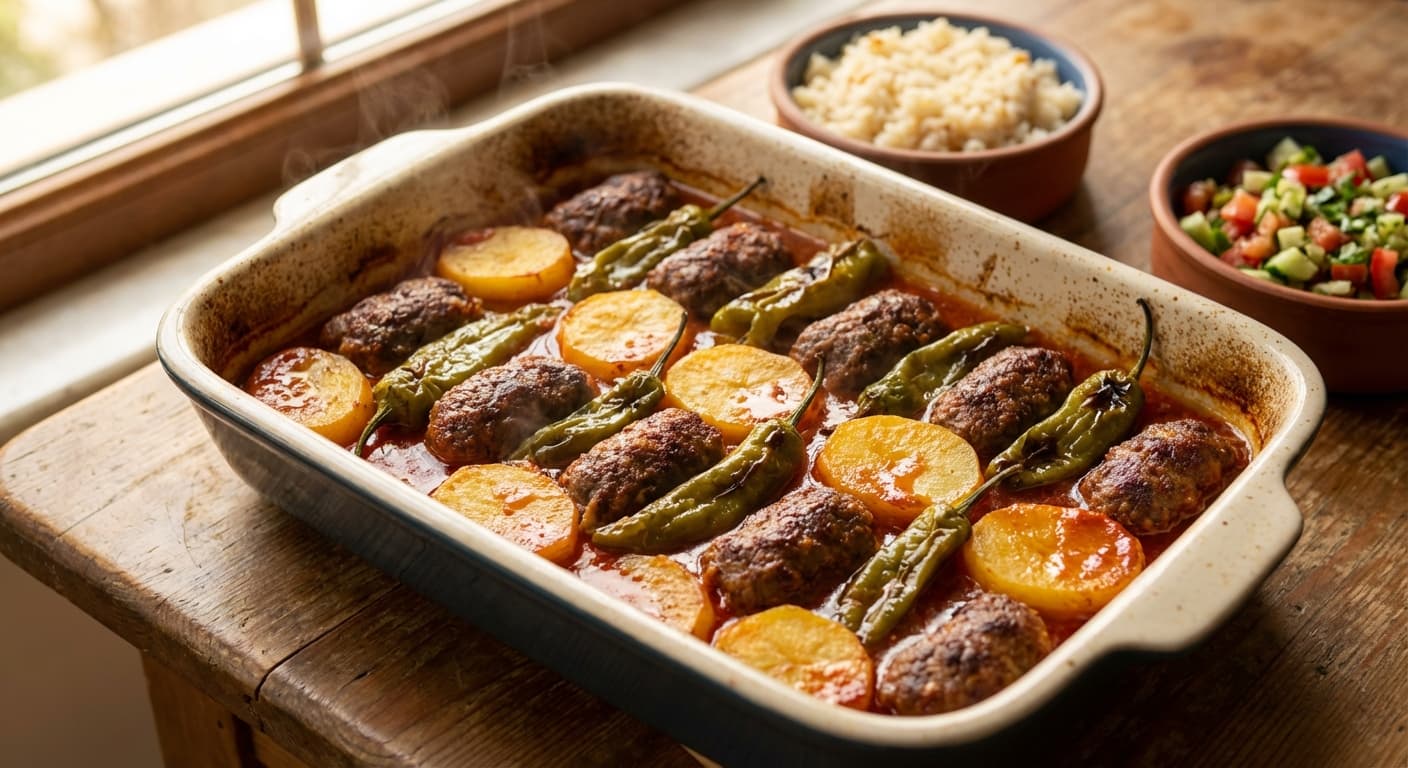
Izmir Kofte (İzmir Köfte) — Oven-Baked Meatballs with Tomato Sauce and Potatoes
Turkish · Main Courses · 70 min
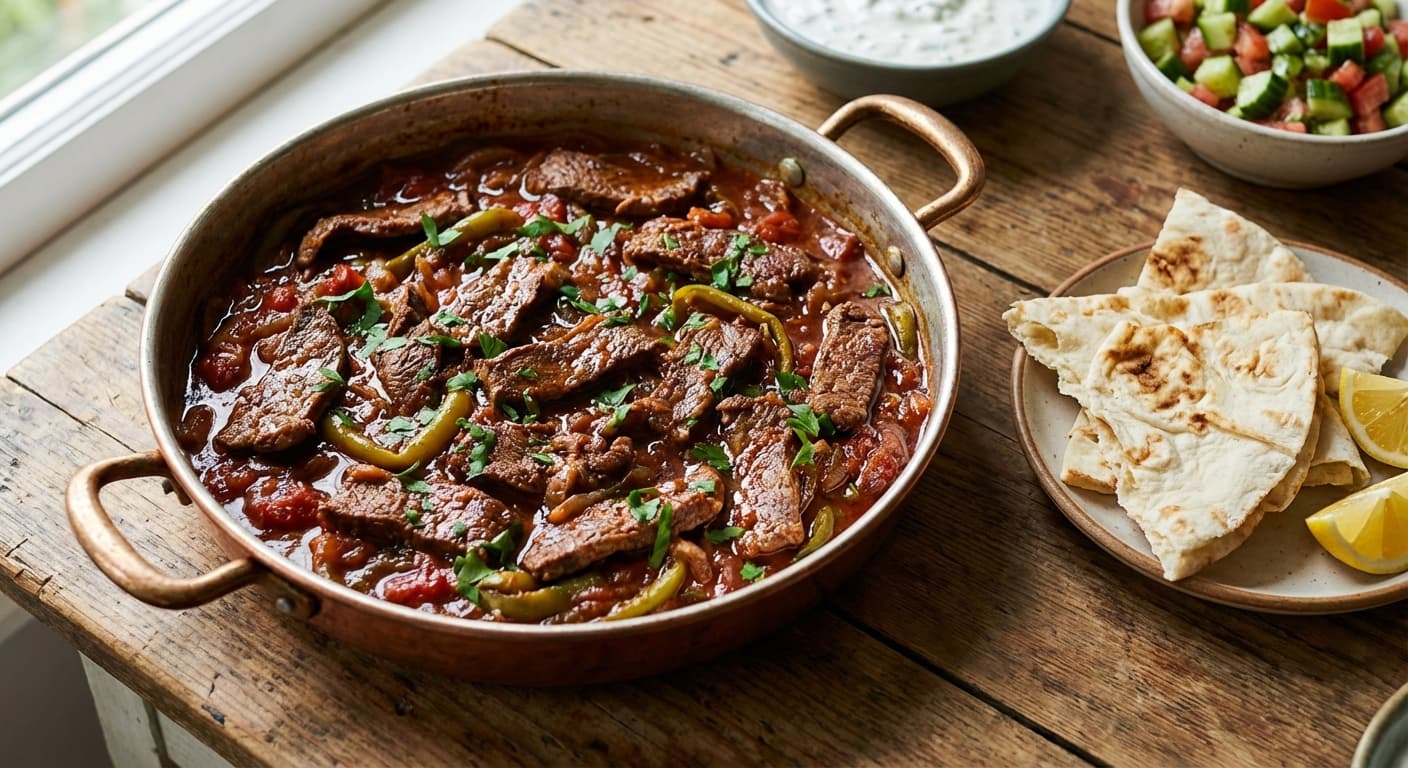
Sac Kavurma (Saç Kavurma) — Thin-Sliced Turkish Meat Sautéed with Onions
Turkish · Main Courses · 38 min
Makmoura (مكمورة) — Jordanian Layered Chicken Bread Pie
Jordanian · Main Courses · 185 min
Reviews
Cooked this recipe?
Tap the stars to rate it — that's all it takes. A few words are welcome but optional.
No ratings yet. Cooked this one? Be the first to rate it — it takes one tap.