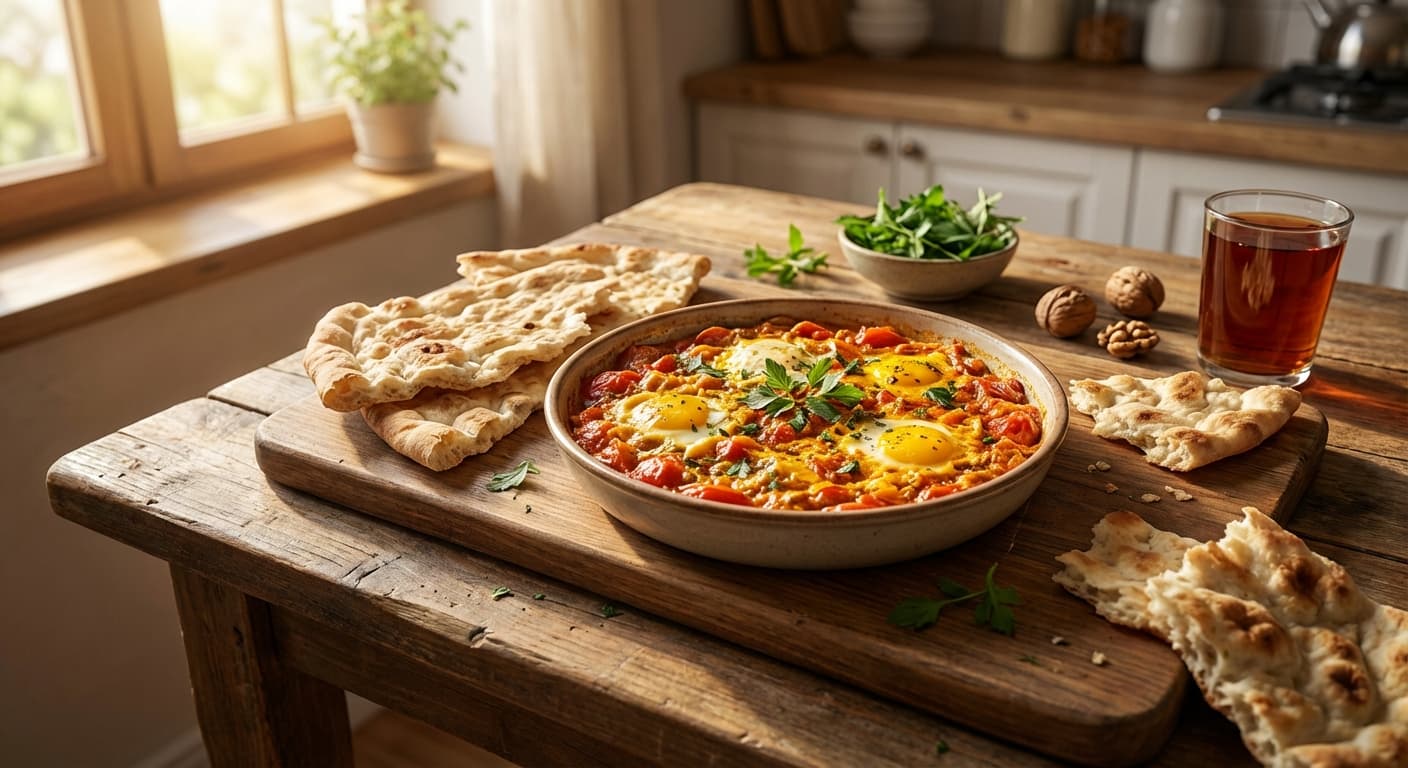
Omlet-e Gojeh (املت گوجه) — Persian-Style Tomato Omelet
A classic Iranian breakfast omelet where ripe tomatoes and onion are slowly cooked into a thick, jammy sauce, then gently set with eggs. Finished with turmeric and advieh, it’s best eaten hot with bread.
Printable Recipe Card
Servings: 2 · Total: 35 min · Difficulty: easy
Ingredients (quick list)
- 500 g Tomatoes, ripe (grated on a box grater or finely chopped; about 4 medium)
- 120 g Onion (finely diced; about 1 medium)
- 30 ml Cooking oil (neutral oil such as sunflower or canola)
- 1 tsp Turmeric
- 0.5 tsp Mixed spices (advieh) (Persian mixed spice; choose a warm, aromatic blend)
- 0.25 tsp Black pepper (freshly ground)
- 0.75 tsp Salt (plus more to taste)
- 30 g Tomato paste (about 2 tbsp)
- 4 large Eggs (room temperature if possible)
Steps (summary)
- Warm a 25–28 cm (10–11 in) nonstick or well-seasoned skillet over medium heat for 1 minute. Add the cooking oil, then the diced…
- Add turmeric, advieh, and black pepper to the onions and stir for 20–30 seconds to bloom the spices. Add the tomato paste and c…
- Add the grated (or finely chopped) tomatoes and salt. Increase heat to medium-high until the mixture begins to bubble, about 3–…
- Taste the tomato base and adjust salt if needed. With a spoon, make 4 shallow wells in the sauce. Crack one egg into each well.…
- For a more “folded” omelet style, gently break the yolks with a spoon and swirl them slightly into the tomato base during the l…
Cultural Background
Persian-style tomato omelet is a common home and teahouse breakfast, valued for turning simple pantry ingredients into a satisfying meal. It is often served family-style with bread for dipping, and the long-simmered tomato base reflects a preference for concentrated, well-developed flavors.
Equipment
💡 Tips
- Use very ripe, in-season tomatoes for the sweetest, least acidic sauce; winter tomatoes benefit from the full simmer time.
- Grating tomatoes speeds concentration and creates a smoother base; chopped tomatoes give a chunkier, rustic texture.
- If the sauce looks watery, keep simmering uncovered until it thickens; the omelet sets best when the base is reduced.
- Keep heat low once eggs go in to avoid rubbery whites and a scorched tomato layer.
⚠️ Common Mistakes
❌ Adding eggs before the tomato base reduces
💡 Why: Excess liquid steams the eggs and dilutes flavor, leading to watery sauce and uneven setting.
✅ Fix: Simmer uncovered until thick and glossy, and you see small pools of oil at the edges before cracking in eggs.
❌ Cooking the eggs on high heat
💡 Why: High heat toughens whites and can scorch the tomato paste and onions at the bottom.
✅ Fix: Once eggs are added, lower to gentle heat and cover; extend cooking time rather than increasing temperature.
❌ Not cooking out the tomato paste
💡 Why: Raw tomato paste can taste metallic or sharp and won’t integrate smoothly.
✅ Fix: Fry the paste 1–2 minutes in oil with onions and spices until darker and fragrant before adding tomatoes.
🧊 How to Store
Best eaten fresh. Refrigerate leftovers in an airtight container for up to 2 days. Rewarm gently in a covered skillet over low heat with 1–2 tsp water to loosen the sauce; avoid high heat to prevent tough eggs.
📅 Make Ahead
You can prepare the tomato-onion base up to 2 days ahead and refrigerate it. Rewarm in a skillet over medium-low heat until bubbling, then add eggs and cook fresh for best texture.
🍽️ Pairs Well With
- Warm flatbread or crusty bread
- Fresh herbs (mint
- basil
- or parsley)
- Cucumbers and radishes
- Hot tea
Regional Variations
- Teahouse-style (urban cafes)Often cooked until very thick and concentrated, then served sizzling hot with eggs set on top for dipping bread, sometimes with extra black pepper for a sharper finish.
- Home-style (family kitchens)Eggs may be lightly whisked and stirred into the reduced tomato base for a softer, scrambled-omelet texture, making it easier to portion and serve.
Ingredients
- 500 gTomatoes, ripe (grated on a box grater or finely chopped; about 4 medium)
- 120 gOnion (finely diced; about 1 medium)
- 30 mlCooking oil (neutral oil such as sunflower or canola)
- 1 tspTurmeric
- 0.5 tspMixed spices (advieh) (Persian mixed spice; choose a warm, aromatic blend)
- 0.25 tspBlack pepper (freshly ground)
- 0.75 tspSalt (plus more to taste)
- 30 gTomato paste (about 2 tbsp)
- 4 largeEggs (room temperature if possible)
🔄 Substitutions
- Mixed spices (advieh)→ Equal parts ground cinnamon and ground cumin
- Cooking oil→ Olive oil
- Fresh tomatoes→ Canned crushed tomatoes
Instructions
- 1
Warm a 25–28 cm (10–11 in) nonstick or well-seasoned skillet over medium heat for 1 minute. Add the cooking oil, then the diced onion. Cook 6–8 minutes, stirring often, until the onion turns soft and lightly golden at the edges without browning deeply.
- 2
Add turmeric, advieh, and black pepper to the onions and stir for 20–30 seconds to bloom the spices. Add the tomato paste and cook 1–2 minutes, stirring constantly, until it darkens slightly and the raw smell disappears; this step deepens color and flavor.
- 3
Add the grated (or finely chopped) tomatoes and salt. Increase heat to medium-high until the mixture begins to bubble, about 3–4 minutes. Reduce to medium-low and simmer 10–12 minutes, stirring every 2 minutes, until thick and jammy and oil begins to separate at the edges.
- 4
Taste the tomato base and adjust salt if needed. With a spoon, make 4 shallow wells in the sauce. Crack one egg into each well. Cover with a lid and cook on low for 4–6 minutes, until whites are set but yolks are still soft, or 6–8 minutes for firmer yolks.
- 5
For a more “folded” omelet style, gently break the yolks with a spoon and swirl them slightly into the tomato base during the last 1 minute of cooking, keeping some streaks. Remove from heat, rest uncovered for 2 minutes, then serve immediately while hot.
🪪 Recipe Passport
Cultural Background
Persian-style tomato omelet is a common home and teahouse breakfast, valued for turning simple pantry ingredients into a satisfying meal. It is often served family-style with bread for dipping, and the long-simmered tomato base reflects a preference for concentrated, well-developed flavors.
Regional Variations
Researched from multiple sources and validated by the Zaffaron editorial team. Every recipe is tested for accuracy, measurements, and cultural authenticity.
Nutrition per serving
Pairs well with
If you enjoyed this recipe, here are a few related Zaffaron recipes to try next.
Does your family make this differently?
Every family has their own version. Maybe your grandmother adds a secret ingredient, or your aunt has a completely different technique. Preserve your family's version — with their name on it, forever.
You Might Also Like
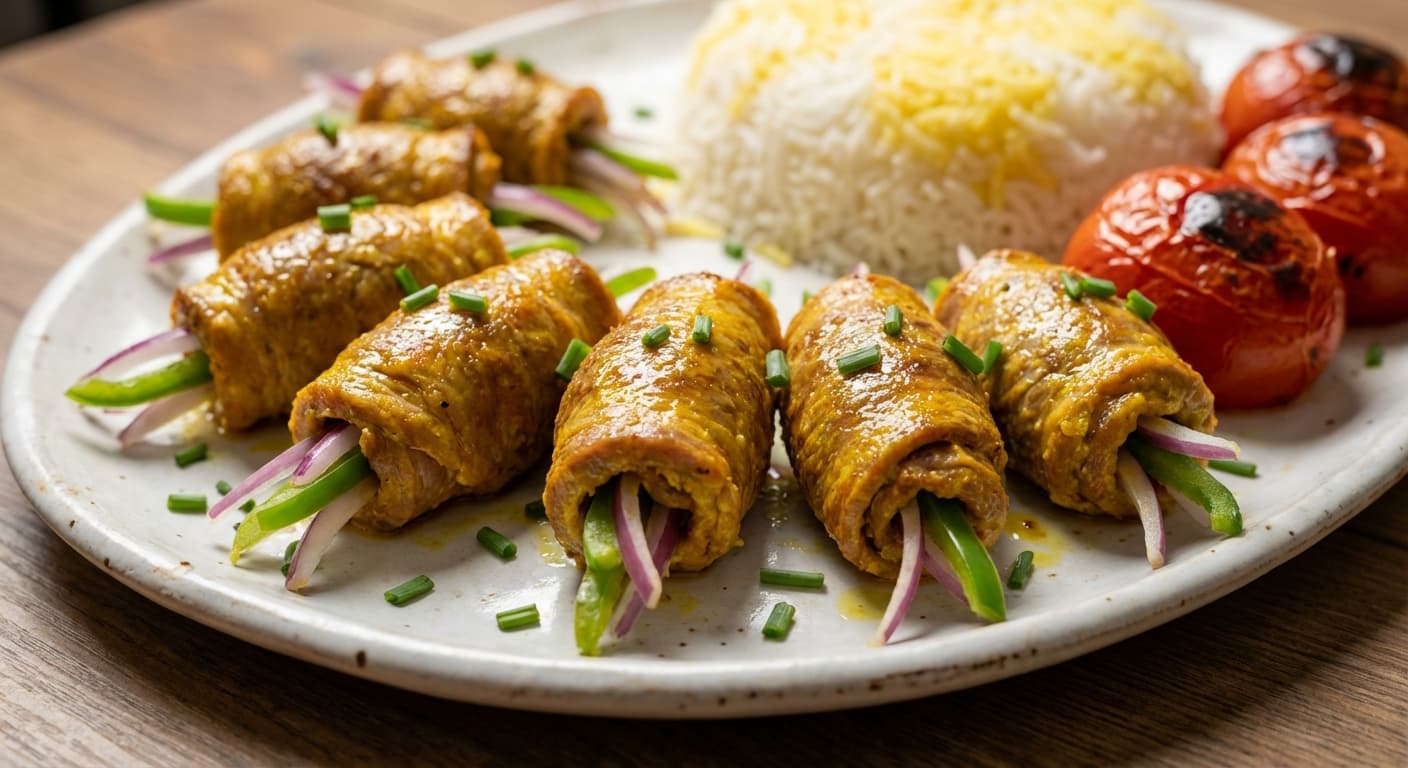
Bulgar Kabab (کباب بلغار) — Persian Rolled Saffron Fillets
Persian · Kebabs · 37 min
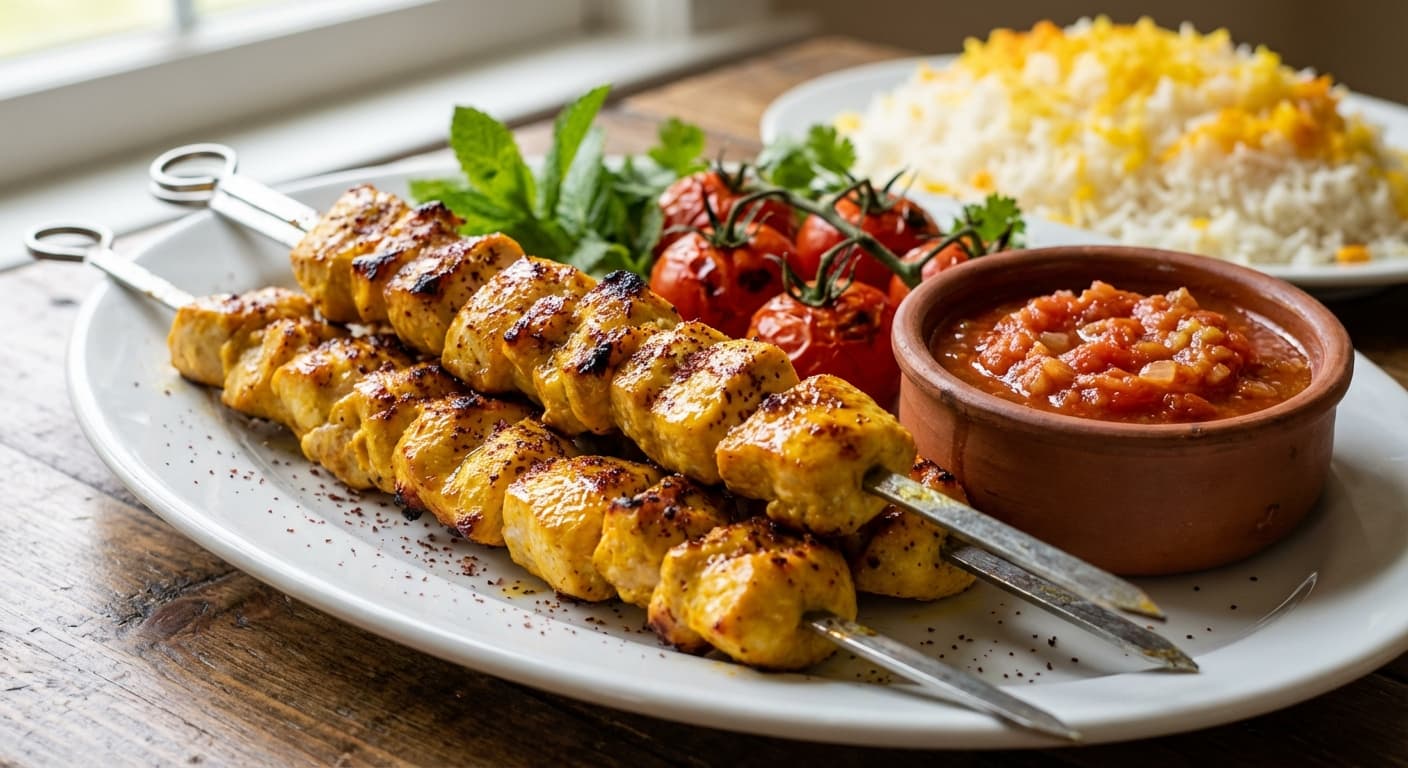
Jujeh Kabab (جوجه کباب) — Saffron-Turmeric Chicken with Rustic Tomato Sauce
Persian · Kebabs · 45 min
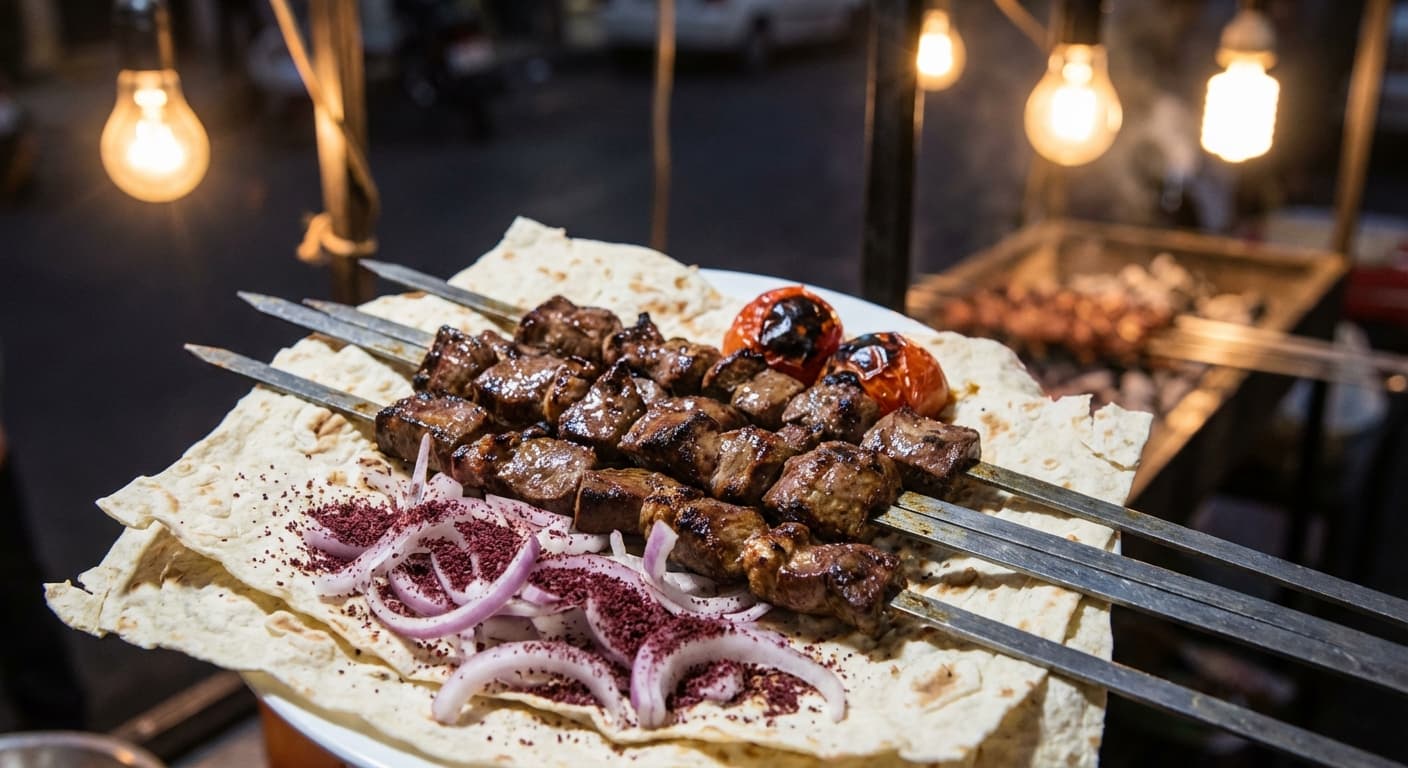
Jigar Kabab (جگر کباب) — Classic Persian Lamb Liver Skewers
Persian · Kebabs · 33 min
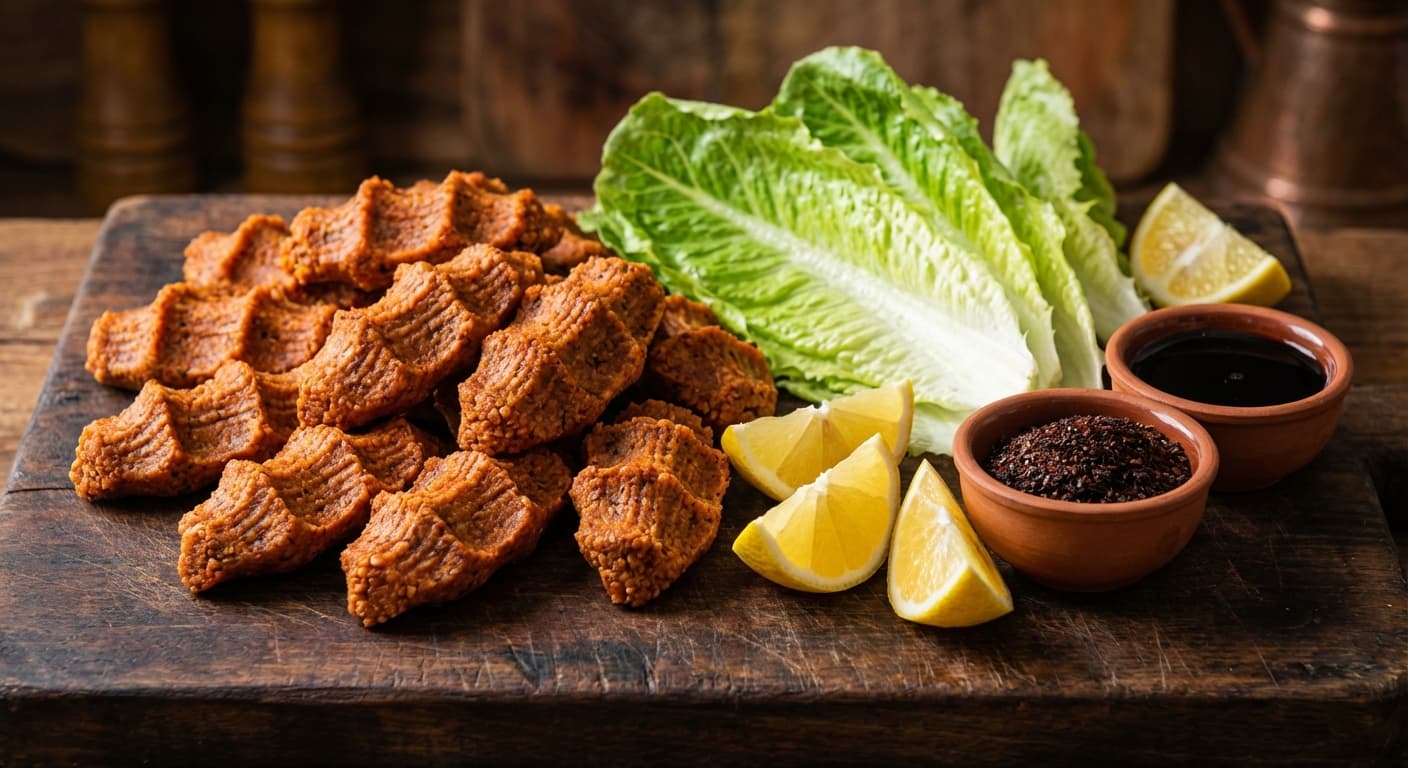
Cig Kofte (Çiğ Köfte) — Isot-kissed bulgur kneaded and served in lettuce
Turkish · Appetizers · 25 min
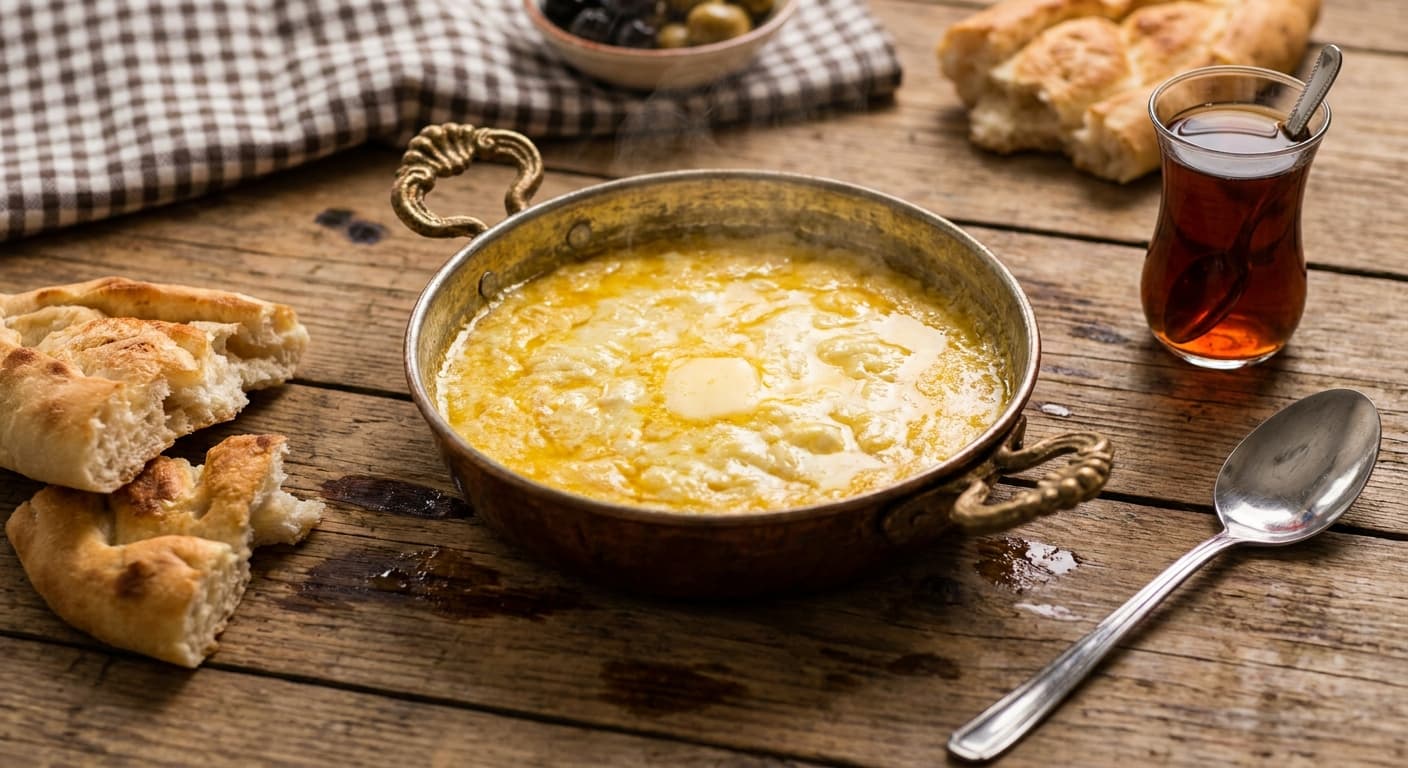
Mıhlama (Mıhlama) — Black Sea Cornmeal and Cheese Skillet
Turkish · Main Courses · 25 min

Cornish Pasty (Cornish Pasty) — Traditional Beef and Swede Hand Pie
British · Main Courses · 100 min
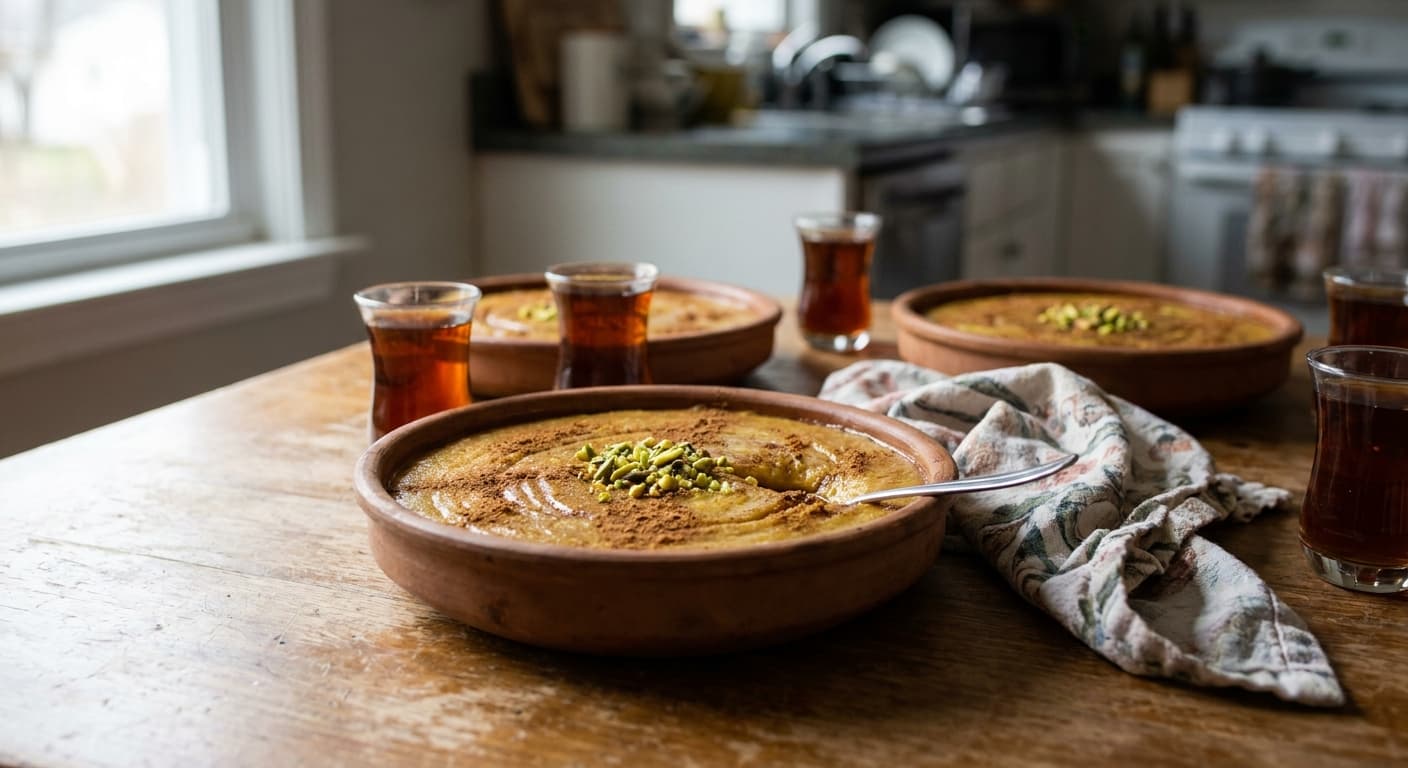
Persian Kachi (کاچی) — Saffron Rosewater Pudding
Persian · Desserts · 45 min
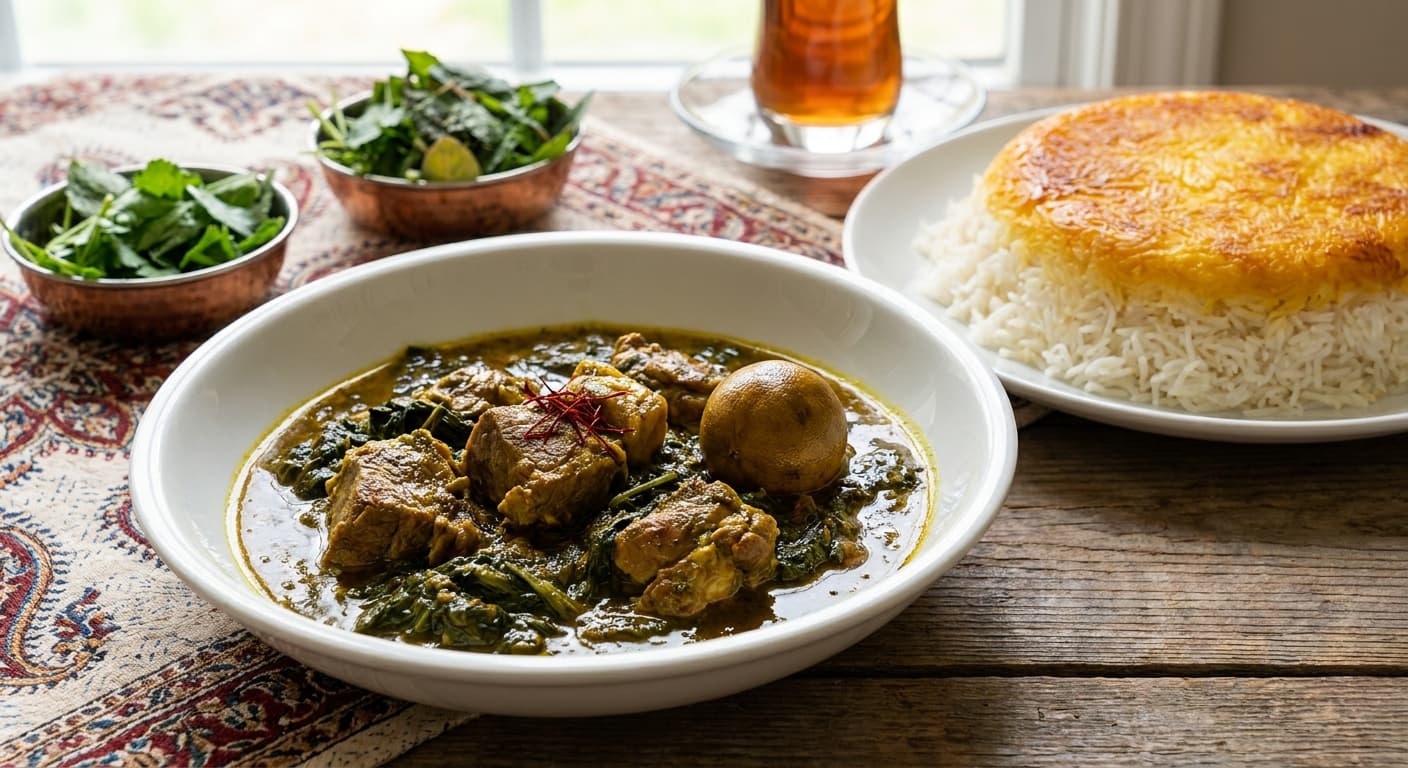
Persian Khoresht Saak (خورش ساک) — Saffron-Cardamom Lamb Stew with Saak Greens
Persian · Stews · 145 min
Reviews
Cooked this recipe?
Tap the stars to rate it — that's all it takes. A few words are welcome but optional.
No ratings yet. Cooked this one? Be the first to rate it — it takes one tap.