A Beginner's Guide to Turkish Meze
Meze is the Turkish way of turning small plates into a long, generous evening. Learn what to serve, how to balance flavors, and the warm table etiquette that makes meze feel like home.
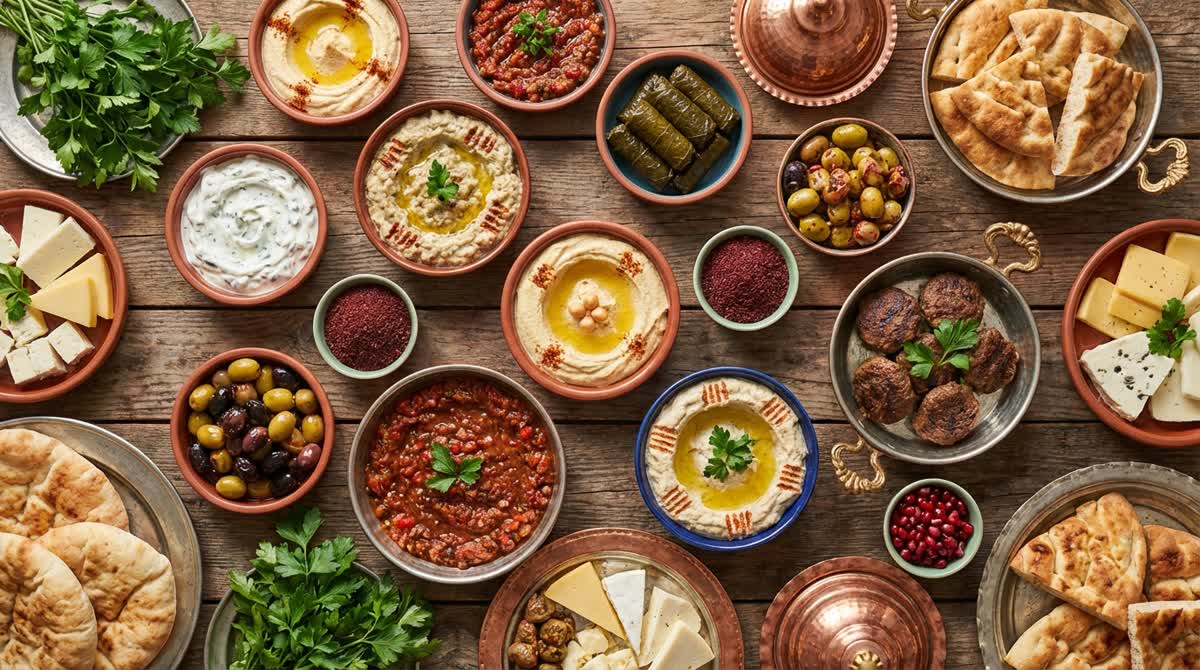
What is meze, really?
Meze (or mezze, depending on where you are) is often described as “small plates.” That’s true, but in Turkey meze is also a tempo. It’s the slow, friendly rhythm of a table that doesn’t rush. It’s conversations that unfold while plates are refilled. It’s the feeling that someone thought about balance, color, and comfort, not just calories.
In Turkish food culture, meze is frequently associated with a rak table (anise spirit diluted with water), seafood dinners by the coast, and family gatherings where the meal is more social than scheduled. But you don’t need a special occasion to do meze at home. You just need a few reliable dishes, good bread, and a willingness to let the table linger.
This beginner’s guide is here to help you build a meze spread that feels authentic in spirit: generous, varied, and welcoming.
The meze philosophy: contrast and harmony
A satisfying Turkish meze table usually has:
- Something creamy (yogurt-based dips, soft cheeses)
- Something tangy (lemon, sumac, pickles)
- Something herbal (fresh dill, parsley, mint)
- Something smoky (roasted eggplant, charred peppers)
- Something briny (olives, feta, capers)
- Something warm (brek, kta, grilled seafood)
The goal is not to overwhelm. It’s to keep every bite interesting. Think of it like composing a playlist: you want a few bold songs, a few gentle ones, and no duplicates back-to-back.
The essential building blocks (with recipe links)
Here are dependable meze dishes that cover the core flavors. You can pick 5–8 for a comfortable table, or 10–12 for a bigger gathering.
Creamy and cooling
-
Cacik (Turkish Yogurt & Cucumber) Yogurt, cucumber, garlic, mint or dill. Serve cold with olive oil on top.
-
Haydari (Thick Yogurt Dip) A thicker, richer cousin of cacik, often with herbs and a little tang.
Smoky, roasted, and deeply satisfying
-
Patlcan Salatas (Roasted Eggplant Salad) Roast until the eggplant collapses, then dress with olive oil, lemon, and garlic.
-
Kzl Biber Salatas (Roasted Red Pepper Salad) Sweet, smoky, and bright. Excellent with feta or walnuts.
Bright, herbal, and fresh
-
Piyaz (White Bean Salad) Beans with onion, parsley, and a sharp dressing. It’s filling without feeling heavy.
-
Shepherd’s Salad (Coban Salatasi) Tomatoes, cucumbers, peppers, onion, parsley. A classic table refresher.
Briny and snacky
-
Marinated Olives If there’s one “effortless meze,” it’s a bowl of good olives with olive oil, citrus peel, and herbs.
-
Sigara Bregi (Cheese Rolls) Crispy pastry cigars with cheese. Always the first to disappear.
Warm plates to anchor the table
-
Kofta (Turkish Meatballs) Serve with lemon, sumac onions, and a yogurt dip on the side.
-
Mdye Dolma (Stuffed Mussels) A beloved street-food style meze, if you want something coastal and special.
(If you’re vegetarian, you can anchor with brek, grilled halloumi, or a warm lentil dish.)
How to build a meze table (without stress)
Choose a theme: “coastal” or “home-style”
- Coastal meze leans into seafood, lemon, olive oil, and lighter salads.
- Home-style meze is heartier, with beans, yogurt dips, pastries, and maybe meatballs.
Pick one theme and your table will feel cohesive, even if you improvise.
Use a simple ratio
For a beginner-friendly spread, aim for:
- 2 yogurt/creamy dishes
- 2 roasted/olive-oil dishes
- 1 fresh salad
- 1 briny bowl (olives or pickles)
- 1 warm anchor
That’s already a beautiful table.
Think about temperature
A great meze night has mostly room-temperature and cold plates, with one or two warm dishes arriving in waves. This lets you relax and enjoy your guests instead of cooking nonstop.
Tip: Roast eggplant and peppers earlier in the day. Yogurt dips can be made ahead. Salad is last-minute. Warm plates can be quick (brek reheats well, kofta can be pre-shaped).
The bread question (important!)
Meze without bread feels incomplete. Good crusty bread, pide, or lavash turns dips into a meal. If you can, warm the bread slightly. If you’re serving a larger dinner, you can also add a simple pilaf as an anchor.
Turkish table etiquette: how meze is served and shared
Turkish hospitality is generous, but it’s also considerate. A few gentle guidelines help your table feel true to the culture:
- Put plates in the center and let everyone share. Meze is communal by design.
- Start with the lighter plates (yogurt, salads), then move to richer or spicy ones, then warm dishes.
- Refill slowly. Meze is about pacing. Add a new plate when one is halfway gone.
- Offer, don’t push. Guests will take what they like. The goal is comfort.
- Keep tea in mind. After the meal, Turkish tea often appears, especially in home settings.
If you’re serving rak, it’s usually sipped, not rushed. Many people also enjoy meze with sparkling water, ayran, or just tea. The table welcomes all of it.
Practical tips that elevate your meze overnight
Use quality olive oil
So many meze dishes are olive-oil forward. A fruity, fresh olive oil makes simple plates taste intentional.
Balance garlic
Garlic is beloved, but a meze table can become “all garlic” if you’re not careful. Let one or two dishes be garlicky and keep others herb-forward or lemony.
Add one “surprise” element
A bowl of pomegranate arils, toasted walnuts, or a spoon of pepper paste in one dish can make the table feel special without extra work.
Keep a lemon bowl on the table
It’s practical and it signals freshness. Many Turkish plates come alive with a final squeeze.
A sample beginner meze menu (8 plates)
Here’s a balanced spread you can build for 4–6 people:
- Cacik (Turkish Yogurt & Cucumber)
- Haydari (Thick Yogurt Dip)
- Patlcan Salatas (Roasted Eggplant Salad)
- Kzl Biber Salatas (Roasted Red Pepper Salad)
- Piyaz (White Bean Salad)
- Shepherd’s Salad (Coban Salatasi)
- Marinated Olives
- Kofta (Turkish Meatballs)
Serve with warm bread, a little feta, and something sweet after (even a bowl of seasonal fruit feels right).
The best part of meze is the feeling
If you take one thing from Turkish meze culture, let it be this: meze is not a performance, it’s a welcome. It says, “Sit, eat a little, talk a lot, stay as long as you want.”
You can start small. Three plates and bread is already meze. Over time you’ll learn which dishes your friends reach for first, which flavors your table loves, and how to pace the night so it feels effortless.
And when someone lingers, tearing bread and scooping the last bit of yogurt dip, you’ll know you did it right.