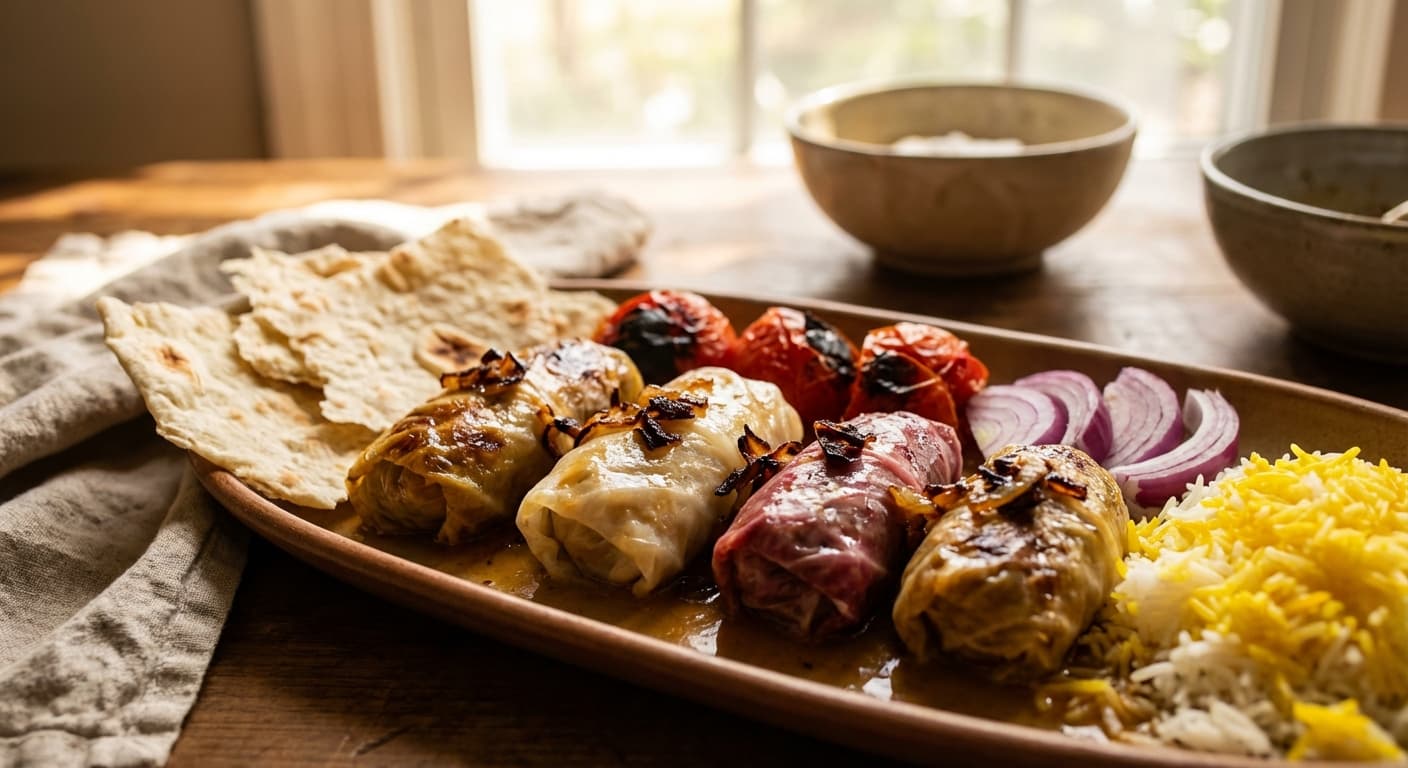
Dolmeh Kebab (دلمه کباب) — Persian Stuffed Cabbage Rolls
Tender white and red cabbage leaves are wrapped around a buttery, onion-rich ground meat filling bound with bread crumbs, then gently braised in meat broth until juicy and deeply savory.
Printable Recipe Card
Servings: 6 · Total: 130 min · Difficulty: medium
Ingredients (quick list)
- 900 g White cabbage (1 medium head; outer damaged leaves removed)
- 450 g Red cabbage (1 small head; outer damaged leaves removed)
- 18 g Kosher salt (divided; plus more for blanching water if desired)
- 400 g Ground lamb (15–20% fat preferred)
- 250 g Ground beef (15–20% fat preferred)
- 180 g Fried onions (store-bought crispy fried onions or homemade, cooled)
- 70 g Sandwich bread crumbs (from plain sandwich bread, finely ground; about 1 1/2 cups loosely packed)
- 60 g Unsalted butter (melted and cooled slightly)
- 3 g Ground black pepper (about 1 teaspoon)
- 900 ml Meat broth (beef or lamb broth, low-sodium if possible)
- 30 g Tomato paste (about 2 tablespoons)
- 30 ml Lemon juice (about 2 tablespoons)
+ 2 more in the full ingredients section below.
Steps (summary)
- Prepare the cabbage leaves: bring a large pot of water to a steady boil (about 100°C/212°F). Core the white and red cabbages, t…
- Mix the filling: in a large bowl combine ground lamb, ground beef, fried onions, sandwich bread crumbs, melted butter, 12 g of…
- Roll the dolmeh: lay one cabbage leaf flat, rib-side up. Place 45–55 g filling near the base, shape into a short log, then fold…
- Build the braising base: in a wide, heavy pot or Dutch oven, add neutral oil and swirl to coat. Whisk meat broth with tomato pa…
- Arrange and braise: nestle cabbage rolls seam-side down in snug layers. Pour in the remaining broth mixture until it comes abou…
- Finish and serve: uncover and cook 10–12 minutes more to slightly reduce the braising liquid into a light sauce. Check doneness…
Cultural Background
Stuffed vegetable dishes are a long-standing home-cooking tradition across Iran and neighboring regions, often prepared for family meals because they stretch ingredients while staying satisfying. Cabbage rolls are commonly associated with cool-weather cooking, when slow braises and hearty flavors are especially appreciated.
Equipment
💡 Tips
- Choose cabbages with large, intact outer leaves; smaller inner leaves can be overlapped to form one wrapper.
- Trimming the thick rib (rather than removing it) prevents tearing and helps the roll cook evenly.
- If using very salty fried onions or broth, reduce the added salt by 2–4 g and adjust at the end.
- A snug pot is important; tightly packed rolls hold their shape and braise more evenly.
- For cleaner slices and tighter rolls, chill cooked dolmeh 30 minutes, then reheat gently in the sauce.
⚠️ Common Mistakes
❌ Skipping the cold-water shock after blanching
💡 Why: Leaves keep cooking, become fragile, and tear when rolled.
✅ Fix: Transfer blanched leaves to cold water for 1 minute, then drain thoroughly before trimming and rolling.
❌ Overmixing the ground meat filling
💡 Why: Too much mixing makes the filling dense and bouncy instead of tender.
✅ Fix: Mix only until cohesive and tacky (about 60–90 seconds), then chill 10 minutes to firm.
❌ Braising at a hard boil
💡 Why: Vigorous bubbling can split the rolls and toughen the meat.
✅ Fix: Keep a gentle simmer on low heat; you should see only occasional small bubbles at the edges.
❌ Using a pot that is too large
💡 Why: Rolls shift around, unravel, and cook unevenly because they are not supported.
✅ Fix: Choose a snug pot or arrange rolls in two tight layers; use a plate weight to keep them in place.
🧊 How to Store
Cool to room temperature within 2 hours. Refrigerate rolls in their sauce in an airtight container for up to 4 days. Reheat covered on the stovetop over low heat 10–15 minutes, adding 30–60 ml water if needed. Freeze up to 2 months; thaw overnight in the refrigerator before reheating.
📅 Make Ahead
Blanch and trim cabbage leaves up to 2 days ahead and refrigerate well-wrapped. Mix the filling up to 24 hours ahead and keep chilled. You can assemble the rolls 1 day ahead; store in a single layer, covered, then braise the next day, adding 5–10 minutes to reach temperature.
🍽️ Pairs Well With
- Steamed basmati rice
- Plain yogurt with cucumber and mint
- Fresh herbs and radishes
- Pickled vegetables
Regional Variations
- Northwestern IranCabbage rolls are often made smaller and packed tightly, with a slightly more pronounced sweet-and-sour sauce using extra lemon juice and a touch more sugar.
- Tehran-style home cookingRolls are commonly served with a simple broth-based sauce and minimal sourness, emphasizing buttery richness and onion-forward aroma.
Ingredients
- 900 gWhite cabbage (1 medium head; outer damaged leaves removed)
- 450 gRed cabbage (1 small head; outer damaged leaves removed)
- 18 gKosher salt (divided; plus more for blanching water if desired)
- 400 gGround lamb (15–20% fat preferred)
- 250 gGround beef (15–20% fat preferred)
- 180 gFried onions (store-bought crispy fried onions or homemade, cooled)
- 70 gSandwich bread crumbs (from plain sandwich bread, finely ground; about 1 1/2 cups loosely packed)
- 60 gUnsalted butter (melted and cooled slightly)
- 3 gGround black pepper (about 1 teaspoon)
- 900 mlMeat broth (beef or lamb broth, low-sodium if possible)
- 30 gTomato paste (about 2 tablespoons)
- 30 mlLemon juice (about 2 tablespoons)
- 8 gGranulated sugar (about 2 teaspoons; balances cabbage bitterness)
- 15 mlNeutral oil (for greasing the pot; sunflower or canola)
🔄 Substitutions
- Ground lamb→ All ground beef (same total weight)
- Sandwich bread crumbs→ Panko bread crumbs (same weight)
- Meat broth→ Chicken broth
Instructions
- 1
Prepare the cabbage leaves: bring a large pot of water to a steady boil (about 100°C/212°F). Core the white and red cabbages, then loosen 18–22 whole leaves. Blanch leaves in batches for 2–4 minutes until flexible. Shock in cold water 1 minute, drain well, and trim thick ribs to flatten without cutting through.
- 2
Mix the filling: in a large bowl combine ground lamb, ground beef, fried onions, sandwich bread crumbs, melted butter, 12 g of the salt, and all the black pepper. Mix with your hand for 60–90 seconds until tacky and cohesive, but do not overwork. Refrigerate the mixture for 10 minutes to firm up for easier rolling.
- 3
Roll the dolmeh: lay one cabbage leaf flat, rib-side up. Place 45–55 g filling near the base, shape into a short log, then fold the sides inward and roll tightly into a compact cylinder. Repeat with remaining leaves, using red cabbage for a portion of rolls for color. Keep rolls seam-side down to prevent opening.
- 4
Build the braising base: in a wide, heavy pot or Dutch oven, add neutral oil and swirl to coat. Whisk meat broth with tomato paste, lemon juice, sugar, and the remaining 6 g salt until smooth. Pour about one-third of this liquid into the pot and bring to a gentle simmer over medium heat (about 5 minutes).
- 5
Arrange and braise: nestle cabbage rolls seam-side down in snug layers. Pour in the remaining broth mixture until it comes about halfway up the rolls; add a little water only if needed. Cover with a heatproof plate to keep rolls submerged, then lid the pot and simmer on low for 55–65 minutes, maintaining a quiet bubble.
- 6
Finish and serve: uncover and cook 10–12 minutes more to slightly reduce the braising liquid into a light sauce. Check doneness: filling should reach 71°C/160°F and cabbage should be tender. Rest off heat 10 minutes. Spoon sauce over the rolls and serve hot, with extra broth-sauce on the side.
🪪 Recipe Passport
Cultural Background
Stuffed vegetable dishes are a long-standing home-cooking tradition across Iran and neighboring regions, often prepared for family meals because they stretch ingredients while staying satisfying. Cabbage rolls are commonly associated with cool-weather cooking, when slow braises and hearty flavors are especially appreciated.
Regional Variations
Researched from multiple sources and validated by the Zaffaron editorial team. Every recipe is tested for accuracy, measurements, and cultural authenticity.
Nutrition per serving
Pairs well with
If you enjoyed this recipe, here are a few related Zaffaron recipes to try next.
Does your family make this differently?
Every family has their own version. Maybe your grandmother adds a secret ingredient, or your aunt has a completely different technique. Preserve your family's version — with their name on it, forever.
You Might Also Like
Saffron Sweet Rice (پلو شیرینی زعفرانی) — Festive Persian milk-saffron rice with nuts
Persian · Rice Dishes · 75 min
Ash-e Sak (آش ساک) — Gorgani Spinach and Lamb Ash
Persian · Soups · 175 min
Ash-e Torsh (آش ترش) — Sour Herb and Legume Soup
Persian · Soups · 145 min
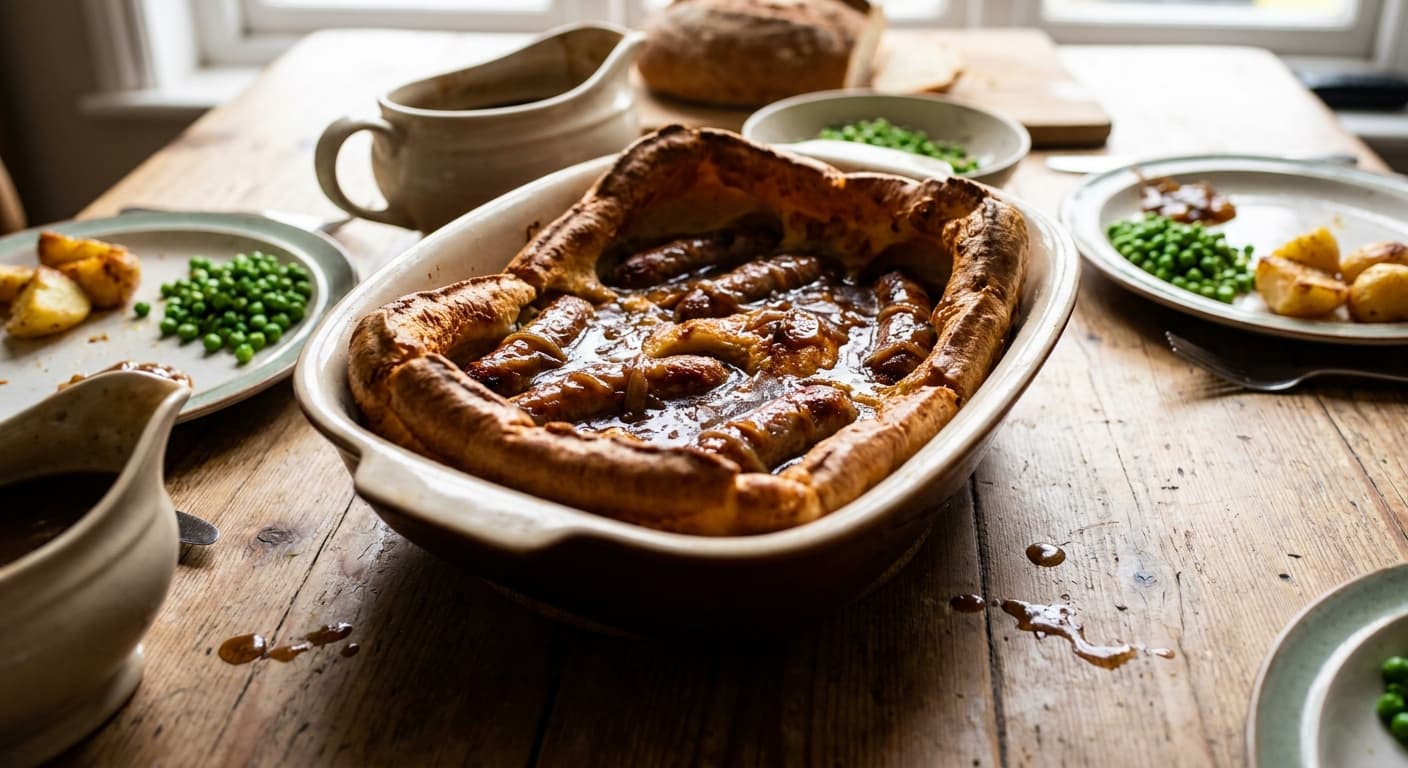
Toad in the Hole (Toad in the Hole) — Sausages Baked in Yorkshire Pudding Batter
British · Main Courses · 65 min
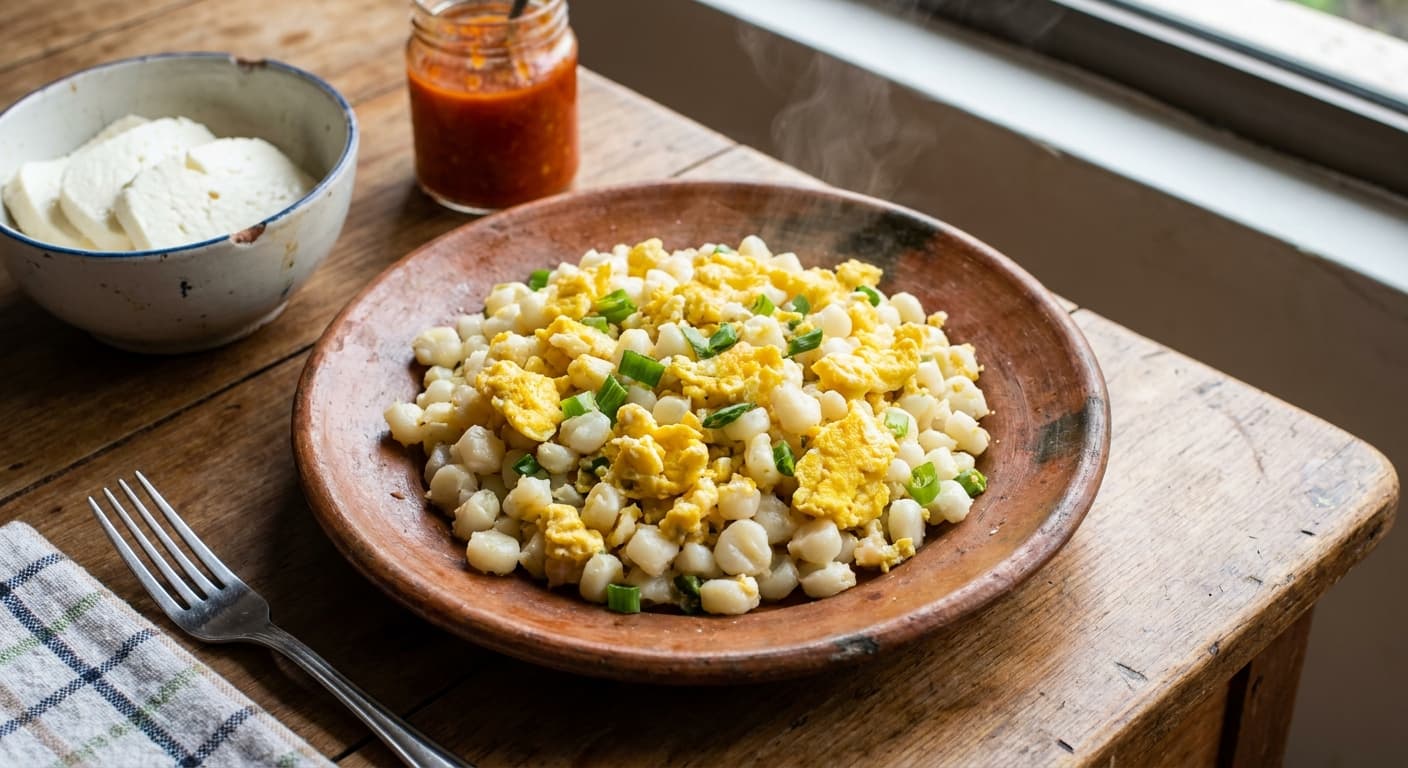
Scrambled Hominy and Eggs (Mote pillo) — Ecuadorian Highland Breakfast
Ecuadorian · Main Courses · 25 min
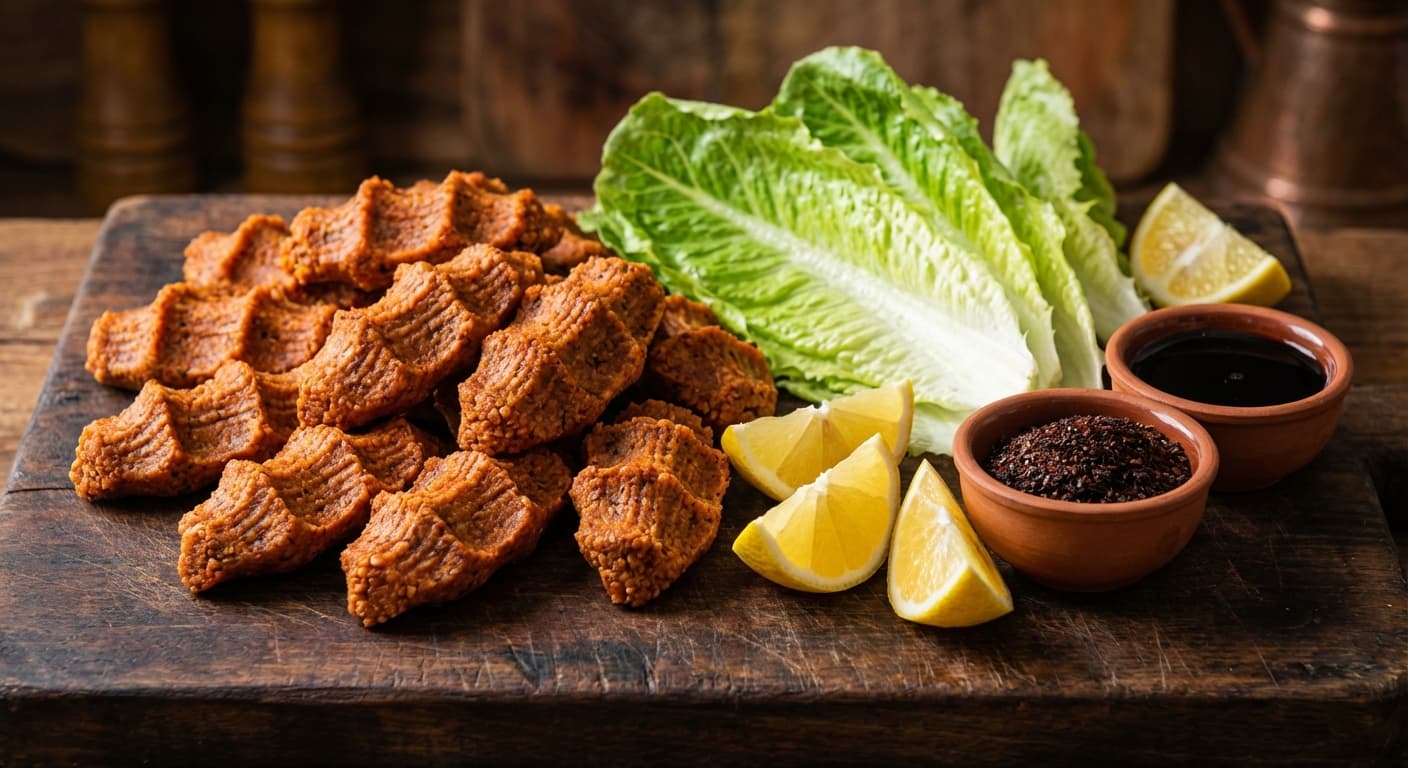
Cig Kofte (Çiğ Köfte) — Isot-kissed bulgur kneaded and served in lettuce
Turkish · Appetizers · 25 min
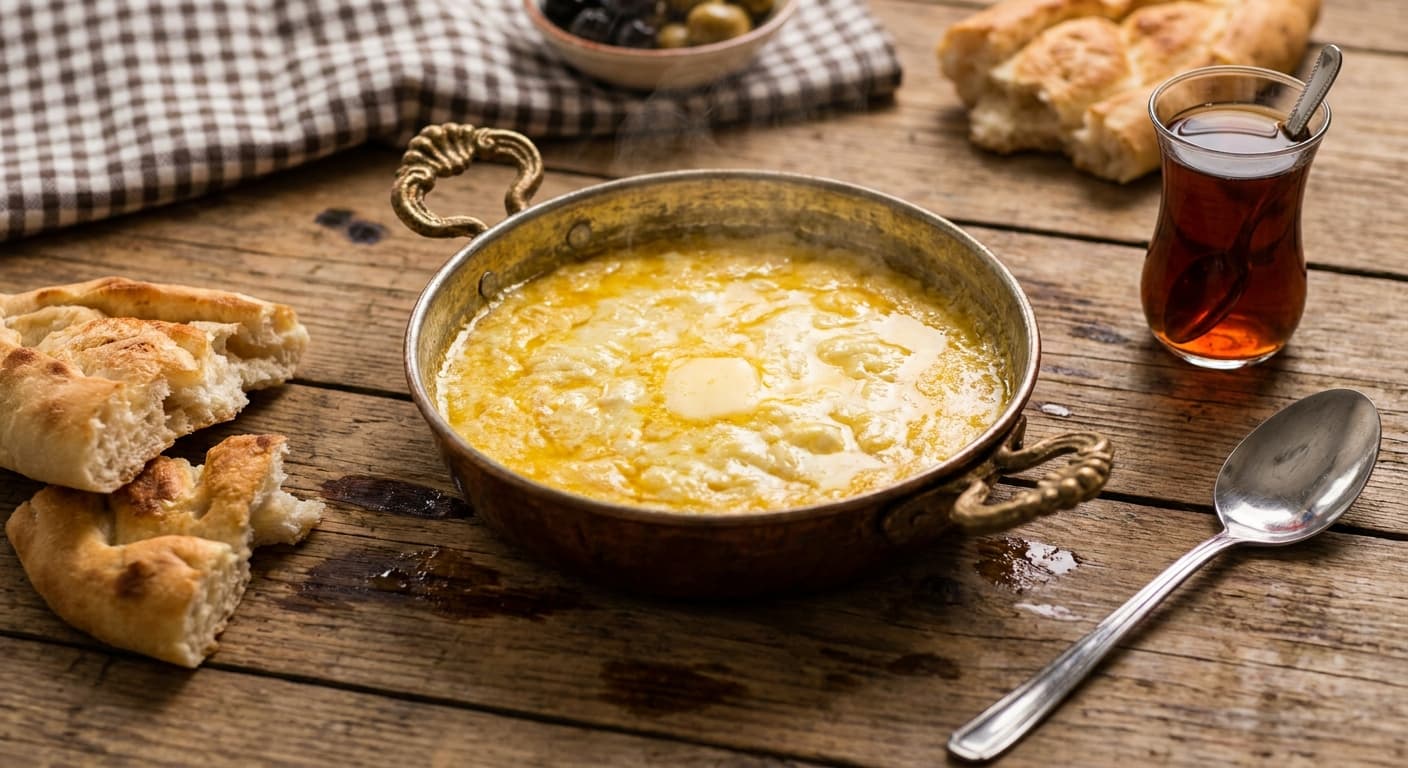
Mıhlama (Mıhlama) — Black Sea Cornmeal and Cheese Skillet
Turkish · Main Courses · 25 min
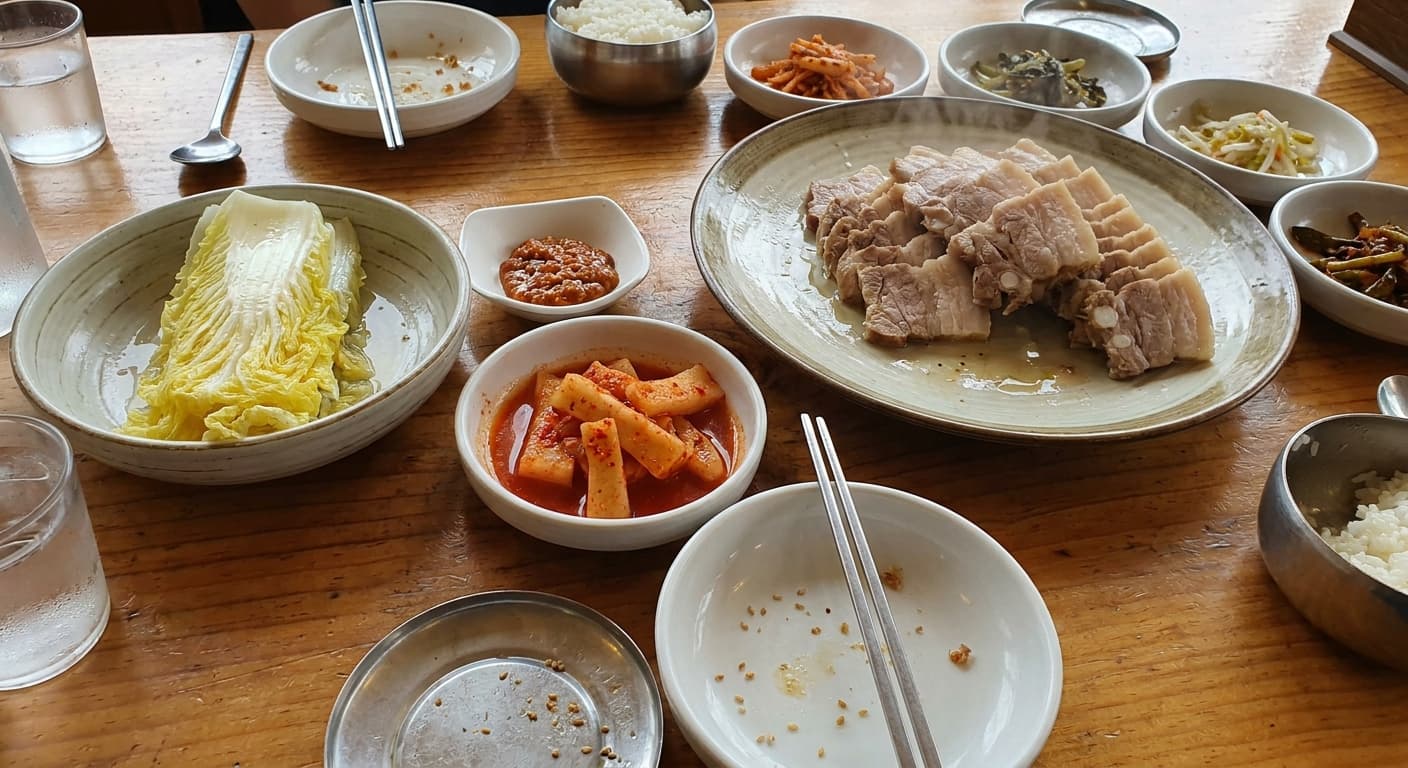
Bossam (보쌈) — Korean Boiled Pork Lettuce Wraps
Korean · Main Courses · 135 min
Reviews
Cooked this recipe?
Tap the stars to rate it — that's all it takes. A few words are welcome but optional.
No ratings yet. Cooked this one? Be the first to rate it — it takes one tap.