Beggar's Chicken (叫化鸡) — Lotus-Wrapped Clay-Baked Jiangnan Chicken
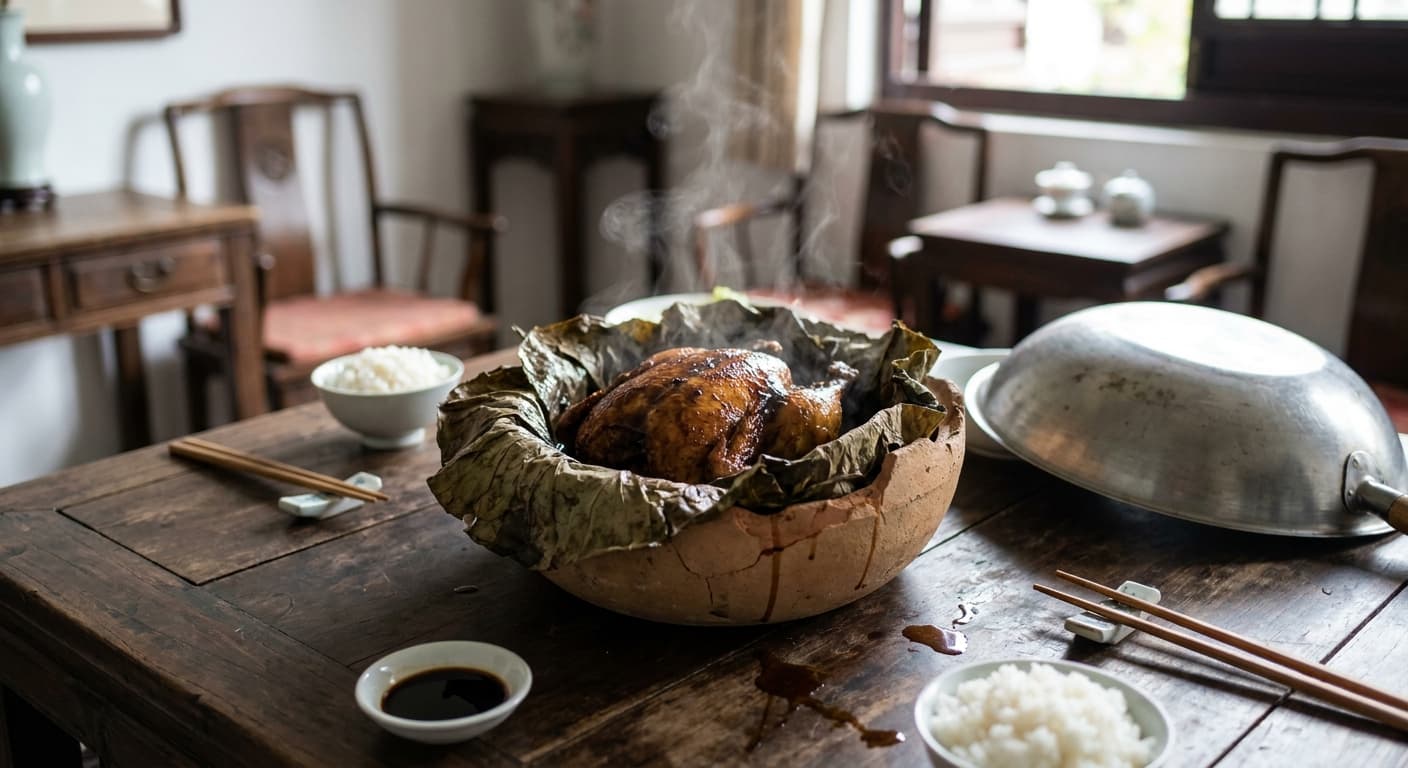
Beggar's Chicken is a celebrated Jiangnan dish associated with Hangzhou and neighboring canal towns. A marinated whole chicken is stuffed, wrapped in lotus leaves, sealed in dough, and slow-baked until fragrant and tender.
Printable Recipe Card
Servings: 6 · Total: 240 min · Difficulty: hard
Ingredients (quick list)
- 1 whole whole chicken (about 1.6 kg, giblets removed)
- 3 tbsp light soy sauce
- 1 tbsp dark soy sauce
- 60 ml Shaoxing wine
- 2 tsp sesame oil
- 2 inch fresh ginger (thinly sliced)
- 4 scallions (cut into 7 cm lengths)
- 0.5 tsp white pepper
- 2 tsp granulated sugar
- 1 tsp fine sea salt
- 8 dried shiitake mushrooms
- 120 g pork belly (skin removed, diced)
+ 8 more in the full ingredients section below.
Steps (summary)
- Place the dried lotus leaves in a large basin and cover them with 3 l of hot water for 30 minutes, weighting them down with a p…
- Pat the whole chicken very dry inside and out with paper towels. Mix the light soy sauce, dark soy sauce, Shaoxing wine, sesame…
- Cover the chicken and refrigerate it for at least 4 hours, or for 12 hours for a deeper Jiangnan-style flavor. Turn the chicken…
- Heat a wok over medium-high heat, add the neutral oil, and stir-fry the pork belly for 3 minutes until some fat renders. Add th…
- Let the stuffing cool for 10 minutes before using it, because hot stuffing can encourage uneven cooking in the chicken cavity.…
- Drain the lotus leaves and pat them dry, then overlap them on the work surface so there are no gaps. Wrap the stuffed chicken c…
+ 4 more steps in the full instructions section below.
Cultural Background
Beggar's Chicken is tied to Jiangnan storytelling and banquet cooking, especially around Hangzhou. Fuchsia Dunlop describes the region's taste for refined aromas, wine-seasoned meats, and carefully balanced soy-based savoriness.
Equipment
💡 Tips
- Do not eat the sealing dough; it replaces traditional clay for home ovens and is used only to trap steam and aroma.
- Use lotus leaves rather than banana leaves if possible, because their tea-like fragrance is central to the dish.
- Marinating overnight gives the most authentic depth, but keep the salt measured because the ham and soy sauce also season the chicken.
⚠️ Common Mistakes
❌ Leaving gaps in the dough seal
✅ Fix: Patch every crack with extra dough before baking so the chicken steams inside its own aromatic packet.
❌ Stuffing the chicken while the filling is hot
✅ Fix: Cool the filling for 10 minutes so the bird cooks evenly and safely.
❌ Using too much soy sauce in the marinade
✅ Fix: Keep the measured amounts because the cured ham and reduced juices concentrate saltiness during baking.
🧊 How to Store
Refrigerate leftover chicken and stuffing in a sealed container for up to 3 days. Reheat covered with 2 tbsp chicken stock or water in a 160 C oven for 18 minutes, or steam gently for 10 minutes to preserve moisture.
📅 Make Ahead
Marinate the chicken up to 12 hours ahead and prepare the cooled stuffing 1 day ahead. Soak the lotus leaves on the day of cooking so they stay pliable and fragrant.
🍽️ Pairs Well With
- Steamed jasmine rice
- stir-fried bok choy
- cucumber salad
- light soy dipping sauce.
Regional Variations
- Hangzhou-style versions often emphasize lotus leaf aroma and a clean Shaoxing wine marinade.
- Changshu-style versions may use a richer stuffing with more cured pork, mushrooms, and bamboo shoots.
- Restaurant versions sometimes use actual food-safe clay, while home versions commonly use salt dough for safety and practicality.
Ingredients
- 1 wholewhole chicken (about 1.6 kg, giblets removed)
- 3 tbsplight soy sauce
- 1 tbspdark soy sauce
- 60 mlShaoxing wine
- 2 tspsesame oil
- 2 inchfresh ginger (thinly sliced)
- 4scallions (cut into 7 cm lengths)
- 0.5 tspwhite pepper
- 2 tspgranulated sugar
- 1 tspfine sea salt
- 8dried shiitake mushrooms
- 120 gpork belly (skin removed, diced)
- 60 gJinhua-style cured ham (diced)
- 80 gbamboo shoots (diced)
- 1 tbspneutral oil
- 4dried lotus leaves
- 2 sheetparchment paper
- 2 sheetaluminum foil
- 1200 gall-purpose flour (not eaten)
- 650 mlwater (add gradually)
🔄 Substitutions
- Jinhua-style cured ham→ Chinese wind-dried sausage
- dried lotus leaves→ parchment paper plus 2 tsp loose green tea inside the foil
- Shaoxing wine→ dry sherry
Instructions
- 1
Place the dried lotus leaves in a large basin and cover them with 3 l of hot water for 30 minutes, weighting them down with a plate if needed. Soak the dried shiitake mushrooms in 500 ml of hot water for 25 minutes, then squeeze them dry, discard the stems, and dice the caps.
- 2
Pat the whole chicken very dry inside and out with paper towels. Mix the light soy sauce, dark soy sauce, Shaoxing wine, sesame oil, ginger, scallions, white pepper, sugar, and salt, then rub the mixture over the skin and inside the cavity for 3 full minutes.
- 3
Cover the chicken and refrigerate it for at least 4 hours, or for 12 hours for a deeper Jiangnan-style flavor. Turn the chicken once during marinating so the soy sauce and Shaoxing wine season both the breast and back evenly.
- 4
Heat a wok over medium-high heat, add the neutral oil, and stir-fry the pork belly for 3 minutes until some fat renders. Add the ham, diced shiitake, bamboo shoots, minced ginger, sliced scallions, light soy sauce, and Shaoxing wine, then stir-fry for 2 minutes until aromatic but not dry.
- 5
Let the stuffing cool for 10 minutes before using it, because hot stuffing can encourage uneven cooking in the chicken cavity. Remove the marinated ginger and scallion lengths from the chicken, then loosely fill the cavity with the cooled stuffing and close the opening with kitchen twine.
- 6
Drain the lotus leaves and pat them dry, then overlap them on the work surface so there are no gaps. Wrap the stuffed chicken completely in the lotus leaves, then wrap it again in parchment paper and aluminum foil to keep the juices inside the package.
- 7
Mix the flour and 180 g salt in a large bowl, then add 650 ml water gradually until a firm, clay-like dough forms. Roll or press the dough into a wide sheet about 1 cm thick, set the wrapped chicken in the center, and seal it completely with no visible cracks.
- 8
Heat the oven to 220 C and place the sealed package on a sturdy rimmed baking sheet. Bake for 30 minutes, then reduce the oven to 175 C and continue baking for 2 hours 15 minutes.
- 9
Remove the package from the oven and rest it undisturbed for 25 minutes so the juices settle inside the chicken. Crack open the hardened dough with the back of a cleaver or a heavy spoon, discard the dough, foil, parchment, and lotus leaves, and check that the thickest part of the thigh reaches 74 C.
- 10
Transfer the chicken and stuffing to a warm platter, spooning any collected juices over the meat. Serve immediately with steamed rice and simply cooked greens so the lotus aroma, soy sauce savoriness, ginger, scallion, and Shaoxing fragrance remain the focus.
🪪 Recipe Passport
Cultural Background
Beggar's Chicken is tied to Jiangnan storytelling and banquet cooking, especially around Hangzhou. Fuchsia Dunlop describes the region's taste for refined aromas, wine-seasoned meats, and carefully balanced soy-based savoriness.
Regional Variations
Researched from multiple sources and validated by the Zaffaron editorial team. Every recipe is tested for accuracy, measurements, and cultural authenticity.
📚 Sources & Cultural References
- Fuchsia Dunlop — Land of Fish and Rice — (2016)
- Alan Davidson — The Oxford Companion to Food — (2014)
Sources cited by the Zaffaron editorial team during recipe research. Cultural and culinary references supporting authenticity claims.
Nutrition per serving
Pairs well with
If you enjoyed this recipe, here are a few related Zaffaron recipes to try next.
Does your family make this differently?
Every family has their own version. Maybe your grandmother adds a secret ingredient, or your aunt has a completely different technique. Preserve your family's version — with their name on it, forever.
You Might Also Like
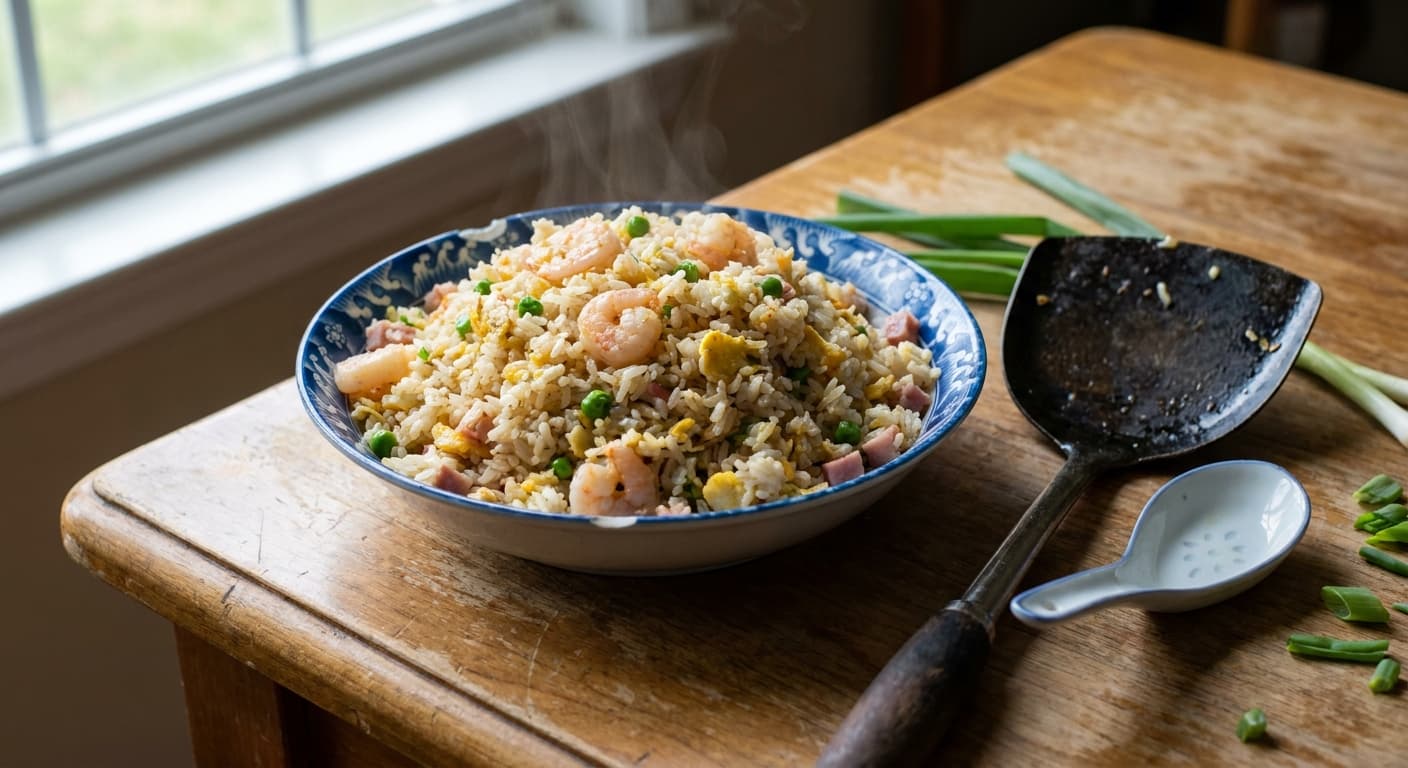
Yangzhou Fried Rice (扬州炒饭) — Classic Shrimp, Char Siu, and Egg Fried Rice
Chinese · Rice Dishes · 30 min
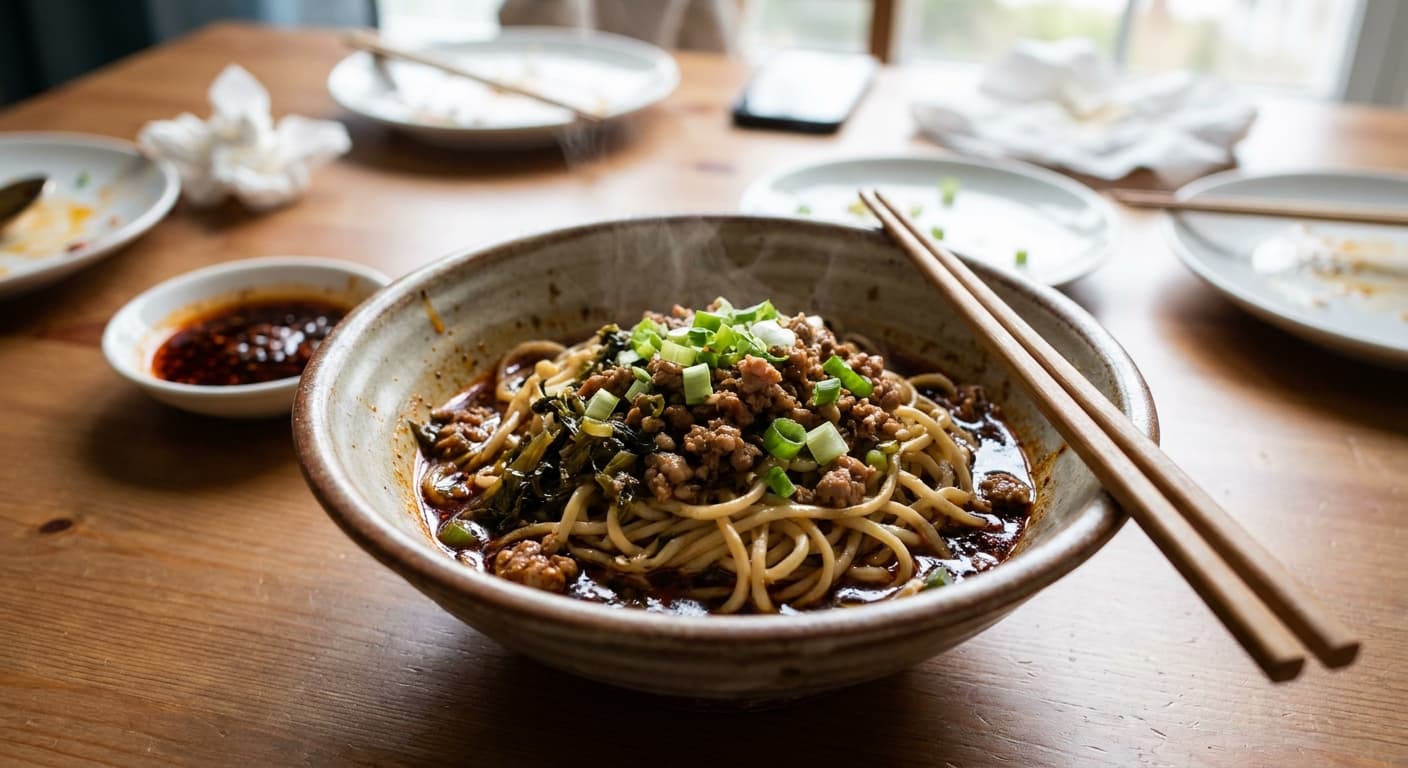
Dan Dan Noodles (担担面) — Sichuan Noodles with Spicy Sesame-Chili Pork Sauce
Chinese · Main Courses · 45 min
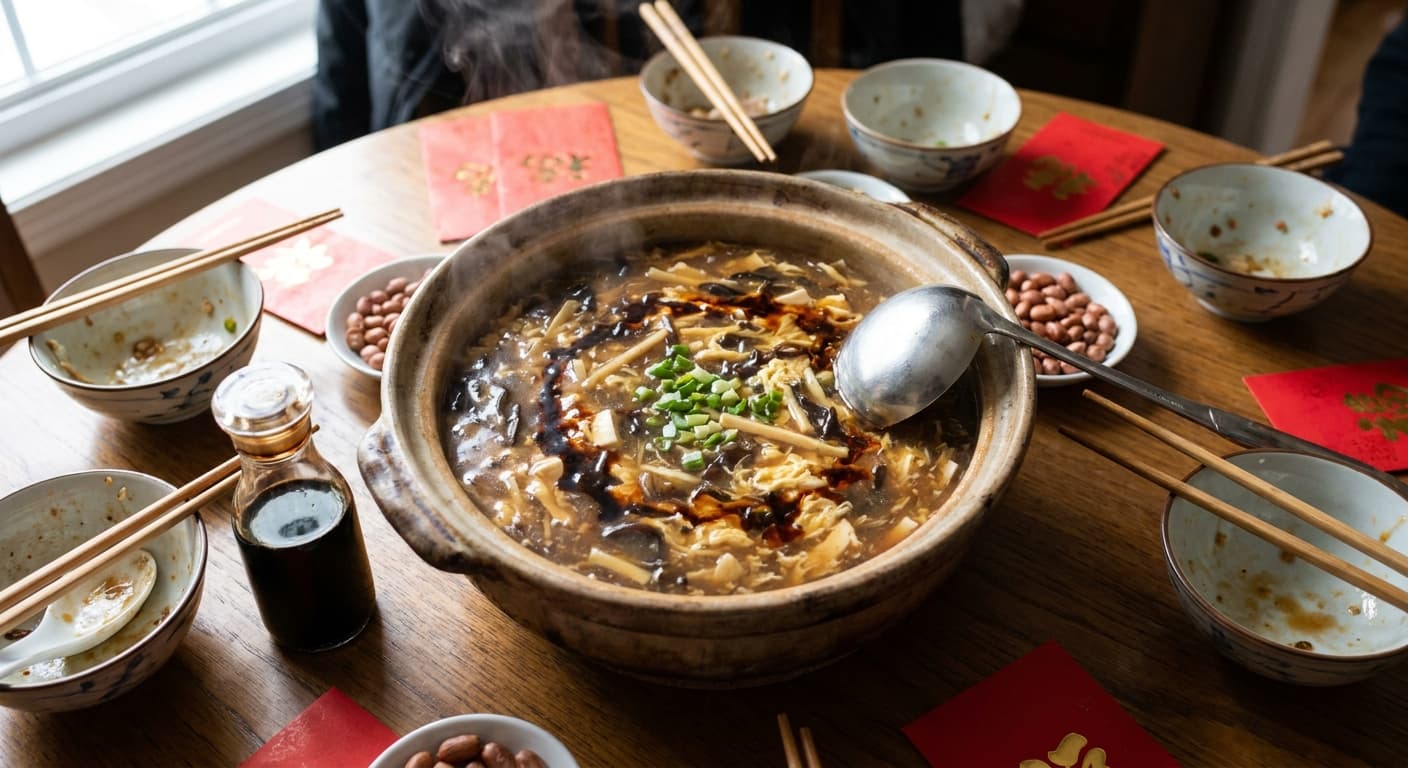
Hot and Sour Soup (酸辣汤) — Northern Chinese Soup with Tofu and Black Vinegar
Chinese · Soups · 45 min
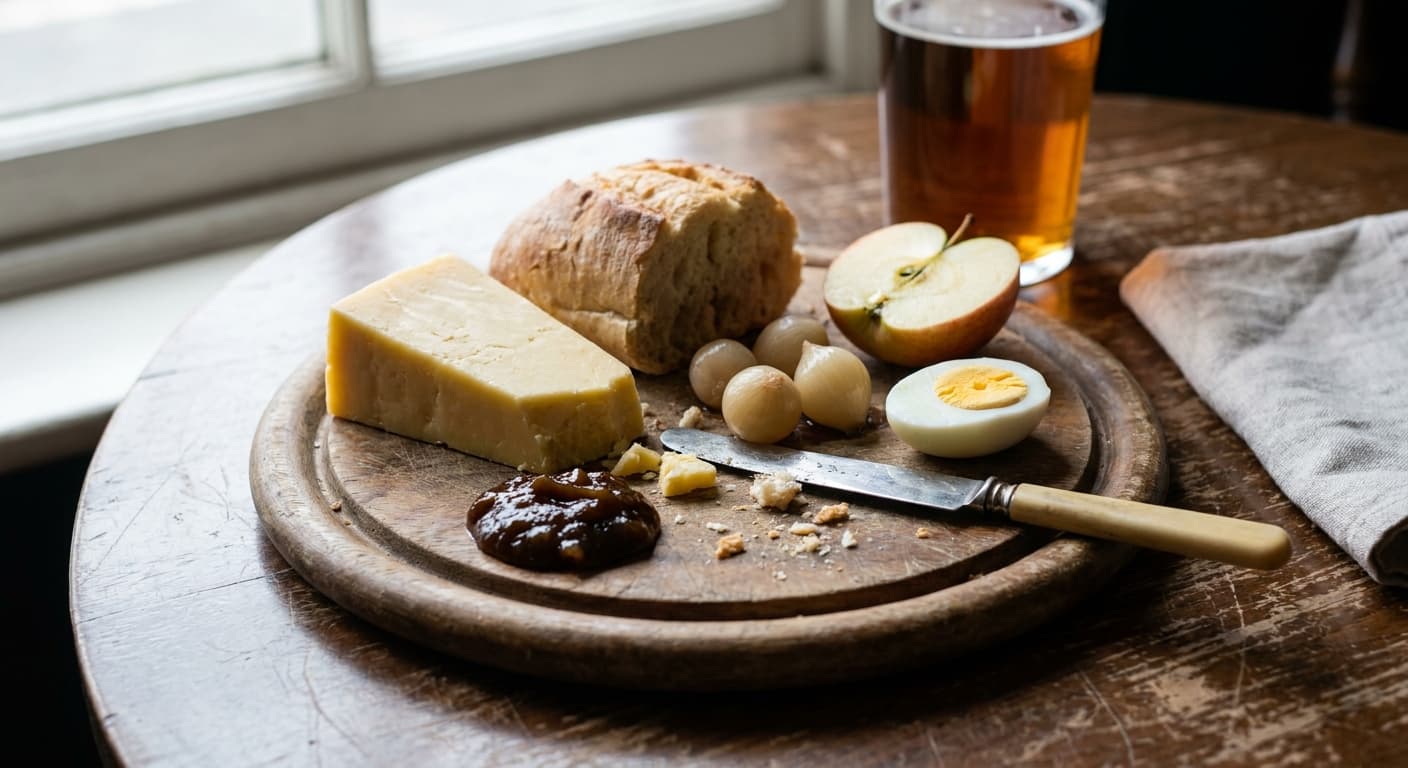
Ploughman's Lunch (Ploughman's Lunch) — British Pub Cheese Platter
British · Main Courses · 30 min
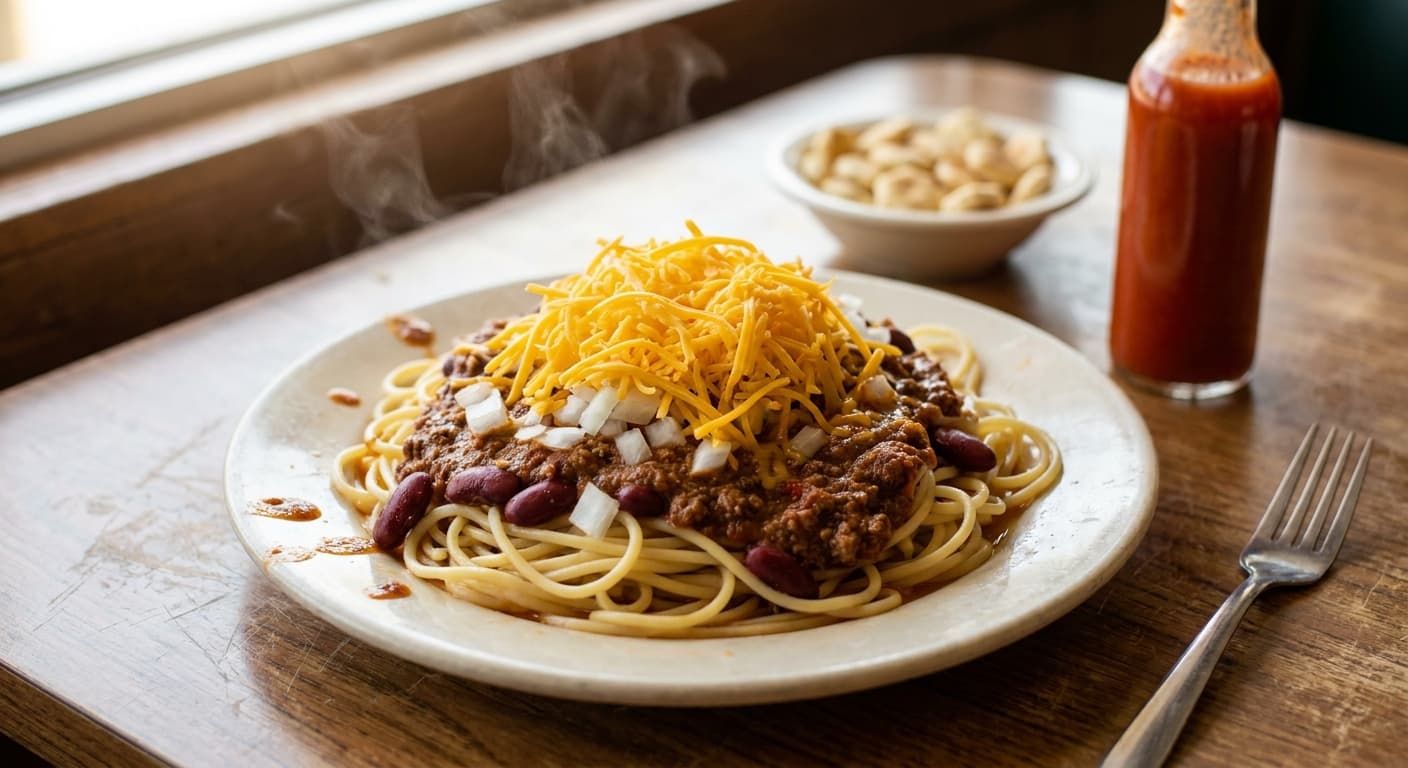
Cincinnati Chili (Cincinnati Chili) — Skyline-Style Spiced Chili over Spaghetti
American · Main Courses · 140 min
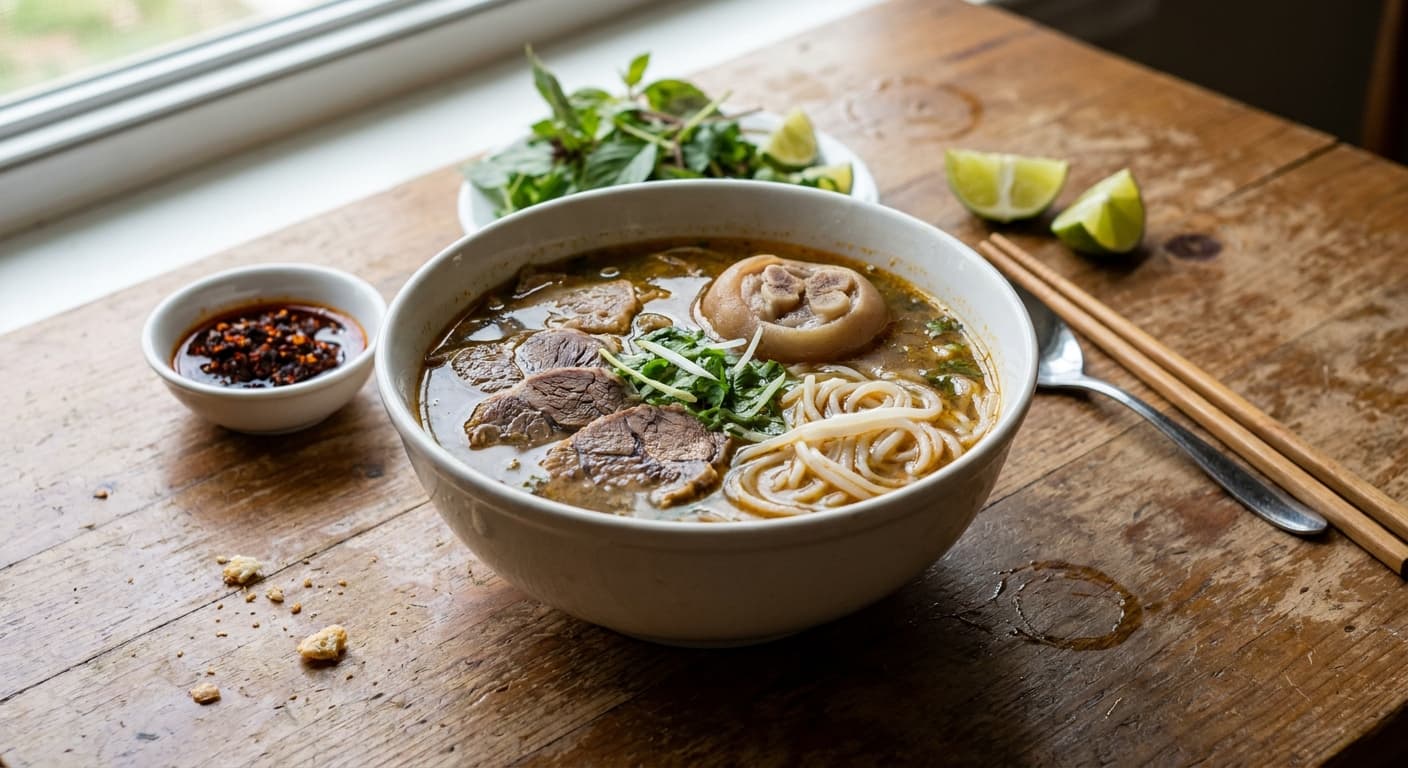
Hue-Style Spicy Beef Noodle Soup (Bún Bò Huế) — Lemongrass Beef and Pork Rice Noodle Soup
Vietnamese · Soups · 260 min
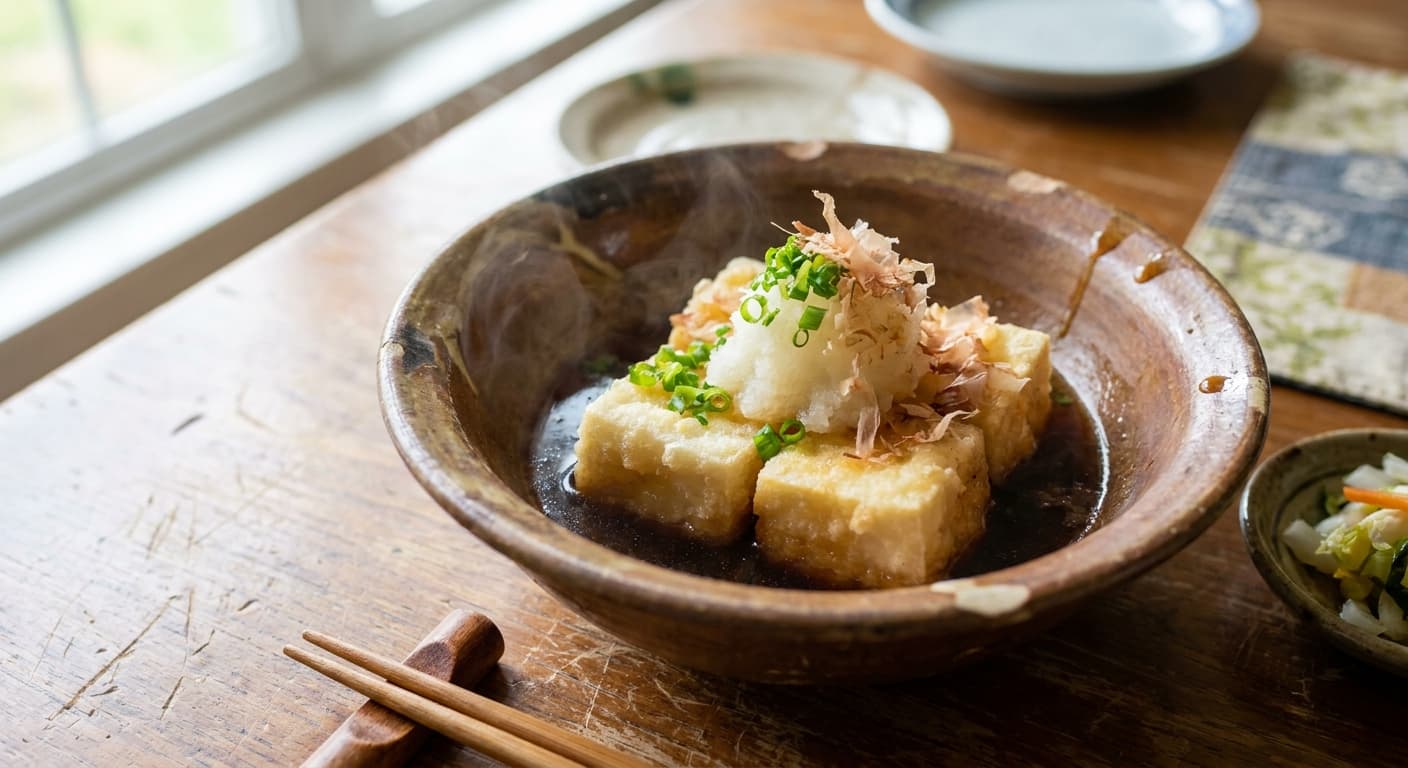
Agedashi Tofu (揚げ出し豆腐) — Crisp Tofu in Savory Broth
Japanese · Appetizers · 40 min
Panta Bhat (পান্তা ভাত) — Overnight Fermented Rice with Fried Ilish
Bangladeshi · Rice Dishes · 35 min
Reviews
Cooked this recipe?
Tap the stars to rate it — that's all it takes. A few words are welcome but optional.
No ratings yet. Cooked this one? Be the first to rate it — it takes one tap.