Firni (فیرنی) — Azerbaijani Milk and Rice Flour Pudding
Firni is a beloved Azerbaijani milk pudding thickened with rice flour and gently perfumed with saffron and rosewater. Traditionally served chilled in small bowls, it’s a simple, comforting dessert found at family tables and festive gatherings.
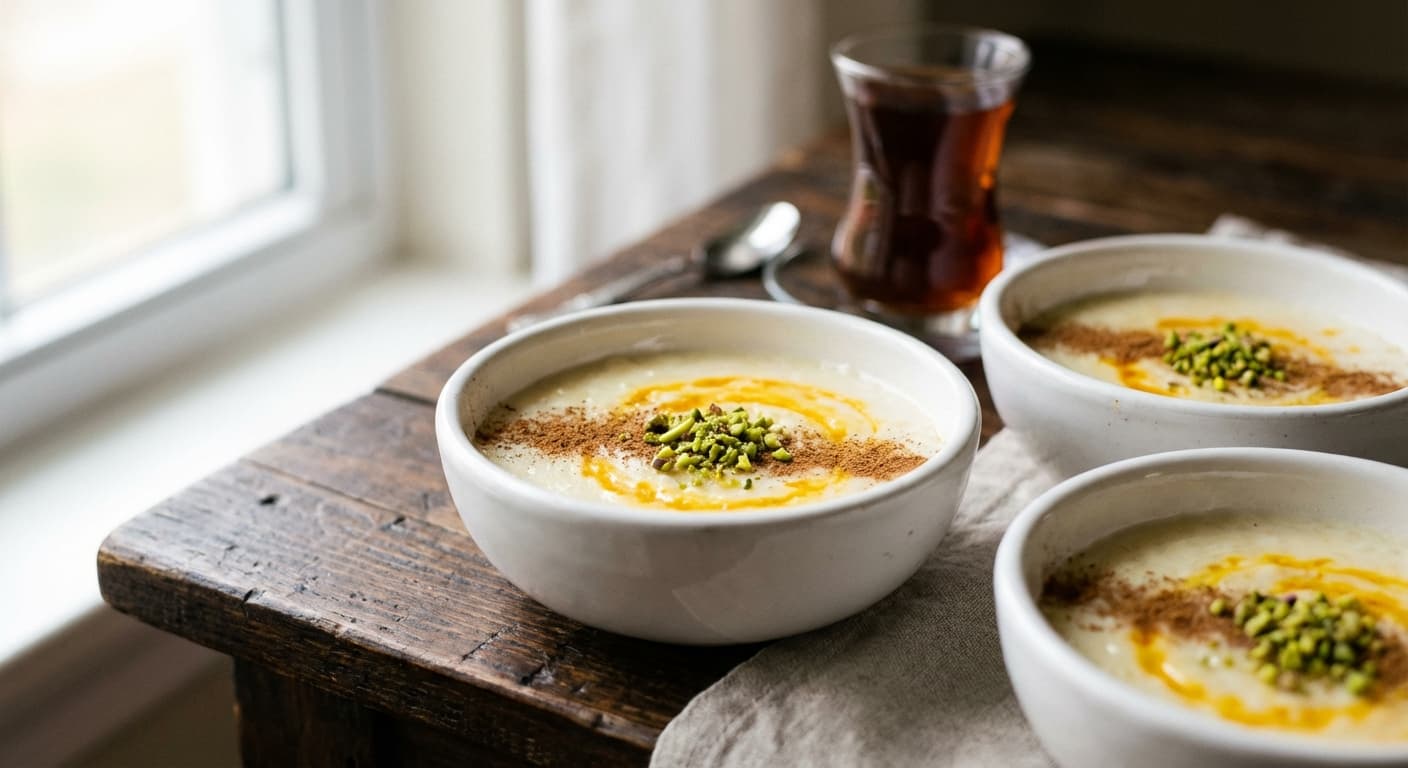
Printable Recipe Card
Servings: 6 · Total: 30 min · Difficulty: easy
Ingredients (quick list)
- 1000 ml whole milk (3.25% fat preferred for a classic texture)
- 80 g rice flour (fine rice flour, not glutinous rice flour)
- 90 g granulated sugar
- 1 tsp salt (balances sweetness)
- 0.2 g saffron threads (about a generous pinch)
- 30 ml hot water (for blooming saffron)
- 2 tsp rosewater (add at the end to preserve aroma)
- 0.5 tsp ground cinnamon (for dusting)
- 30 g pistachios (finely chopped)
Steps (summary)
- Bloom the saffron by crushing the threads lightly and mixing them with 30 ml hot water in a small cup. Let it steep for 8–10 mi…
- In a medium bowl, whisk 200 ml of the milk with the rice flour until completely smooth and lump-free. Take your time here, beca…
- Pour the remaining 800 ml milk into a heavy-bottomed saucepan and add the sugar and salt. Warm over medium heat, stirring for 2…
- While whisking constantly, slowly pour the rice-flour slurry into the hot milk in a thin stream. Keep the heat at medium and wh…
- Cook for 8–10 minutes, stirring with a whisk and then a spatula, until the mixture becomes glossy and coats the back of a spoon…
- Stir in the bloomed saffron (including its liquid) and cook for 1 minute to distribute the color. Turn off the heat, add the ro…
+ 2 more steps in the full instructions section below.
Cultural Background
Across Azerbaijan, firni is a nostalgic home dessert—simple pantry ingredients transformed into something elegant with saffron and floral waters. It’s often served to guests as a sign of hospitality and appears at celebrations alongside tea and sweets.
Equipment
💡 Tips
- For extra-smooth firni, strain the rice-flour slurry through a fine sieve before adding it to the pot.
- Keep the milk below a full boil; boiling can create a cooked-milk flavor and increase the risk of scorching.
- If the pudding thickens too fast, whisk in 30–60 ml warm milk and cook 1 minute more to regain a silky consistency.
⚠️ Common Mistakes
❌ Adding rice flour directly into hot milk, causing stubborn lumps.
✅ Fix: Always whisk rice flour with cold milk first to make a smooth slurry, then stream it into the pot while whisking.
❌ Cooking on high heat so the bottom scorches and the pudding tastes burnt.
✅ Fix: Use medium heat to thicken, then low heat at the end; stir continuously and scrape the pot corners.
❌ Adding rosewater early so the aroma disappears.
✅ Fix: Stir rosewater in after turning off the heat, then portion immediately.
🧊 How to Store
Store firni covered in the refrigerator for up to 3 days to prevent it from absorbing odors. Serve straight from the fridge; if it becomes too firm, whisk briefly in the bowl or let it sit 10 minutes at room temperature to soften.
📅 Make Ahead
Firni is ideal for making ahead: cook, portion, and chill up to 24 hours before serving. Add cinnamon and nuts right before serving so the topping stays fragrant and crisp.
🍽️ Pairs Well With
- Black tea
- fresh berries
- baklava
- dried apricots.
Regional Variations
- Some Azerbaijani households perfume firni with cardamom (0.25 tsp ground) instead of rosewater for a warmer, less floral profile.
- In some families, firni is served with a saffron syrup drizzle (15 ml) rather than mixed saffron, creating a marbled golden top.
- A richer version replaces 150 ml of milk with 150 ml light cream for a more luxurious set.
Ingredients
- 1000 mlwhole milk (3.25% fat preferred for a classic texture)
- 80 grice flour (fine rice flour, not glutinous rice flour)
- 90 ggranulated sugar
- 1 tspsalt (balances sweetness)
- 0.2 gsaffron threads (about a generous pinch)
- 30 mlhot water (for blooming saffron)
- 2 tsprosewater (add at the end to preserve aroma)
- 0.5 tspground cinnamon (for dusting)
- 30 gpistachios (finely chopped)
🔄 Substitutions
- whole milk→ 2% milk
- rosewater→ orange blossom water
- pistachios→ toasted almonds
Instructions
- 1
Bloom the saffron by crushing the threads lightly and mixing them with 30 ml hot water in a small cup. Let it steep for 8–10 minutes so the color and aroma fully develop.
- 2
In a medium bowl, whisk 200 ml of the milk with the rice flour until completely smooth and lump-free. Take your time here, because a smooth slurry is the key to a silky firni later.
- 3
Pour the remaining 800 ml milk into a heavy-bottomed saucepan and add the sugar and salt. Warm over medium heat, stirring for 2–3 minutes, until the sugar dissolves and the milk is steaming but not boiling.
- 4
While whisking constantly, slowly pour the rice-flour slurry into the hot milk in a thin stream. Keep the heat at medium and whisk continuously so the pudding thickens evenly without catching on the bottom.
- 5
Cook for 8–10 minutes, stirring with a whisk and then a spatula, until the mixture becomes glossy and coats the back of a spoon. Reduce the heat to low for the last 2 minutes and scrape the corners of the pot to prevent scorching.
- 6
Stir in the bloomed saffron (including its liquid) and cook for 1 minute to distribute the color. Turn off the heat, add the rosewater, and stir for 20 seconds so the floral note stays bright.
- 7
Divide the hot firni into 6 small bowls (about 170–180 ml each) and let them cool at room temperature for 20 minutes. Cover and refrigerate for at least 3 hours so the pudding fully sets and tastes clean and refreshing.
- 8
Before serving, dust each bowl with a measured pinch of cinnamon and sprinkle with chopped pistachios. Serve chilled, and keep the bowls cold until the moment they reach the table for the best texture.
🪪 Recipe Passport
Cultural Background
Across Azerbaijan, firni is a nostalgic home dessert—simple pantry ingredients transformed into something elegant with saffron and floral waters. It’s often served to guests as a sign of hospitality and appears at celebrations alongside tea and sweets.
Regional Variations
Researched from multiple sources and validated by the Zaffaron editorial team. Every recipe is tested for accuracy, measurements, and cultural authenticity.
Nutrition per serving
Pairs well with
If you enjoyed this recipe, here are a few related Zaffaron recipes to try next.
Does your family make this differently?
Every family has their own version. Maybe your grandmother adds a secret ingredient, or your aunt has a completely different technique. Preserve your family's version — with their name on it, forever.
You Might Also Like
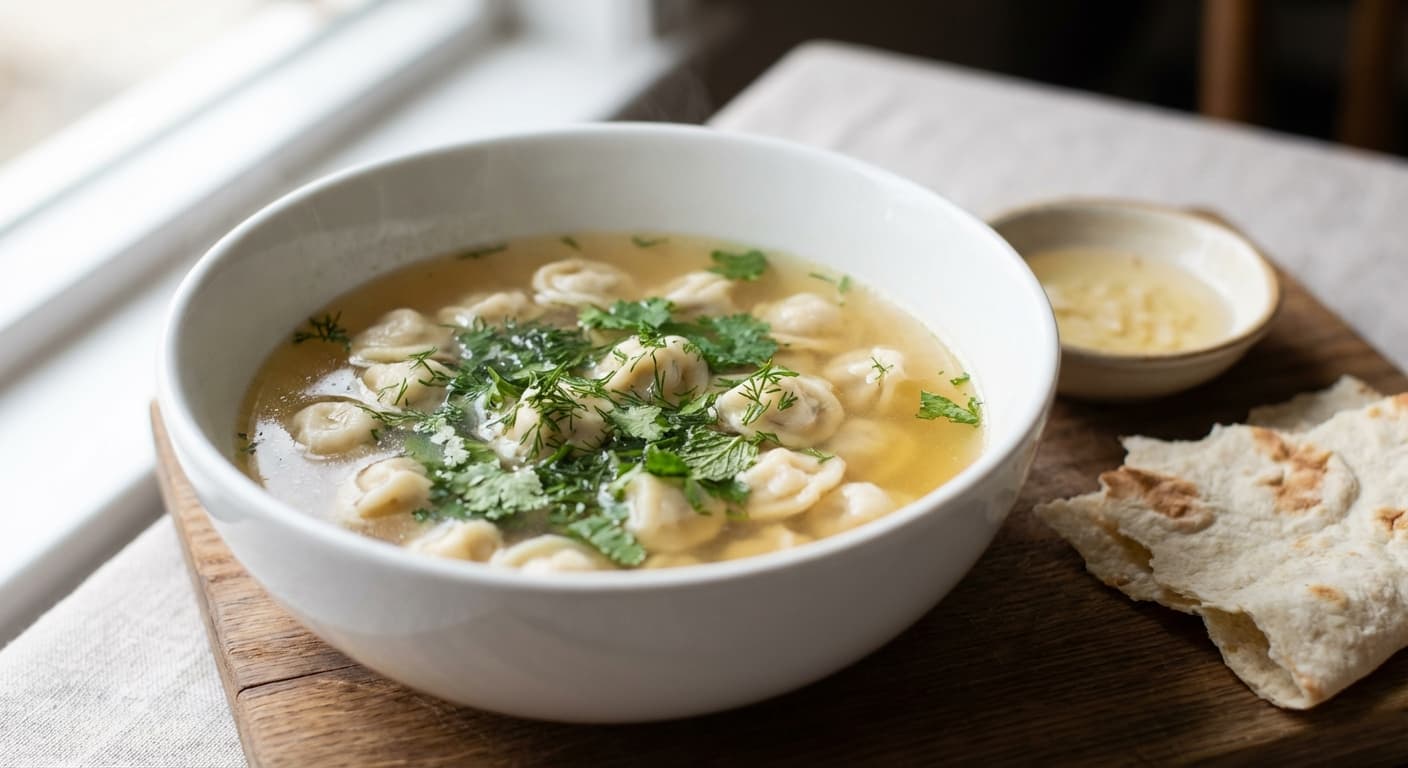
Dushbara Soup (Düşbərə) — Azerbaijani Tiny Dumplings in Herb Broth
Azerbaijani · Soups · 120 min
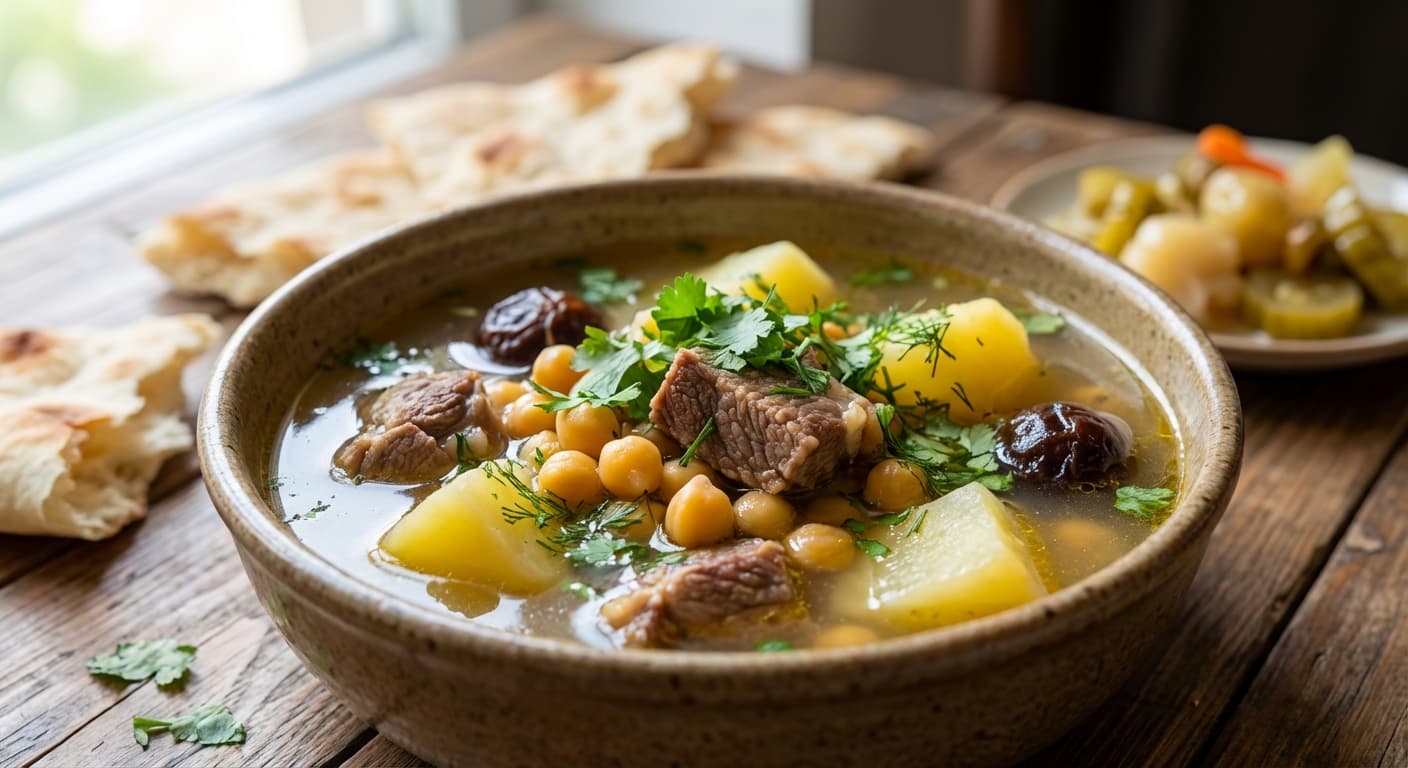
Bozbash (بوزباش) — Azerbaijani Lamb, Chickpea, and Potato Soup
Azerbaijani · Soups · 145 min
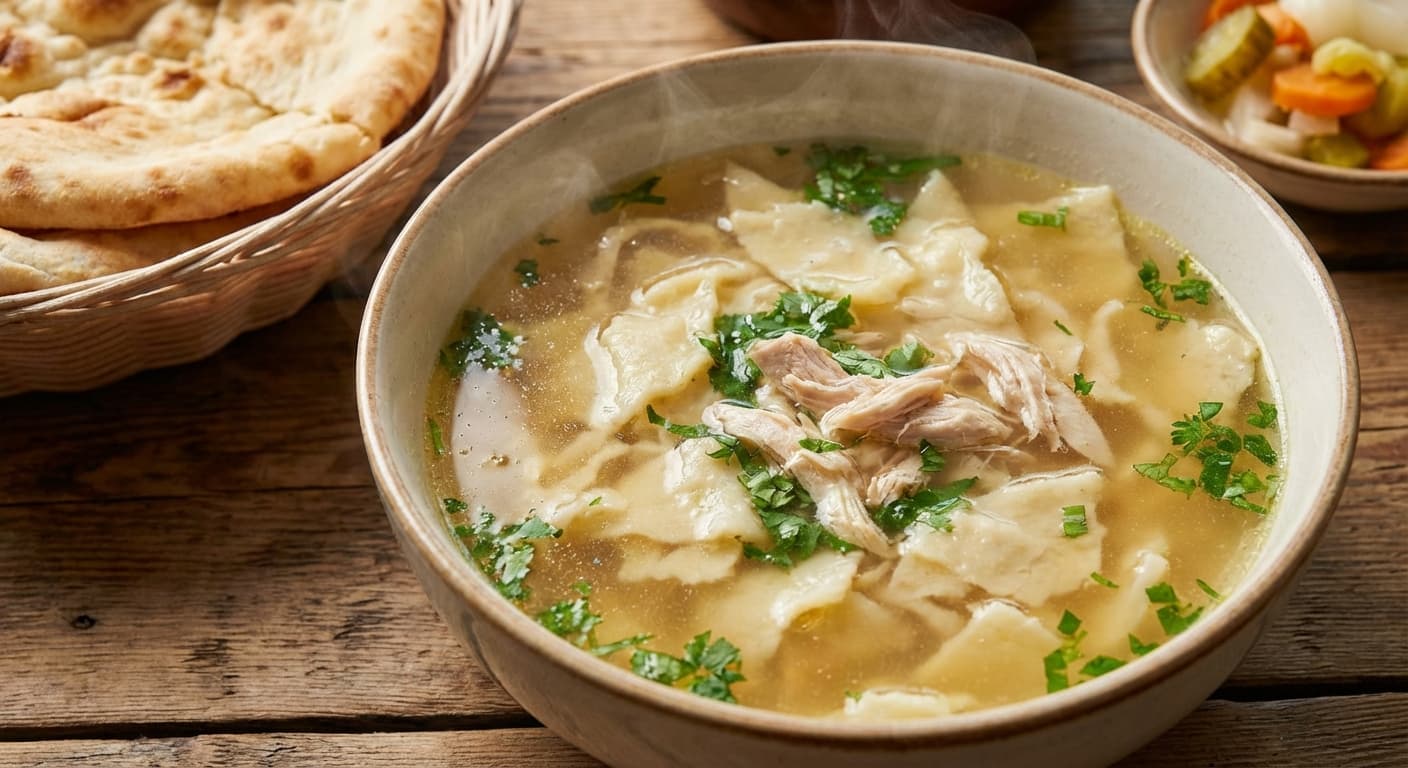
Sürhüllü (سورخولو) — Azerbaijani Hand-torn Noodles in Hearty Chicken Broth
Azerbaijani · Soups · 110 min
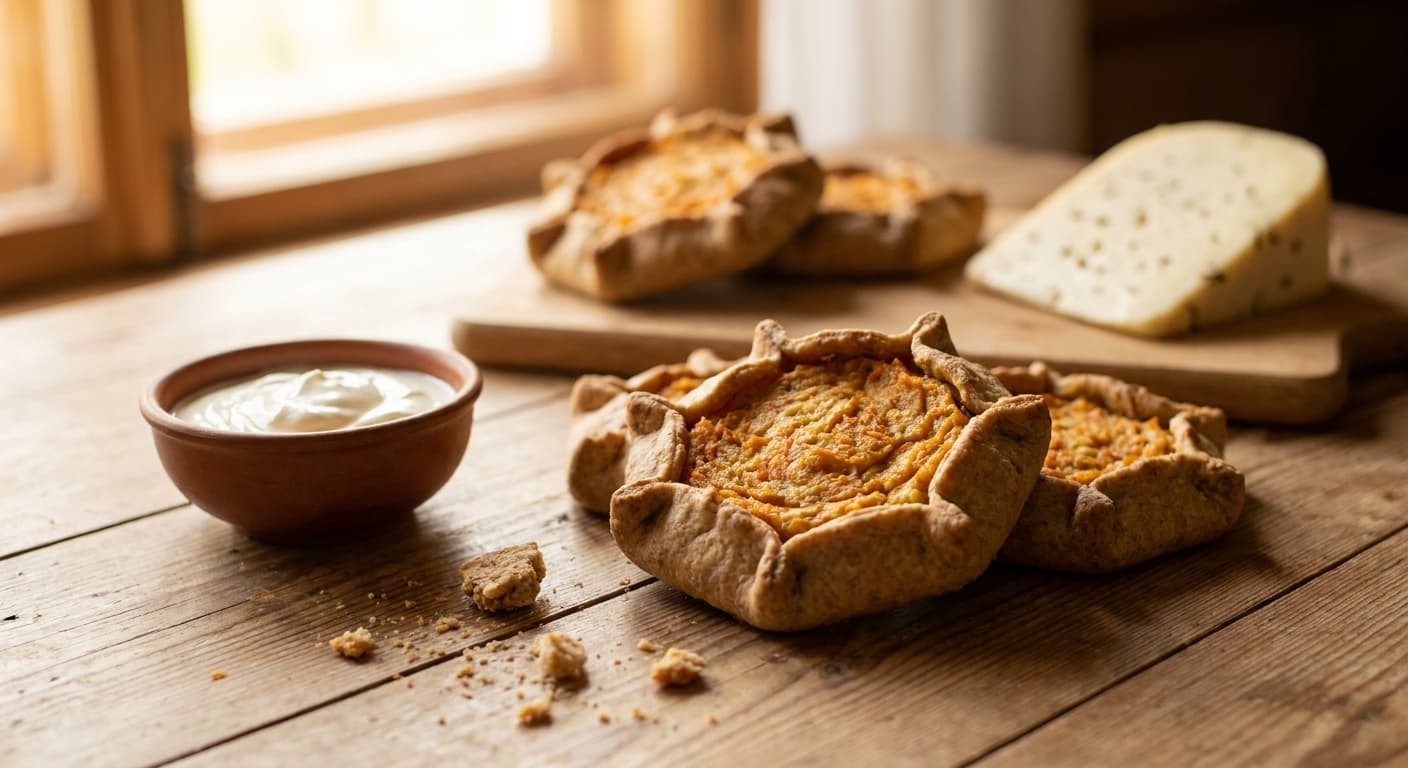
Sklandrausis (Sklandrausis) — Latvian Rye Carrot-Potato Tart
Latvian · Desserts · 100 min
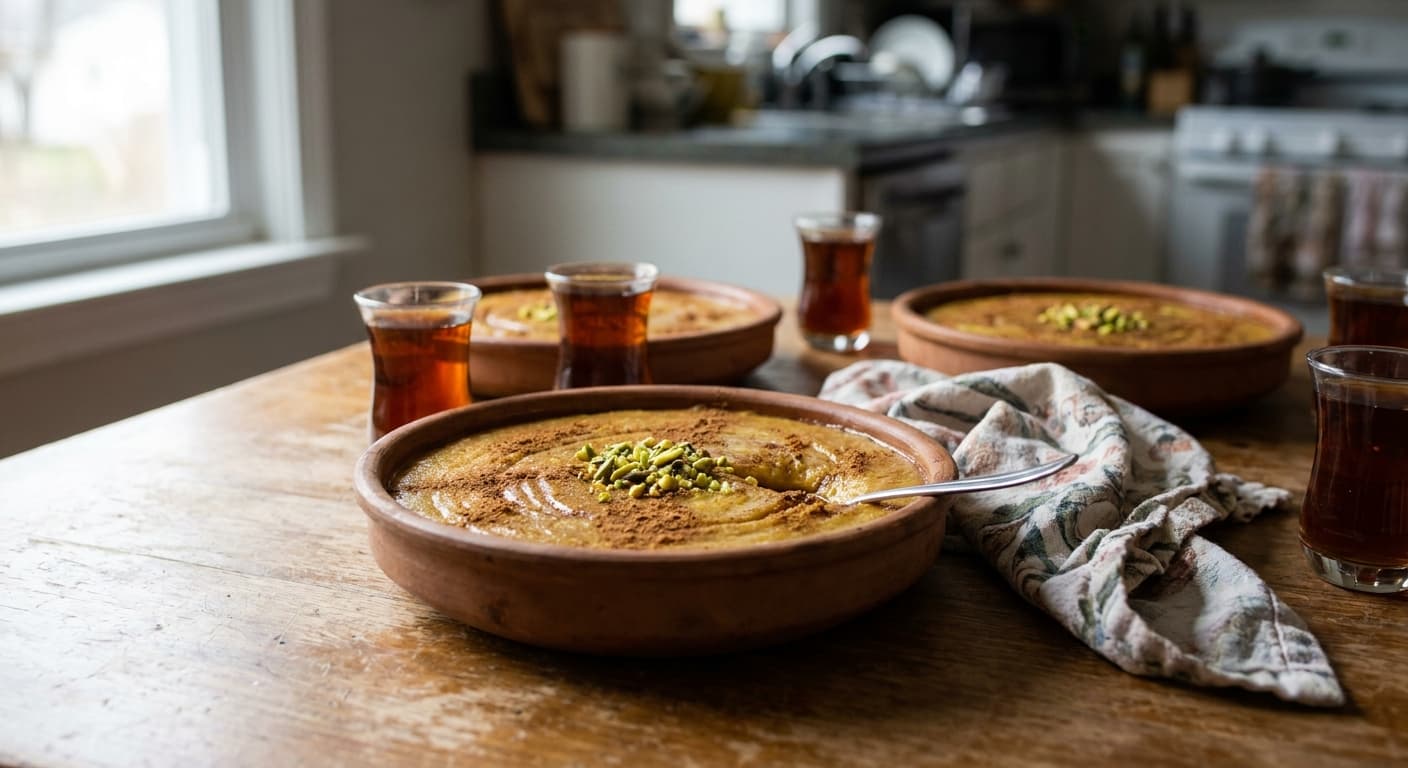
Persian Kachi (کاچی) — Saffron Rosewater Pudding
Persian · Desserts · 45 min
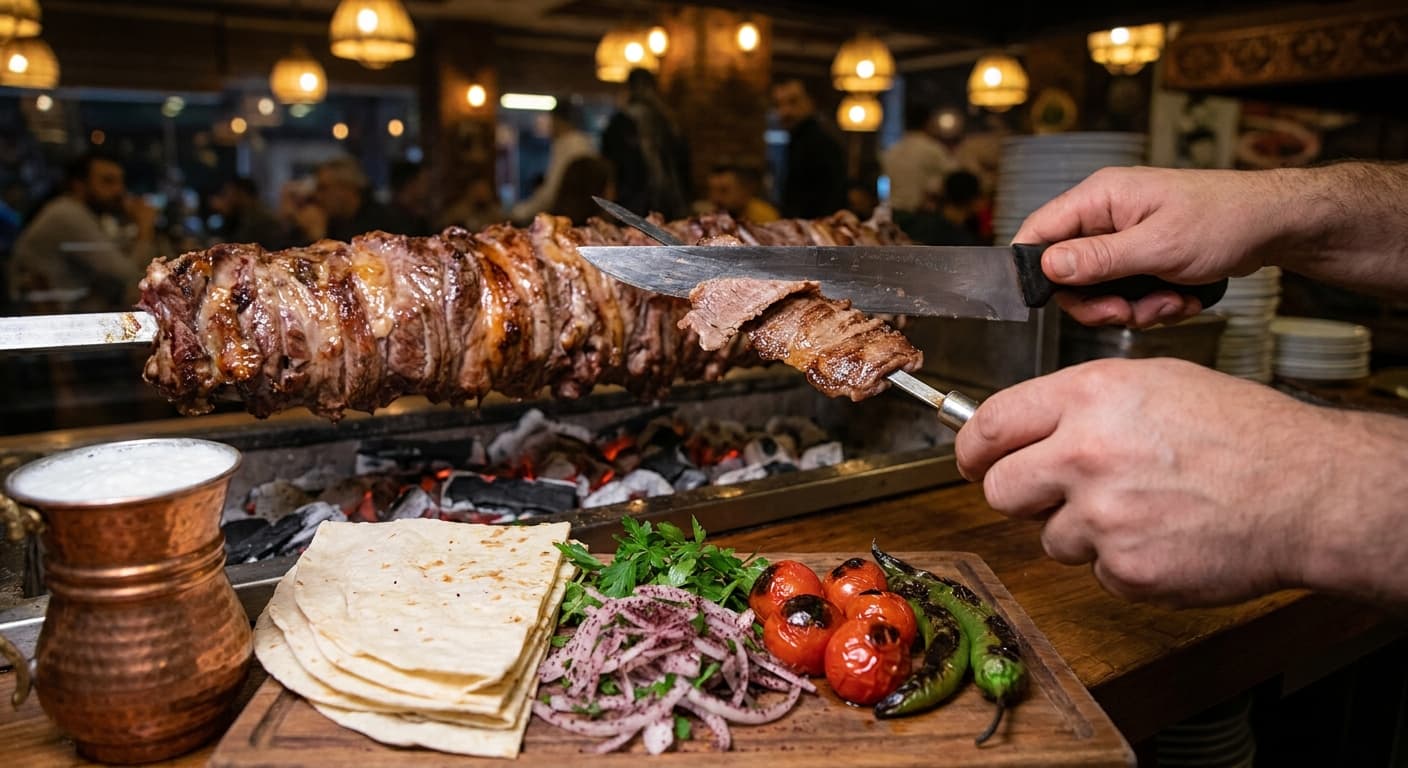
Turkish Cağ Kebab (Cağ Kebabı) — Erzurum Slow-Roasted Charcoal Lamb Skewer
Turkish · Kebabs · 160 min
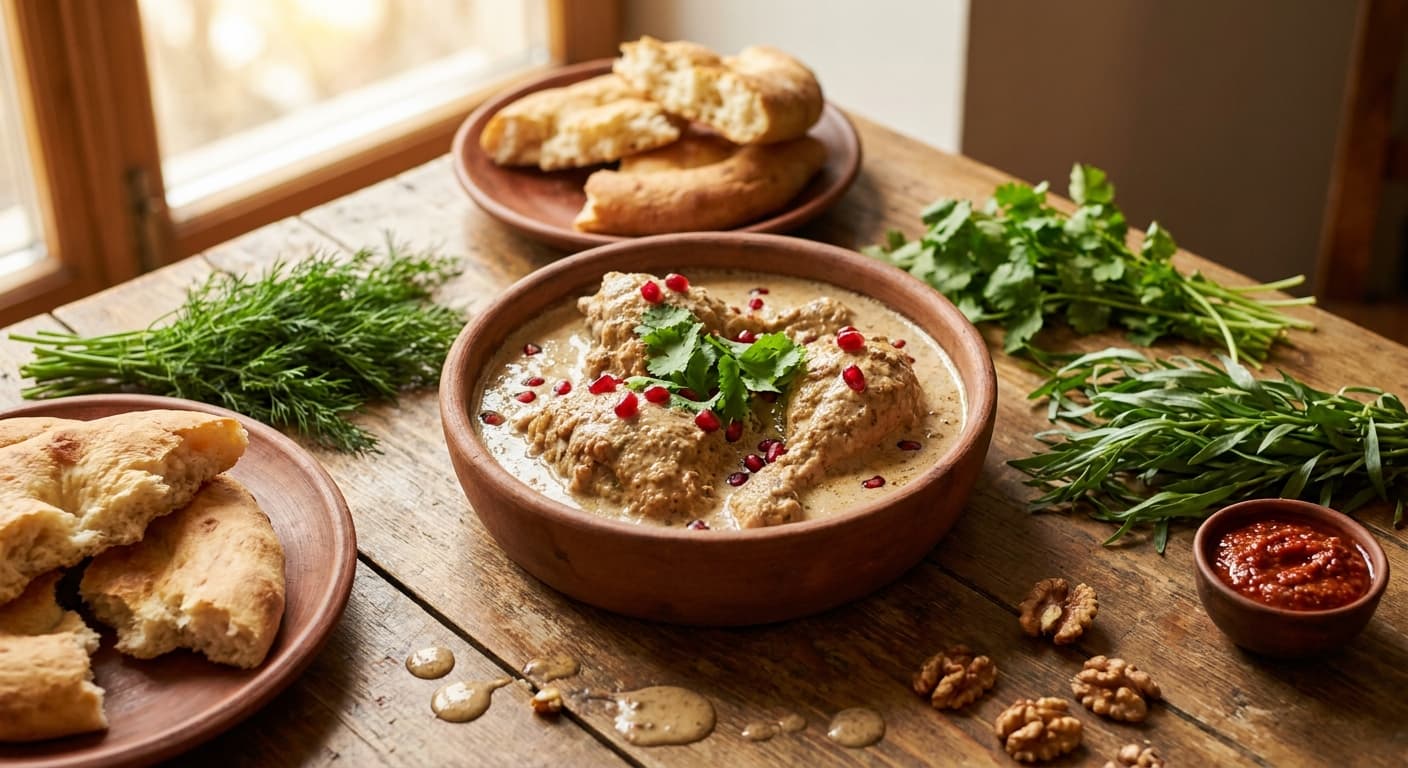
Satsivi (საცივი) — Georgian Chicken in Walnut Sauce
Georgian · Main Courses · 105 min
Nan Gyi Thoke (နန်းကြီးသုပ်) — Burmese Thick Rice Noodle Salad
Burmese · Salads · 80 min
Reviews
Cooked this recipe?
Tap the stars to rate it — that's all it takes. A few words are welcome but optional.
No ratings yet. Cooked this one? Be the first to rate it — it takes one tap.