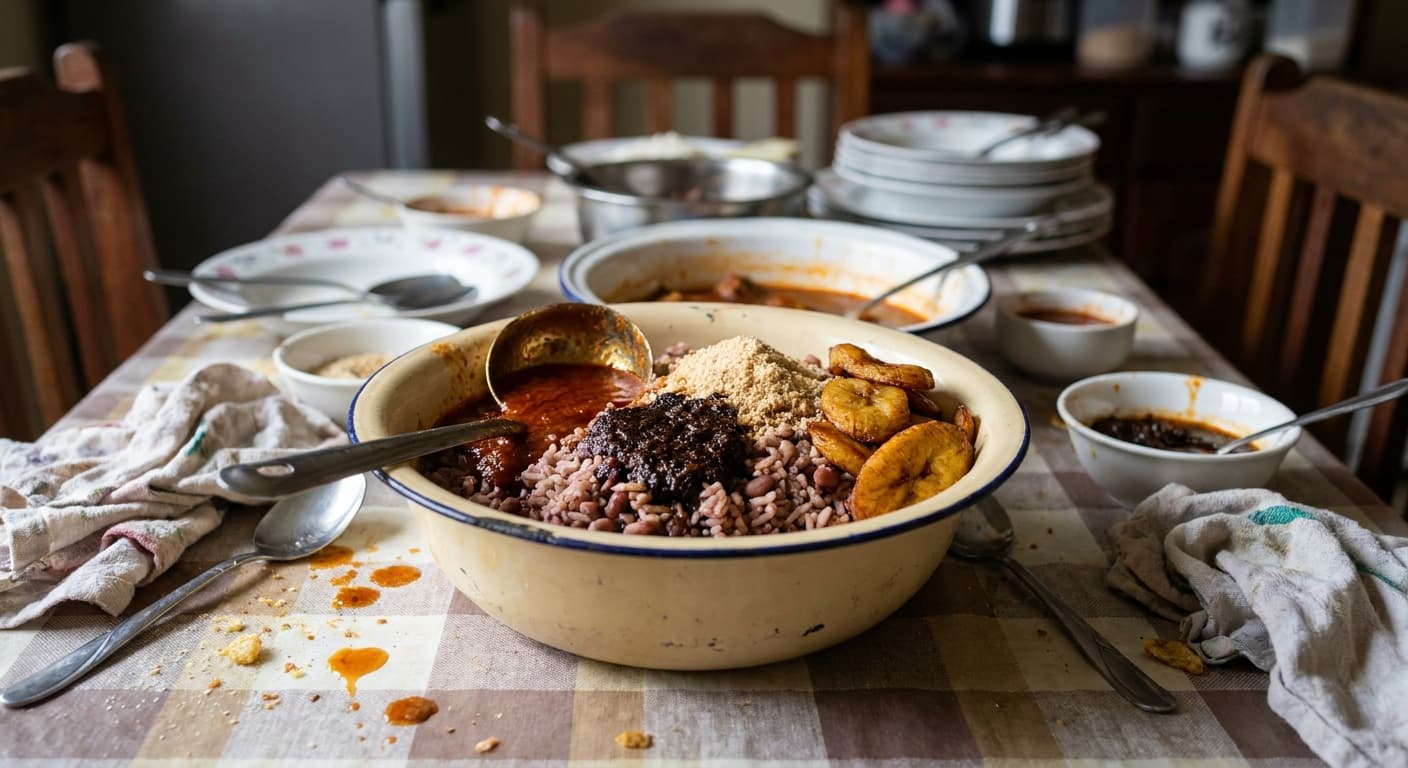
Ghanaian Waakye (Waakye) — Rice and Beans Dyed with Sorghum Leaves
Waakye is a beloved Ghanaian rice-and-beans dish with Hausa roots, tinted reddish-brown by dried sorghum leaves. It is commonly eaten for breakfast or lunch with shito, stew, gari, plantain, egg, or spaghetti.
Printable Recipe Card
Servings: 6 · Total: 85 min · Difficulty: medium
Ingredients (quick list)
- 300 g dried black-eyed peas
- 450 g long-grain parboiled rice
- 12 g dried red sorghum leaves (also sold as waakye leaves)
- 0.25 tsp edible potash (kanwa; use sparingly to soften beans and deepen color)
- 1.5 tsp fine sea salt
- 2.2 l water (divided)
- 1 sheet aluminum foil (used under the lid to trap steam)
Steps (summary)
- Sort through the black-eyed peas and discard any stones, broken debris, or shriveled beans. Rinse the beans in cold water until…
- Rinse the dried sorghum leaves under running water to remove dust, then place them in a large heavy pot with 1.7 l of the water…
- Add the drained black-eyed peas to the colored liquid and return the pot to a boil. Reduce the heat to medium-low, cover partia…
- While the beans cook, rinse the parboiled rice in three changes of cold water to remove surface starch. Drain the rice in a sie…
- When the beans are nearly tender, remove and discard the sorghum leaves with tongs. Stir in the drained rice, fine sea salt, an…
- Boil uncovered for 5 minutes, stirring once from the bottom so the rice and beans are evenly distributed. When the liquid has d…
+ 2 more steps in the full instructions section below.
Cultural Background
Waakye reflects Ghana’s Hausa-influenced foodways and the everyday brilliance of market cooking. Vendors often build a full meal around it with shito, stew, gari, eggs, plantain, meat, or spaghetti.
Equipment
💡 Tips
- Use parboiled long-grain rice for the most typical firm, separate waakye texture.
- Do not exceed 0.25 tsp edible potash for this quantity, because too much can make the dish taste alkaline.
- If the beans are still hard after 40 minutes, add 150 ml hot water and simmer 10 minutes longer before adding the rice.
⚠️ Common Mistakes
❌ Adding the rice before the beans are nearly tender.
✅ Fix: Cook the beans until they can be bitten through with slight firmness before adding rice, because rice cooks faster than dried beans.
❌ Using too much potash or baking soda.
✅ Fix: Measure exactly 0.25 tsp, as excess alkali can create a soapy flavor and make the beans mushy.
❌ Stirring repeatedly during the final steaming stage.
✅ Fix: Stir once before covering, then leave the pot closed so the grains steam evenly and do not break.
🧊 How to Store
Cool leftovers within 1 hour, then refrigerate in an airtight container for up to 4 days. Reheat with 1 tbsp water per serving in a covered pan or microwave until steaming hot.
📅 Make Ahead
The beans can be cooked with the sorghum leaves up to 1 day ahead and refrigerated in their colored liquid. Bring them back to a boil before adding the rice.
🍽️ Pairs Well With
- Shito
- Ghanaian tomato stew
- gari
- fried ripe plantain
- boiled eggs
- spaghetti
- avocado
- kelewele.
Regional Variations
- Some Ghanaian cooks use millet stalks or darker sorghum leaves depending on local availability.
- Street vendors often serve waakye as a composed plate with shito, stew, gari, spaghetti, egg, meat, and fried plantain.
- In some homes the beans are soaked for 4 hours to shorten cooking time, then simmered more briefly before the rice is added.
Ingredients
- 300 gdried black-eyed peas
- 450 glong-grain parboiled rice
- 12 gdried red sorghum leaves (also sold as waakye leaves)
- 0.25 tspedible potash (kanwa; use sparingly to soften beans and deepen color)
- 1.5 tspfine sea salt
- 2.2 lwater (divided)
- 1 sheetaluminum foil (used under the lid to trap steam)
🔄 Substitutions
- dried red sorghum leaves→ 2 tbsp loose black tea leaves tied in cheesecloth
- edible potash→ 0.25 tsp baking soda
- dried black-eyed peas→ 300 g dried cowpeas
Instructions
- 1
Sort through the black-eyed peas and discard any stones, broken debris, or shriveled beans. Rinse the beans in cold water until the water runs mostly clear, then drain them well.
- 2
Rinse the dried sorghum leaves under running water to remove dust, then place them in a large heavy pot with 1.7 l of the water and the edible potash. Bring the liquid to a strong boil over high heat and boil for 10 minutes, until the water turns a deep reddish-brown.
- 3
Add the drained black-eyed peas to the colored liquid and return the pot to a boil. Reduce the heat to medium-low, cover partially, and simmer for 35 to 40 minutes, until the beans are about three-quarters tender but still hold their shape.
- 4
While the beans cook, rinse the parboiled rice in three changes of cold water to remove surface starch. Drain the rice in a sieve for 10 minutes so it cooks as separate grains rather than becoming heavy and sticky.
- 5
When the beans are nearly tender, remove and discard the sorghum leaves with tongs. Stir in the drained rice, fine sea salt, and the remaining 500 ml water, then bring the mixture back to a steady boil.
- 6
Boil uncovered for 5 minutes, stirring once from the bottom so the rice and beans are evenly distributed. When the liquid has dropped to just below the surface of the rice, cover the pot tightly with the aluminum foil sheet and then the lid.
- 7
Reduce the heat to very low and steam the waakye for 20 minutes without opening the pot. Turn off the heat and let it rest, still covered, for 10 minutes so the grains finish absorbing moisture evenly.
- 8
Remove the lid and foil, then fluff the waakye gently with a fork or rice paddle. Serve hot in generous portions with shito, tomato stew, gari, fried plantain, boiled eggs, or any traditional Ghanaian accompaniments you prefer.
🪪 Recipe Passport
Cultural Background
Waakye reflects Ghana’s Hausa-influenced foodways and the everyday brilliance of market cooking. Vendors often build a full meal around it with shito, stew, gari, eggs, plantain, meat, or spaghetti.
Regional Variations
Researched from multiple sources and validated by the Zaffaron editorial team. Every recipe is tested for accuracy, measurements, and cultural authenticity.
📚 Sources & Cultural References
- Fran Osseo-Asare and Barbara Baëta — The Ghana Cookbook — (2015)
- Zoe Adjonyoh — Zoe's Ghana Kitchen — (2017)
Sources cited by the Zaffaron editorial team during recipe research. Cultural and culinary references supporting authenticity claims.
Nutrition per serving
Pairs well with
If you enjoyed this recipe, here are a few related Zaffaron recipes to try next.
Does your family make this differently?
Every family has their own version. Maybe your grandmother adds a secret ingredient, or your aunt has a completely different technique. Preserve your family's version — with their name on it, forever.
You Might Also Like
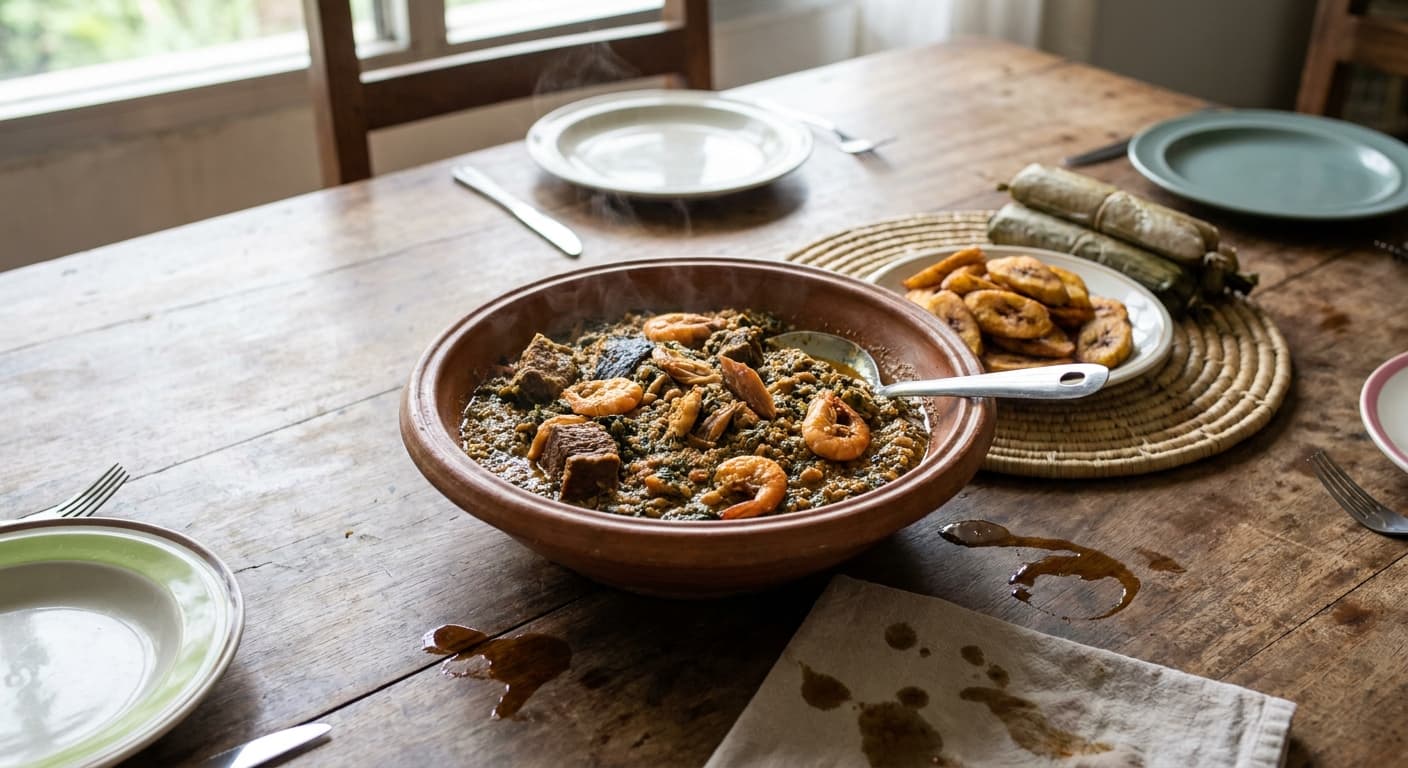
Cameroonian Ndolé (Ndolé) — Bitterleaf Peanut Stew with Beef and Seafood
West african · Stews · 140 min
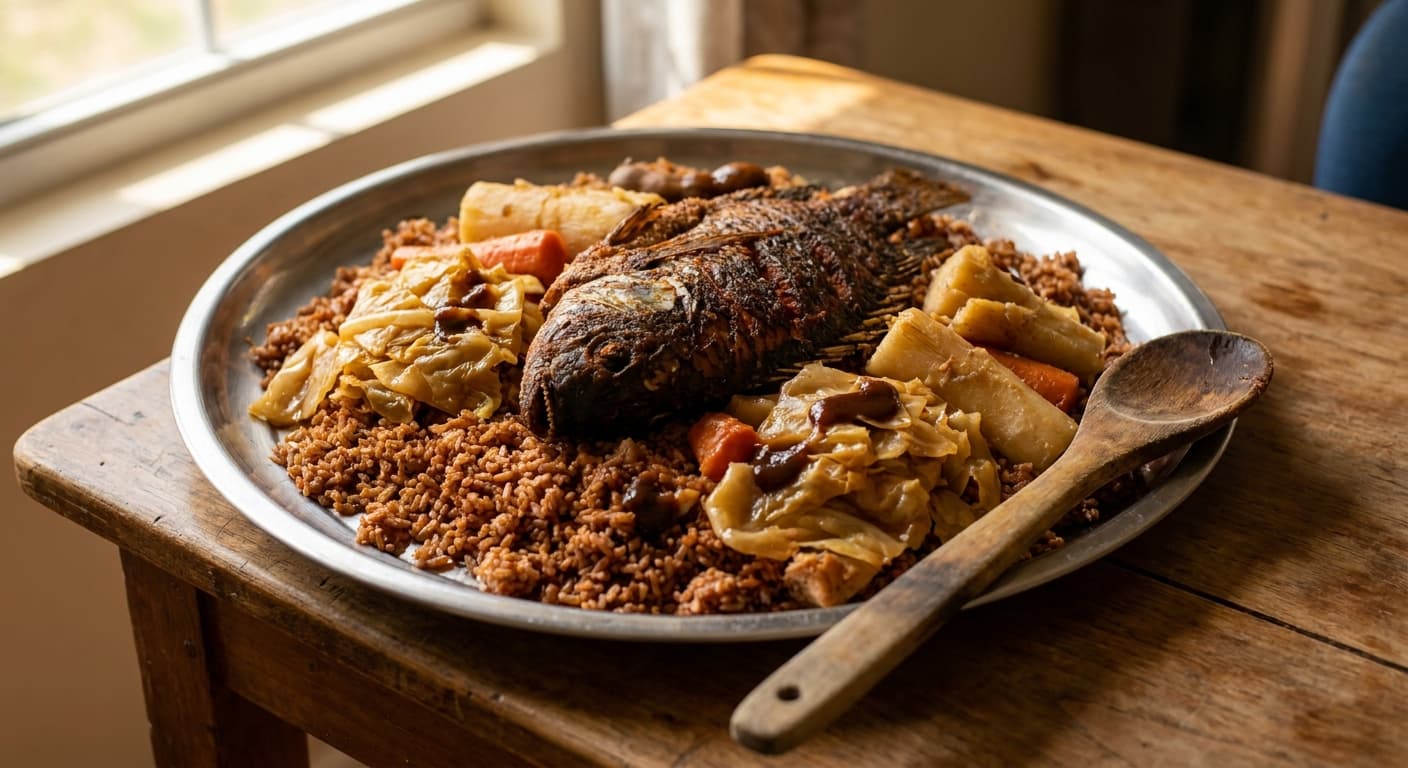
Senegalese Fish and Rice (Ceebu Jën) — Tomato-Braised National Dish
West african · Rice Dishes · 120 min
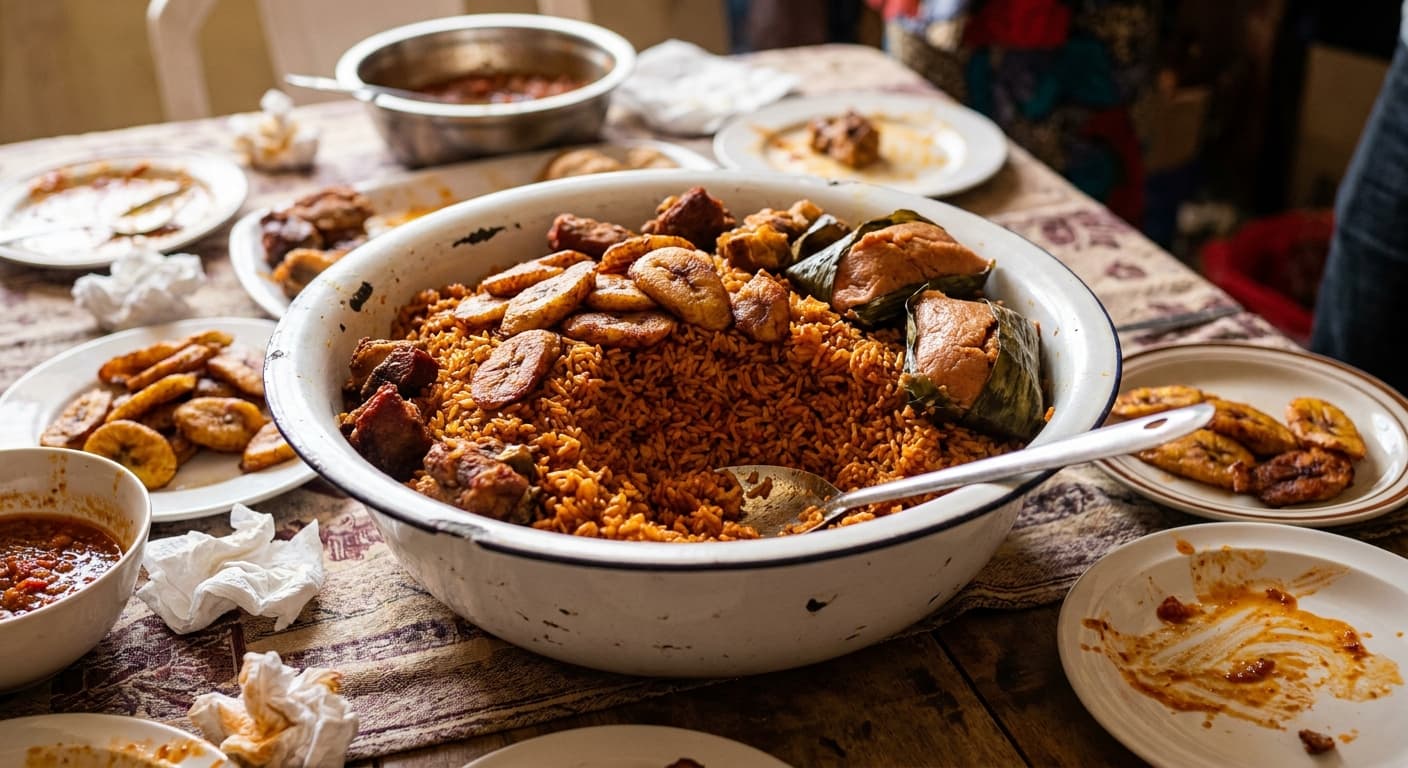
Nigerian Jollof Rice (Jollof Rice) — Smoky Party-Style Tomato Rice
West african · Rice Dishes · 80 min
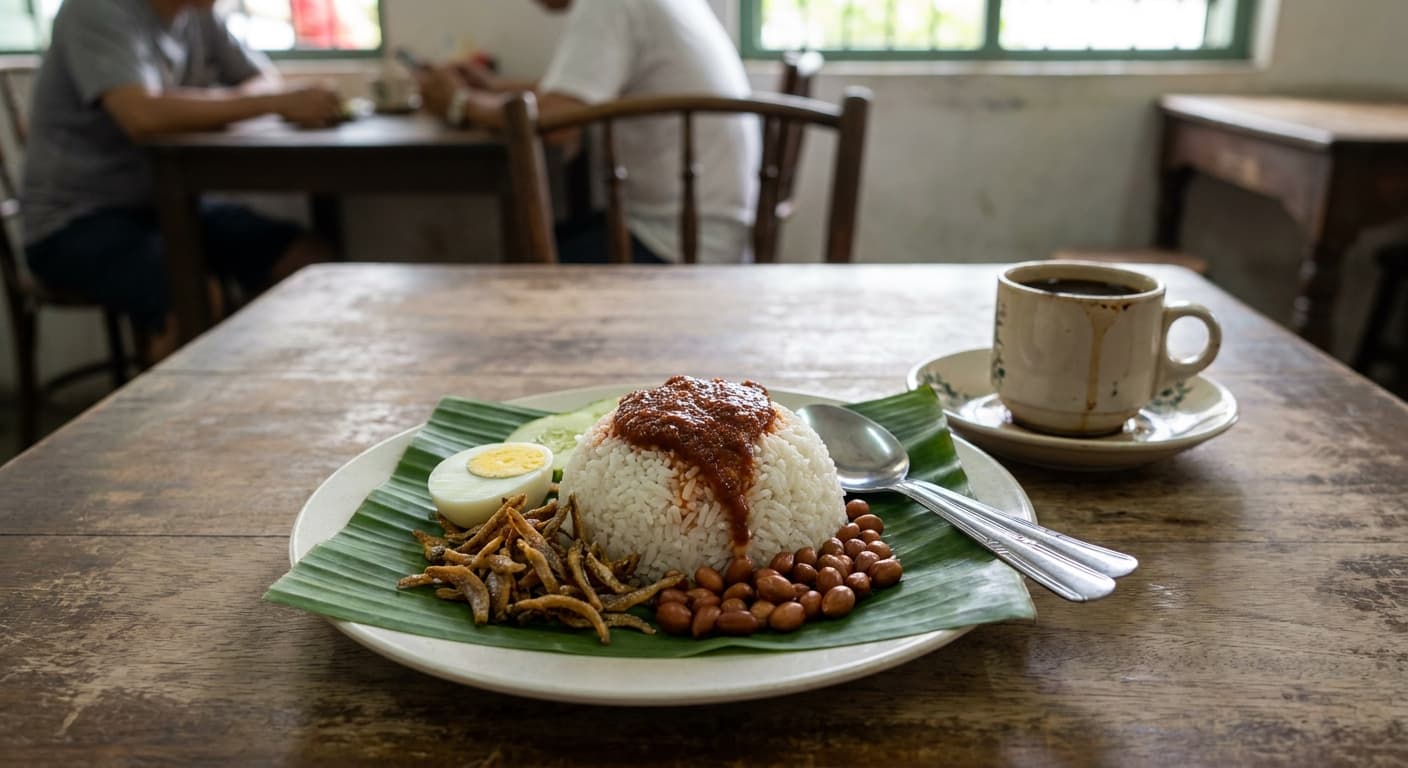
Nasi Lemak (Nasi Lemak) — Coconut Rice with Sambal and Classic Garnishes
Malaysian · Rice Dishes · 90 min
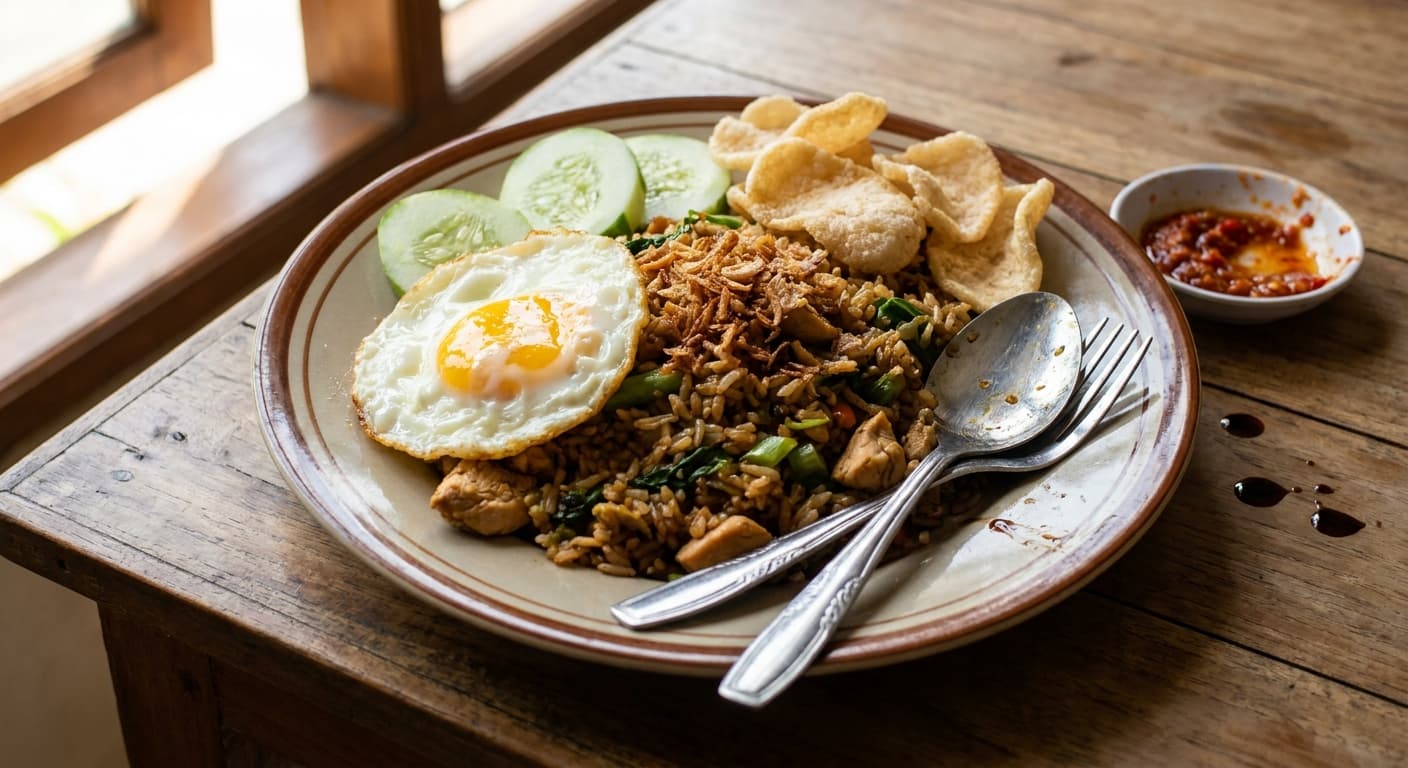
Indonesian Fried Rice (Nasi Goreng) — Sweet Soy Street-Style Rice
Indonesian · Rice Dishes · 35 min
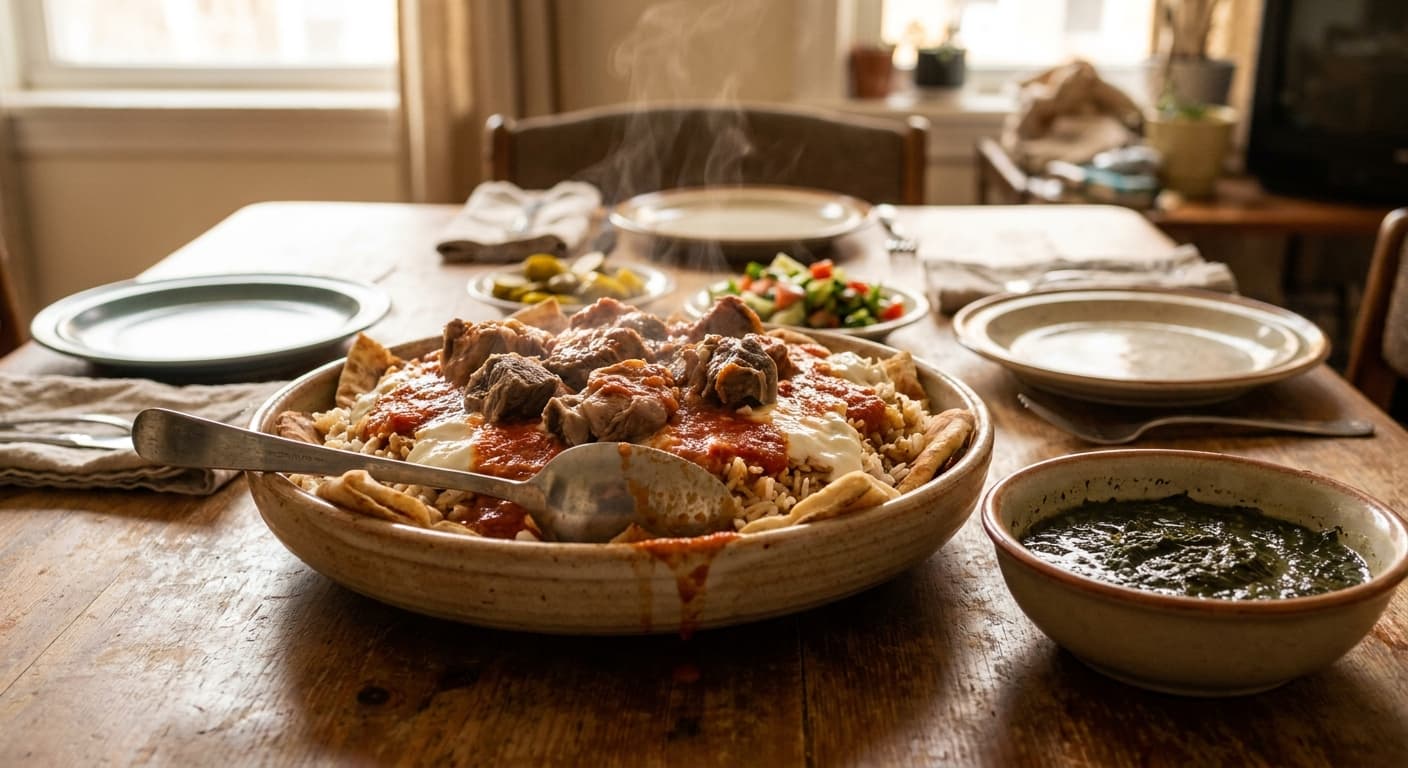
Egyptian Fatta (فتة) — Layered Meat, Rice, and Crisp Bread
Egyptian · Main Courses · 145 min
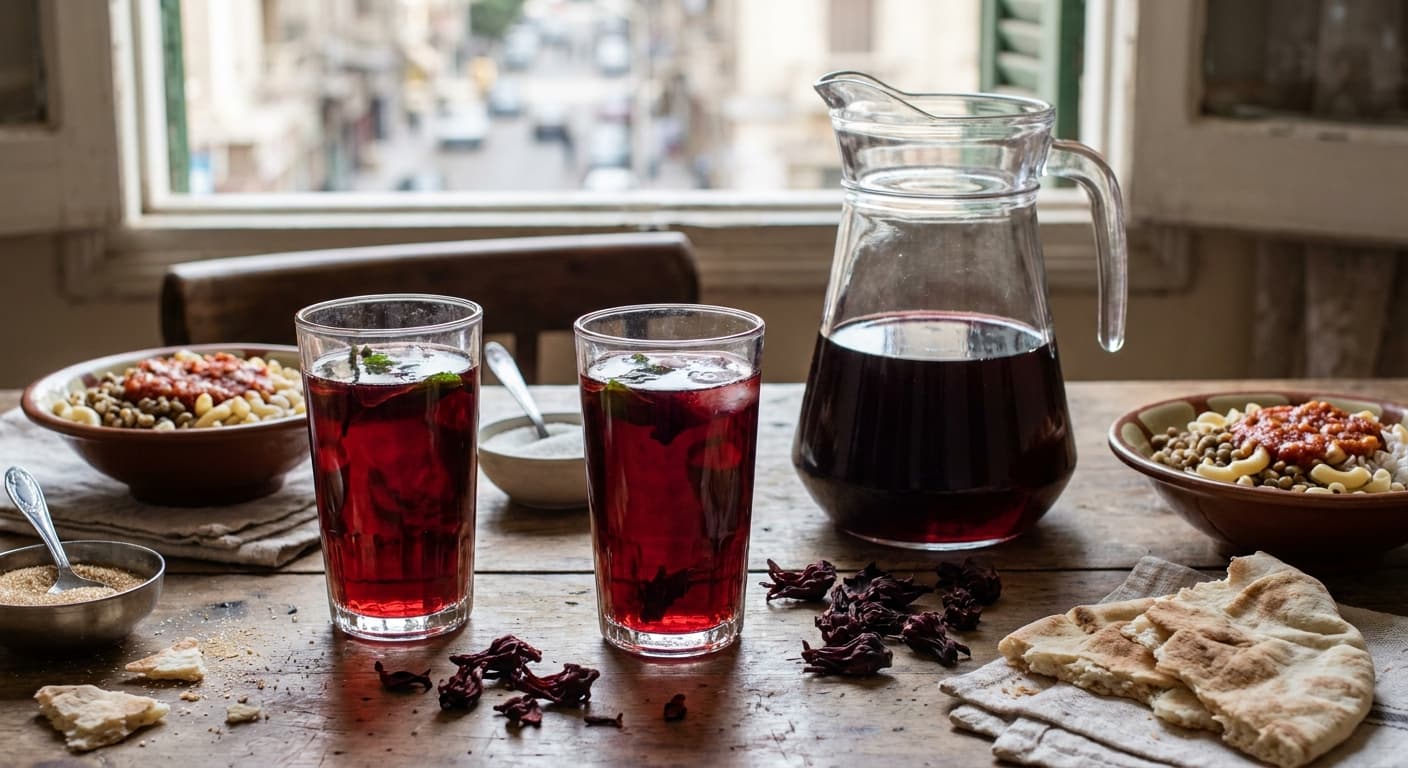
Egyptian Karkadeh (كركديه) — Chilled Hibiscus Tea
Egyptian · Drinks · 18 min
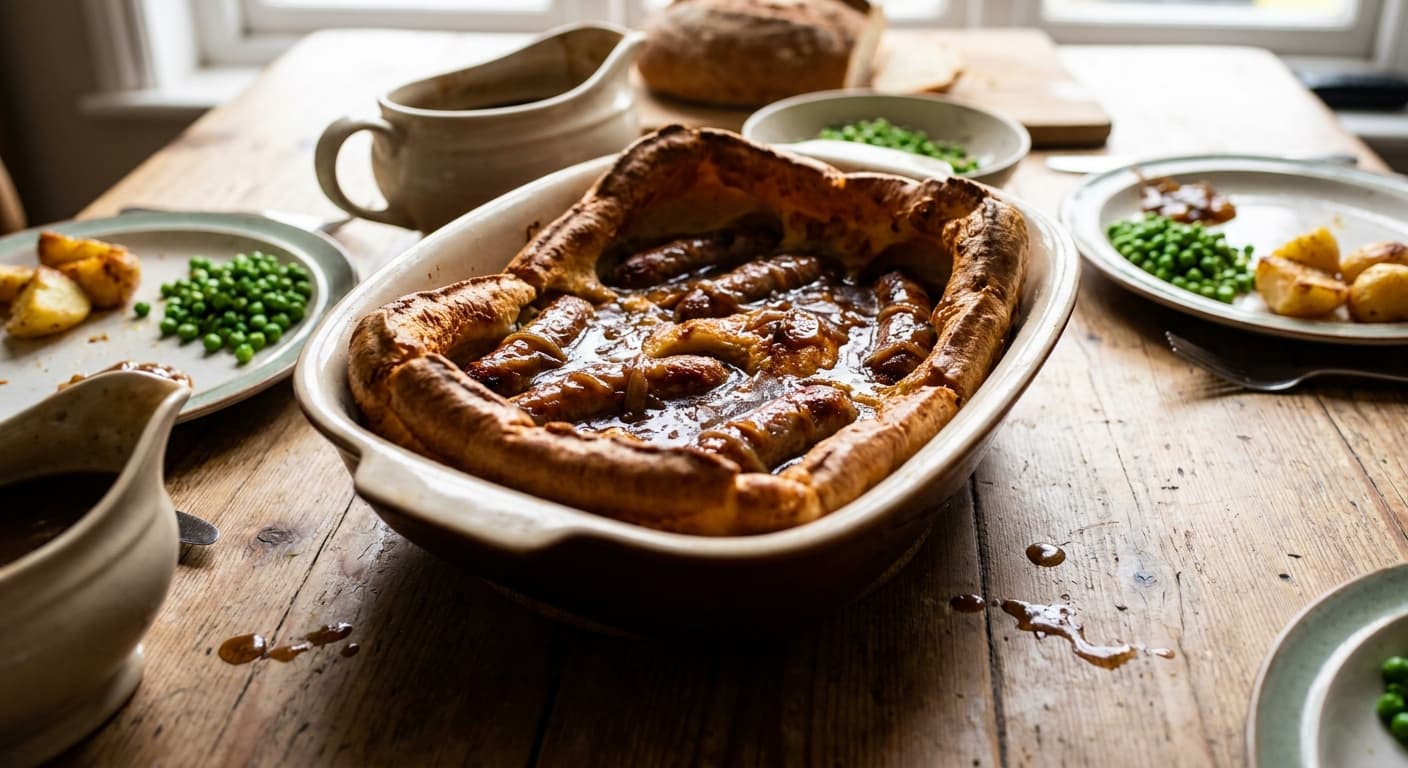
Toad in the Hole (Toad in the Hole) — Sausages Baked in Yorkshire Pudding Batter
British · Main Courses · 65 min
Reviews
Cooked this recipe?
Tap the stars to rate it — that's all it takes. A few words are welcome but optional.
No ratings yet. Cooked this one? Be the first to rate it — it takes one tap.