Bibimbap (비빔밥) — Korean Mixed Rice Bowl
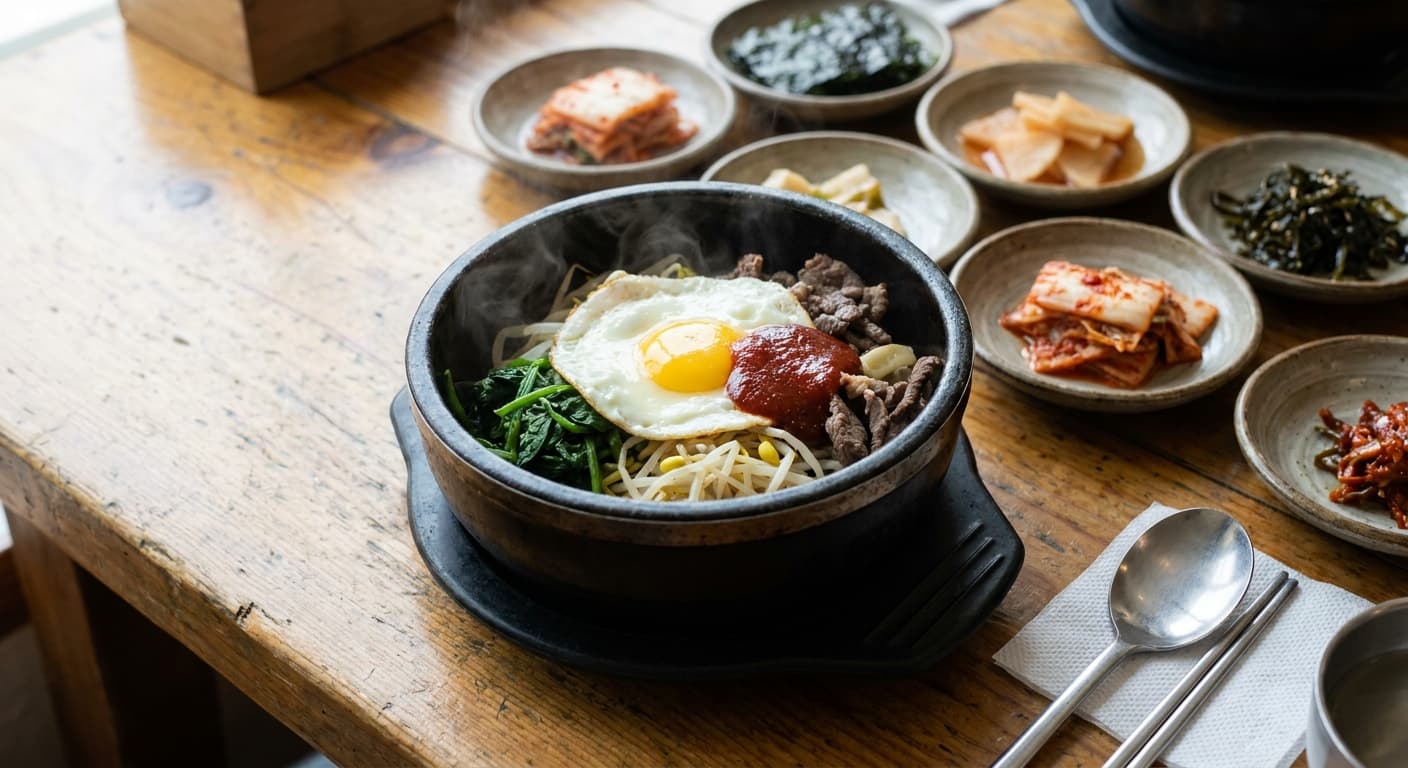
Bibimbap is a classic Korean rice bowl arranged with seasoned vegetables, beef, egg, sesame oil, and gochujang sauce, then mixed just before eating. It is loved as an everyday meal and as a practical way to honor seasonal vegetables.
Printable Recipe Card
Servings: 4 · Total: 80 min · Difficulty: medium
Ingredients (quick list)
- 360 g short-grain white rice
- 430 ml water
- 250 g soybean sprouts
- 220 g spinach
- 300 g zucchini (cut into thin matchsticks)
- 180 g carrot (cut into thin matchsticks)
- 150 g fresh shiitake mushrooms (stems removed and caps thinly sliced)
- 150 g soaked cooked gosari (fernbrake, cut into 6 cm lengths)
- 8 g fine sea salt (divided)
- 5 clove garlic (finely grated and divided)
- 70 ml toasted sesame oil (divided)
- 20 g toasted sesame seeds (lightly crushed and divided)
+ 9 more in the full ingredients section below.
Steps (summary)
- Rinse the rice in several changes of cold water until the water runs mostly clear, then drain it well for 10 minutes. Combine t…
- Make the gochujang sauce by whisking together the gochujang, 15 ml soy sauce, 15 ml toasted sesame oil, rice vinegar, 12 g suga…
- Bring a medium pot of water to a boil and blanch the soybean sprouts for 3 minutes, then drain thoroughly. Season them while wa…
- Blanch the spinach in the same boiling water for 30 seconds, then rinse it under cold water to stop the cooking. Squeeze out ex…
- Toss the zucchini matchsticks with 2 g salt and let them stand for 10 minutes to draw out moisture. Squeeze lightly, then sauté…
- Sauté the carrot in 10 ml neutral oil with 1 g salt for 2 to 3 minutes until flexible but not soft. In the same pan, sauté the…
+ 4 more steps in the full instructions section below.
Cultural Background
Bibimbap reflects the Korean table’s balance of rice, vegetables, protein, fermented sauce, and careful seasoning. Regional versions celebrate local produce, while home cooks often make it to bring together prepared side dishes into one satisfying bowl.
Equipment
💡 Tips
- Cook each vegetable separately so its color, seasoning, and texture remain distinct before the final mixing.
- Use warm rice, not cold rice, because it loosens the gochujang sauce and helps the sesame aroma bloom.
- For a crisp stone-bowl version, heat oiled stone bowls gently, add rice, and let a crust form before arranging the toppings.
⚠️ Common Mistakes
❌ Mixing all toppings before serving
✅ Fix: Arrange the toppings separately on the rice, then mix at the table so the colors and textures are appreciated first.
❌ Watery vegetables
✅ Fix: Drain, squeeze, or sauté each vegetable properly so the rice bowl does not become soggy.
❌ Using too much sauce immediately
✅ Fix: Start with 1 spoonful per bowl and add more after mixing, because gochujang varies in saltiness and heat.
🧊 How to Store
Store rice, vegetables, beef, eggs, and sauce in separate airtight containers for up to 3 days in the refrigerator. Reheat rice and beef until steaming, warm vegetables briefly, and fry fresh eggs for the best texture.
📅 Make Ahead
The sauce, seasoned sprouts, spinach, gosari, mushrooms, and marinated beef can be prepared 1 day ahead and refrigerated separately. Cook rice and fry eggs close to serving.
🍽️ Pairs Well With
- Baechu kimchi
- cucumber muchim
- miyeok soup
- roasted seaweed
- chilled barley tea.
Regional Variations
- Jeonju-style bibimbap may cook the rice with beef broth and is known for an especially abundant, carefully arranged set of toppings.
- Jinju-style bibimbap is often associated with seasoned raw beef and a rich garnish tradition.
- Coastal versions may include seafood toppings, while home versions commonly use leftover seasoned vegetables and kimchi.
Ingredients
- 360 gshort-grain white rice
- 430 mlwater
- 250 gsoybean sprouts
- 220 gspinach
- 300 gzucchini (cut into thin matchsticks)
- 180 gcarrot (cut into thin matchsticks)
- 150 gfresh shiitake mushrooms (stems removed and caps thinly sliced)
- 150 gsoaked cooked gosari (fernbrake, cut into 6 cm lengths)
- 8 gfine sea salt (divided)
- 5 clovegarlic (finely grated and divided)
- 70 mltoasted sesame oil (divided)
- 20 gtoasted sesame seeds (lightly crushed and divided)
- 55 mlneutral cooking oil
- 250 ghalal-certified beef sirloin (thinly sliced across the grain)
- 45 mlsoy sauce (divided)
- 20 ggranulated sugar (divided)
- 1 gfreshly ground black pepper
- 100 ggochujang
- 15 mlrice vinegar
- 4large eggs
- 2scallions (thinly sliced)
🔄 Substitutions
- gosari→ extra shiitake mushrooms
- beef sirloin→ firm tofu
- standard gochujang→ gluten-free gochujang
Instructions
- 1
Rinse the rice in several changes of cold water until the water runs mostly clear, then drain it well for 10 minutes. Combine the drained rice with 430 ml water in a rice cooker or heavy pot, cook until tender, and keep it covered and warm while preparing the toppings.
- 2
Make the gochujang sauce by whisking together the gochujang, 15 ml soy sauce, 15 ml toasted sesame oil, rice vinegar, 12 g sugar, 30 ml water, 5 g toasted sesame seeds, and 1 grated garlic clove. The sauce should be glossy, spoonable, and slightly thick, so let it stand while the sugar dissolves fully.
- 3
Bring a medium pot of water to a boil and blanch the soybean sprouts for 3 minutes, then drain thoroughly. Season them while warm with 1 g salt, 10 ml toasted sesame oil, 3 g toasted sesame seeds, and one-half grated garlic clove, tossing gently so the sprouts stay crisp.
- 4
Blanch the spinach in the same boiling water for 30 seconds, then rinse it under cold water to stop the cooking. Squeeze out excess moisture firmly, cut the spinach into 5 cm lengths, and season it with 1 g salt, 10 ml toasted sesame oil, 3 g toasted sesame seeds, and one-half grated garlic clove.
- 5
Toss the zucchini matchsticks with 2 g salt and let them stand for 10 minutes to draw out moisture. Squeeze lightly, then sauté them in 10 ml neutral oil over medium-high heat for 2 minutes until just tender and still green.
- 6
Sauté the carrot in 10 ml neutral oil with 1 g salt for 2 to 3 minutes until flexible but not soft. In the same pan, sauté the shiitake mushrooms with 10 ml neutral oil, 10 ml soy sauce, and 4 g sugar for 3 minutes, then remove them to a separate plate.
- 7
Sauté the cooked gosari in 10 ml neutral oil with 10 ml soy sauce, 10 ml toasted sesame oil, 1 grated garlic clove, and 1 g salt for 4 minutes. Keep each vegetable in a separate pile, because bibimbap depends on clear colors and distinct seasoned textures before mixing.
- 8
Combine the sliced beef with 10 ml soy sauce, 4 g sugar, 10 ml toasted sesame oil, 1 grated garlic clove, and 1 g black pepper. Marinate for 10 minutes, then stir-fry in a hot skillet with 10 ml neutral oil for 3 to 4 minutes until browned and fully cooked.
- 9
Fry the eggs sunny-side up in 5 ml neutral oil, cooking until the whites are set and the yolks remain soft. If you prefer fully set yolks, cover the pan for 1 additional minute so the egg cooks through without browning too much.
- 10
Divide the hot rice among 4 wide bowls and arrange the sprouts, spinach, zucchini, carrot, shiitake, gosari, and beef in separate sections over the rice. Top each bowl with 1 egg, sliced scallions, extra sesame seeds if desired from the measured amount, and a generous spoonful of sauce, then mix thoroughly at the table before eating.
🪪 Recipe Passport
Cultural Background
Bibimbap reflects the Korean table’s balance of rice, vegetables, protein, fermented sauce, and careful seasoning. Regional versions celebrate local produce, while home cooks often make it to bring together prepared side dishes into one satisfying bowl.
Regional Variations
Researched from multiple sources and validated by the Zaffaron editorial team. Every recipe is tested for accuracy, measurements, and cultural authenticity.
📚 Sources & Cultural References
- Korean Food Promotion Institute — Korean Food Guide in English — (2015)
- Junghyun Park and Jungyoon Choi — The Korean Cookbook — (2023)
Sources cited by the Zaffaron editorial team during recipe research. Cultural and culinary references supporting authenticity claims.
Nutrition per serving
Pairs well with
If you enjoyed this recipe, here are a few related Zaffaron recipes to try next.
Does your family make this differently?
Every family has their own version. Maybe your grandmother adds a secret ingredient, or your aunt has a completely different technique. Preserve your family's version — with their name on it, forever.
You Might Also Like
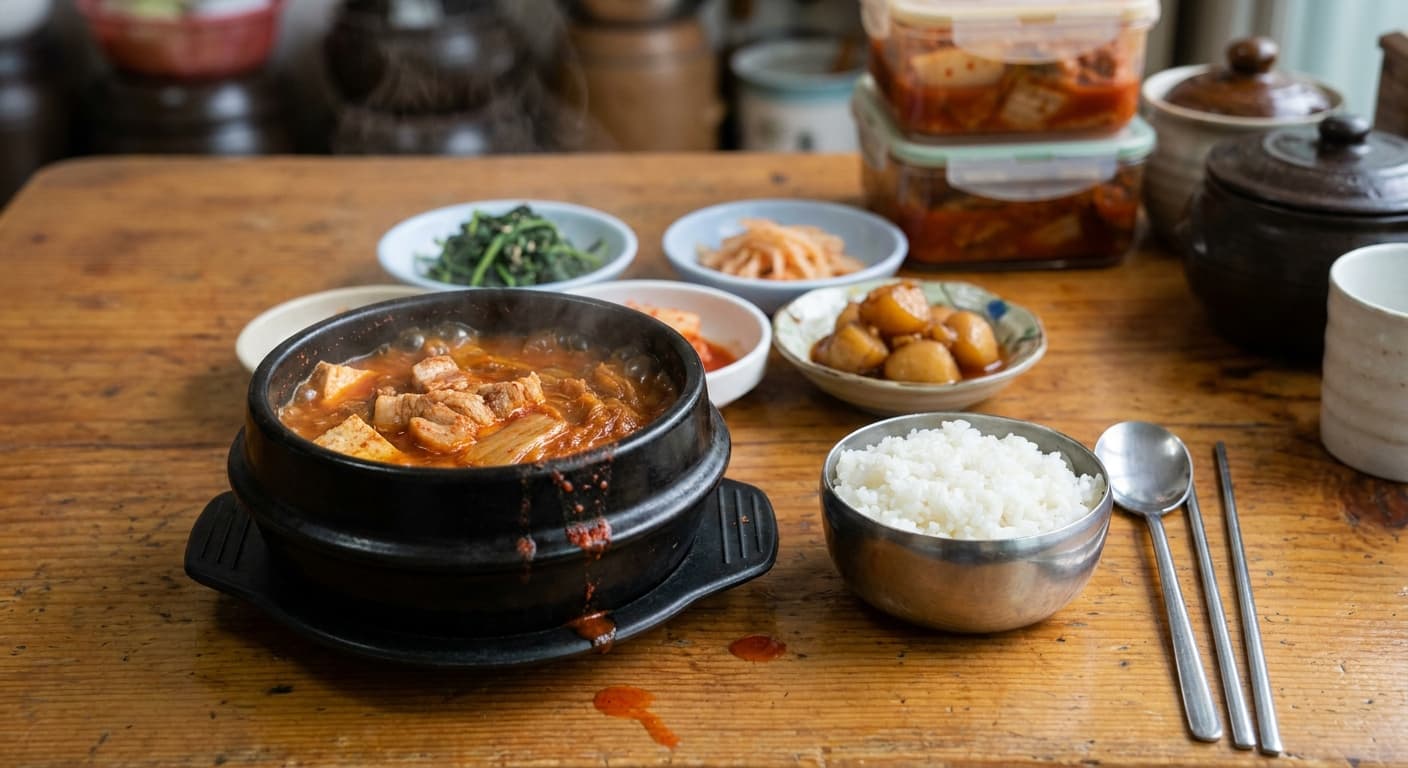
Kimchi Jjigae (김치찌개) — Korean Kimchi Stew
Korean · Stews · 60 min
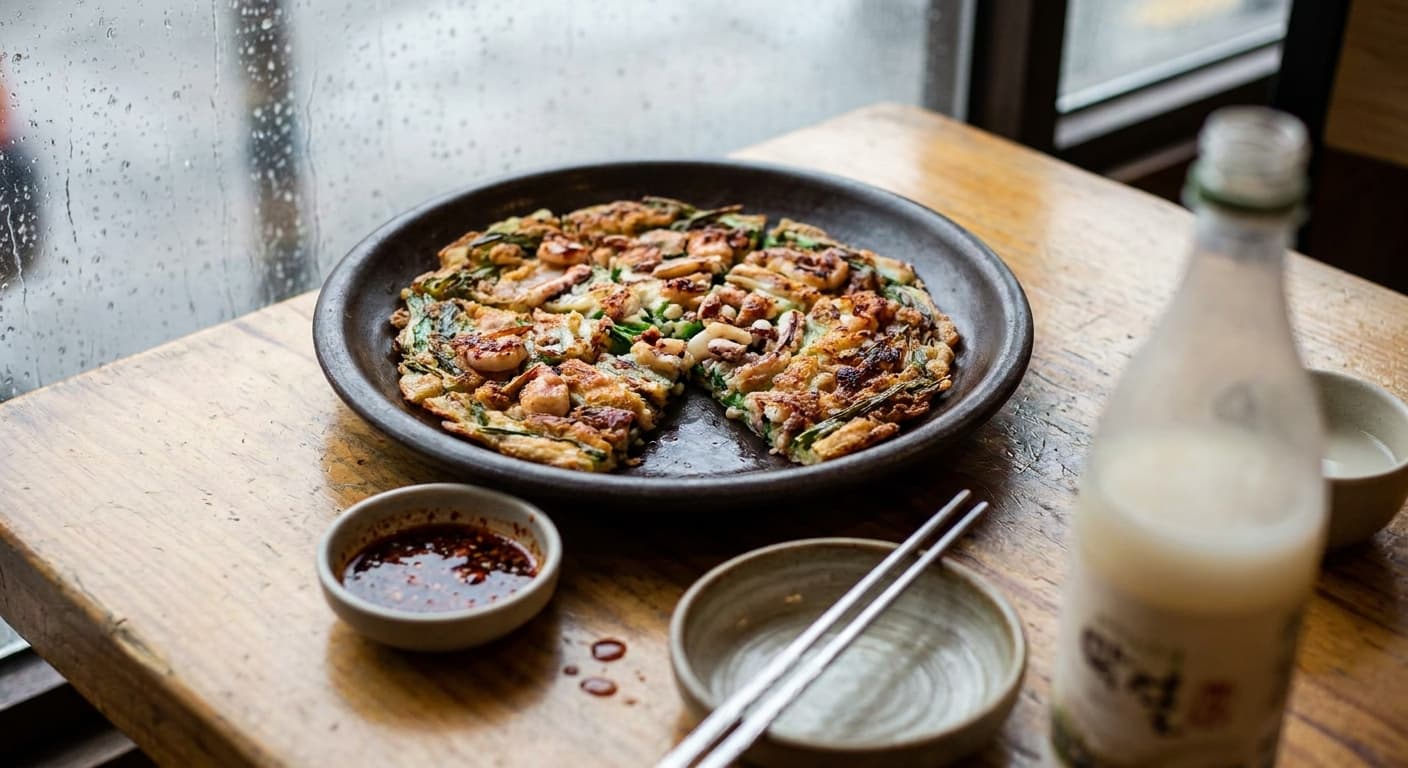
Haemul Pajeon (해물파전) — Korean Seafood Scallion Pancake
Korean · Appetizers · 41 min

Bulgogi (불고기) — Korean Soy-Marinated Grilled Beef
Korean · Main Courses · 37 min
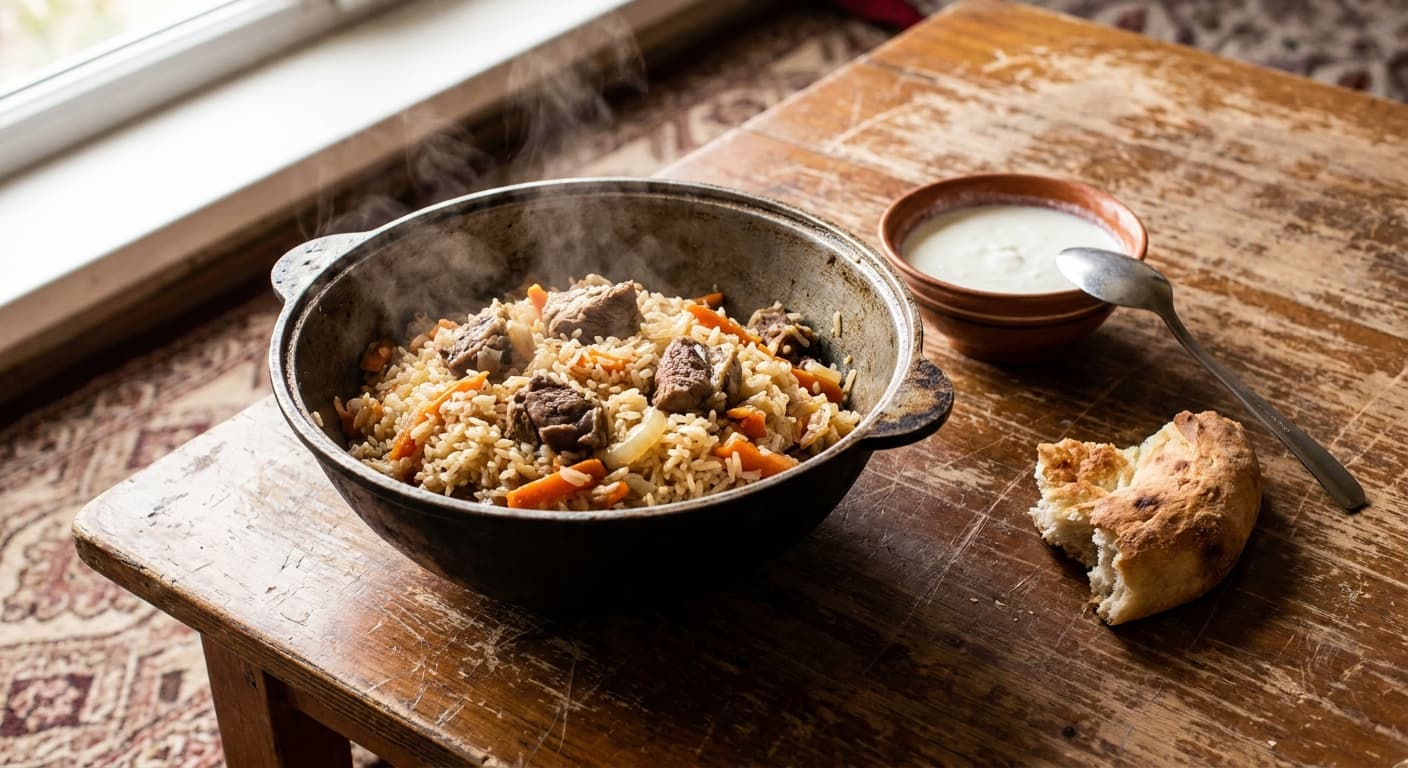
Chekdirme (Çekdirme) — Turkmen Lamb and Tomato Rice
Turkmen · Rice Dishes · 100 min
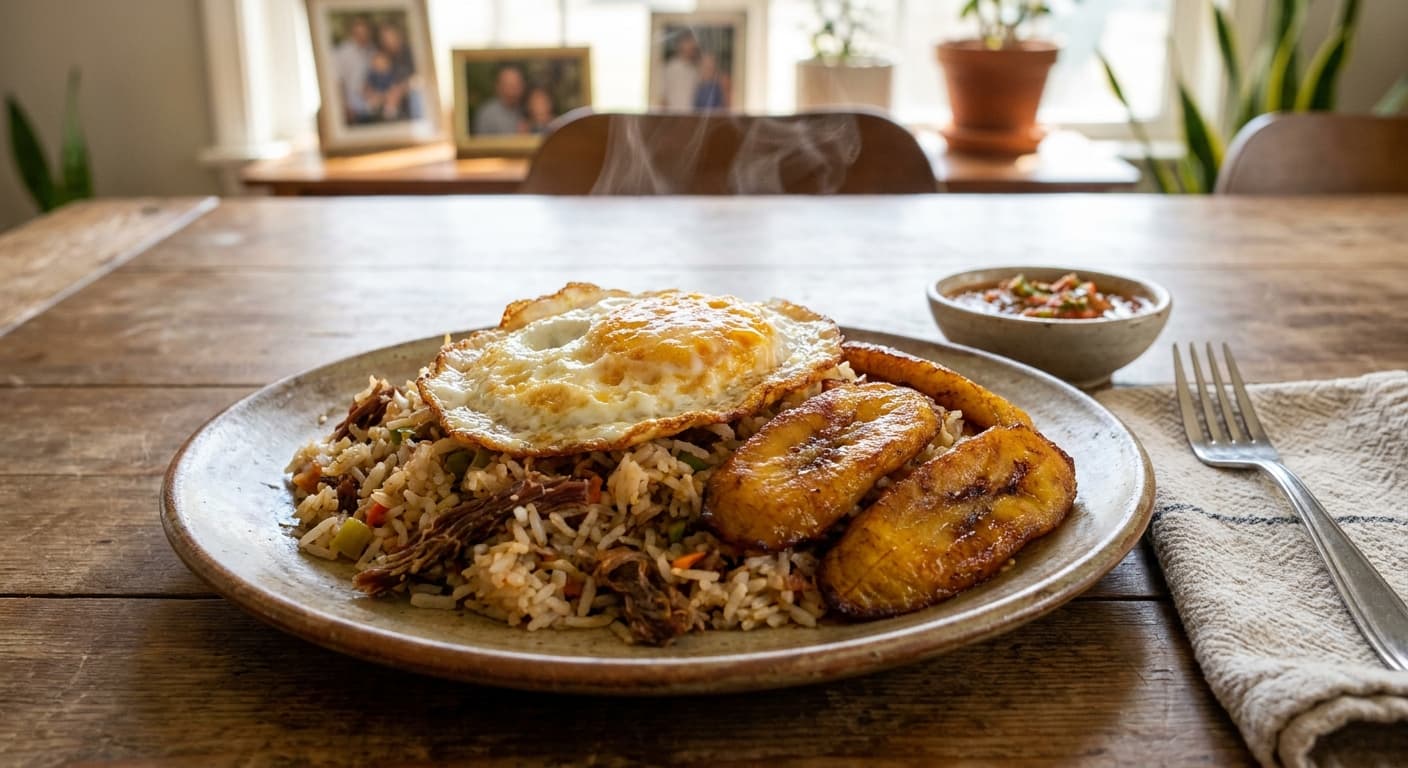
Majadito (Majadito) — Bolivian Rice with Charque and Fried Egg
Bolivian · Rice Dishes · 90 min
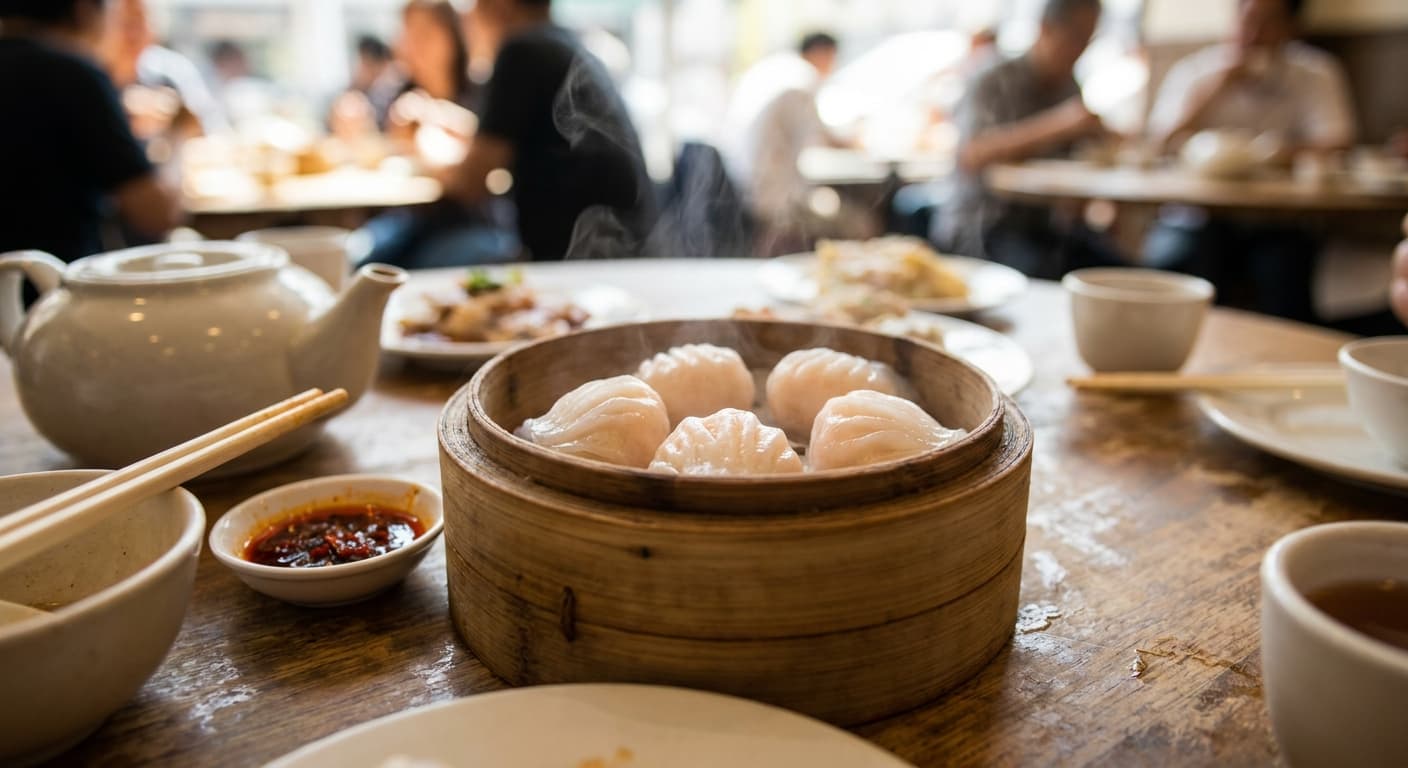
Har Gow Shrimp Dumplings (虾饺) — Translucent Cantonese Dim Sum
Chinese · Appetizers · 68 min
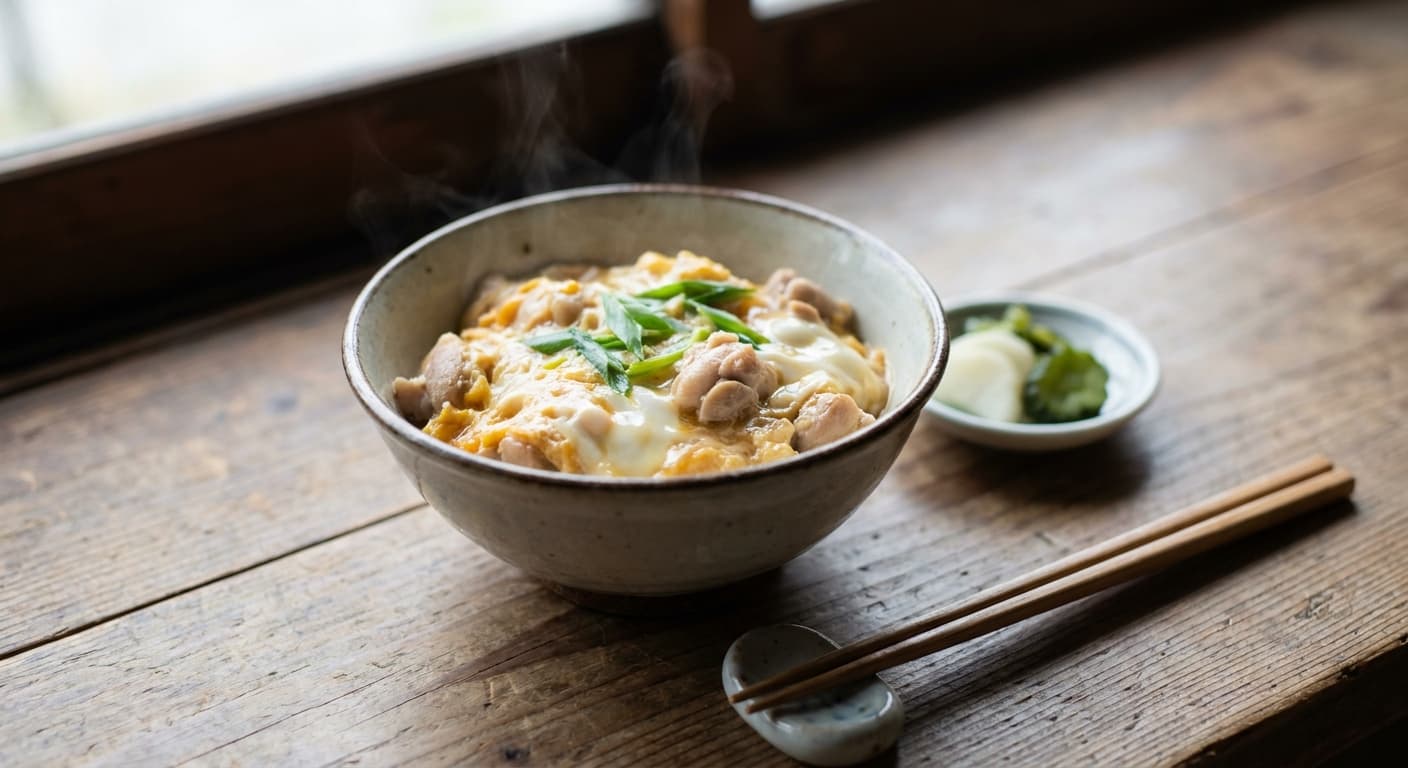
Japanese Oyakodon (親子丼) — Chicken and Egg Rice Bowl
Japanese · Rice Dishes · 29 min
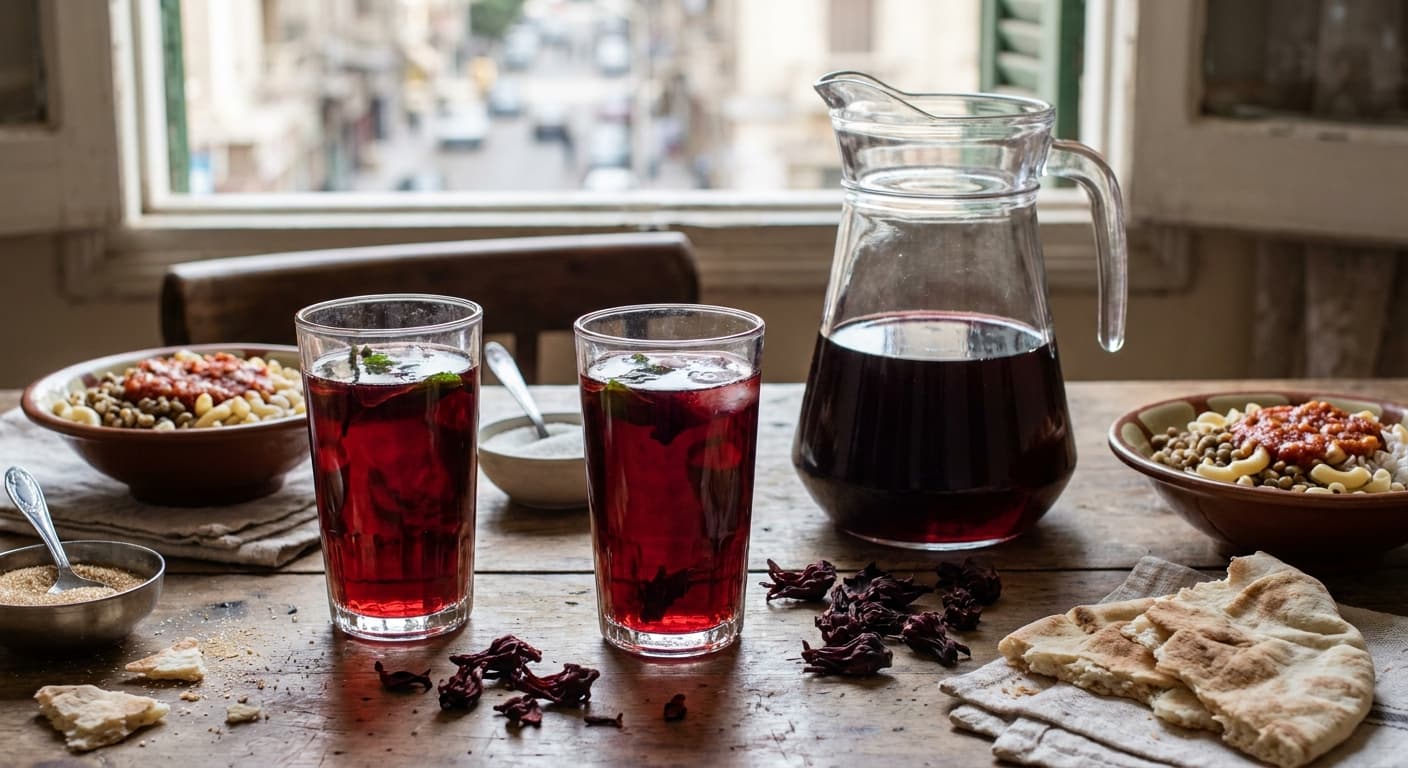
Egyptian Karkadeh (كركديه) — Chilled Hibiscus Tea
Egyptian · Drinks · 18 min
Reviews
Cooked this recipe?
Tap the stars to rate it — that's all it takes. A few words are welcome but optional.
No ratings yet. Cooked this one? Be the first to rate it — it takes one tap.