Persian Herb Stew with Lamb (قورمه سبزی)
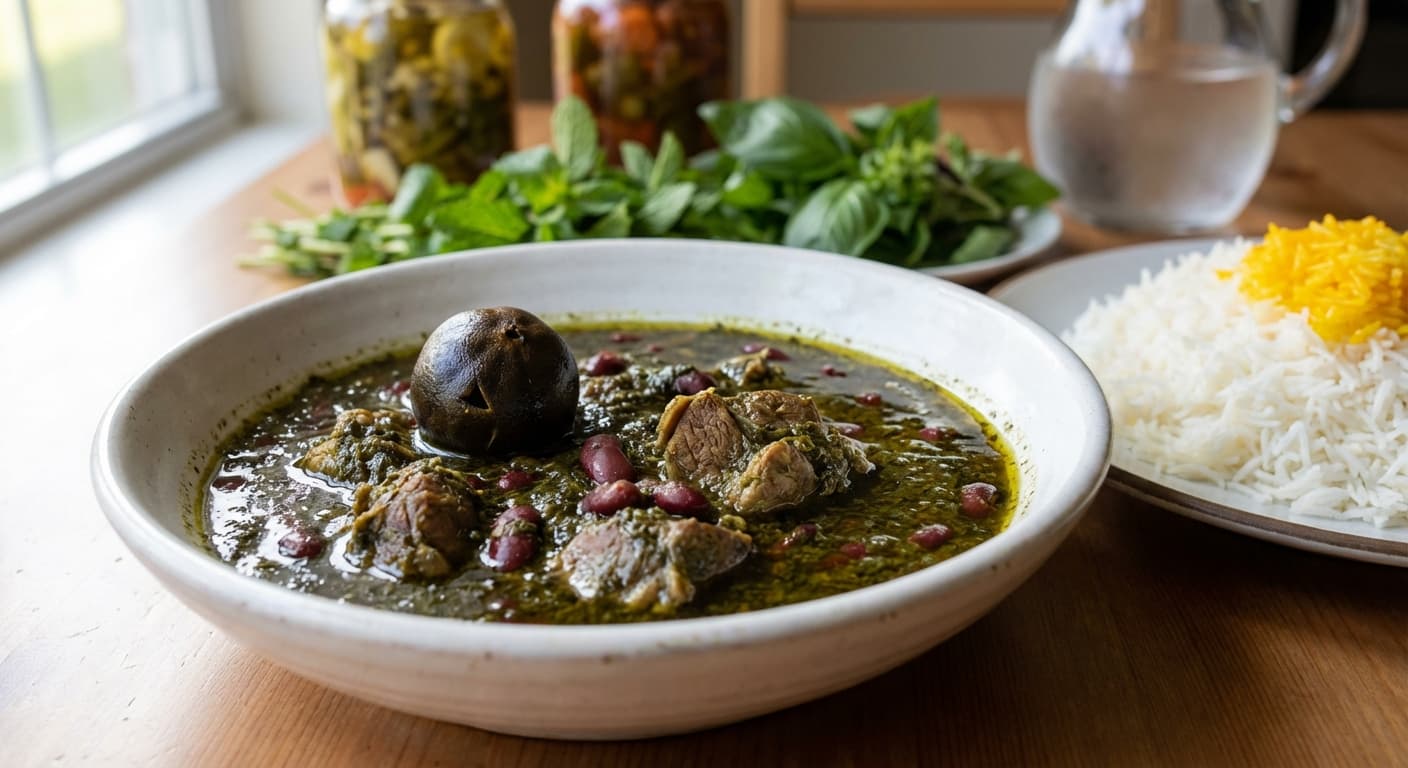
Ghormeh Sabzi is Iran’s iconic herb stew: deeply sautéed greens, tender lamb, creamy red beans, and bright dried limes, slowly simmered until dark, glossy, and intensely fragrant.
Printable Recipe Card
Servings: 6 · Total: 205 min · Difficulty: medium
Ingredients (quick list)
- 700 g Lamb shoulder or stew meat, boneless (cut into 3–4 cm cubes)
- 250 g Yellow onion (1 large, finely diced)
- 60 ml Neutral oil (divided)
- 2 tsp Ground turmeric
- 2 tsp Kosher salt (plus more to taste)
- 1 tsp Black pepper (freshly ground)
- 4 Dried limes (limoo amani) (pierced)
- 1200 ml Water (hot, plus more as needed)
- 300 g Red kidney beans, cooked (drained (or 1 x 15 oz/425 g can, drained))
- 200 g Fresh parsley (finely chopped)
- 120 g Fresh cilantro (finely chopped)
- 60 g Fresh chives (finely chopped (or Persian tareh if available))
+ 1 more in the full ingredients section below.
Steps (summary)
- Rinse the chopped herbs in a bowl of cold water, lift them out, and drain well. Spread on a tray and air-dry 10–15 minutes so t…
- In a heavy pot over medium heat, warm 2 tbsp (30 ml) oil. Add diced onion and cook 10–12 minutes, stirring, until deeply golden…
- Pour in 1200 ml hot water, scraping the bottom to release browned bits. Bring to a gentle boil, then reduce to a low simmer, pa…
- While the lamb simmers, heat remaining 2 tbsp (30 ml) oil in a wide skillet over medium-high heat. Add the chopped herb mix and…
- Add the sautéed herbs to the pot along with the drained cooked kidney beans. Drain the soaking water from the dried limes, add…
- Taste and adjust salt. If you want more tang, gently press one lime against the side of the pot to release some juice, but avoi…
+ 1 more steps in the full instructions section below.
Cultural Background
Ghormeh Sabzi is often called Iran’s national stew, served in homes and restaurants across the country. Its hallmark is the patient frying of herbs and the sour perfume of limoo amani, and many families believe it tastes best the next day after the flavors meld.
Equipment
💡 Tips
- The signature flavor comes from thoroughly sautéing the herbs until their moisture is gone and the aroma is concentrated; under-sautéed herbs make the stew grassy and pale.
- Fenugreek is powerful—use a light hand, especially if using dried; too much can taste medicinal or bitter.
- If using canned beans, rinse well to reduce excess sodium and keep the broth clean-tasting.
- For a darker, more traditional finish, let the stew simmer gently a bit longer rather than increasing heat; slow reduction builds depth without bitterness.
⚠️ Common Mistakes
❌ Not sautéing the herbs long enough
💡 Why: Raw, watery herbs keep the stew pale and grassy and dilute the broth
✅ Fix: Sauté 18–25 minutes until moisture evaporates, color darkens, and aroma turns nutty; stir often to prevent scorching.
❌ Boiling the stew hard
💡 Why: Aggressive boiling can toughen meat and break beans, making the broth muddy
✅ Fix: Maintain a gentle simmer with small bubbles; partially cover and adjust heat as needed.
❌ Letting dried limes burst completely
💡 Why: The pith and seeds can release harsh bitterness into the stew
✅ Fix: Pierce and soak limes first; later, press gently for tang and remove limes before serving if bitterness develops.
❌ Overusing fenugreek
💡 Why: Too much fenugreek can dominate with a bitter, medicinal note
✅ Fix: Use measured amounts; if it’s too strong, add a little more parsley/cilantro sautéed separately and simmer 15 minutes to balance.
🧊 How to Store
Cool completely, then refrigerate in an airtight container up to 4 days. Reheat gently over low heat with a splash of water. Freeze up to 3 months; thaw overnight in the fridge and reheat slowly to preserve herb aroma.
📅 Make Ahead
Chop and wash herbs up to 1 day ahead; store wrapped in paper towels in the fridge. You can also sauté the herbs a day ahead and refrigerate. The finished stew improves after 12–24 hours; cool, refrigerate overnight, then reheat gently before serving.
🍽️ Pairs Well With
- Chelow (steamed basmati rice)
- tahdig
- torshi (pickles)
- fresh sabzi khordan
- mast-o-khiar
- and sliced radish or onion.
Regional Variations
- TehranOften made with a higher parsley-to-cilantro ratio and a slightly thicker, darker finish achieved by sautéing the herbs longer and gently reducing the stew.
- Shiraz (Fars)Some cooks add a small pinch of ground dried lime (pudr-e limu-ye omani) near the end for a brighter tang, while using fewer whole limes to avoid bitterness.
- KhuzestanA spicier home style may include a small amount of dried red chili or extra black pepper, giving it a more assertive heat while keeping the classic herb-and-lime profile.
Ingredients
- 700 gLamb shoulder or stew meat, boneless (cut into 3–4 cm cubes)
- 250 gYellow onion (1 large, finely diced)
- 60 mlNeutral oil (divided)
- 2 tspGround turmeric
- 2 tspKosher salt (plus more to taste)
- 1 tspBlack pepper (freshly ground)
- 4Dried limes (limoo amani) (pierced)
- 1200 mlWater (hot, plus more as needed)
- 300 gRed kidney beans, cooked (drained (or 1 x 15 oz/425 g can, drained))
- 200 gFresh parsley (finely chopped)
- 120 gFresh cilantro (finely chopped)
- 60 gFresh chives (finely chopped (or Persian tareh if available))
- 25 gFresh fenugreek leaves (finely chopped (or 2 tbsp dried fenugreek))
🔄 Substitutions
- Lamb shoulder→ Beef chuck
- Fresh fenugreek leaves→ Dried fenugreek
- Red kidney beans→ Pinto beans
- Chives→ Green onions (scallions)
Instructions
- 1
Rinse the chopped herbs in a bowl of cold water, lift them out, and drain well. Spread on a tray and air-dry 10–15 minutes so they sauté rather than steam. Meanwhile, pierce each dried lime 3–4 times with a fork and soak in warm water for 20 minutes to soften and reduce harsh bitterness.
- 2
In a heavy pot over medium heat, warm 2 tbsp (30 ml) oil. Add diced onion and cook 10–12 minutes, stirring, until deeply golden. Add turmeric and stir 30 seconds until fragrant. Add lamb, salt, and pepper; brown 8–10 minutes, turning so most sides pick up color without burning the onions.
- 3
Pour in 1200 ml hot water, scraping the bottom to release browned bits. Bring to a gentle boil, then reduce to a low simmer, partially covered, for 60 minutes. Skim any foam during the first 10 minutes for a cleaner broth. Keep the simmer steady; vigorous boiling can toughen the meat.
- 4
While the lamb simmers, heat remaining 2 tbsp (30 ml) oil in a wide skillet over medium-high heat. Add the chopped herb mix and sauté 18–25 minutes, stirring often, until the herbs turn darker green, moisture evaporates, and the aroma becomes nutty and concentrated. Lower heat if herbs threaten to scorch.
- 5
Add the sautéed herbs to the pot along with the drained cooked kidney beans. Drain the soaking water from the dried limes, add limes to the stew, and stir. Simmer partially covered for 60–75 minutes more, until lamb is fork-tender and the stew looks darker and lightly glossy from the herb oil.
- 6
Taste and adjust salt. If you want more tang, gently press one lime against the side of the pot to release some juice, but avoid bursting all of them, which can turn the stew bitter. Simmer uncovered 10–15 minutes to thicken to a spoon-coating consistency, adding a splash of hot water if it tightens too much.
- 7
Rest the stew off heat, covered, for 10 minutes so flavors settle and fat rises slightly for easy skimming if desired. Serve hot with steamed Persian rice (chelow), ideally with a little saffron rice on top, and optional torshi or fresh herbs on the side.
🪪 Recipe Passport
Cultural Background
Ghormeh Sabzi is often called Iran’s national stew, served in homes and restaurants across the country. Its hallmark is the patient frying of herbs and the sour perfume of limoo amani, and many families believe it tastes best the next day after the flavors meld.
Regional Variations
Researched from multiple sources and validated by the Zaffaron editorial team. Every recipe is tested for accuracy, measurements, and cultural authenticity.
Nutrition per serving
Pairs well with
If you enjoyed this recipe, here are a few related Zaffaron recipes to try next.
- Green Plum & Herb Stew (خورش گوجه سبز) — Springtime Persian stew with mint, parsley, and tart plums
- Jigar Kabab (جگر کباب) — Classic Persian Lamb Liver Skewers
- Joojeh Kebab-e Sokhari (جوجه کباب سوخاری) — Persian Oven-Roasted Whole Lemon Chicken
- Kuku-ye Sibzamini va Sabzijat-e Risheh (کوکو سیبزمینی و سبزیجات ریشهای) — Persian Golden Potato & Root Vegetable Galettes
Does your family make this differently?
Every family has their own version. Maybe your grandmother adds a secret ingredient, or your aunt has a completely different technique. Preserve your family's version — with their name on it, forever.
You Might Also Like
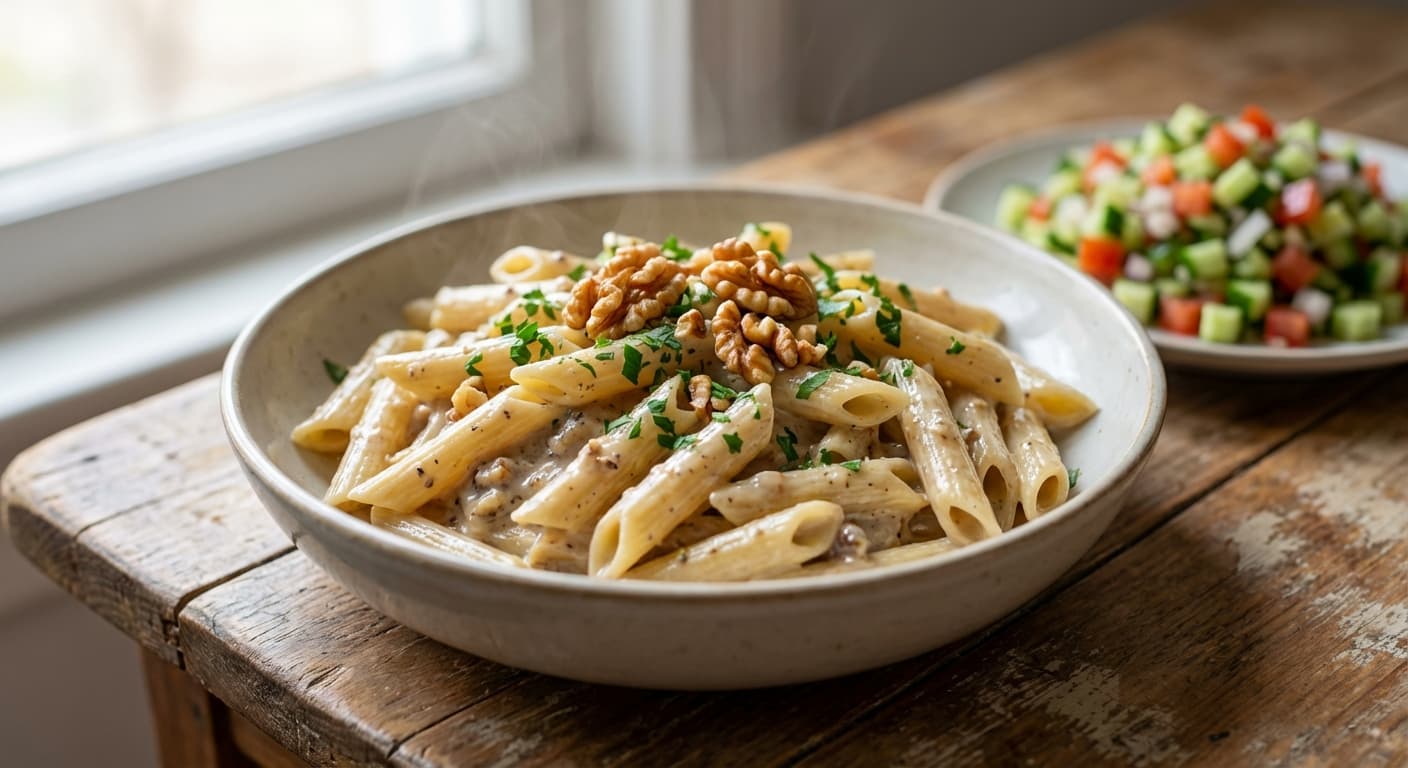
Pasta with Walnut Sauce (پاستا با سس گردو) — Creamy Persian Walnut-Yogurt Pasta
Persian · Main Courses · 35 min
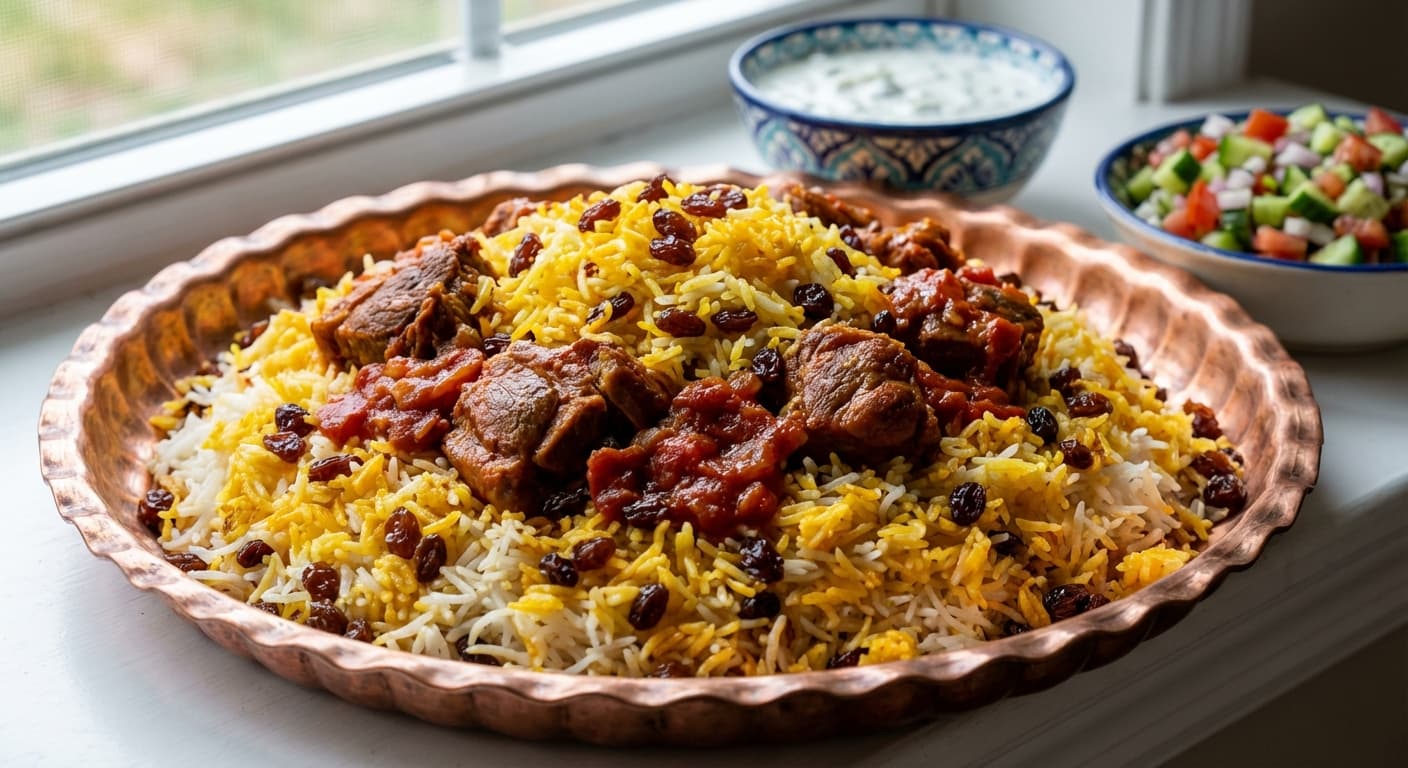
Kashmish Polow (کشمش پلو) — Persian Raisin Rice with Slow-Cooked Lamb
Persian · Rice Dishes · 155 min
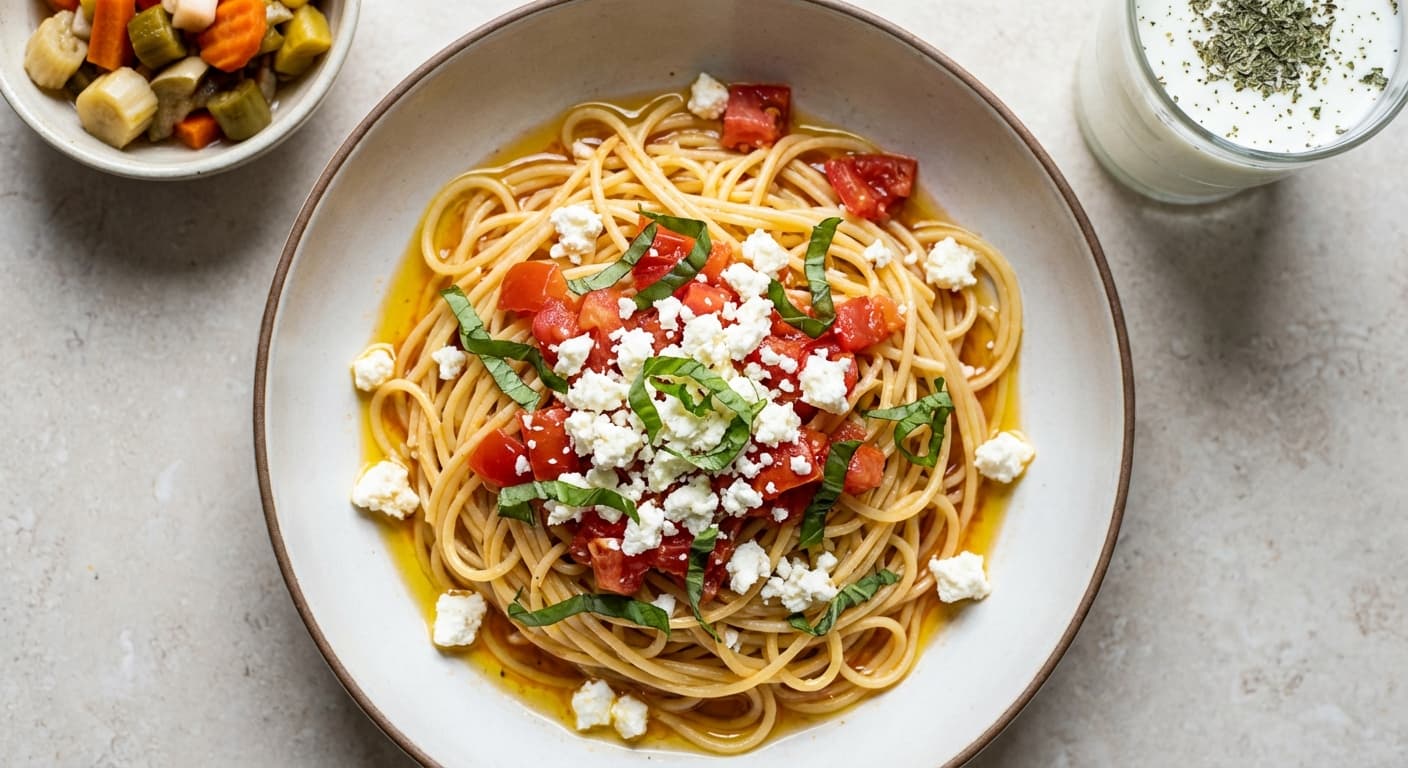
Pastay Paniri (پاستای پنیری) — Persian-Style Cheesy Pasta with Fresh Tomatoes
Persian · Main Courses · 27 min
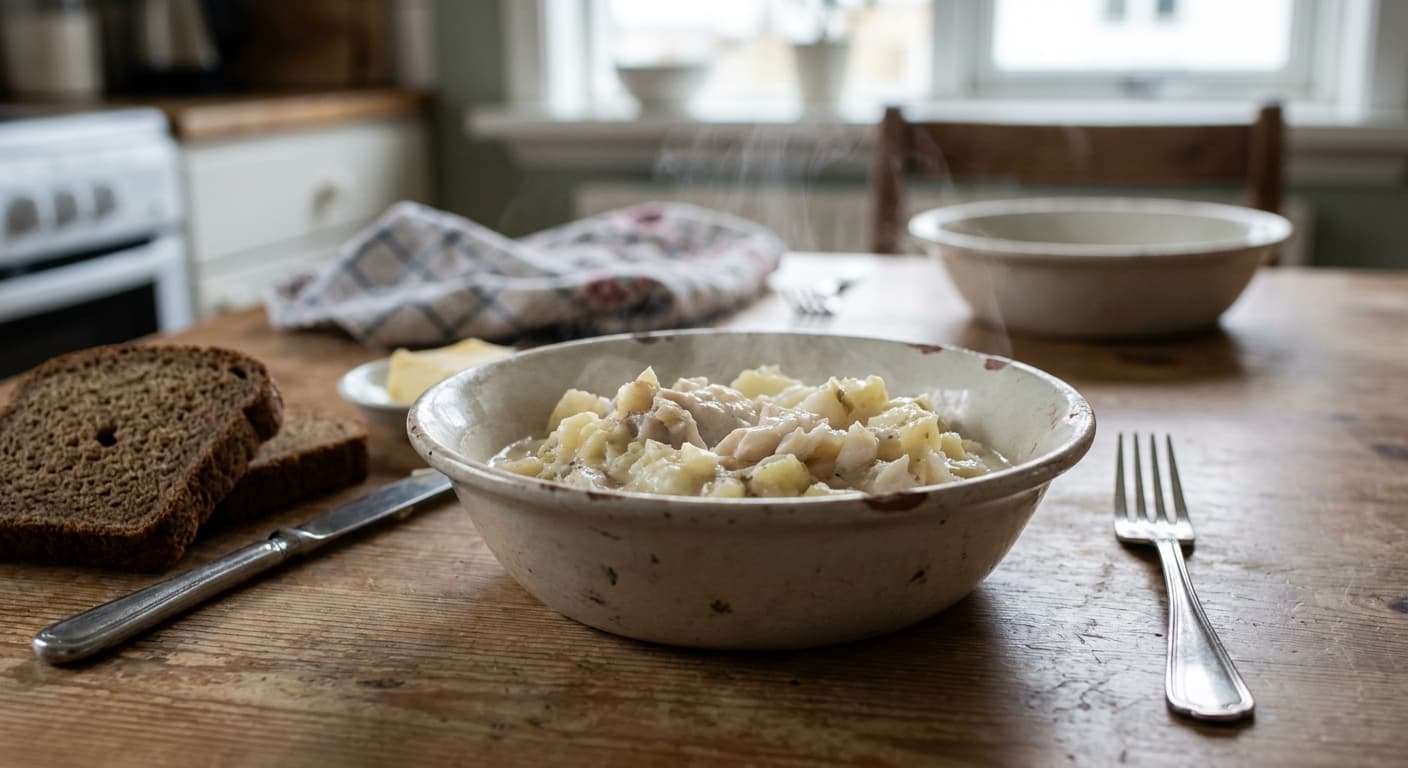
Icelandic Fish Stew (Plokkfiskur) — Creamy Cod and Potato Mash
Icelandic · Stews · 55 min
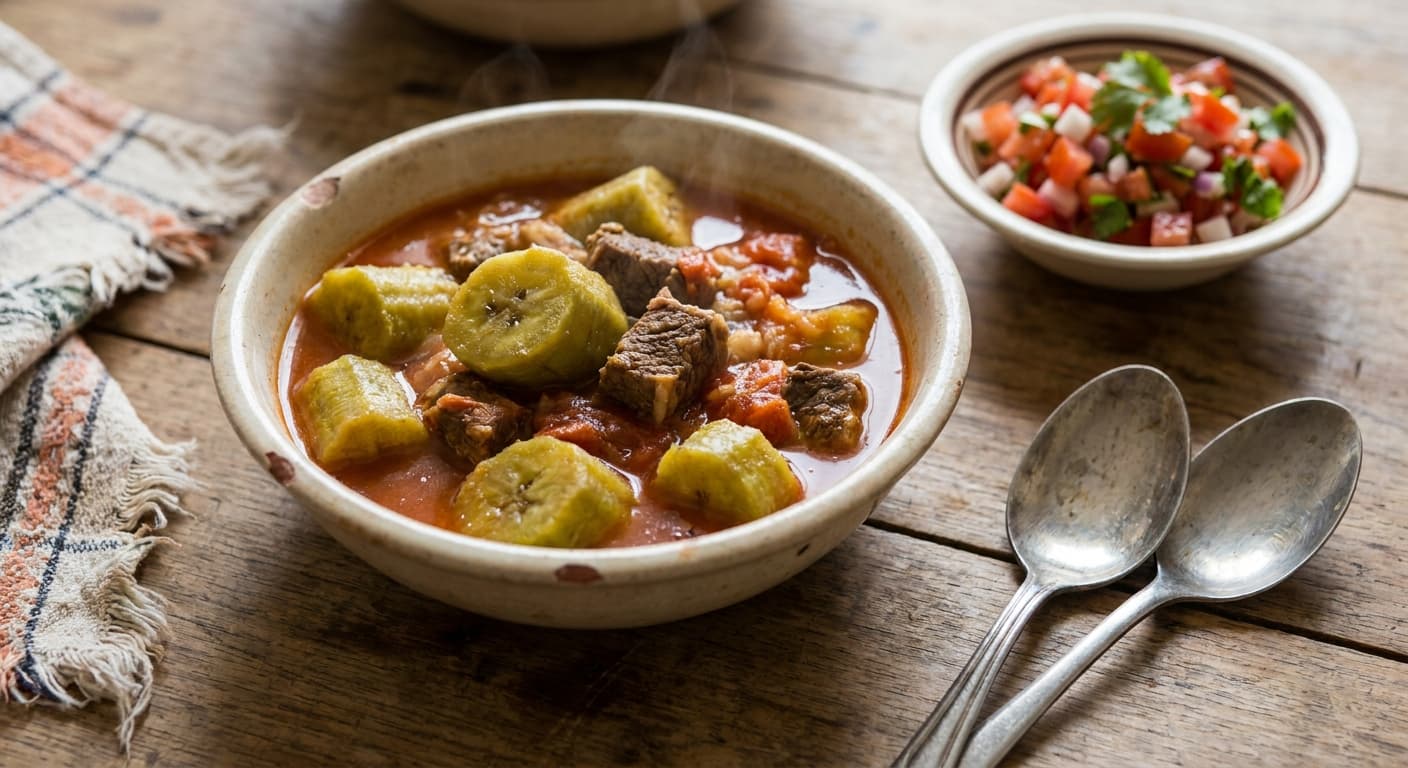
Matoke (Matoke) — Tanzanian Green Banana and Beef Stew
Tanzanian · Stews · 135 min
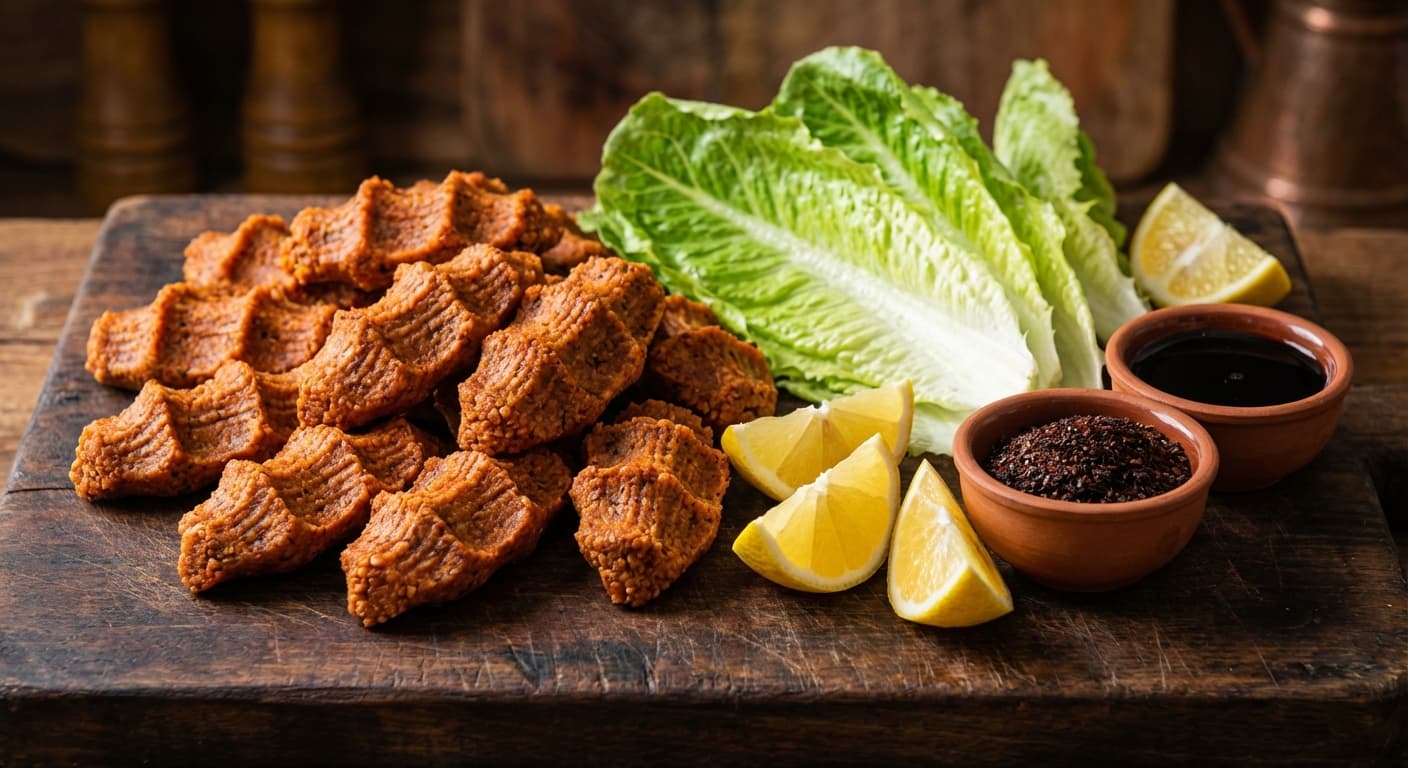
Cig Kofte (Çiğ Köfte) — Isot-kissed bulgur kneaded and served in lettuce
Turkish · Appetizers · 25 min
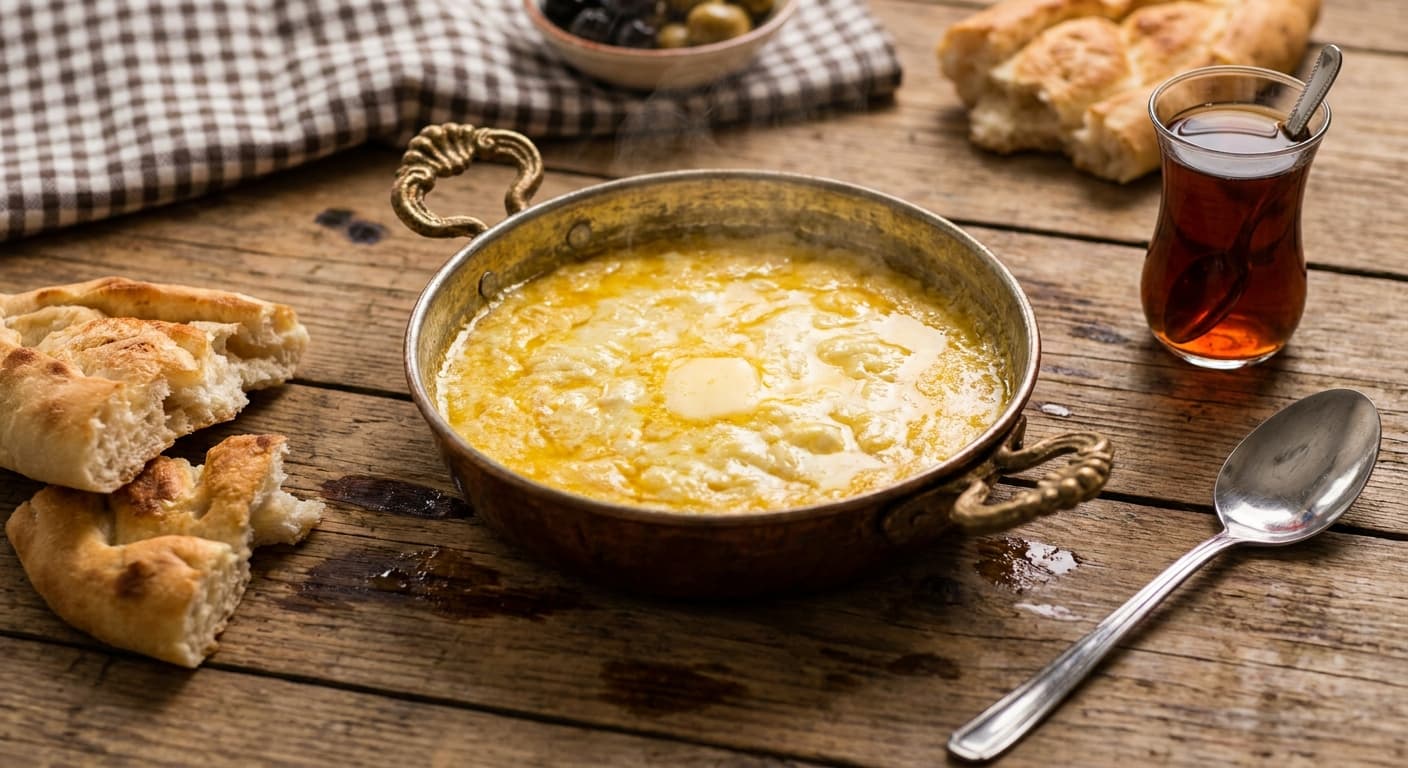
Mıhlama (Mıhlama) — Black Sea Cornmeal and Cheese Skillet
Turkish · Main Courses · 25 min
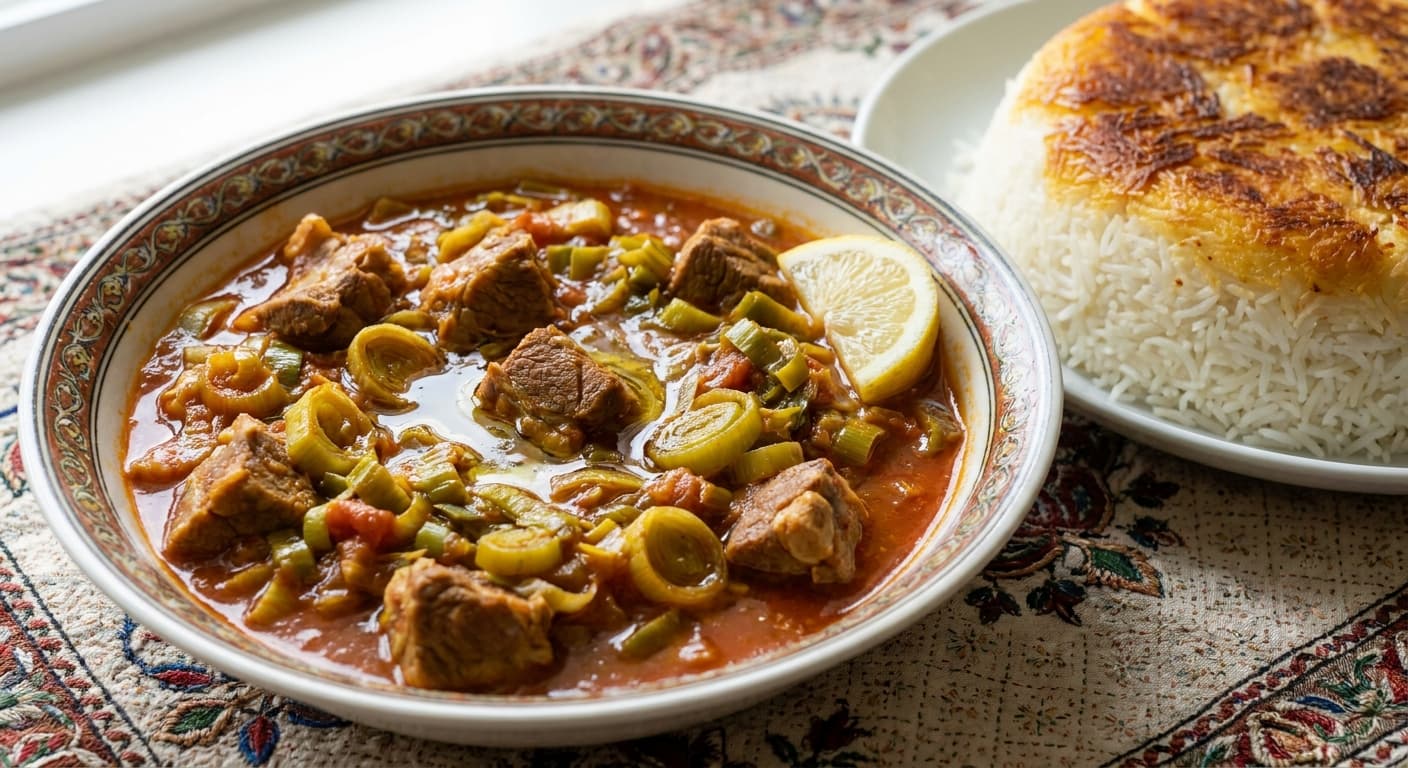
Khoresh Tareh Farangi (خورش تره فرنگی) — Persian Leek and Lamb Stew
Persian · Stews · 130 min
Reviews
Cooked this recipe?
Tap the stars to rate it — that's all it takes. A few words are welcome but optional.
No ratings yet. Cooked this one? Be the first to rate it — it takes one tap.