Kabk Polo (کبک پلو) — Royal Persian Quail Pilaf
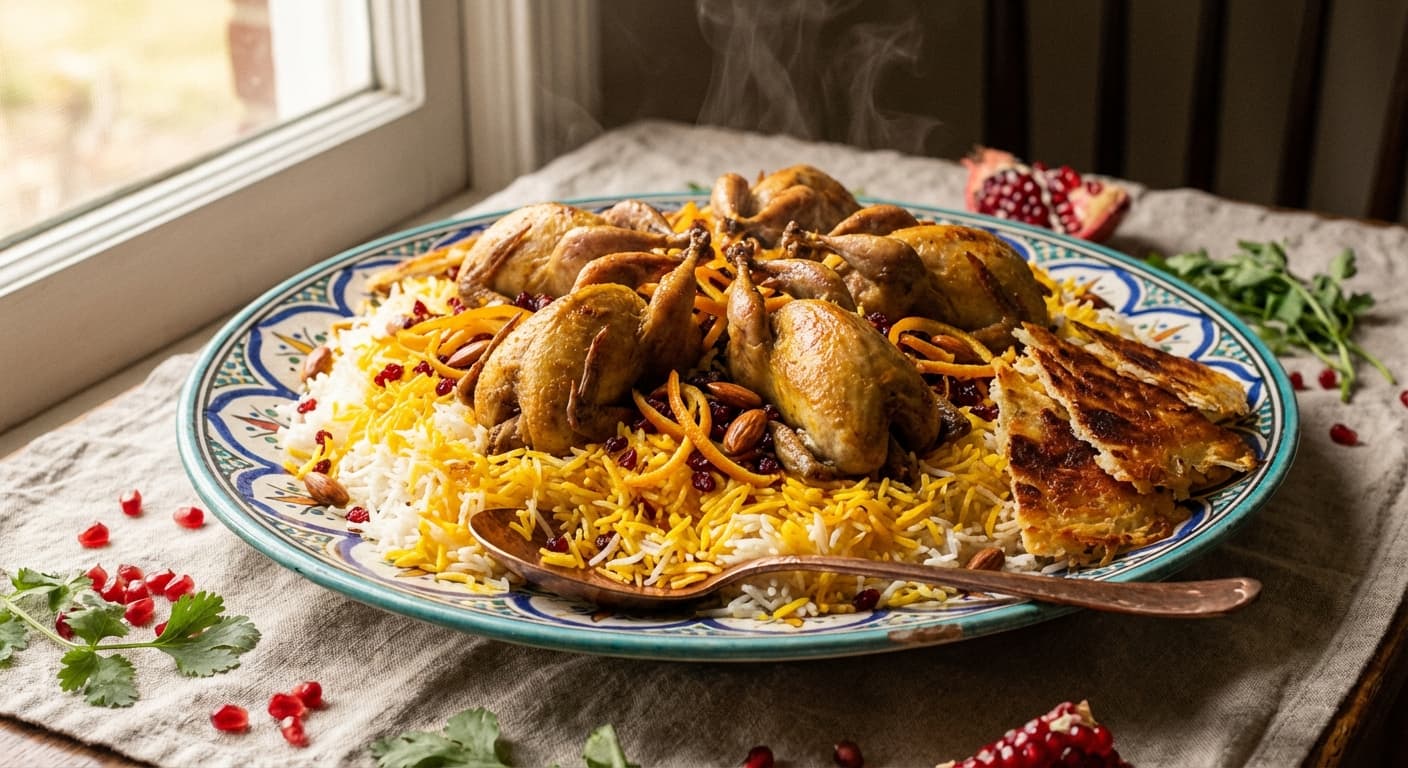
Kabk Polo is a celebratory Persian pilaf that pairs saffron-steamed basmati rice with tender quail and citrusy bitter-orange accents. Traditionally linked to hunting-season feasts, it balances warm spices, caramelized onion, and fragrant saffron.
Printable Recipe Card
Servings: 6 · Total: 120 min · Difficulty: hard
Ingredients (quick list)
- 500 g Basmati rice (aged) (Rinsed until water runs clear)
- 18 g Sea salt (For salting parboil water)
- 6 whole Quail, whole (cleaned) (About 180–220 g each)
- 250 g Onion, thinly sliced
- 90 ml Cooking oil (Neutral oil such as sunflower or canola)
- 2 tsp Cumin seeds
- 450 ml Water (For braising (add more if needed))
- 20 g Seville orange peel (finely julienned) (Bitter orange peel; remove most white pith)
- 25 g Granulated sugar (To balance bitterness)
- 0.3 g Saffron threads
- 60 ml Hot water (About 80–90°C to bloom saffron)
- 1 Lavash bread (About 60 g, cut to fit the pot)
Steps (summary)
- Rinse the basmati rice in several changes of cold water until the water runs nearly clear. Cover the rice with fresh water and…
- Prepare the Seville orange peel by placing it in a small saucepan with 600 ml water and bringing it to a boil. Boil for 2 minut…
- Return the blanched peel to the saucepan, add 25 g sugar and 120 ml water (taken from the measured 600 ml if you prefer), and s…
- Bloom the saffron by grinding 0.3 g threads to a powder and mixing with 60 ml hot water. Let it stand for 10 minutes so the col…
- Pat the quail dry thoroughly so they brown rather than steam. Season them evenly with 6 g sea salt, making sure to season the c…
- Heat 90 ml oil in a wide pot over medium-high heat, then add the sliced onions and cook for 10–12 minutes until deeply golden.…
+ 8 more steps in the full instructions section below.
Cultural Background
Kabk Polo is associated with Persian hospitality and seasonal hunting tables, where game birds signaled abundance and skill. The pairing of saffron rice with bitter orange reflects a classic Iranian love of balancing perfume, gentle sweetness, and bright citrus notes.
Equipment
💡 Tips
- For cleaner flavor and less bitterness, blanch the Seville peel twice; for a more assertive bitter-orange note, blanch only once and keep the simmer with sugar to 3 minutes.
- If your quail are very small, reduce braising time to 25–30 minutes to prevent dryness; the meat should be tender but still juicy.
- A towel-wrapped lid is essential for fluffy polo; it prevents condensation from making the top layer wet and compact.
⚠️ Common Mistakes
❌ Overboiling the rice during parboil so it breaks and turns sticky after steaming.
✅ Fix: Boil only until the grain is soft outside but firm inside (6–7 minutes for aged basmati), then drain and let it steam-dry before layering.
❌ Skipping the towel-wrapped lid, causing wet, compact rice on top.
✅ Fix: Wrap the lid with a clean towel (or use a damkoni) to absorb condensation and keep the polo fluffy.
❌ Leaving Seville peel unblanched, making the dish aggressively bitter.
✅ Fix: Blanch the peel twice, then simmer briefly with measured sugar to achieve a balanced bitter-sweet citrus accent.
🧊 How to Store
Cool leftovers within 2 hours, then refrigerate in airtight containers for up to 3 days. Reheat rice and quail covered with 30 ml water in a pot over low heat for 12–15 minutes, or in a 170°C oven for 15 minutes; keep tahdig separate so it stays crisp.
📅 Make Ahead
Blanch and candy the Seville peel up to 3 days ahead and refrigerate airtight. You can braise the quail 1 day ahead, chill in its broth, then rewarm gently before layering with the parboiled rice for steaming.
🍽️ Pairs Well With
- Shirazi salad
- mast-o-khiar (yogurt-cucumber)
- torshi
- fresh herbs (sabzi khordan)
- pickled garlic (sir torshi).
Regional Variations
- Tehran-style Kabk Polo often leans heavier on saffron and uses bread tahdig for a dramatic golden crust.
- Northern Iran variations may add a small amount of dried barberry (zereshk) alongside bitter orange peel for extra tang and color.
- Some households stuff the quail with a spoonful of onion and citrus peel before braising to perfume the meat from within.
Ingredients
- 500 gBasmati rice (aged) (Rinsed until water runs clear)
- 18 gSea salt (For salting parboil water)
- 6 wholeQuail, whole (cleaned) (About 180–220 g each)
- 250 gOnion, thinly sliced
- 90 mlCooking oil (Neutral oil such as sunflower or canola)
- 2 tspCumin seeds
- 450 mlWater (For braising (add more if needed))
- 20 gSeville orange peel (finely julienned) (Bitter orange peel; remove most white pith)
- 25 gGranulated sugar (To balance bitterness)
- 0.3 gSaffron threads
- 60 mlHot water (About 80–90°C to bloom saffron)
- 1Lavash bread (About 60 g, cut to fit the pot)
🔄 Substitutions
- Seville orange peel→ Dried bitter orange peel (narenj)
- Quail→ Cornish hen, halved
- Lavash bread (tahdig)→ Thin potato slices
Instructions
- 1
Rinse the basmati rice in several changes of cold water until the water runs nearly clear. Cover the rice with fresh water and soak for 30 minutes; this helps the grains elongate and cook evenly.
- 2
Prepare the Seville orange peel by placing it in a small saucepan with 600 ml water and bringing it to a boil. Boil for 2 minutes, drain, then repeat the blanching one more time to tame bitterness while keeping a bright citrus aroma.
- 3
Return the blanched peel to the saucepan, add 25 g sugar and 120 ml water (taken from the measured 600 ml if you prefer), and simmer for 5 minutes until lightly candied. Drain and set aside; the peel should taste gently bitter-sweet, not harsh.
- 4
Bloom the saffron by grinding 0.3 g threads to a powder and mixing with 60 ml hot water. Let it stand for 10 minutes so the color and aroma fully release, then keep it warm near the stove.
- 5
Pat the quail dry thoroughly so they brown rather than steam. Season them evenly with 6 g sea salt, making sure to season the cavity as well for deeper flavor.
- 6
Heat 90 ml oil in a wide pot over medium-high heat, then add the sliced onions and cook for 10–12 minutes until deeply golden. Stir often and scrape the bottom so the onions caramelize without burning, because this sweetness is a key counterpoint to the citrus peel.
- 7
Add 2 tsp cumin seeds to the onions and toast for 30–45 seconds until fragrant. Nestle the quail into the pot and brown for 3–4 minutes per side, turning gently so the skin colors evenly without tearing.
- 8
Pour in 450 ml water, bring to a steady simmer, then cover and braise on low heat for 35–45 minutes until the quail are tender and the liquid is reduced to a flavorful onion-cumin broth. If the pot dries before the quail are tender, add 60 ml water at a time and keep the simmer gentle.
- 9
While the quail braise, bring a large pot of water to a rolling boil and add 18 g sea salt. Drain the soaked rice, add it to the boiling water, and boil for 6–7 minutes until the grains are softened on the outside but still firm in the center.
- 10
Drain the rice in a colander and rinse quickly with 150 ml cool water to stop the cooking and wash away excess surface starch. Let it drain for 2 minutes so the rice steams dry, which helps create distinct, fluffy grains.
- 11
In a clean nonstick pot (about 24–26 cm), warm 30 ml oil over medium heat and lay the lavash to cover the base for tahdig. Spoon in a thin layer of rice to protect the bread, then begin layering: rice, a few spoonfuls of the quail onion mixture, and a scatter of candied Seville peel.
- 12
Continue layering until all rice is used, placing the quail evenly through the middle layers so they stay moist and perfume the rice. Drizzle 45 ml of the bloomed saffron water over the top layer, reserving the remaining 15 ml for finishing and color contrast.
- 13
Wrap the lid in a clean towel and cover the pot to trap steam without dripping back onto the rice. Cook over medium heat for 8 minutes to build steam, then reduce to low and steam for 40 minutes until the rice is fully tender and the tahdig is crisp.
- 14
Rest the pot off the heat for 10 minutes so the rice settles and releases cleanly. To serve, mound the rice on a platter, arrange the quail on top, drizzle the remaining saffron water in streaks, and break the tahdig into shards to serve alongside.
🪪 Recipe Passport
Cultural Background
Kabk Polo is associated with Persian hospitality and seasonal hunting tables, where game birds signaled abundance and skill. The pairing of saffron rice with bitter orange reflects a classic Iranian love of balancing perfume, gentle sweetness, and bright citrus notes.
Regional Variations
Researched from multiple sources and validated by the Zaffaron editorial team. Every recipe is tested for accuracy, measurements, and cultural authenticity.
Nutrition per serving
Pairs well with
If you enjoyed this recipe, here are a few related Zaffaron recipes to try next.
Does your family make this differently?
Every family has their own version. Maybe your grandmother adds a secret ingredient, or your aunt has a completely different technique. Preserve your family's version — with their name on it, forever.
You Might Also Like
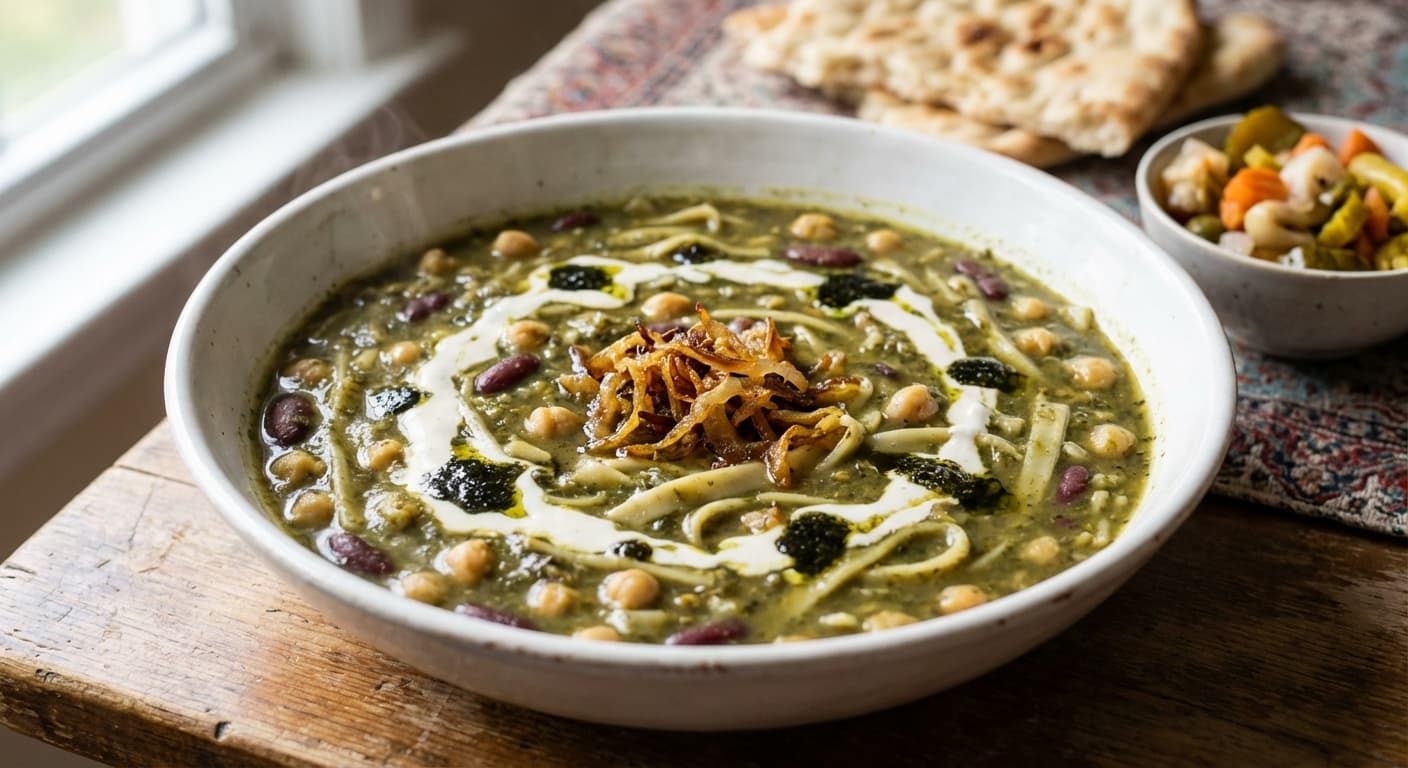
Ash Reshteh (آش رشته) — Persian Herb, Bean, and Noodle Soup
Persian · Soups · 145 min
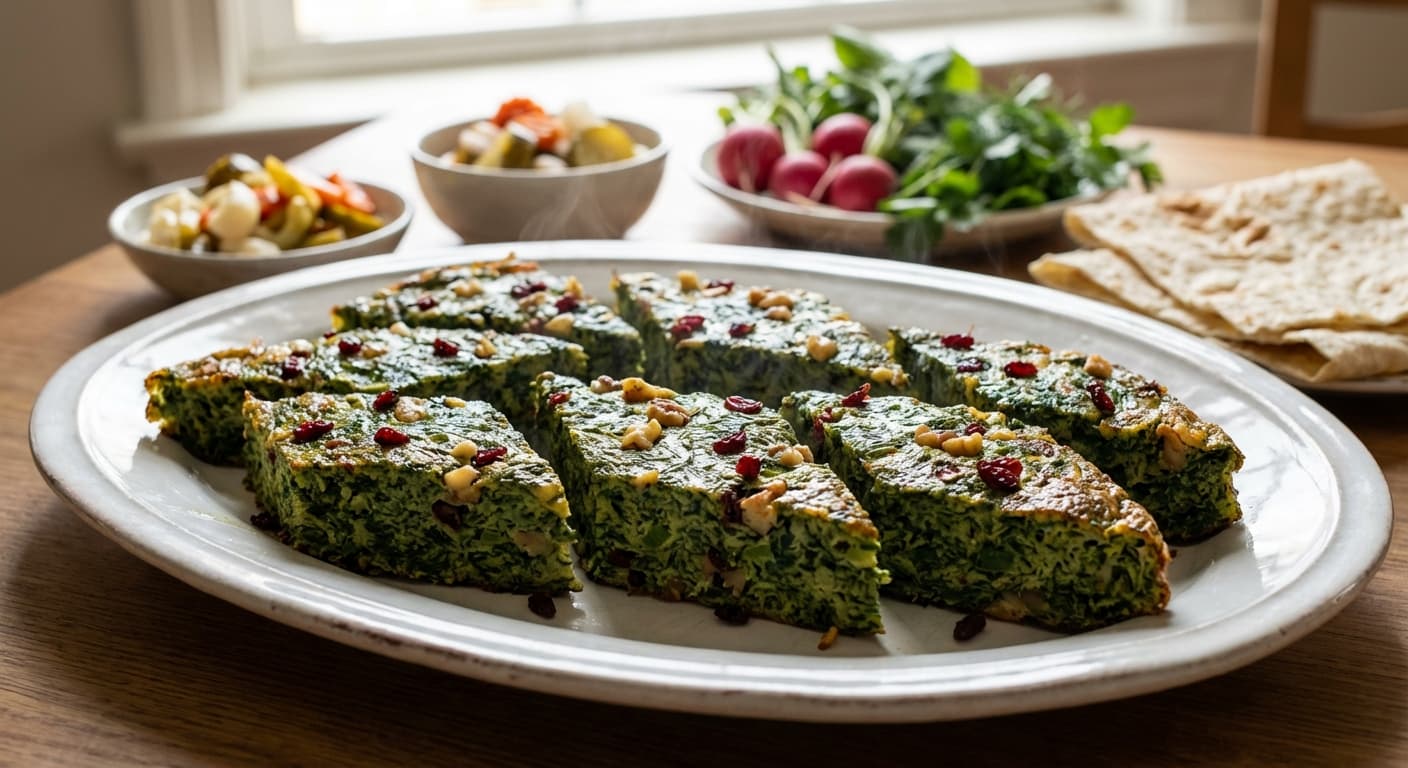
Kuku Sabzi (کوکو سبزی) — Emerald Persian Herb Frittata
Persian · Main Courses · 38 min
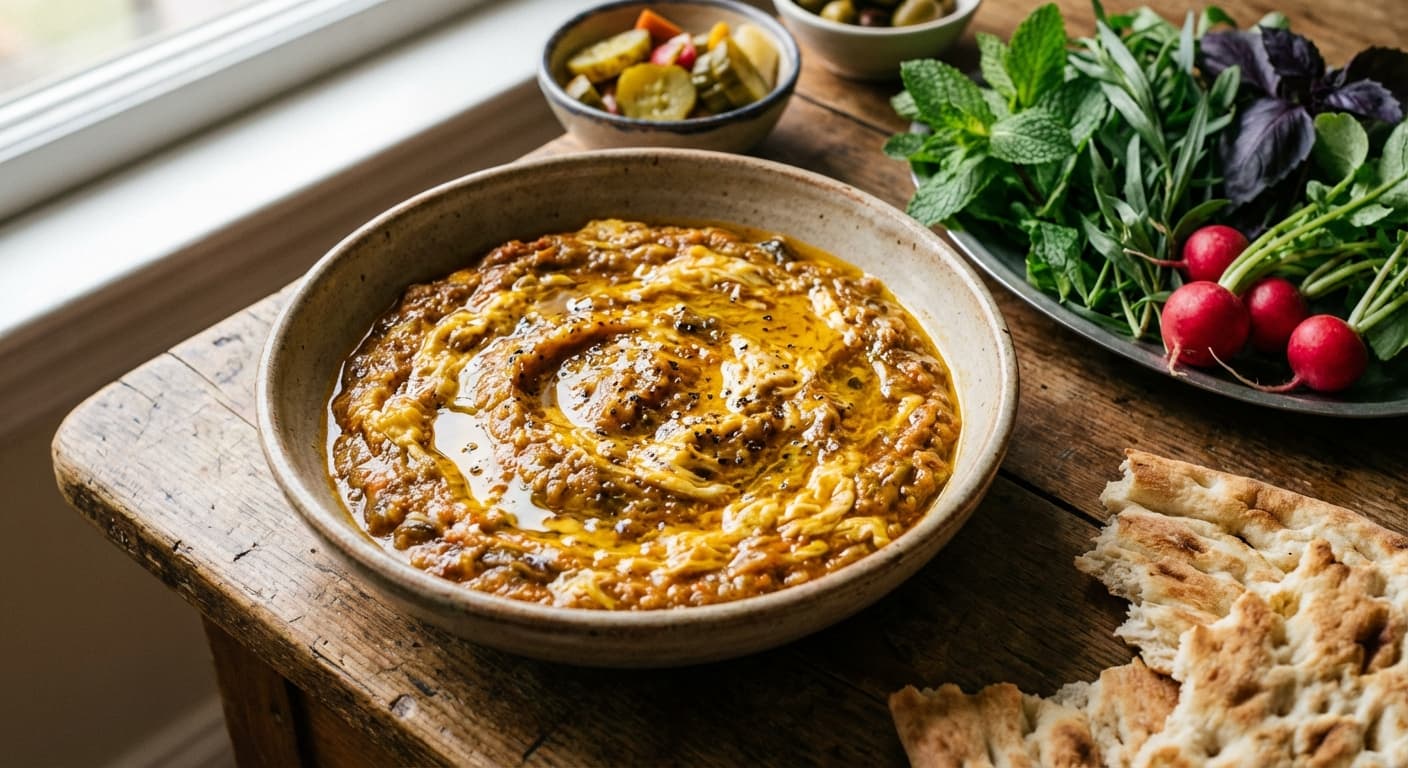
Smoked Silk Mirza Ghasemi (میرزا قاسمی) — Silky smoked eggplant with tomato, garlic, and eggs
Persian · Appetizers · 60 min
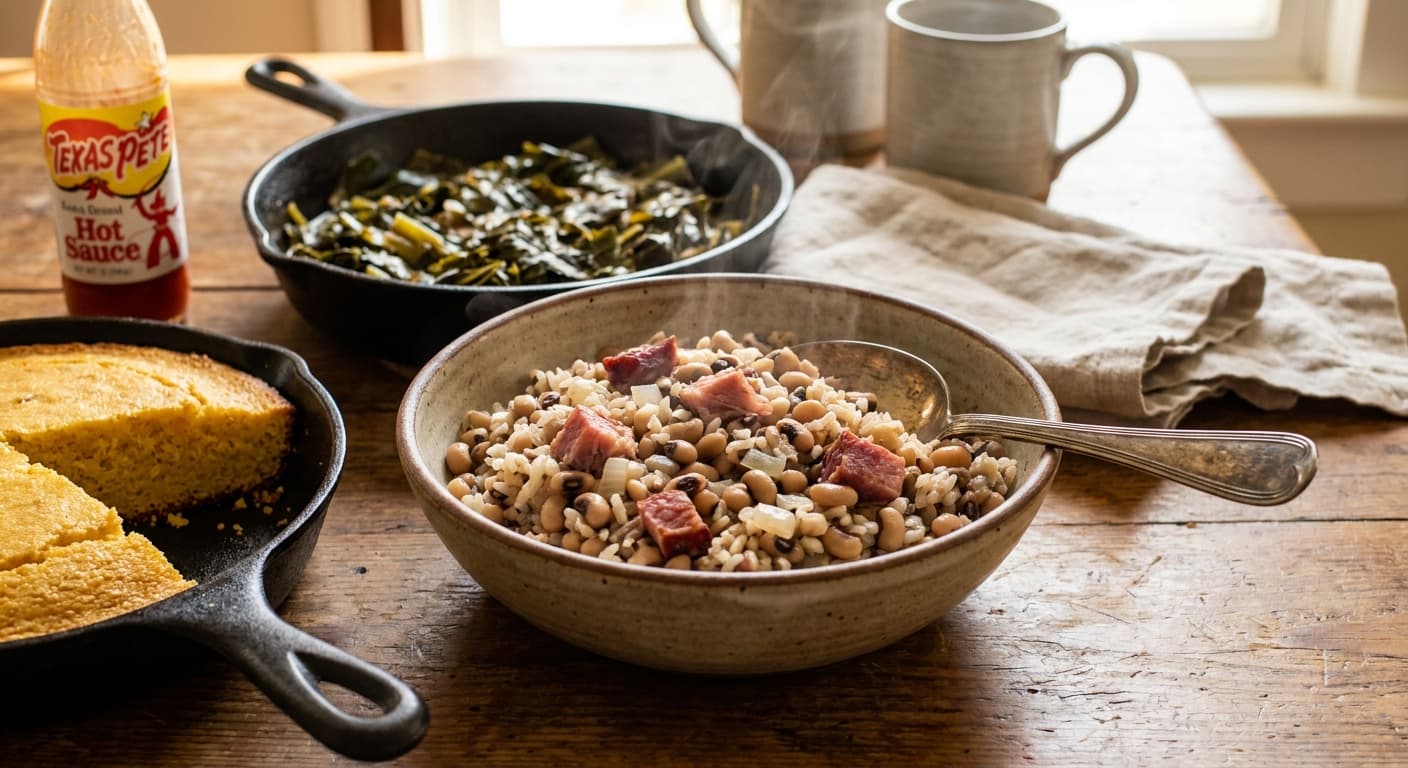
Hoppin' John (Hoppin' John) — Southern Black-Eyed Peas and Rice
American · Rice Dishes · 115 min
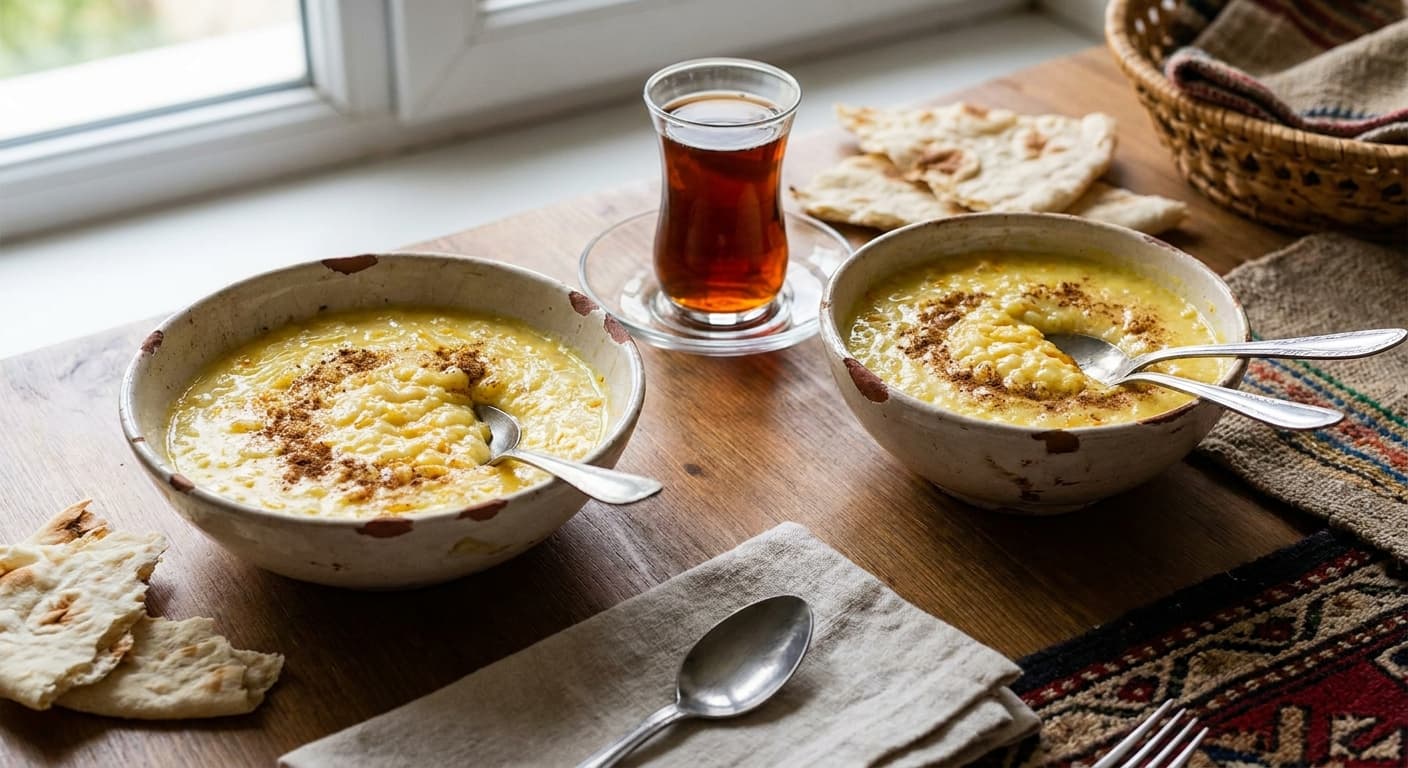
Azerbaijani Milk-Rice Porridge (Südlü Sıyıq) — Creamy Breakfast Rice with Saffron
Azerbaijani · Rice Dishes · 50 min
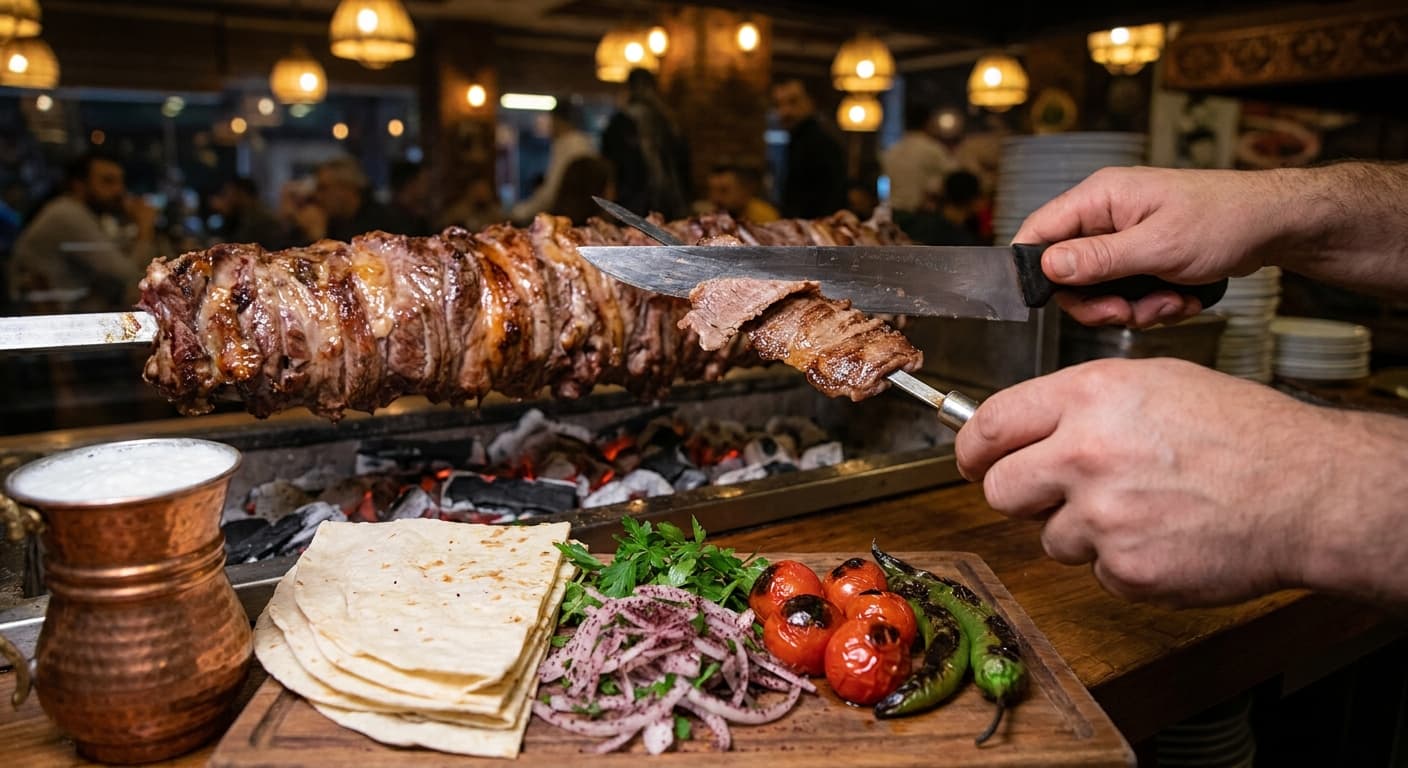
Turkish Cağ Kebab (Cağ Kebabı) — Erzurum Slow-Roasted Charcoal Lamb Skewer
Turkish · Kebabs · 160 min
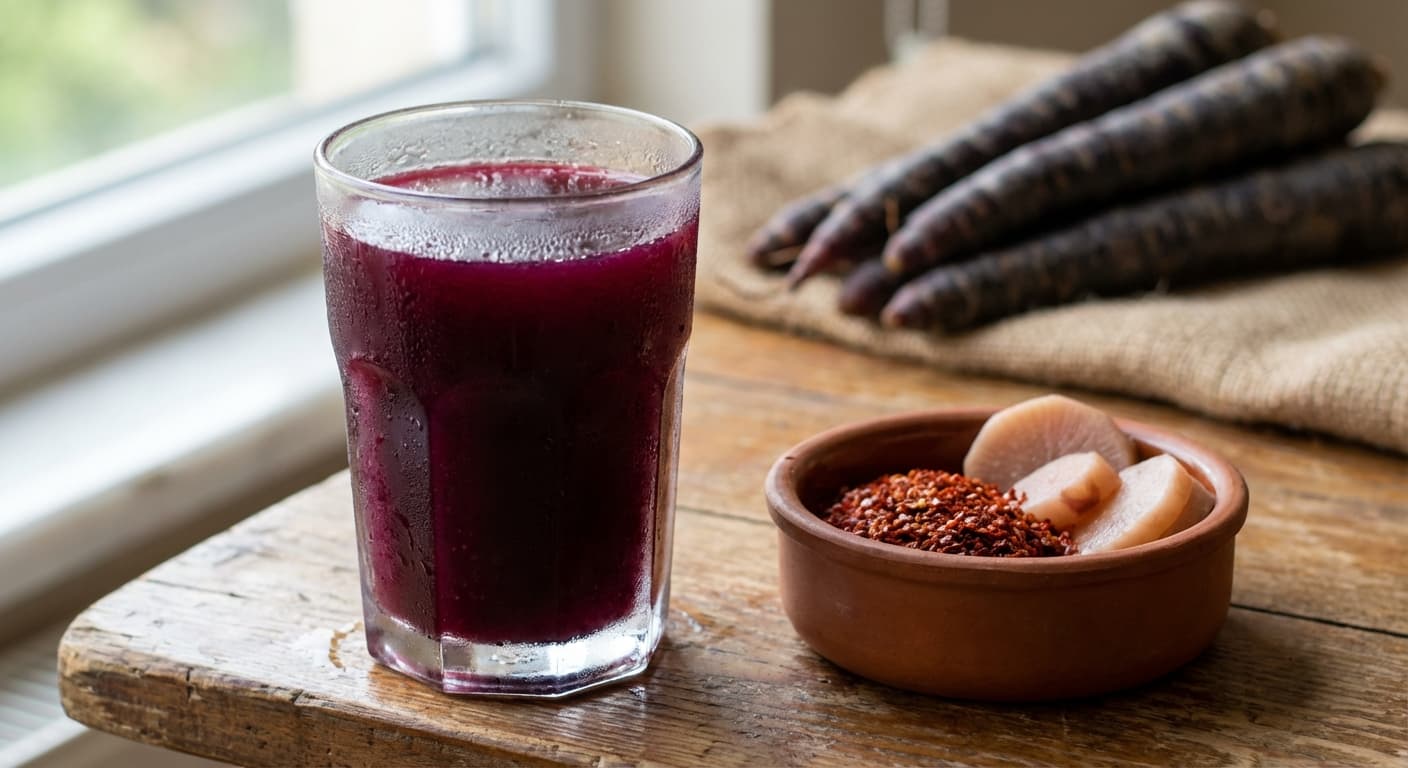
Salgam Juice (Şalgam) — Spicy, tangy fermented black-carrot drink
Turkish · Drinks · 25 min
Sabzi Chalaw (سبزی چلو) — Afghan Herb Rice with Meat Stew
Afghan · Rice Dishes · 130 min
Reviews
Cooked this recipe?
Tap the stars to rate it — that's all it takes. A few words are welcome but optional.
No ratings yet. Cooked this one? Be the first to rate it — it takes one tap.