Kateh Tond (کته تند) — Persian Spicy Steamed Rice with Chicken
A northern Iranian-style one-pot kateh rice cooked with tender chicken, onions, herbs, and warming spices. Verjuice adds bright acidity while butter enriches the grains for a comforting, aromatic meal.
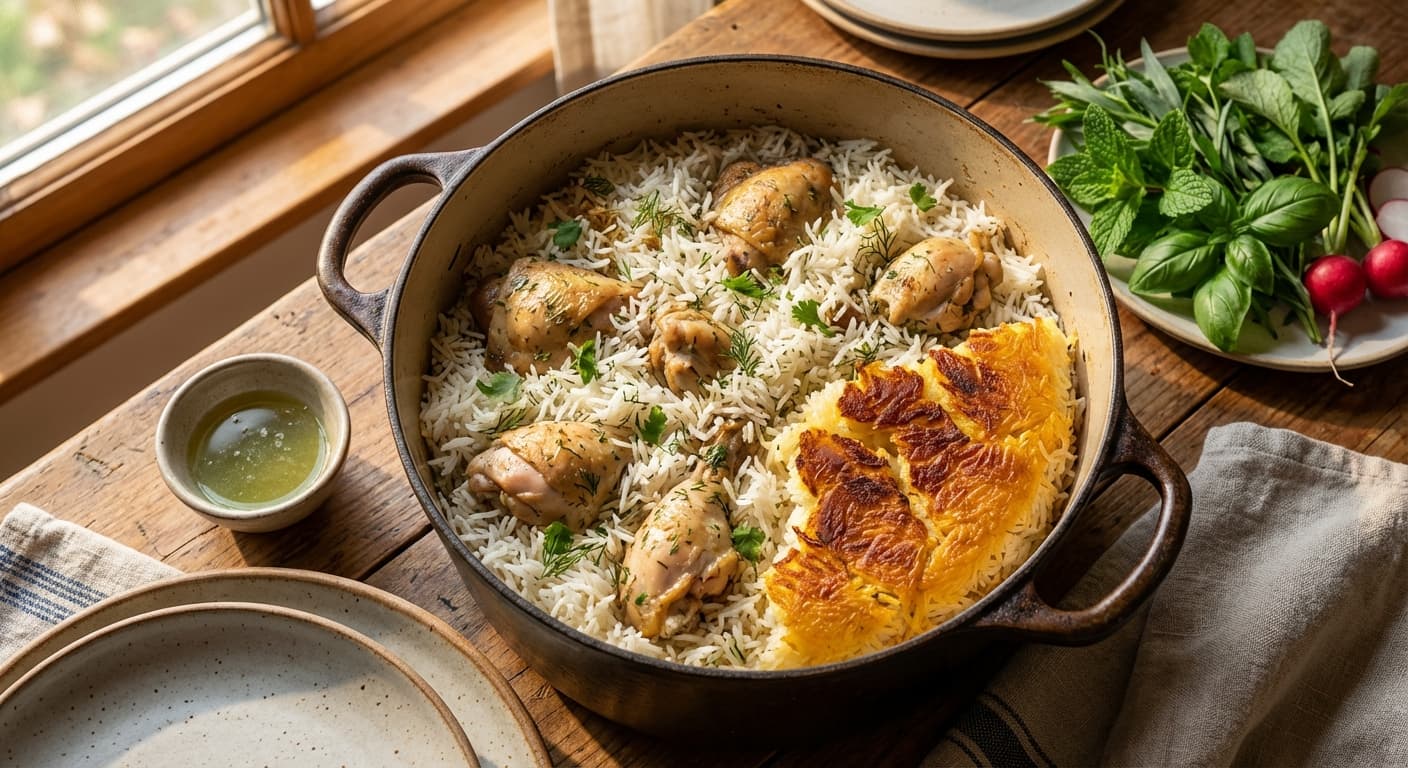
Printable Recipe Card
Servings: 4 · Total: 115 min · Difficulty: medium
Ingredients (quick list)
- 300 g Basmati rice (rinsed until water runs mostly clear)
- 600 ml Water (plus more for rinsing)
- 8 g Fine sea salt (divided)
- 45 g Unsalted butter (divided)
- 600 g Boneless, skinless chicken thighs (cut into 4–5 cm pieces)
- 200 g Yellow onion (finely diced)
- 15 ml Neutral oil (such as grapeseed or sunflower)
- 3 g Ground turmeric (about 1 1/2 tsp)
- 4 g Curry powder (about 2 tsp, mild to medium)
- 1.5 g Black pepper (about 1/2 tsp, freshly ground)
- 2 g Dried fenugreek leaves (crushed between palms)
- 20 g Fresh cilantro (finely chopped)
+ 3 more in the full ingredients section below.
Steps (summary)
- Rinse the rice in several changes of cool water until mostly clear, then drain well. Soak the rice with 600 ml water and 6 g of…
- Meanwhile, heat a heavy pot (24–26 cm) over medium heat. Add the oil and 15 g butter. Stir in the diced onion with a small pinc…
- Add chicken pieces and spread into an even layer. Cook 6–8 minutes, turning once, until the exterior turns opaque and lightly b…
- Add the chopped cilantro, parsley, dill, and crushed dried fenugreek leaves. Cook 1 minute to bloom the herbs in the fat, then…
- Pour in the soaked rice along with all its soaking water. Stir gently to distribute chicken and herbs without breaking the grai…
- When the water level drops below the rice and small steam holes appear, taste a few grains; they should be mostly tender with a…
+ 2 more steps in the full instructions section below.
Cultural Background
Kateh is a widely used Persian home-cooking method where rice is simmered and then steamed in the same pot, valued for its simplicity and comforting texture. Spiced versions with herbs and souring agents like verjuice are common in northern Iran, where rice dishes are everyday staples and flavors often balance richness with acidity.
Equipment
💡 Tips
- For a spicier 'tond' profile without changing the ingredient list, increase black pepper to 2.5 g and choose a hotter curry powder.
- If your verjuice is very sharp, start with 40 ml, taste, then add the remaining 20 ml after resting.
- A heavy, thick-bottomed pot is key for kateh; thin pots scorch easily during the long low steam.
- To encourage a deeper golden crust, keep the last 10 minutes of steaming on low-medium heat, then reduce back to low if you hear rapid sizzling.
⚠️ Common Mistakes
❌ Skipping the rinse and soak
💡 Why: Excess surface starch and uneven hydration can make kateh gummy and prone to sticking.
✅ Fix: Rinse until mostly clear and soak 30 minutes with measured water; drain only if you are not using the soaking water.
❌ Cooking on high heat during the steaming phase
💡 Why: The bottom scorches before the rice finishes steaming, and chicken can dry out.
✅ Fix: Steam on low heat for 35 minutes; you want gentle crackling, not loud sizzling.
❌ Adding verjuice early
💡 Why: Acid can slow tenderizing and dull fresh herbal aromas when boiled for a long time.
✅ Fix: Add verjuice after steaming and resting, then fold gently and taste-adjust.
❌ Over-stirring once rice is added
💡 Why: Agitation breaks grains and releases starch, leading to a sticky texture.
✅ Fix: Stir once to distribute, then leave it; only fold gently after steaming.
🧊 How to Store
Cool leftovers within 2 hours. Refrigerate in an airtight container for up to 3 days. Reheat covered with 1–2 tbsp water in a saucepan over low heat for 10–12 minutes, or microwave covered in 60–90 second bursts until steaming hot (74°C).
📅 Make Ahead
Chop herbs and onion up to 24 hours ahead and refrigerate separately in airtight containers. You can also mix the dry spices in advance. Cooked kateh reheats best with a splash of water and gentle steam to restore softness.
🍽️ Pairs Well With
- Shirazi salad (cucumber
- tomato
- onion with lemon)
- Plain yogurt or yogurt with cucumber and herbs
- Pickled vegetables
- Fresh herbs and radishes
Regional Variations
- Gilan and Mazandaran (Caspian coast)Often made with more fresh herbs and a brighter sour note from verjuice or other local souring agents; the dish may be served with pickles and herb platters to emphasize freshness.
- Tehran and other urban home kitchensCommonly prepared as a practical one-pot meal with a milder spice level and fewer herbs, focusing on buttery rice texture and a modest tang added at the end.
Ingredients
- 300 gBasmati rice (rinsed until water runs mostly clear)
- 600 mlWater (plus more for rinsing)
- 8 gFine sea salt (divided)
- 45 gUnsalted butter (divided)
- 600 gBoneless, skinless chicken thighs (cut into 4–5 cm pieces)
- 200 gYellow onion (finely diced)
- 15 mlNeutral oil (such as grapeseed or sunflower)
- 3 gGround turmeric (about 1 1/2 tsp)
- 4 gCurry powder (about 2 tsp, mild to medium)
- 1.5 gBlack pepper (about 1/2 tsp, freshly ground)
- 2 gDried fenugreek leaves (crushed between palms)
- 20 gFresh cilantro (finely chopped)
- 20 gFresh parsley (finely chopped)
- 10 gFresh dill (finely chopped)
- 60 mlVerjuice (adjust to taste; add at the end for brightness)
🔄 Substitutions
- Verjuice→ Fresh lemon juice
- Boneless, skinless chicken thighs→ Bone-in chicken pieces
- Unsalted butter→ Ghee
Instructions
- 1
Rinse the rice in several changes of cool water until mostly clear, then drain well. Soak the rice with 600 ml water and 6 g of the salt for 30 minutes at room temperature; this helps the grains cook evenly in the kateh method and reduces sticking.
- 2
Meanwhile, heat a heavy pot (24–26 cm) over medium heat. Add the oil and 15 g butter. Stir in the diced onion with a small pinch of the remaining salt and cook 8–10 minutes, stirring often, until translucent and lightly golden at the edges.
- 3
Add chicken pieces and spread into an even layer. Cook 6–8 minutes, turning once, until the exterior turns opaque and lightly browned in spots. Sprinkle in turmeric, curry powder, and black pepper; stir 30–45 seconds until fragrant, coating the chicken and onions.
- 4
Add the chopped cilantro, parsley, dill, and crushed dried fenugreek leaves. Cook 1 minute to bloom the herbs in the fat, then scrape the bottom of the pot to release any browned bits; these deepen flavor and help prevent scorching during steaming.
- 5
Pour in the soaked rice along with all its soaking water. Stir gently to distribute chicken and herbs without breaking the grains. Bring to a lively simmer over medium-high heat (about 4–6 minutes), then reduce to medium and simmer uncovered 10–12 minutes.
- 6
When the water level drops below the rice and small steam holes appear, taste a few grains; they should be mostly tender with a slight core. Dot the surface with the remaining 30 g butter. Using a spoon handle, poke 5–6 holes to the bottom to vent steam.
- 7
Wrap the lid in a clean towel and cover the pot tightly. Reduce heat to low and steam 35 minutes. Keep the heat steady; you should hear a gentle crackle, not aggressive sizzling. Avoid lifting the lid during steaming to maintain consistent pressure and texture.
- 8
Turn off heat and rest, covered, for 10 minutes. Drizzle in verjuice and gently fold once or twice to distribute without mashing the rice. Taste and adjust with the remaining 2 g salt if needed. Serve hot, scooping from the bottom to include any golden crust.
🪪 Recipe Passport
Cultural Background
Kateh is a widely used Persian home-cooking method where rice is simmered and then steamed in the same pot, valued for its simplicity and comforting texture. Spiced versions with herbs and souring agents like verjuice are common in northern Iran, where rice dishes are everyday staples and flavors often balance richness with acidity.
Regional Variations
Researched from multiple sources and validated by the Zaffaron editorial team. Every recipe is tested for accuracy, measurements, and cultural authenticity.
Nutrition per serving
Pairs well with
If you enjoyed this recipe, here are a few related Zaffaron recipes to try next.
Does your family make this differently?
Every family has their own version. Maybe your grandmother adds a secret ingredient, or your aunt has a completely different technique. Preserve your family's version — with their name on it, forever.
You Might Also Like

Golden Turmeric Potato and Spinach Casserole (غراتان سیبزمینی و اسفناج) — Mediterranean-Inspired Layered Gratin
Persian · Main Courses · 70 min
Borani Kadu (بورانی کدو) — Saffron-Infused Zucchini and Yogurt Dip
Persian · Appetizers · 40 min
Mixed Vegetable Rice (برنج با مخلوط سبزیجات) — Persian-Style Aromatic Pilaf
Persian · Rice Dishes · 75 min
Japanese Oyakodon (親子丼) — Chicken and Egg Rice Bowl
Japanese · Rice Dishes · 29 min
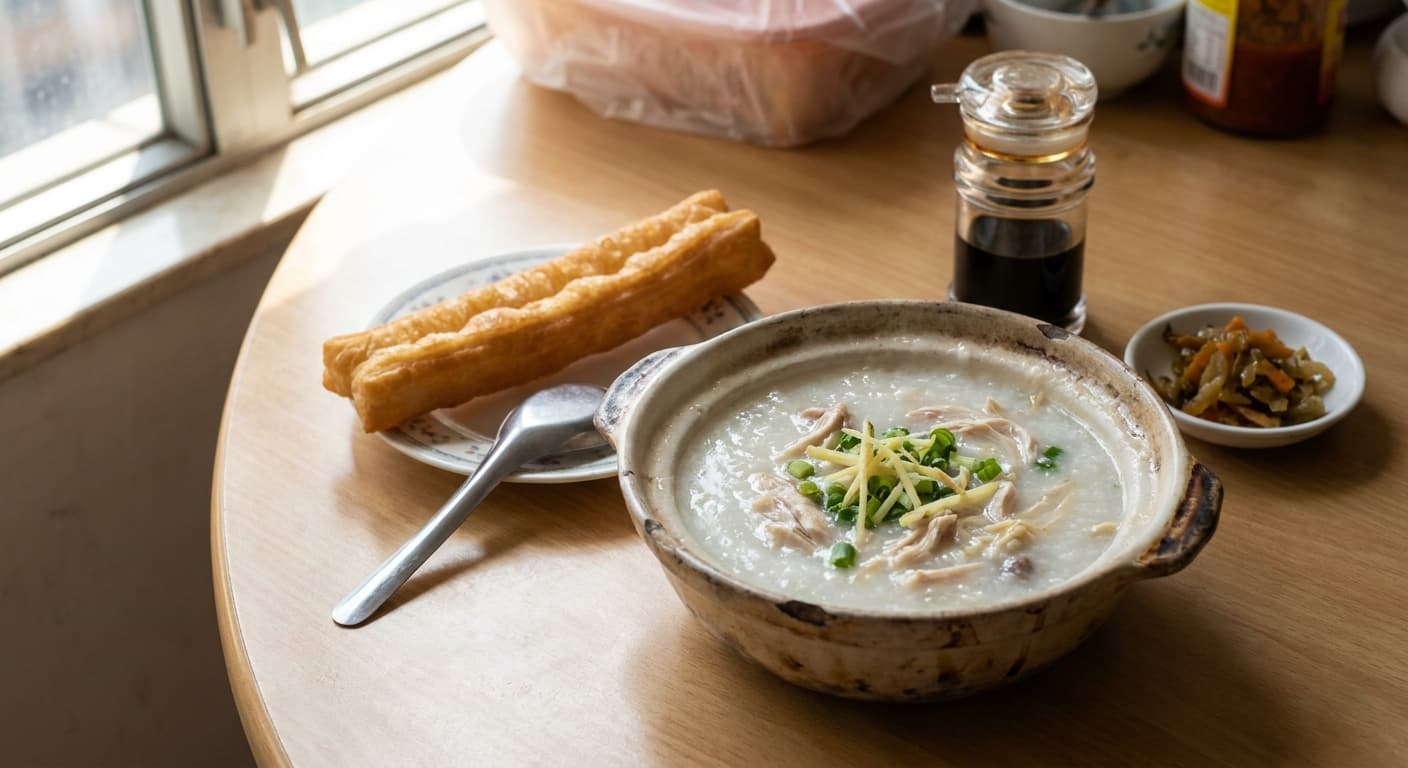
Cantonese Chicken Congee (粵式雞粥) — Silky Rice Porridge with Ginger
Chinese · Rice Dishes · 95 min
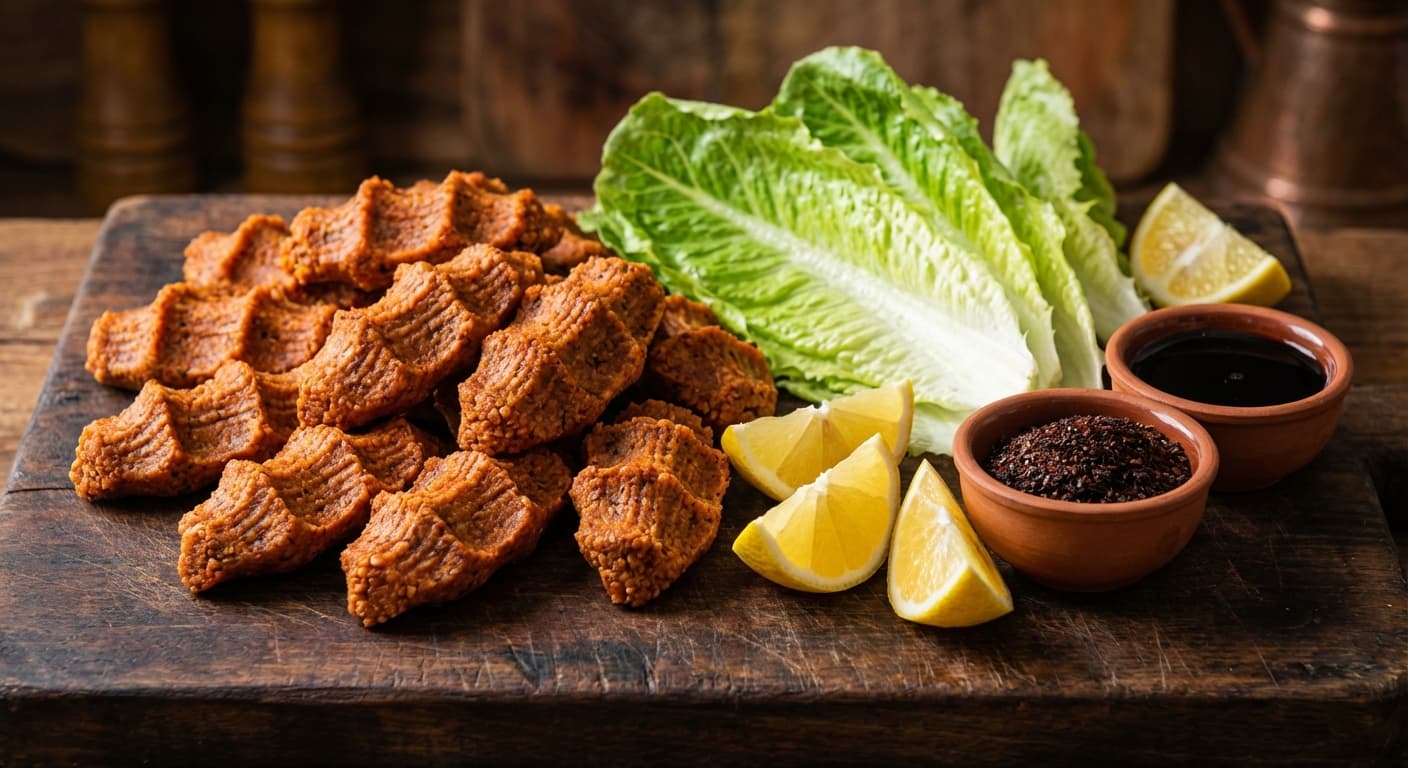
Cig Kofte (Çiğ Köfte) — Isot-kissed bulgur kneaded and served in lettuce
Turkish · Appetizers · 25 min
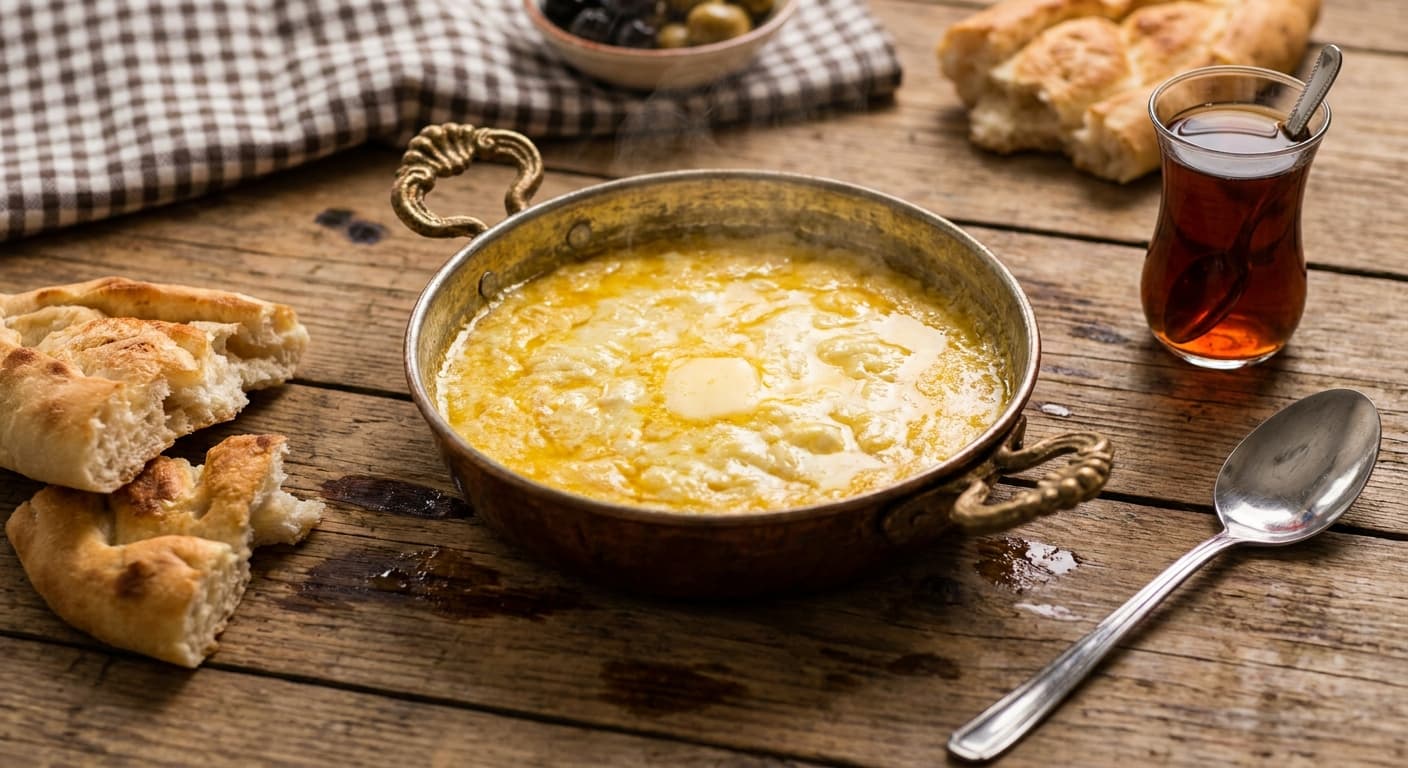
Mıhlama (Mıhlama) — Black Sea Cornmeal and Cheese Skillet
Turkish · Main Courses · 25 min
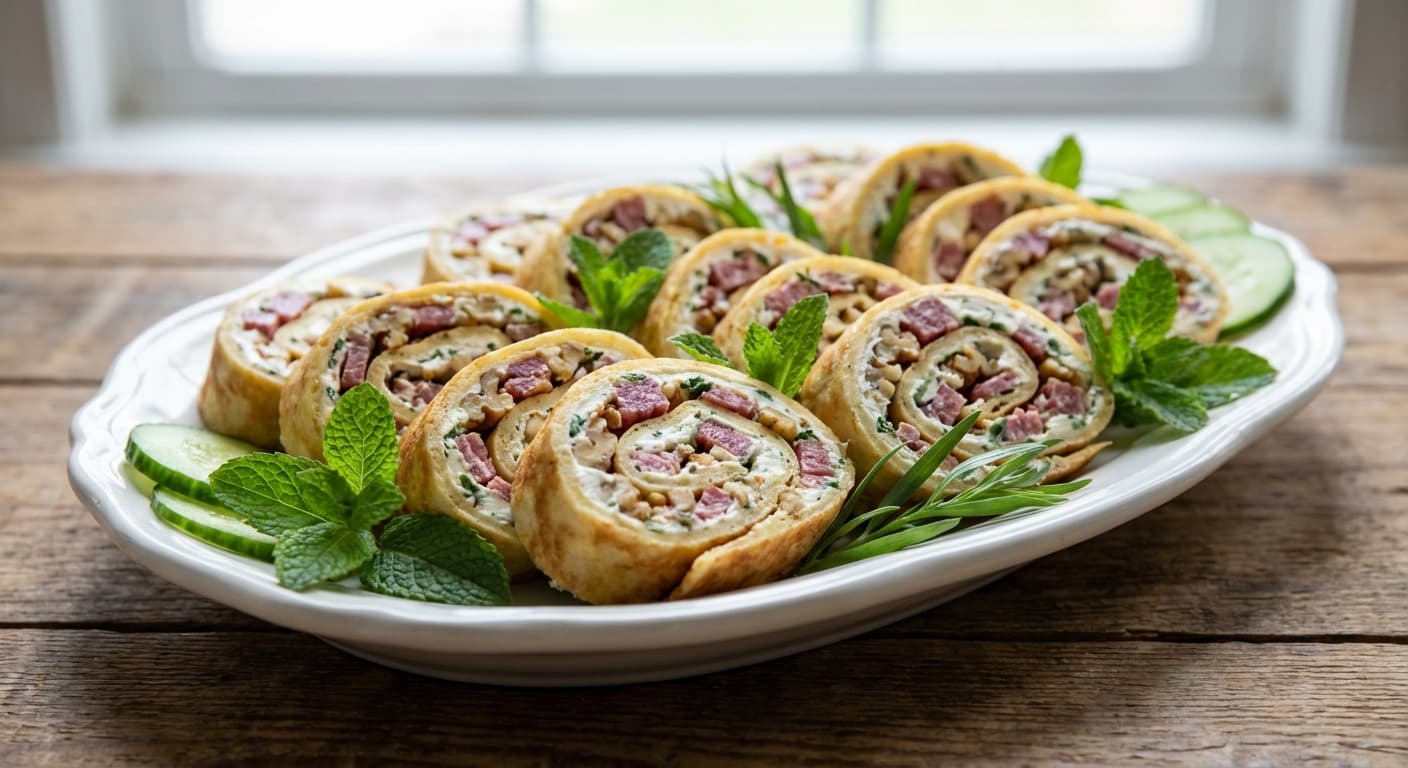
Roulat Panir (رولت پنیر) — Persian Savory Cheese & Walnut Crepe Rolls
Persian · Appetizers · 80 min
Reviews
Cooked this recipe?
Tap the stars to rate it — that's all it takes. A few words are welcome but optional.
No ratings yet. Cooked this one? Be the first to rate it — it takes one tap.