Uzbek Plov (Oʻzbek palovi) — Lamb, Rice, Carrots, and Cumin Pilaf
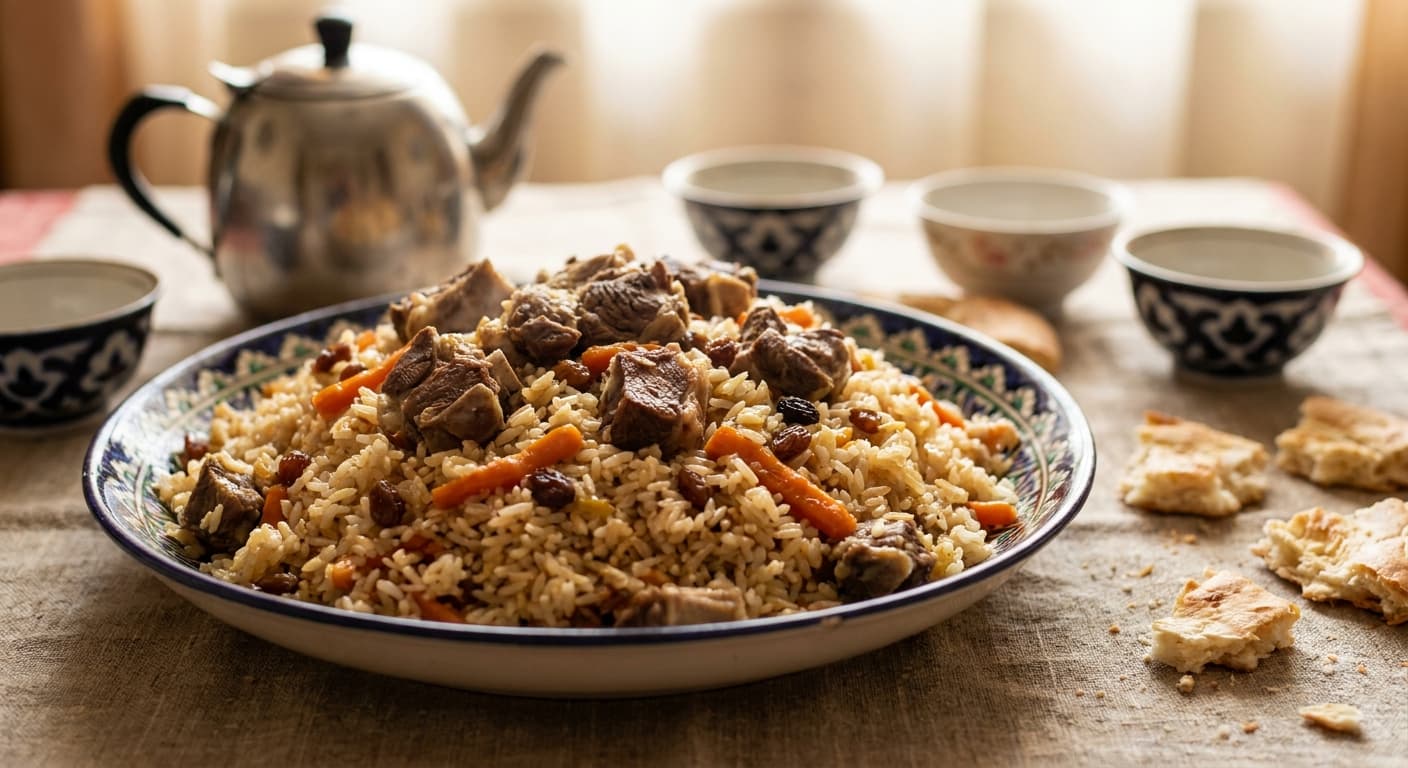
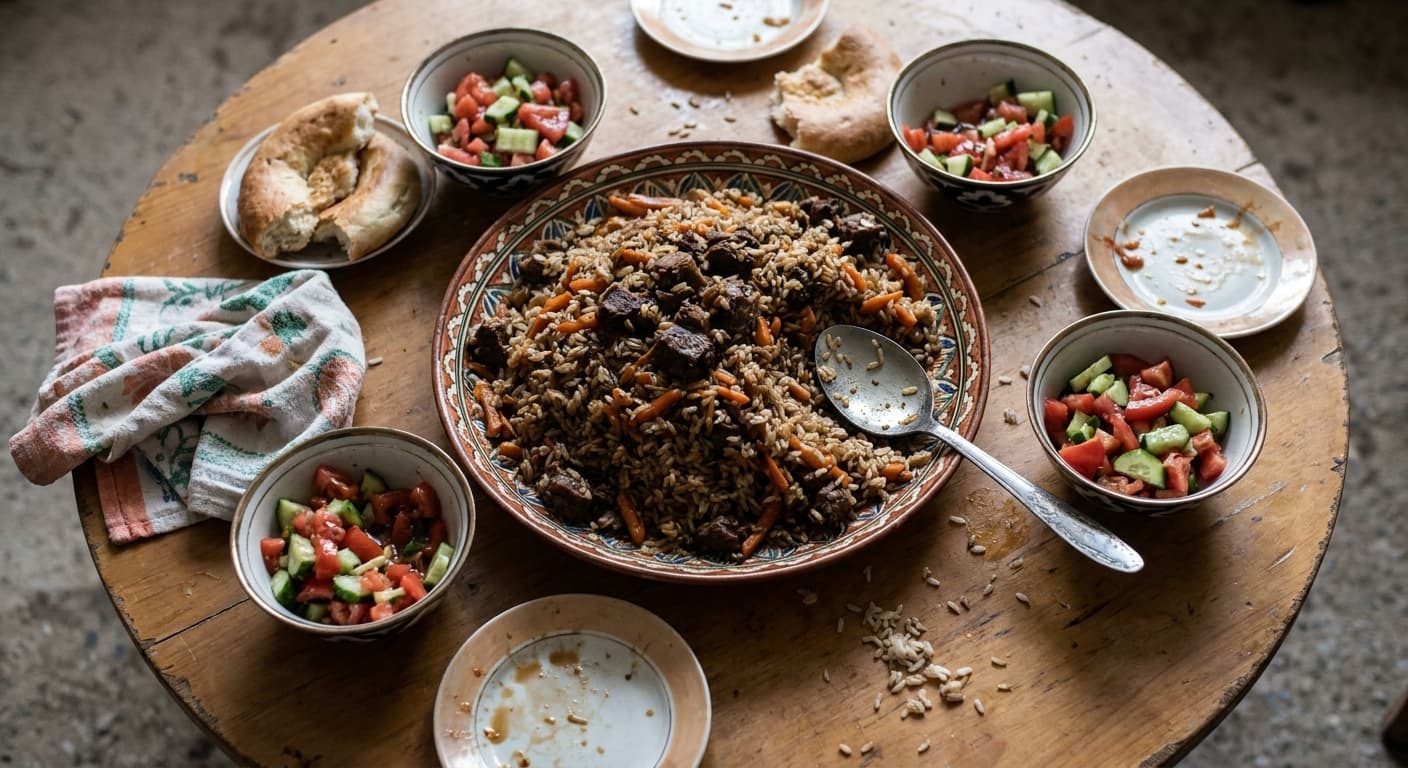
Uzbek plov is the great communal rice dish of Uzbekistan, built in layers of lamb, carrots, onion, cumin, and rice. It is cooked in a kazan so the grains steam over a rich zirvak, the seasoned meat-and-carrot base.
Printable Recipe Card
Servings: 8 · Total: 130 min · Difficulty: medium
Ingredients (quick list)
- 800 g devzira rice or medium-grain rice
- 2 l cold water for soaking rice
- 12 g fine sea salt for soaking rice
- 900 g lamb shoulder (cut into 4 cm chunks, with some fat left on)
- 150 ml lamb fat or neutral sunflower oil
- 2 yellow onions (about 300 g total, thinly sliced)
- 800 g yellow carrots (cut into 6 cm matchsticks)
- 400 g orange carrots (cut into 6 cm matchsticks)
- 3 head garlic (outer papery skin removed, heads left whole)
- 120 g dried chickpeas (soaked overnight and drained)
- 25 g dried barberries (optional but traditional in some regions)
- 2 tbsp cumin seeds
+ 5 more in the full ingredients section below.
Steps (summary)
- Rinse the rice in several changes of cool water until the water runs mostly clear, then soak it in 2 l cold water mixed with 12…
- Crush the cumin seeds, coriander seeds, and black peppercorns lightly in a mortar, leaving some texture rather than making a fi…
- Heat a large kazan, heavy Dutch oven, or wide cast-iron pot over high heat until very hot, then add the lamb fat or sunflower o…
- Add the sliced onions and cook for 8 to 10 minutes, stirring often, until they turn golden brown and the moisture has cooked aw…
- Add the carrot matchsticks in a thick layer over the meat and onions, then cook for 6 minutes before stirring. After the carrot…
- Stir in the crushed spices, dried chiles, 22 g salt, soaked chickpeas, and barberries if using. Pour in 1 l of the boiling wate…
+ 4 more steps in the full instructions section below.
Cultural Background
Palov is a defining Uzbek communal dish, cooked for weddings, life-cycle rituals, hospitality, and everyday gatherings. Its layered cooking method and shared platter express abundance, skill, and respect for guests.
Equipment
💡 Tips
- Use a wide, heavy pot so the rice layer is broad and shallow; a narrow pot traps too much moisture and makes the rice heavy.
- The zirvak should taste slightly saltier than a finished stew before the rice is added because the rice will absorb much of the seasoning.
- Cut carrots by hand into sturdy matchsticks rather than grating them, since grated carrots dissolve and make the plov muddy.
⚠️ Common Mistakes
❌ Stirring the rice into the zirvak too early
✅ Fix: Keep the rice as a separate top layer until the final mixing after steaming, so the grains cook by absorption and steam.
❌ Using too much water after adding the rice
✅ Fix: Add boiling water only until it sits about 1 cm above the rice, then boil it off before covering the pot.
❌ Cooking carrots until they collapse
✅ Fix: Cut them into thick matchsticks and cook them gently after the onions so they remain visible in the finished plov.
🧊 How to Store
Cool leftovers within 2 hours and refrigerate in an airtight container for up to 3 days. Reheat gently in a covered skillet with 2 tbsp water per serving until steaming hot, fluffing the rice only after it warms.
📅 Make Ahead
Cut the carrots and onions, soak the chickpeas, and rinse the rice up to 1 day ahead. Keep the rice dry after rinsing if holding longer than 30 minutes before cooking.
🍽️ Pairs Well With
- Achichuk tomato and onion salad
- non bread
- green tea
- pickled vegetables
- plain yogurt.
Regional Variations
- Ferghana-style plov often emphasizes devzira rice, yellow carrots, lamb fat, and a deeply fried zirvak.
- Tashkent wedding plov commonly includes chickpeas, raisins, or barberries for a more festive sweet-savory profile.
- Samarkand-style plov may be served in more distinct layers, with rice, carrots, and meat arranged separately on the platter.
Ingredients
- 800 gdevzira rice or medium-grain rice
- 2 lcold water for soaking rice
- 12 gfine sea salt for soaking rice
- 900 glamb shoulder (cut into 4 cm chunks, with some fat left on)
- 150 mllamb fat or neutral sunflower oil
- 2yellow onions (about 300 g total, thinly sliced)
- 800 gyellow carrots (cut into 6 cm matchsticks)
- 400 gorange carrots (cut into 6 cm matchsticks)
- 3 headgarlic (outer papery skin removed, heads left whole)
- 120 gdried chickpeas (soaked overnight and drained)
- 25 gdried barberries (optional but traditional in some regions)
- 2 tbspcumin seeds
- 1 tspcoriander seeds
- 1 tspblack peppercorns
- 2dried red chile
- 22 gfine sea salt
- 1.4 lboiling water
🔄 Substitutions
- devzira rice→ medium-grain rice
- lamb shoulder→ beef chuck
- yellow carrots→ orange carrots
Instructions
- 1
Rinse the rice in several changes of cool water until the water runs mostly clear, then soak it in 2 l cold water mixed with 12 g salt for 30 minutes. This firms the grains and helps them cook separately instead of breaking during the final steaming.
- 2
Crush the cumin seeds, coriander seeds, and black peppercorns lightly in a mortar, leaving some texture rather than making a fine powder. Drain the soaked chickpeas and keep the whole garlic heads, carrot matchsticks, sliced onions, lamb, spices, salt, and boiling water ready beside the stove.
- 3
Heat a large kazan, heavy Dutch oven, or wide cast-iron pot over high heat until very hot, then add the lamb fat or sunflower oil. When the fat shimmers and a piece of onion sizzles immediately, add the lamb in a single layer and brown it deeply for 10 to 12 minutes, turning only after a crust forms.
- 4
Add the sliced onions and cook for 8 to 10 minutes, stirring often, until they turn golden brown and the moisture has cooked away. The onions should color the oil and form the savory base of the zirvak, so do not rush this stage.
- 5
Add the carrot matchsticks in a thick layer over the meat and onions, then cook for 6 minutes before stirring. After the carrots begin to soften, stir gently and cook for another 8 minutes so they release sweetness while still holding their shape.
- 6
Stir in the crushed spices, dried chiles, 22 g salt, soaked chickpeas, and barberries if using. Pour in 1 l of the boiling water, bring the mixture to a strong simmer, then lower the heat and cook uncovered for 35 minutes until the lamb is nearly tender and the zirvak tastes rich and slightly salty.
- 7
Drain the soaked rice thoroughly without rinsing away all of its surface starch, then spread it evenly over the zirvak without stirring it into the meat and carrots. Push the whole garlic heads into the rice layer and add enough of the remaining boiling water to cover the rice by about 1 cm.
- 8
Increase the heat to high and boil briskly until the surface water disappears and steam holes open across the rice, about 8 to 12 minutes. Use the handle of a wooden spoon to make several holes down to the bottom of the pot, which helps steam rise evenly through the plov.
- 9
Reduce the heat to very low, mound the rice gently toward the center, and cover the pot tightly with a lid wrapped in a clean kitchen towel. Steam for 25 minutes without lifting the lid, then turn off the heat and let the plov rest for 10 minutes so the grains finish absorbing moisture.
- 10
Remove the garlic heads and chiles, then gently lift and fold the rice with the meat and carrots using a slotted spoon. Serve the plov on a large platter with the lamb pieces on top and the softened garlic heads placed around the mound for guests to squeeze onto their portions.
🪪 Recipe Passport
Cultural Background
Palov is a defining Uzbek communal dish, cooked for weddings, life-cycle rituals, hospitality, and everyday gatherings. Its layered cooking method and shared platter express abundance, skill, and respect for guests.
Regional Variations
Researched from multiple sources and validated by the Zaffaron editorial team. Every recipe is tested for accuracy, measurements, and cultural authenticity.
📚 Sources & Cultural References
- UNESCO — Palov Culture and Tradition — (2016)
- Caroline Eden and Eleanor Ford — Samarkand: Recipes & Stories from Central Asia and the Caucasus — (2016)
Sources cited by the Zaffaron editorial team during recipe research. Cultural and culinary references supporting authenticity claims.
Nutrition per serving
Pairs well with
If you enjoyed this recipe, here are a few related Zaffaron recipes to try next.
Does your family make this differently?
Every family has their own version. Maybe your grandmother adds a secret ingredient, or your aunt has a completely different technique. Preserve your family's version — with their name on it, forever.
You Might Also Like
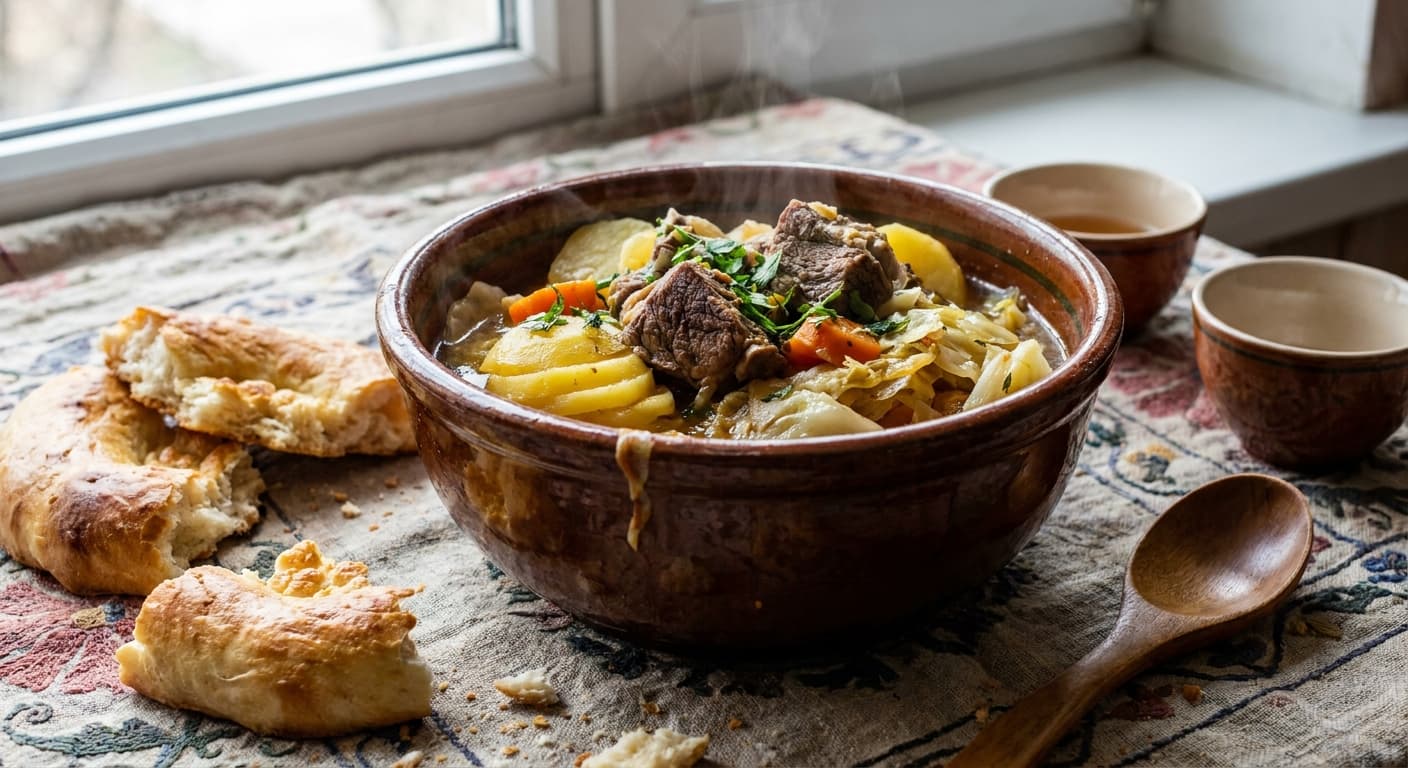
Uzbek Dimlama (Dimlama) — Layered Lamb and Vegetable Stew
Uzbek · Stews · 125 min
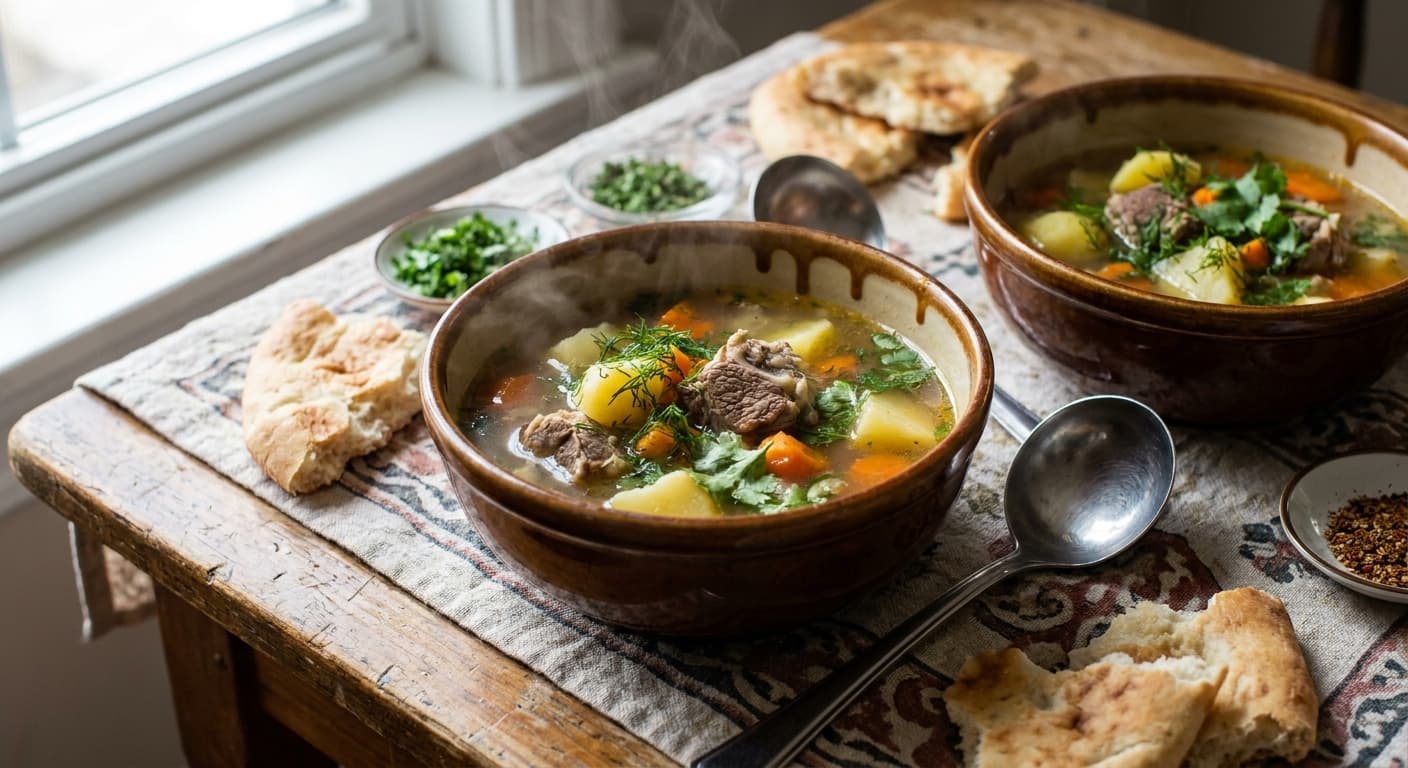
Uzbek Shurpa (Шўрпа) — Lamb and Vegetable Soup
Uzbek · Soups · 160 min
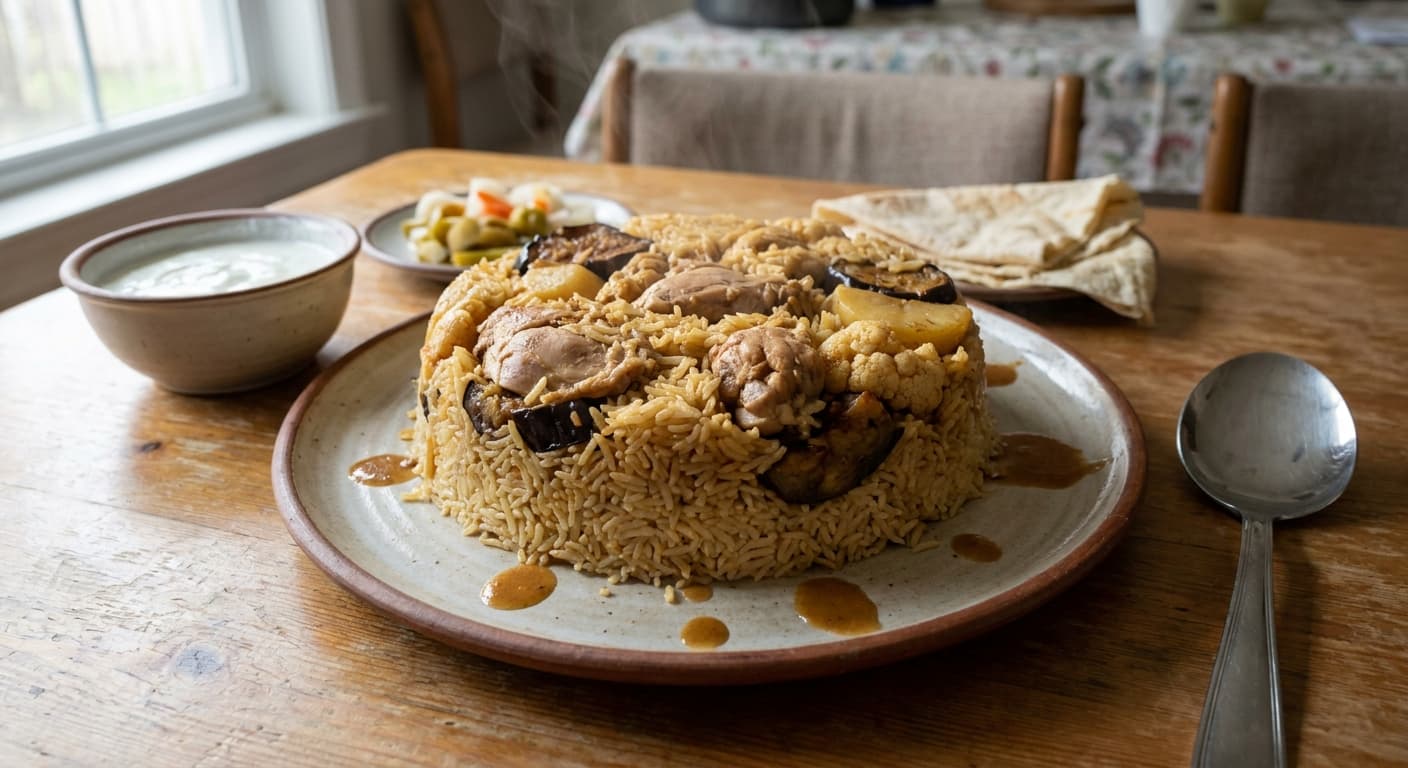
Maqluba (مقلوبة) — Jordanian Upside-Down Rice with Chicken
Jordanian · Rice Dishes · 110 min
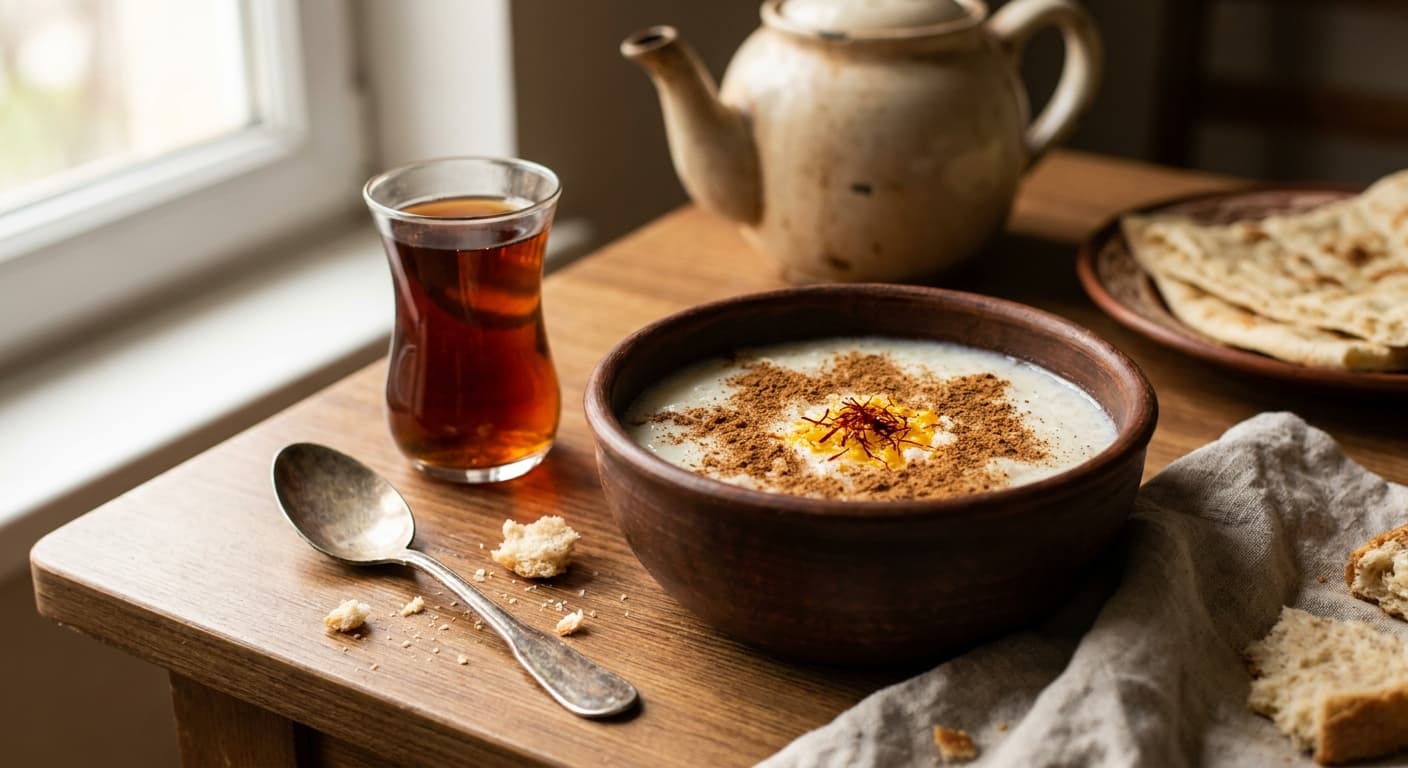
Azerbaijani Milk Rice Porridge (Südlü Sıyıq) — Creamy Breakfast Bowl
Azerbaijani · Rice Dishes · 40 min
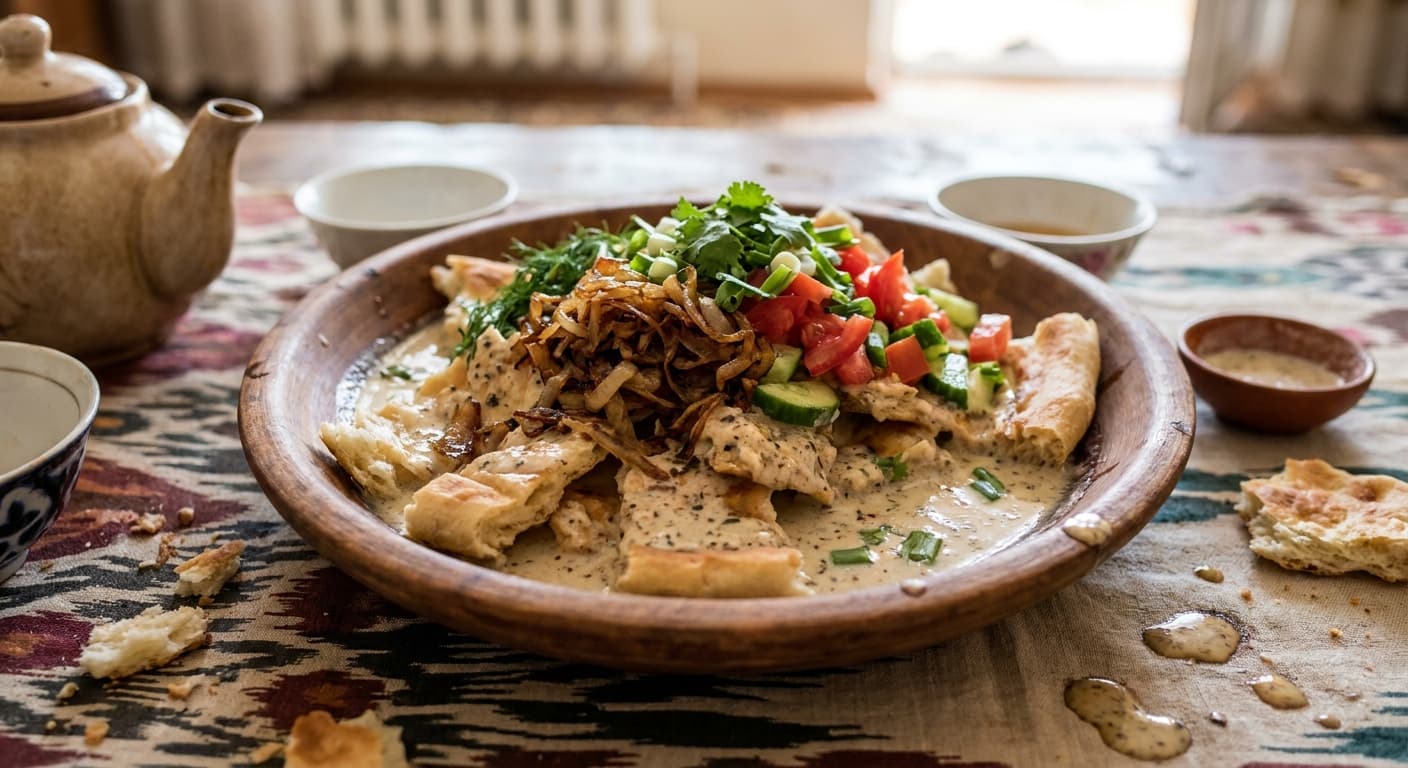
Tajik Qurutob (Қурутоб) — Tangy Bread Salad with Qurut and Fried Onions
Tajik · Main Courses · 40 min
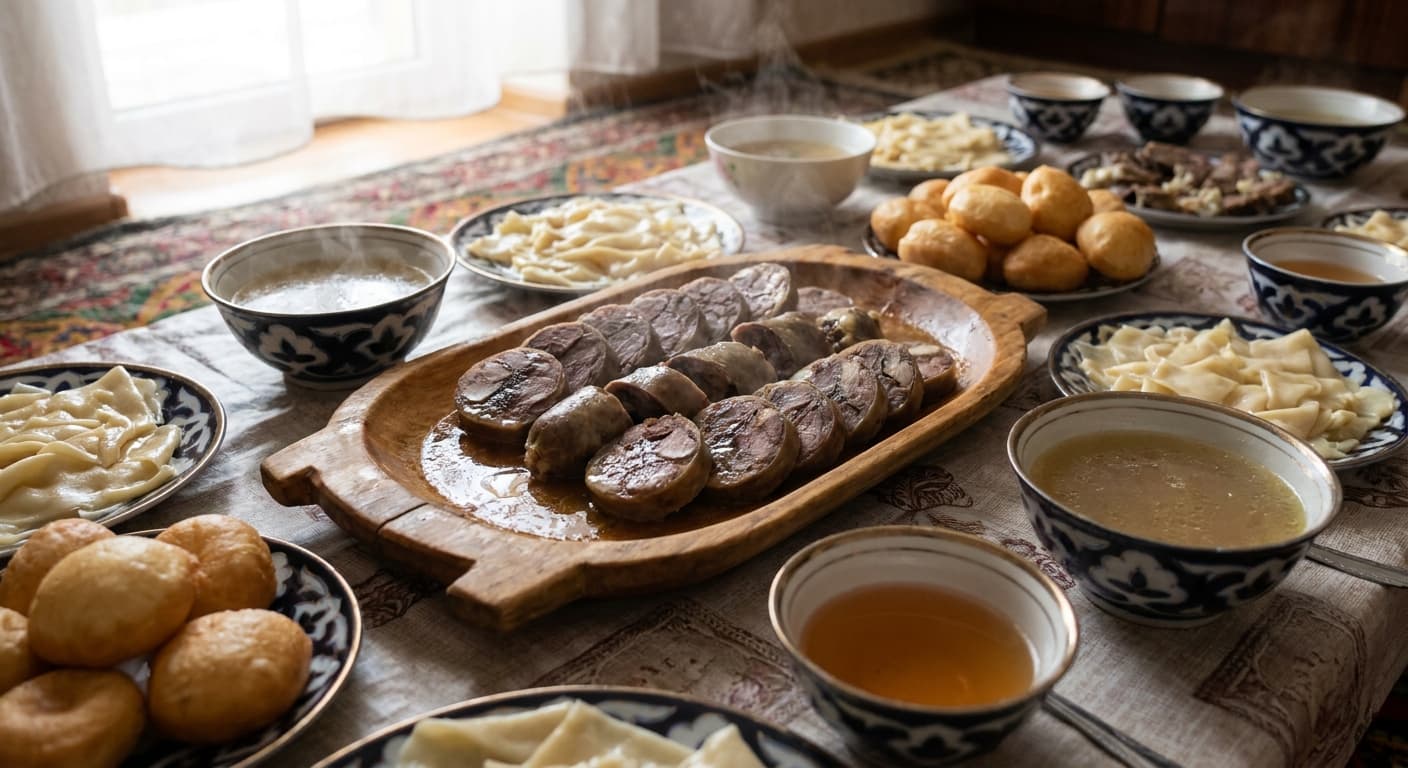
Kazy (Қазы) — Kazakh Horsemeat Rib Sausage
Kazakh · Appetizers · 240 min
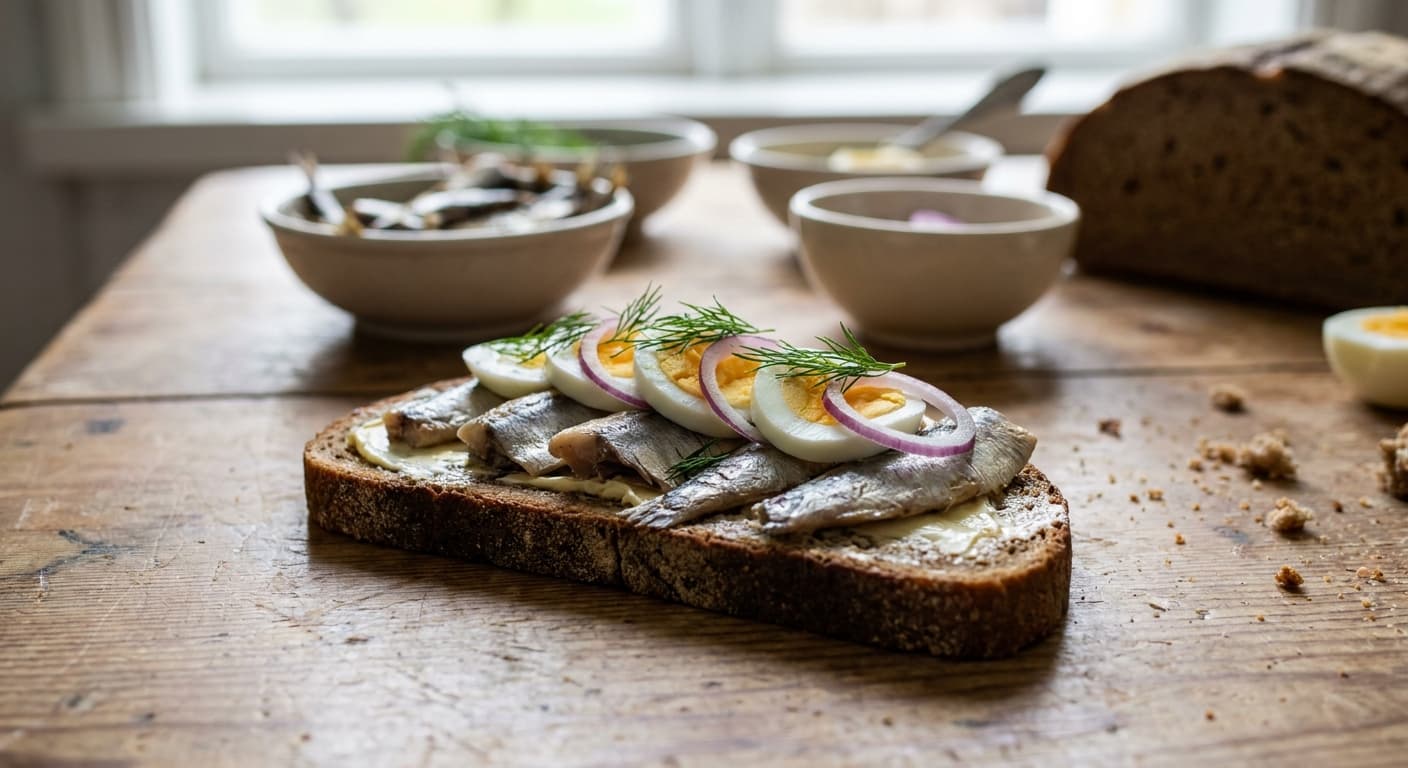
Sprat Sandwich (Kiluvõileib) — Estonian Rye and Baltic Sprat Open-Face
Estonian · Appetizers · 25 min
Oshi Siyoh (Оши сиёҳ) — Bukhara-Style Dark Pilaf
Tajik · Rice Dishes · 125 min
Reviews
Cooked this recipe?
Tap the stars to rate it — that's all it takes. A few words are welcome but optional.
No ratings yet. Cooked this one? Be the first to rate it — it takes one tap.