Kenyan Grilled Meat (Nyama Choma) — Charcoal-Roasted Goat with Kachumbari
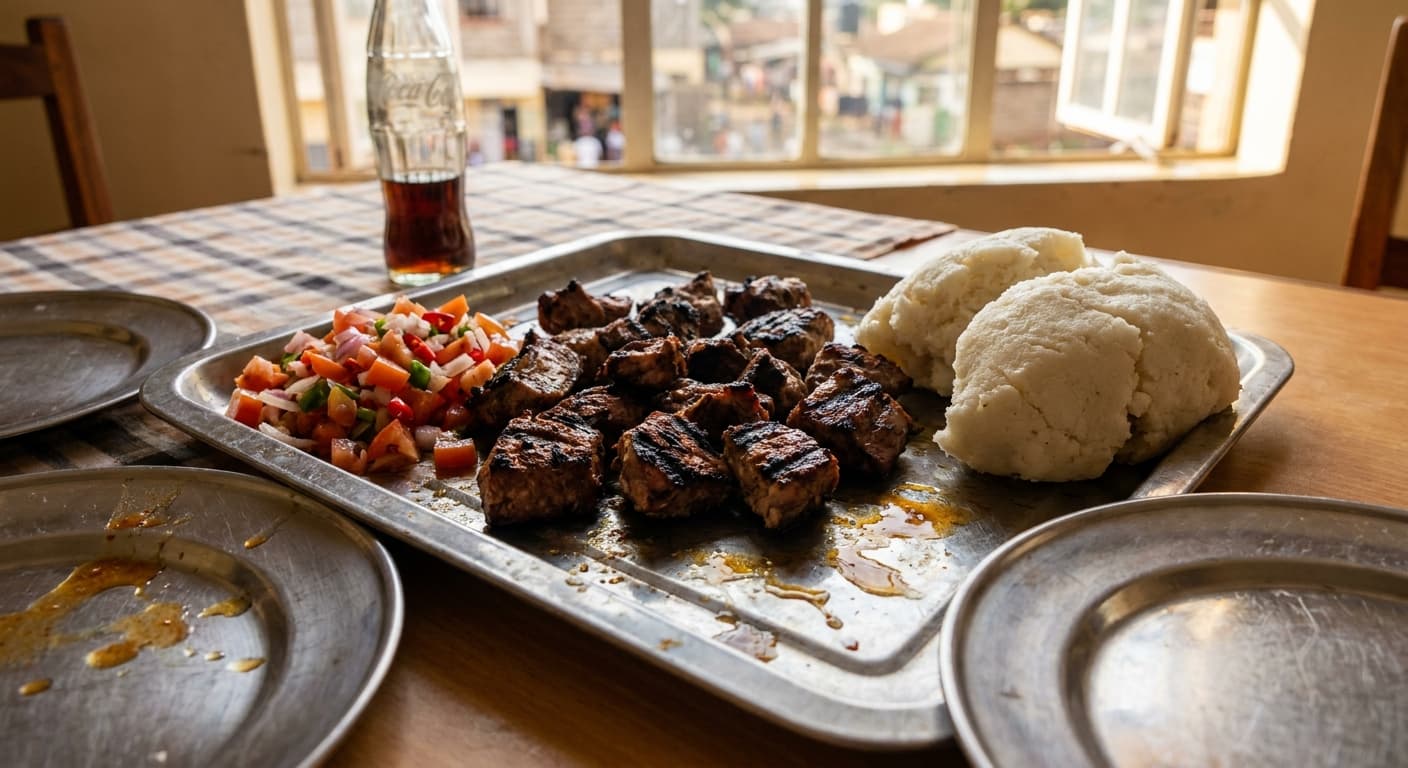
Nyama choma is Kenya’s beloved charcoal-grilled meat, most famously made with goat and shared at roadside grills, butcheries, and family gatherings. The seasoning is deliberately simple so the smoky meat takes center stage.
Printable Recipe Card
Servings: 6 · Total: 115 min · Difficulty: medium
Ingredients (quick list)
- 1.5 kg bone-in goat shoulder and ribs (cut into large grilling portions)
- 2 tsp fine sea salt
- 2 tbsp neutral cooking oil
- 240 ml water
- 2 red onions
- 500 ml cold water (for soaking the onions)
- 3 ripe tomatoes
- 1 English cucumber
- 0.5 bunch fresh cilantro
- 1 green chile
- 2 lemons
Steps (summary)
- Trim only the thickest exterior fat from the goat, leaving enough fat to protect the meat during the long grill. Rub the meat e…
- Light a charcoal grill and let the coals burn until they are covered with gray ash and giving steady medium heat. Arrange the c…
- Mix 240 ml water with 1.5 tsp fine sea salt to make the traditional salt baste. Place the goat over the hotter side of the gril…
- Move the meat to the gentler side of the grill and continue cooking with the lid partly closed if your grill has one. Turn the…
- While the goat cooks, make the kachumbari by slicing the red onions very thinly and soaking them in 500 ml cold water with 0.5…
- Check the goat by cutting near the bone; the juices should run clear and the meat should pull from the bone with firm resistanc…
+ 2 more steps in the full instructions section below.
Cultural Background
Nyama choma is more than grilled meat in Kenya; it is a social ritual tied to butcheries, weekend outings, football matches, and national celebrations. Its simplicity reflects confidence in good meat and live fire.
Equipment
💡 Tips
- Use goat with bone and some fat, because very lean boneless meat dries out before it develops the classic smoky crust.
- Keep the seasoning restrained; salt, smoke, and slow heat are what define Kenyan nyama choma.
- If flames flare up from dripping fat, move the meat to the cooler side of the grill for 2 minutes rather than spraying the coals with water.
⚠️ Common Mistakes
❌ Cooking the goat over high heat from start to finish
✅ Fix: Sear first, then move the meat to gentler heat so the collagen softens before the outside burns.
❌ Using a sugary marinade
✅ Fix: Avoid sugar-heavy marinades because they scorch quickly and mask the clean charcoal flavor of nyama choma.
❌ Serving the meat straight from the grill without resting
✅ Fix: Rest the meat for 10 minutes before chopping so the juices stay in the meat rather than running onto the board.
🧊 How to Store
Store leftover grilled meat in an airtight container for up to 3 days. Reheat covered in a 160°C oven with 2 tbsp water for 12 to 15 minutes, then uncover briefly to restore the charred edges.
📅 Make Ahead
Slice the onions, tomatoes, cucumber, chile, and cilantro up to 4 hours ahead, but keep them separate. Mix the kachumbari with lemon and salt no more than 30 minutes before serving.
🍽️ Pairs Well With
- Ugali
- kachumbari
- sukuma wiki
- pili pili sauce
- cold Tusker-style lager.
Regional Variations
- Goat is especially prized for classic nyama choma, while beef is common in many urban grill houses.
- Some cooks add a small squeeze of lemon during the final minutes, though many Kenyan versions use only salt and fire.
- Chicken prepared in the same charcoal-grilled style is often called kuku choma and cooks much faster than goat.
Ingredients
- 1.5 kgbone-in goat shoulder and ribs (cut into large grilling portions)
- 2 tspfine sea salt
- 2 tbspneutral cooking oil
- 240 mlwater
- 2red onions
- 500 mlcold water (for soaking the onions)
- 3ripe tomatoes
- 1English cucumber
- 0.5 bunchfresh cilantro
- 1green chile
- 2lemons
🔄 Substitutions
- bone-in goat shoulder and ribs→ bone-in lamb shoulder
- green chile→ jalapeño
- lemons→ limes
Instructions
- 1
Trim only the thickest exterior fat from the goat, leaving enough fat to protect the meat during the long grill. Rub the meat evenly with 2 tsp fine sea salt and 2 tbsp neutral cooking oil, then let it stand at room temperature for 30 minutes while the grill is prepared.
- 2
Light a charcoal grill and let the coals burn until they are covered with gray ash and giving steady medium heat. Arrange the coals so one side is hotter and one side is gentler, because nyama choma cooks best with both searing heat and a slower roasting zone.
- 3
Mix 240 ml water with 1.5 tsp fine sea salt to make the traditional salt baste. Place the goat over the hotter side of the grill and sear it for 4 minutes per side, turning with tongs until the surface browns and the fat begins to render.
- 4
Move the meat to the gentler side of the grill and continue cooking with the lid partly closed if your grill has one. Turn the pieces every 10 minutes and brush lightly with the salt baste each time, cooking for 70 to 85 minutes until the meat is deeply browned and tender at the edges.
- 5
While the goat cooks, make the kachumbari by slicing the red onions very thinly and soaking them in 500 ml cold water with 0.5 tsp salt for 10 minutes. Drain well, then toss with diced tomatoes, diced cucumber, chopped cilantro, minced green chile, juice from 2 lemons, and 0.75 tsp salt.
- 6
Check the goat by cutting near the bone; the juices should run clear and the meat should pull from the bone with firm resistance rather than feel raw or rubbery. For a precise check, the thickest part should register at least 75°C on an instant-read thermometer.
- 7
Transfer the nyama choma to a board and rest it for 10 minutes so the juices settle. Chop it into bite-size chunks with a heavy knife or cleaver, keeping bone-in pieces for guests who enjoy them.
- 8
Serve the hot grilled goat immediately with kachumbari, ugali, and lemon wedges if desired. Nyama choma is traditionally eaten communally, so present it on a shared tray with small plates and let the smoky meat remain the focus.
🪪 Recipe Passport
Cultural Background
Nyama choma is more than grilled meat in Kenya; it is a social ritual tied to butcheries, weekend outings, football matches, and national celebrations. Its simplicity reflects confidence in good meat and live fire.
Regional Variations
Researched from multiple sources and validated by the Zaffaron editorial team. Every recipe is tested for accuracy, measurements, and cultural authenticity.
📚 Sources & Cultural References
- Kenya Tourism Board — Magical Kenya food and culture materials
- Jessica B. Harris — The Africa Cookbook: Tastes of a Continent — (1998)
Sources cited by the Zaffaron editorial team during recipe research. Cultural and culinary references supporting authenticity claims.
Nutrition per serving
Pairs well with
If you enjoyed this recipe, here are a few related Zaffaron recipes to try next.
Does your family make this differently?
Every family has their own version. Maybe your grandmother adds a secret ingredient, or your aunt has a completely different technique. Preserve your family's version — with their name on it, forever.
You Might Also Like
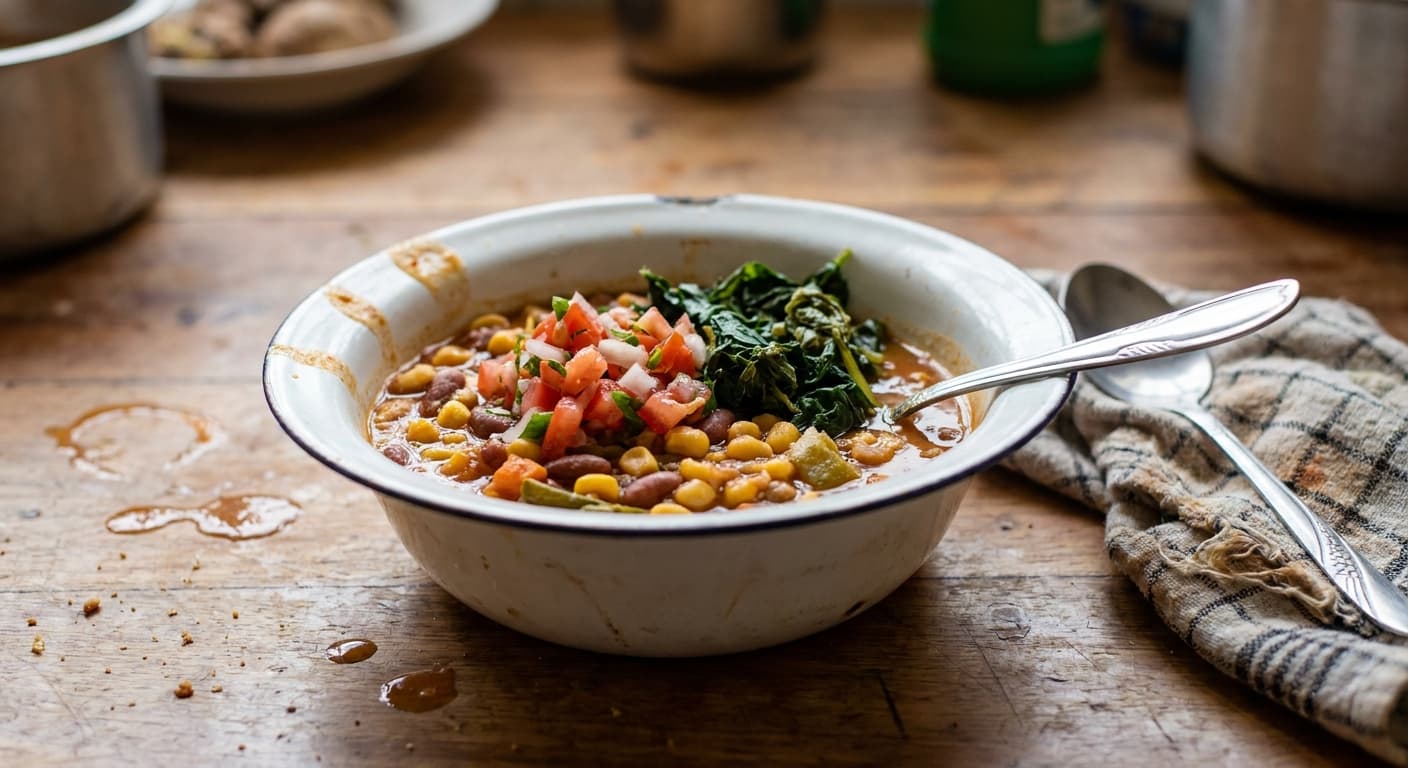
Githeri (Gĩtheri) — Kenyan Maize and Bean Stew
Kenyan · Main Courses · 185 min
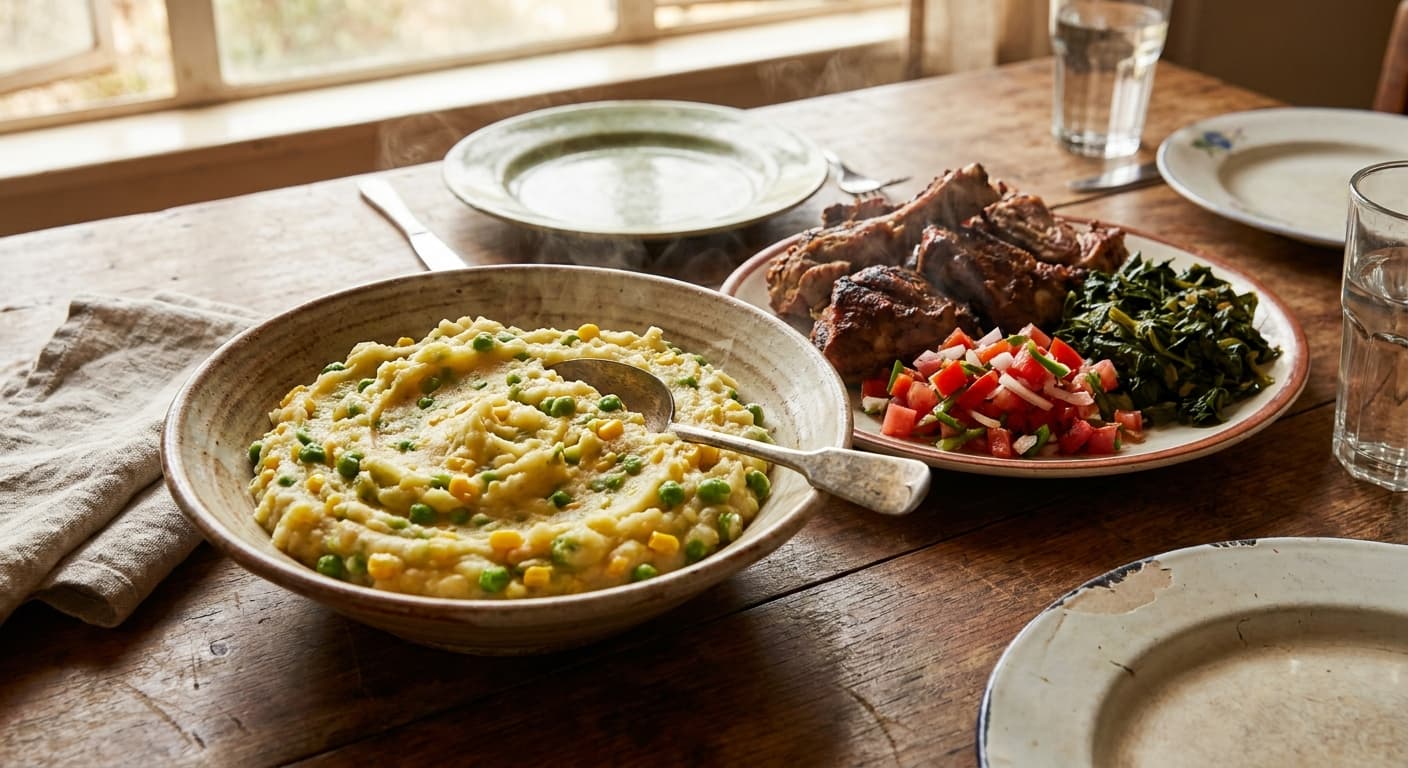
Irio (Mukimo) — Kenyan Mashed Potatoes, Peas, Corn, and Greens
Kenyan · Side Dishes · 55 min
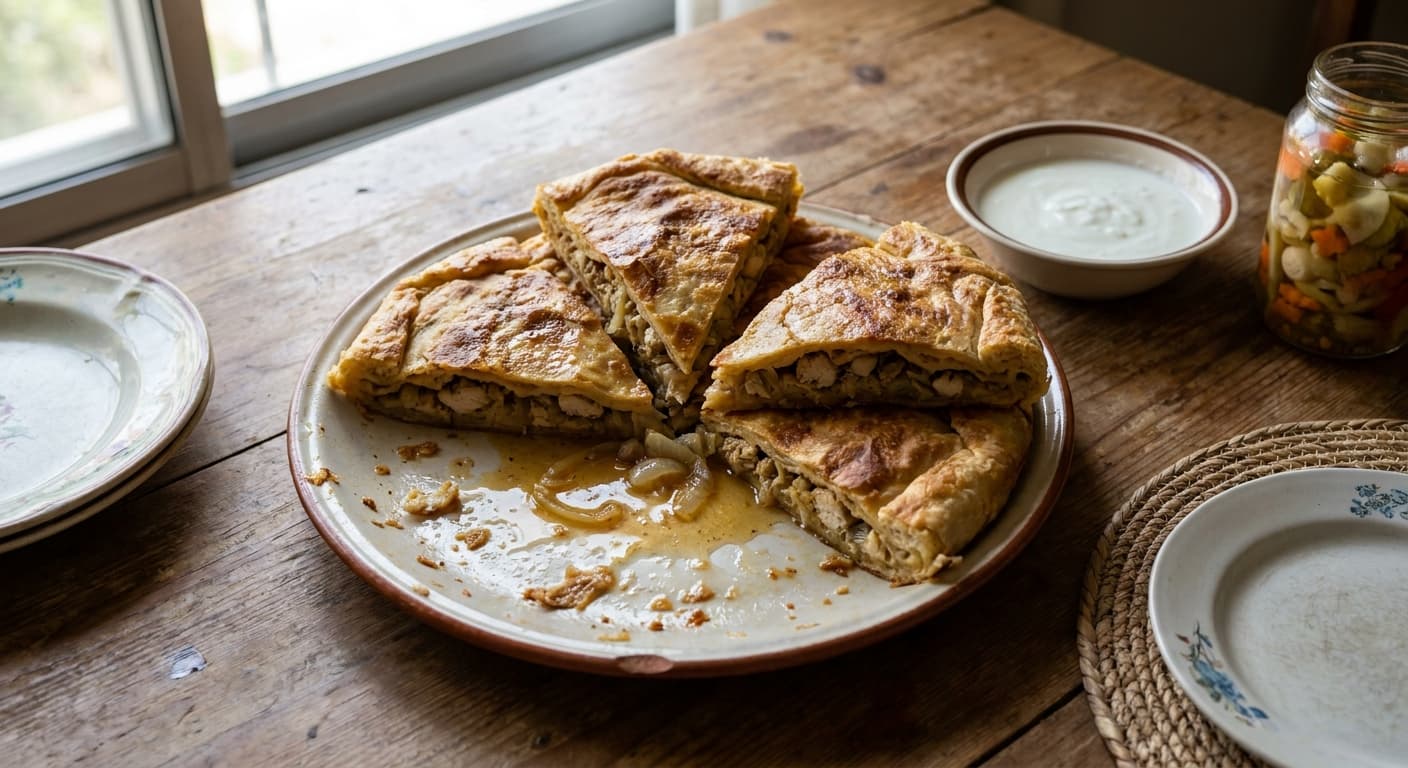
Makmoura (مكمورة) — Jordanian Layered Chicken Bread Pie
Jordanian · Main Courses · 185 min
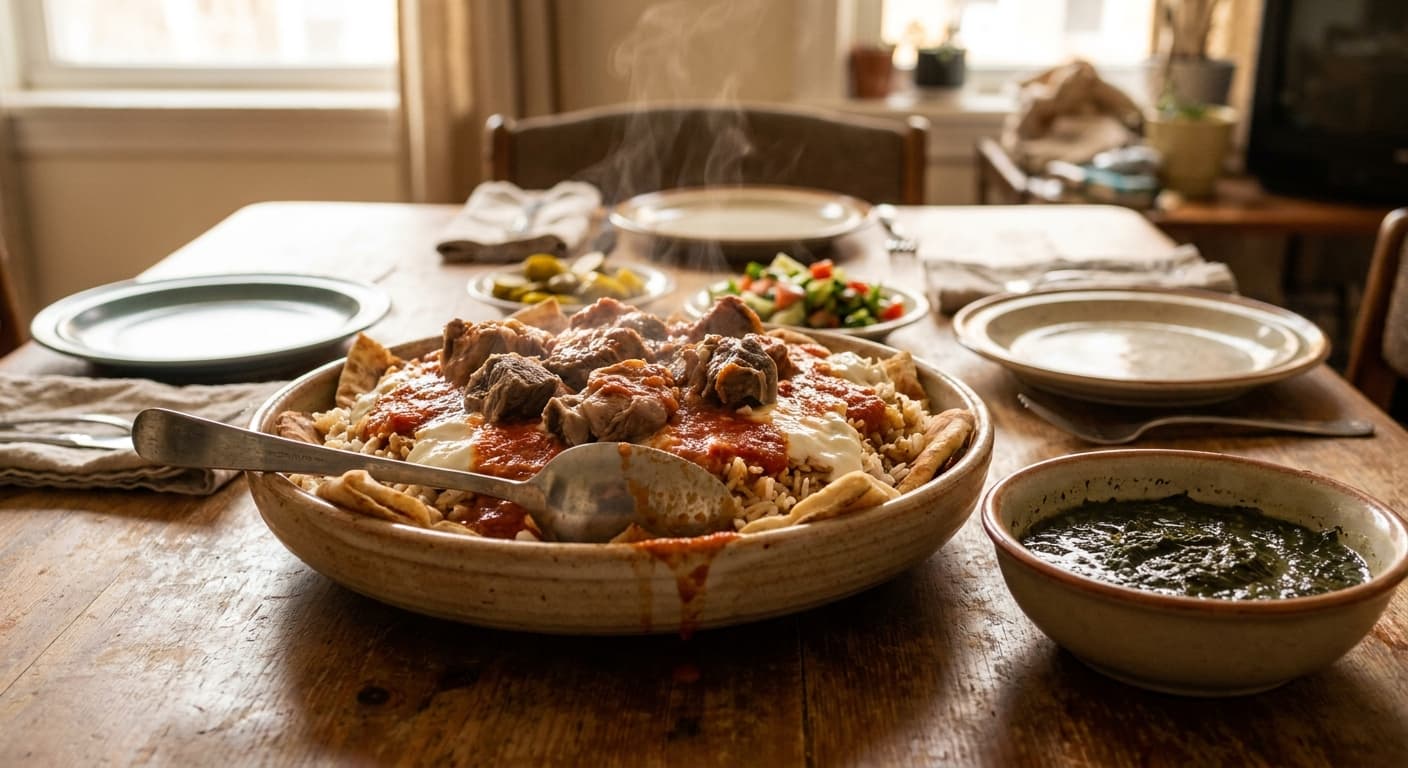
Egyptian Fatta (فتة) — Layered Meat, Rice, and Crisp Bread
Egyptian · Main Courses · 145 min
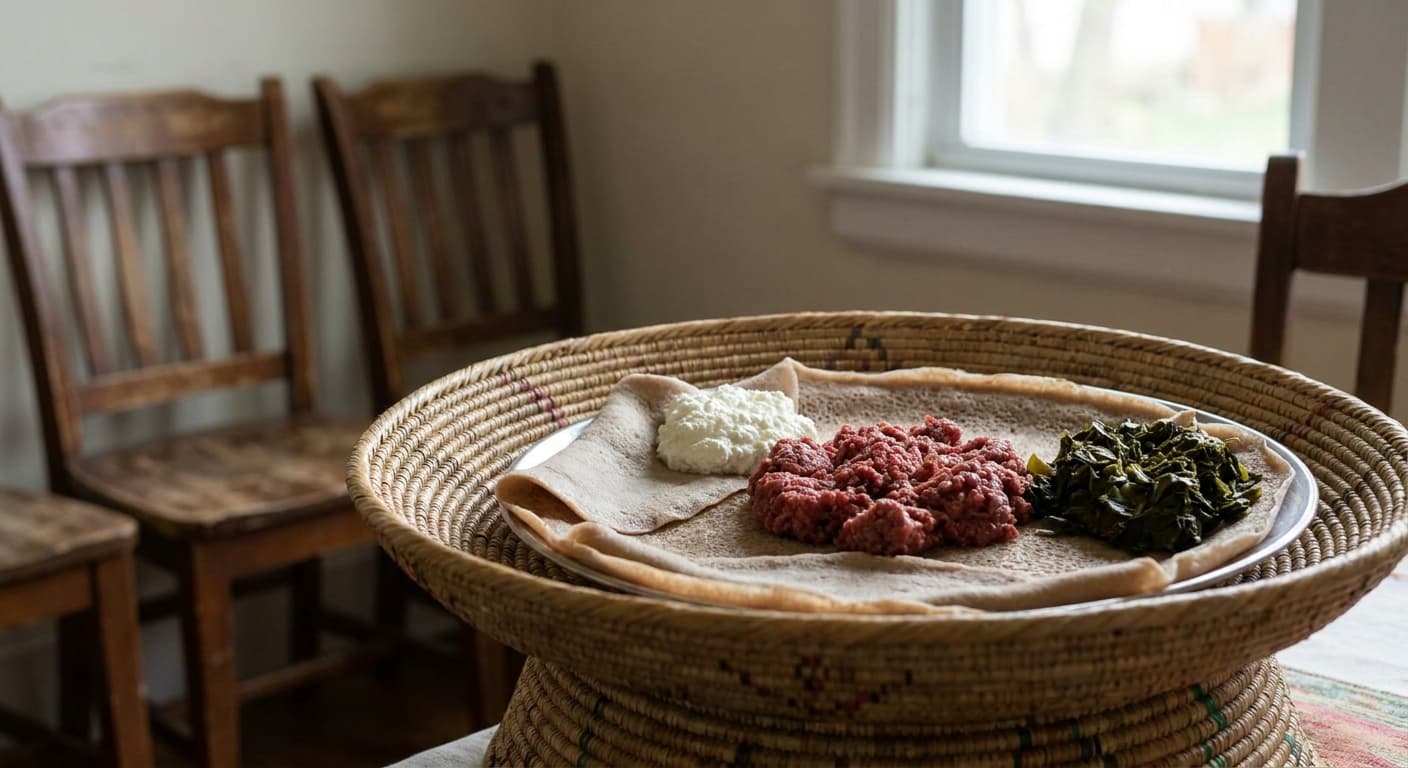
Kitfo (ክትፎ) — Ethiopian Spiced Minced Beef with Niter Kibbeh
Ethiopian · Main Courses · 35 min
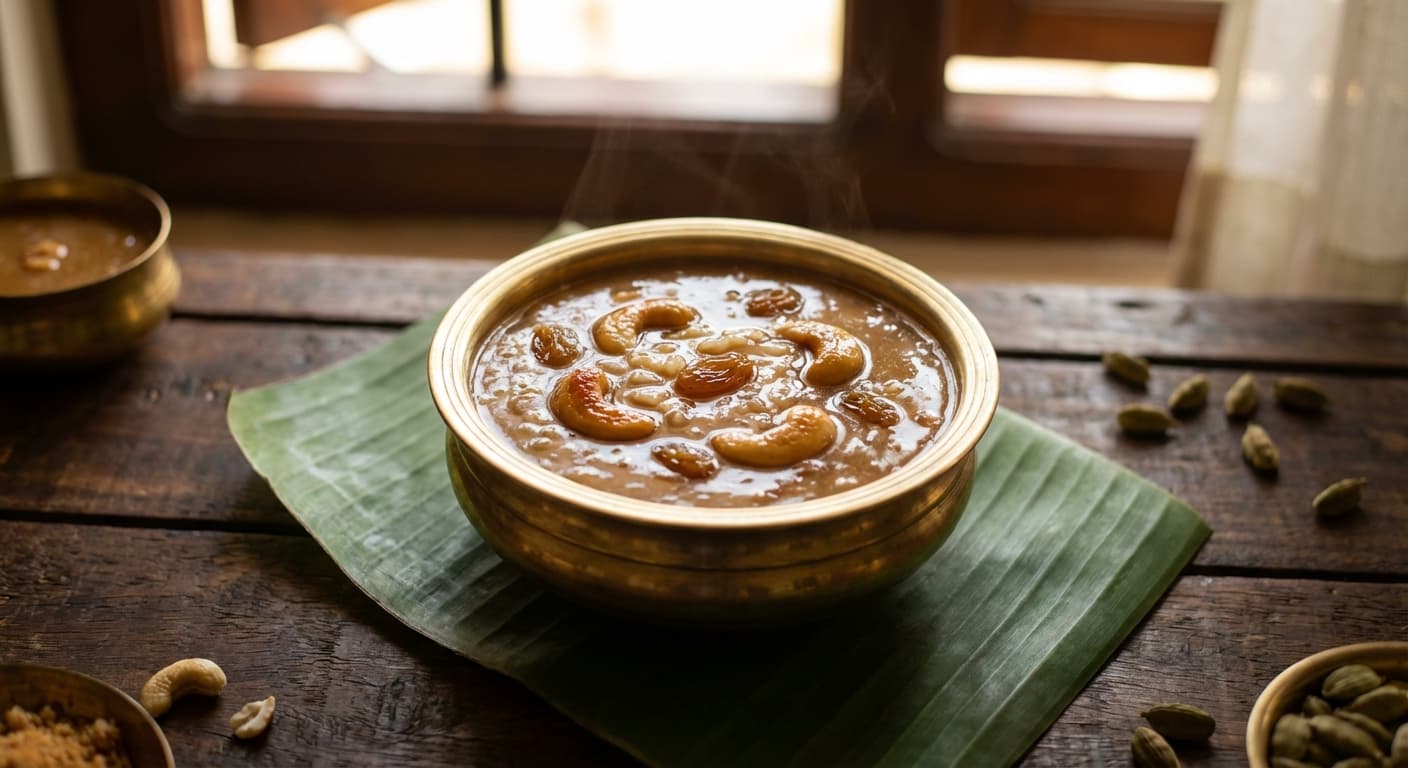
Jaggery Payasam (പായസം) — South Indian milk dessert with ghee and cardamom
Indian · Desserts · 45 min
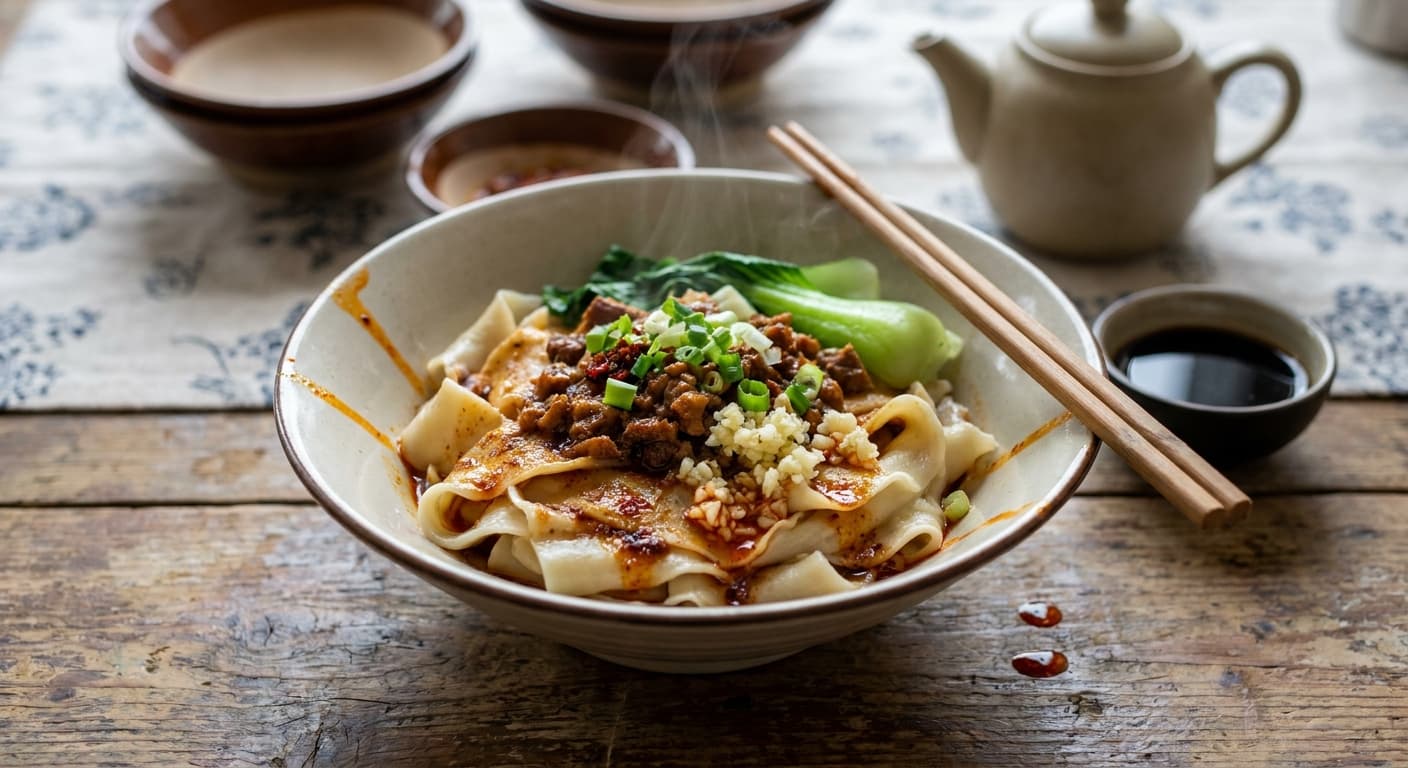
Biangbiang Noodles (油泼扯面) — Xi'an Hand-Pulled Belt Noodles
Chinese · Main Courses · 65 min
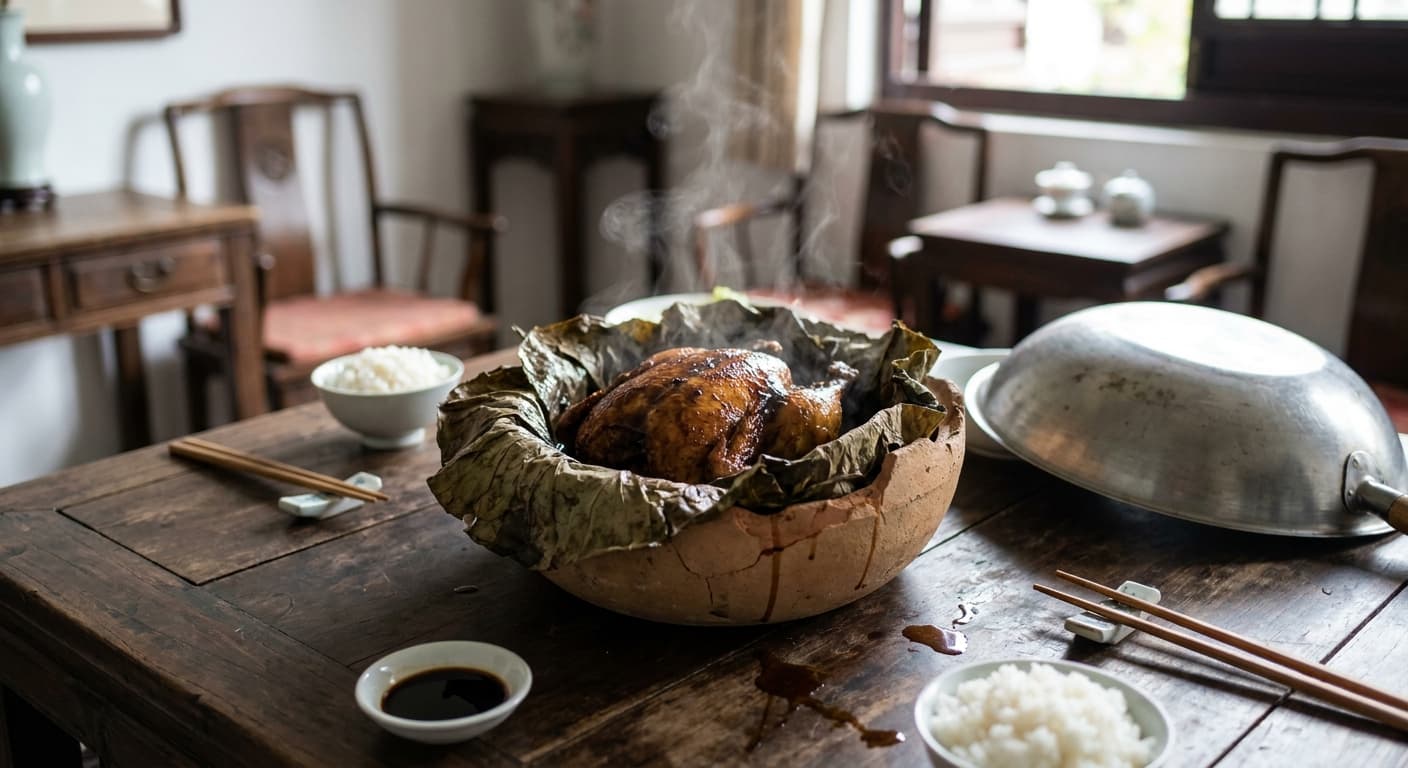
Beggar's Chicken (叫化鸡) — Lotus-Wrapped Clay-Baked Jiangnan Chicken
Chinese · Main Courses · 240 min
Reviews
Cooked this recipe?
Tap the stars to rate it — that's all it takes. A few words are welcome but optional.
No ratings yet. Cooked this one? Be the first to rate it — it takes one tap.