Kitfo (ክትፎ) — Ethiopian Spiced Minced Beef with Niter Kibbeh
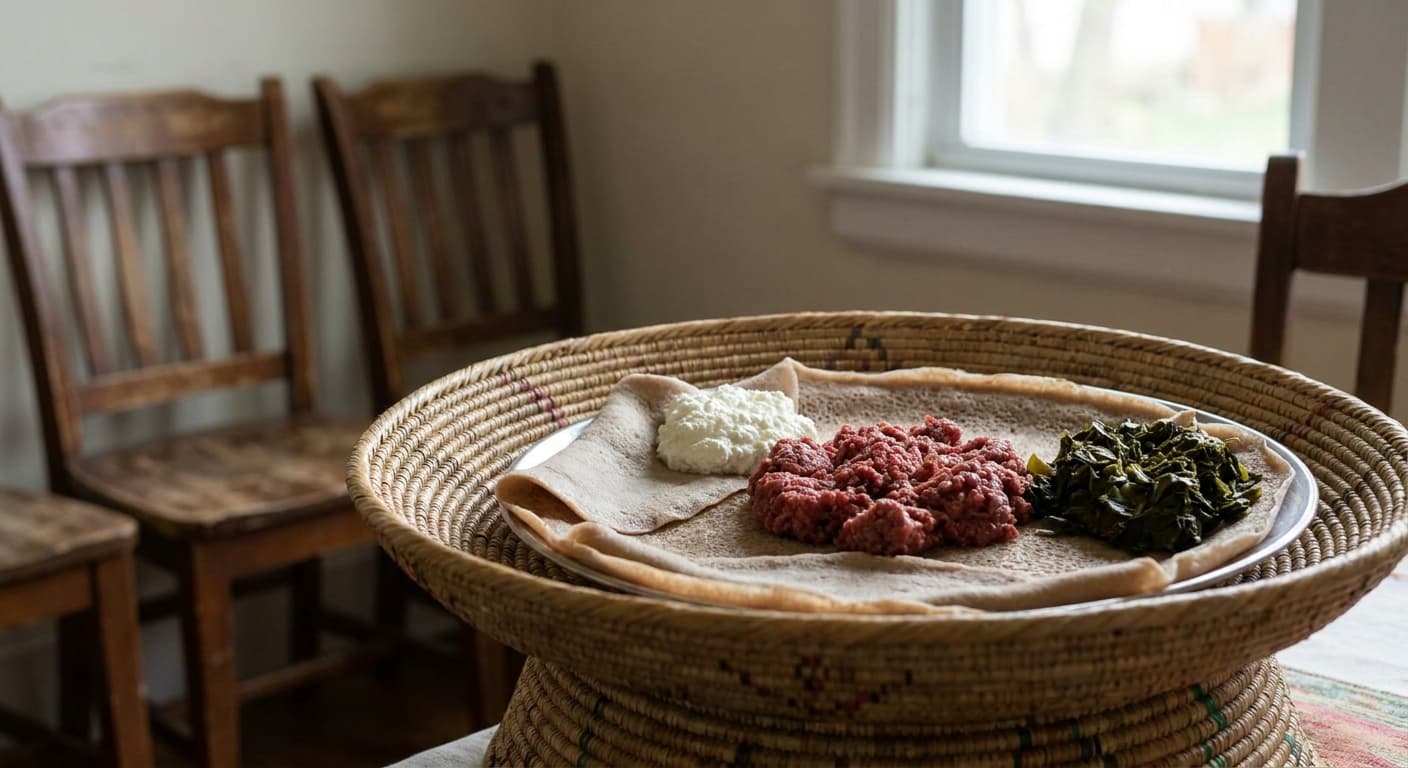
Kitfo is a celebrated Ethiopian minced beef dish, especially associated with Gurage cooking. Finely chopped lean beef is warmed with niter kibbeh, mitmita, and korarima, then served with injera, ayib, and gomen.
Printable Recipe Card
Servings: 4 · Total: 35 min · Difficulty: medium
Ingredients (quick list)
- 680 g beef tenderloin (very fresh, well trimmed, chilled, and bought from a trusted butcher for raw preparation)
- 90 g niter kibbeh (Ethiopian spiced clarified butter)
- 6 g mitmita
- 1.5 g ground korarima (Ethiopian cardamom)
- 4 g fine sea salt
- 4 100% teff injera
- 240 g ayib (fresh Ethiopian cottage cheese)
- 300 g cooked gomen (Ethiopian seasoned greens)
Steps (summary)
- Keep the beef refrigerated until the moment you begin, and chill a clean cutting board and knife for 10 minutes before chopping…
- Cut the beef into 5 mm slices, then into thin strips, and finally chop it repeatedly with a sharp knife until it is finely minc…
- Place the niter kibbeh in a small heavy skillet over low heat and warm it until melted and fragrant, about 2 minutes. Stir in t…
- For classic tere kitfo, remove the skillet from the heat and fold the minced beef into the spiced niter kibbeh until every grai…
- Taste the seasoning by cooking a pea-sized sample in the warm skillet, then adjust only with measured salt or mitmita if needed…
- If serving children, pregnant guests, older adults, or anyone immunocompromised, cook the portion fully as yebesele kitfo inste…
Cultural Background
Kitfo is closely linked with Gurage hospitality and Ethiopian celebrations, where raw or lightly warmed beef signals abundance. Yohanis Gebreyesus presents it as one of Ethiopia’s emblematic dishes, served with ayib, gomen, and injera.
Equipment
💡 Tips
- Hand-chopping gives kitfo its prized loose, delicate texture; ask the butcher not to grind the beef unless you are certain the grinder is freshly sanitized.
- Mitmita is hotter and sharper than berbere, so measure it carefully before adding more.
- Warm the serving injera briefly so the niter kibbeh stays aromatic instead of firming on a cold plate.
⚠️ Common Mistakes
❌ Using ordinary ground beef from a supermarket package.
✅ Fix: Buy a whole lean cut from a trusted butcher, trim it carefully, and chop it yourself shortly before serving.
❌ Heating the niter kibbeh until the mitmita scorches.
✅ Fix: Keep the heat low and bloom the spices for only 30 seconds before adding the beef.
❌ Overworking the meat into a paste.
✅ Fix: Use a sharp knife and a steady chopping motion, stopping when the mince is fine but still loose.
🧊 How to Store
Do not store raw dressed kitfo for later service. Refrigerate fully cooked yebesele leftovers in an airtight container for up to 2 days, then reheat gently in a skillet to 74 C with 10 g extra niter kibbeh if the meat seems dry.
📅 Make Ahead
Prepare niter kibbeh, ayib, and gomen up to 2 days ahead and refrigerate them separately. Chop and season the beef only immediately before serving for safety and texture.
🍽️ Pairs Well With
- 100% teff injera
- ayib
- gomen
- kocho
- extra mitmita.
Regional Variations
- Gurage-style kitfo is often served with kocho, a fermented flatbread made from enset, alongside injera.
- Tere kitfo is served raw, leb leb is lightly warmed, and yebesele is fully cooked for guests who prefer no raw beef.
- Some households increase the korarima for a more aromatic version, while others emphasize mitmita for a sharper chile heat.
Ingredients
- 680 gbeef tenderloin (very fresh, well trimmed, chilled, and bought from a trusted butcher for raw preparation)
- 90 gniter kibbeh (Ethiopian spiced clarified butter)
- 6 gmitmita
- 1.5 gground korarima (Ethiopian cardamom)
- 4 gfine sea salt
- 4100% teff injera
- 240 gayib (fresh Ethiopian cottage cheese)
- 300 gcooked gomen (Ethiopian seasoned greens)
🔄 Substitutions
- beef tenderloin→ trimmed beef top round
- niter kibbeh→ clarified butter warmed with Ethiopian spice blend
- mitmita→ berbere mixed with cayenne
- ayib→ small-curd cottage cheese rinsed and drained
Instructions
- 1
Keep the beef refrigerated until the moment you begin, and chill a clean cutting board and knife for 10 minutes before chopping. Trim away all silverskin, gristle, and any exposed dry exterior surfaces, because kitfo is traditionally served raw or barely warmed and must be handled with exceptional care.
- 2
Cut the beef into 5 mm slices, then into thin strips, and finally chop it repeatedly with a sharp knife until it is finely minced but not pasty. Do not use a warm food processor, because it can smear the meat and create a texture closer to sausage than authentic hand-chopped kitfo.
- 3
Place the niter kibbeh in a small heavy skillet over low heat and warm it until melted and fragrant, about 2 minutes. Stir in the mitmita, ground korarima, and fine sea salt, then heat for 30 seconds so the spices bloom without scorching.
- 4
For classic tere kitfo, remove the skillet from the heat and fold the minced beef into the spiced niter kibbeh until every grain of meat is glossy and evenly seasoned. For leb leb kitfo, keep the skillet over very low heat and stir for 1 to 2 minutes, just until the meat loses its cold chill but remains red and tender.
- 5
Taste the seasoning by cooking a pea-sized sample in the warm skillet, then adjust only with measured salt or mitmita if needed. Serve the kitfo immediately on warm injera with ayib and gomen alongside, because the texture is best when the butter is still fluid and aromatic.
- 6
If serving children, pregnant guests, older adults, or anyone immunocompromised, cook the portion fully as yebesele kitfo instead of serving it raw. Stir over medium-low heat until the beef reaches 71 C throughout, then plate it with the same injera, ayib, and gomen.
🪪 Recipe Passport
Cultural Background
Kitfo is closely linked with Gurage hospitality and Ethiopian celebrations, where raw or lightly warmed beef signals abundance. Yohanis Gebreyesus presents it as one of Ethiopia’s emblematic dishes, served with ayib, gomen, and injera.
Regional Variations
Researched from multiple sources and validated by the Zaffaron editorial team. Every recipe is tested for accuracy, measurements, and cultural authenticity.
📚 Sources & Cultural References
- Yohanis Gebreyesus — Ethiopia: Recipes and Traditions from the Horn of Africa — (2018)
- Marcus Samuelsson — The Soul of a New Cuisine — (2006)
Sources cited by the Zaffaron editorial team during recipe research. Cultural and culinary references supporting authenticity claims.
Nutrition per serving
Pairs well with
If you enjoyed this recipe, here are a few related Zaffaron recipes to try next.
Does your family make this differently?
Every family has their own version. Maybe your grandmother adds a secret ingredient, or your aunt has a completely different technique. Preserve your family's version — with their name on it, forever.
You Might Also Like
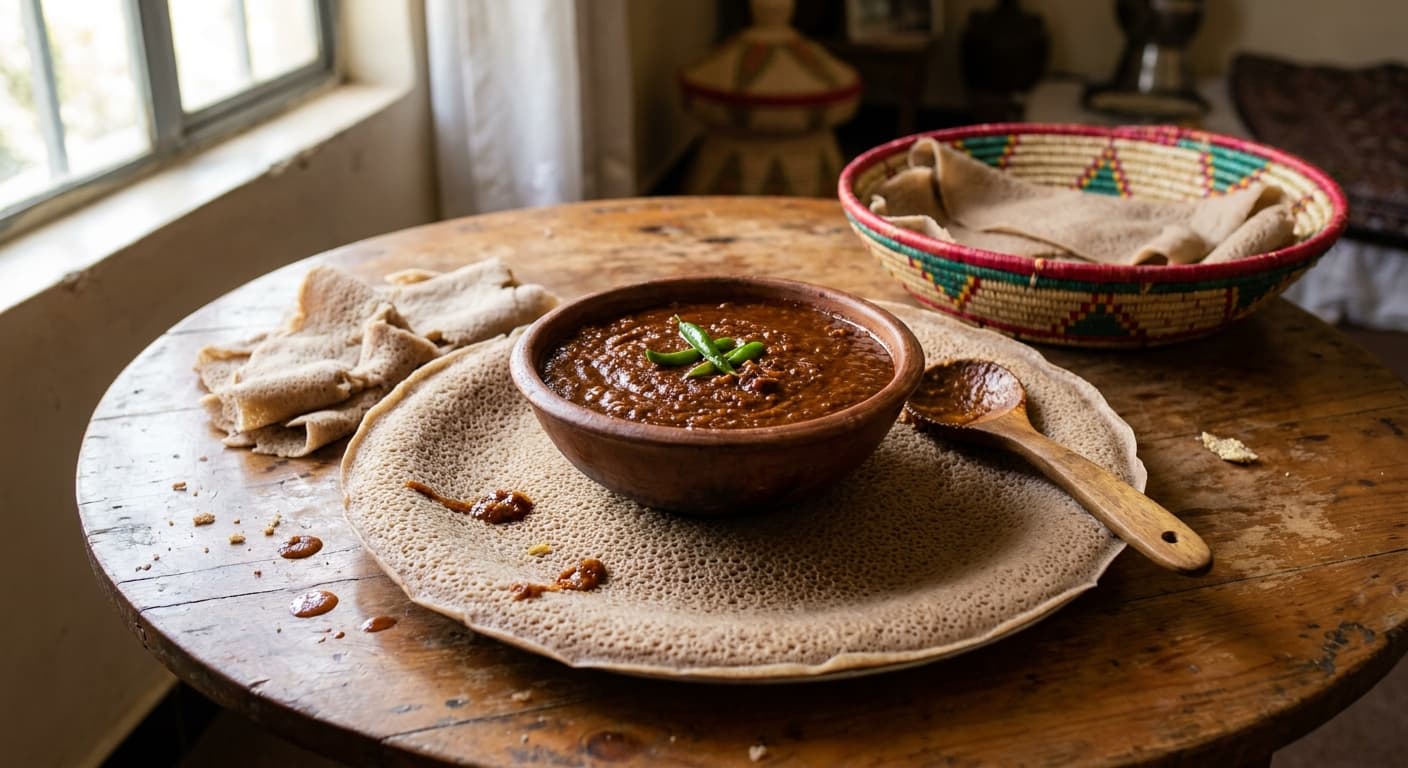
Ethiopian Red Lentil Stew (ምስር ወጥ) — Berbere-Spiced Fasting Wot
Ethiopian · Stews · 60 min
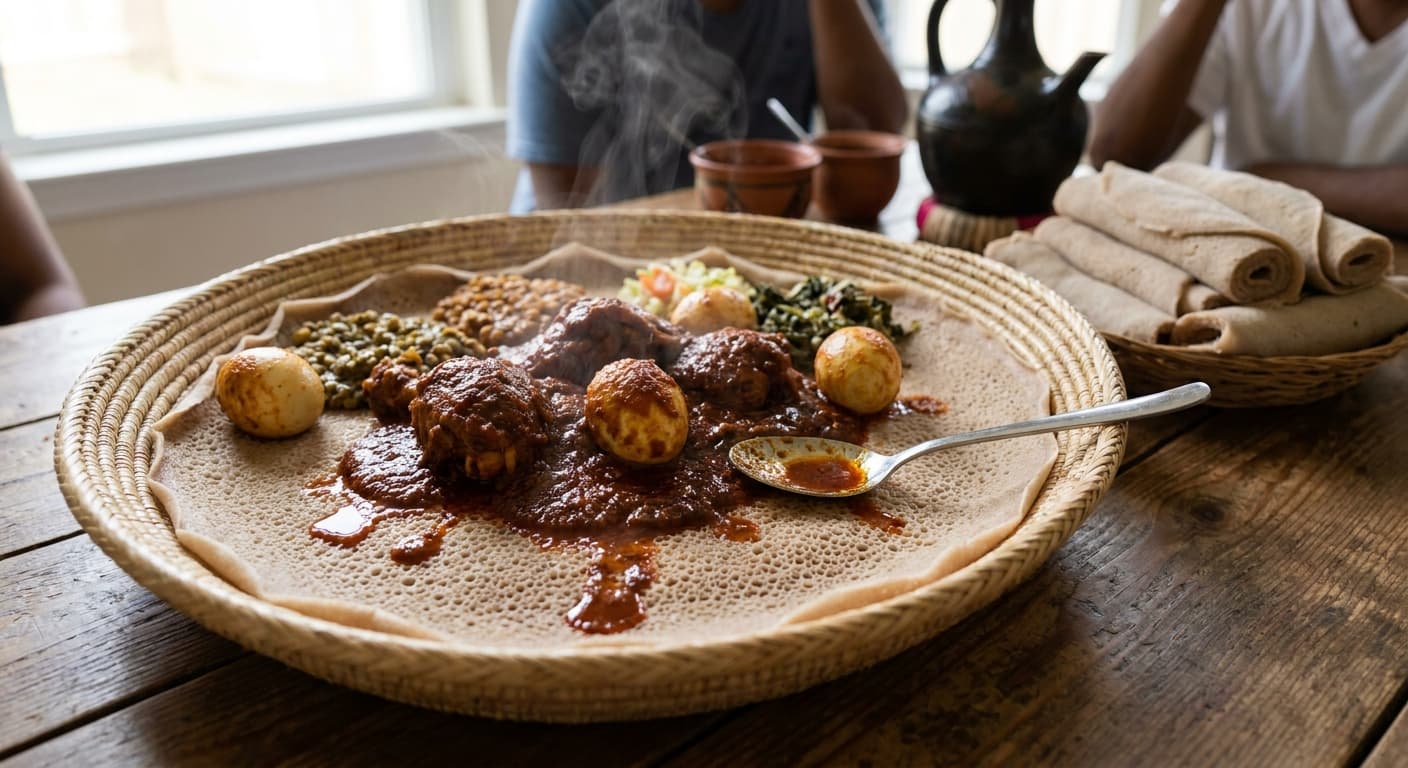
Ethiopian Doro Wat (ዶሮ ወጥ) — Berbere Chicken Stew with Eggs
Ethiopian · Stews · 130 min
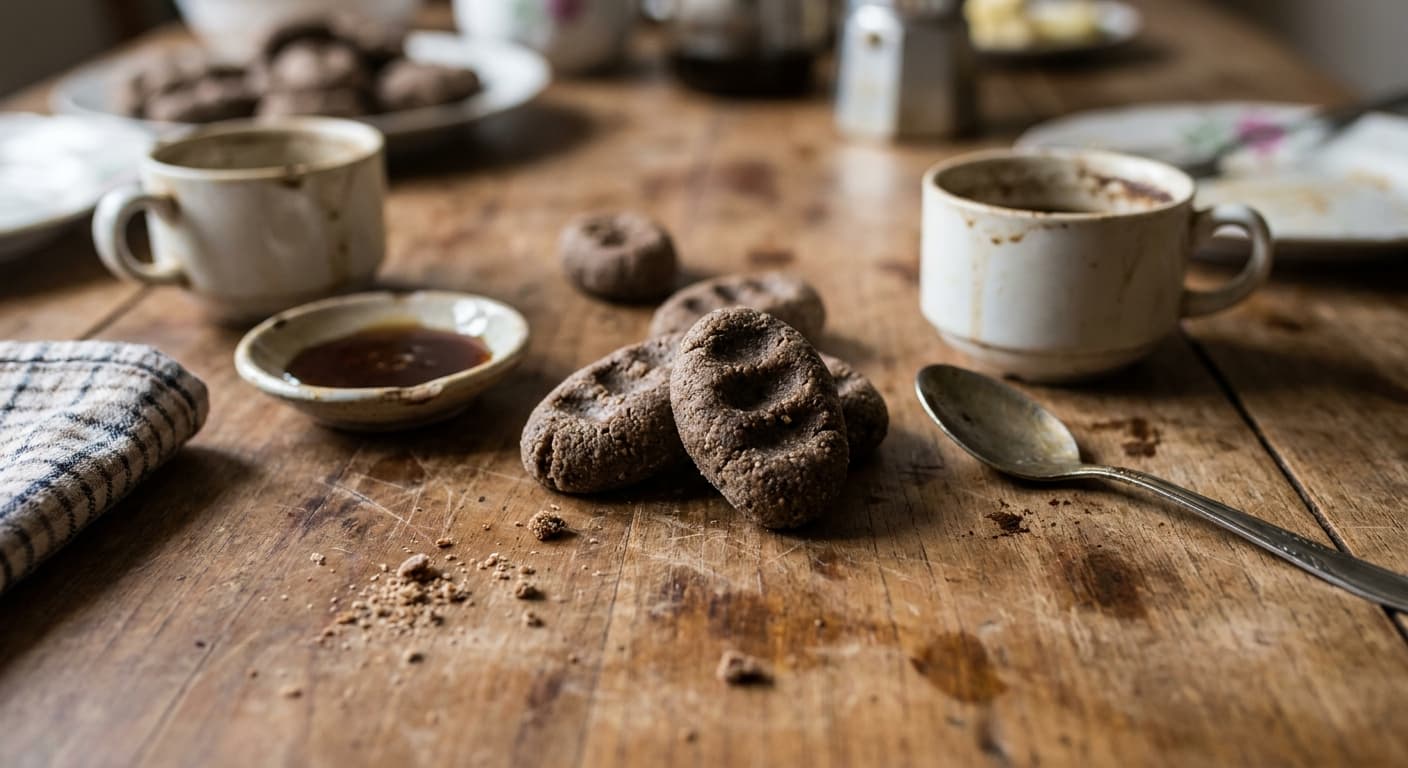
Besso (በሶ) — Ethiopian Roasted Barley Bites
Ethiopian · Appetizers · 20 min
Varenyky (Вареники) — Ukrainian Potato-Cheese Dumplings
Ukrainian · Main Courses · 95 min
Cornish Pasty (Cornish Pasty) — Traditional Beef and Swede Hand Pie
British · Main Courses · 100 min
Feseekh (فسيخ) — Egyptian Salt-Cured Mullet for Sham el-Nessim
Egyptian · Main Courses · 30 min
Hawawshi (حواوشي) — Egyptian Spiced Meat-Stuffed Baladi Bread
Egyptian · Main Courses · 55 min
Kebbeh bil Sanieh (كبة بالصينية) — Lebanese Baked Bulgur and Lamb Casserole
Lebanese · Main Courses · 75 min
Reviews
Cooked this recipe?
Tap the stars to rate it — that's all it takes. A few words are welcome but optional.
No ratings yet. Cooked this one? Be the first to rate it — it takes one tap.