Irio (Mukimo) — Kenyan Mashed Potatoes, Peas, Corn, and Greens
Irio, also called mukimo, is a Kikuyu-style Kenyan mash of potatoes, peas, maize, and greens. It is a hearty everyday side often served with nyama choma, mchuzi, or kachumbari at family meals.
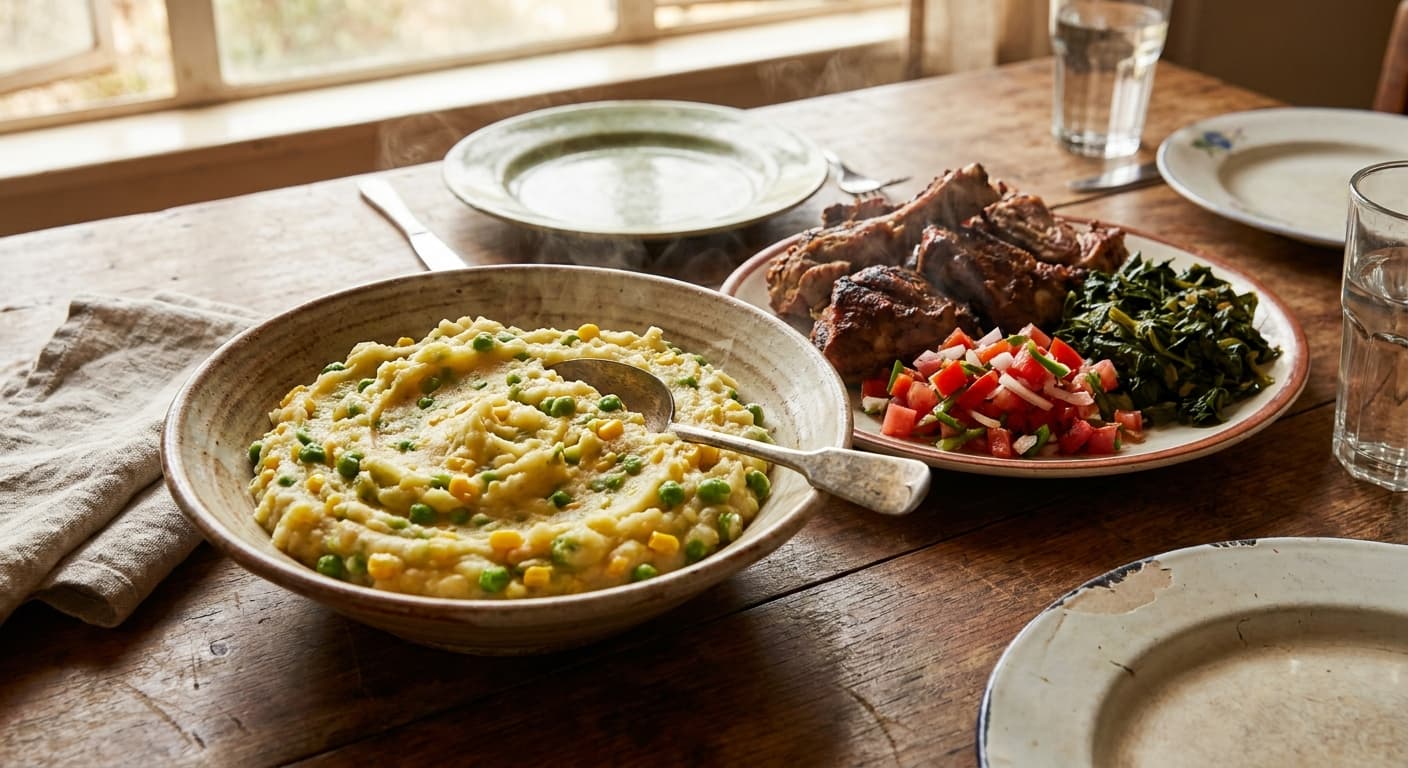
Printable Recipe Card
Servings: 6 · Total: 55 min · Difficulty: easy
Ingredients (quick list)
- 1.2 kg floury potatoes (peeled and cut into 4 cm chunks)
- 300 g green peas (fresh or frozen)
- 250 g green maize kernels (fresh maize or thawed frozen corn)
- 200 g sukuma wiki (collard greens) (stems removed, leaves finely shredded)
- 1.4 l water
- 10 g fine sea salt
- 30 g unsalted butter
- 0.5 tsp ground white pepper
Steps (summary)
- Put the potatoes in a large heavy pot with the water and 6 g of the salt. Bring to a boil over medium-high heat, then reduce th…
- Simmer the potatoes for 12 minutes, then add the green peas and green maize kernels to the same pot. Continue cooking for 10 to…
- Add the shredded sukuma wiki and cook for 3 minutes, pressing it lightly into the hot liquid so it wilts quickly. The greens sh…
- Reserve 180 ml of the cooking liquid in a cup, then drain the vegetables well. Return the vegetables to the warm pot and let th…
- Add the butter, white pepper, and remaining 4 g salt to the pot. Mash with a potato masher until the potatoes and peas are most…
- If the irio feels too stiff, mix in the reserved cooking liquid 30 ml at a time until it is soft, cohesive, and scoopable. Serv…
Cultural Background
Irio, or mukimo, is closely associated with Kikuyu home cooking and wider Kenyan family tables. Susan Kamau’s The Kenya Cookbook helps document such everyday Kenyan dishes alongside staples served with nyama choma and stews.
Equipment
💡 Tips
- Use floury potatoes because they mash more smoothly than waxy potatoes and absorb the vegetable flavors well.
- Do not overcook the sukuma wiki; a short final cook keeps the color green and the flavor fresh.
- Leave some maize kernels whole because that contrast is part of the classic mukimo texture.
⚠️ Common Mistakes
❌ Adding too much liquid while mashing
✅ Fix: Reserve the cooking liquid and add it gradually in 30 ml portions only after the vegetables have been drained and steamed dry.
❌ Cooking the greens for too long
✅ Fix: Add sukuma wiki near the end and cook it for only 3 minutes to preserve color and fresh flavor.
❌ Mashing the maize completely
✅ Fix: Mash firmly but stop while many maize kernels remain whole, which gives irio its familiar rustic bite.
🧊 How to Store
Cool leftovers within 2 hours and refrigerate in an airtight container for up to 3 days. Reheat gently in a covered pan or microwave with 15 to 30 ml water per serving, stirring until hot throughout.
📅 Make Ahead
Peel and cut the potatoes up to 8 hours ahead and keep them covered in cold water. The peas, maize, and shredded sukuma wiki can be measured and refrigerated 1 day ahead.
🍽️ Pairs Well With
- Nyama choma
- beef mchuzi
- kachumbari
- grilled chicken
- sukuma wiki.
Regional Variations
- Some Kikuyu cooks use pumpkin leaves instead of sukuma wiki for a deeper green color and a slightly herbal taste.
- A richer festive version may include more butter or a splash of milk, especially when served with nyama choma.
- In some homes, cooked beans are mashed into the potatoes, making the dish closer in spirit to githeri while still served as mukimo.
Ingredients
- 1.2 kgfloury potatoes (peeled and cut into 4 cm chunks)
- 300 ggreen peas (fresh or frozen)
- 250 ggreen maize kernels (fresh maize or thawed frozen corn)
- 200 gsukuma wiki (collard greens) (stems removed, leaves finely shredded)
- 1.4 lwater
- 10 gfine sea salt
- 30 gunsalted butter
- 0.5 tspground white pepper
🔄 Substitutions
- sukuma wiki (collard greens)→ spinach
- green maize kernels→ yellow sweet corn kernels
- unsalted butter→ 30 ml vegetable oil
Instructions
- 1
Put the potatoes in a large heavy pot with the water and 6 g of the salt. Bring to a boil over medium-high heat, then reduce the heat to a steady simmer so the potatoes cook evenly without breaking apart too early.
- 2
Simmer the potatoes for 12 minutes, then add the green peas and green maize kernels to the same pot. Continue cooking for 10 to 12 minutes, until the potatoes are fully tender and the maize is cooked but still pleasantly firm, as it should be in Kenyan irio.
- 3
Add the shredded sukuma wiki and cook for 3 minutes, pressing it lightly into the hot liquid so it wilts quickly. The greens should stay bright and fresh, giving the mukimo its characteristic green color and earthy flavor.
- 4
Reserve 180 ml of the cooking liquid in a cup, then drain the vegetables well. Return the vegetables to the warm pot and let them stand uncovered for 2 minutes so excess steam escapes and the mash does not become watery.
- 5
Add the butter, white pepper, and remaining 4 g salt to the pot. Mash with a potato masher until the potatoes and peas are mostly smooth while some maize kernels remain whole for traditional texture.
- 6
If the irio feels too stiff, mix in the reserved cooking liquid 30 ml at a time until it is soft, cohesive, and scoopable. Serve hot in generous mounds, especially beside nyama choma, a simple mchuzi, or kachumbari.
🪪 Recipe Passport
Cultural Background
Irio, or mukimo, is closely associated with Kikuyu home cooking and wider Kenyan family tables. Susan Kamau’s The Kenya Cookbook helps document such everyday Kenyan dishes alongside staples served with nyama choma and stews.
Regional Variations
Researched from multiple sources and validated by the Zaffaron editorial team. Every recipe is tested for accuracy, measurements, and cultural authenticity.
📚 Sources & Cultural References
- Susan Kamau — The Kenya Cookbook
Sources cited by the Zaffaron editorial team during recipe research. Cultural and culinary references supporting authenticity claims.
Nutrition per serving
Pairs well with
If you enjoyed this recipe, here are a few related Zaffaron recipes to try next.
Does your family make this differently?
Every family has their own version. Maybe your grandmother adds a secret ingredient, or your aunt has a completely different technique. Preserve your family's version — with their name on it, forever.
You Might Also Like
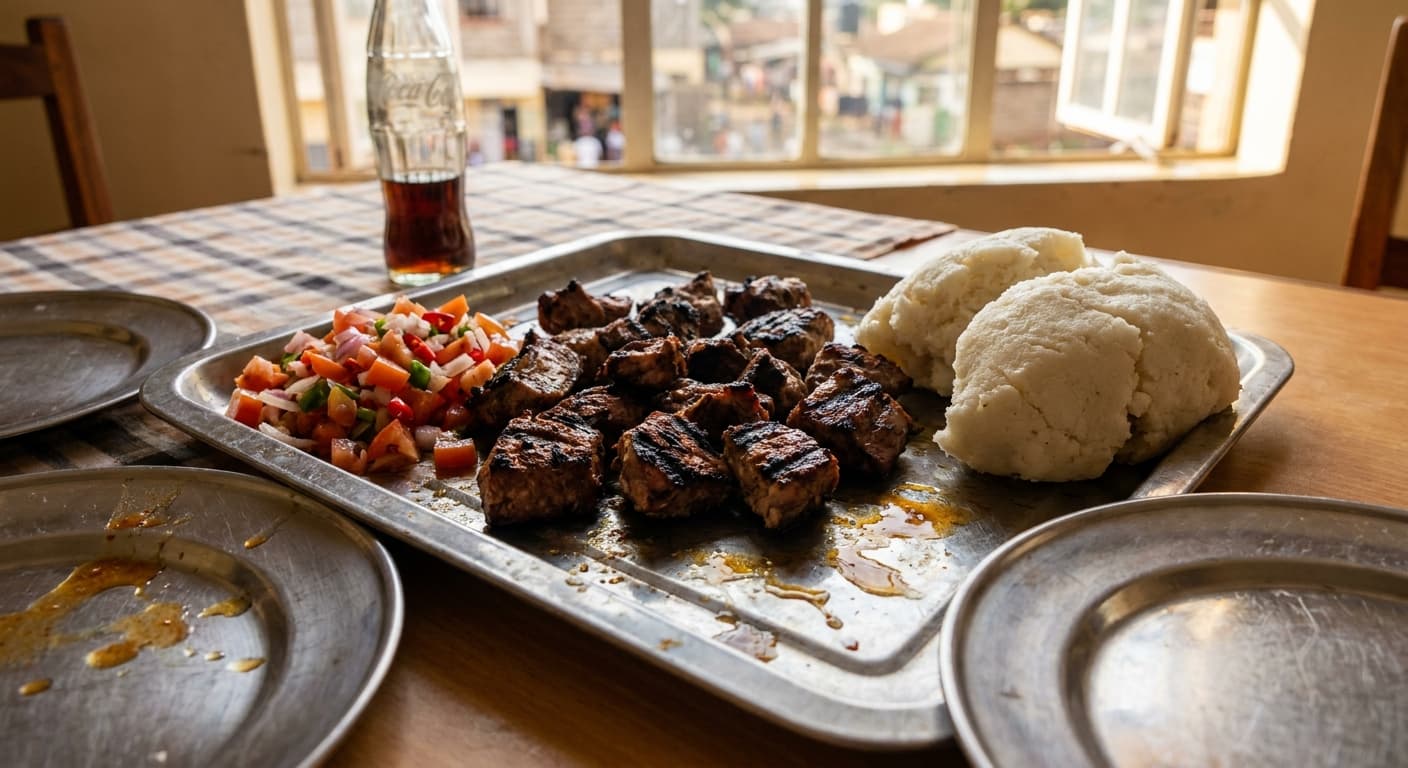
Kenyan Grilled Meat (Nyama Choma) — Charcoal-Roasted Goat with Kachumbari
Kenyan · Main Courses · 115 min
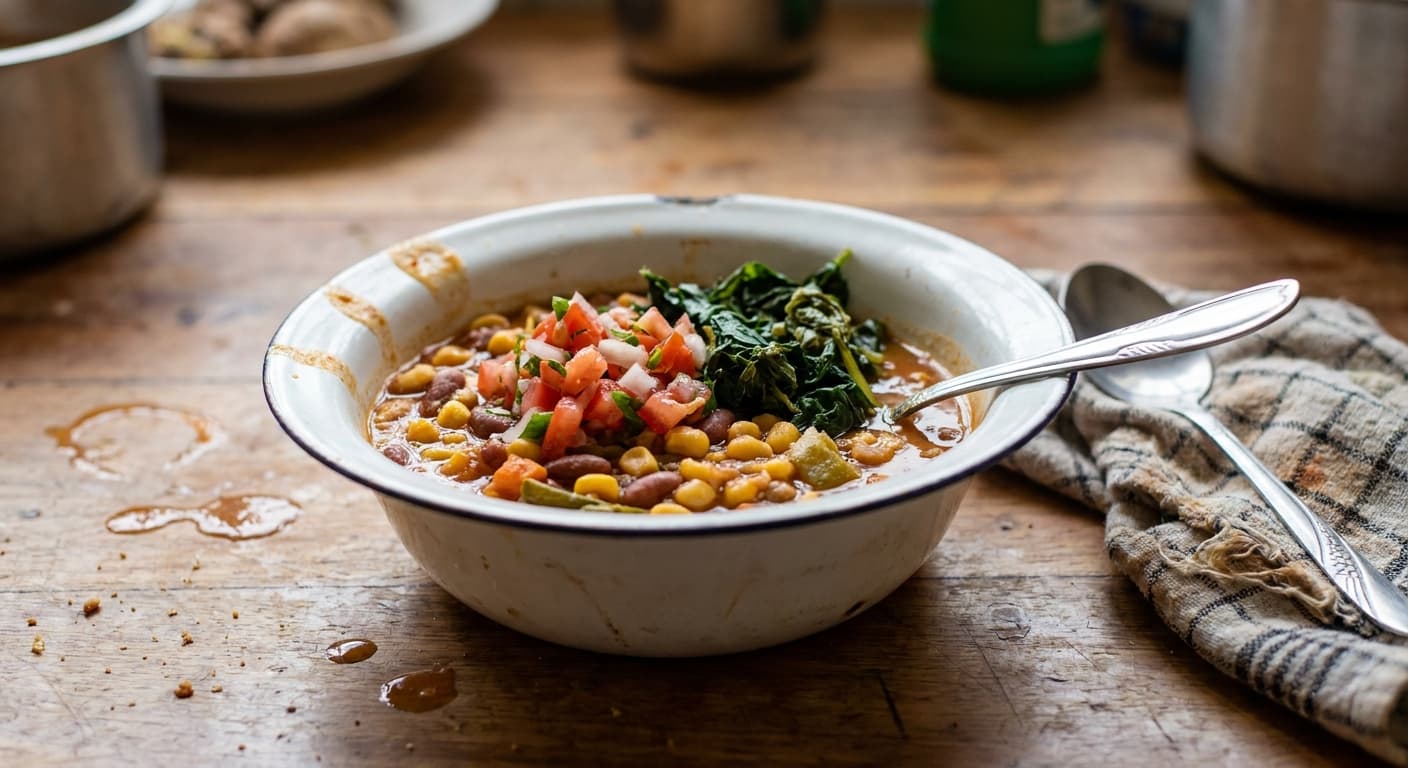
Githeri (Gĩtheri) — Kenyan Maize and Bean Stew
Kenyan · Main Courses · 185 min
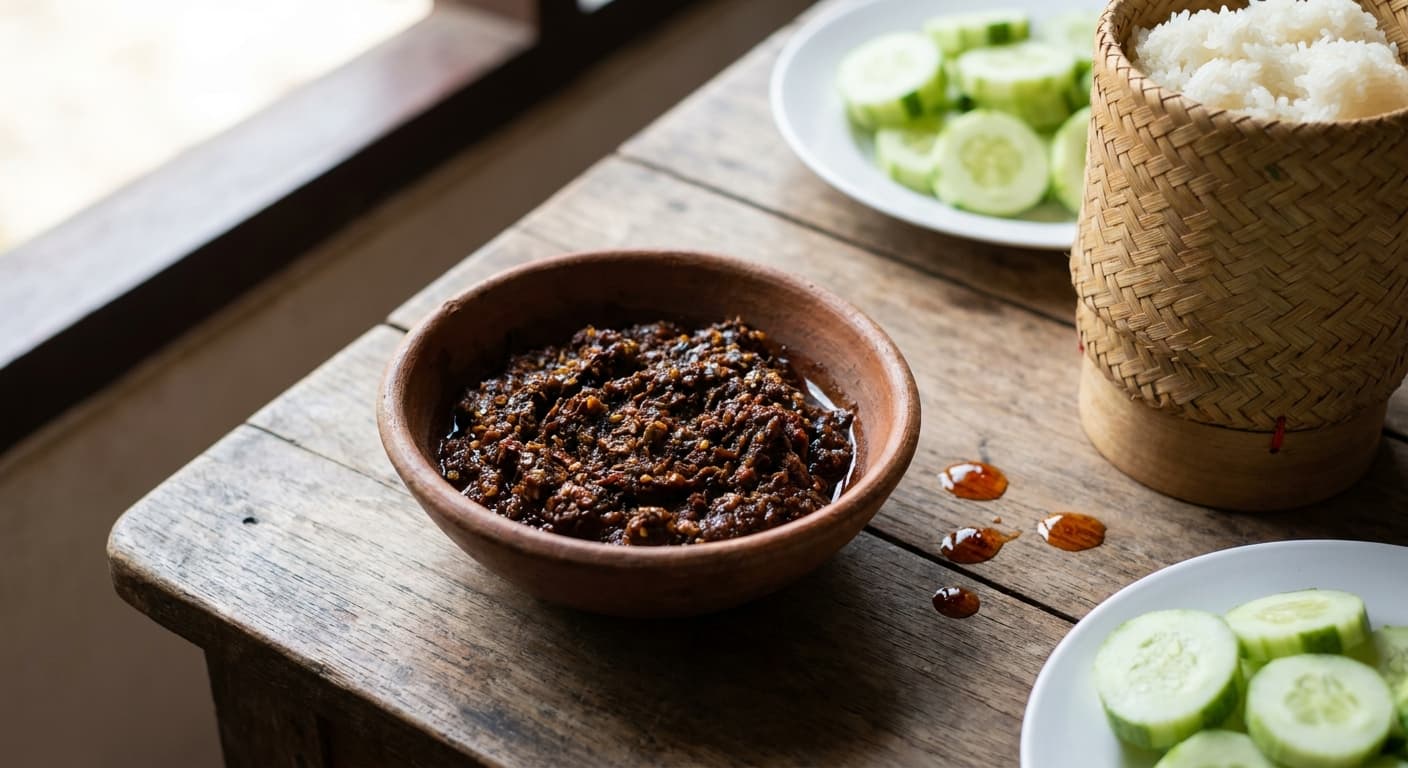
Jeow Bong (ແຈ່ວບອງ) — Lao Chili Paste Relish
Laotian · Side Dishes · 60 min
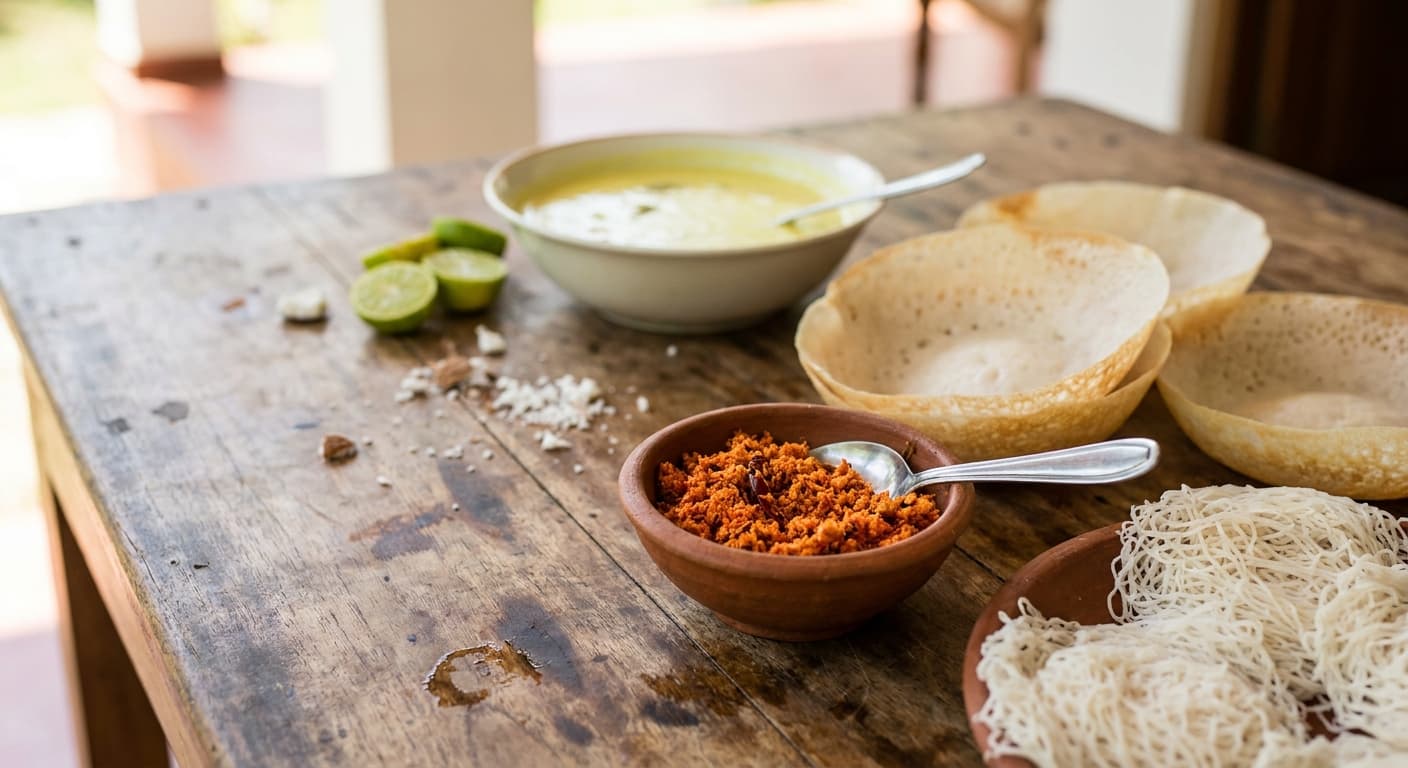
Pol Sambol (පොල් සම්බෝල) — Sri Lankan Coconut Chili Relish
Sri lankan · Side Dishes · 15 min
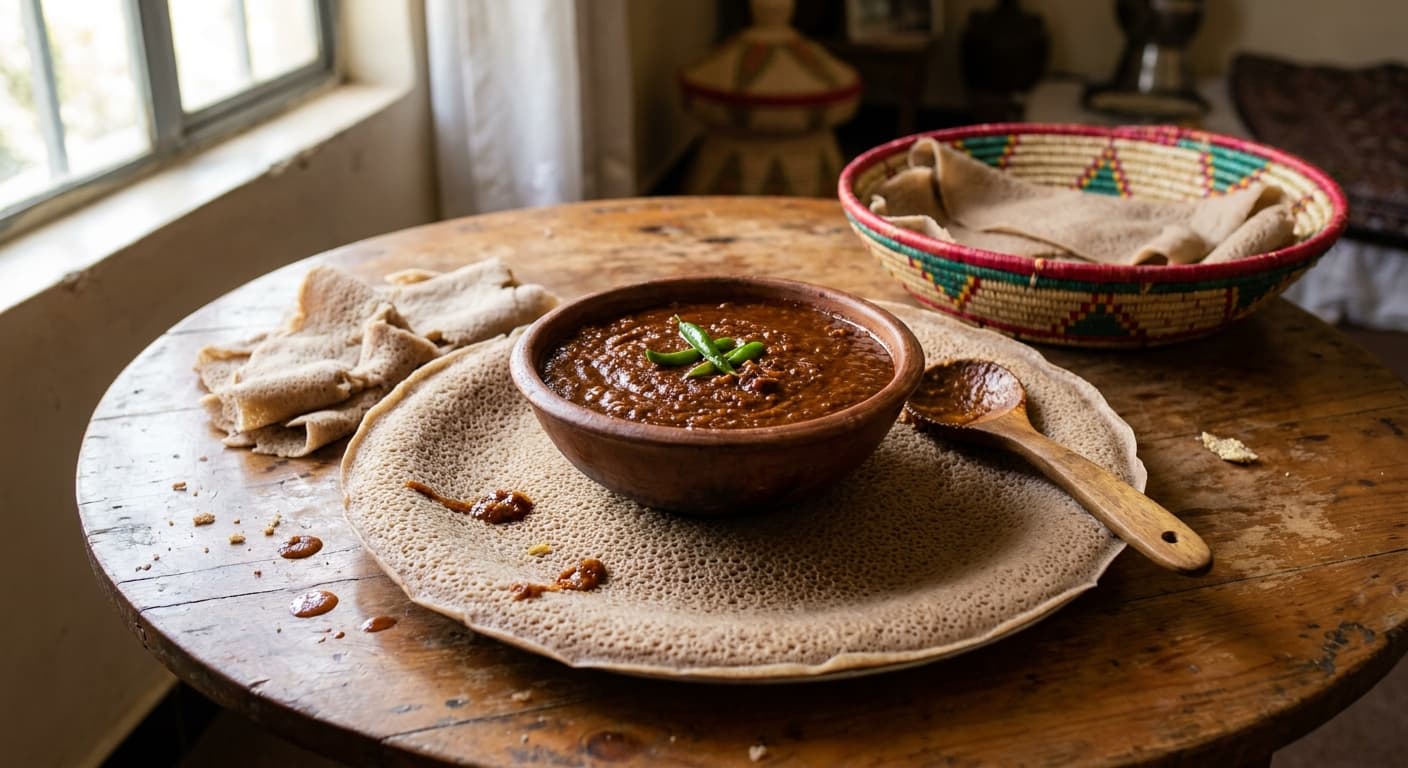
Ethiopian Red Lentil Stew (ምስር ወጥ) — Berbere-Spiced Fasting Wot
Ethiopian · Stews · 60 min
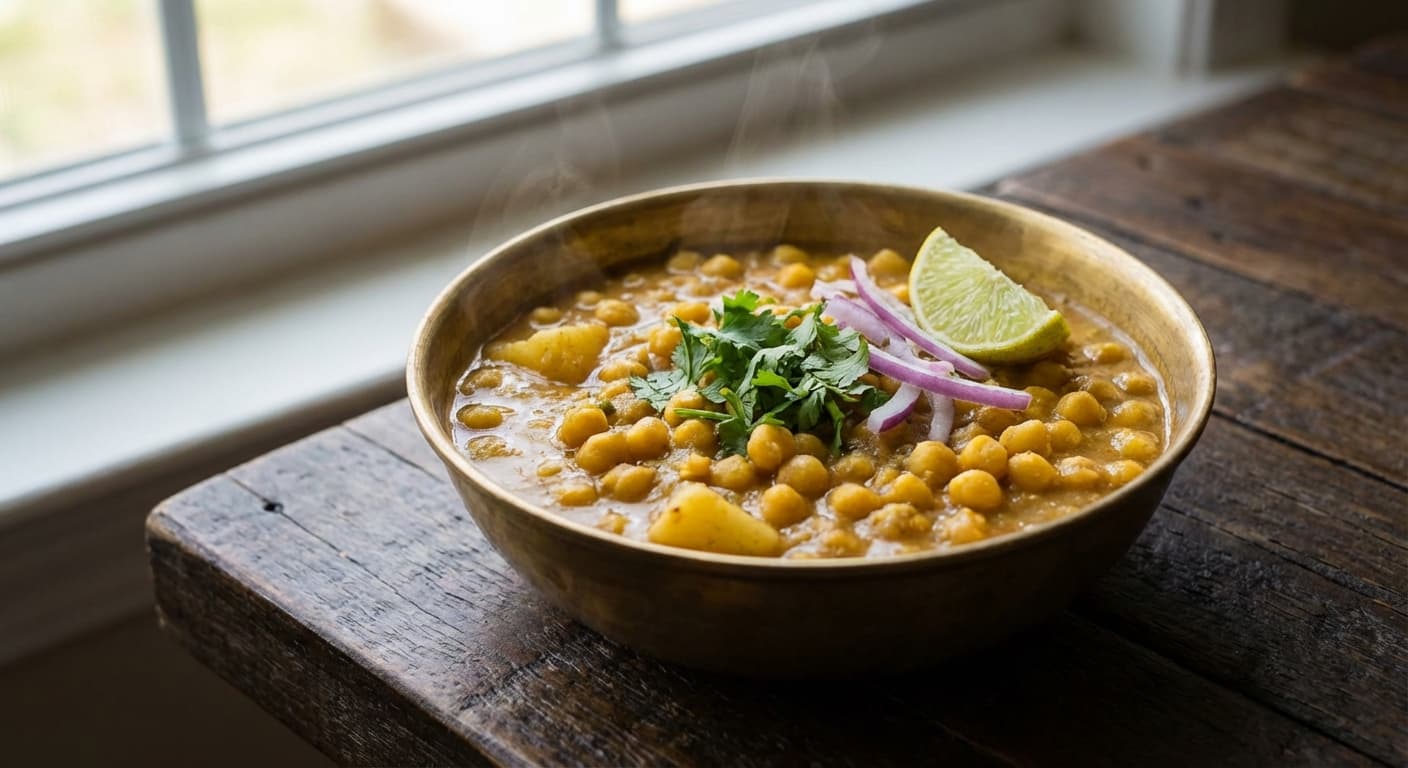
Ghugni (ঘুগনি) — Indian Spiced Yellow Peas Curry with Onions
Indian · Stews · 70 min
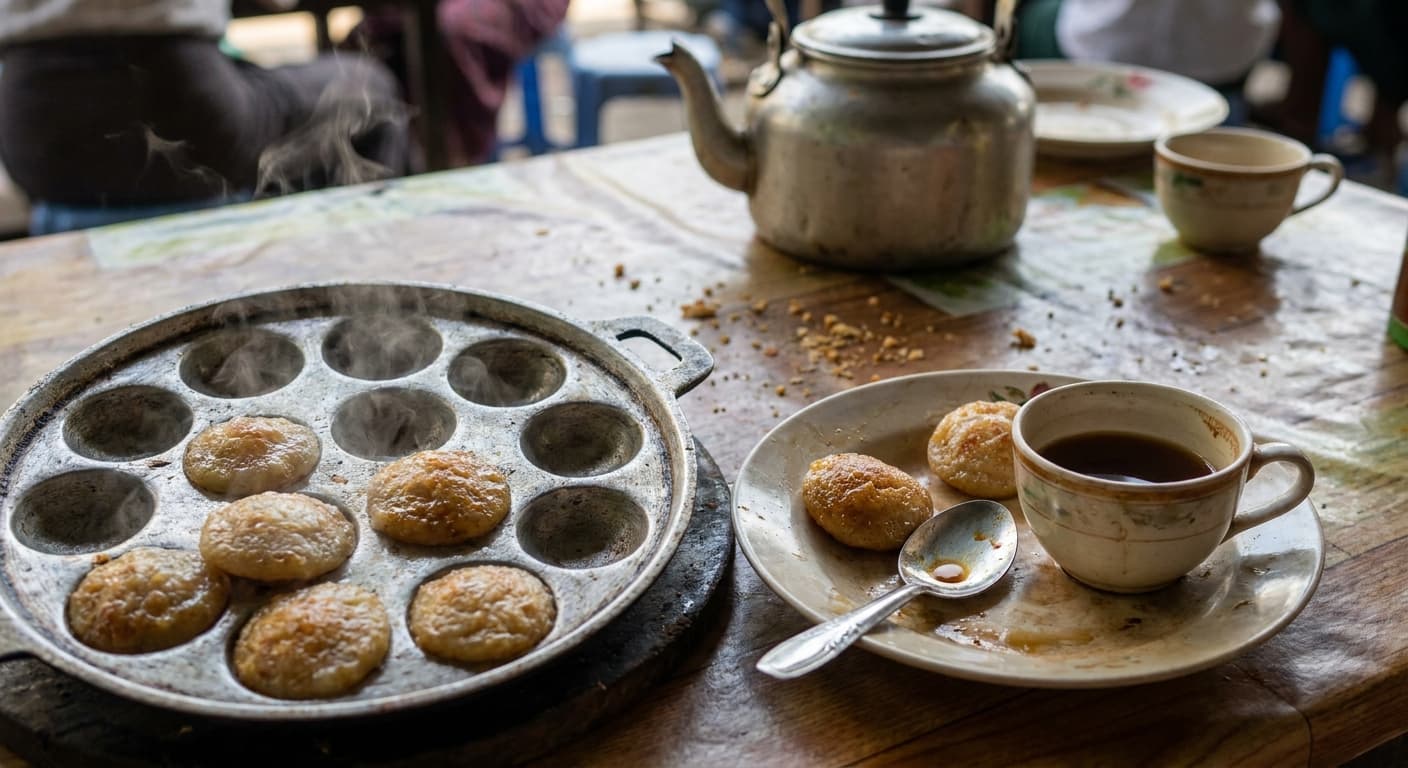
Mont Lin Ma Yar (မုန့်လင်မယား) — Burmese Husband-and-Wife Rice Cakes
Burmese · Appetizers · 65 min
Gomaae (ごまあえ) — Japanese Spinach with Sesame Dressing
Japanese · Side Dishes · 18 min
Reviews
Cooked this recipe?
Tap the stars to rate it — that's all it takes. A few words are welcome but optional.
No ratings yet. Cooked this one? Be the first to rate it — it takes one tap.