Khorak Goosht Zanjabili (خوراک گوشت زنجبیلی) — Persian Ginger Beef Stew
A comforting Persian-style beef stew built on onion, turmeric, cinnamon, and tomato paste, brightened with fresh ginger and garlic. Finished with a savory-sweet soy and honey glaze, it simmers into a fragrant, restorative bowl.
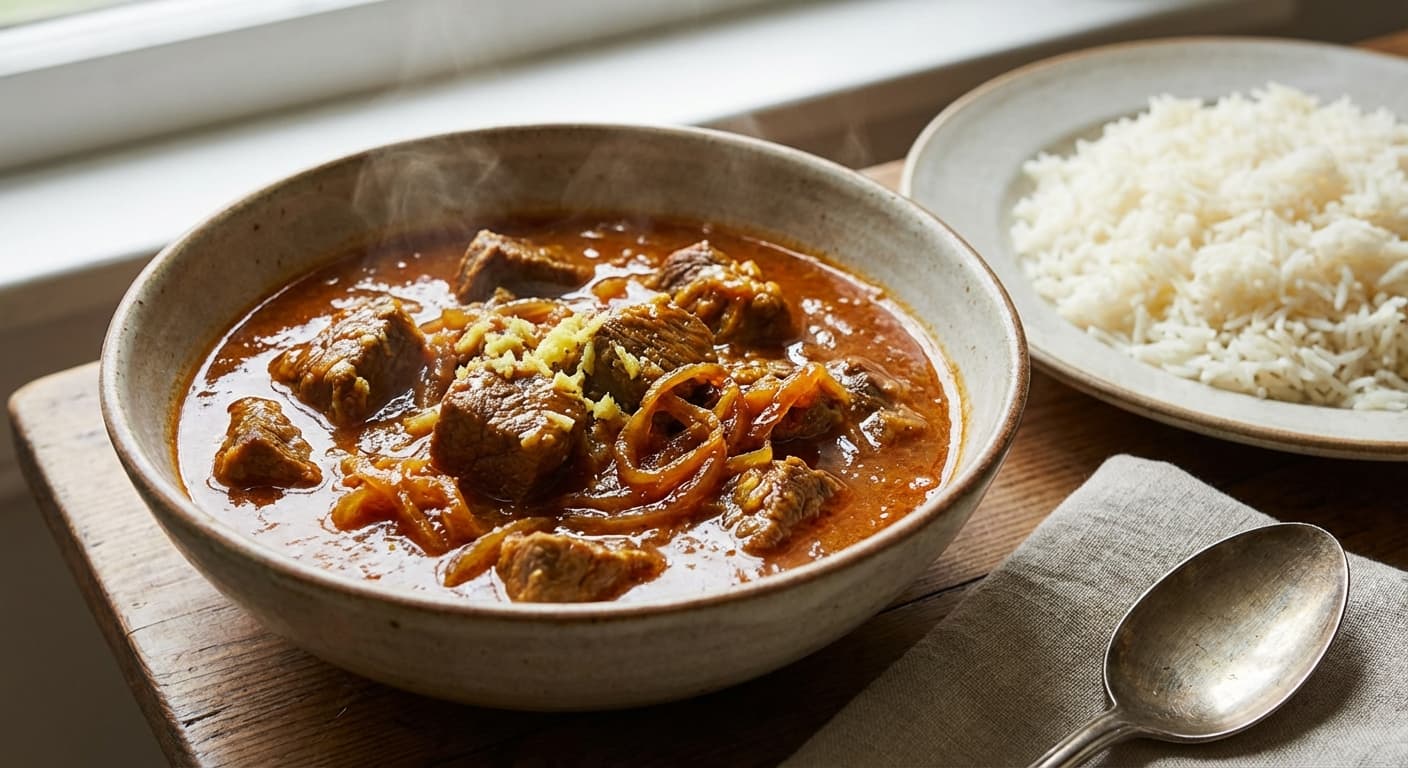
Printable Recipe Card
Servings: 4 · Total: 130 min · Difficulty: medium
Ingredients (quick list)
- 800 g Beef chuck, trimmed and cut into 3 cm cubes (Aim for evenly sized cubes for even braising)
- 250 g Onion, finely diced (About 1 large onion)
- 12 g Garlic, minced (About 4 cloves)
- 30 g Fresh ginger, peeled and finely grated (Grate on a microplane for a smooth stew)
- 30 ml Vegetable oil (2 tablespoons)
- 3 g Ground turmeric (1 teaspoon)
- 2.5 g Ground cinnamon (1 teaspoon)
- 30 g Tomato paste (2 tablespoons)
- 720 ml Beef broth (or vegetable broth) (3 cups, low-sodium preferred)
- 30 ml Soy sauce (2 tablespoons; use halal-certified if needed)
- 21 g Honey (1 tablespoon)
- 6 g Salt (1 teaspoon, plus more to taste)
+ 1 more in the full ingredients section below.
Steps (summary)
- Pat the beef dry with paper towels so it browns instead of steaming. Heat a heavy pot or Dutch oven over medium-high heat for 2…
- Reduce heat to medium. Add the diced onion to the same pot and cook 8–10 minutes, stirring often, until deeply golden and softe…
- Stir in turmeric and cinnamon and toast for 30 seconds to bloom the spices without burning them. Add the tomato paste and cook…
- Return the beef and any collected juices to the pot. Pour in the broth and stir well, scraping the bottom to fully deglaze. Bri…
- Uncover and simmer 20–30 minutes more to thicken the sauce and tenderize the beef further. If the stew reduces too quickly, add…
- Stir in soy sauce, honey, salt, and black pepper. Simmer uncovered 5 minutes to meld flavors and lightly glaze the meat. Taste…
Cultural Background
Khorak-style stews are a familiar home-cooking format in Iran, often served with rice and built around slow-simmered meat and aromatics. This ginger-forward version reflects how trade routes introduced and popularized spices, which were then adapted into local flavor balances alongside turmeric and tomato-based braises.
Equipment
💡 Tips
- Grate ginger very finely so it dissolves into the sauce; larger pieces can taste sharp and uneven.
- For deeper flavor, brown the beef well but avoid burning the fond; adjust heat between batches as needed.
- Low-sodium broth and soy sauce help you control salt; season more precisely at the end.
- If you prefer a silkier sauce, skim excess fat after simmering or chill briefly and remove the solidified fat.
- A 10-minute rest before serving improves texture and helps the sauce cling to the beef.
⚠️ Common Mistakes
❌ Crowding the pot while browning the beef
💡 Why: Overcrowding traps steam, preventing proper browning and reducing depth of flavor.
✅ Fix: Brown in 2–3 batches, keeping the pot hot and leaving space between pieces.
❌ Adding ginger too early at high heat
💡 Why: Ginger can scorch and turn bitter, especially when finely grated.
✅ Fix: Cook onions first, then add ginger and garlic for only 60–90 seconds over medium heat.
❌ Boiling hard during braising
💡 Why: A rapid boil tightens meat fibers and can make beef tougher while reducing liquid too fast.
✅ Fix: Keep a gentle simmer on low heat; adjust burner so only small bubbles break the surface.
❌ Salting heavily at the start
💡 Why: Broth and soy sauce reduce and concentrate, easily pushing the stew too salty.
✅ Fix: Use low-sodium liquids and add most of the salt at the end after reduction.
🧊 How to Store
Cool to room temperature within 2 hours, then refrigerate in an airtight container for up to 4 days. Reheat gently on the stovetop over low heat with 30–60 ml water or broth to loosen. Freeze up to 3 months; thaw overnight in the refrigerator before reheating.
📅 Make Ahead
Make the stew up to 2 days ahead; cool, refrigerate, and reheat gently. Flavor improves after resting overnight. If making ahead, stop before adding soy sauce and honey, then add them during reheating for the freshest aroma.
🍽️ Pairs Well With
- Steamed basmati rice
- Tahdig-style crispy rice (optional)
- Shirazi salad
- Plain yogurt or cucumber yogurt
- Fresh herbs and radishes
Regional Variations
- Tehran-style home cookingOften served as a straightforward khorak with rice, emphasizing a thicker sauce from longer uncovered simmering and a balanced sweet-salty finish.
- Northern Iran-inspiredSome cooks add a touch more sourness by finishing with a small splash of citrus juice or a tart fruit element, creating a brighter counterpoint to ginger and cinnamon.
Ingredients
- 800 gBeef chuck, trimmed and cut into 3 cm cubes (Aim for evenly sized cubes for even braising)
- 250 gOnion, finely diced (About 1 large onion)
- 12 gGarlic, minced (About 4 cloves)
- 30 gFresh ginger, peeled and finely grated (Grate on a microplane for a smooth stew)
- 30 mlVegetable oil (2 tablespoons)
- 3 gGround turmeric (1 teaspoon)
- 2.5 gGround cinnamon (1 teaspoon)
- 30 gTomato paste (2 tablespoons)
- 720 mlBeef broth (or vegetable broth) (3 cups, low-sodium preferred)
- 30 mlSoy sauce (2 tablespoons; use halal-certified if needed)
- 21 gHoney (1 tablespoon)
- 6 gSalt (1 teaspoon, plus more to taste)
- 1 gBlack pepper, freshly ground (1/2 teaspoon)
🔄 Substitutions
- Beef chuck→ Boneless lamb shoulder, cut into 3 cm cubes
- Honey→ Brown sugar
- Soy sauce→ Tamari (gluten-free)
Instructions
- 1
Pat the beef dry with paper towels so it browns instead of steaming. Heat a heavy pot or Dutch oven over medium-high heat for 2 minutes, then add the vegetable oil. Brown the beef in 2 batches for 4–5 minutes per batch, turning to color multiple sides. Transfer browned beef to a plate.
- 2
Reduce heat to medium. Add the diced onion to the same pot and cook 8–10 minutes, stirring often, until deeply golden and softened. Add the minced garlic and grated ginger and cook 60–90 seconds until fragrant, scraping up browned bits from the bottom to build a richer base.
- 3
Stir in turmeric and cinnamon and toast for 30 seconds to bloom the spices without burning them. Add the tomato paste and cook 2 minutes, stirring constantly, until it darkens slightly and smells sweet. This step removes raw paste flavor and deepens the stew’s color.
- 4
Return the beef and any collected juices to the pot. Pour in the broth and stir well, scraping the bottom to fully deglaze. Bring to a gentle boil over medium-high heat, then immediately reduce to low to maintain a steady simmer with small bubbles. Cover and cook 75 minutes, stirring every 20 minutes.
- 5
Uncover and simmer 20–30 minutes more to thicken the sauce and tenderize the beef further. If the stew reduces too quickly, add 60–120 ml (1/4–1/2 cup) hot water; if it is thin, keep it uncovered. The beef is ready when a fork slides in with little resistance.
- 6
Stir in soy sauce, honey, salt, and black pepper. Simmer uncovered 5 minutes to meld flavors and lightly glaze the meat. Taste and adjust: add 1–2 g more salt if needed, or 5–10 g more honey for a rounder finish. Rest off heat, covered, for 10 minutes before serving.
🪪 Recipe Passport
Cultural Background
Khorak-style stews are a familiar home-cooking format in Iran, often served with rice and built around slow-simmered meat and aromatics. This ginger-forward version reflects how trade routes introduced and popularized spices, which were then adapted into local flavor balances alongside turmeric and tomato-based braises.
Regional Variations
Researched from multiple sources and validated by the Zaffaron editorial team. Every recipe is tested for accuracy, measurements, and cultural authenticity.
Nutrition per serving
Pairs well with
If you enjoyed this recipe, here are a few related Zaffaron recipes to try next.
- Khoresh Aloo (خورش آلو) — Persian Chicken and Plum Stew
- Khorak Karado Stuffed Meat Patties (خوراک کرادو) — Clove-scented patties stuffed with herby salad
- Khorak Mahicheh va Morgh (خوراک ماهیچه و مرغ) — Persian Saffron-Infused Lamb and Chicken Stew
- Khorak Morgh ba Chashni-ye Somagh (خوراک مرغ با چاشنی سماق) — Persian Sumac-Braised Chicken
Does your family make this differently?
Every family has their own version. Maybe your grandmother adds a secret ingredient, or your aunt has a completely different technique. Preserve your family's version — with their name on it, forever.
You Might Also Like
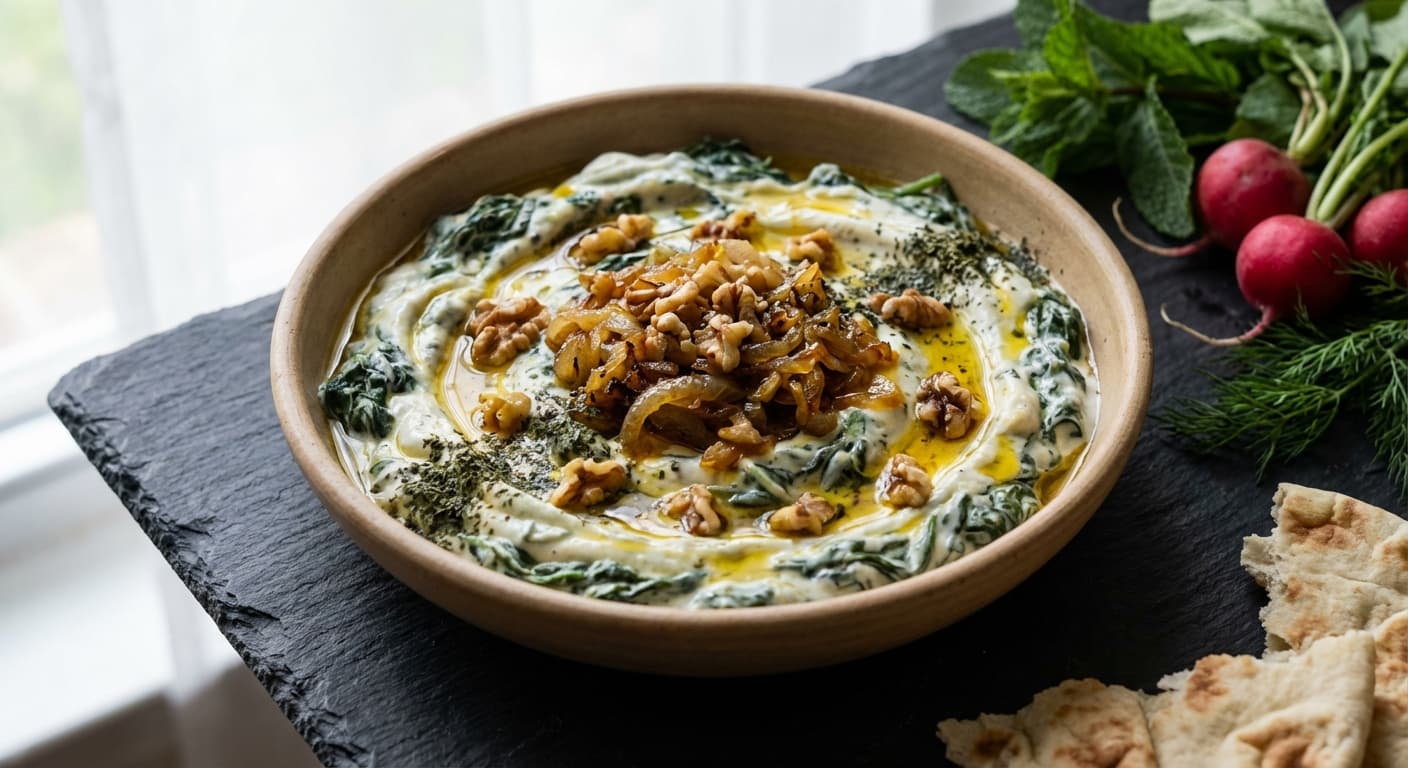
Borani Esfenaj (بورانی اسفناج) — Persian Spinach and Yogurt Dip with Saffron and Walnuts
Persian · Appetizers · 40 min
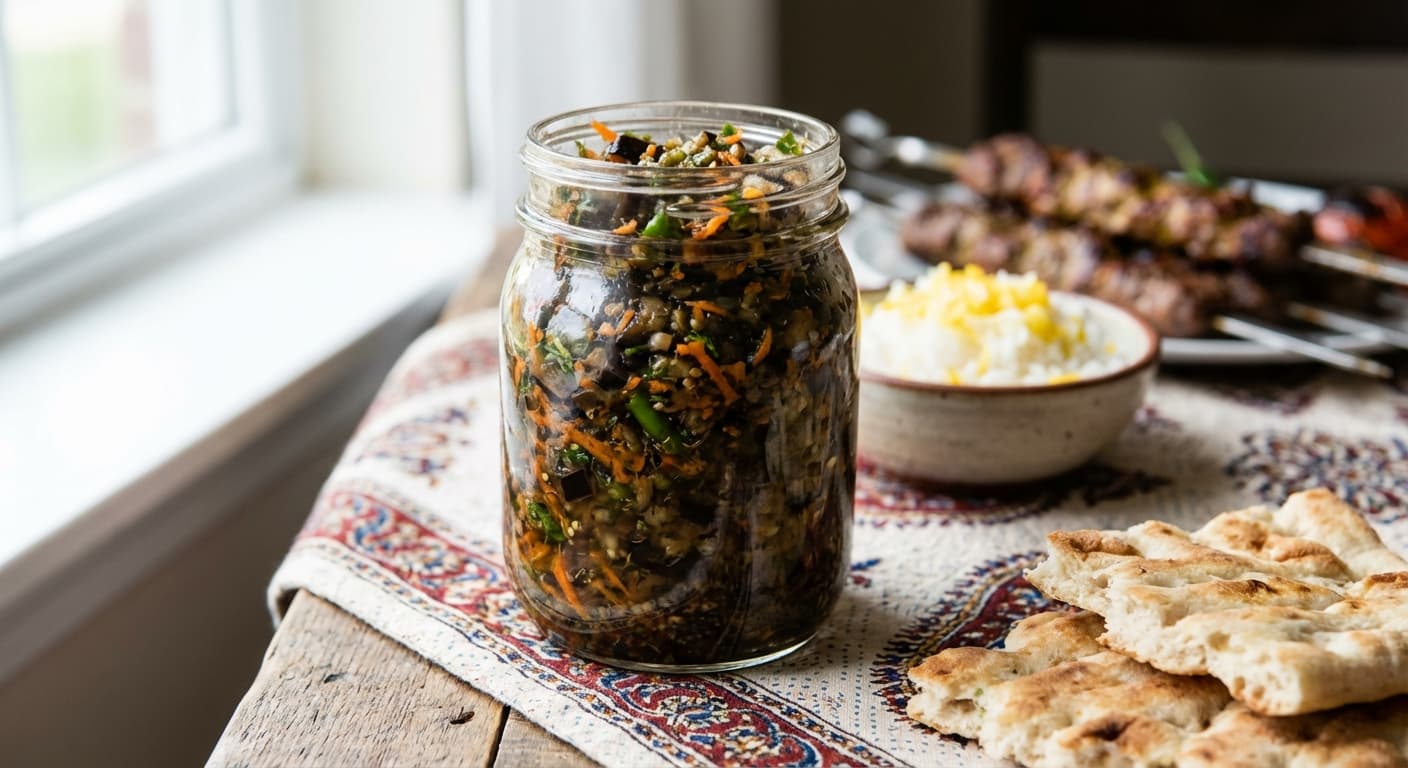
Persian Smoked Torshi Liteh (ترشی لیته) — Caspian-style smoky mixed vegetable pickle
Persian · Side Dishes · 60 min
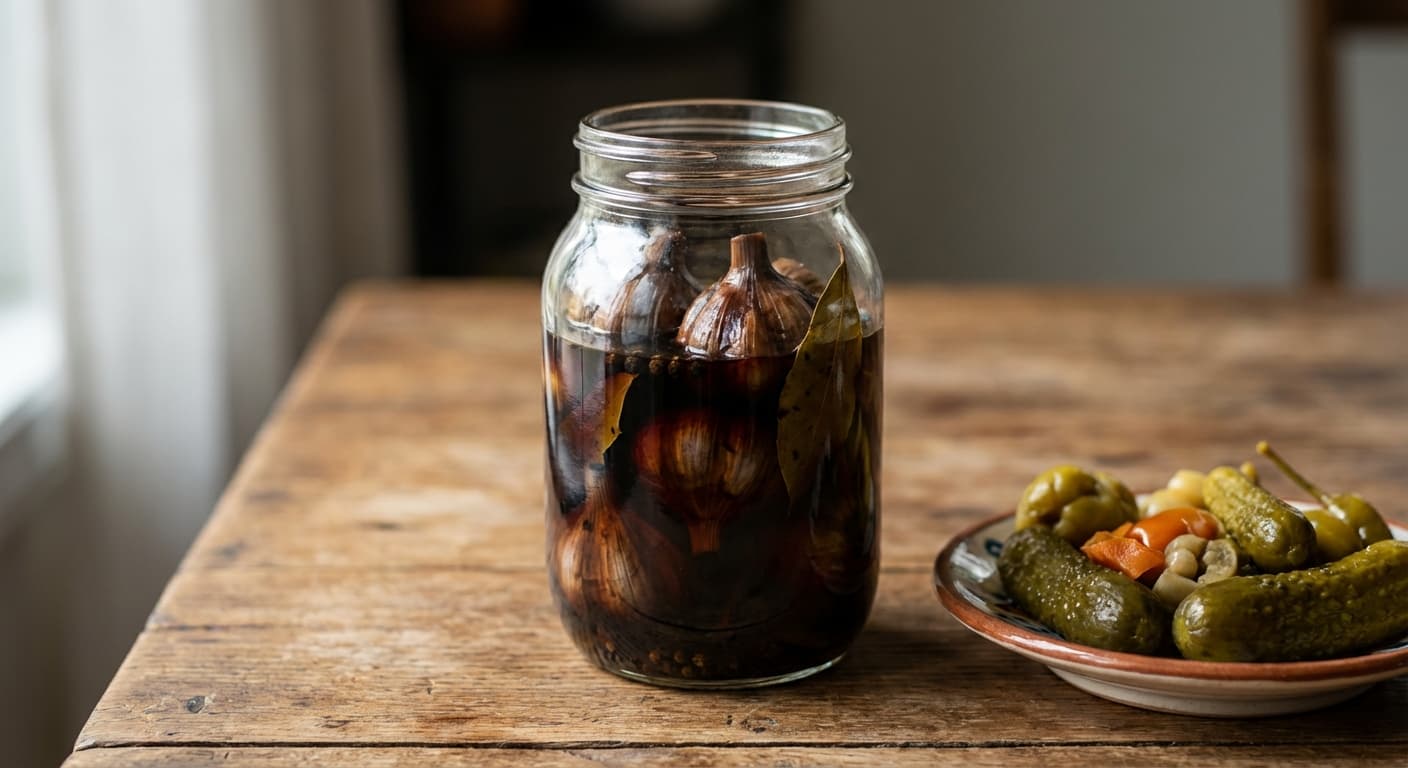
Aged Garlic Pickle (سیر ترشی) — Gilan’s seven-year-style black garlic torshi
Persian · Side Dishes · 45 min
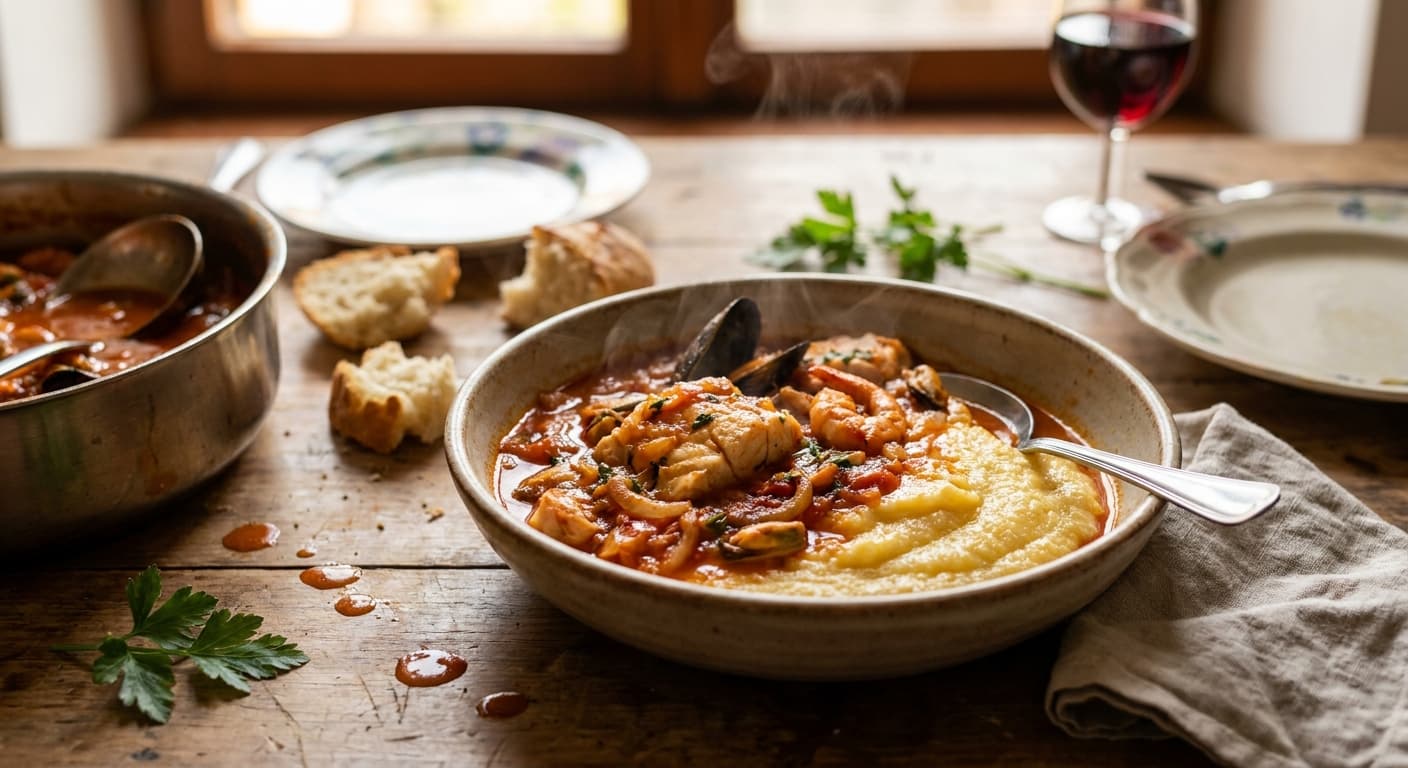
Brodet (Brodet) — Croatian Adriatic Fish Stew with Tomato and White Wine
Croatian · Stews · 70 min
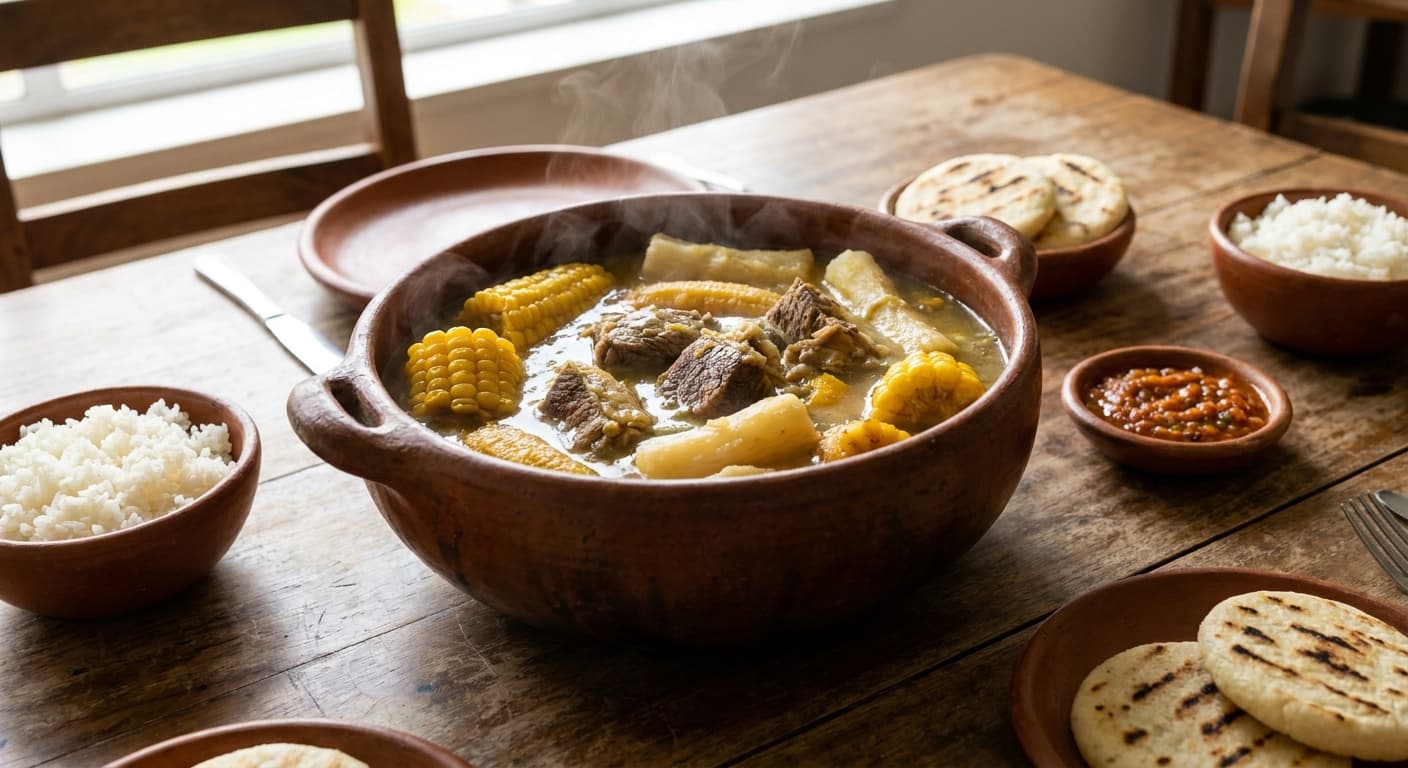
Colombian Sancocho (Sancocho Colombiano) — Hearty Three-Meat Root Vegetable Stew
Colombian · Stews · 170 min
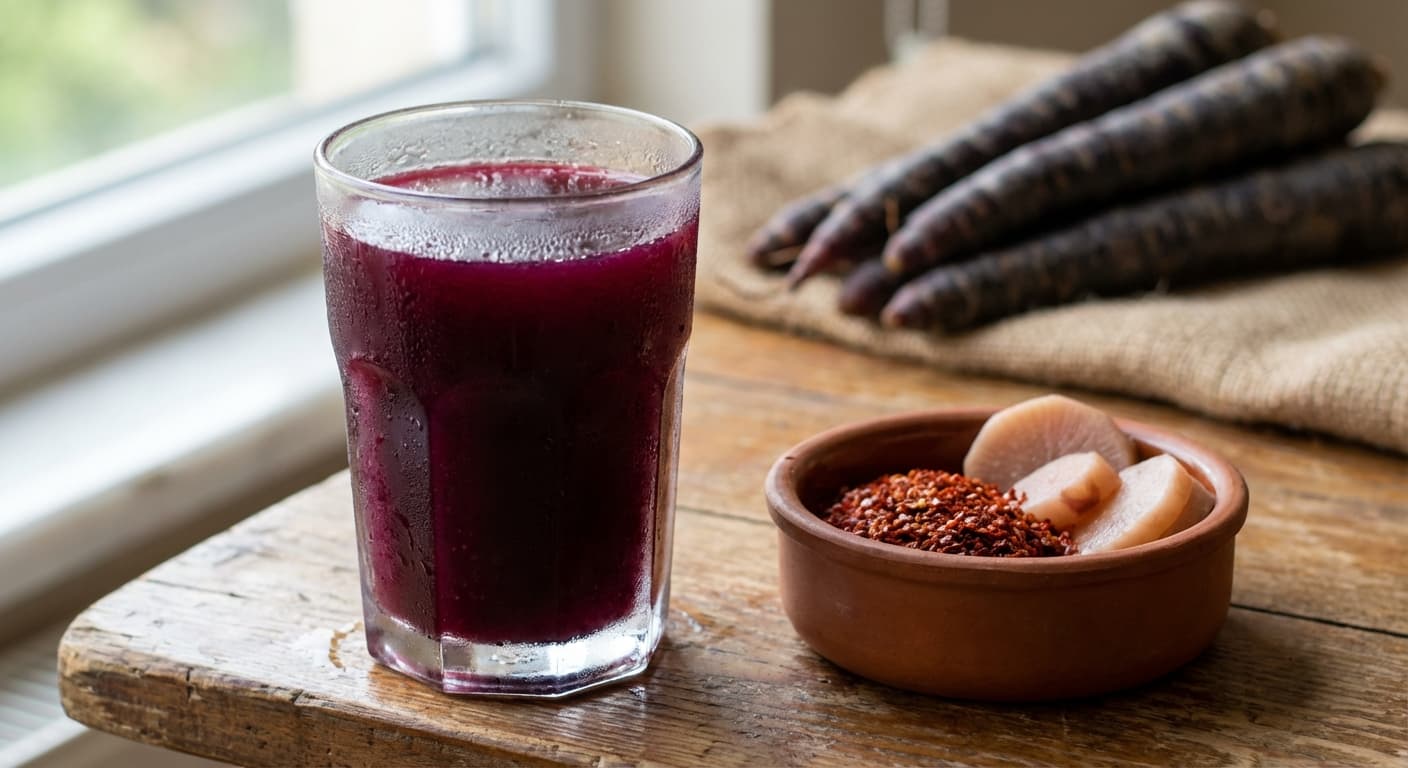
Salgam Juice (Şalgam) — Spicy, tangy fermented black-carrot drink
Turkish · Drinks · 25 min
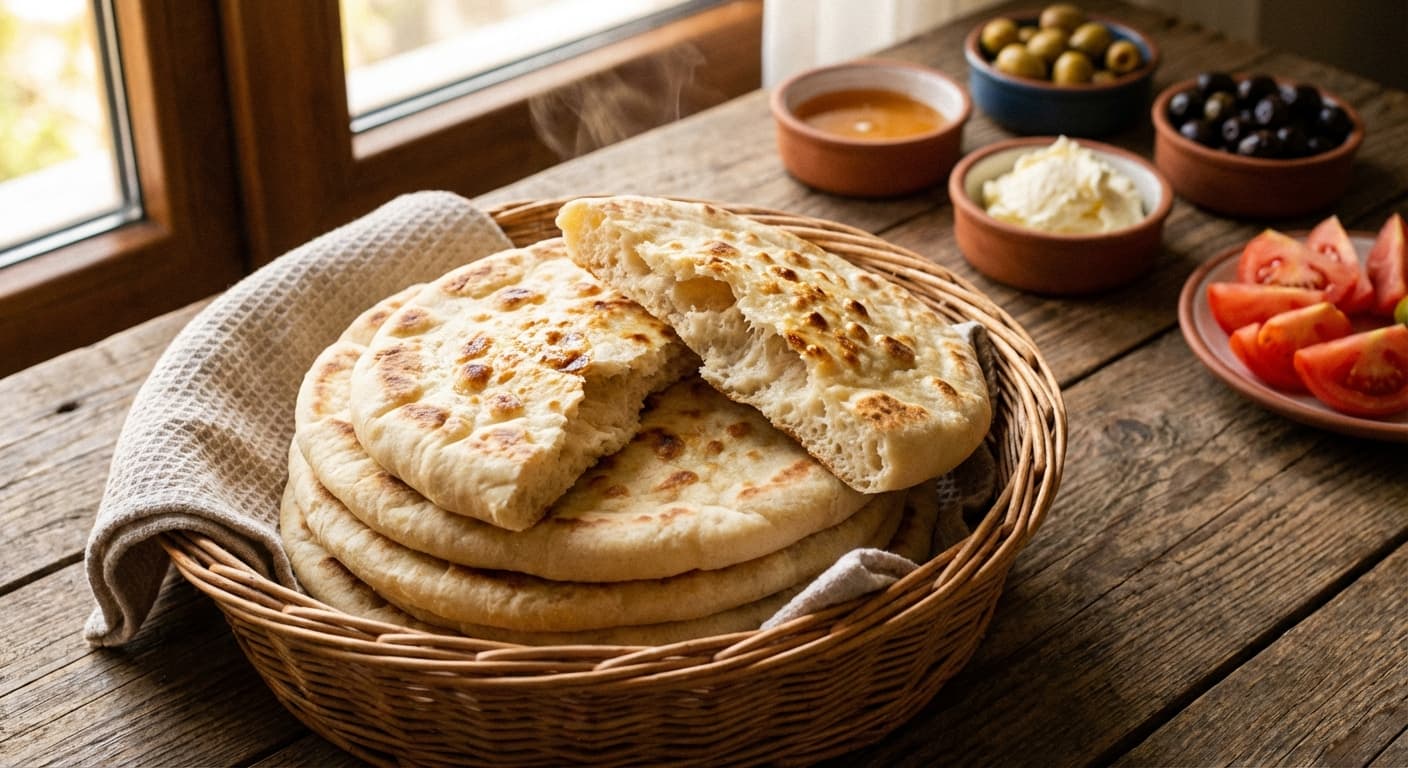
Bazlama (بازلاما) — Puffy Turkish Village Flatbread Cooked on a Saj
Turkish · Breads · 38 min
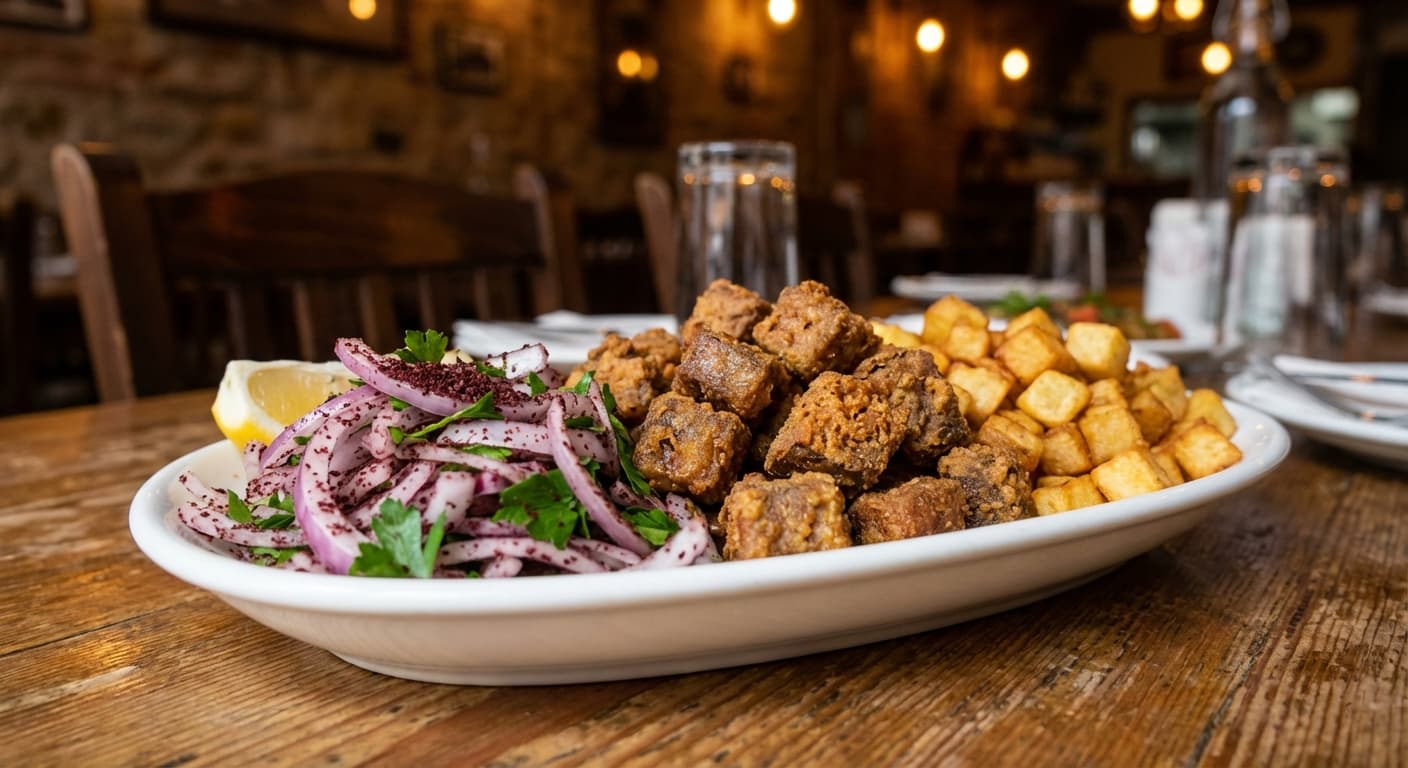
Arnavut Ciğeri (Arnavut Ciğeri) — Turkish Albanian-Style Fried Liver with Onions
Turkish · Kebabs · 37 min
Reviews
Cooked this recipe?
Tap the stars to rate it — that's all it takes. A few words are welcome but optional.
No ratings yet. Cooked this one? Be the first to rate it — it takes one tap.