Brodet (Brodet) — Croatian Adriatic Fish Stew with Tomato and White Wine
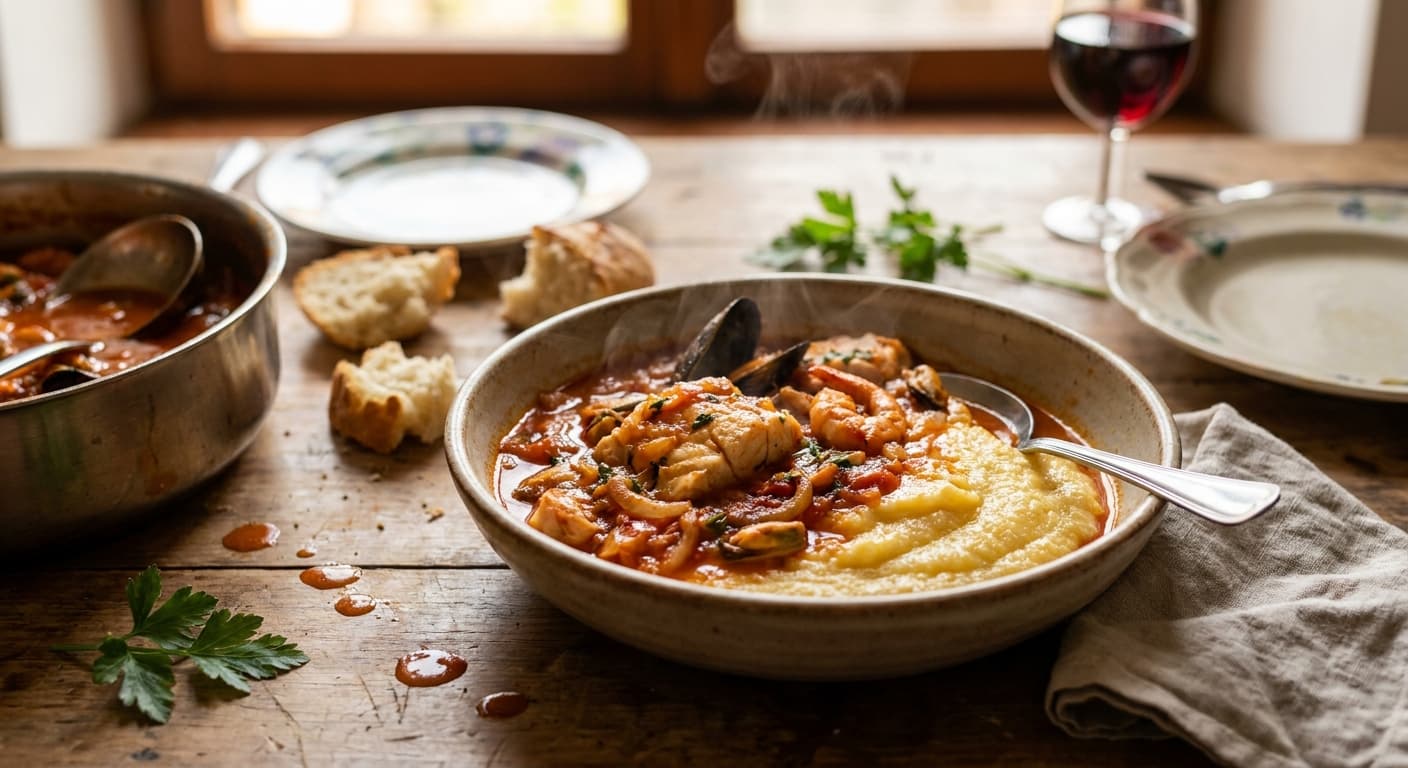
Brodet is a Dalmatian and Istrian Adriatic fish stew, traditionally made with mixed local fish simmered gently in tomato, wine, vinegar, and olive oil. The pot is shaken rather than stirred so the fish stays whole.
Printable Recipe Card
Servings: 4 · Total: 70 min · Difficulty: medium
Ingredients (quick list)
- 900 g firm white fish fillets, such as sea bass, monkfish, scorpionfish, or cod (cut into 6 cm pieces)
- 250 g raw shell-on shrimp (optional but traditional in mixed Adriatic brodet)
- 6 g fine sea salt
- 1 tsp black pepper (freshly ground)
- 60 ml extra-virgin olive oil
- 2 yellow onions (finely sliced)
- 4 clove garlic (thinly sliced)
- 0.5 bunch flat-leaf parsley (leaves chopped, stems reserved)
- 300 ml tomato passata
- 1 tbsp concentrated tomato paste
- 180 ml dry white wine
- 30 ml white wine vinegar
+ 4 more in the full ingredients section below.
Steps (summary)
- Pat the fish pieces and shrimp dry, then season them evenly with 4 g of the salt and 0.5 tsp of the black pepper. Let the seafo…
- Warm the olive oil in a wide, heavy, shallow pot over medium heat. Add the sliced onions and cook for 12 minutes, stirring ofte…
- Add the garlic, chopped parsley stems, tomato paste, bay leaves, and rosemary sprig. Cook for 2 minutes, stirring with a wooden…
- Pour in the white wine and vinegar, scraping the bottom of the pot to dissolve the browned tomato and onion juices. Simmer for…
- Add the tomato passata, fish stock, remaining 2 g salt, and remaining 0.5 tsp black pepper. Bring the sauce to a gentle simmer…
- Nestle the firmest fish pieces into the sauce first, then add the more delicate fish pieces and shrimp on top. Do not stir the…
+ 3 more steps in the full instructions section below.
Cultural Background
Brodet is a coastal Croatian fisherman’s stew associated with Dalmatia, Istria, and island kitchens. Ino Kuvacic describes this Adriatic style as practical, seasonal cooking shaped by the day’s catch and the family table.
Equipment
💡 Tips
- Use at least two kinds of firm fish for a more traditional Adriatic flavor; one lean white fish and one richer fish give the best broth.
- After the fish is added, shake the pot instead of stirring. This is the key brodet technique for keeping the pieces intact.
- Keep the simmer gentle. A hard boil toughens seafood and makes the tomato sauce cloudy.
⚠️ Common Mistakes
❌ Stirring the stew after adding the fish
✅ Fix: Shake the pot gently by the handles instead, which moves the sauce without breaking the seafood.
❌ Using only very delicate fish
✅ Fix: Include firm fish such as monkfish, sea bass, or cod so the pieces stay whole during simmering.
❌ Boiling the sauce hard
✅ Fix: Keep the pot at a gentle simmer; vigorous boiling makes the seafood rubbery and clouds the sauce.
🧊 How to Store
Store cooled brodet in an airtight container in the refrigerator for up to 2 days. Reheat very gently in a covered pan over low heat for 8 to 10 minutes, shaking the pan rather than stirring so the fish does not break apart.
📅 Make Ahead
The onion-tomato sauce can be cooked up to 1 day ahead and refrigerated. Reheat it to a simmer, then add the seafood only shortly before serving for the best texture.
🍽️ Pairs Well With
- Soft polenta
- crusty bread
- blitva with potatoes
- simple green salad
- chilled dry Croatian white wine.
Regional Variations
- Dalmatian brodet often includes several types of rockfish and is commonly served with soft polenta.
- Istrian versions may use more vinegar or wine for a sharper sauce.
- Island home cooks sometimes add cuttlefish, mussels, or small crabs when the catch is available.
Ingredients
- 900 gfirm white fish fillets, such as sea bass, monkfish, scorpionfish, or cod (cut into 6 cm pieces)
- 250 graw shell-on shrimp (optional but traditional in mixed Adriatic brodet)
- 6 gfine sea salt
- 1 tspblack pepper (freshly ground)
- 60 mlextra-virgin olive oil
- 2yellow onions (finely sliced)
- 4 clovegarlic (thinly sliced)
- 0.5 bunchflat-leaf parsley (leaves chopped, stems reserved)
- 300 mltomato passata
- 1 tbspconcentrated tomato paste
- 180 mldry white wine
- 30 mlwhite wine vinegar
- 250 mlfish stock (unsalted or lightly salted)
- 2 leafbay leaves
- 1 sprigfresh rosemary
- 160 gpolenta (cooked separately for serving)
🔄 Substitutions
- mixed Adriatic rockfish→ sea bass, monkfish, cod, or haddock
- fish stock→ light vegetable stock
- dry white wine→ 120 ml fish stock plus 60 ml water
Instructions
- 1
Pat the fish pieces and shrimp dry, then season them evenly with 4 g of the salt and 0.5 tsp of the black pepper. Let the seafood rest at room temperature for 15 minutes while you prepare the onion base, but do not leave it out longer than 30 minutes.
- 2
Warm the olive oil in a wide, heavy, shallow pot over medium heat. Add the sliced onions and cook for 12 minutes, stirring often, until they soften and turn pale gold without browning heavily.
- 3
Add the garlic, chopped parsley stems, tomato paste, bay leaves, and rosemary sprig. Cook for 2 minutes, stirring with a wooden spoon, until the tomato paste darkens slightly and the garlic smells sweet.
- 4
Pour in the white wine and vinegar, scraping the bottom of the pot to dissolve the browned tomato and onion juices. Simmer for 4 minutes so the alcohol cooks off and the vinegar sharpness softens into the brodet base.
- 5
Add the tomato passata, fish stock, remaining 2 g salt, and remaining 0.5 tsp black pepper. Bring the sauce to a gentle simmer and cook uncovered for 10 minutes, until it looks glossy and slightly reduced.
- 6
Nestle the firmest fish pieces into the sauce first, then add the more delicate fish pieces and shrimp on top. Do not stir the brodet after the seafood goes in, because stirring can break the fish into flakes.
- 7
Cover the pot and simmer gently for 10 to 12 minutes, shaking the pot by its handles every few minutes to move the sauce around the fish. The stew is ready when the fish is opaque, the shrimp are pink, and the sauce coats the seafood without looking watery.
- 8
Remove the bay leaves, rosemary sprig, and parsley stems if visible, then scatter the chopped parsley leaves over the top. Rest the brodet off the heat for 5 minutes before serving so the fish firms slightly and the flavors settle.
- 9
Spoon hot cooked polenta into shallow bowls and ladle the brodet over it carefully. Serve immediately with extra sauce from the pot, making sure each portion receives both fish and shrimp.
🪪 Recipe Passport
Cultural Background
Brodet is a coastal Croatian fisherman’s stew associated with Dalmatia, Istria, and island kitchens. Ino Kuvacic describes this Adriatic style as practical, seasonal cooking shaped by the day’s catch and the family table.
Regional Variations
Researched from multiple sources and validated by the Zaffaron editorial team. Every recipe is tested for accuracy, measurements, and cultural authenticity.
📚 Sources & Cultural References
- Ino Kuvacic — Dalmatia: Recipes from Croatia's Mediterranean Coast — (2017)
- Liz Vidic — Croatian Cuisine — (2005)
Sources cited by the Zaffaron editorial team during recipe research. Cultural and culinary references supporting authenticity claims.
Nutrition per serving
Pairs well with
If you enjoyed this recipe, here are a few related Zaffaron recipes to try next.
Does your family make this differently?
Every family has their own version. Maybe your grandmother adds a secret ingredient, or your aunt has a completely different technique. Preserve your family's version — with their name on it, forever.
You Might Also Like
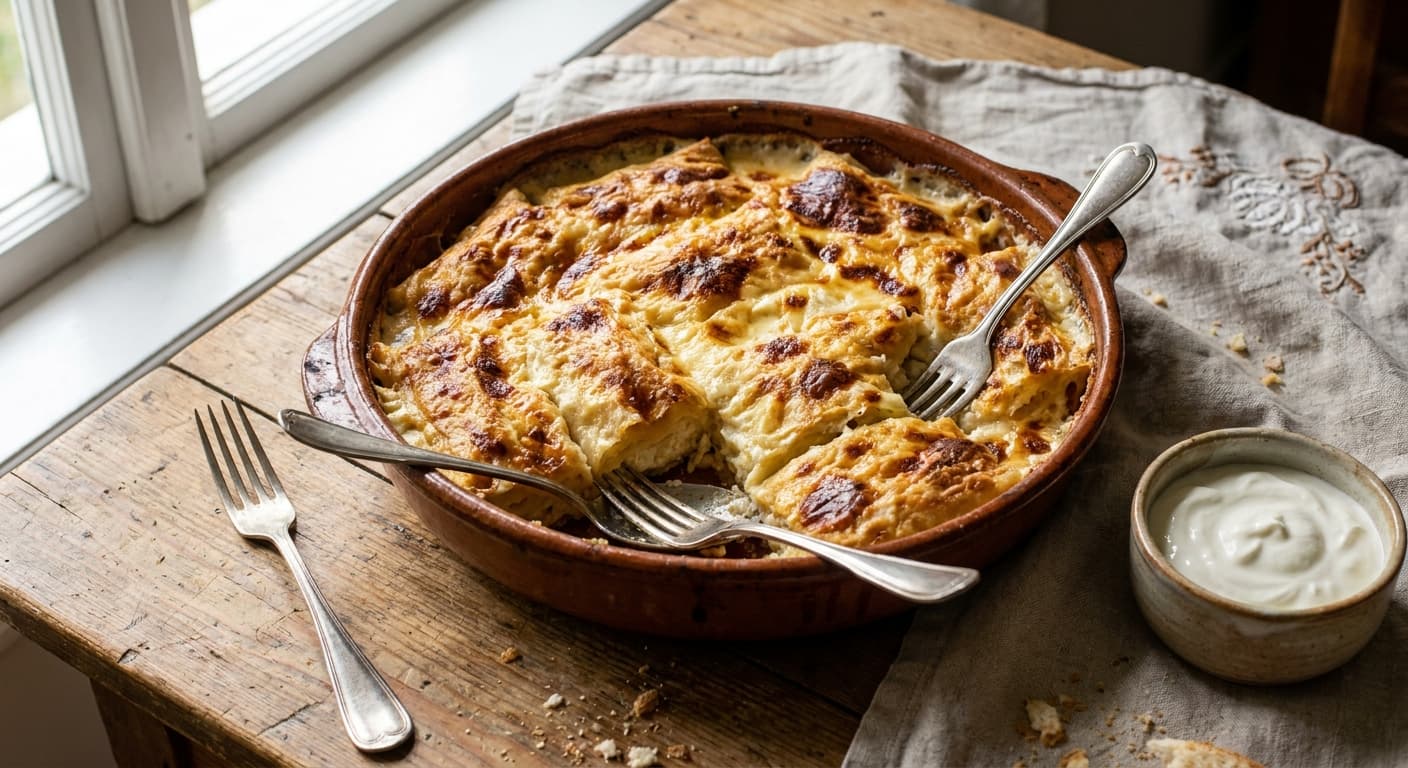
Strukli (Štrukli) — Croatian Cheese-Filled Pastry
Croatian · Main Courses · 95 min
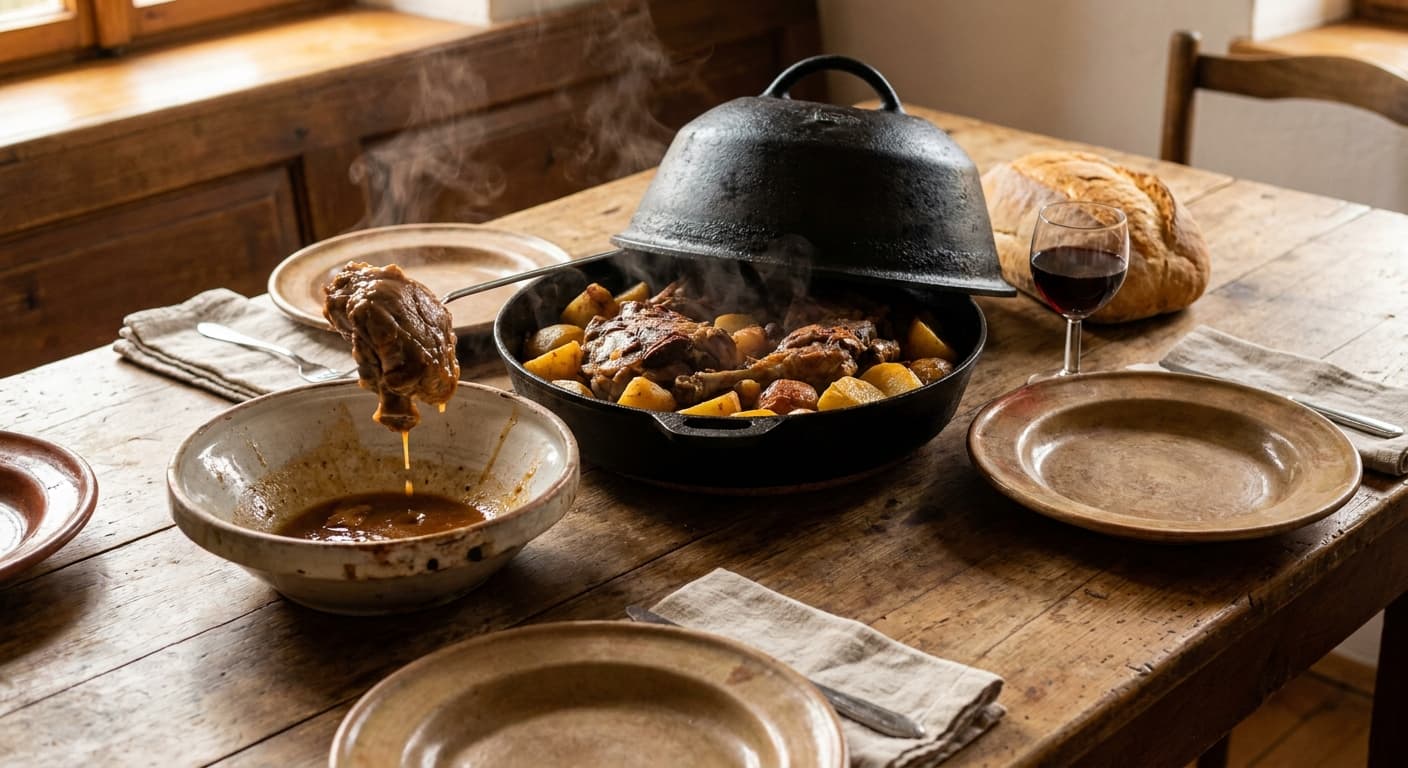
Croatian Peka (Peka) — Dalmatian Ember-Baked Lamb and Potatoes
Croatian · Main Courses · 150 min
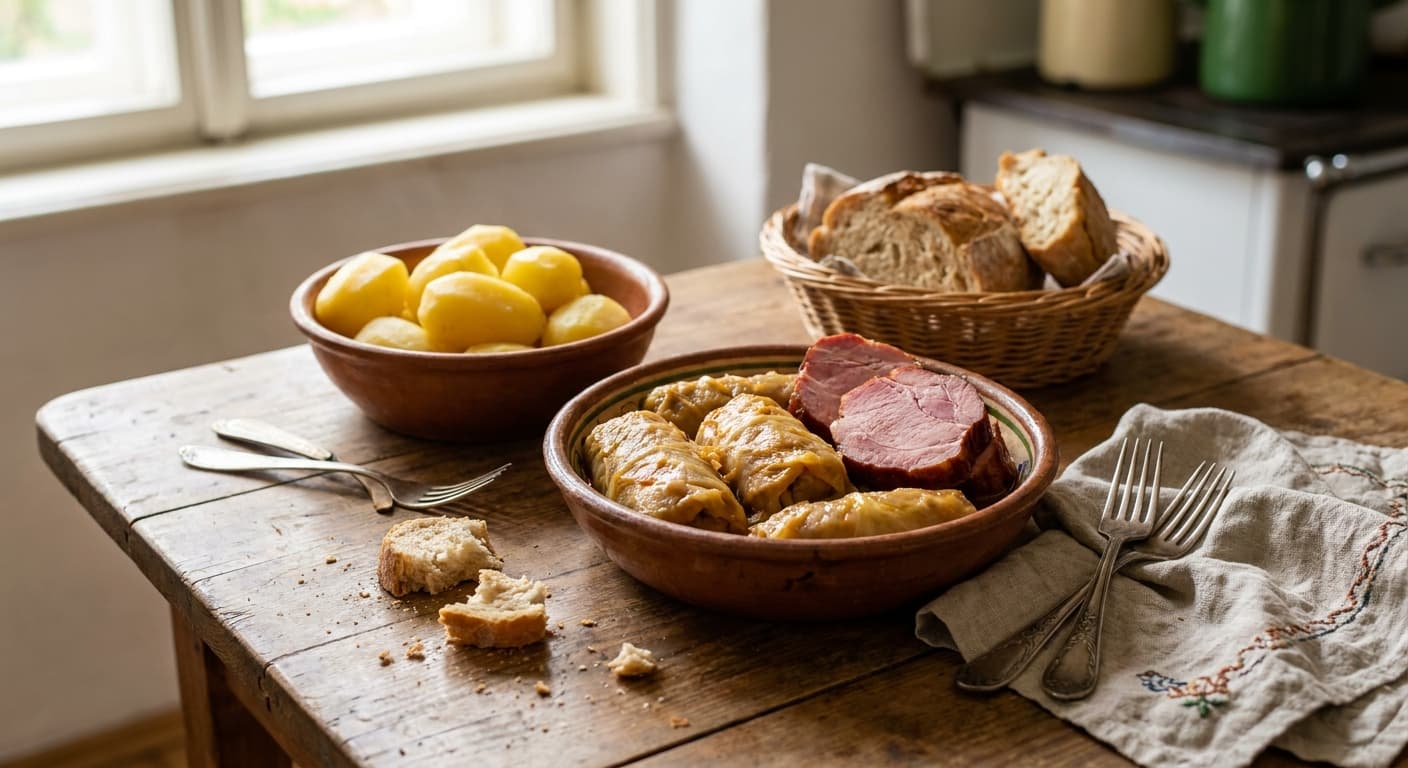
Sinj Stuffed Cabbage Rolls (Sinjski arambaši) — Hand-Chopped Meat in Sour Cabbage
Croatian · Main Courses · 245 min
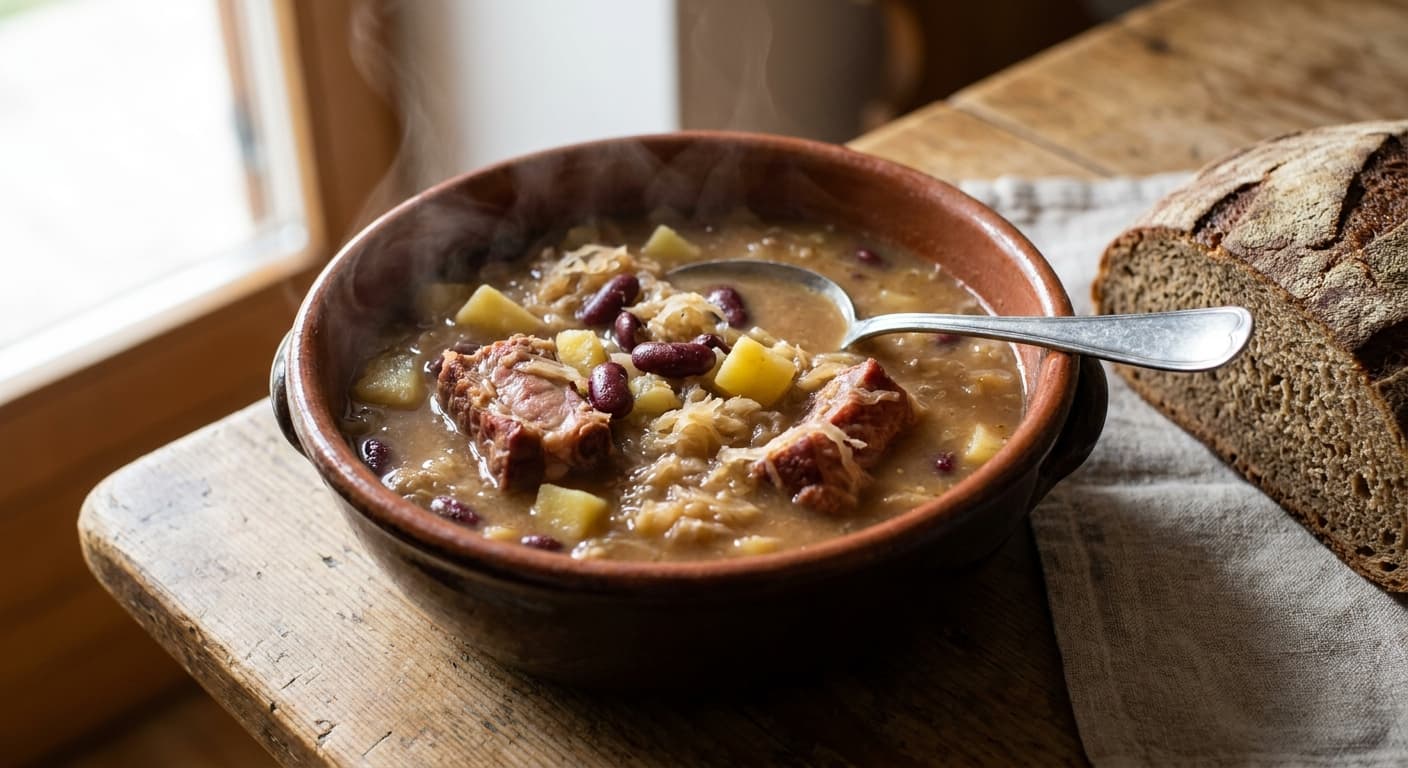
Slovenian Jota (Jota) — Sauerkraut, Bean, and Smoked Pork Stew
Slovenian · Stews · 150 min
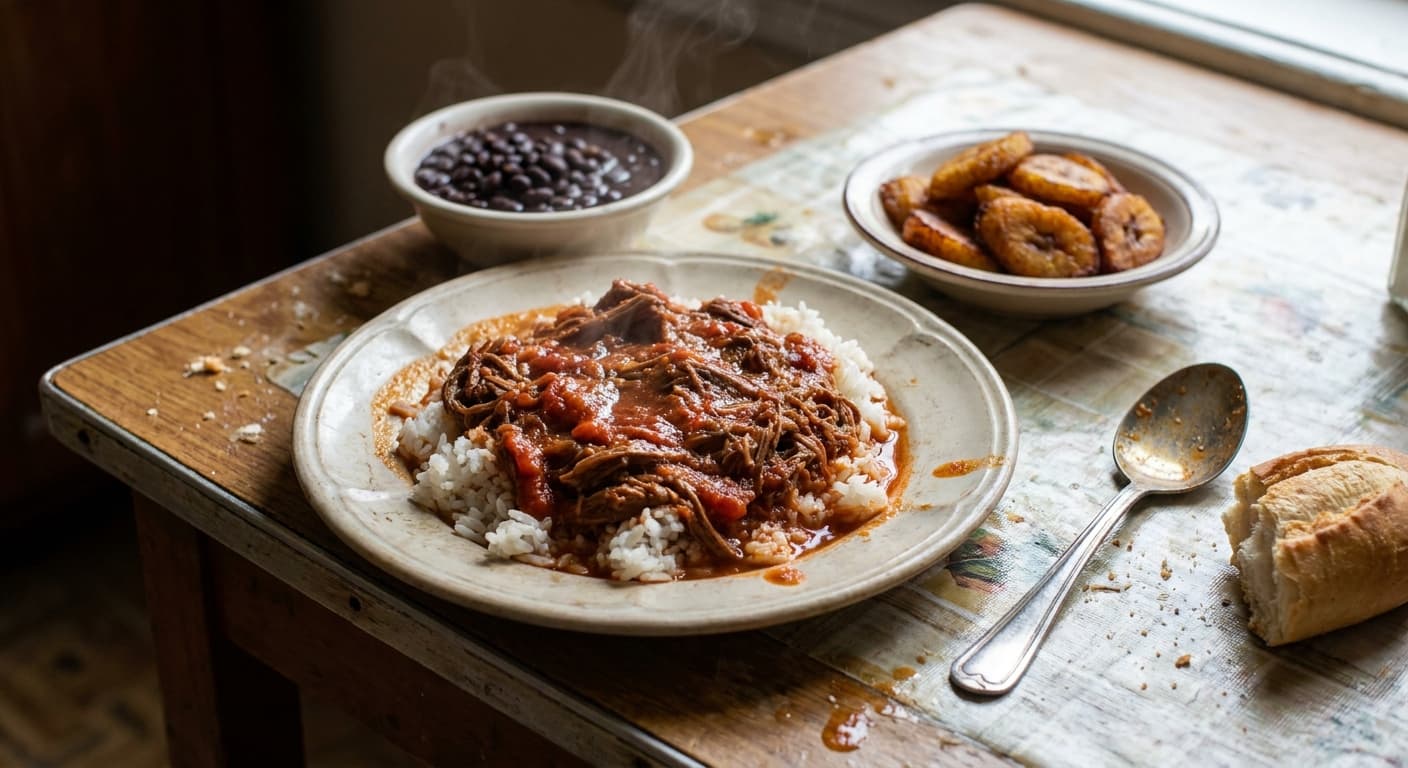
Cuban Ropa Vieja (Ropa Vieja) — Shredded Beef in Tomato-Pepper Sauce
Cuban · Stews · 190 min
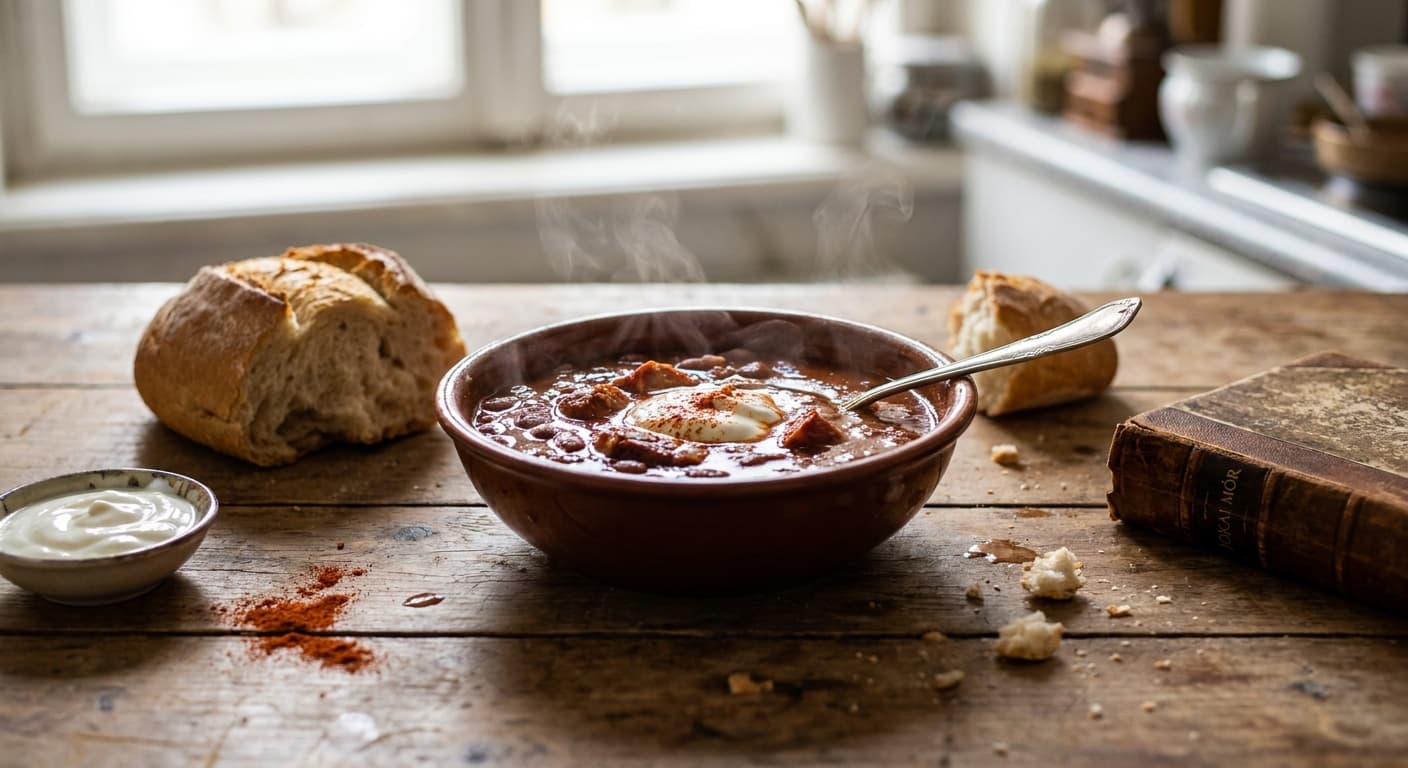
Jókai Bean Soup (Jókai-bableves) — Smoked Pork and Tejföl Bean Soup
Hungarian · Soups · 185 min
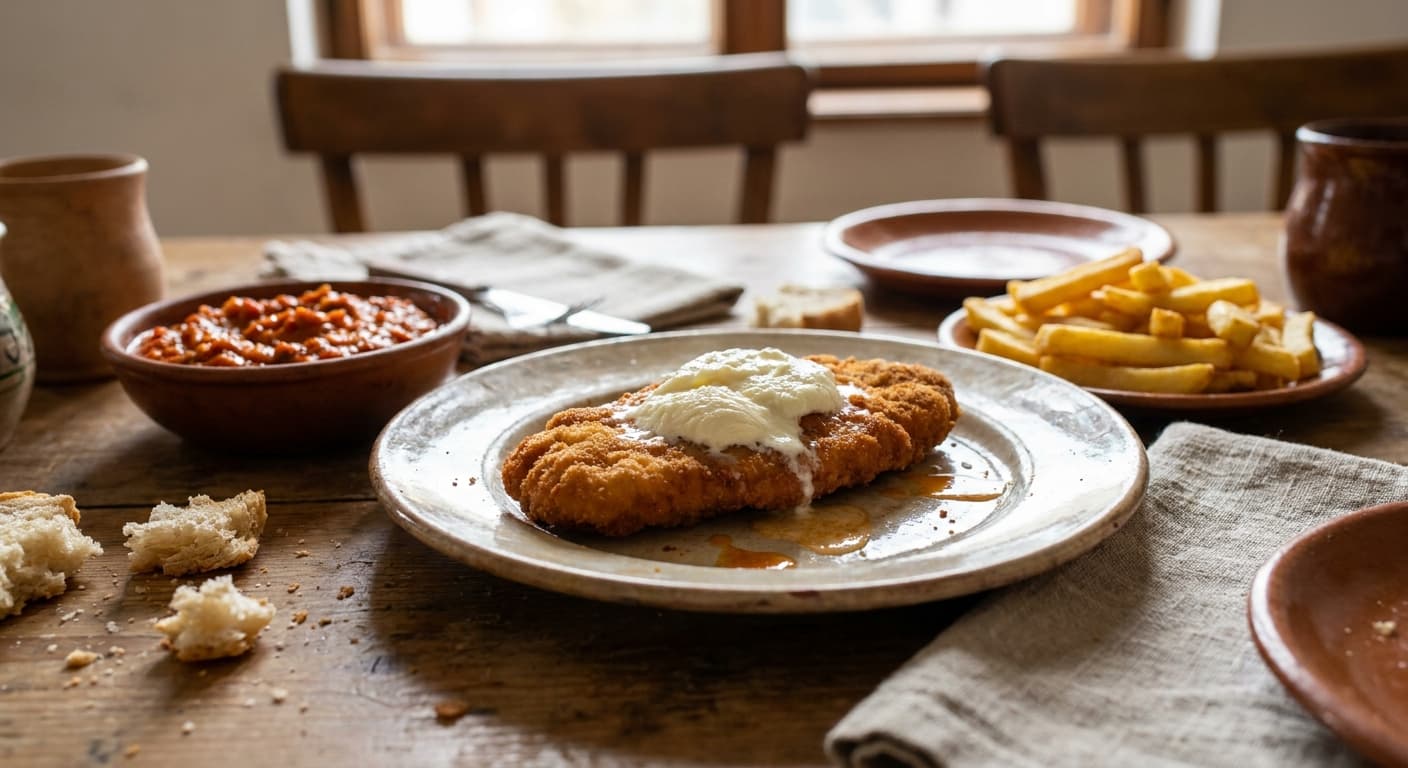
Karadjordje's Schnitzel (Карађорђева шницла) — Serbian Kajmak-Filled Cutlet
Serbian · Main Courses · 48 min
Zagorje Mlinci (Zagorski mlinci) — Thin Baked Flatbread for Roast Juices
Croatian · Side Dishes · 73 min
Reviews
Cooked this recipe?
Tap the stars to rate it — that's all it takes. A few words are welcome but optional.
No ratings yet. Cooked this one? Be the first to rate it — it takes one tap.