Koofteh Rusi (کوفته روسی) — Persian Russian-Style Herb & Potato Kofta
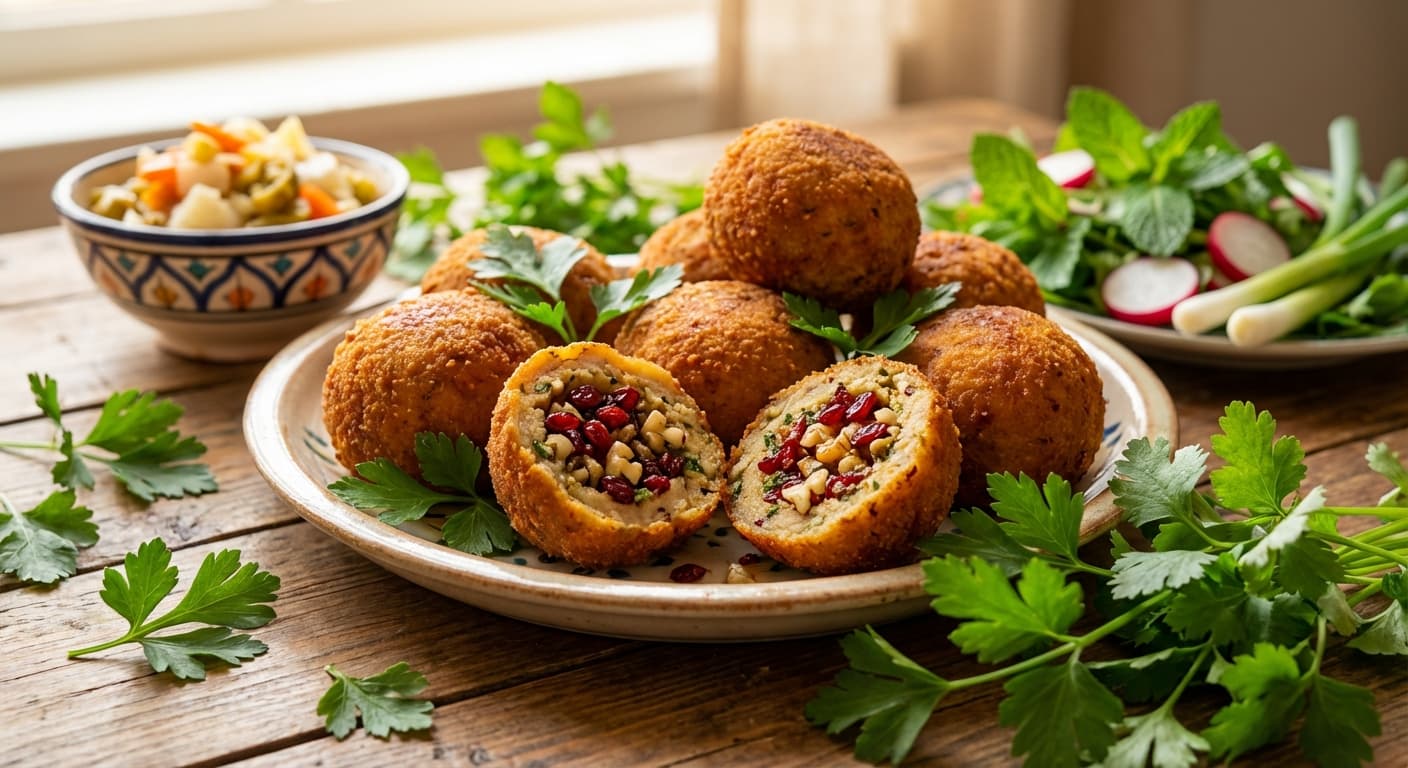
Golden Persian-style croquettes inspired by Russian kotleti: a tender beef-and-potato kofta mixture with herbs and fried onions, stuffed with tart barberries and walnuts, then breaded and pan-fried until crisp and aromatic.
Printable Recipe Card
Servings: 6 · Total: 85 min · Difficulty: medium
Ingredients (quick list)
- 600 g Yukon Gold potatoes, peeled and quartered (about 3 medium; for the kofta mixture)
- 450 g Ground beef (85–90% lean) or ground lamb (chilled)
- 200 g Yellow onion, finely diced (about 1 large)
- 30 ml Neutral oil (sunflower/canola) (for frying onions)
- 30 g Fresh parsley leaves, finely chopped (about 1 packed cup)
- 20 g Fresh cilantro leaves, finely chopped (about 3/4 packed cup)
- 1 large Egg (for binding the kofta mixture)
- 20 g Tomato paste (about 1 tablespoon; for color and savoriness)
- 10 g Fine sea salt (about 1 3/4 teaspoons)
- 2 g Black pepper, ground (about 1 teaspoon)
- 2 g Ground turmeric (about 1 teaspoon)
- 50 g Dried barberries (rinsed, drained well)
+ 5 more in the full ingredients section below.
Steps (summary)
- Cook the potatoes: place potatoes in a pot, cover with cold water by 3 cm, and add 5 g of the measured salt (reserve the rest).…
- Make piaz dagh (fried onions): heat 30 ml oil in a skillet over medium heat (about 175°C surface temperature). Add diced onion…
- Prepare the filling: in a small pan over medium-low heat, warm 10 ml oil. Add barberries and sugar and stir 60–90 seconds just…
- Mix the kofta base: in a large bowl combine ground meat, mashed potatoes, fried onions, parsley, cilantro, 1 egg, tomato paste,…
- Chill and portion: cover the bowl and refrigerate 15 minutes to firm the mixture for shaping. Divide into 12 equal portions (ab…
- Stuff and shape: flatten one portion into a 10–11 cm disk in your palm. Place 1 heaped teaspoon (about 10 g) barberry-walnut fi…
+ 2 more steps in the full instructions section below.
Cultural Background
Koofteh Rusi is a home-style Persian croquette associated with 20th-century urban cooking, reflecting contact with Eastern European and Russian-style cutlets adapted to local tastes. Persian techniques like fried onions, herb-forward seasoning, and barberry-walnut fillings give it a distinctly Iranian flavor profile while keeping the familiar croquette form.
Equipment
💡 Tips
- For the best texture, mash potatoes while hot but mix the meat only after potatoes cool slightly; very hot potatoes can tighten proteins and make the kofta firm.
- If the mixture feels loose, chill 20 more minutes rather than adding extra flour, which can make the interior bready.
- Toast walnuts in a dry pan 4–5 minutes over medium heat, then cool before chopping for a cleaner crunch and deeper aroma.
- Use fine breadcrumbs for a thin, shattering crust; coarse crumbs create a thicker coating that can separate during frying.
- Keep oil at about 170–180°C; cooler oil makes greasy kofta, hotter oil browns before the center is cooked.
⚠️ Common Mistakes
❌ Not steam-drying the potatoes after boiling
💡 Why: Excess moisture makes the mixture soft, causing cracking and oil absorption during frying.
✅ Fix: After draining, return potatoes to the hot pot for 2 minutes, then mash; chill the mixture 15–20 minutes before shaping.
❌ Under-kneading the meat and potato mixture
💡 Why: Insufficient mixing prevents protein binding, so the kofta can crumble and the filling may leak.
✅ Fix: Knead 3–4 minutes until cohesive and slightly tacky; if still crumbly, chill and knead 1 minute more.
❌ Oil temperature too low or too high
💡 Why: Low heat leads to greasy croquettes; high heat browns the coating before the center is cooked.
✅ Fix: Aim for 170–180°C; fry in batches and allow oil to recover temperature between batches.
❌ Skipping the 10-minute rest after breading
💡 Why: The coating does not set and can slide off in the oil.
✅ Fix: Rest breaded kofta 10 minutes at room temperature or 20 minutes refrigerated before frying.
🧊 How to Store
Refrigerate cooked kofta in an airtight container up to 3 days. Re-crisp on a rack in a 200°C oven for 10–12 minutes, flipping once. Freeze breaded, uncooked kofta on a tray, then bag up to 2 months; fry from frozen at 165–170°C, adding 3–4 minutes total time.
📅 Make Ahead
Prepare and shape the stuffed kofta up to 24 hours ahead; keep covered in the refrigerator. Bread up to 6 hours ahead and refrigerate uncovered on a rack so the coating stays dry. Fry just before serving, or re-crisp fried kofta in a 200°C oven for 10–12 minutes.
🍽️ Pairs Well With
- Herb salad (fresh herbs
- radish
- cucumber) and lemon wedges
- Pickled vegetables
- Steamed basmati rice or saffron rice
- Yogurt with cucumber and dried mint (optional)
Regional Variations
- Tehran-style home cookingOften made with a higher potato ratio for a softer interior, and served with pickles and simple tomato salad; some cooks add a little more tomato paste for deeper color.
- Caspian-influenced householdsHerb content is increased and may include a small amount of chopped dill; the filling sometimes adds a few sautéed barberries for extra tartness and a brighter contrast.
Ingredients
- 600 gYukon Gold potatoes, peeled and quartered (about 3 medium; for the kofta mixture)
- 450 gGround beef (85–90% lean) or ground lamb (chilled)
- 200 gYellow onion, finely diced (about 1 large)
- 30 mlNeutral oil (sunflower/canola) (for frying onions)
- 30 gFresh parsley leaves, finely chopped (about 1 packed cup)
- 20 gFresh cilantro leaves, finely chopped (about 3/4 packed cup)
- 1 largeEgg (for binding the kofta mixture)
- 20 gTomato paste (about 1 tablespoon; for color and savoriness)
- 10 gFine sea salt (about 1 3/4 teaspoons)
- 2 gBlack pepper, ground (about 1 teaspoon)
- 2 gGround turmeric (about 1 teaspoon)
- 50 gDried barberries (rinsed, drained well)
- 60 gWalnuts, finely chopped (toasted for deeper flavor (optional))
- 4 gSugar (about 1 teaspoon; balances barberry tartness)
- 2 largeEggs (beaten with 15 ml water for dredging)
- 120 gBreadcrumbs (fine, plain; add more if needed)
- 60 gAll-purpose flour (for first dredge)
🔄 Substitutions
- Dried barberries→ Dried cranberries, finely chopped
- Ground beef or lamb→ Ground turkey (dark meat) or chicken thigh mince
- Breadcrumbs→ Gluten-free breadcrumbs or crushed cornflakes
Instructions
- 1
Cook the potatoes: place potatoes in a pot, cover with cold water by 3 cm, and add 5 g of the measured salt (reserve the rest). Bring to a boil, then simmer 15–18 minutes until a knife slides in easily. Drain well, return to the hot pot 2 minutes to steam-dry, then mash until smooth and cool 10 minutes.
- 2
Make piaz dagh (fried onions): heat 30 ml oil in a skillet over medium heat (about 175°C surface temperature). Add diced onion and cook 10–12 minutes, stirring often, until deep golden and sweet, not burnt. Transfer to a plate to cool 5 minutes. This onion oil and caramelization are key to the kofta’s aroma.
- 3
Prepare the filling: in a small pan over medium-low heat, warm 10 ml oil. Add barberries and sugar and stir 60–90 seconds just until glossy and fragrant; do not brown. Off heat, mix in chopped walnuts. Spread on a plate to cool completely so the filling stays distinct and does not soften the kofta mixture.
- 4
Mix the kofta base: in a large bowl combine ground meat, mashed potatoes, fried onions, parsley, cilantro, 1 egg, tomato paste, remaining 5 g salt, black pepper, and turmeric. Knead vigorously by hand 3–4 minutes until the mixture becomes cohesive and slightly tacky; this develops a springy texture that holds its shape.
- 5
Chill and portion: cover the bowl and refrigerate 15 minutes to firm the mixture for shaping. Divide into 12 equal portions (about 95–100 g each). Keep a small bowl of cool water nearby to wet your hands lightly; this prevents sticking without adding extra flour that can make the kofta dense.
- 6
Stuff and shape: flatten one portion into a 10–11 cm disk in your palm. Place 1 heaped teaspoon (about 10 g) barberry-walnut filling in the center, then fold edges up and seal completely. Roll into an oval croquette about 8 cm long. Repeat, ensuring no gaps or cracks where filling could leak during frying.
- 7
Bread the kofta: set up three bowls—flour, beaten eggs with 15 ml water, and breadcrumbs. Coat each croquette in flour (tap off excess), dip in egg, then press into breadcrumbs to fully cover. Place on a tray and rest 10 minutes at room temperature; this helps the coating adhere and fry evenly.
- 8
Shallow-fry: heat 120 ml oil in a wide skillet over medium heat until 175°C. Fry in 2 batches, 4–5 minutes per side (8–10 minutes total), turning gently with tongs, until deeply golden and the center reaches 70°C. Drain on a rack 3 minutes (not paper only) to keep the crust crisp.
🪪 Recipe Passport
Cultural Background
Koofteh Rusi is a home-style Persian croquette associated with 20th-century urban cooking, reflecting contact with Eastern European and Russian-style cutlets adapted to local tastes. Persian techniques like fried onions, herb-forward seasoning, and barberry-walnut fillings give it a distinctly Iranian flavor profile while keeping the familiar croquette form.
Regional Variations
Researched from multiple sources and validated by the Zaffaron editorial team. Every recipe is tested for accuracy, measurements, and cultural authenticity.
Nutrition per serving
Pairs well with
If you enjoyed this recipe, here are a few related Zaffaron recipes to try next.
- Kotlet-e Meygoo (کتلت میگو) — Persian Shrimp Cutlets
- Kufteh Kaseh-i (کوفته کاسهای) — Persian Meatball Bowls with Creamy Potato Filling
- Kookoo-ye Esfenaj va Sabzijat-e Mo'atar (کوکو اسفناج و سبزیجات معطر) — Persian Spinach and Aromatic Herb Kuku
- Kookoo Sibzamini (کوکو سیب زمینی) — Persian Potato & Vegetable Frittata
Does your family make this differently?
Every family has their own version. Maybe your grandmother adds a secret ingredient, or your aunt has a completely different technique. Preserve your family's version — with their name on it, forever.
You Might Also Like
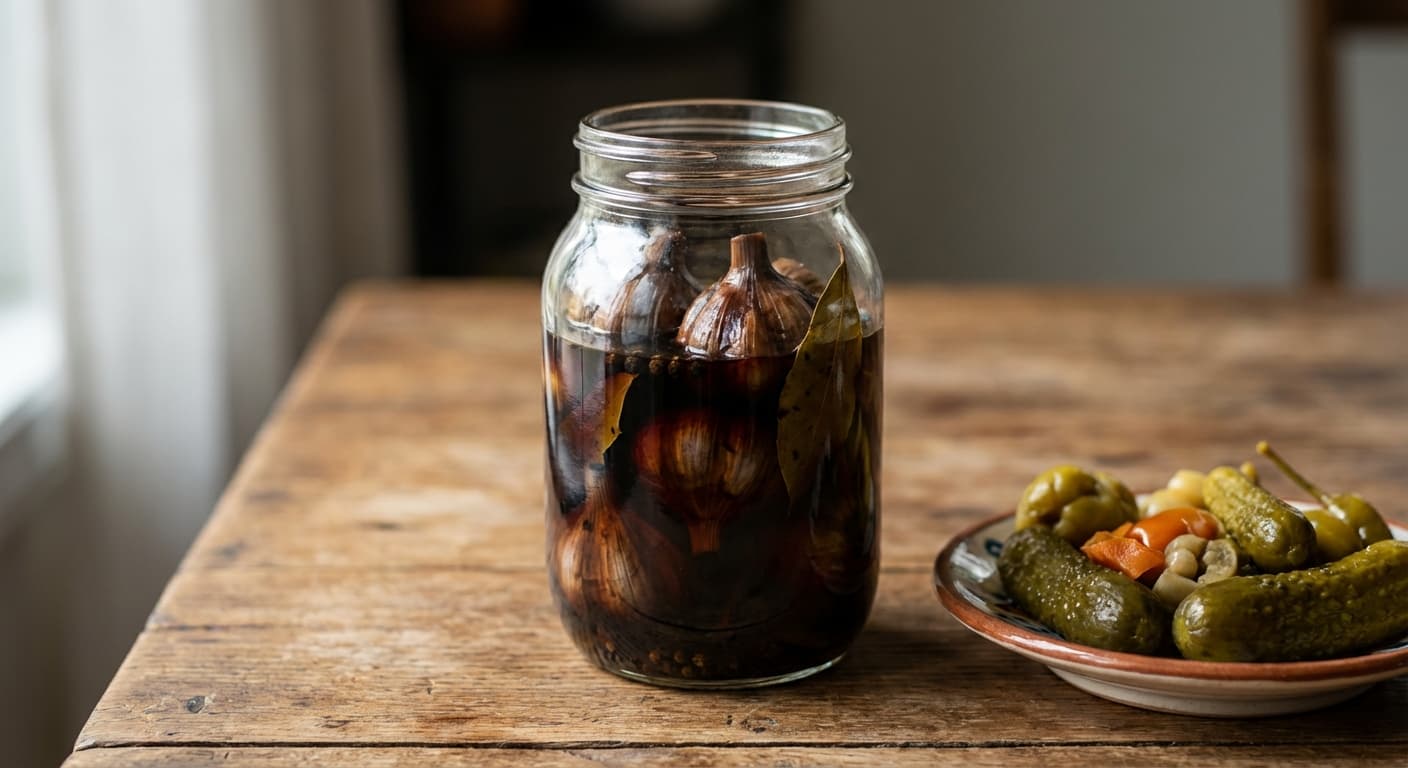
Aged Garlic Pickle (سیر ترشی) — Gilan’s seven-year-style black garlic torshi
Persian · Side Dishes · 45 min
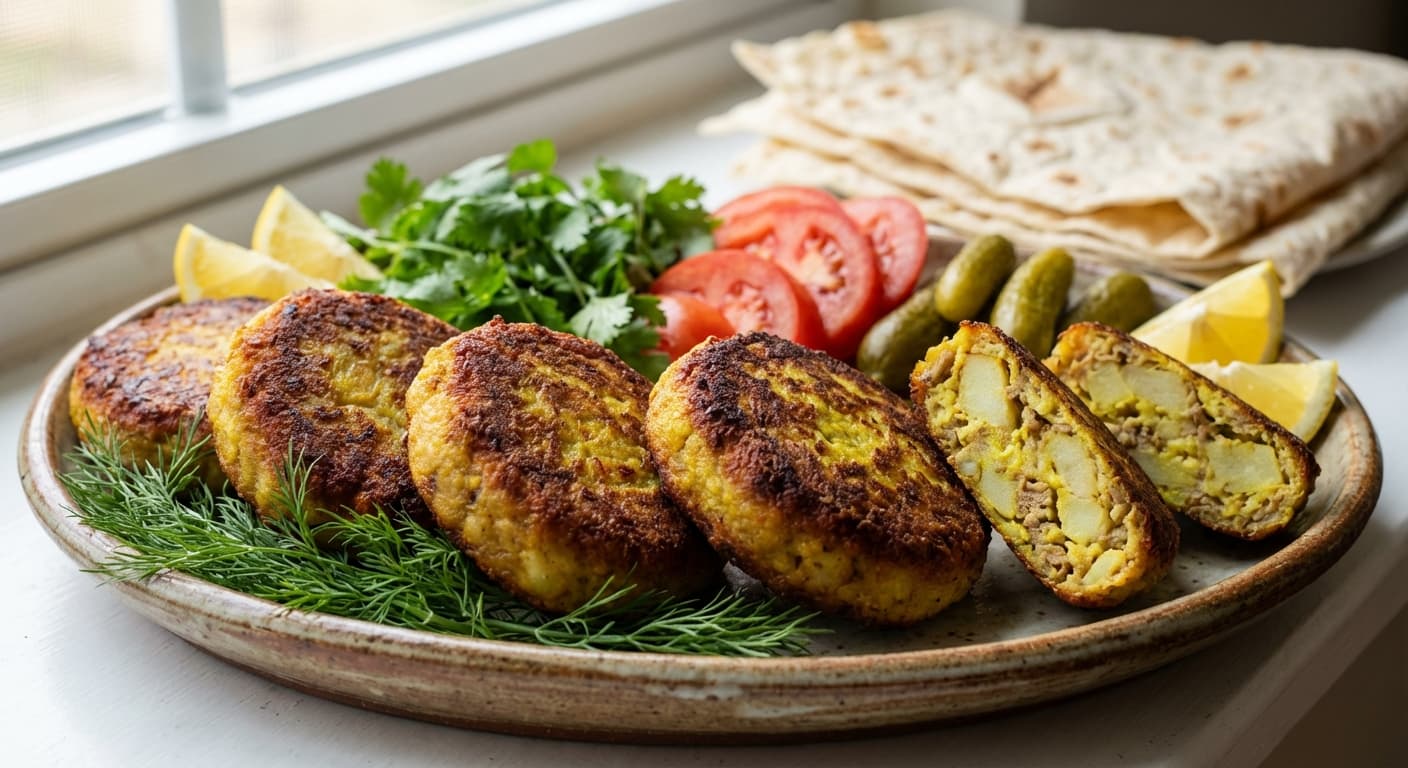
Persian Kotlet (کتلت) — Saffron-Infused Meat & Potato Patties
Persian · Main Courses · 55 min
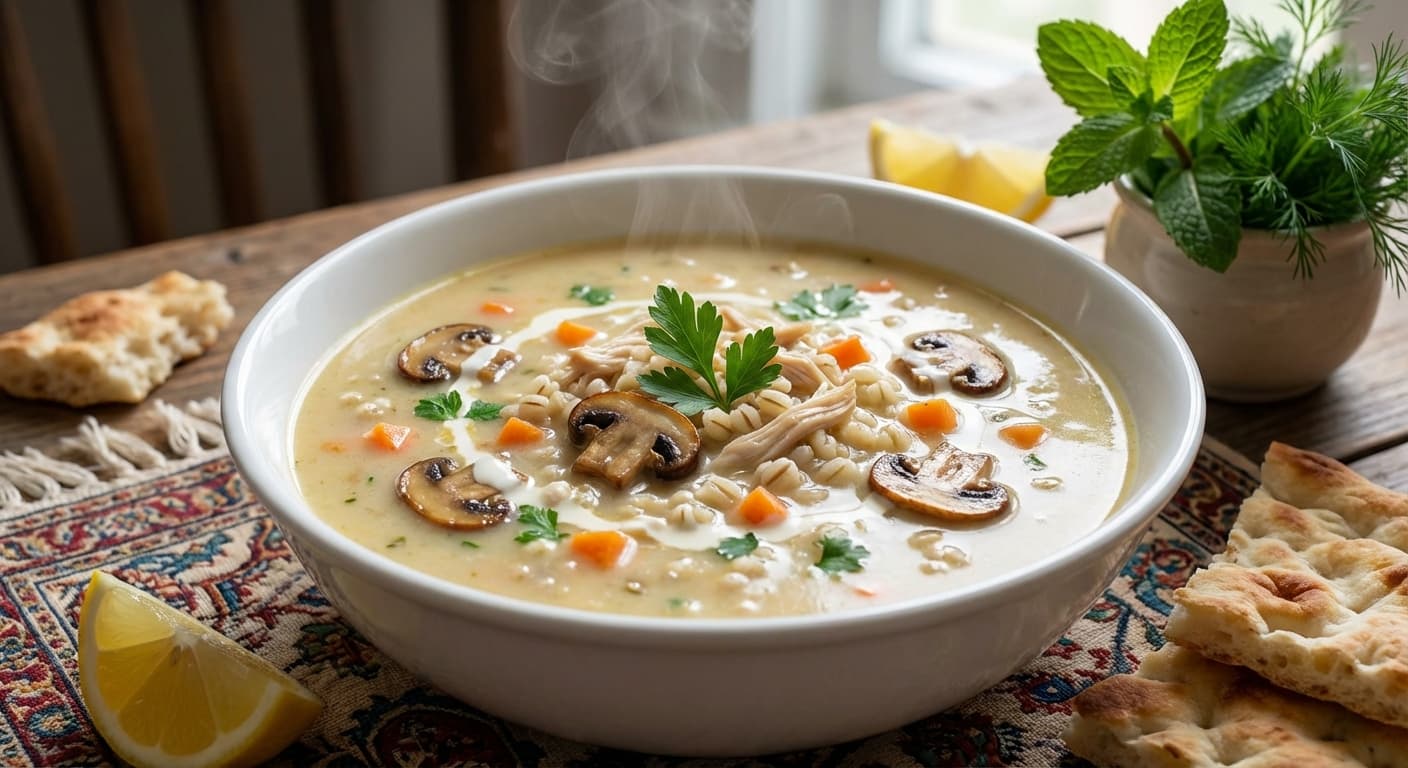
Soup-e Jo (سوپ جو) — Persian Creamy Barley Soup
Persian · Soups · 90 min
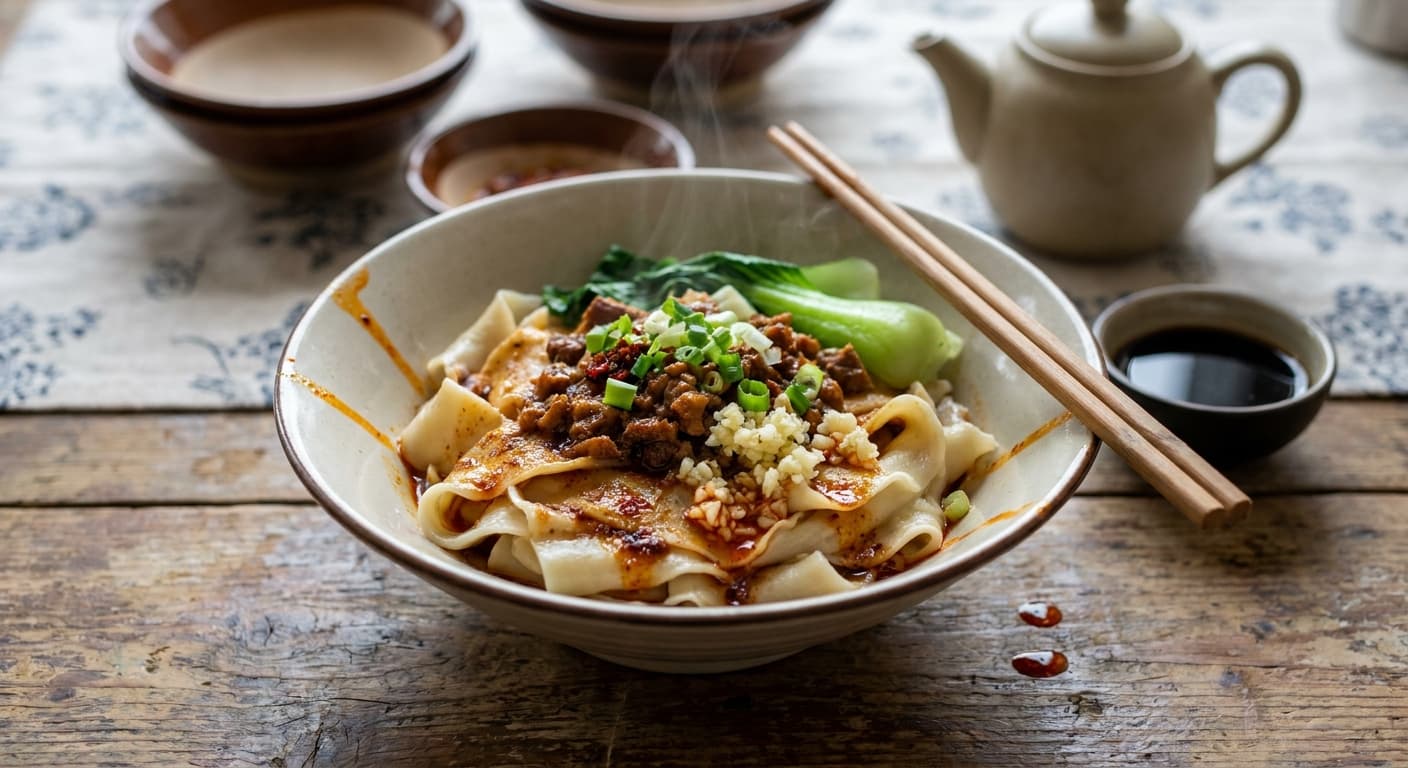
Biangbiang Noodles (油泼扯面) — Xi'an Hand-Pulled Belt Noodles
Chinese · Main Courses · 65 min
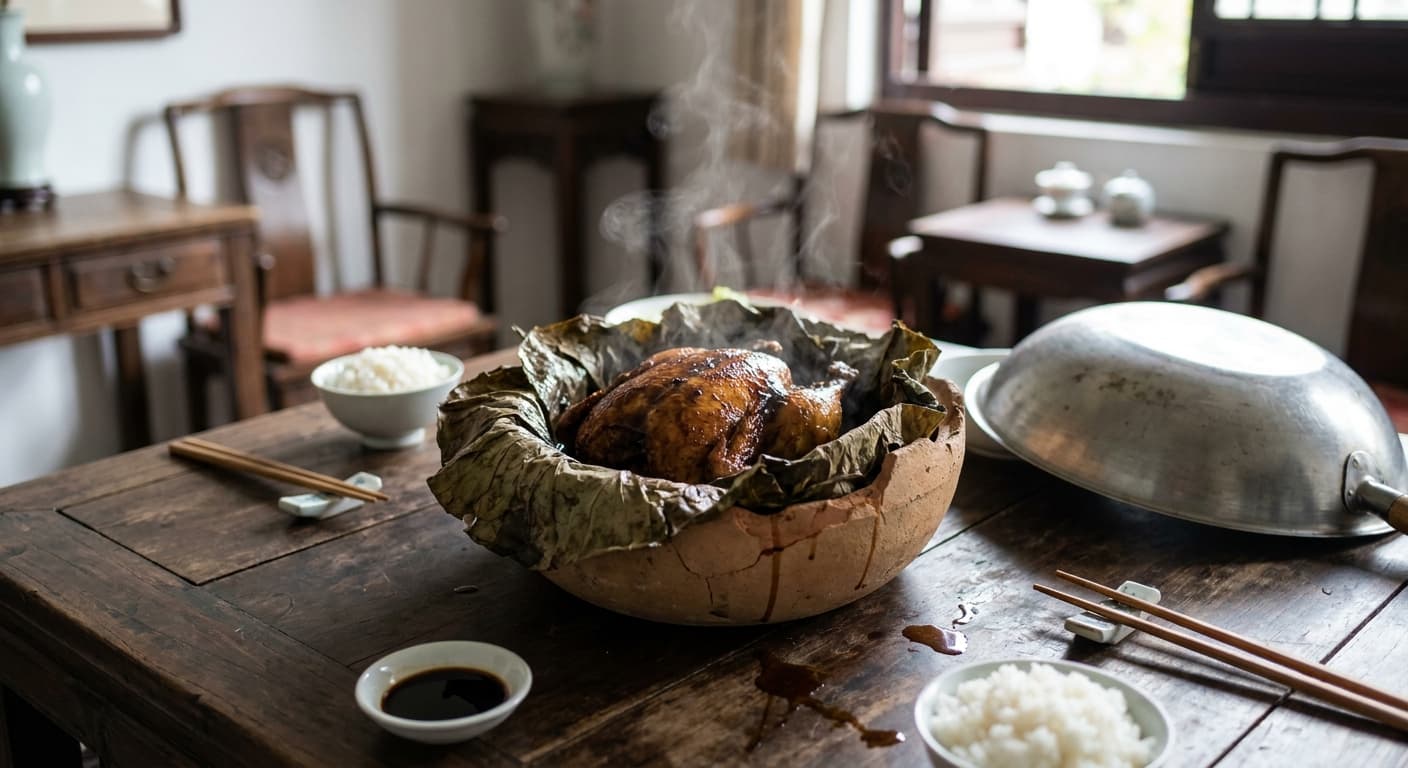
Beggar's Chicken (叫化鸡) — Lotus-Wrapped Clay-Baked Jiangnan Chicken
Chinese · Main Courses · 240 min
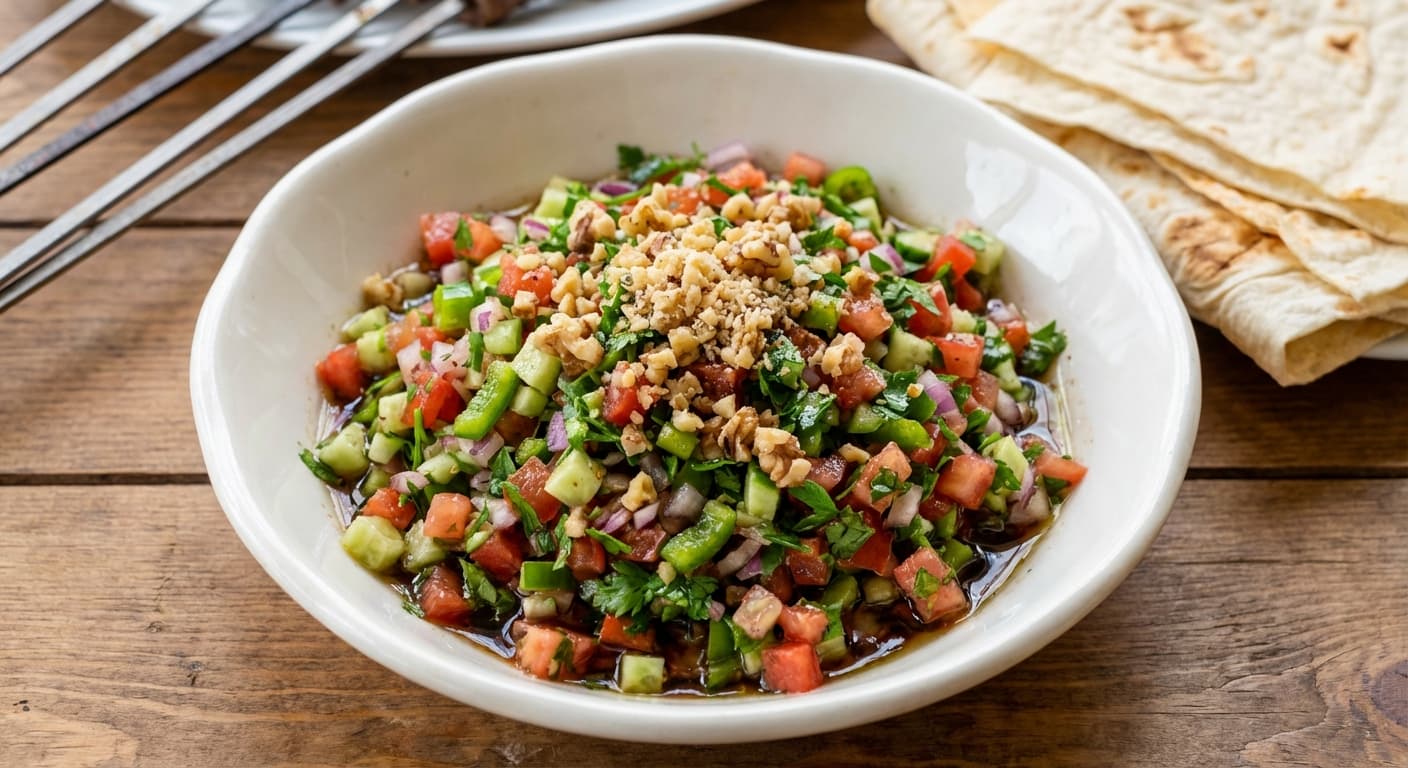
Gavurdağı Salad (Gavurdağı Salatası) — Finely Chopped Walnut & Pomegranate Salad
Turkish · Salads · 20 min
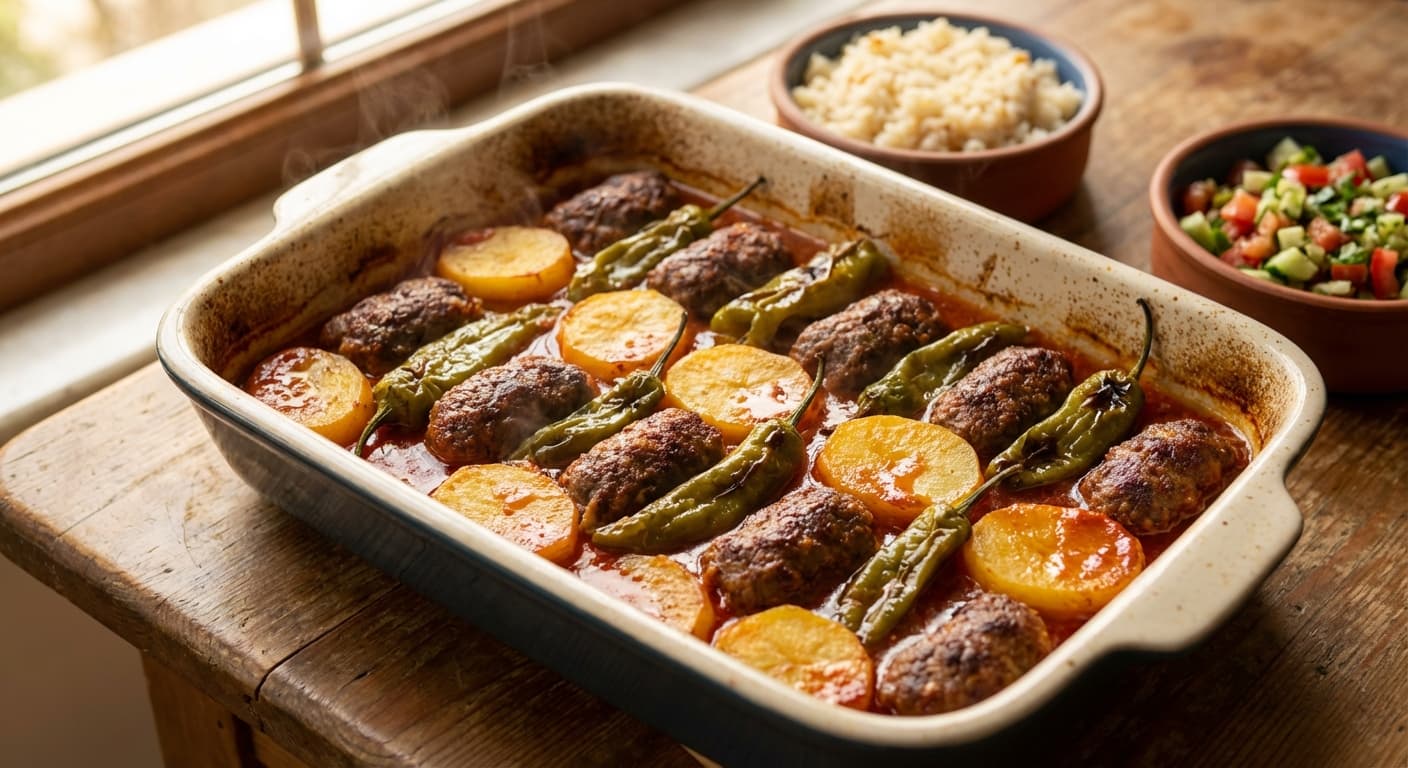
Izmir Kofte (İzmir Köfte) — Oven-Baked Meatballs with Tomato Sauce and Potatoes
Turkish · Main Courses · 70 min
Zafferano e Rosmarino (مرغ زعفرانی با رزماری در فر)
Persian · Main Courses · 145 min
Reviews
Cooked this recipe?
Tap the stars to rate it — that's all it takes. A few words are welcome but optional.
No ratings yet. Cooked this one? Be the first to rate it — it takes one tap.