Kukuye Adas (کوکوی عدس) — Persian Lentil and Herb Frittata
Kukuye Adas is a classic Persian home-style kuku that turns humble lentils into a fragrant, herb-laced frittata. It’s commonly enjoyed as a light lunch or supper, sliced and shared with bread, pickles, and fresh herbs.
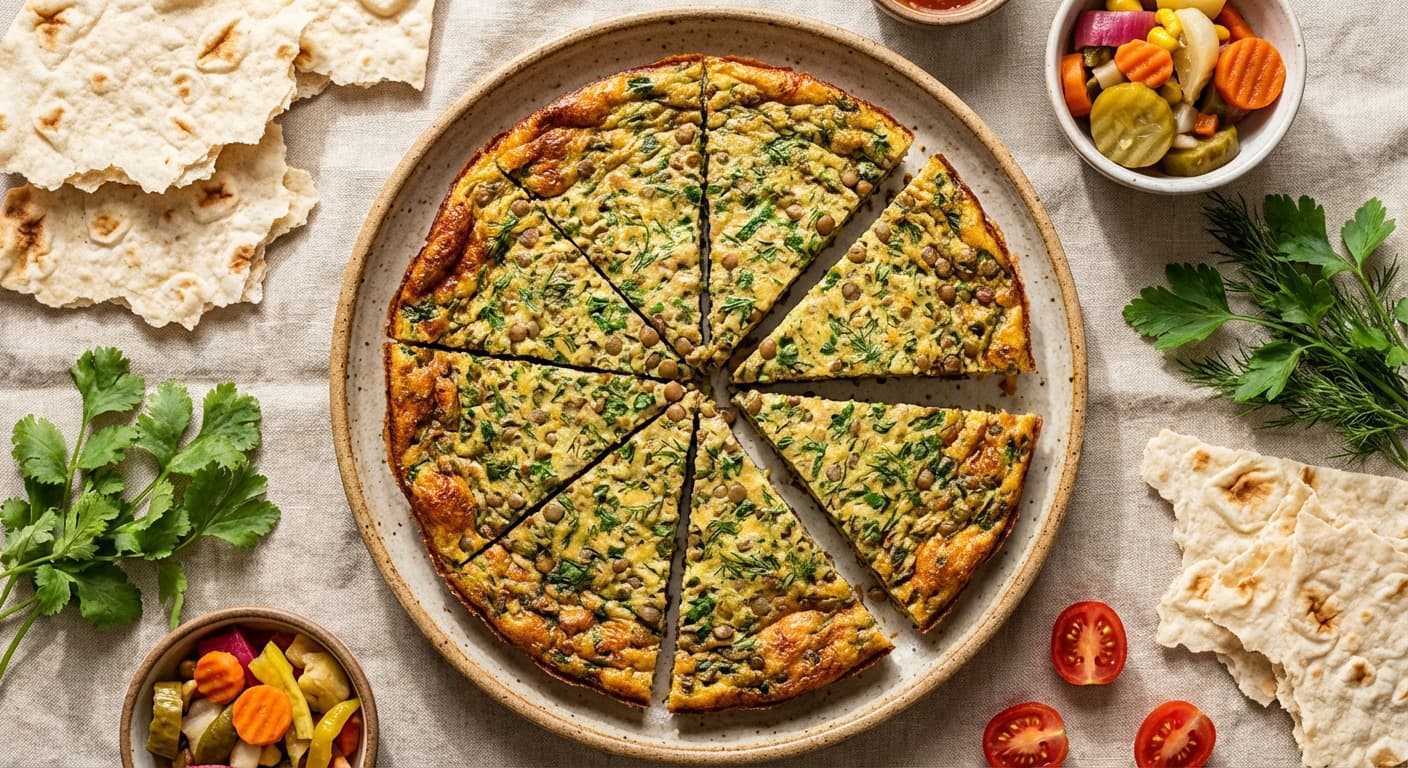
Printable Recipe Card
Servings: 4 · Total: 45 min · Difficulty: easy
Ingredients (quick list)
- 180 g Brown or green lentils, dry (Rinsed well)
- 750 ml Water (For boiling; drain after cooking)
- 6 Large eggs (Room temperature)
- 60 g Fresh parsley, finely chopped
- 30 g Fresh cilantro, finely chopped
- 20 g Fresh chives, finely chopped (Or Persian tareh if available)
- 25 g Wheat flour (About 3 tbsp; helps bind)
- 6 g Sea salt (About 1 tsp fine salt)
- 2 tsp Ground turmeric
- 1 tsp Ground black pepper
- 45 ml Vegetable oil (About 3 tbsp, for pan-frying)
Steps (summary)
- Cook the lentils until tender but not mushy. Combine the rinsed lentils and 750 ml water in a saucepan, bring to a boil, then s…
- Drain the lentils thoroughly and let them cool for 10 minutes so they do not scramble the eggs. If they look wet, spread them o…
- Build the kuku batter in a large mixing bowl. Whisk the eggs until uniform, then whisk in the flour, salt, turmeric, and black…
- Fold in the herbs and lentils gently but evenly. Mix just until everything is well distributed, keeping some lentils intact for…
- Heat a 24 cm nonstick skillet over medium heat and add 30 ml of the oil. When the oil shimmers, pour in the mixture and smooth…
- Cook covered for 10–12 minutes until the edges are set and the center is mostly firm. Drizzle the remaining 15 ml oil around th…
+ 2 more steps in the full instructions section below.
Cultural Background
Kuku is a beloved Persian technique for turning herbs, vegetables, and legumes into satisfying, sliceable meals. Kukuye Adas reflects resourceful home cooking, often packed for picnics or served as a light family lunch with bread and torshi.
Equipment
💡 Tips
- Drain lentils very well; excess water makes the kuku steam and turn fragile instead of sliceable.
- Keep the heat medium-low after pouring the batter so the center sets before the crust gets too dark.
- For extra aroma, briefly warm the turmeric in the hot oil for 10 seconds before adding the mixture, then pour the batter in immediately.
⚠️ Common Mistakes
❌ Using wet lentils so the kuku turns watery and breaks when flipped.
✅ Fix: Drain well and cool on a tray for a few minutes to evaporate moisture before mixing with eggs.
❌ Cooking on high heat so the outside browns before the center sets.
✅ Fix: Use medium-low heat after pouring the batter and cover the pan for the first stage to gently set the middle.
❌ Flipping too early and tearing the kuku.
✅ Fix: Wait until the edges are fully set and the center is mostly firm; loosen the edges first, then flip using a plate.
🧊 How to Store
Cool leftovers to room temperature within 2 hours, then refrigerate in an airtight container for up to 3 days. Reheat in a covered skillet over low heat for 4–6 minutes per side, or warm in a 160°C oven for 10–12 minutes to restore the crust.
📅 Make Ahead
Cook and drain the lentils up to 2 days ahead and refrigerate them airtight. Chop herbs up to 24 hours ahead, then mix the batter and cook the kuku just before serving for the freshest color and best crust.
🍽️ Pairs Well With
- Sangak or lavash
- torshi
- fresh herbs (sabzi khordan)
- yogurt
- tomatoes and cucumbers.
Regional Variations
- Some families add 1 tsp ground cumin for a deeper, earthier profile alongside turmeric.
- In herb-rich versions, parsley and chives are increased and the kuku is cooked slightly thinner for more crisp edges.
- A baked method is common in modern kitchens: bake at 190°C in an oiled pan for 18–22 minutes, then broil 1–2 minutes for color.
Ingredients
- 180 gBrown or green lentils, dry (Rinsed well)
- 750 mlWater (For boiling; drain after cooking)
- 6Large eggs (Room temperature)
- 60 gFresh parsley, finely chopped
- 30 gFresh cilantro, finely chopped
- 20 gFresh chives, finely chopped (Or Persian tareh if available)
- 25 gWheat flour (About 3 tbsp; helps bind)
- 6 gSea salt (About 1 tsp fine salt)
- 2 tspGround turmeric
- 1 tspGround black pepper
- 45 mlVegetable oil (About 3 tbsp, for pan-frying)
🔄 Substitutions
- Wheat flour→ Chickpea flour
- Fresh cilantro→ More parsley or chives
- Vegetable oil→ Grapeseed oil
Instructions
- 1
Cook the lentils until tender but not mushy. Combine the rinsed lentils and 750 ml water in a saucepan, bring to a boil, then simmer for 15–18 minutes until the lentils are fully cooked and hold their shape.
- 2
Drain the lentils thoroughly and let them cool for 10 minutes so they do not scramble the eggs. If they look wet, spread them on a tray for a few minutes to steam off excess moisture, which helps the kuku set neatly.
- 3
Build the kuku batter in a large mixing bowl. Whisk the eggs until uniform, then whisk in the flour, salt, turmeric, and black pepper until no dry pockets remain.
- 4
Fold in the herbs and lentils gently but evenly. Mix just until everything is well distributed, keeping some lentils intact for a pleasing texture and a more traditional look.
- 5
Heat a 24 cm nonstick skillet over medium heat and add 30 ml of the oil. When the oil shimmers, pour in the mixture and smooth the top; reduce heat to medium-low so the center cooks through without over-browning the bottom.
- 6
Cook covered for 10–12 minutes until the edges are set and the center is mostly firm. Drizzle the remaining 15 ml oil around the edges to help release and crisp the sides, which is a hallmark of a good kuku.
- 7
Flip the kuku carefully to finish cooking. Slide it onto a plate, invert the skillet over it, and flip back into the pan; cook uncovered for 6–8 minutes until the second side is golden and the center reaches a fully set, springy feel.
- 8
Rest, slice, and serve for the best texture. Let the kuku rest 5 minutes before cutting so the slices hold cleanly, then cut into wedges or squares and serve warm or at room temperature.
🪪 Recipe Passport
Cultural Background
Kuku is a beloved Persian technique for turning herbs, vegetables, and legumes into satisfying, sliceable meals. Kukuye Adas reflects resourceful home cooking, often packed for picnics or served as a light family lunch with bread and torshi.
Regional Variations
Researched from multiple sources and validated by the Zaffaron editorial team. Every recipe is tested for accuracy, measurements, and cultural authenticity.
Nutrition per serving
Pairs well with
If you enjoyed this recipe, here are a few related Zaffaron recipes to try next.
Does your family make this differently?
Every family has their own version. Maybe your grandmother adds a secret ingredient, or your aunt has a completely different technique. Preserve your family's version — with their name on it, forever.
You Might Also Like
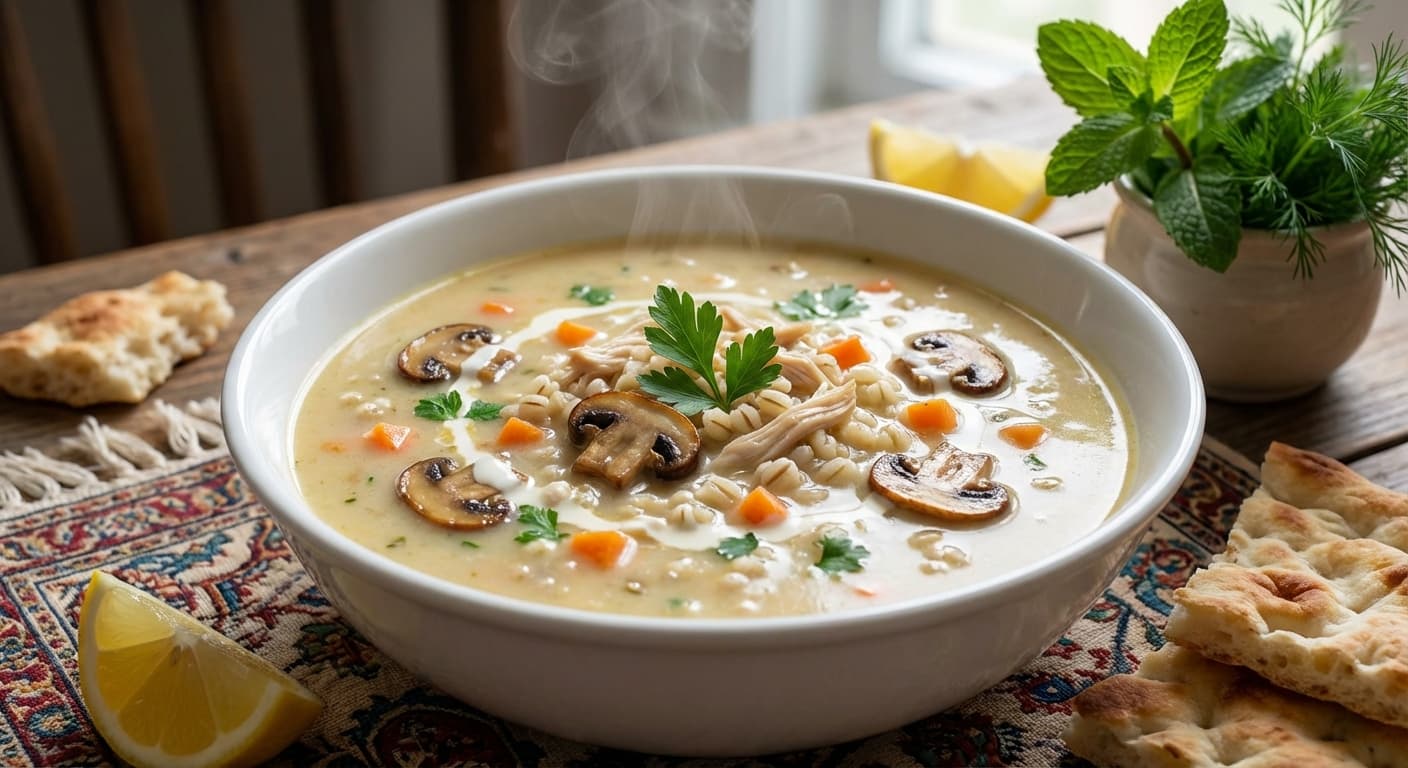
Soup-e Jo (سوپ جو) — Persian Creamy Barley Soup
Persian · Soups · 90 min
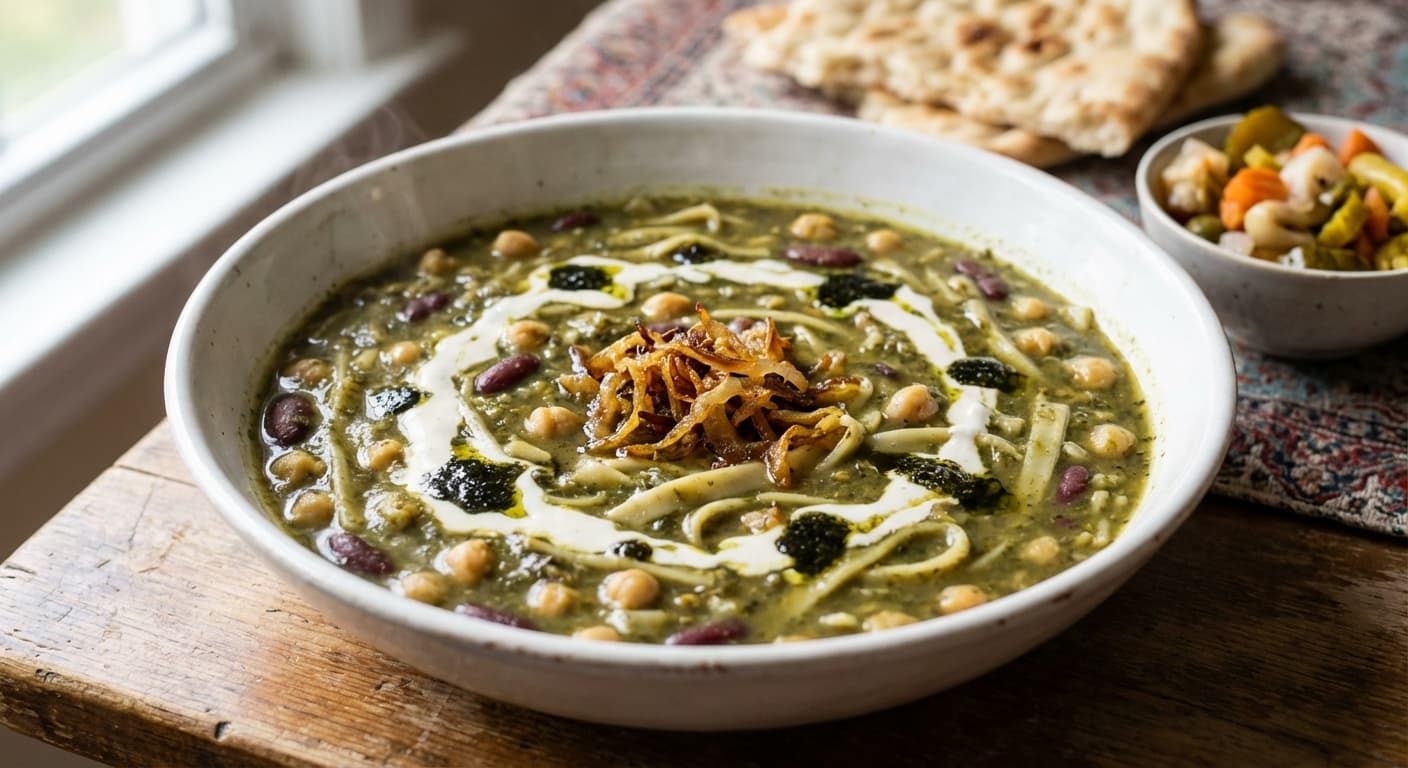
Ash Reshteh (آش رشته) — Persian Herb, Bean, and Noodle Soup
Persian · Soups · 145 min
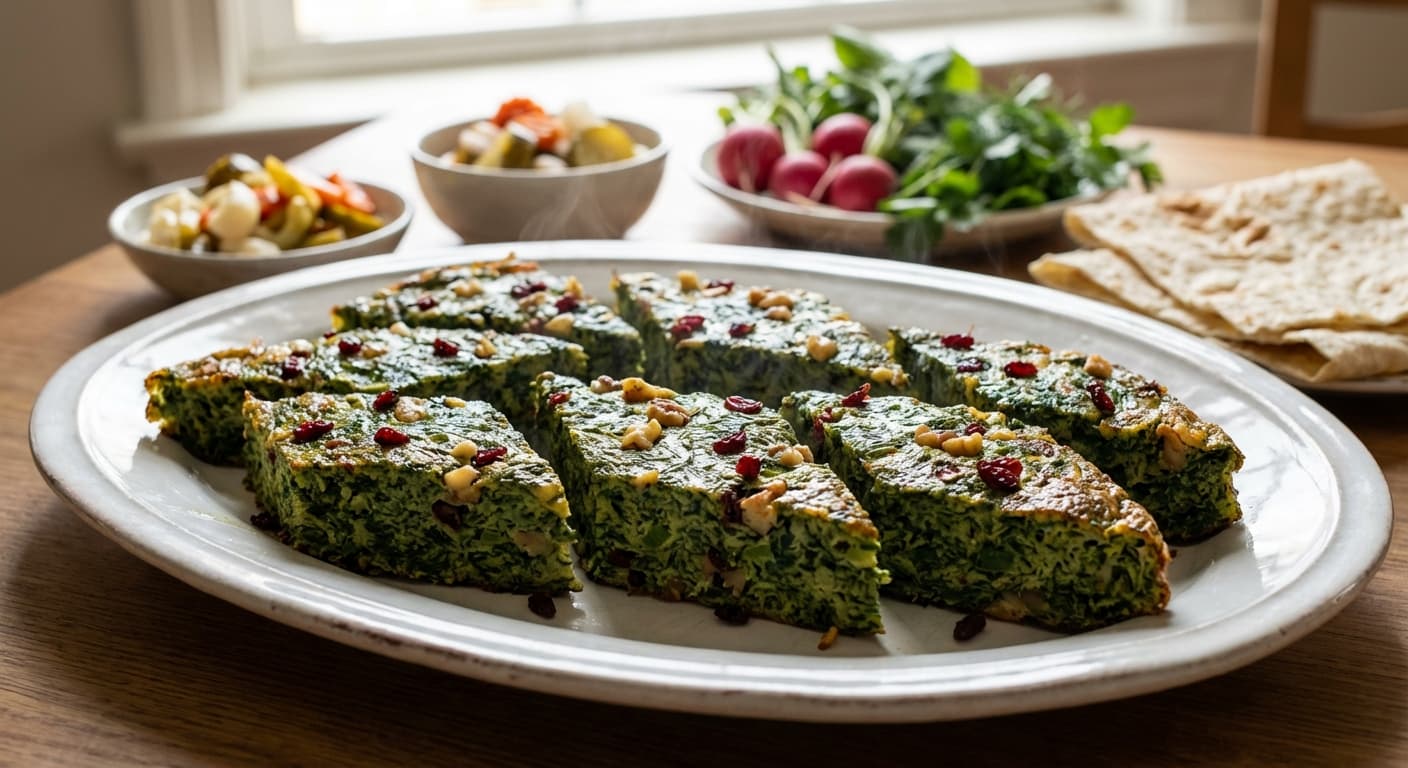
Kuku Sabzi (کوکو سبزی) — Emerald Persian Herb Frittata
Persian · Main Courses · 38 min

Chorrillana (Chorrillana) — Chilean Loaded Fries with Beef and Eggs
Chilean · Main Courses · 60 min
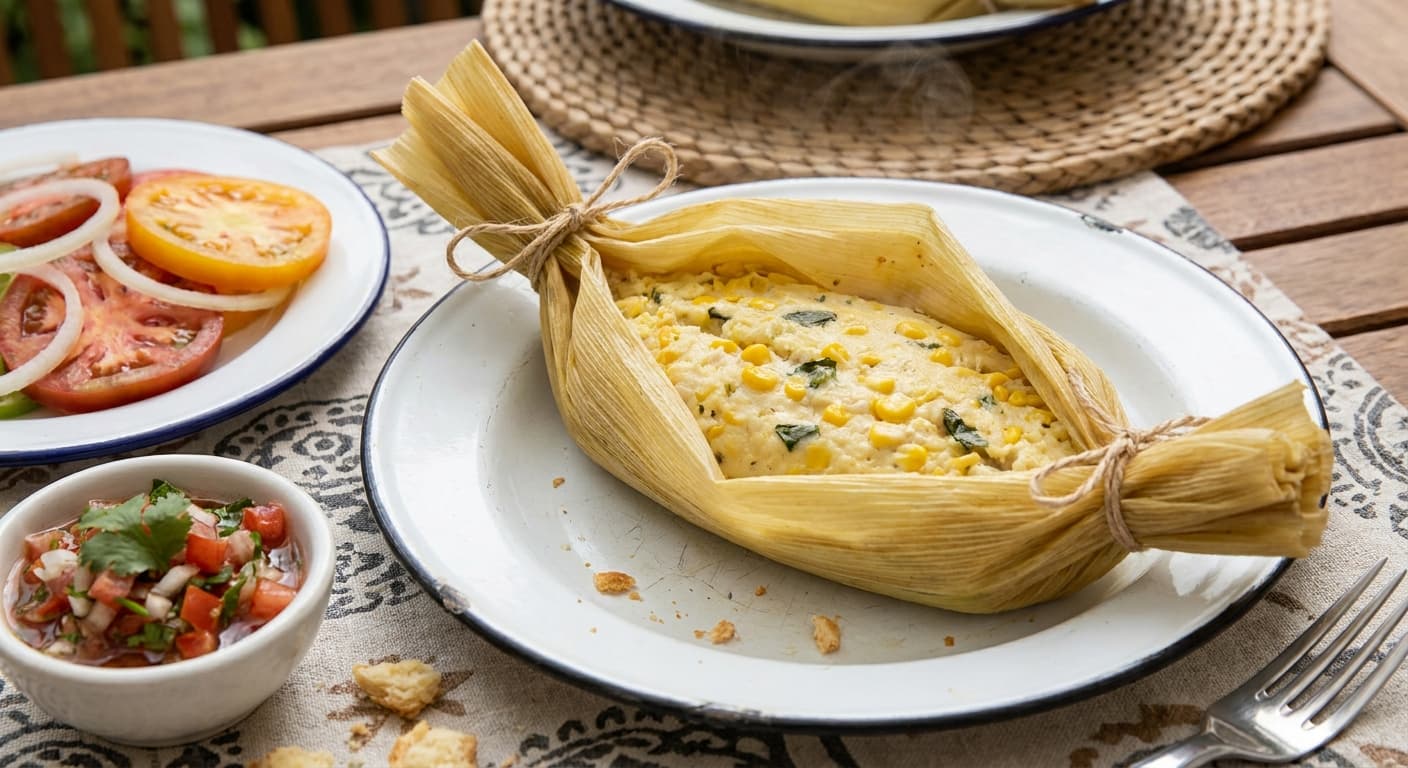
Chilean Humitas (Humitas) — Fresh Corn Parcels with Basil
Chilean · Main Courses · 90 min
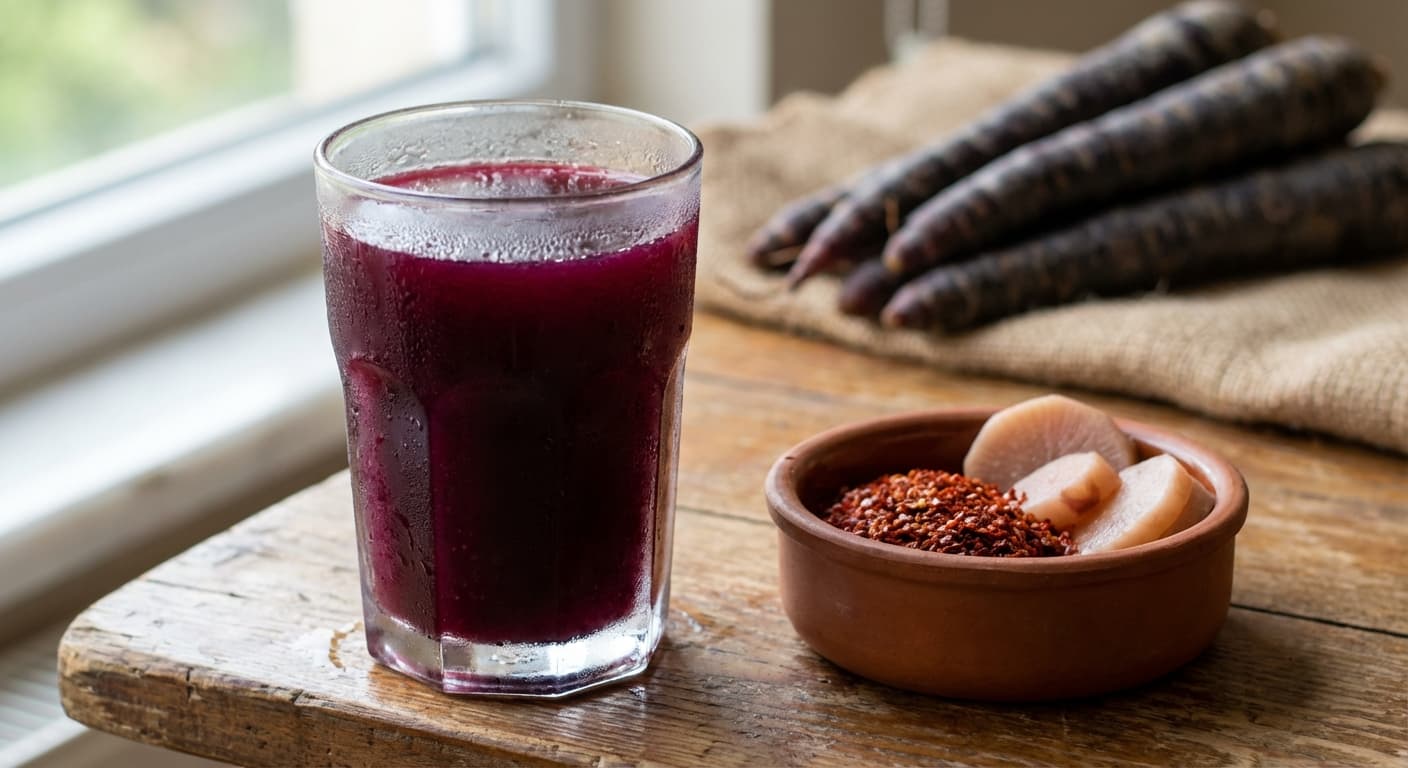
Salgam Juice (Şalgam) — Spicy, tangy fermented black-carrot drink
Turkish · Drinks · 25 min
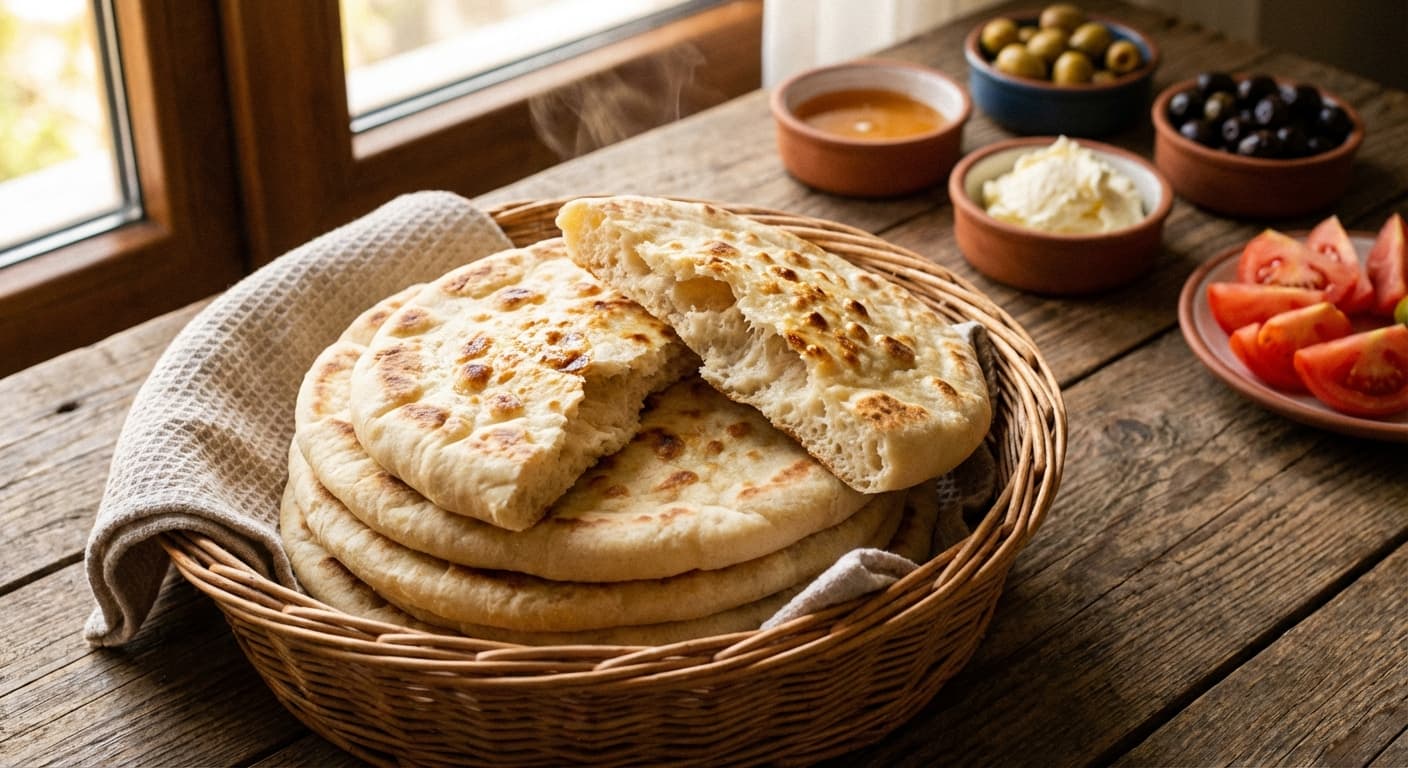
Bazlama (بازلاما) — Puffy Turkish Village Flatbread Cooked on a Saj
Turkish · Breads · 38 min
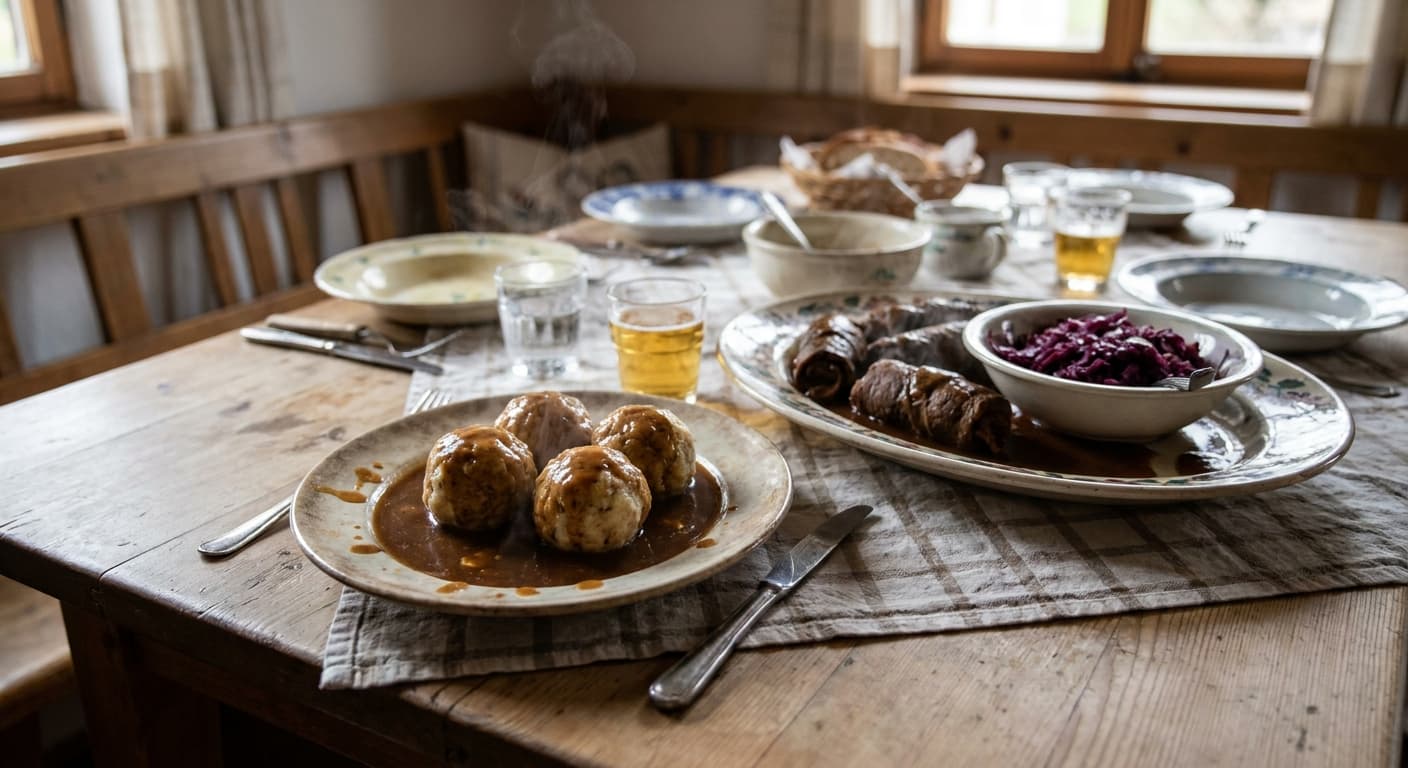
German Bread Dumplings (Semmelknödel) — Bavarian Bread Dumplings
German · Side Dishes · 50 min
Reviews
Cooked this recipe?
Tap the stars to rate it — that's all it takes. A few words are welcome but optional.
No ratings yet. Cooked this one? Be the first to rate it — it takes one tap.