Kuku-ye Makhloot (کوکوی مخلوط) — Persian Mixed Vegetable Frittata
Kuku-ye Makhloot is a Persian mixed-vegetable frittata with grated zucchini, carrot, potato, and fresh herbs. Turmeric adds warmth and color, while a crisp golden crust gives way to a tender, fragrant center.
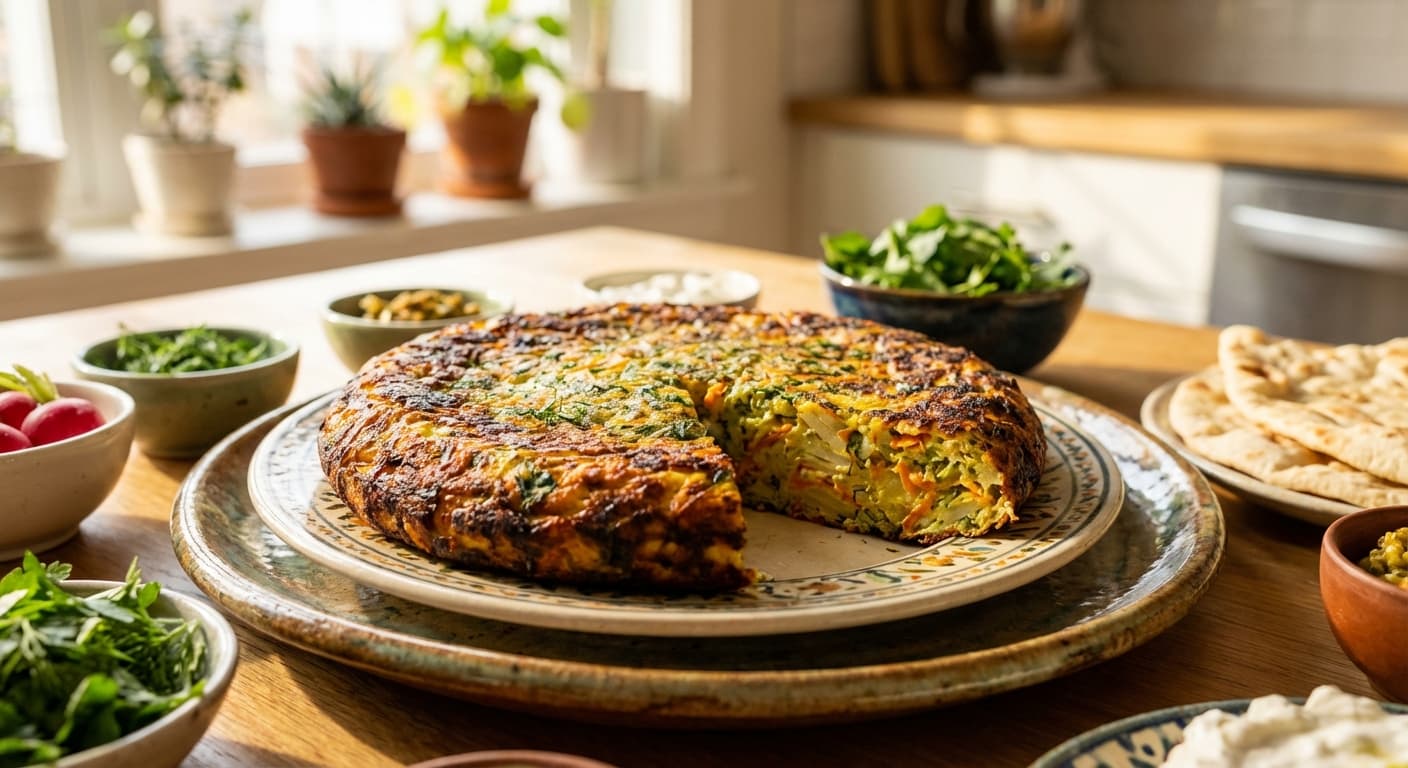
Printable Recipe Card
Servings: 4 · Total: 48 min · Difficulty: easy
Ingredients (quick list)
- 300 g Zucchini, grated (coarse) (About 2 medium; squeeze out excess moisture)
- 150 g Carrot, grated (fine) (About 2 medium)
- 250 g Potato, grated (coarse) (About 1 large; rinse briefly then squeeze very dry)
- 120 g Onion, grated (About 1 medium; squeeze out juice to prevent sogginess)
- 20 g Fresh parsley, finely chopped (About 1 cup loosely packed)
- 15 g Fresh dill, finely chopped (About 3/4 cup loosely packed)
- 6 count Eggs, large (Room temperature for best volume)
- 25 g All-purpose flour (About 3 tablespoons; helps bind and crisp)
- 1.5 tsp Turmeric, ground (For color and earthy warmth)
- 1.25 tsp Salt (Adjust to taste; start here)
- 0.5 tsp Black pepper, ground (Optional but recommended)
- 60 ml Neutral oil (sunflower, canola, or grapeseed) (About 1/4 cup, for pan-frying)
Steps (summary)
- Prepare the vegetables for a crisp kuku: grate zucchini, potato, carrot, and onion. Wrap zucchini, potato, and onion separately…
- In a large bowl, whisk the eggs for 45–60 seconds until slightly frothy. Whisk in the flour, turmeric, salt, and black pepper u…
- Heat a 25–28 cm (10–11 inch) nonstick skillet over medium heat for 2 minutes. Add 45 ml (3 tablespoons) oil and swirl to coat.…
- Flip carefully: run a spatula around the edges, then slide the kuku onto a plate. Add the remaining 15 ml (1 tablespoon) oil to…
- Rest the kuku for 5 minutes on a rack or plate to keep the crust crisp. Slice into wedges or small squares. Serve warm or at ro…
Cultural Background
Kuku is a family of Persian egg-and-herb dishes commonly made for everyday meals, picnics, and light dinners. Mixed-vegetable versions like this one are popular for using seasonal produce and stretching eggs into a satisfying, shareable dish.
Equipment
💡 Tips
- Squeezing the grated zucchini, potato, and onion very dry is the single best way to avoid a soggy center.
- For a thicker kuku, use a smaller skillet and extend cooking by 2–3 minutes per side on medium-low heat.
- If browning too fast, lower the heat; a steady medium-low gives a crisp crust without burning the herbs.
- A nonstick skillet makes flipping easier; if using stainless steel, preheat well and use a bit more oil.
⚠️ Common Mistakes
❌ Not squeezing moisture from zucchini, potato, or onion
💡 Why: Excess water steams the mixture, leading to a pale crust and a wet, fragile center.
✅ Fix: Squeeze each grated vegetable in a towel until noticeably drier; if the bowl looks watery, squeeze again before mixing.
❌ Cooking on high heat to brown faster
💡 Why: The outside can burn before the center sets, especially with herbs and turmeric.
✅ Fix: Use medium heat to start, then medium-low after flipping; extend cooking time and check doneness with 74°C/165°F in the center.
❌ Flipping too early or without loosening the edges
💡 Why: The kuku can tear and lose its crisp crust if it sticks or is still unset.
✅ Fix: Wait until the edges are firm and the bottom is deep golden; run a spatula around the pan and slide onto a plate before inverting.
❌ Overmixing after adding vegetables
💡 Why: Aggressive mixing breaks down the vegetables and releases more liquid, making the batter looser.
✅ Fix: Fold just until evenly combined, then cook immediately.
🧊 How to Store
Cool completely, then refrigerate in an airtight container for up to 4 days. Reheat in a dry skillet over medium-low for 2–3 minutes per side to restore crispness, or warm in a 180°C/350°F oven for 8–10 minutes. Freeze slices up to 2 months; thaw overnight in the fridge before reheating.
📅 Make Ahead
Grate and squeeze the vegetables up to 12 hours ahead and refrigerate them in an airtight container lined with paper towel. Mix the egg batter (without vegetables) up to 24 hours ahead; combine just before cooking for the best texture.
🍽️ Pairs Well With
- Plain yogurt or strained yogurt with cucumber
- Pickles or mixed torshi
- Fresh herbs and radishes
- Flatbread or steamed rice
- Tomato and cucumber salad with lemon
Regional Variations
- Northern Iran (Caspian regions)Often heavier on fresh herbs, especially dill, and may include additional greens; the result is more aromatic and greener in the center.
- Tehran-style home cookingCommonly made with a balanced mix of grated vegetables and a moderate amount of herbs, aiming for a neat, sliceable kuku with a pronounced golden crust.
Ingredients
- 300 gZucchini, grated (coarse) (About 2 medium; squeeze out excess moisture)
- 150 gCarrot, grated (fine) (About 2 medium)
- 250 gPotato, grated (coarse) (About 1 large; rinse briefly then squeeze very dry)
- 120 gOnion, grated (About 1 medium; squeeze out juice to prevent sogginess)
- 20 gFresh parsley, finely chopped (About 1 cup loosely packed)
- 15 gFresh dill, finely chopped (About 3/4 cup loosely packed)
- 6 countEggs, large (Room temperature for best volume)
- 25 gAll-purpose flour (About 3 tablespoons; helps bind and crisp)
- 1.5 tspTurmeric, ground (For color and earthy warmth)
- 1.25 tspSalt (Adjust to taste; start here)
- 0.5 tspBlack pepper, ground (Optional but recommended)
- 60 mlNeutral oil (sunflower, canola, or grapeseed) (About 1/4 cup, for pan-frying)
🔄 Substitutions
- All-purpose flour→ Chickpea flour
- Fresh dill→ Dried dill
- Neutral oil→ Olive oil
Instructions
- 1
Prepare the vegetables for a crisp kuku: grate zucchini, potato, carrot, and onion. Wrap zucchini, potato, and onion separately in a clean towel and squeeze firmly for 1–2 minutes each to remove as much liquid as possible. This step prevents steaming and helps the frittata brown evenly.
- 2
In a large bowl, whisk the eggs for 45–60 seconds until slightly frothy. Whisk in the flour, turmeric, salt, and black pepper until smooth and lump-free. Fold in chopped parsley and dill, then add the squeezed vegetables and mix thoroughly for 30–45 seconds until evenly coated.
- 3
Heat a 25–28 cm (10–11 inch) nonstick skillet over medium heat for 2 minutes. Add 45 ml (3 tablespoons) oil and swirl to coat. When the oil shimmers, spread the mixture into an even layer, pressing lightly. Cook 7–8 minutes, uncovered, until edges set and the bottom is deep golden.
- 4
Flip carefully: run a spatula around the edges, then slide the kuku onto a plate. Add the remaining 15 ml (1 tablespoon) oil to the skillet, then invert the kuku back into the pan. Cook 6–7 minutes more over medium-low heat until the second side is golden and the center reaches 74°C/165°F.
- 5
Rest the kuku for 5 minutes on a rack or plate to keep the crust crisp. Slice into wedges or small squares. Serve warm or at room temperature; the flavors of dill and turmeric become more pronounced as it sits for 10–15 minutes.
🪪 Recipe Passport
Cultural Background
Kuku is a family of Persian egg-and-herb dishes commonly made for everyday meals, picnics, and light dinners. Mixed-vegetable versions like this one are popular for using seasonal produce and stretching eggs into a satisfying, shareable dish.
Regional Variations
Researched from multiple sources and validated by the Zaffaron editorial team. Every recipe is tested for accuracy, measurements, and cultural authenticity.
Nutrition per serving
Pairs well with
If you enjoyed this recipe, here are a few related Zaffaron recipes to try next.
Does your family make this differently?
Every family has their own version. Maybe your grandmother adds a secret ingredient, or your aunt has a completely different technique. Preserve your family's version — with their name on it, forever.
You Might Also Like
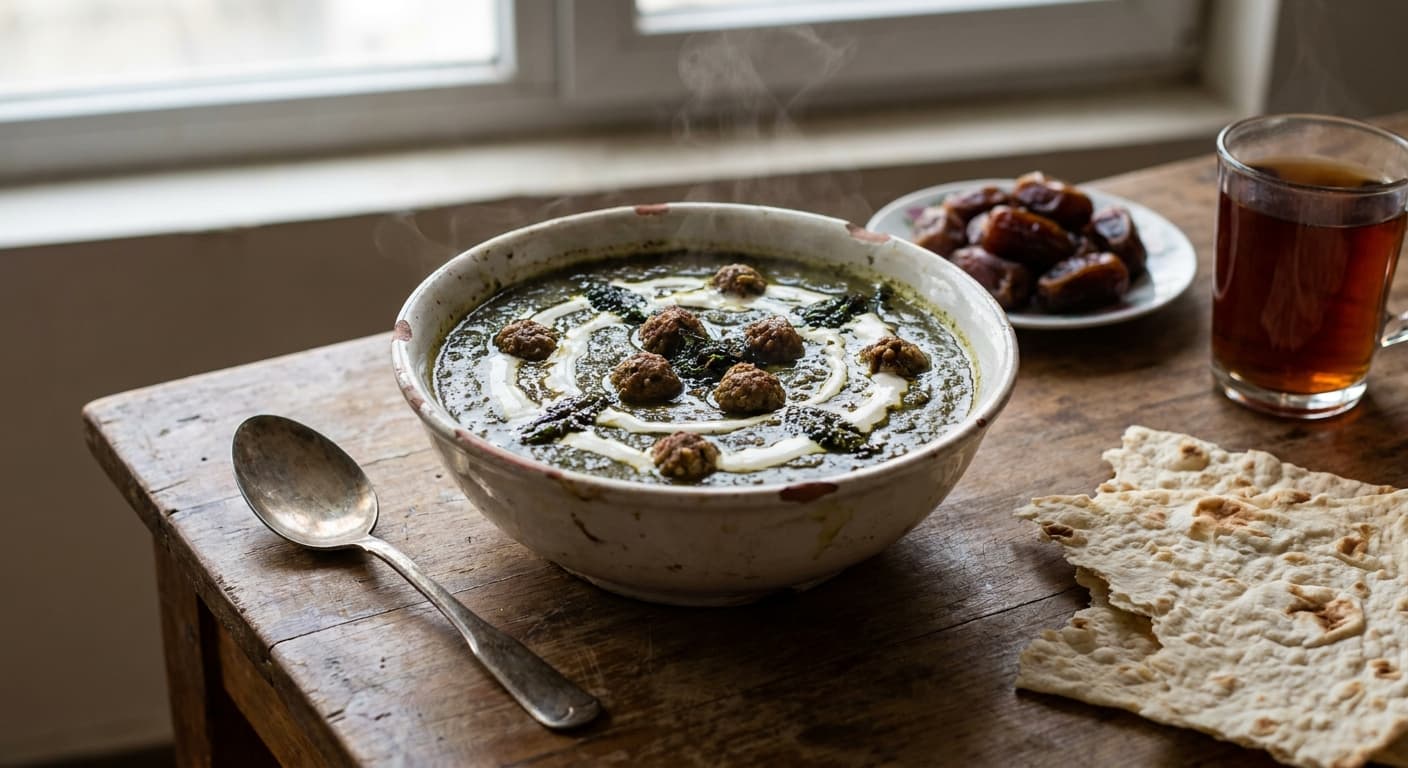
Ash-e Sak (آش ساک) — Golestani Spinach, Legume, and Meatball Soup
Persian · Soups · 175 min
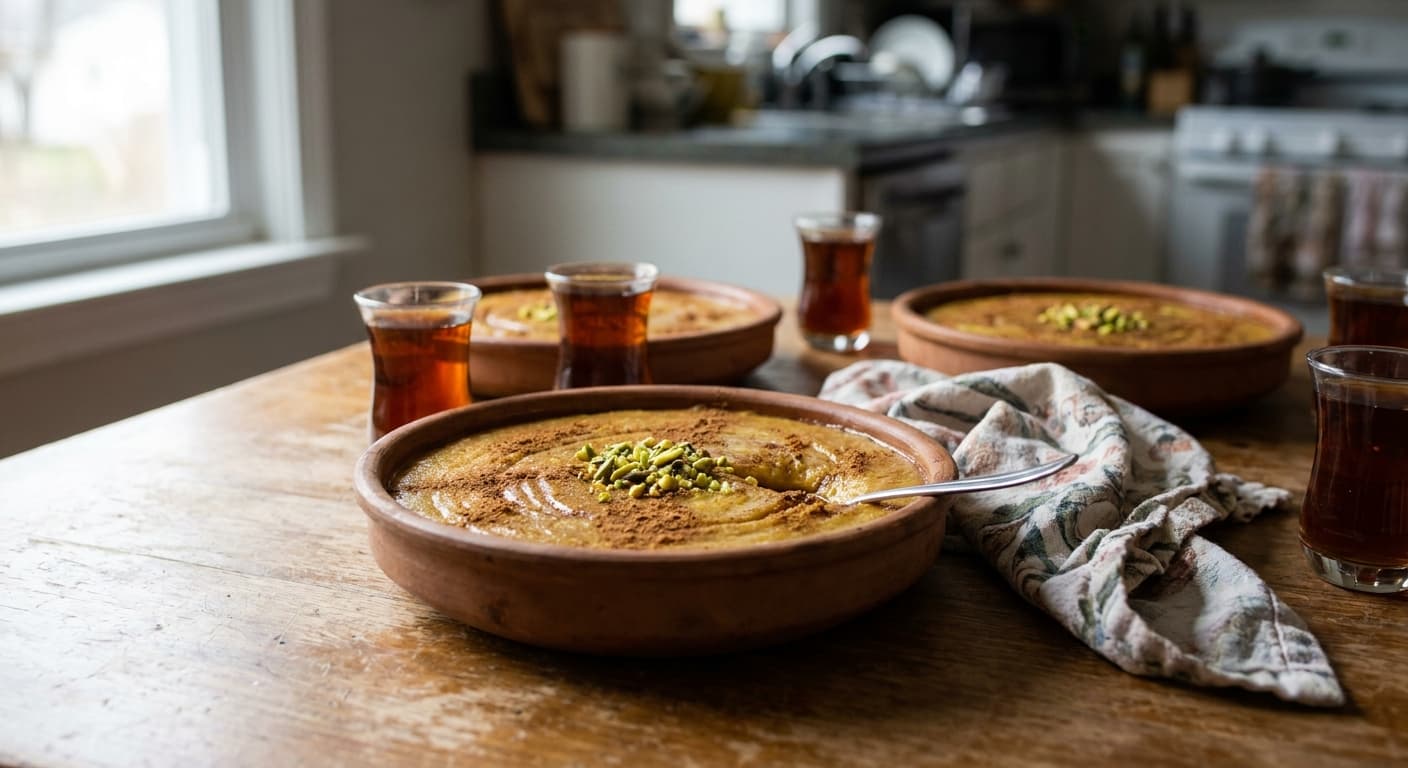
Persian Kachi (کاچی) — Saffron Rosewater Pudding
Persian · Desserts · 45 min
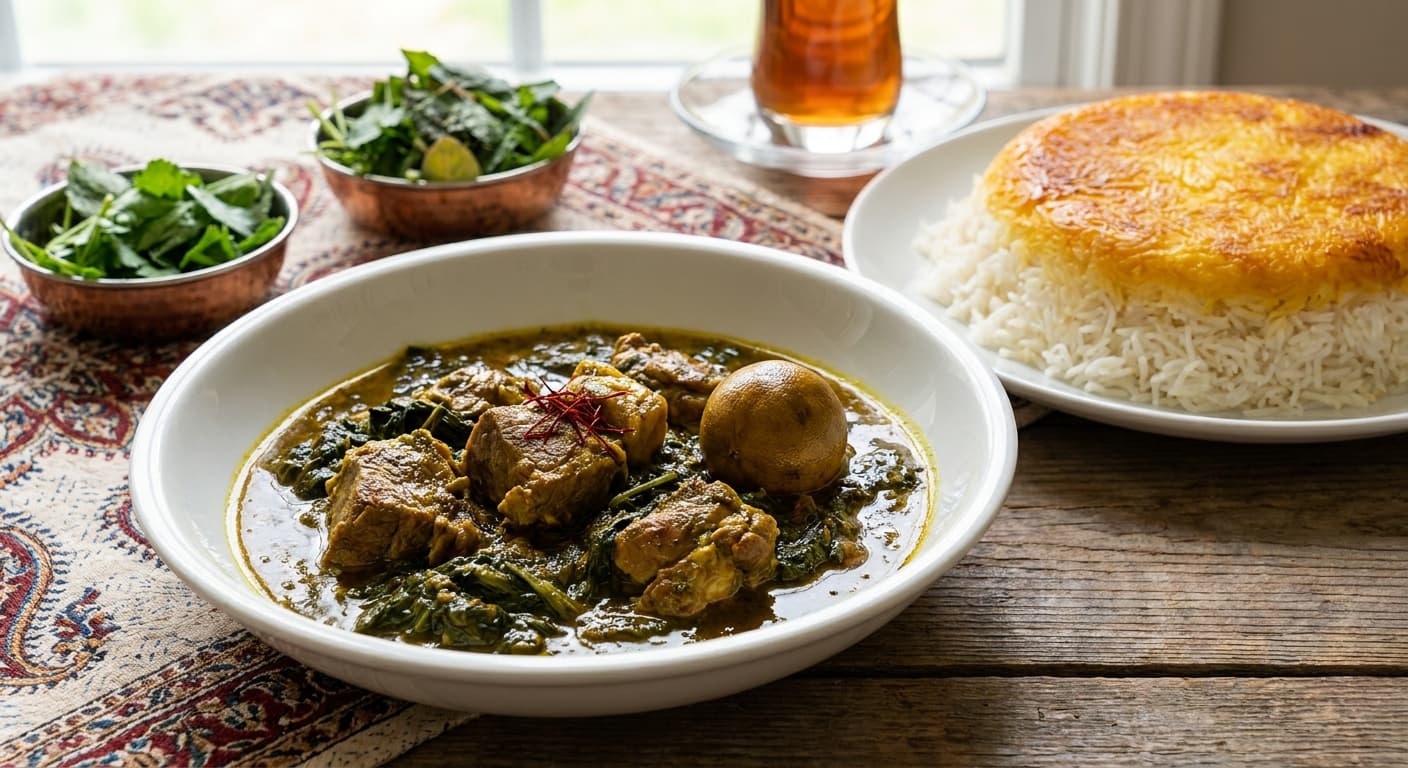
Persian Khoresht Saak (خورش ساک) — Saffron-Cardamom Lamb Stew with Saak Greens
Persian · Stews · 145 min
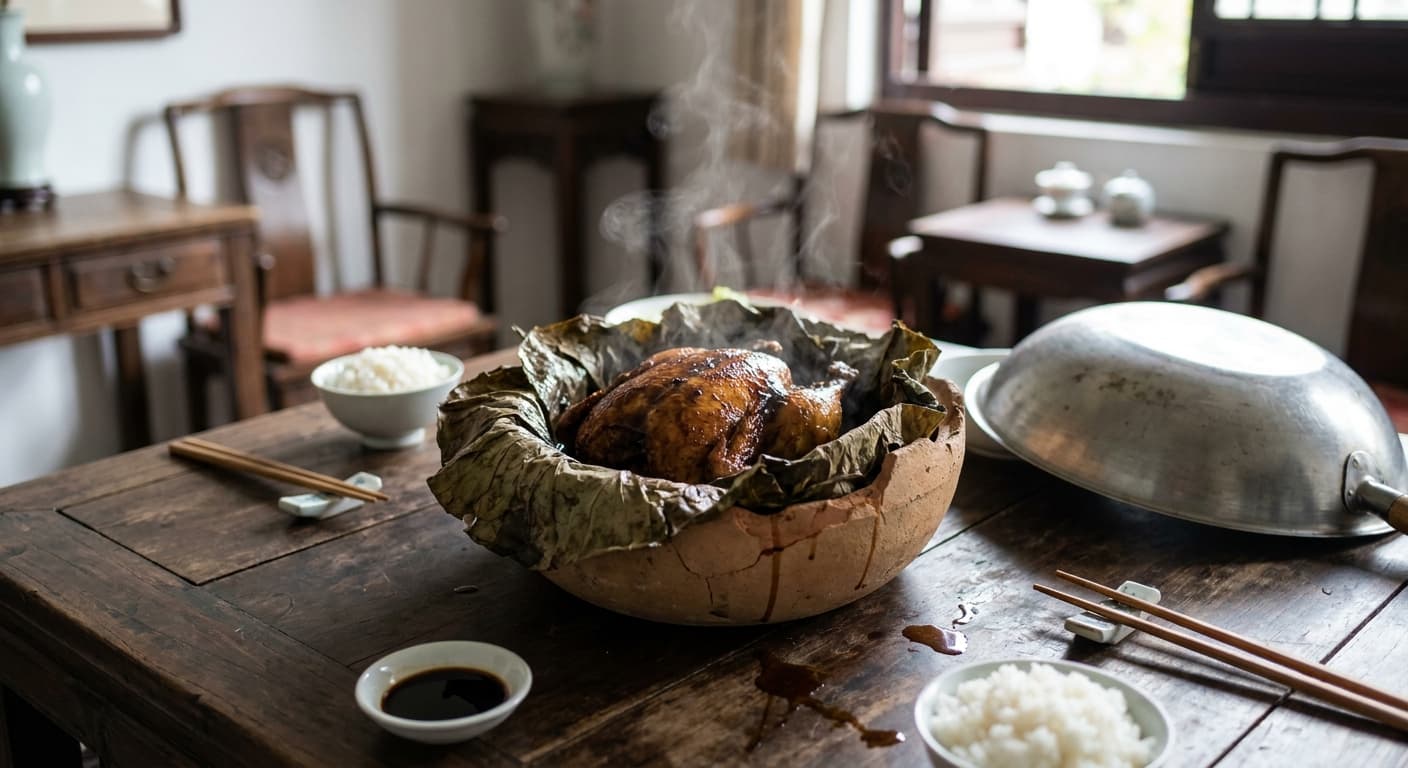
Beggar's Chicken (叫化鸡) — Lotus-Wrapped Clay-Baked Jiangnan Chicken
Chinese · Main Courses · 240 min
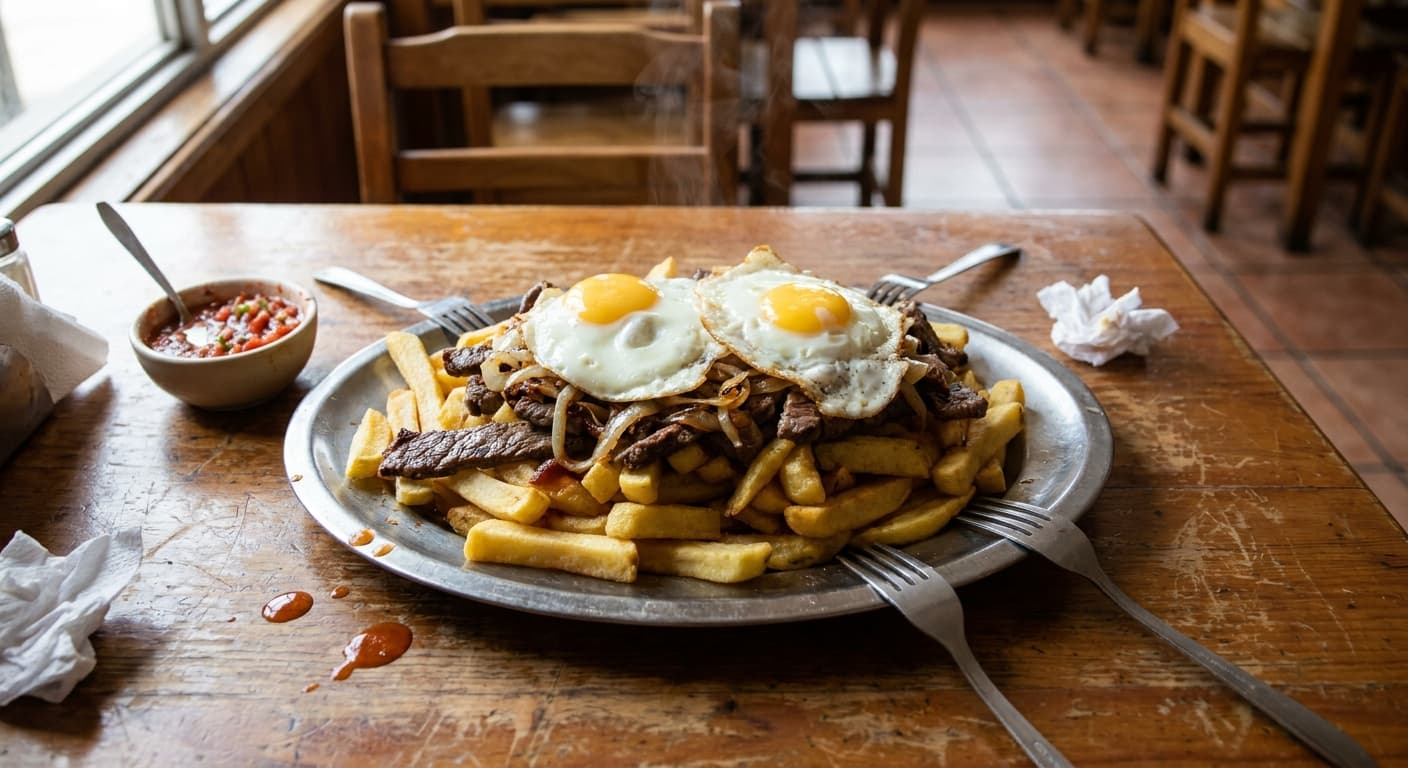
Chorrillana (Chorrillana) — Chilean Loaded Fries with Beef and Eggs
Chilean · Main Courses · 60 min
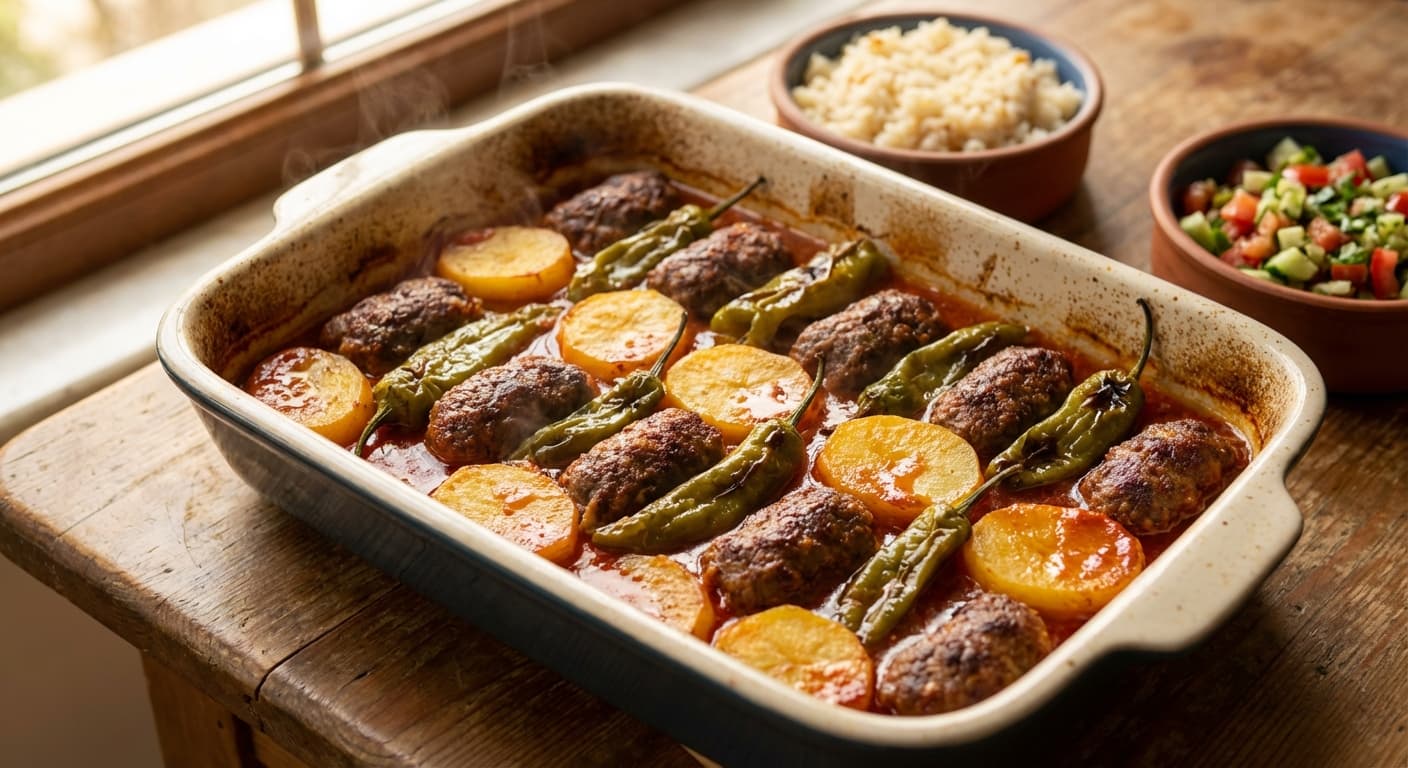
Izmir Kofte (İzmir Köfte) — Oven-Baked Meatballs with Tomato Sauce and Potatoes
Turkish · Main Courses · 70 min
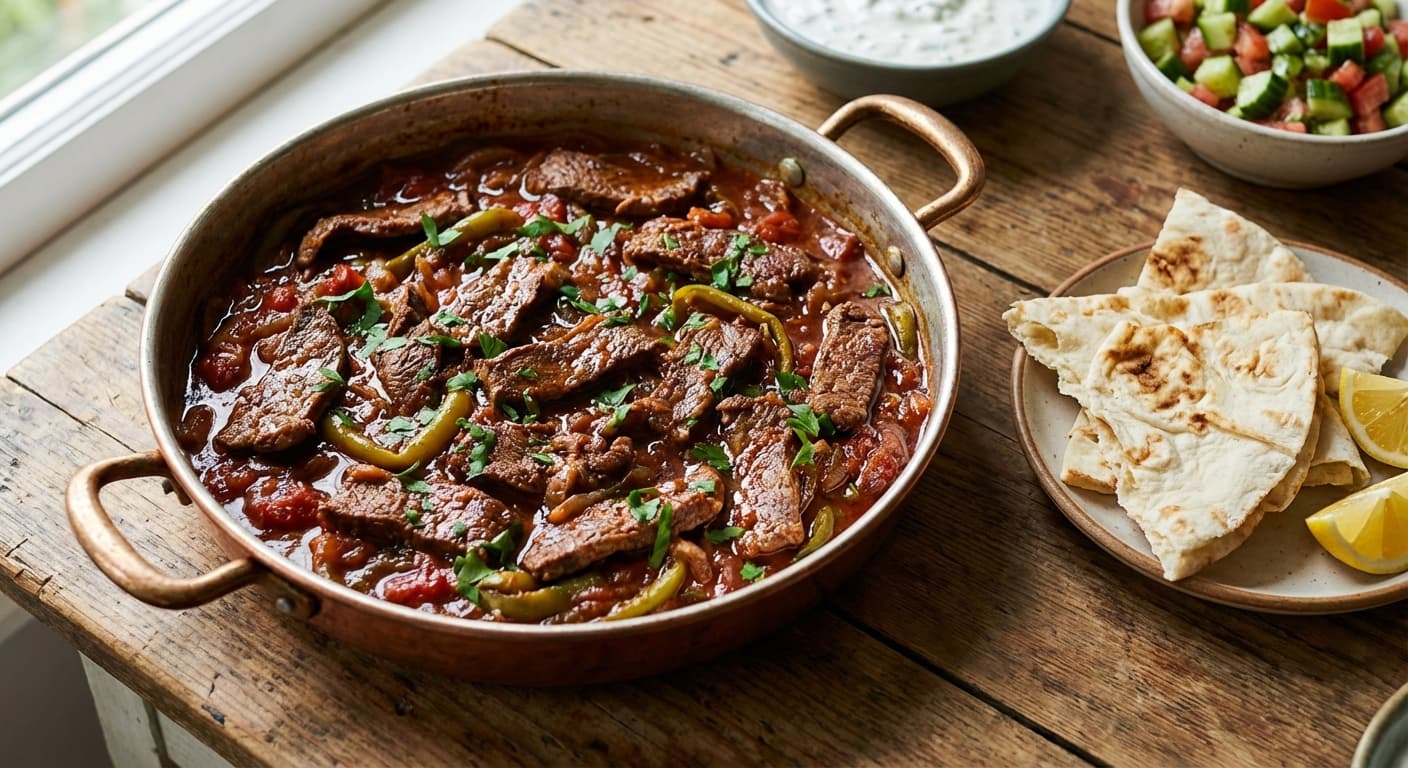
Sac Kavurma (Saç Kavurma) — Thin-Sliced Turkish Meat Sautéed with Onions
Turkish · Main Courses · 38 min
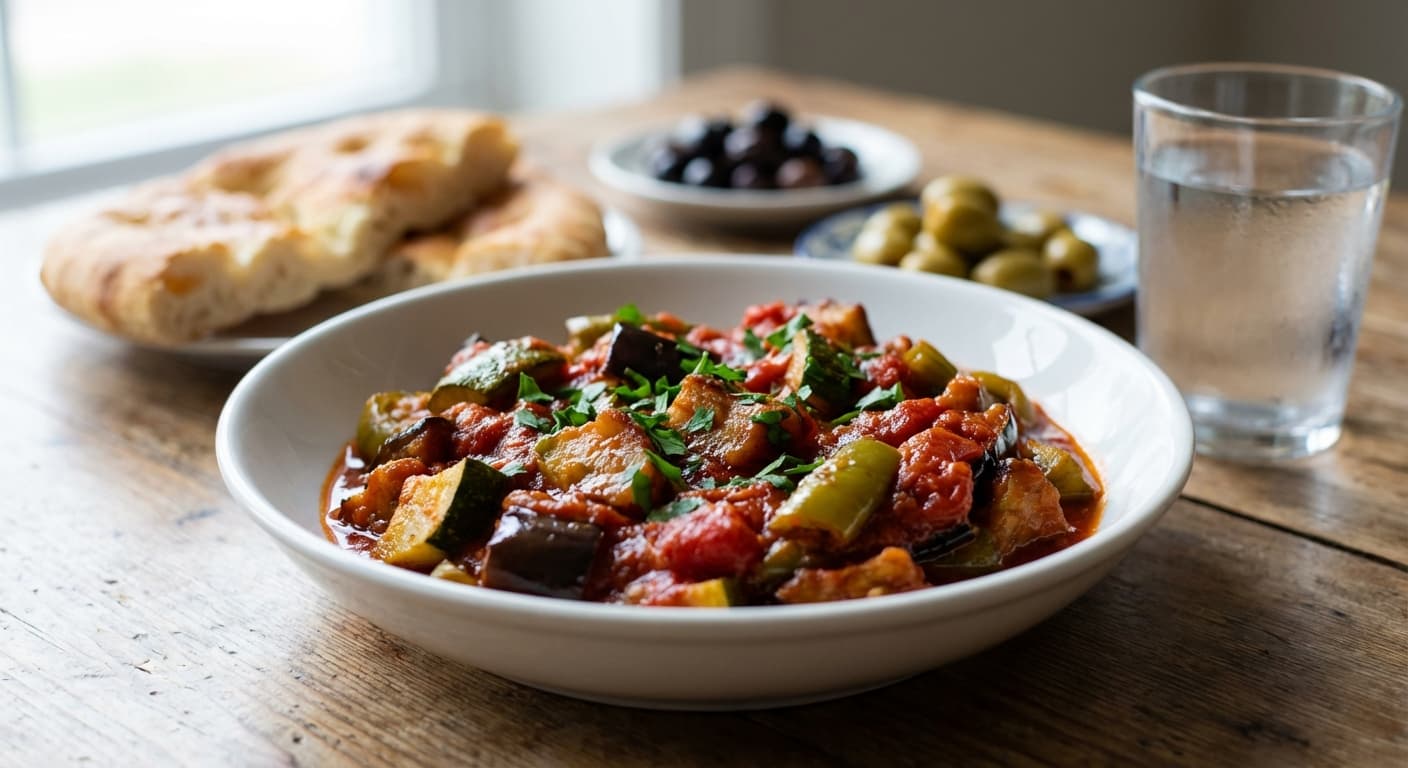
Saksuka (Şakşuka) — Turkish Fried Vegetables in Tomato Sauce Meze
Turkish · Appetizers · 60 min
Reviews
Cooked this recipe?
Tap the stars to rate it — that's all it takes. A few words are welcome but optional.
No ratings yet. Cooked this one? Be the first to rate it — it takes one tap.