Tahchin (ته چین) — Persian Saffron Yogurt Rice with Crispy Crust
Tahchin is a Persian baked or pot-cooked rice dish with a prized golden crust. Saffron, yogurt, and egg create a tangy, aromatic base that turns the bottom layer into an intensely crisp, buttery-tasting tahdig.

Printable Recipe Card
Servings: 6 · Total: 160 min · Difficulty: medium
Ingredients (quick list)
- 500 g Basmati rice (rinsed until water runs mostly clear)
- 3000 ml Water (for parboiling rice)
- 18 g Fine sea salt (divided: 12 g for boiling water, 6 g for yogurt mixture)
- 300 g Plain full-fat yogurt (unsweetened; Greek-style is fine)
- 3 large Egg yolks (about 54 g total; yolks only for richer crust)
- 0.25 tsp Saffron threads (about 0.5 g, finely crushed)
- 60 ml Hot water (just off the boil, for blooming saffron)
- 1 tsp Black pepper (freshly ground)
- 75 ml Vegetable oil (neutral oil such as sunflower or canola, divided)
Steps (summary)
- Rinse the rice in several changes of cool water until the water looks mostly clear, then drain well. Soak the rice in plenty of…
- Bloom the saffron: crush the saffron threads to a fine powder, then stir with 60 ml hot water. Cover and let steep 10 minutes t…
- Parboil the rice: drain the soaked rice and add it to the boiling salted water. Boil 6–8 minutes, stirring gently once or twice…
- Make the saffron-yogurt base: in a large bowl whisk yogurt, egg yolks, the bloomed saffron (all liquid), black pepper, and the…
- Prepare the pot for tahdig: choose a 24–26 cm heavy nonstick or well-seasoned pot with a tight lid. Add 60 ml vegetable oil and…
- Steam-cook to set the crust: use the handle of a wooden spoon to poke 5–6 holes down to the bottom for steam channels. Drizzle…
+ 2 more steps in the full instructions section below.
Cultural Background
Crispy rice crust is widely appreciated in Persian home cooking, where the bottom-of-the-pot portion is often considered the most desirable bite. Tahchin highlights saffron and yogurt in a celebratory presentation and is commonly served at family gatherings and special meals.
Equipment
💡 Tips
- For the strongest saffron aroma, bloom saffron with hot (not boiling) water and keep it covered while steeping.
- A compact, well-pressed rice layer makes a thicker, more cohesive crust that unmolds cleanly.
- If you prefer extra-crispy tahdig, extend the low-heat phase by 10 minutes, but watch for bitterness from over-browning.
- A tight lid wrapped with a towel helps absorb condensation so the crust stays crisp rather than soggy.
⚠️ Common Mistakes
❌ Overcooking the rice during parboil
💡 Why: Fully cooked grains break when mixed with yogurt and turn mushy, preventing a clean crust.
✅ Fix: Boil only until the outside is soft and the center is still firm (6–8 minutes), then drain immediately and cool briefly.
❌ Heat too high during the long cooking phase
💡 Why: The crust browns too quickly, can burn, and develops bitterness before the interior steams properly.
✅ Fix: After the initial 10 minutes on medium, cook on low for 55–60 minutes; use a diffuser if your burner runs hot.
❌ Condensation dripping back onto the rice
💡 Why: Moisture softens the crust and makes unmolding more likely to tear.
✅ Fix: Wrap the lid with a clean towel to catch steam, and keep the lid closed to maintain steady heat.
❌ Not pressing the rice firmly into the pot
💡 Why: Air pockets prevent even contact with the pot, causing patchy browning and a fragile crust.
✅ Fix: Pack the rice down firmly and smooth the surface; add steam holes so pressure does not lift the layer.
🧊 How to Store
Cool leftovers within 2 hours. Refrigerate in an airtight container for up to 3 days. Re-crisp in a nonstick skillet with 5–10 ml oil over medium-low heat for 6–10 minutes, or in a 190°C oven for 10–12 minutes. Freezing is possible up to 1 month, but the crust will be less crisp after thawing.
📅 Make Ahead
You can rinse and soak the rice up to 1 hour ahead and bloom saffron up to 4 hours ahead (keep covered at room temperature). Parboil rice up to 6 hours ahead, spread on a tray to cool, cover, and refrigerate; bring to room temperature 30 minutes before mixing with yogurt and cooking.
🍽️ Pairs Well With
- Cucumber and herb yogurt
- Tomato and onion salad with lemon
- Grilled chicken or lamb
- Pickled vegetables
Regional Variations
- Tehran-style home kitchensOften made as a simple saffron-yogurt rice with a thick tahdig layer, unmolded onto a platter and served alongside stews and salads.
- Shiraz and southern IranSometimes cooked with a slightly higher oil ratio for a deeper golden crust and a more pronounced fried-rice aroma, while keeping the interior tender.
Ingredients
- 500 gBasmati rice (rinsed until water runs mostly clear)
- 3000 mlWater (for parboiling rice)
- 18 gFine sea salt (divided: 12 g for boiling water, 6 g for yogurt mixture)
- 300 gPlain full-fat yogurt (unsweetened; Greek-style is fine)
- 3 largeEgg yolks (about 54 g total; yolks only for richer crust)
- 0.25 tspSaffron threads (about 0.5 g, finely crushed)
- 60 mlHot water (just off the boil, for blooming saffron)
- 1 tspBlack pepper (freshly ground)
- 75 mlVegetable oil (neutral oil such as sunflower or canola, divided)
🔄 Substitutions
- Basmati rice→ Jasmine rice
- Plain full-fat yogurt→ Lactose-free plain yogurt
- Egg yolks→ 2 whole large eggs
- Vegetable oil→ Ghee
Instructions
- 1
Rinse the rice in several changes of cool water until the water looks mostly clear, then drain well. Soak the rice in plenty of cool water with 6 g of the salt for 45 minutes. This improves grain separation and helps the crust set evenly later.
- 2
Bloom the saffron: crush the saffron threads to a fine powder, then stir with 60 ml hot water. Cover and let steep 10 minutes to fully extract color and aroma. Meanwhile, bring 3000 ml water to a rolling boil in a large pot and add the remaining 12 g salt.
- 3
Parboil the rice: drain the soaked rice and add it to the boiling salted water. Boil 6–8 minutes, stirring gently once or twice, until grains are softened on the outside but still firm in the center. Drain immediately in a fine colander and rinse briefly with 250 ml cool water to stop cooking.
- 4
Make the saffron-yogurt base: in a large bowl whisk yogurt, egg yolks, the bloomed saffron (all liquid), black pepper, and the remaining 6 g salt until completely smooth. Add about one-third of the warm drained rice and fold to coat, then fold in the remaining rice gently to avoid breaking grains.
- 5
Prepare the pot for tahdig: choose a 24–26 cm heavy nonstick or well-seasoned pot with a tight lid. Add 60 ml vegetable oil and swirl to coat the bottom and 2–3 cm up the sides. Spoon in the rice mixture, pressing firmly to eliminate air pockets and create an even, compact layer.
- 6
Steam-cook to set the crust: use the handle of a wooden spoon to poke 5–6 holes down to the bottom for steam channels. Drizzle 15 ml vegetable oil and 60 ml water over the rice. Cover the lid with a clean kitchen towel and tie it, then cook 10 minutes over medium heat until you hear gentle sizzling.
- 7
Finish on low heat: reduce to low and cook 55–60 minutes, keeping the lid closed. The goal is steady steam and gradual browning, not aggressive frying. If your stove runs hot, use a heat diffuser. The tahdig is ready when the aroma turns nutty and the sides look set and golden.
- 8
Unmold for a crown-like crust: turn off heat and rest the pot, covered, 10 minutes. Run a thin silicone spatula around the edge. Place a serving platter over the pot and invert confidently. Let the pot sit inverted 30 seconds, then lift; the golden crust should release in one piece or large sections.
🪪 Recipe Passport
Cultural Background
Crispy rice crust is widely appreciated in Persian home cooking, where the bottom-of-the-pot portion is often considered the most desirable bite. Tahchin highlights saffron and yogurt in a celebratory presentation and is commonly served at family gatherings and special meals.
Regional Variations
Researched from multiple sources and validated by the Zaffaron editorial team. Every recipe is tested for accuracy, measurements, and cultural authenticity.
Nutrition per serving
Pairs well with
If you enjoyed this recipe, here are a few related Zaffaron recipes to try next.
- Kateh (کته) — Persian Absorption Rice
- Yatimcheh-ye Panir-Kesh (یتیمچه پنیرکش) — | Persian Rustic Vegetable Medley with Melted Cheese
- Zucchini Gheymeh Stew (خورش قیمه کدو) — Lamb, split pea, and saffron-tomato khoresh
- Tahchin-e Zereshk va Gerdoo (ته چین زرشک و گردو) — Persian Saffron Rice Cake with Barberries and Walnuts
Does your family make this differently?
Every family has their own version. Maybe your grandmother adds a secret ingredient, or your aunt has a completely different technique. Preserve your family's version — with their name on it, forever.
You Might Also Like
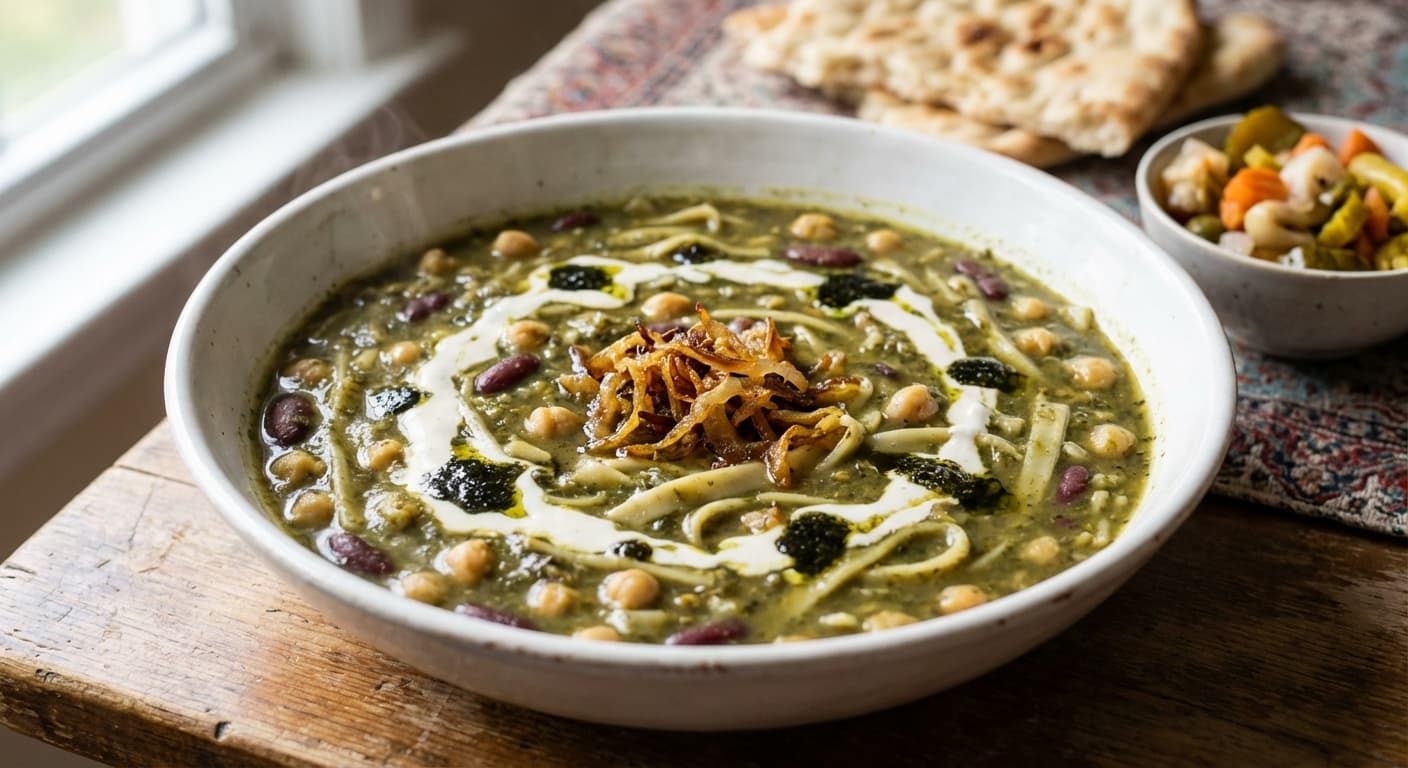
Ash Reshteh (آش رشته) — Persian Herb, Bean, and Noodle Soup
Persian · Soups · 145 min
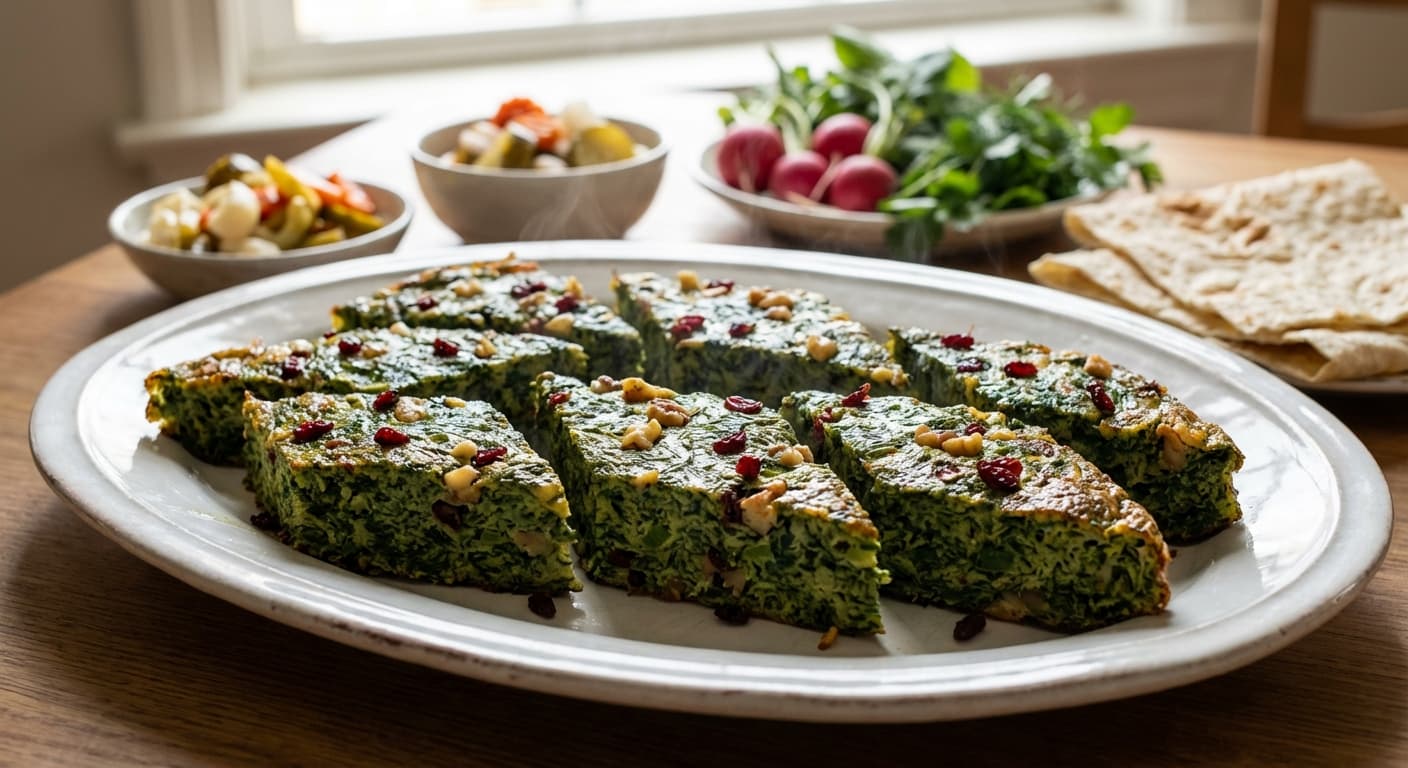
Kuku Sabzi (کوکو سبزی) — Emerald Persian Herb Frittata
Persian · Main Courses · 38 min
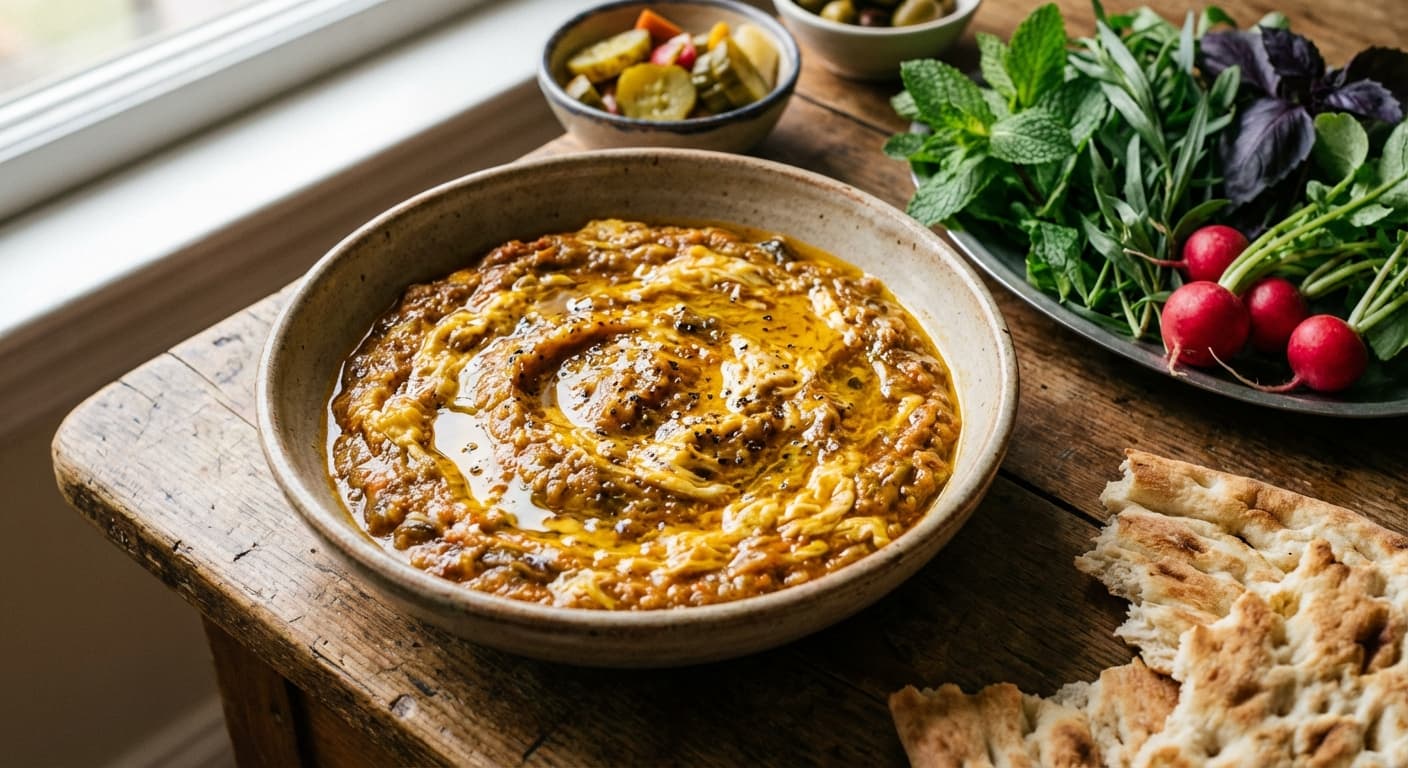
Smoked Silk Mirza Ghasemi (میرزا قاسمی) — Silky smoked eggplant with tomato, garlic, and eggs
Persian · Appetizers · 60 min
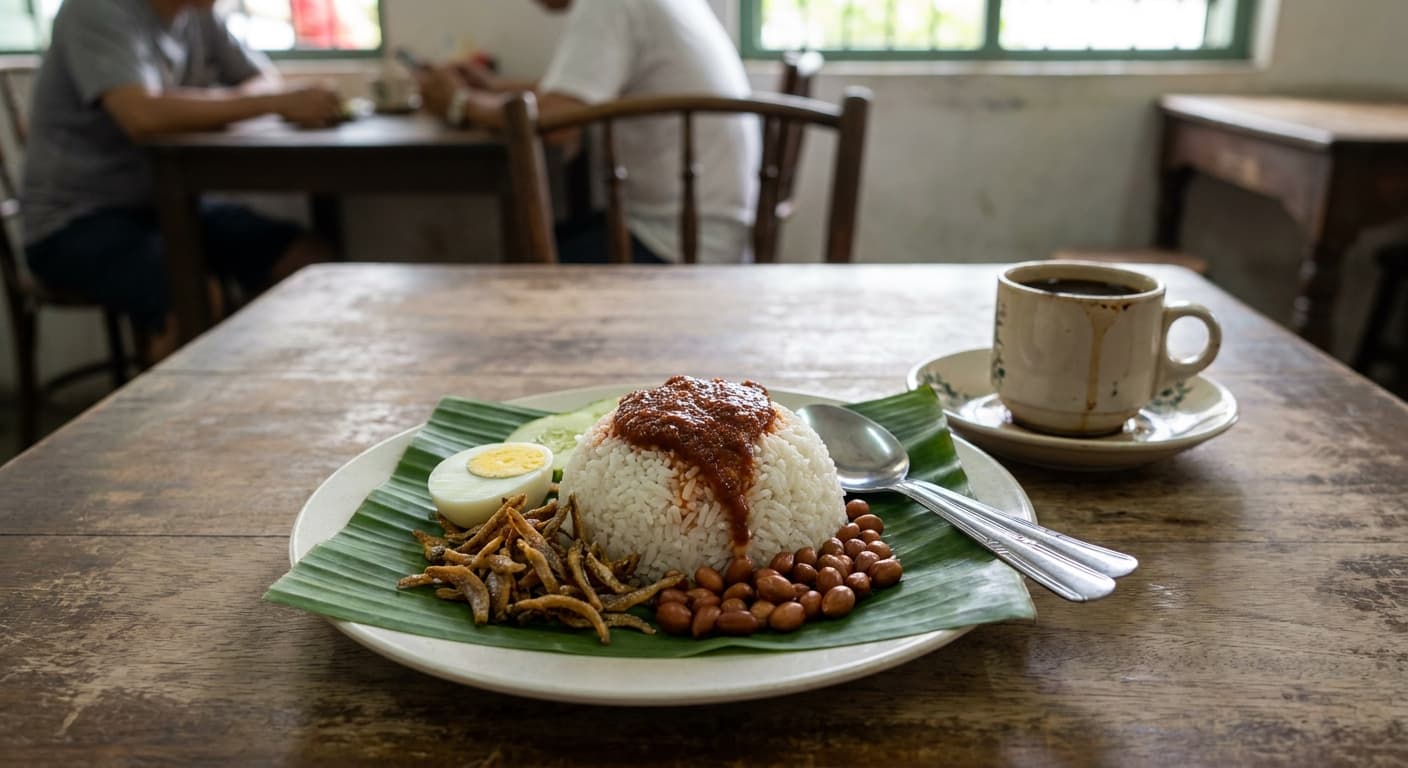
Nasi Lemak (Nasi Lemak) — Coconut Rice with Sambal and Classic Garnishes
Malaysian · Rice Dishes · 90 min
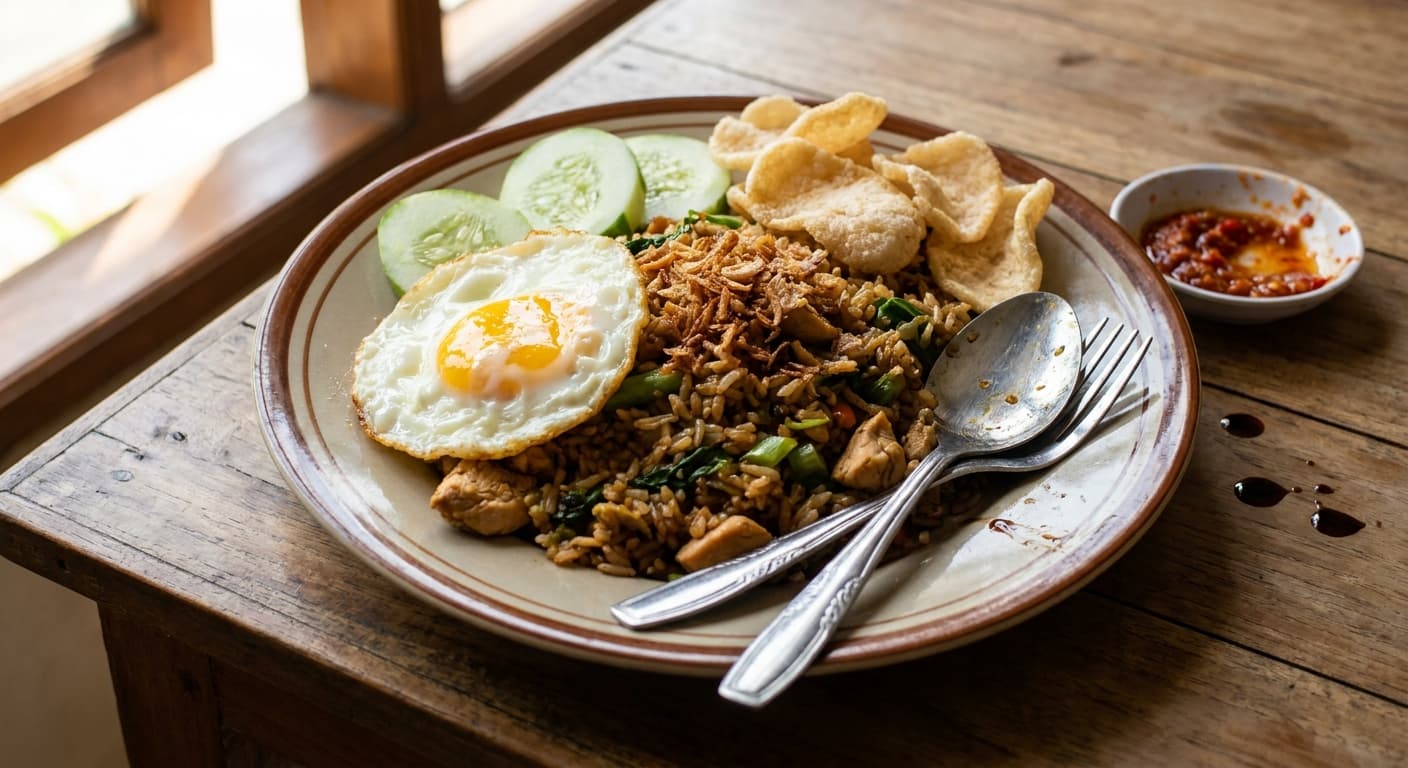
Indonesian Fried Rice (Nasi Goreng) — Sweet Soy Street-Style Rice
Indonesian · Rice Dishes · 35 min
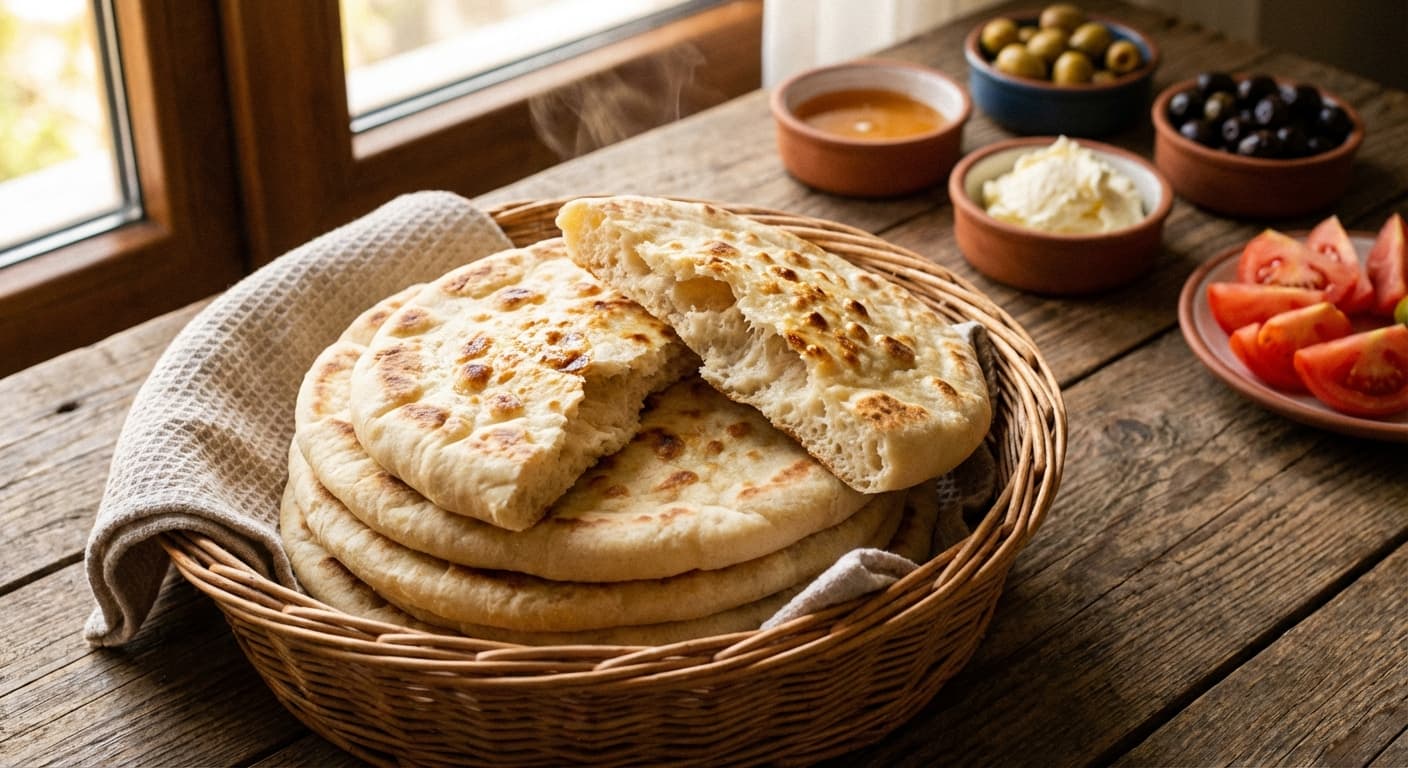
Bazlama (بازلاما) — Puffy Turkish Village Flatbread Cooked on a Saj
Turkish · Breads · 38 min
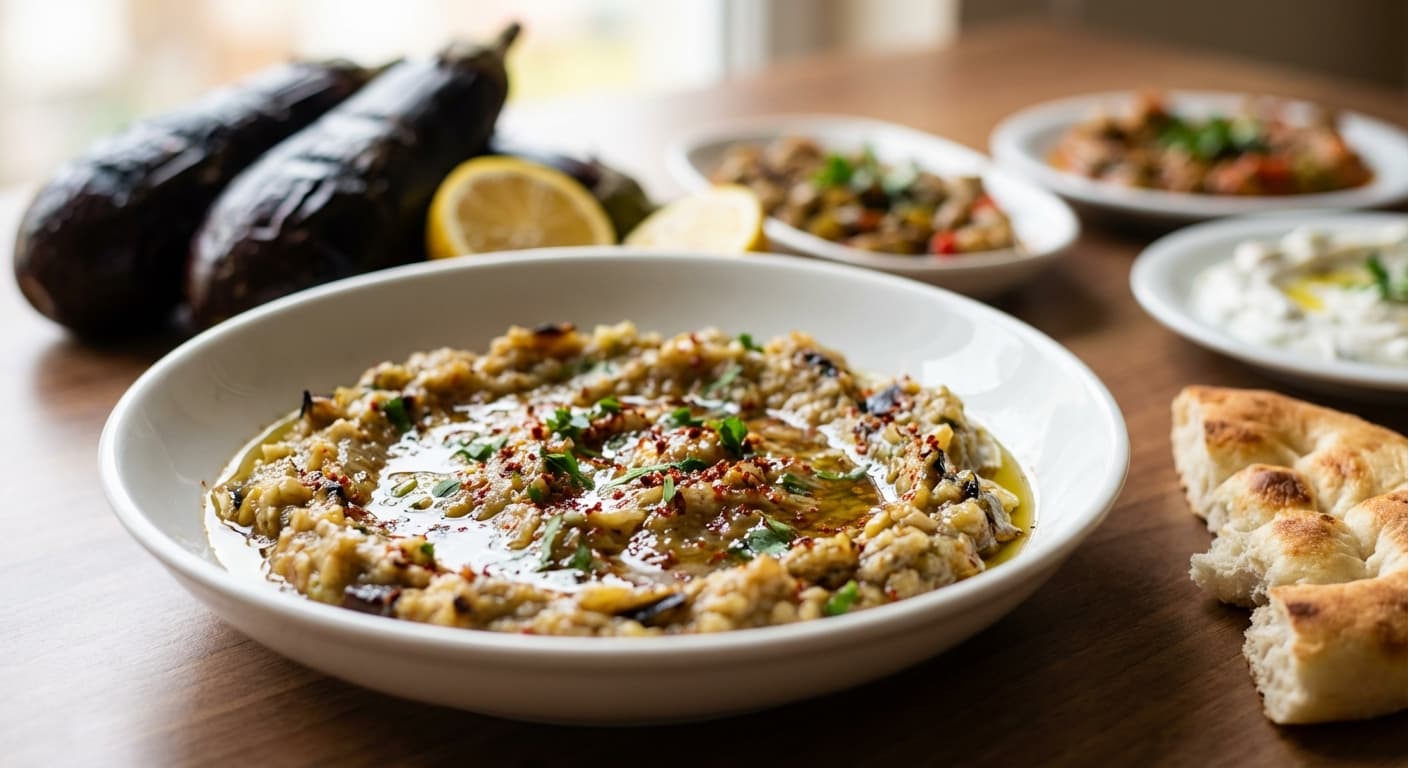
Smoky Eggplant Salad (Patlıcan Salatası) — Turkish charred eggplant with garlic and olive oil
Turkish · Salads · 40 min
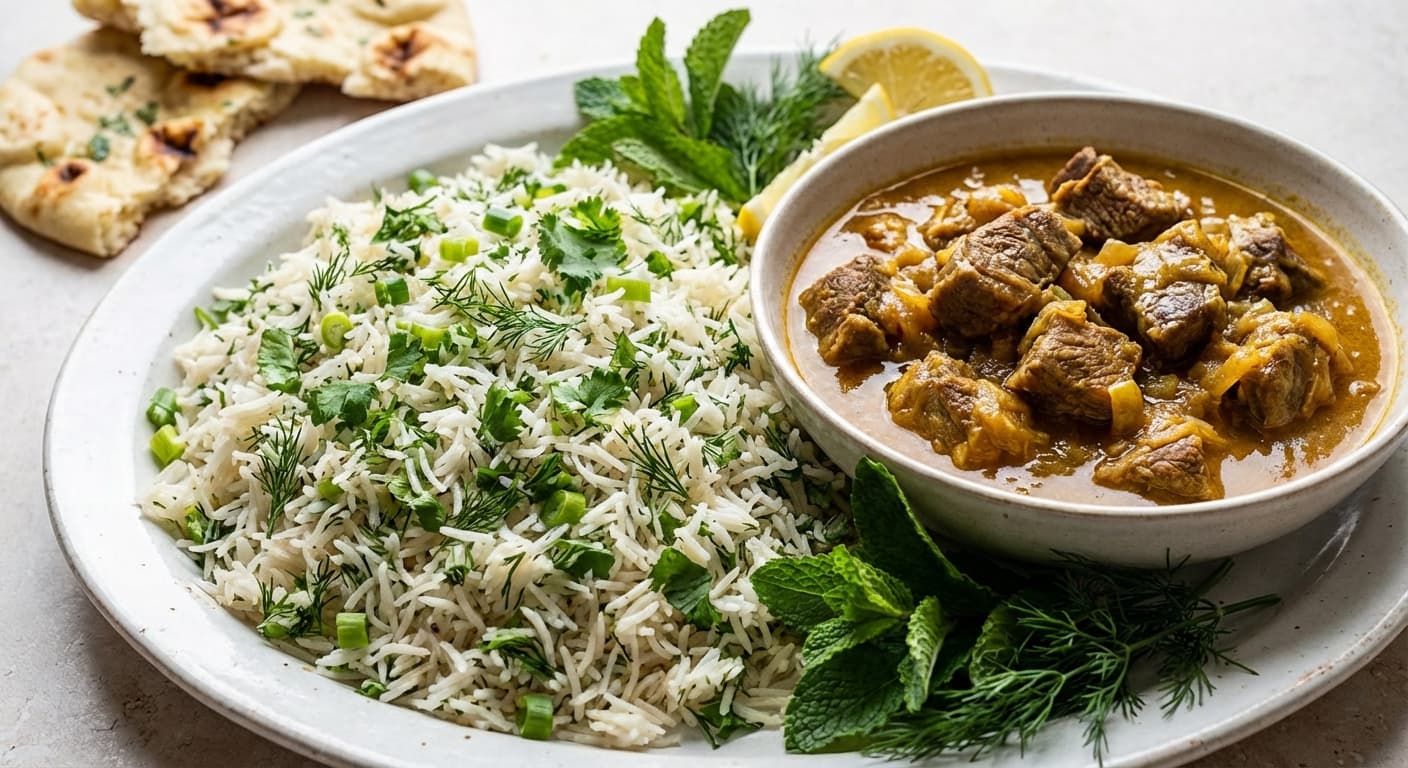
Sabzi Chalaw (سبزی چلو) — Afghan Herb Rice with Meat Stew
Afghan · Rice Dishes · 130 min
Reviews
Cooked this recipe?
Tap the stars to rate it — that's all it takes. A few words are welcome but optional.
No ratings yet. Cooked this one? Be the first to rate it — it takes one tap.