Afghan Food: The Hidden Gem of Central Asian Cuisine
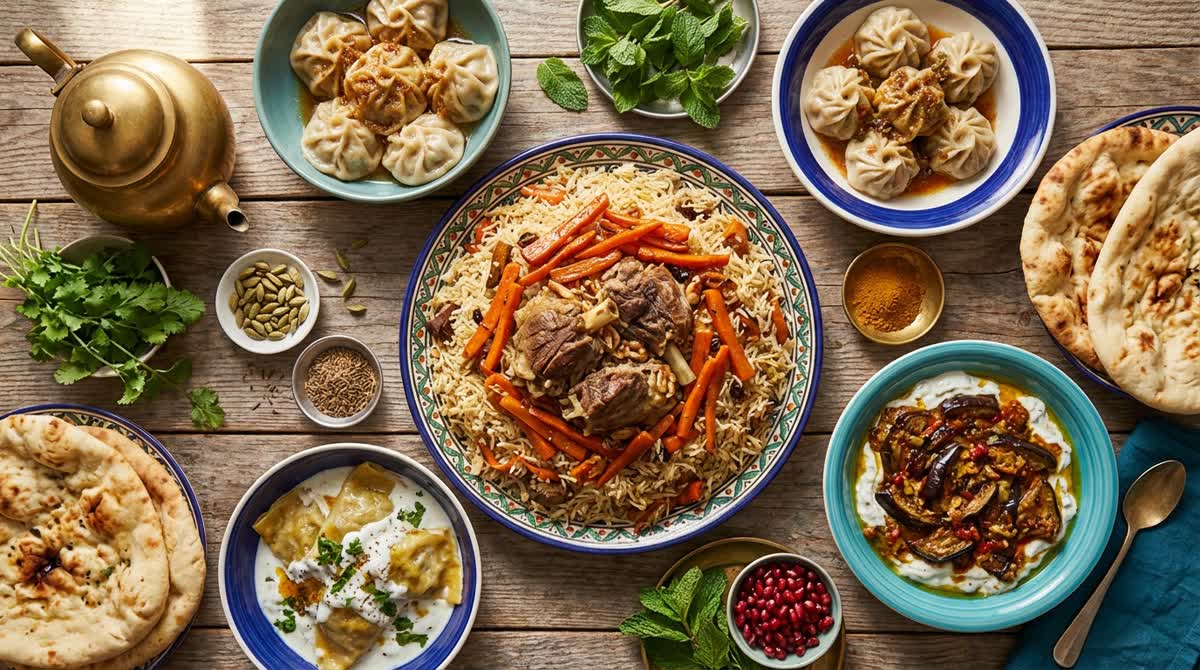
Afghanistan sits at a culinary crossroads—where Persian fragrance, Central Asian comfort, and South Asian spice meet in one generous, deeply hospitable table. Yet for many home cooks, afghan food still feels like a mystery: familiar enough to be inviting (rice, kebabs, dumplings, yogurt, herbs), but different enough to spark curiosity. That’s exactly why it deserves your attention.
What makes afghan cuisine so special isn’t shock value or extreme heat. It’s balance. It’s the way carrots turn sweet and jammy against jeweled rice, how tangy yogurt sauce wakes up a rich meat topping, how cardamom and rose can make dessert taste like a memory you didn’t know you had. And once you start exploring afghan recipes, you’ll realize they’re surprisingly achievable—built on smart techniques, pantry-friendly spices, and a love of feeding people well.
Below is your guided tour through the “hidden gem” of Central Asian cooking, with practical tips, cultural context, and plenty of ways to start cooking right now.
Why Afghan Food Feels Familiar—Yet Completely New
Afghan cooking reflects centuries of movement along trade routes and mountain passes. You’ll taste echoes of:
- Persian-style rice and stews
- Central Asian dumplings and meat-forward comfort dishes
- Indian subcontinent aromatics (without always leaning into heavy heat)
- Turkish and Silk Road grilling traditions
But afghan food isn’t a patchwork. It’s cohesive—defined by restraint and harmony: warm spices instead of fiery ones, herbs used like vegetables, and sour elements (yogurt, dried yogurt, tomatoes, citrus) that keep rich dishes lively.
If you’re new to afghan cuisine, here’s a helpful mindset: think “aromatic” more than “spicy,” and “layered” more than “complicated.”
The Flavor DNA of Afghan Cuisine
Aromatics and spices (the gentle kind of bold)
Afghan spice blends vary by region and household, but many dishes share a comforting backbone:
- Cardamom (especially in sweets and tea)
- Cumin and coriander
- Black pepper and mild chili (optional, not dominant)
- Cinnamon and cloves in small, warming amounts
- Saffron or saffron-like aromatics in special-occasion rice and kebabs
You’ll often see spices used to perfume, not overpower. That’s a signature of afghan cuisine—and one reason it’s so approachable for family meals.
Herbs and greens: not garnish, but identity
Cilantro, dill, mint, scallions, and leeks show up constantly. They’re folded into doughs, stirred into yogurt, and cooked into stews. Herbs aren’t decoration; they’re structure.
A simple, delicious example is Chaka (چکه) — Afghan Thick Strained Yogurt with Herbs. It’s cooling, tangy, and endlessly useful—serve it with flatbreads, kebabs, or rice.
Yogurt in all its forms
Yogurt appears as:
- Sauces for dumplings
- Soups and stews
- Toppings with garlic and herbs
- Dried yogurt (qoroot) for a deeply tangy punch
If you love the creamy-tart balance in Middle Eastern or Mediterranean food, you’ll feel right at home with afghan food.
Rice, Bread, and the Art of the Afghan Table
Rice: the centerpiece
Rice in Afghanistan isn’t just a side—it’s the stage where aroma, texture, and color perform together. The goal is often fluffy grains, distinct and fragrant, sometimes topped with sweet carrots and raisins or paired with rich stews.
Start with the national icon: Kabuli Pulao (قابلی پلو) — Afghan Aromatic Lamb Rice with Carrots and Raisins. It’s the dish many people remember from weddings and celebrations—savory lamb, sweet carrot ribbons, and that signature Afghan perfume.
For another comforting rice dish with a creamier texture, try Qabili Shola (شولا قابلی) — Afghan creamy rice with lamb and warm spices. Think of it as the cozy cousin of pulao—soft, rich, and deeply satisfying.
Bread: the everyday companion
Afghan meals are naturally “scoopable.” Bread is how you pick up salad, yogurt, kebab juices, and stew. Stuffed flatbreads are especially beloved because they’re portable, crowd-pleasing, and freezer-friendly.
Two excellent entry points:
- Bolani (بولانی) — Afghan Stuffed Flatbread with Potato and Leek
- Boulanee Kachaloo (بولانی کچالو) — Afghan Potato-Stuffed Fried Flatbread
If you’ve ever wanted a snack that can also be lunch, afghan recipes like bolani are the answer.
Dumplings: Afghanistan’s Most Underrated Comfort Food
If there’s one category that converts curious cooks into lifelong fans, it’s Afghan dumplings. They’re social food—often made in batches, folded with family, served generously.
Mantu: meaty, saucy, celebratory
Mantu are steamed dumplings, typically filled with seasoned meat and onions, then topped with yogurt sauce and a savory topping. They’re a perfect “weekend project” dish: satisfying to make, even better to eat.
Try:
Prefer a lentil-based topping? This version is equally comforting:
Ashak/Aushak: leek dumplings with bright sauces
Ashak (also spelled aushak) features leek-filled dumplings—lighter than mantu, herbaceous, and incredibly elegant when topped with yogurt and tomato-based sauces.
Explore both styles:
- Ashak (آشک) — Afghan Leek Dumplings with Yogurt and Tomato Sauce
- Aushak (آشک) — Afghan Leek Dumplings with Yogurt and Meat Sauce
Practical tip: If folding dumplings feels intimidating, start with fewer, larger pieces. Perfect pleats are optional; good flavor is not.
Kebabs and Grilling: Smoke, Saffron, and Simplicity
Afghan grilling is about clean flavors—quality meat, a smart marinade, and the magic of charcoal (or a very hot grill pan when needed). Kebabs are often served with rice, bread, salad, and yogurt, creating a full meal with minimal fuss.
Two standout afghan recipes to put on your grill list:
- Kabob Barg (کباب برگ) — Afghan Grilled Marinated Lamb Skewers, Tender and Smoky
- Chopan Kebab (کباب چوپان) — Afghan Chargrilled Lamb Chops with Saffron Marinade
And if chicken is more your weeknight speed:
Practical tip: Don’t rush the resting time after grilling. Afghan kebabs benefit from a short rest so juices redistribute—especially when served with rice.
Stews, Soups, and One-Pot Comfort (Afghan Style)
Afghan home cooking shines in dishes that simmer slowly and taste even better the next day. These are the meals that feel like someone is taking care of you.
Classic soup comfort
Try Shorwa-e Gosht (شوروا گوشت) — Afghan Lamb and Vegetable Soup for a hearty, nourishing bowl that’s both familiar and distinct. It’s the kind of soup that makes the whole kitchen smell like you’ve been cooking all day—even if you haven’t.
Yogurt-based warmth
If you’ve never had yogurt in a savory soup, Afghanistan offers a gentle, delicious introduction:
It’s tangy, comforting, and surprisingly balanced—proof that afghan cuisine knows exactly how to use dairy without making a dish feel heavy.
Sweet-savory vegetable stews
Afghan cooking often plays with sweetness in a way that feels natural, not dessert-like. A perfect example:
If you’ve ever loved the sweet notes in Moroccan tagines, you’ll appreciate this style of afghan food.
The Side Dishes That Make the Meal Feel Afghan
Afghan meals are built around contrast: hot and cool, rich and bright, soft and crisp.
Fresh salad that wakes everything up
A simple chopped salad can transform a plate of rice and kebab from “good” to “complete.” Make:
It’s juicy, sharp, and herb-forward—the exact counterpoint to grilled meats and buttery rice.
Potatoes, but make them snackable
For something crispy and spiced:
These are dangerously easy to keep eating—especially with a side of yogurt.
Afghan Desserts and Tea: Fragrant, Not Overly Sweet
If you think dessert must be intensely sugary to be satisfying, afghan cuisine will pleasantly surprise you. Many sweets lean on aroma—cardamom, rose, nuts—rather than pure sweetness.
Ice cream with rose and cardamom
Yes, Afghanistan has an iconic floral ice cream—and it’s as elegant as it sounds:
Comforting milk-based desserts
For something soothing and classic:
And for a festive dessert that feels like celebration in a bowl:
Tea culture: where hospitality lives
Afghan tea isn’t just a drink—it’s a ritual of welcome. If you want a cup that feels like an invitation to sit longer, try:
Personal touch: The first time I tried a cardamom-forward Afghan tea, I expected it to taste like “chai.” It didn’t. It was gentler, creamier, and somehow more calming—like the flavor equivalent of a soft blanket.
How to Start Cooking Afghan Recipes at Home (Without Stress)
Getting into afghan recipes doesn’t require specialty equipment or rare ingredients. It requires a plan.
1) Build one “Afghan-style” plate
Choose:
- One main (kebab, stew, dumplings)
- One rice or bread
- One fresh element (salad)
- One yogurt sauce
Example starter menu:
- Chopan Kebab (کباب چوپان) — Afghan Chargrilled Lamb Chops with Saffron Marinade
- Salata-e Afghan (سالاد افغانی) — Afghan Fresh Tomato, Onion, and Cilantro Salad
- Chaka (چکه) — Afghan Thick Strained Yogurt with Herbs
That’s a full Afghan-feeling meal without spending all day cooking.
2) Master one signature rice dish
If you learn just one, make it Kabuli Pulao (قابلی پلو) — Afghan Aromatic Lamb Rice with Carrots and Raisins. It teaches you the Afghan approach to aroma, texture, and sweet-savory balance.
3) Save dumplings for a weekend (and make extra)
Mantu and ashak are worth it—but they’re more fun when you’re not rushed. Make a big batch and freeze. Future-you will feel like a genius on a busy weeknight.
4) Don’t overcomplicate the spice cabinet
You don’t need 30 spices. Start with cumin, coriander, black pepper, turmeric, cinnamon, and cardamom. Add saffron when you’re ready to go from “delicious” to “special occasion.”
What Makes Afghan Food a “Hidden Gem” of Central Asia?
A lot of global food trends reward extremes—spiciest, cheesiest, most over-the-top. Afghan food is powerful in a different way: it’s quietly confident. It doesn’t need to shout because it’s built on:
- Technique (perfect rice, careful simmering, smart steaming)
- Contrast (cool yogurt with warm spices, fresh salad with rich meats)
- Hospitality (food designed to be shared)
And perhaps most importantly, afghan cuisine is deeply adaptable. Many dishes can be made with lamb, beef, chicken, or lentils. You can scale recipes up for gatherings or down for weeknights. You can keep things traditional or adjust gently to your pantry.
That flexibility is why afghan recipes belong in more home kitchens—especially if you love cooking food that feels both comforting and a little transportive.
Your Next Step: Explore Afghan Recipes on Zaffaron
If you’re ready to bring this hidden gem into your kitchen, pick one recipe and start there—then build your Afghan table one dish at a time. Whether you’re craving dumplings, kebabs, rice, or a cardamom-scented dessert, Zaffaron is here to guide you.
Explore more afghan recipes right on Zaffaron, and when you cook one, make it your own: invite someone over, set out yogurt and salad, and eat slowly—Afghan-style.