Spice Guide: 10 Essential Spices for Middle Eastern Cooking
A well-stocked spice shelf is the fastest way to make Middle Eastern flavors feel natural in your kitchen. Here are 10 essential spices, how they’re used across the region, and smart substitutions when you’re missing one.
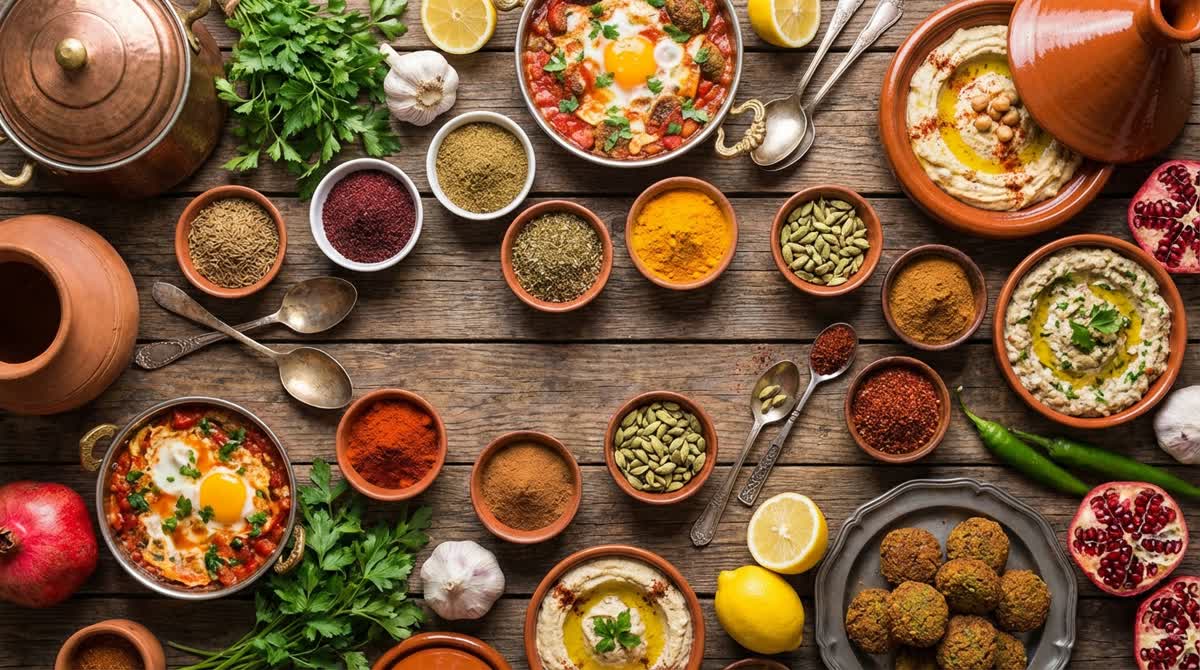
A spice shelf that opens a whole region
Middle Eastern cooking (and the cuisines neighboring it, from the Eastern Mediterranean to Iran and Afghanistan) isn’t about heat for heat’s sake. It’s about fragrance, warmth, brightness, and balance. Spices aren’t just “seasoning,” they’re identity. A pinch can make rice smell like a celebration, or turn a simple stew into something that tastes like it simmered in a grandmother’s kitchen.
This guide covers 10 essential spices that show up again and again across Middle Eastern tables. For each, you’ll get what it tastes like, where it’s commonly used, how to buy and store it, and what to do if you don’t have it.
(And remember: spices are personal. If one doesn’t speak to you at first, try it in a different context. Many spices shine when paired with the right fat, acid, or sweetness.)
1) Cumin (ground and whole)
Flavor: earthy, warm, slightly bitter in a good way.
How it’s used: Cumin is foundational in kebabs, lentils, beans, and many meat dishes. You’ll taste it in Turkish kta, Lebanese-style hummus variations, Moroccan stews, and beyond.
Tips: Toast whole cumin seeds briefly in a dry pan to wake up the aroma, then grind. Ground cumin loses punch faster than whole seeds.
Substitute: Ground coriander + a tiny pinch of smoked paprika can mimic some warmth, but cumin has a distinct “bass note.” If you can, keep it stocked.
Try it in: Turkish Kofta
2) Coriander (ground and whole)
Flavor: citrusy, floral, gently sweet.
How it’s used: Coriander often partners with cumin, but it brings brightness. It’s common in meat marinades, soups, and spice blends.
Tips: Coriander is especially lovely when freshly ground. Whole seeds can be lightly crushed and added to marinades for texture.
Substitute: A mix of cumin and a little lemon zest can cover some of the territory, but coriander’s perfume is unique.
Try it in: Shawarma Chicken
3) Turmeric
Flavor: earthy, slightly bitter, warm, with a gentle peppery note.
How it’s used: Turmeric is both color and flavor. In Persian cooking it appears in many stews and saut bases. In Afghan and Indian-influenced dishes it’s equally at home.
Tips: Turmeric stains, so be mindful with countertops and clothing. Bloom it in oil for a few seconds to mellow raw bitterness.
Substitute: A small pinch of curry powder can stand in, but keep it light. Turmeric is subtle and shouldn’t shout.
Try it in: Adas Polo
4) Sumac
Flavor: tart, lemony, slightly fruity.
How it’s used: Sumac is a finishing spice. Sprinkle it on salads, grilled meats, onions, and dips. It’s part of the “bright” side of the region’s flavor palette.
Tips: Buy sumac that smells tangy and looks deep red-purple. Store airtight away from light to preserve brightness.
Substitute: Lemon zest + a tiny pinch of salt (or a quick splash of lemon juice at the end). It won’t be the same, but it captures the intent.
Try it in: Fattoush
5) Aleppo pepper (pul biber)
Flavor: mild heat, fruity, slightly smoky, with a gentle sweetness.
How it’s used: Aleppo pepper is the “friendly” chili you can sprinkle generously. It’s common in Levantine and Turkish cooking, often used as a table condiment.
Tips: Because it’s mild, it’s great for families. Drizzle olive oil over Aleppo pepper for a quick dipping oil.
Substitute: A blend of paprika + a little cayenne (go easy) gets close.
Try it in: Muhammara
6) Paprika (sweet, and smoked if you like)
Flavor: sweet pepper warmth; smoked paprika adds woodsy depth.
How it’s used: Paprika shows up across Turkish and Levantine dishes, in rubs, soups, and as a garnish on yogurt dips.
Tips: Paprika goes flat faster than people realize. If yours smells like dust, replace it. Blooming paprika in oil releases color and aroma, but don’t burn it.
Substitute: Mild chili powder can work, but it may bring extra cumin and garlic depending on the blend.
Try it in: Shakshuka
7) Cinnamon
Flavor: sweet warmth, woody, aromatic.
How it’s used: In Middle Eastern cooking, cinnamon isn’t only for dessert. It adds warmth to meat dishes, rice, and stews, especially in Persian and Levantine cuisines. It can make a savory dish feel “rounded.”
Tips: Use cinnamon sparingly in savory cooking. You want a whisper, not a candle.
Substitute: Allspice or a tiny pinch of nutmeg can mimic some warmth.
Try it in: Lamb Kofta
8) Cardamom
Flavor: intensely aromatic, floral, citrusy, slightly menthol.
How it’s used: Cardamom is iconic in Persian tea traditions and in desserts, but it also perfumes rice and some savory dishes. In Afghan and Indian-adjacent cooking, it’s part of the “royal” aromatic set (with saffron and rose).
Tips: Whole pods keep their aroma far longer than pre-ground cardamom. Crack pods and use the seeds.
Substitute: A mix of cinnamon + a tiny pinch of ginger can hint at the warmth, but cardamom is special. Buy it when you can.
Try it in: Persian Tea
9) Saffron
Flavor: floral, honeyed, hay-like, deeply aromatic.
How it’s used: Saffron is used for special rice dishes, desserts, and sometimes marinades. In Persian cuisine, it’s the gold thread that makes a dish feel festive.
Tips: Bloom saffron properly: crush threads with a pinch of sugar or salt, then steep in hot (not boiling) water for 10–15 minutes. A little goes far.
Substitute: Turmeric can mimic color but not flavor. If you don’t have saffron, lean into other aromatics like rosewater (for sweets) or citrus and butter (for rice).
Try it in: Zereshk Polo
10) Baharat (or an allspice-forward blend)
Flavor: warm, complex, usually built from black pepper, cumin, coriander, cinnamon, cloves, and cardamom (exact recipes vary).
How it’s used: Baharat is a shortcut to depth. It’s used in meat rubs, stews, rice, and sometimes lentils. Different countries and families have their own versions.
Tips: Treat spice blends like fresh produce: buy in smaller amounts, store airtight, and replace when the aroma fades.
Substitute: Mix what you likely have: 2 parts black pepper, 2 parts cumin, 2 parts coriander, 1 part paprika, 1 part cinnamon, plus a tiny pinch of cloves or allspice.
Try it in: Kibbeh
How to buy spices that taste like something
- Smell before you buy (when possible). Aroma is the whole point.
- Choose whole spices for the ones you use often (cumin, coriander, cardamom).
- Buy smaller quantities so they stay fresh.
- Store away from heat and light. Above the stove is convenient, but it shortens spice life.
The quiet secret: spices need fat and acid
If a dish tastes “spiced” but flat, it often needs one of two things:
- Fat to carry aroma (olive oil, butter, yogurt, nuts)
- Acid to wake flavors (lemon, vinegar, pomegranate, sumac)
A pinch of sumac at the end, a squeeze of lemon, or a swirl of olive oil can make your spices taste brighter and more intentional.
A simple starter kit (and what to cook first)
If you’re building your spice shelf from scratch, start with: cumin, coriander, turmeric, paprika, sumac, and Aleppo pepper. Add cinnamon and cardamom next, then saffron when you’re ready to splurge, and a baharat blend for convenience.
For your first week of cooking, you could make:
- Shakshuka (paprika, cumin)
- Fattoush (sumac)
- Turkish Kofta (cumin, coriander)
- Zereshk Polo (saffron, turmeric)
Spices are a vocabulary. The more you use them, the more natural they become. Soon you’ll be seasoning by scent, adjusting by instinct, and building flavors the way the region does: patiently, generously, and with a little bit of poetry.