Aloo Gobi (आलू गोभी) — Indian Potato and Cauliflower Dry Curry with Turmeric
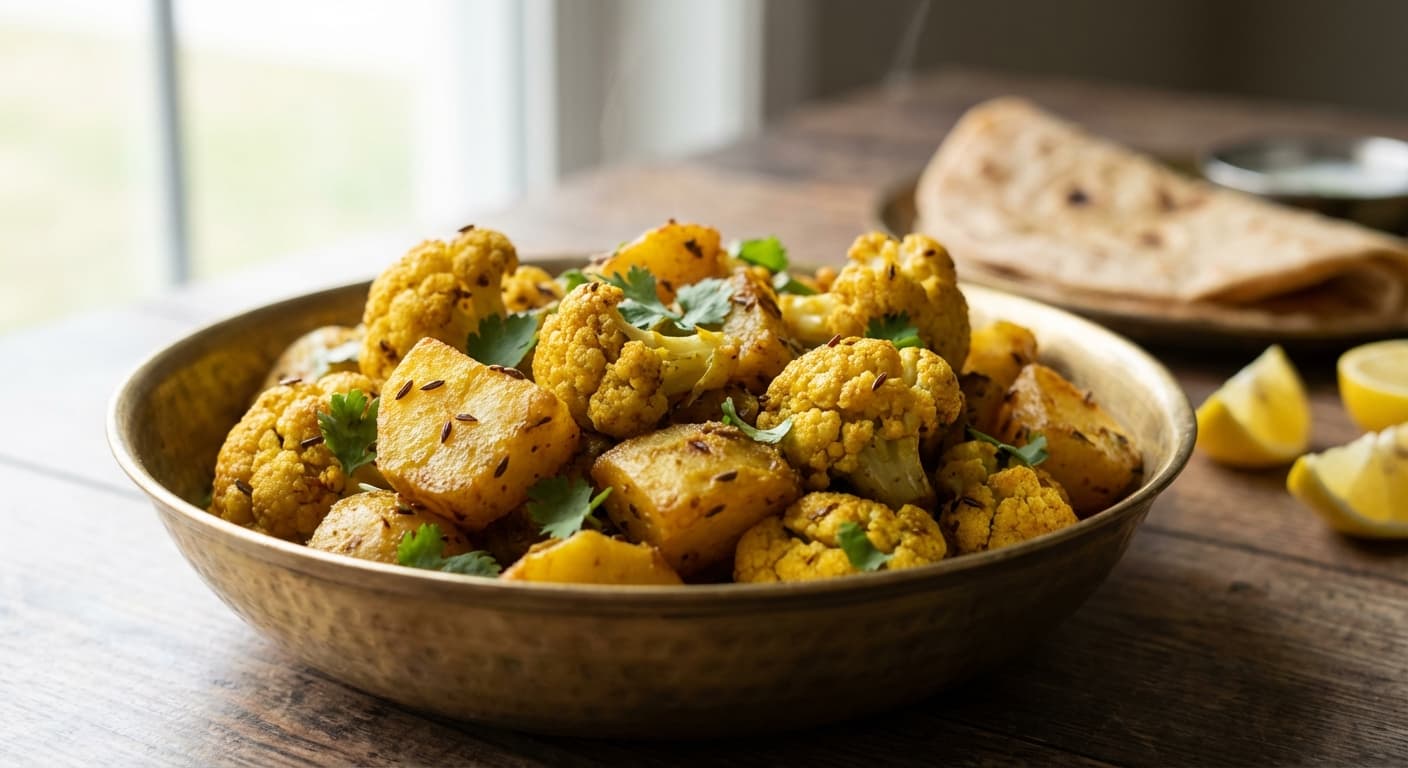
Aloo Gobi is a beloved North Indian dry sabzi where potatoes and cauliflower are gently cooked with turmeric, cumin, and tomatoes. It’s everyday comfort food—simple, fragrant, and perfect with roti or rice.
Printable Recipe Card
Servings: 4 · Total: 45 min · Difficulty: easy
Ingredients (quick list)
- 500 g cauliflower florets (cut into 3–4 cm florets)
- 450 g potatoes (peeled and cut into 2 cm cubes)
- 30 ml neutral oil (sunflower, canola, or peanut oil)
- 2 tsp cumin seeds
- 150 g onion (finely chopped)
- 12 g ginger (grated)
- 12 g garlic (minced)
- 1 green chili (slit lengthwise)
- 250 g tomato (finely chopped)
- 1.5 tsp ground turmeric
- 2 tsp ground coriander
- 1 tsp Kashmiri chili powder (for color and mild heat)
+ 6 more in the full ingredients section below.
Steps (summary)
- Prep the vegetables so they cook evenly. Cut the cauliflower into medium florets and the potatoes into 2 cm cubes, then rinse a…
- Heat a wide, heavy pan over medium heat and add the oil. When the oil shimmers, add cumin seeds and let them sizzle for 20–30 s…
- Add the chopped onion and sauté for 6–8 minutes until light golden. Stir often and scrape the pan so the onions brown evenly wi…
- Add ginger, garlic, and the slit green chili, then cook for 45–60 seconds. Keep the heat moderate so the garlic turns fragrant…
- Add the chopped tomatoes along with turmeric, ground coriander, Kashmiri chili powder, and salt. Cook for 6–8 minutes, stirring…
- Add the potatoes and cauliflower and stir for 1–2 minutes to coat everything thoroughly in the masala. This step builds flavor…
+ 3 more steps in the full instructions section below.
Cultural Background
Aloo Gobi is a staple North Indian home-style sabzi, valued for stretching humble vegetables into a satisfying meal. Its turmeric-forward color and cumin aroma make it a familiar comfort dish served with roti in countless households.
Equipment
💡 Tips
- Use a wide pan so moisture evaporates quickly and the final texture stays dry rather than stewed.
- If your cauliflower is very fresh and firm, add it 3 minutes after the potatoes to prevent overcooking and crumbling.
- Crush kasuri methi between your palms before adding; it releases more aroma and gives the classic restaurant-style finish.
⚠️ Common Mistakes
❌ Adding too much water and ending up with a wet, stewed curry.
✅ Fix: Use only 60 ml water, keep the pan wide, and finish uncovered for a few minutes to dry the masala.
❌ Cauliflower breaking into crumbs while stirring.
✅ Fix: Cut larger florets, stir gently with a folding motion, and avoid overcooking once tender.
❌ Raw-tasting spices and sharp tomato flavor.
✅ Fix: Cook the tomato-spice masala until it thickens and oil lightly separates before adding vegetables.
🧊 How to Store
Cool completely, then refrigerate in an airtight container for up to 3 days. Reheat in a skillet over medium-low heat with 15 ml water, stirring gently until hot; avoid microwaving too long or the cauliflower may turn mushy.
📅 Make Ahead
Chop cauliflower and potatoes up to 12 hours ahead and refrigerate separately in airtight containers; keep potatoes submerged in cold water, then drain and pat dry before cooking. The spice mix can be measured and combined in advance for faster cooking.
🍽️ Pairs Well With
- Roti
- paratha
- basmati rice
- dal tadka
- cucumber raita
- mango pickle.
Regional Variations
- Punjabi-style: add 1 tsp dried pomegranate powder (anardana) for tang and finish with extra cilantro.
- No-onion/no-garlic (satvik): omit onion and garlic, add 1 tsp grated ginger and 1 tsp cumin powder for depth.
- Restaurant-style: shallow-fry the potatoes for 6–8 minutes before adding to the masala for a slightly crisp edge.
Ingredients
- 500 gcauliflower florets (cut into 3–4 cm florets)
- 450 gpotatoes (peeled and cut into 2 cm cubes)
- 30 mlneutral oil (sunflower, canola, or peanut oil)
- 2 tspcumin seeds
- 150 gonion (finely chopped)
- 12 gginger (grated)
- 12 ggarlic (minced)
- 1green chili (slit lengthwise)
- 250 gtomato (finely chopped)
- 1.5 tspground turmeric
- 2 tspground coriander
- 1 tspKashmiri chili powder (for color and mild heat)
- 1 tspgaram masala
- 6 gfine salt (about 1 tsp)
- 60 mlwater (to help steam-cook the vegetables)
- 1 tspdried fenugreek leaves (kasuri methi) (crushed between palms)
- 10 gfresh cilantro (chopped, for garnish)
- 15 mllemon juice (about 1 tbsp)
🔄 Substitutions
- neutral oil→ ghee
- Kashmiri chili powder→ paprika
- dried fenugreek leaves (kasuri methi)→ ground cumin
Instructions
- 1
Prep the vegetables so they cook evenly. Cut the cauliflower into medium florets and the potatoes into 2 cm cubes, then rinse and drain well to avoid excess moisture that can make the sabzi soggy.
- 2
Heat a wide, heavy pan over medium heat and add the oil. When the oil shimmers, add cumin seeds and let them sizzle for 20–30 seconds until aromatic but not dark.
- 3
Add the chopped onion and sauté for 6–8 minutes until light golden. Stir often and scrape the pan so the onions brown evenly without burning.
- 4
Add ginger, garlic, and the slit green chili, then cook for 45–60 seconds. Keep the heat moderate so the garlic turns fragrant without taking on a bitter, scorched taste.
- 5
Add the chopped tomatoes along with turmeric, ground coriander, Kashmiri chili powder, and salt. Cook for 6–8 minutes, stirring, until the tomatoes soften and the masala looks thicker with oil lightly separating at the edges.
- 6
Add the potatoes and cauliflower and stir for 1–2 minutes to coat everything thoroughly in the masala. This step builds flavor by letting the spices cling to the vegetables before steaming.
- 7
Pour in the water, then cover with a tight lid and reduce heat to low. Cook for 12 minutes, opening once halfway to gently toss, until the potatoes are nearly tender and the cauliflower is cooked but still holding its shape.
- 8
Remove the lid and increase heat to medium for 3–5 minutes to evaporate excess moisture. Stir carefully to avoid breaking the cauliflower, and let the sabzi become dry and lightly glossy rather than saucy.
- 9
Turn off the heat and add garam masala and crushed kasuri methi. Rest for 2 minutes so the spices bloom in the residual heat, then finish with lemon juice and cilantro before serving.
🪪 Recipe Passport
Cultural Background
Aloo Gobi is a staple North Indian home-style sabzi, valued for stretching humble vegetables into a satisfying meal. Its turmeric-forward color and cumin aroma make it a familiar comfort dish served with roti in countless households.
Regional Variations
Researched from multiple sources and validated by the Zaffaron editorial team. Every recipe is tested for accuracy, measurements, and cultural authenticity.
Nutrition per serving
Pairs well with
If you enjoyed this recipe, here are a few related Zaffaron recipes to try next.
Does your family make this differently?
Every family has their own version. Maybe your grandmother adds a secret ingredient, or your aunt has a completely different technique. Preserve your family's version — with their name on it, forever.
You Might Also Like
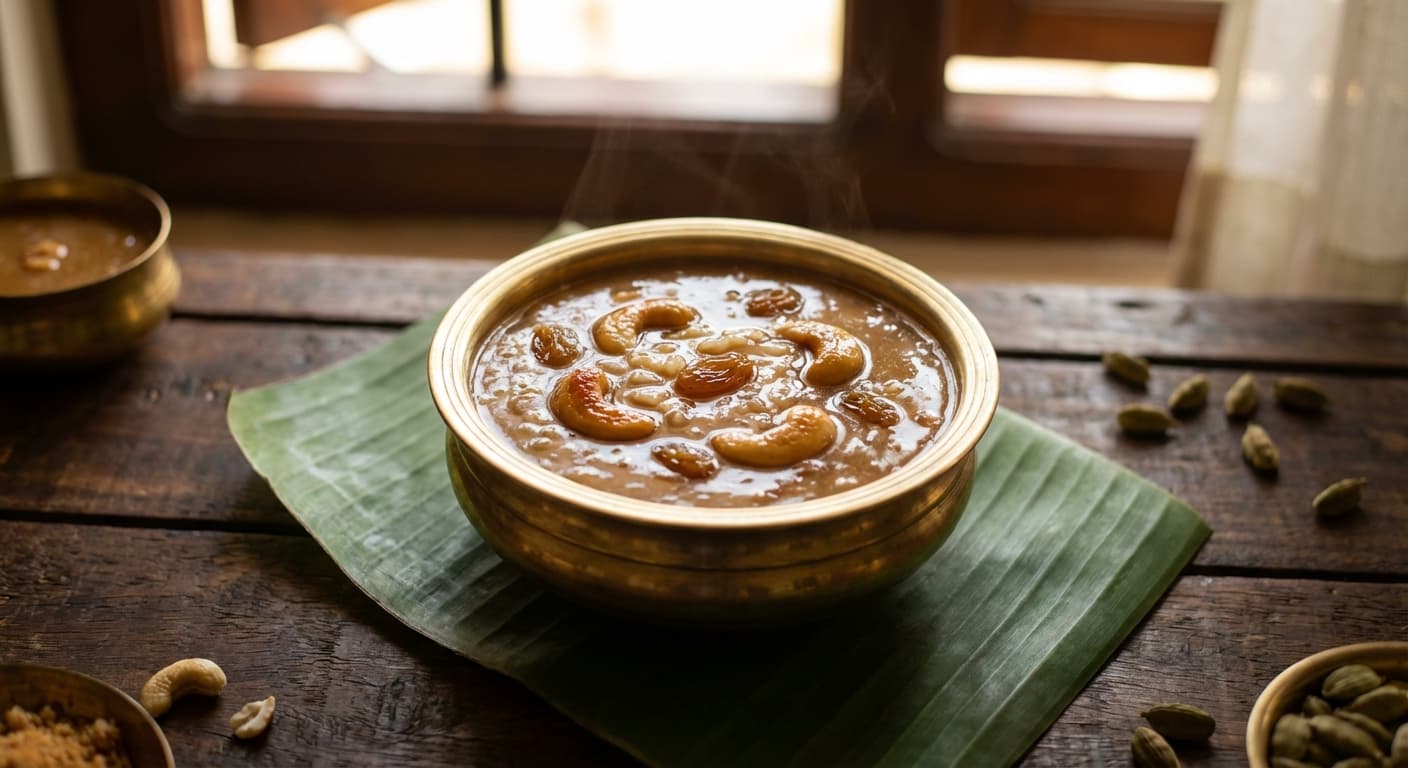
Jaggery Payasam (പായസം) — South Indian milk dessert with ghee and cardamom
Indian · Desserts · 45 min
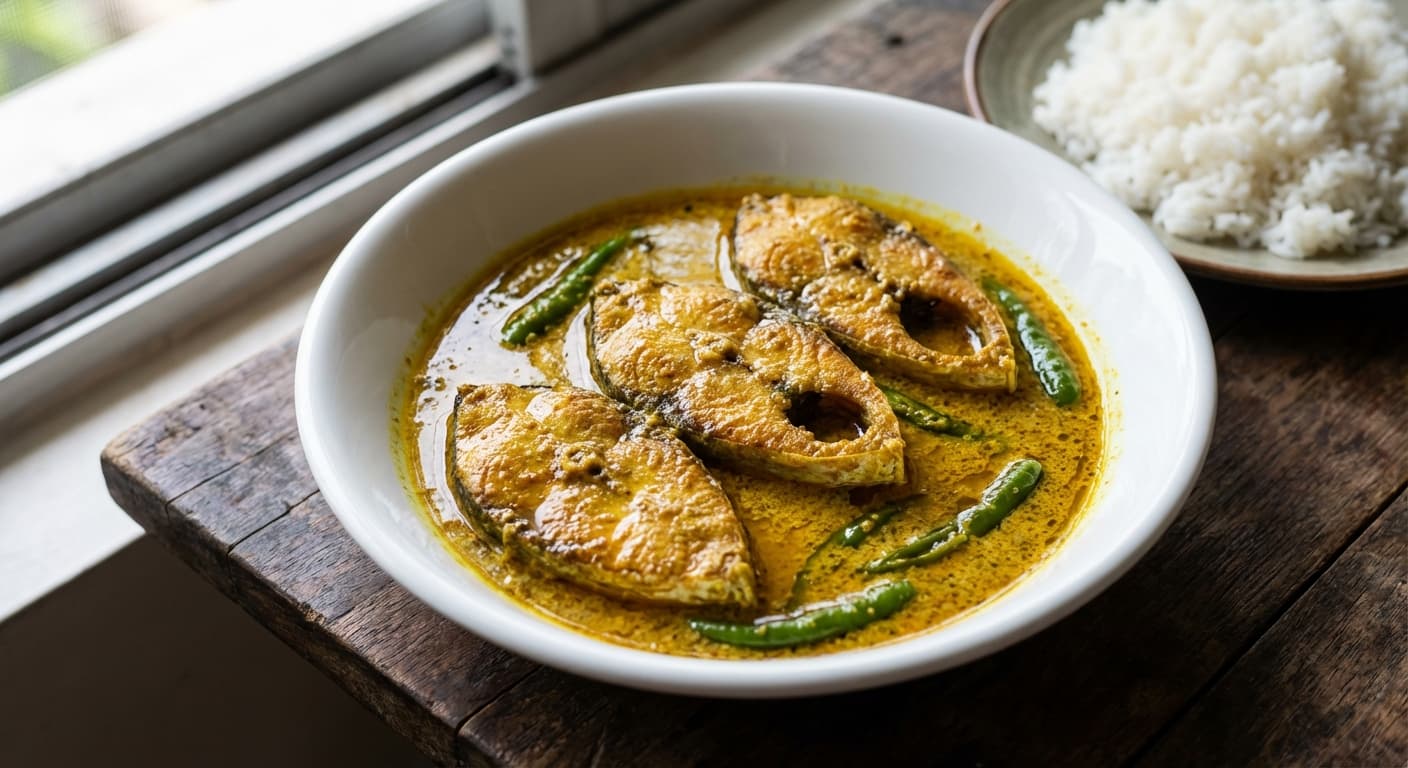
Shorshe Ilish (শরষে ইলিশ) — Hilsa in Mustard-Grreen Chili Gravy
Indian · Main Courses · 38 min
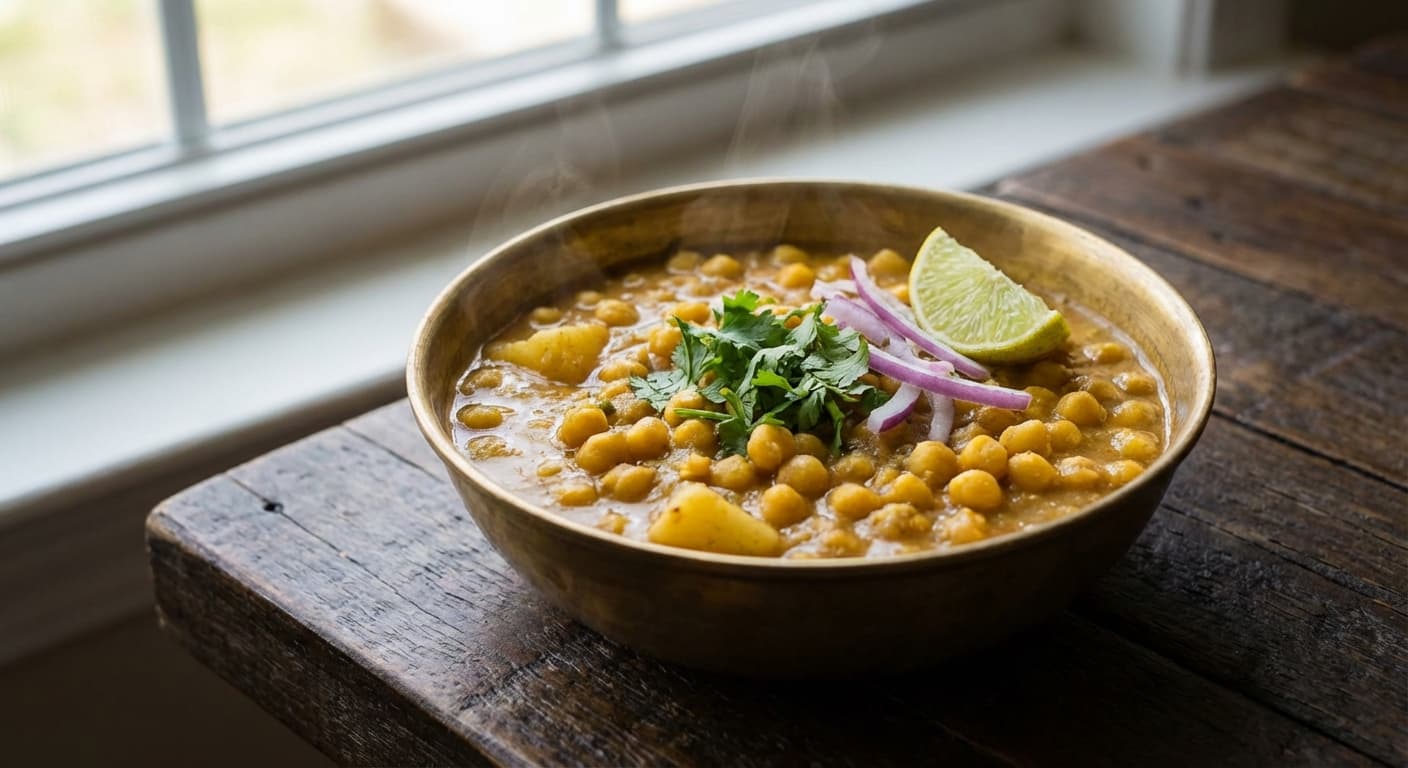
Ghugni (ঘুগনি) — Indian Spiced Yellow Peas Curry with Onions
Indian · Stews · 70 min
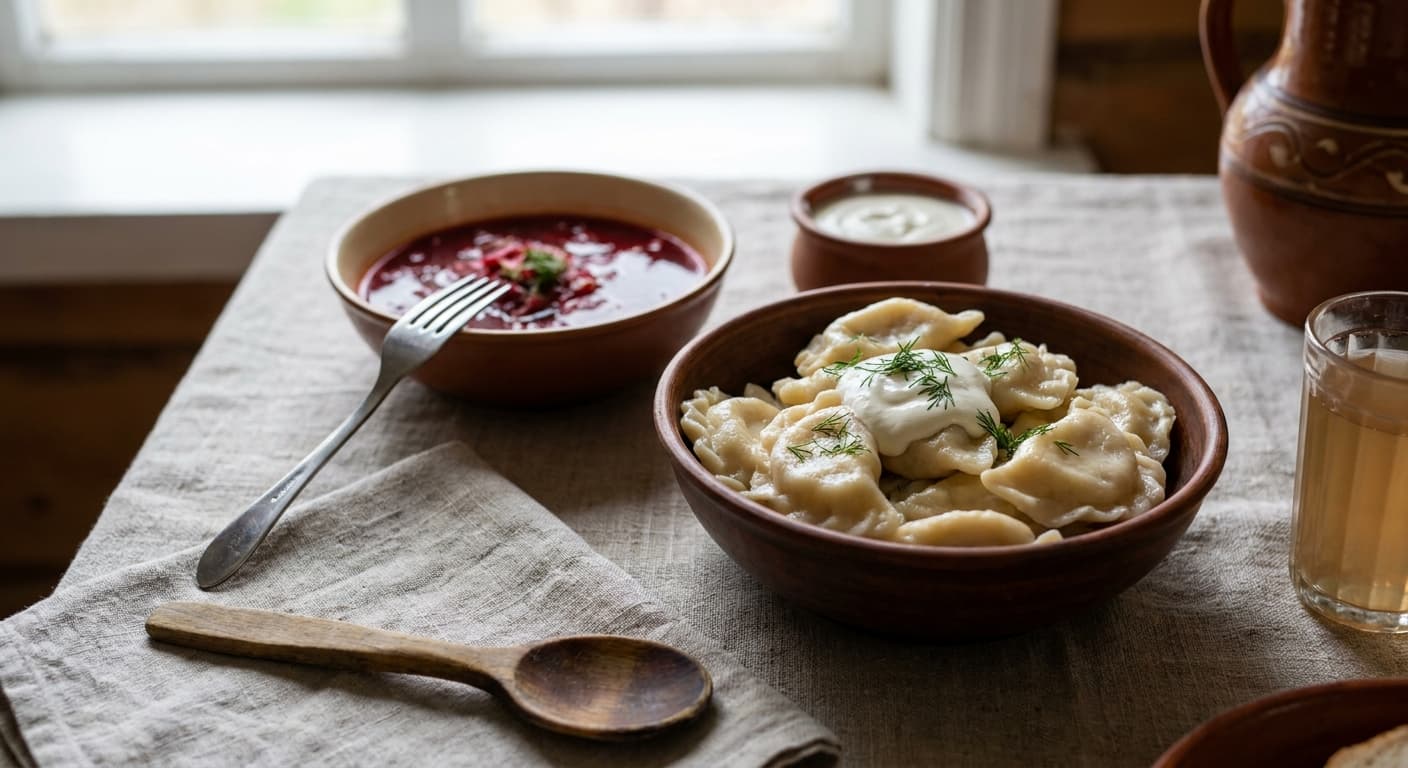
Varenyky (Вареники) — Ukrainian Potato-Cheese Dumplings
Ukrainian · Main Courses · 95 min

Cornish Pasty (Cornish Pasty) — Traditional Beef and Swede Hand Pie
British · Main Courses · 100 min
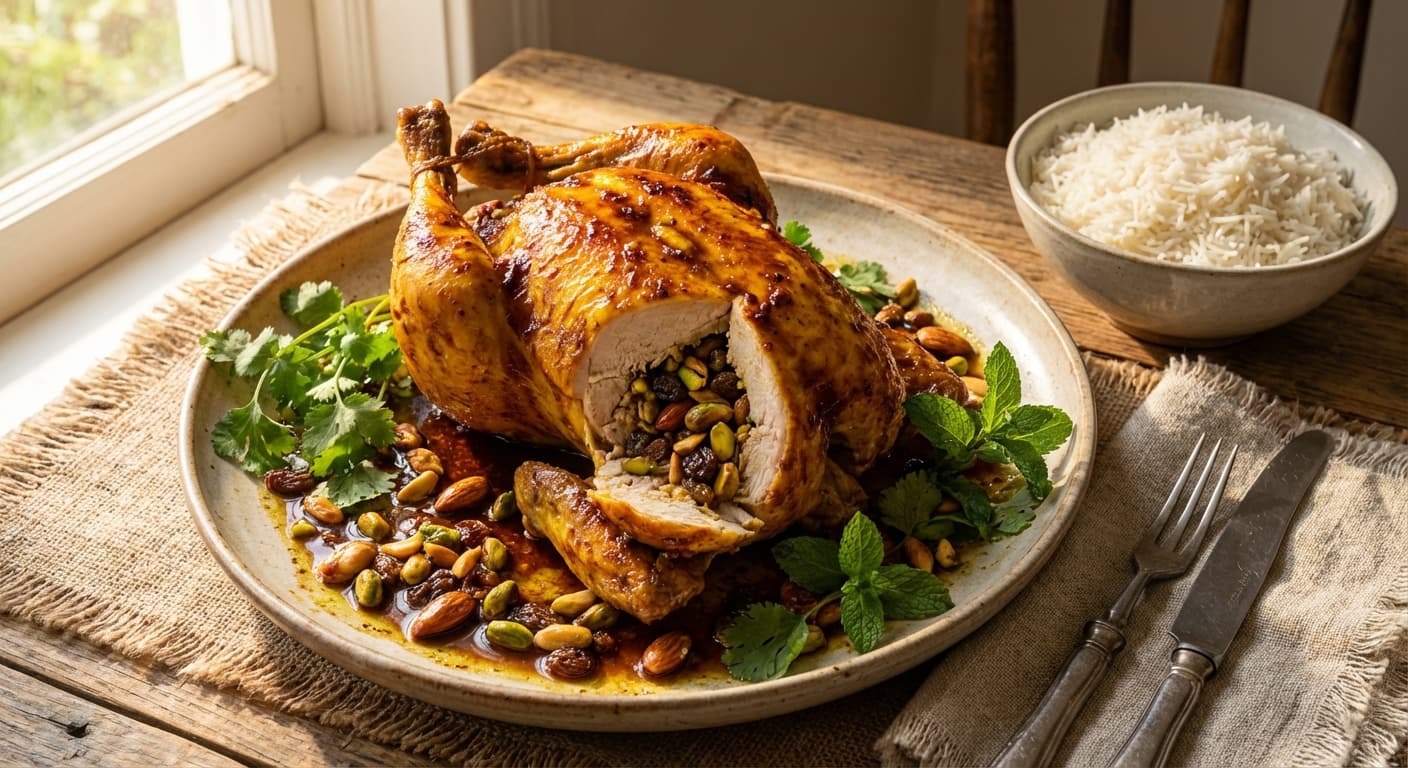
Lawang (لاونگ) — Afghan Stuffed Chicken with Raisins, Nuts, and Warm Spices
Afghan · Main Courses · 120 min
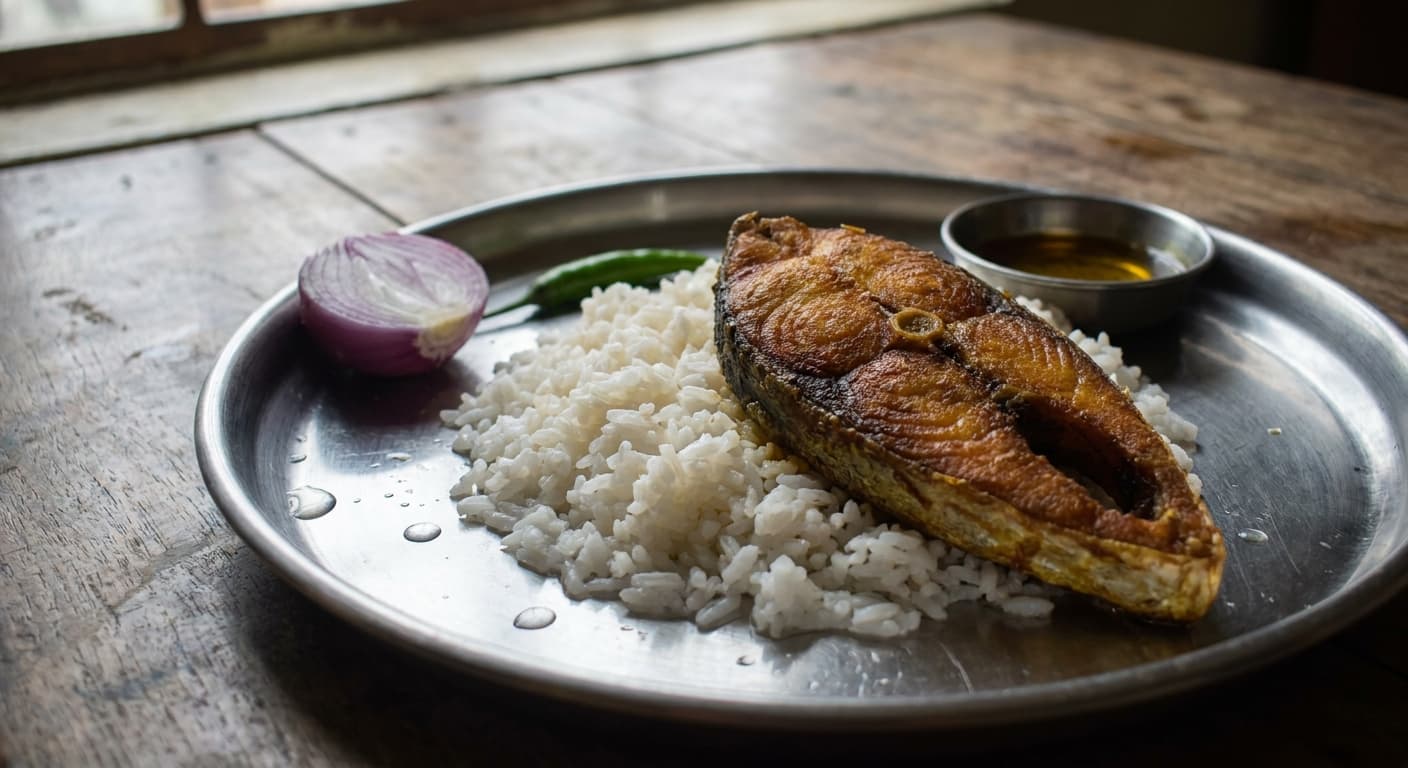
Panta Bhat (পান্তা ভাত) — Overnight Fermented Rice with Fried Ilish
Bangladeshi · Rice Dishes · 35 min

Bisi Bele Bath (ಬಿಸಿ ಬೇಳೆ ಬಾತ್) — Indian Spiced Rice-Lentil Stew with Vegetables
Indian · Main Courses · 65 min
Reviews
Cooked this recipe?
Tap the stars to rate it — that's all it takes. A few words are welcome but optional.
No ratings yet. Cooked this one? Be the first to rate it — it takes one tap.