Panta Bhat (পান্তা ভাত) — Overnight Fermented Rice with Fried Ilish
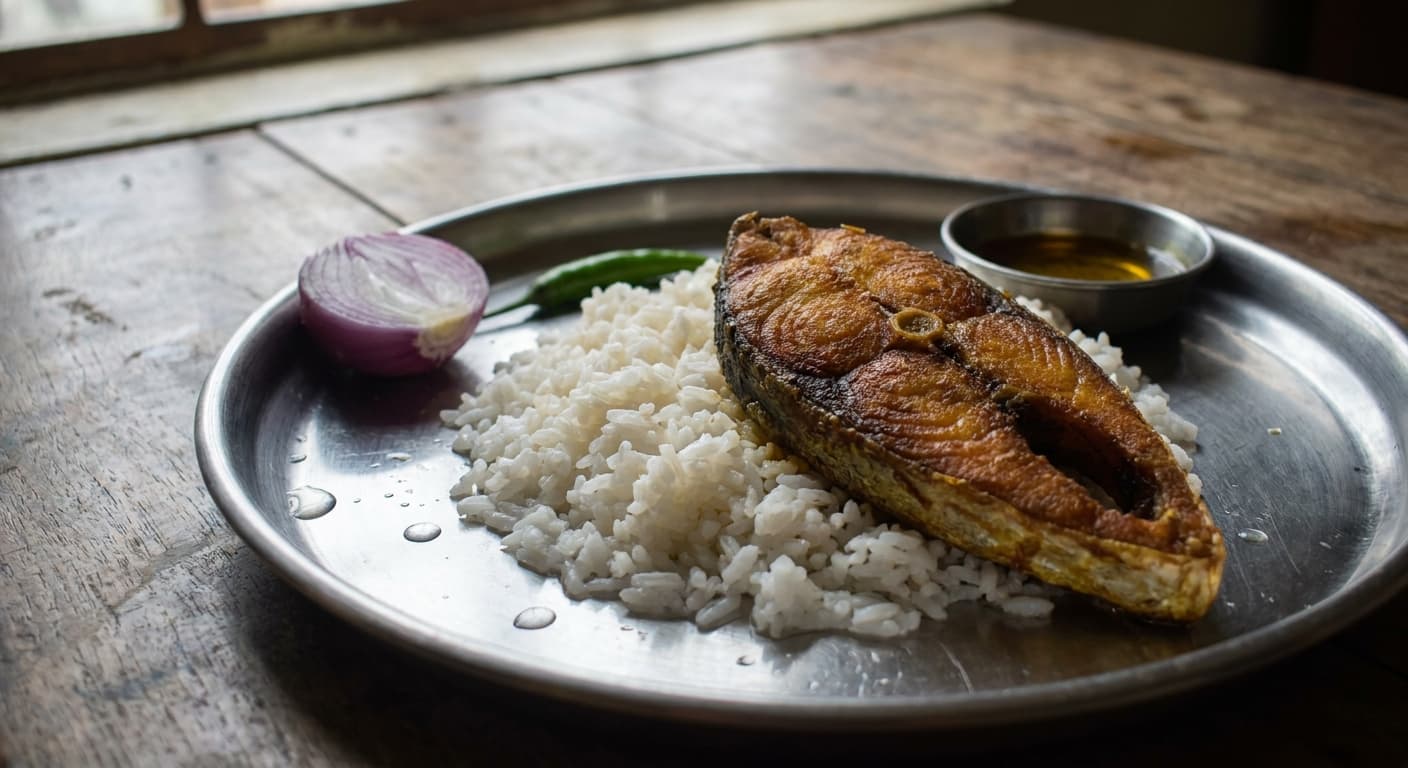
Panta bhat is Bangladesh’s beloved overnight-soaked rice, cooling, lightly tangy, and traditionally served with mustard oil, onion, green chile, and fried hilsa or ilish. It is especially iconic at Pohela Boishakh tables.
Printable Recipe Card
Servings: 4 · Total: 35 min · Difficulty: medium
Ingredients (quick list)
- 900 g cooked parboiled rice (preferably day-old and fully cooled)
- 1.2 l filtered water
- 1 tsp fine sea salt
- 4 tsp mustard oil
- 1 red onion (thinly sliced, about 120 g)
- 4 green chiles (slit lengthwise)
- 1 lime (cut into wedges)
- 4 hilsa steaks (about 100 g each)
- 1 tsp ground turmeric
Steps (summary)
- Place the fully cooled cooked parboiled rice in a clean earthenware, glass, or ceramic bowl. Pour in the filtered water and sti…
- Cover the bowl with a clean lid or plate, leaving it loosely covered rather than airtight. Let the rice stand at cool room temp…
- If your kitchen is warmer than 24 C, ferment the rice for 4 hours at room temperature and then refrigerate it overnight to keep…
- Pat the hilsa steaks dry with paper towel, then rub them evenly with the ground turmeric and 0.5 tsp fine sea salt. Rest the fi…
- Heat 2 tbsp mustard oil in a heavy skillet over medium-high heat until it shimmers and just begins to smoke lightly. Fry the il…
- Spoon the panta bhat into bowls with enough of the fermented soaking liquid to make it loose and refreshing. Drizzle each servi…
Cultural Background
Panta bhat reflects rural Bengali thrift and climate-wise cooking, turning leftover rice into a cooling meal. As Chitrita Banerji describes in her writing on Bengal’s foodways, rice anchors daily life, and panta ilish now symbolizes Pohela Boishakh in Bangladesh.
Equipment
💡 Tips
- Use cooked rice that has cooled completely before soaking, because hot rice can create unpleasant flavors and unsafe fermentation.
- Mustard oil is central to the Bangladeshi taste of panta bhat, so add it raw at the table as well as using it for the ilish.
- The fermented rice should smell clean, faintly sour, and rice-like; discard it if it smells rotten, alcoholic, or sharply unpleasant.
⚠️ Common Mistakes
❌ Soaking freshly cooked hot rice
✅ Fix: Cool the rice completely first so fermentation stays clean and the grains do not turn gluey.
❌ Covering the rice airtight at room temperature
✅ Fix: Use a loose lid or plate so the rice can ferment gently without trapping excess pressure or off aromas.
❌ Overfrying the ilish
✅ Fix: Cook the steaks only until golden and just done, because hilsa becomes dry and bony-tasting when fried too long.
🧊 How to Store
Keep leftover panta bhat covered in the refrigerator for up to 24 hours after fermentation and serve it cold. Store fried ilish separately for up to 2 days and reheat gently in a covered skillet over low heat.
📅 Make Ahead
Cook the rice 1 day ahead and chill it until needed. Begin soaking the rice the night before serving, and season the hilsa up to 30 minutes before frying.
🍽️ Pairs Well With
- Aloo bhorta
- begun bhorta
- sliced red onion
- green chiles
- lime wedges
- fried ilish.
Regional Variations
- For an everyday village-style version, serve only the soaked rice with salt, mustard oil, onion, and green chile.
- For Pohela Boishakh, panta bhat is often presented as panta ilish with fried hilsa and several bhorta sides.
- Some households add a small spoon of the previous day’s panta water to encourage a more pronounced tang in the next batch.
Ingredients
- 900 gcooked parboiled rice (preferably day-old and fully cooled)
- 1.2 lfiltered water
- 1 tspfine sea salt
- 4 tspmustard oil
- 1red onion (thinly sliced, about 120 g)
- 4green chiles (slit lengthwise)
- 1lime (cut into wedges)
- 4hilsa steaks (about 100 g each)
- 1 tspground turmeric
🔄 Substitutions
- hilsa steaks→ mackerel steaks
- mustard oil→ neutral oil plus 1 tsp crushed mustard seeds
- parboiled rice→ medium-grain white rice
Instructions
- 1
Place the fully cooled cooked parboiled rice in a clean earthenware, glass, or ceramic bowl. Pour in the filtered water and stir in 1 tsp fine sea salt until the rice is loosened and completely submerged.
- 2
Cover the bowl with a clean lid or plate, leaving it loosely covered rather than airtight. Let the rice stand at cool room temperature, ideally 20 to 24 C, for 8 to 12 hours until the water tastes gently tangy and the rice has softened.
- 3
If your kitchen is warmer than 24 C, ferment the rice for 4 hours at room temperature and then refrigerate it overnight to keep the flavor clean. Before serving, stir the panta bhat well so the starchy fermented water and rice are evenly combined.
- 4
Pat the hilsa steaks dry with paper towel, then rub them evenly with the ground turmeric and 0.5 tsp fine sea salt. Rest the fish for 10 minutes while you slice the onion, slit the green chiles, and cut the lime into wedges.
- 5
Heat 2 tbsp mustard oil in a heavy skillet over medium-high heat until it shimmers and just begins to smoke lightly. Fry the ilish steaks for 3 to 4 minutes per side, turning once, until the surface is golden and the fish is cooked through but still moist.
- 6
Spoon the panta bhat into bowls with enough of the fermented soaking liquid to make it loose and refreshing. Drizzle each serving with 1 tsp mustard oil, then serve with sliced red onion, green chile, lime wedges, and one piece of fried ilish.
🪪 Recipe Passport
Cultural Background
Panta bhat reflects rural Bengali thrift and climate-wise cooking, turning leftover rice into a cooling meal. As Chitrita Banerji describes in her writing on Bengal’s foodways, rice anchors daily life, and panta ilish now symbolizes Pohela Boishakh in Bangladesh.
Regional Variations
Researched from multiple sources and validated by the Zaffaron editorial team. Every recipe is tested for accuracy, measurements, and cultural authenticity.
📚 Sources & Cultural References
- Chitrita Banerji — Life and Food in Bengal — (1991)
Sources cited by the Zaffaron editorial team during recipe research. Cultural and culinary references supporting authenticity claims.
Nutrition per serving
Pairs well with
If you enjoyed this recipe, here are a few related Zaffaron recipes to try next.
Does your family make this differently?
Every family has their own version. Maybe your grandmother adds a secret ingredient, or your aunt has a completely different technique. Preserve your family's version — with their name on it, forever.
You Might Also Like
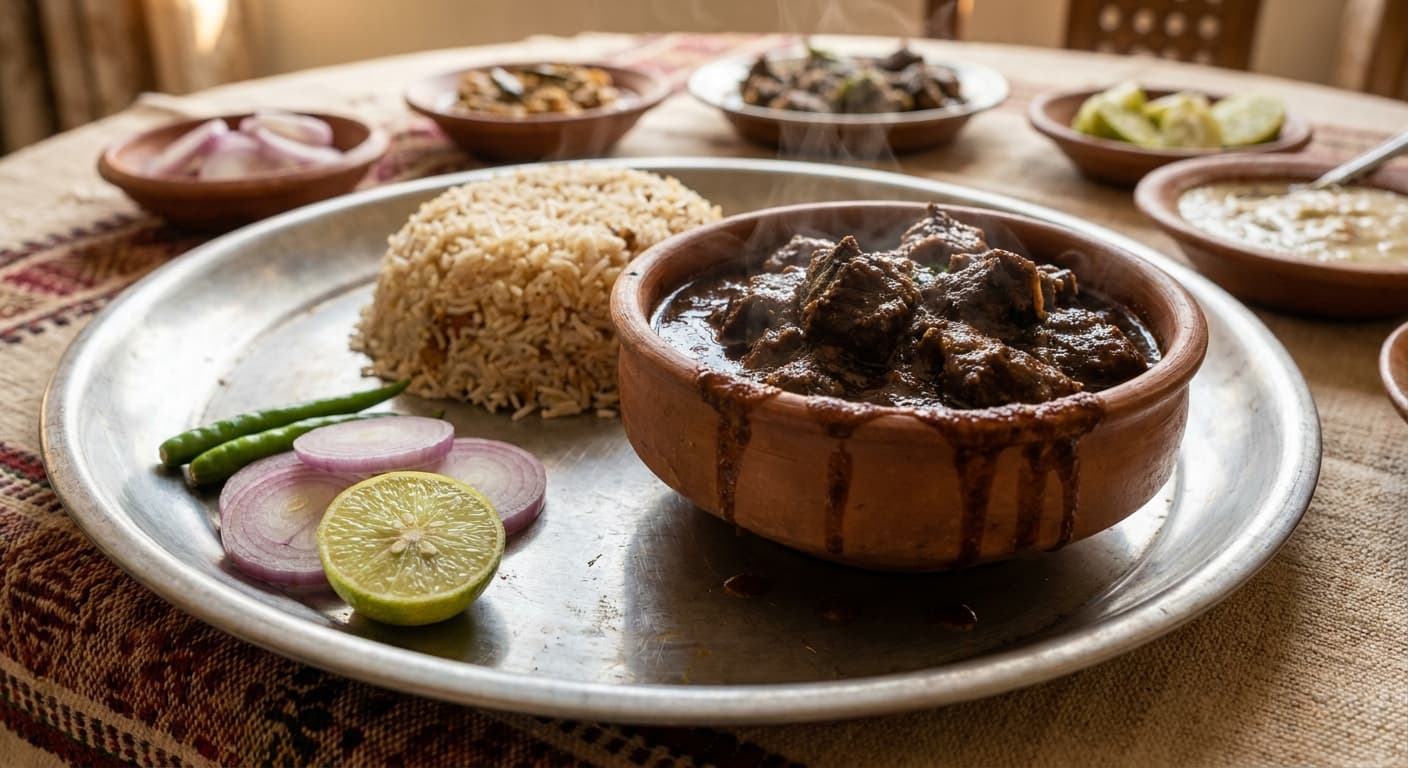
Kala Bhuna (কালা ভুনা) — Chittagong Dark Beef Bhuna
Bangladeshi · Main Courses · 175 min
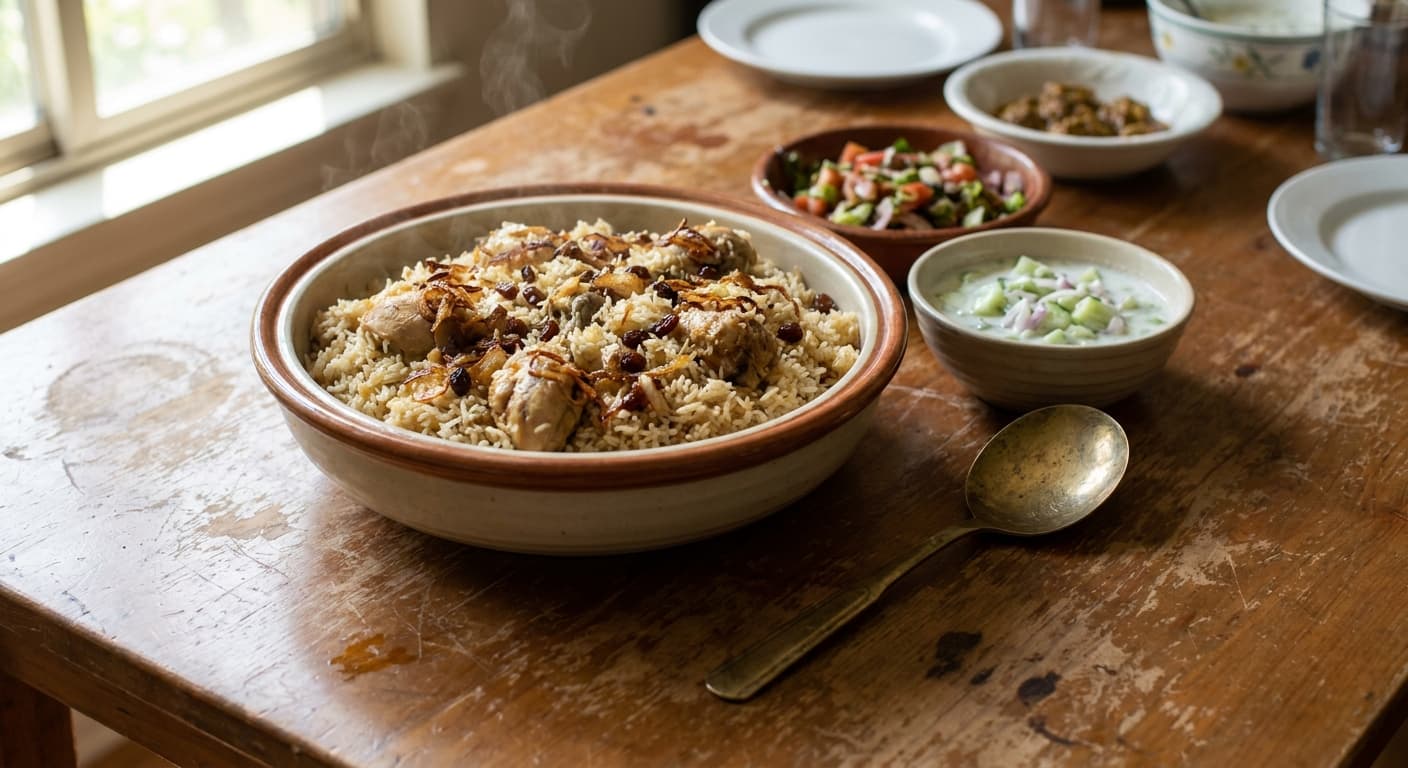
Morog Polao (মোরগ পোলাও) — Bangladeshi Chicken Pilaf
Bangladeshi · Rice Dishes · 100 min
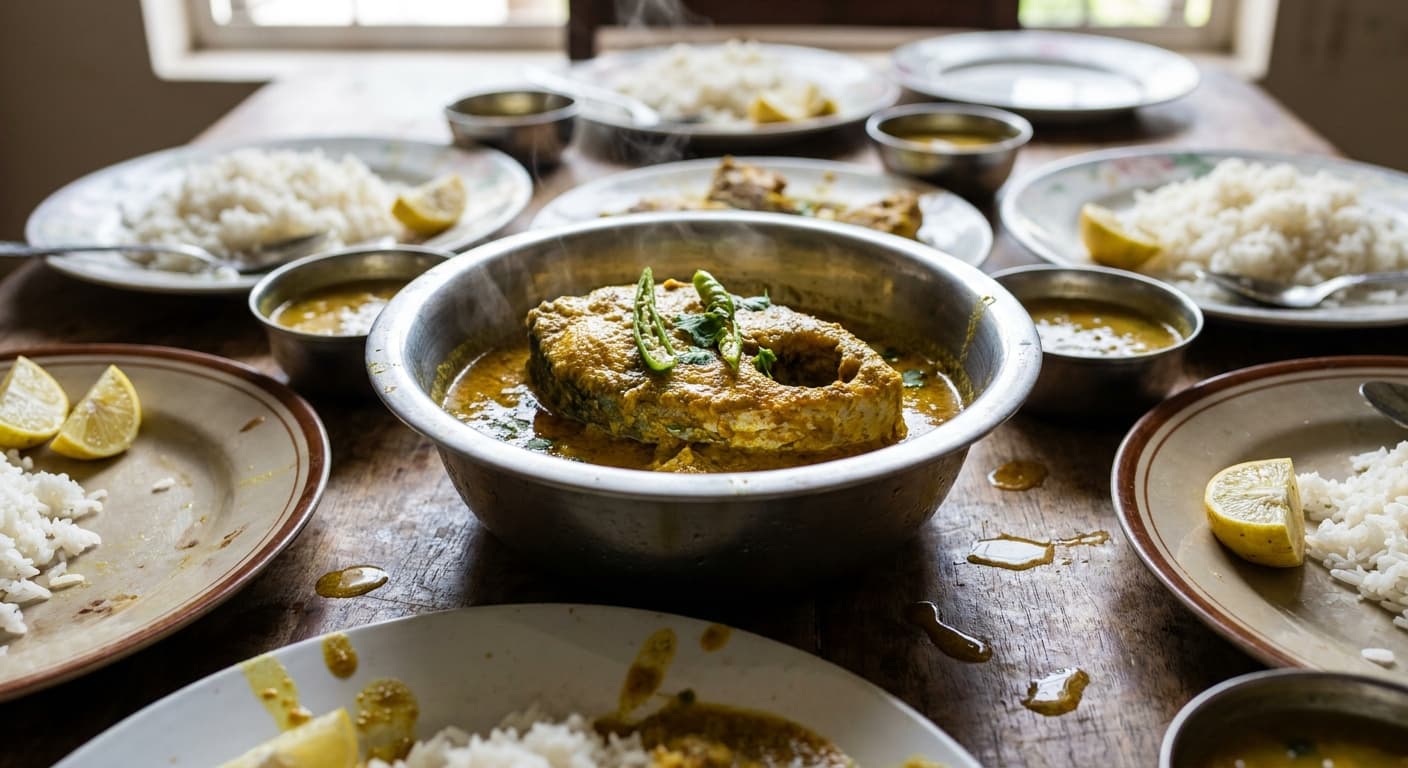
Bangladeshi Steamed Hilsa (ইলিশ ভাপা) — Mustard-Steamed River Fish
Bangladeshi · Main Courses · 45 min
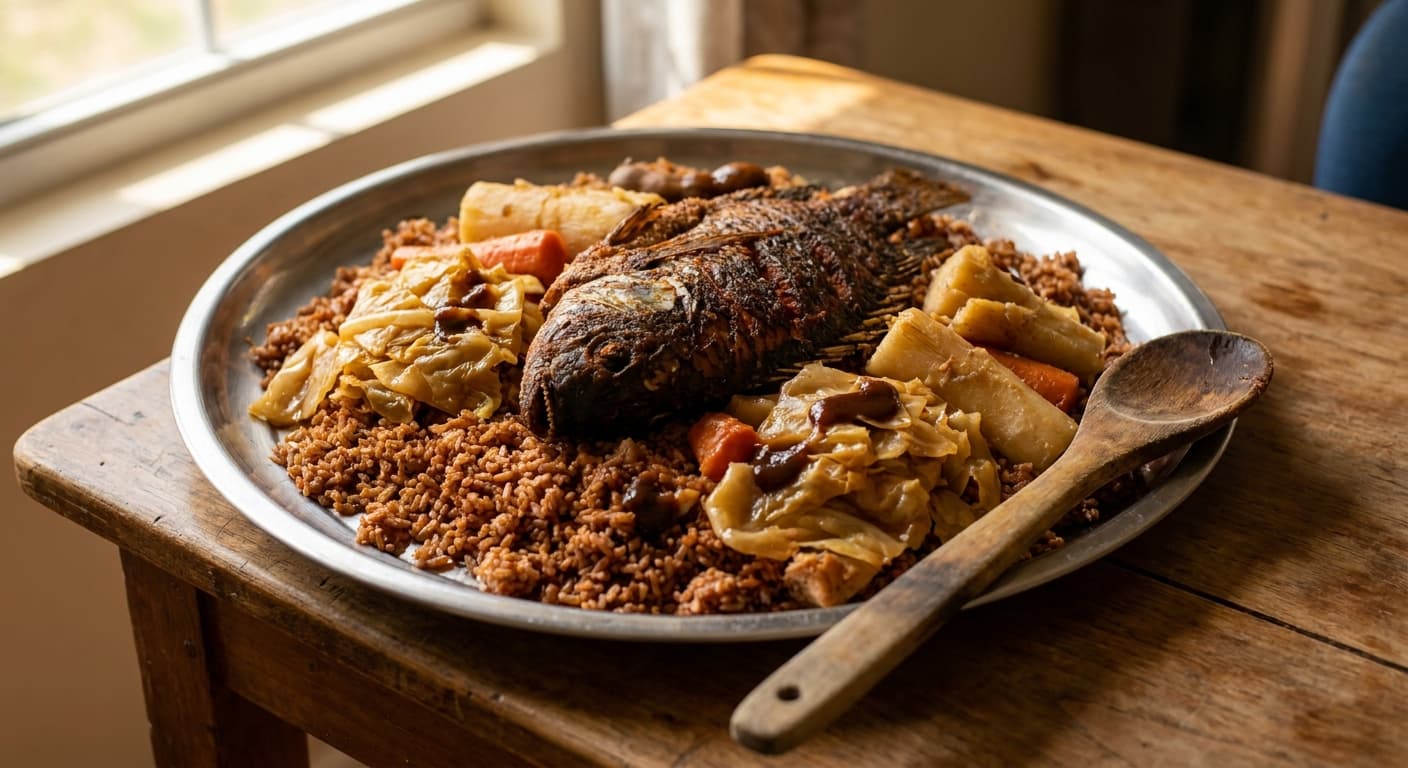
Senegalese Fish and Rice (Ceebu Jën) — Tomato-Braised National Dish
West african · Rice Dishes · 120 min
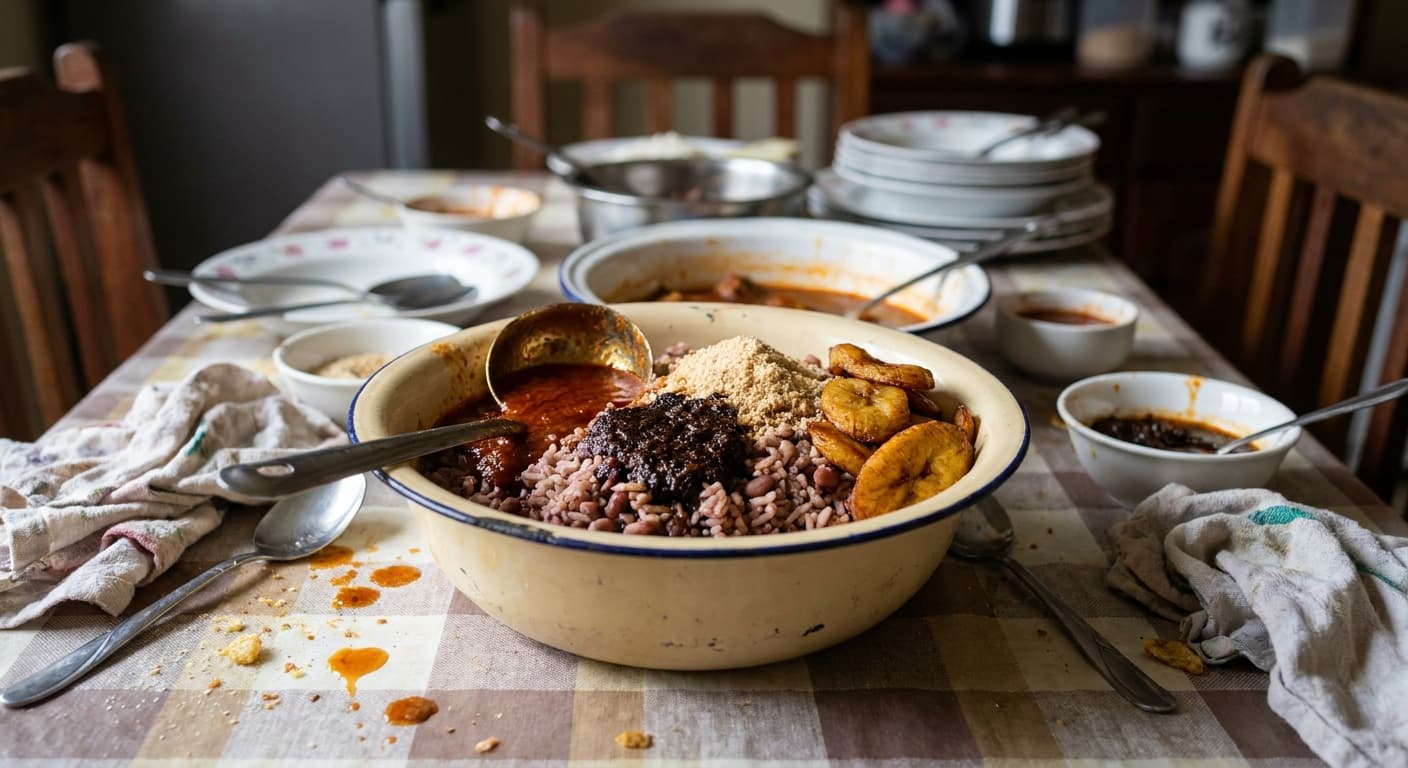
Ghanaian Waakye (Waakye) — Rice and Beans Dyed with Sorghum Leaves
West african · Rice Dishes · 85 min
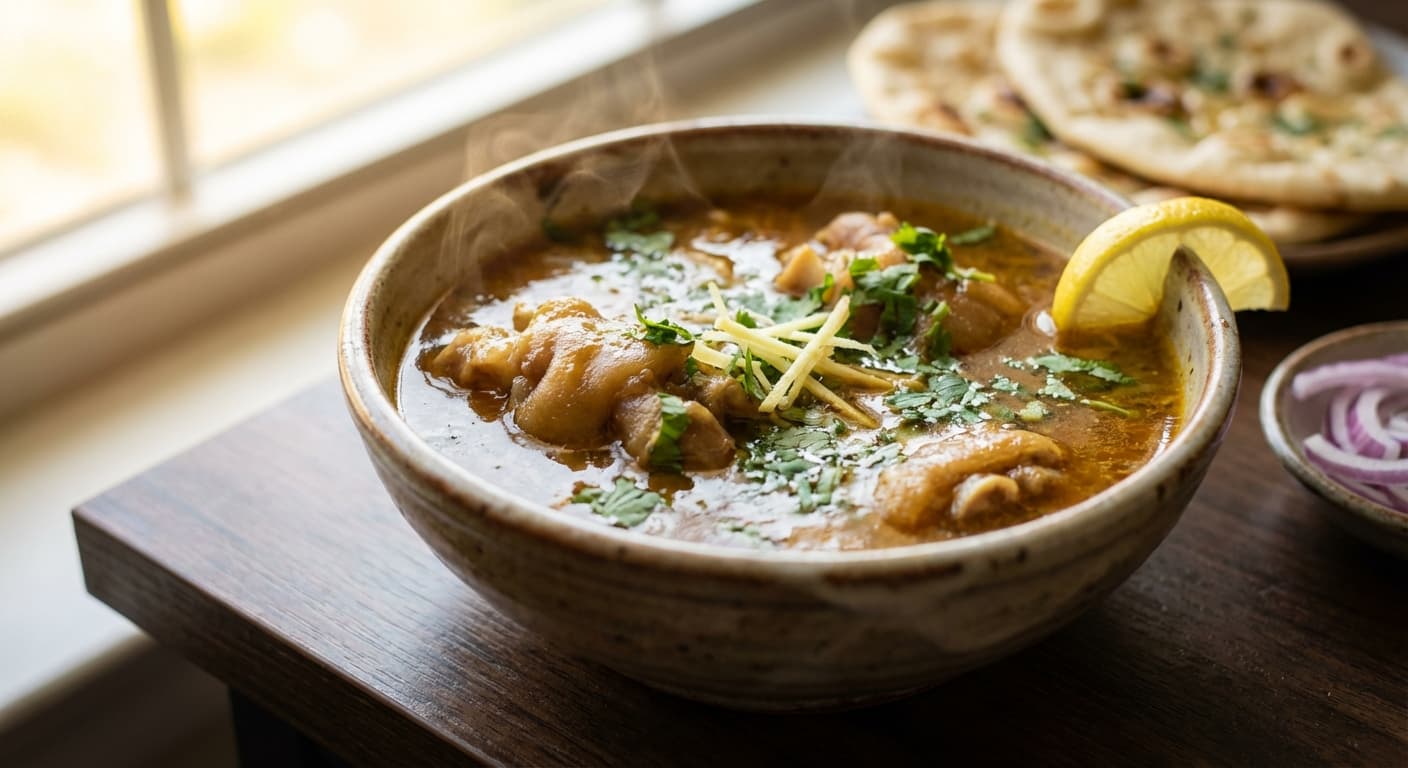
Paya Soup (پایا) — Indian Trotter Broth with Ginger and Garam Masala
Indian · Soups · 235 min
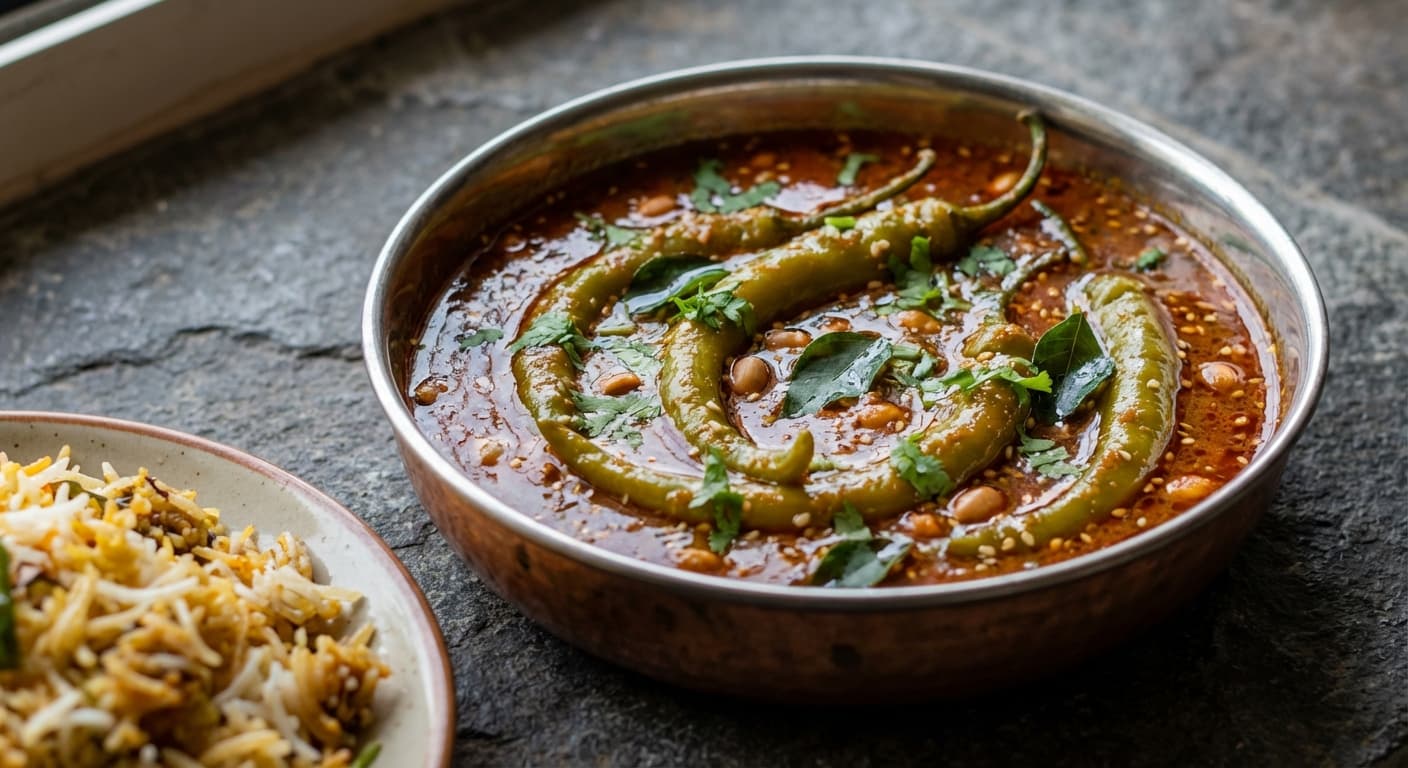
Mirchi ka Salan (مرچی کا سالن) — Hyderabadi peanut-sesame chili curry
Indian · Side Dishes · 55 min
Bhapa Pitha (ভাপা পিঠা) — Steamed Rice Cakes with Coconut and Date Palm Jaggery
Bangladeshi · Desserts · 67 min
Reviews
Cooked this recipe?
Tap the stars to rate it — that's all it takes. A few words are welcome but optional.
No ratings yet. Cooked this one? Be the first to rate it — it takes one tap.