Ghugni (ঘুগনি) — Indian Spiced Yellow Peas Curry with Onions
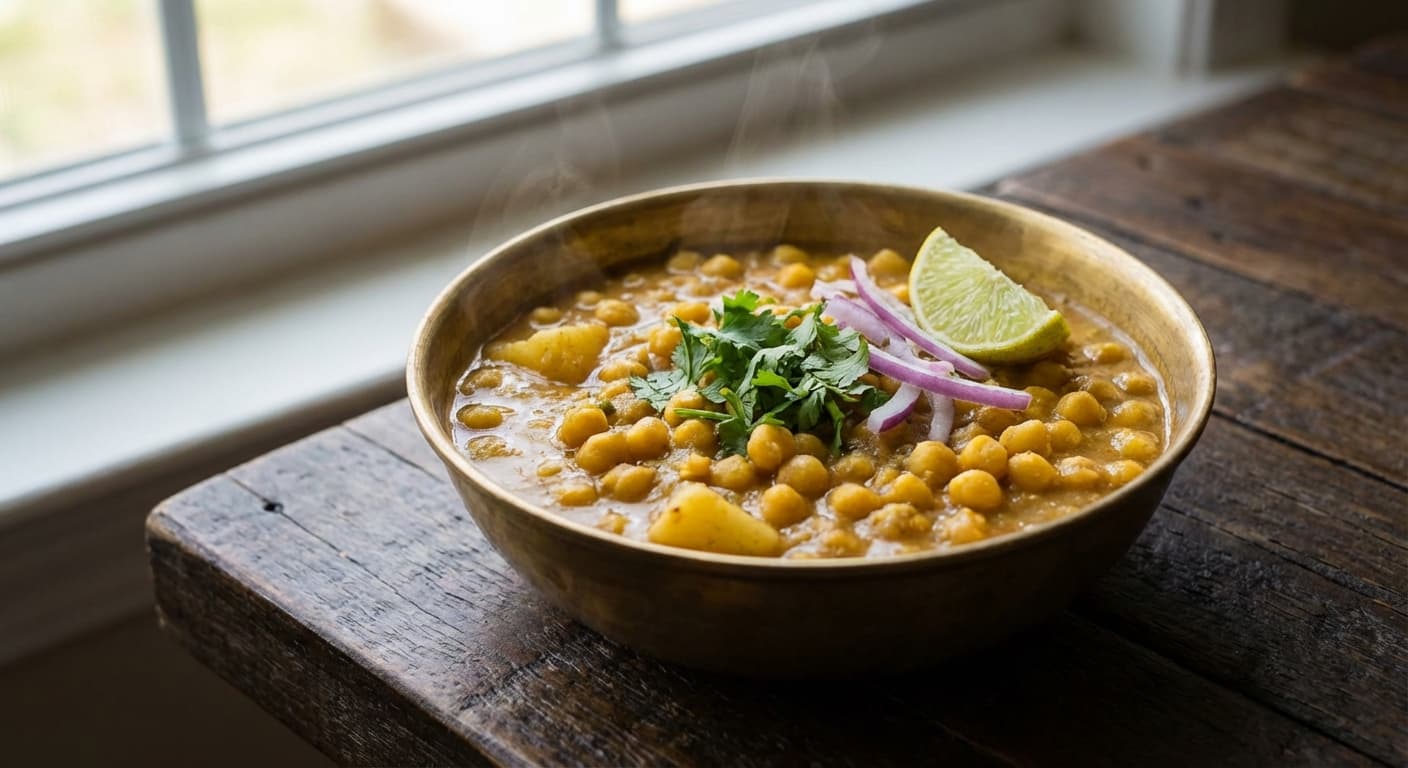
Ghugni is a beloved Eastern Indian street-style curry made with dried yellow peas simmered until creamy, then finished with onion, ginger, and warm spices. It’s commonly served with bread, puffed puri, or as a hearty snack across Bengal and beyond.
Printable Recipe Card
Servings: 4 · Total: 70 min · Difficulty: medium
Ingredients (quick list)
- 300 g Dried yellow peas (matar dal, split) (Rinsed well and soaked)
- 1200 ml Water (For simmering (plus extra if needed))
- 1.5 tsp Turmeric powder
- 2 leaf Bay leaf
- 6 g Salt (About 1 tsp fine salt)
- 30 ml Mustard oil (About 2 tbsp)
- 1.5 tsp Cumin seeds
- 2 Dried red chili (Whole)
- 220 g Onion (Finely chopped)
- 15 g Ginger (Finely grated)
- 12 g Garlic (Minced)
- 2 Green chili (Slit lengthwise)
+ 10 more in the full ingredients section below.
Steps (summary)
- Rinse the dried yellow peas in several changes of water until it runs mostly clear. Soak them in plenty of water for 6 hours, t…
- Add the soaked peas to a pot with 1200 ml water, turmeric, bay leaves, and salt. Bring to a boil, then reduce to a steady simme…
- While the peas simmer, heat mustard oil in a wide pan until it just reaches smoking point, then lower the heat for 30 seconds t…
- Add the chopped onion and cook 8–10 minutes, stirring often, until deeply golden at the edges. Stir in ginger and garlic and co…
- Add green chilies and chopped tomato, then cook 4–6 minutes until the tomatoes soften and the oil begins to separate slightly.…
- Pour the cooked peas (with their cooking liquid) into the masala pan and mix thoroughly. Simmer 10–12 minutes, mashing a ladlef…
+ 2 more steps in the full instructions section below.
Cultural Background
Ghugni is a classic Eastern Indian comfort food and street snack, especially associated with Bengal’s winter markets and tea-time stalls. It showcases the region’s love of balancing heat, tang, and a touch of sweetness in humble legumes.
Equipment
💡 Tips
- For a thicker, more “stall-style” ghugni, mash about 25% of the peas during the final simmer and reduce the curry for 3–5 extra minutes.
- If using mustard oil, always heat it to smoking first, then lower the heat before tempering to avoid harsh bitterness.
- Keep tamarind and lemon measured: using both at the listed amounts gives layered tang without overpowering the peas.
⚠️ Common Mistakes
❌ Peas stay hard or cook unevenly
✅ Fix: Soak for 6 hours and simmer steadily; if water is very hard, extend soaking by 2 hours and cook a bit longer with the lid partially on.
❌ Spices taste raw or bitter
✅ Fix: Bloom powdered spices for under 60 seconds on low heat and add a splash of water if the pan looks dry to prevent scorching.
❌ Curry turns flat and heavy
✅ Fix: Add tamarind and jaggery at the end, then finish with measured lemon juice and cilantro to brighten the final flavor.
🧊 How to Store
Cool to room temperature within 1 hour, then refrigerate in a sealed container for up to 4 days. Reheat gently with 60–90 ml water, stirring often to prevent sticking; the peas thicken as they sit. Freeze up to 2 months and thaw overnight before reheating.
📅 Make Ahead
Soak the peas up to 12 hours in the refrigerator, then drain before cooking. The onion-tomato masala can be cooked 2 days ahead and refrigerated; reheat it, then add cooked peas and simmer to finish.
🍽️ Pairs Well With
- Luchi or puri
- toasted pav
- paratha
- sliced red onion
- lime wedges
- achar.
Regional Variations
- Bengali-style ghugni often includes roasted cumin powder and a sweet-sour finish with jaggery and tamarind.
- Some street versions add boiled diced potato (about 200 g) to stretch the curry and make it extra hearty.
- In parts of Eastern India, a sprinkle of chaat masala (1 tsp) is used at the end for a sharper, snack-like profile.
Ingredients
- 300 gDried yellow peas (matar dal, split) (Rinsed well and soaked)
- 1200 mlWater (For simmering (plus extra if needed))
- 1.5 tspTurmeric powder
- 2 leafBay leaf
- 6 gSalt (About 1 tsp fine salt)
- 30 mlMustard oil (About 2 tbsp)
- 1.5 tspCumin seeds
- 2Dried red chili (Whole)
- 220 gOnion (Finely chopped)
- 15 gGinger (Finely grated)
- 12 gGarlic (Minced)
- 2Green chili (Slit lengthwise)
- 180 gTomato (Finely chopped)
- 2 tspCoriander powder
- 1 tspCumin powder
- 1 tspKashmiri red chili powder (For color and mild heat)
- 1 tspGaram masala
- 1 tspRoasted cumin powder (Bhaja jeera)
- 10 gTamarind paste (About 2 tsp)
- 8 gJaggery (About 2 tsp, grated)
- 15 gCilantro (Chopped)
- 15 mlLemon juice (About 1 tbsp)
🔄 Substitutions
- Mustard oil→ Neutral oil (sunflower or canola)
- Tamarind paste→ Lemon juice
- Jaggery→ Brown sugar
Instructions
- 1
Rinse the dried yellow peas in several changes of water until it runs mostly clear. Soak them in plenty of water for 6 hours, then drain well so the curry cooks evenly and turns creamy.
- 2
Add the soaked peas to a pot with 1200 ml water, turmeric, bay leaves, and salt. Bring to a boil, then reduce to a steady simmer and cook 35–45 minutes until the peas are tender and beginning to break down; skim foam if needed.
- 3
While the peas simmer, heat mustard oil in a wide pan until it just reaches smoking point, then lower the heat for 30 seconds to tame the sharpness. Add cumin seeds and dried red chilies and let them sizzle for 20–30 seconds until fragrant.
- 4
Add the chopped onion and cook 8–10 minutes, stirring often, until deeply golden at the edges. Stir in ginger and garlic and cook for 1 minute so the raw aroma disappears without letting the mixture burn.
- 5
Add green chilies and chopped tomato, then cook 4–6 minutes until the tomatoes soften and the oil begins to separate slightly. Sprinkle in coriander powder, cumin powder, and Kashmiri chili powder, and cook 45–60 seconds, stirring constantly to bloom the spices.
- 6
Pour the cooked peas (with their cooking liquid) into the masala pan and mix thoroughly. Simmer 10–12 minutes, mashing a ladleful of peas against the side of the pan to naturally thicken the gravy and create a street-style creamy texture.
- 7
Stir in tamarind paste and jaggery and simmer 2 minutes to balance tang and sweetness. Turn off the heat and add garam masala and roasted cumin powder, then rest the curry for 5 minutes so the flavors round out.
- 8
Finish with lemon juice and chopped cilantro right before serving for a bright, fresh lift. Serve hot, ensuring each bowl gets plenty of onion-rich gravy and tender peas.
🪪 Recipe Passport
Cultural Background
Ghugni is a classic Eastern Indian comfort food and street snack, especially associated with Bengal’s winter markets and tea-time stalls. It showcases the region’s love of balancing heat, tang, and a touch of sweetness in humble legumes.
Regional Variations
Researched from multiple sources and validated by the Zaffaron editorial team. Every recipe is tested for accuracy, measurements, and cultural authenticity.
Nutrition per serving
Pairs well with
If you enjoyed this recipe, here are a few related Zaffaron recipes to try next.
Does your family make this differently?
Every family has their own version. Maybe your grandmother adds a secret ingredient, or your aunt has a completely different technique. Preserve your family's version — with their name on it, forever.
You Might Also Like
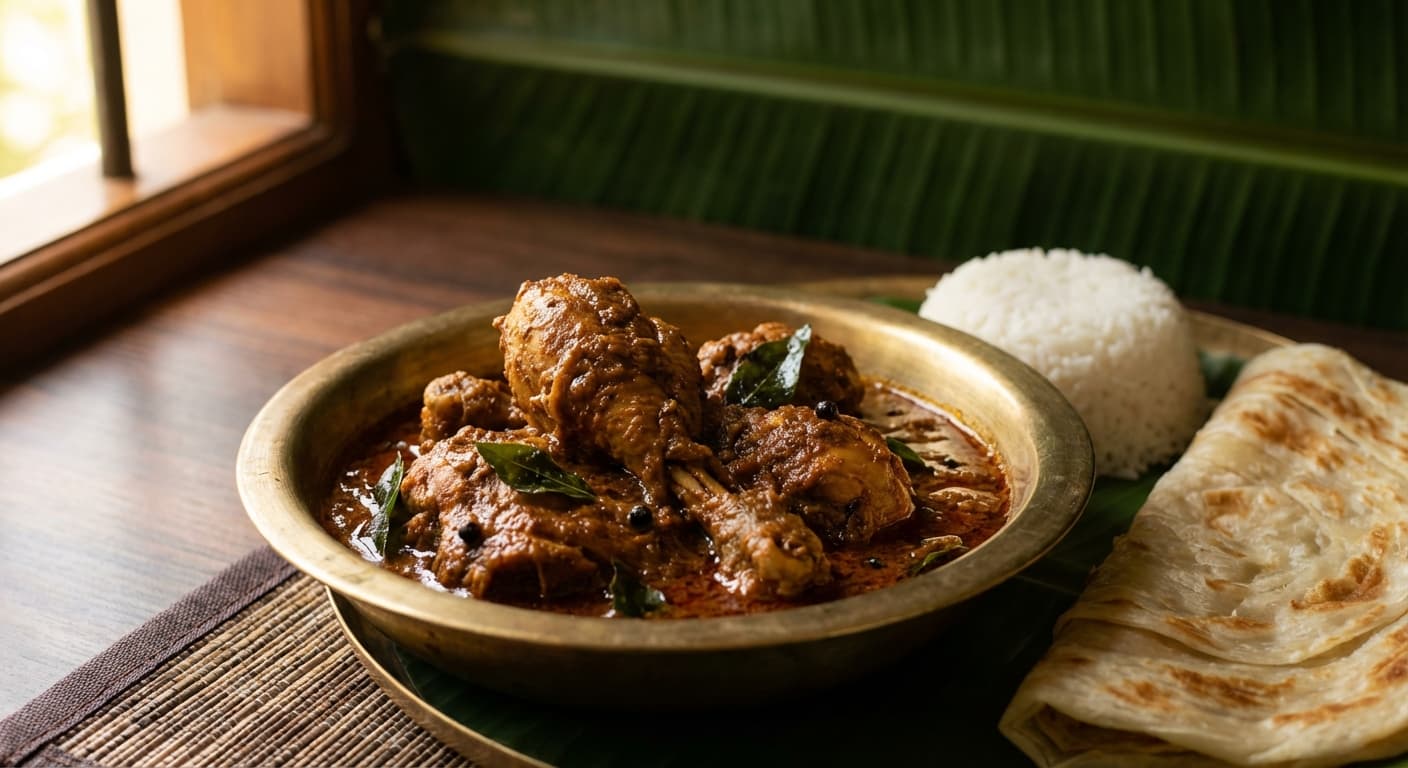
Chettinad Chicken (செட்டிநாடு கோழி குழம்பு) — Peppery roasted-spice chicken curry from Tamil Nadu
Indian · Main Courses · 65 min
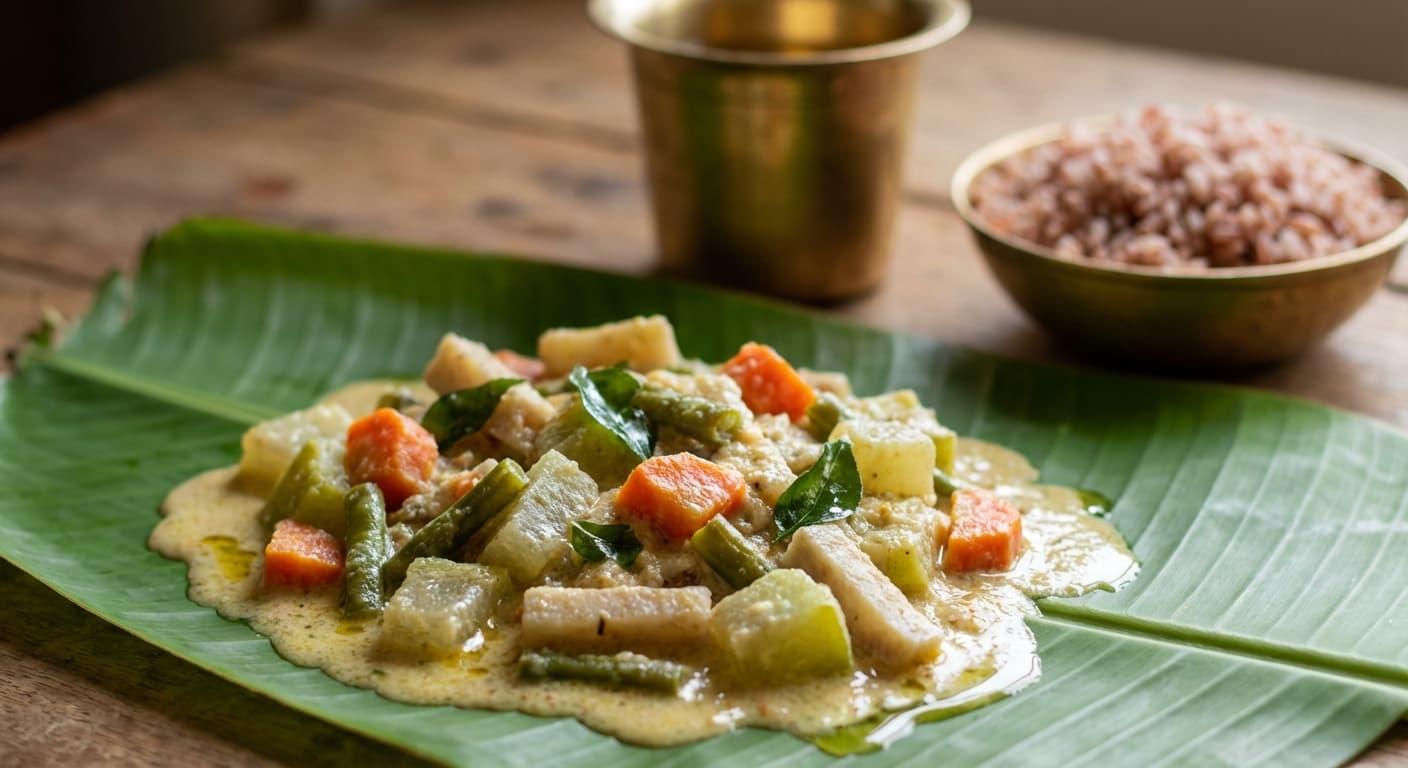
Avial (അവിയൽ) — Kerala mixed vegetables in coconut-yogurt gravy
Indian · Main Courses · 50 min
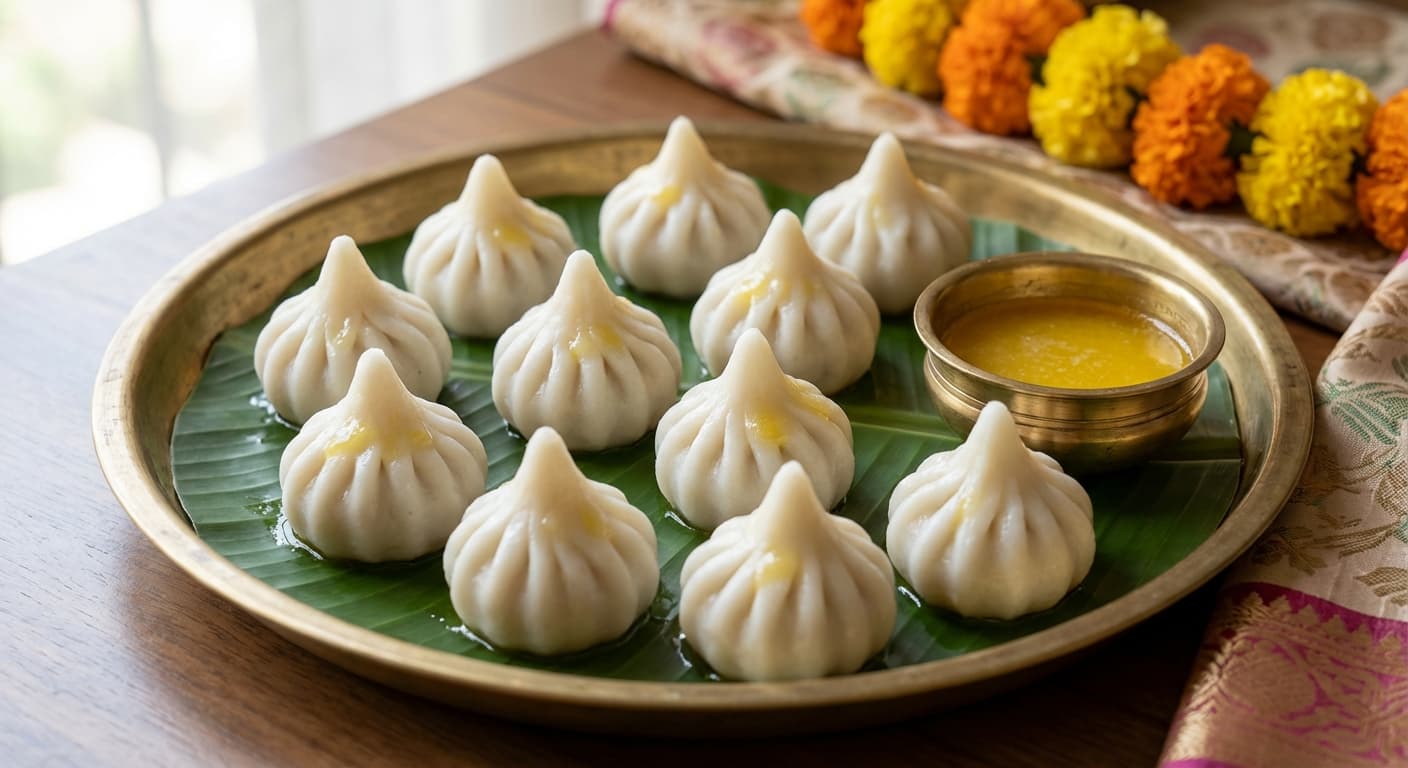
Modak (मोदक) — Steamed coconut-jaggery sweet dumplings for Ganesh Chaturthi
Indian · Desserts · 60 min
Cuban Ropa Vieja (Ropa Vieja) — Shredded Beef in Tomato-Pepper Sauce
Cuban · Stews · 190 min
Yemeni Saltah (سلتة) — Bubbling Fenugreek Lamb Stew
Yemeni · Stews · 130 min
Ash-e Sak (آش ساک) — Golestani Spinach, Legume, and Meatball Soup
Persian · Soups · 175 min
Seekh Kebab (کباب سیخی) — Afghan Grilled Minced Meat Skewers with Cumin
Afghan · Kebabs · 37 min
Hoppin' John (Hoppin' John) — Southern Black-Eyed Peas and Rice
American · Rice Dishes · 115 min
Reviews
Cooked this recipe?
Tap the stars to rate it — that's all it takes. A few words are welcome but optional.
No ratings yet. Cooked this one? Be the first to rate it — it takes one tap.