Azerbaijani Saffron Flour Halva (حلوای آذربایجانی) — Toasted flour halva scented with saffron
Azerbaijani flour halva is a celebratory sweet built on deeply toasted flour and a saffron-kissed syrup. It’s simple in ingredients yet rich in aroma, often served with tea at gatherings and holidays.
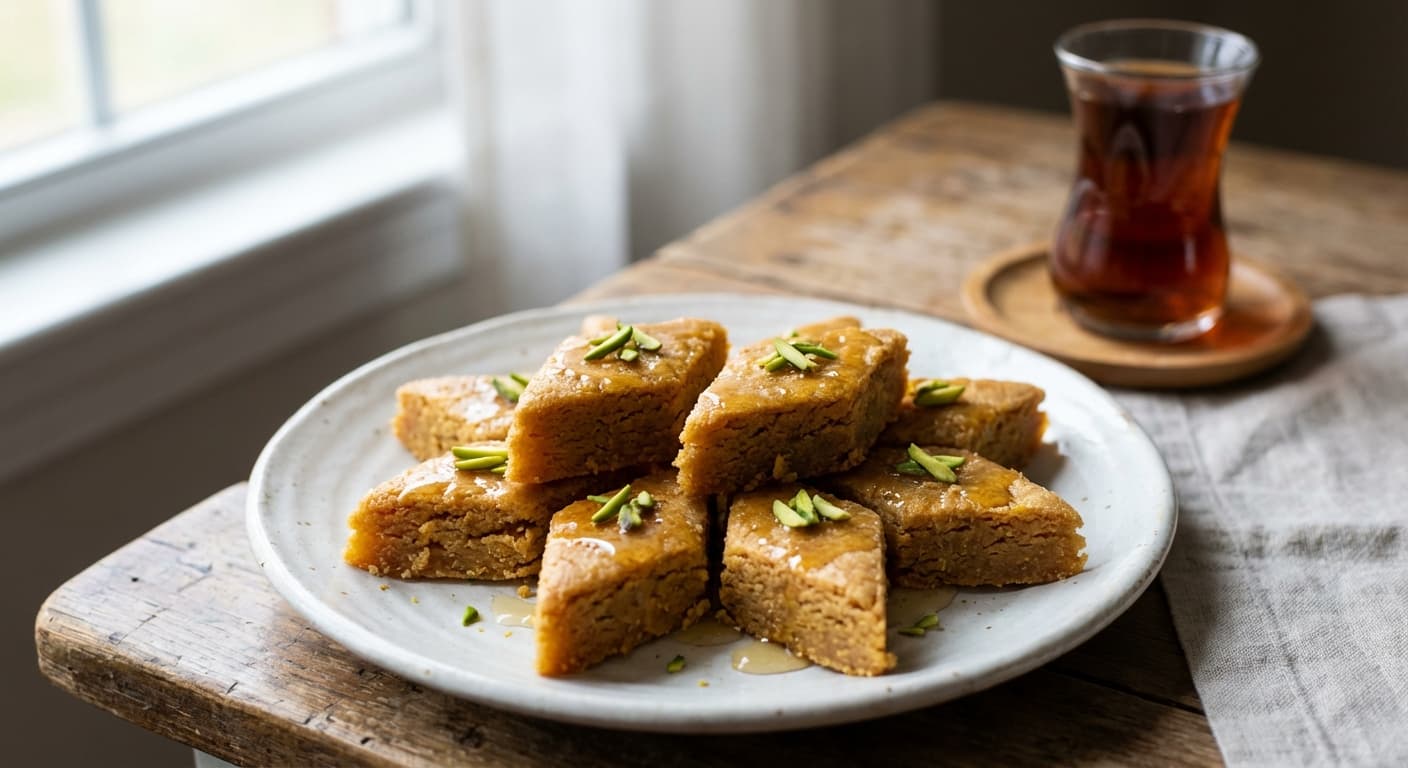
Printable Recipe Card
Servings: 10 · Total: 45 min · Difficulty: medium
Ingredients (quick list)
- 250 g all-purpose flour (sifted)
- 170 g unsalted butter (cut into cubes)
- 220 g granulated sugar
- 240 ml water
- 0.25 tsp saffron threads (finely crushed)
- 30 ml hot water (for blooming saffron)
- 0.5 tsp ground cardamom
- 1 g fine sea salt (about 1/6 tsp)
- 25 g slivered pistachios (optional but traditional)
Steps (summary)
- Bloom the saffron first so its color and aroma fully develop. Crush the saffron threads, pour over 30 ml hot water, and let it…
- Make the syrup by combining 240 ml water, 220 g sugar, and 1 g salt in a small saucepan. Bring it to a gentle boil over medium…
- Lower the heat and simmer the syrup for 4 minutes to slightly thicken it without turning it into candy. Stir in the bloomed saf…
- Toast the flour in a wide, heavy skillet or sauté pan over medium-low heat. Add the sifted flour and cook for 12–18 minutes, st…
- Reduce the heat to low and add the butter cubes to the toasted flour. Stir continuously for 3–5 minutes until the butter is ful…
- Carefully add the hot saffron syrup in a thin stream while stirring; the mixture will bubble and tighten quickly. Keep mixing f…
+ 2 more steps in the full instructions section below.
Cultural Background
Flour halva is a beloved sweet across Azerbaijan, associated with hospitality and the tea table, where small portions are shared slowly. Saffron, prized around the Caspian region, lends a festive golden color and a luxurious aroma for special occasions.
Equipment
💡 Tips
- For the deepest flavor, toast the flour until it reaches a dark golden tan; stop earlier only if it starts smelling sharp or smoky.
- Keep the syrup hot when adding it to the flour-butter mixture to prevent seizing and uneven lumps.
- If the halva seems oily, keep stirring over very low heat for 2–3 minutes; the flour will reabsorb the fat as it cools.
⚠️ Common Mistakes
❌ Under-toasting the flour, resulting in a pale halva with a raw flour taste.
✅ Fix: Toast longer over medium-low heat, stirring constantly, until the flour is deep golden and smells distinctly nutty.
❌ Adding cool syrup, causing the mixture to seize into hard lumps.
✅ Fix: Keep the syrup covered and hot, then pour it in slowly while stirring continuously.
❌ Cooking on high heat after adding syrup, leading to a dry, crumbly halva.
✅ Fix: Finish on the lowest heat and stop as soon as the mixture pulls from the pan and looks glossy.
🧊 How to Store
Store halva tightly covered at cool room temperature for up to 3 days, or refrigerate for up to 7 days. To serve after chilling, let it sit at room temperature for 20 minutes, or warm gently for 10–15 seconds in the microwave to soften without melting the butter.
📅 Make Ahead
Prepare the halva up to 2 days ahead and keep it tightly covered at room temperature if your kitchen is cool. For the freshest aroma, toast and garnish the nuts on the day of serving and sprinkle them just before presenting.
🍽️ Pairs Well With
- Black tea
- Azerbaijani-style tea with lemon
- fresh berries
- clotted cream
- walnuts.
Regional Variations
- Some Azerbaijani households toast the flour darker and use ghee for a more intense, almost caramelized aroma.
- In some regions, a small amount of ground walnuts (30–40 g) is folded in at the end for extra richness and texture.
- A lighter version uses slightly less butter (140 g) and a shorter toast for a softer, paler halva.
Ingredients
- 250 gall-purpose flour (sifted)
- 170 gunsalted butter (cut into cubes)
- 220 ggranulated sugar
- 240 mlwater
- 0.25 tspsaffron threads (finely crushed)
- 30 mlhot water (for blooming saffron)
- 0.5 tspground cardamom
- 1 gfine sea salt (about 1/6 tsp)
- 25 gslivered pistachios (optional but traditional)
🔄 Substitutions
- unsalted butter→ ghee
- slivered pistachios→ toasted sliced almonds
- ground cardamom→ rose water
Instructions
- 1
Bloom the saffron first so its color and aroma fully develop. Crush the saffron threads, pour over 30 ml hot water, and let it steep for 8–10 minutes while you start the syrup.
- 2
Make the syrup by combining 240 ml water, 220 g sugar, and 1 g salt in a small saucepan. Bring it to a gentle boil over medium heat, stirring for 1–2 minutes until the sugar dissolves completely.
- 3
Lower the heat and simmer the syrup for 4 minutes to slightly thicken it without turning it into candy. Stir in the bloomed saffron (including all liquid) and the ground cardamom, then turn off the heat and cover to keep it hot.
- 4
Toast the flour in a wide, heavy skillet or sauté pan over medium-low heat. Add the sifted flour and cook for 12–18 minutes, stirring constantly with a wooden spoon, until it turns a deep golden color and smells nutty.
- 5
Reduce the heat to low and add the butter cubes to the toasted flour. Stir continuously for 3–5 minutes until the butter is fully absorbed and the mixture looks glossy and evenly moistened.
- 6
Carefully add the hot saffron syrup in a thin stream while stirring; the mixture will bubble and tighten quickly. Keep mixing for 2–3 minutes until no dry pockets remain and the halva pulls away from the pan in a cohesive mass.
- 7
Cook the halva on the lowest heat for 4 minutes, stirring and pressing to smooth out any lumps. This short finishing cook helps the flavors meld and ensures a tender, sliceable texture rather than a wet paste.
- 8
Transfer the halva to a shallow dish and spread it to about 2 cm thickness, smoothing the top with the back of a spoon. Sprinkle with 25 g slivered pistachios, then let it cool for at least 25 minutes before cutting into diamonds or squares.
🪪 Recipe Passport
Cultural Background
Flour halva is a beloved sweet across Azerbaijan, associated with hospitality and the tea table, where small portions are shared slowly. Saffron, prized around the Caspian region, lends a festive golden color and a luxurious aroma for special occasions.
Regional Variations
Researched from multiple sources and validated by the Zaffaron editorial team. Every recipe is tested for accuracy, measurements, and cultural authenticity.
Nutrition per serving
Pairs well with
If you enjoyed this recipe, here are a few related Zaffaron recipes to try next.
Does your family make this differently?
Every family has their own version. Maybe your grandmother adds a secret ingredient, or your aunt has a completely different technique. Preserve your family's version — with their name on it, forever.
You Might Also Like
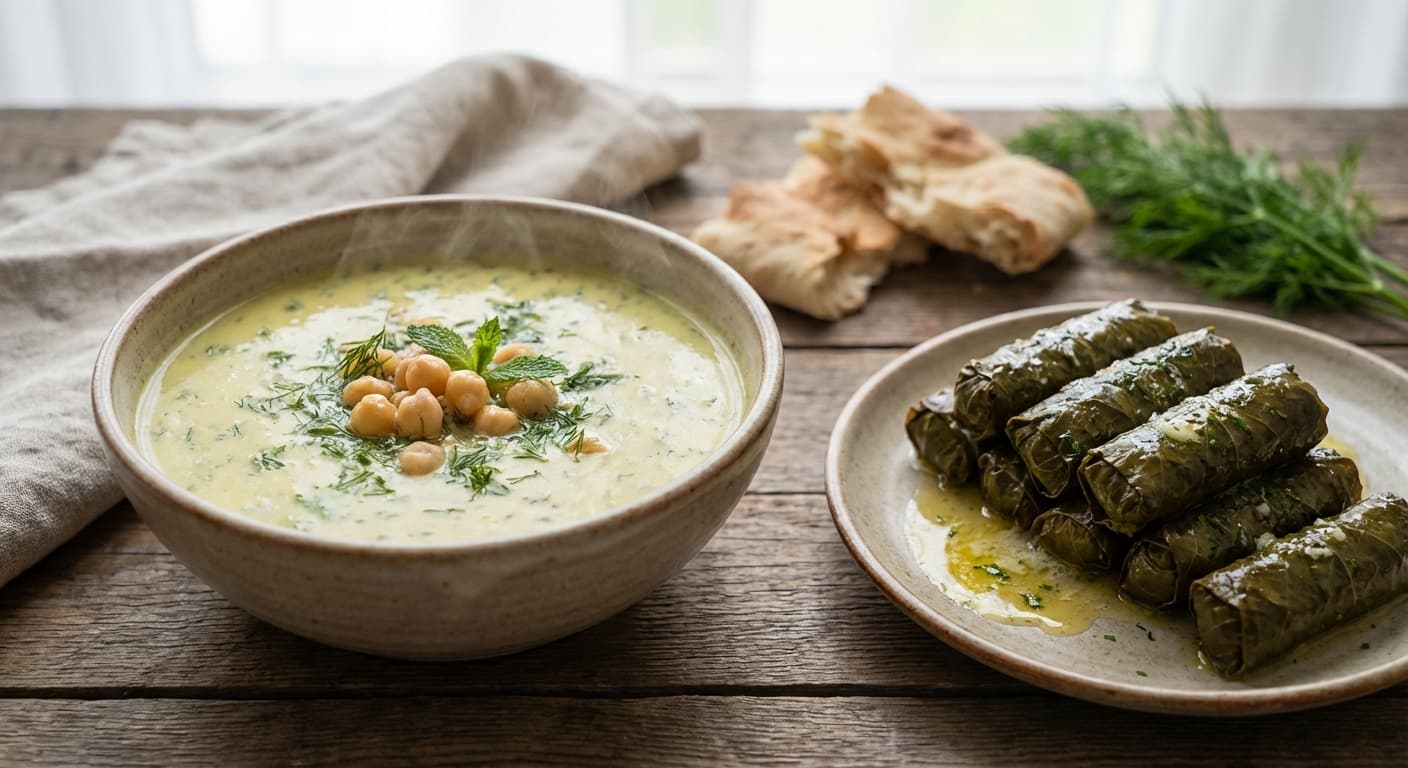
Dovga Dolma (دۆوغا دولما) — Herb dolma served with tangy yogurt soup
Azerbaijani · Main Courses · 100 min
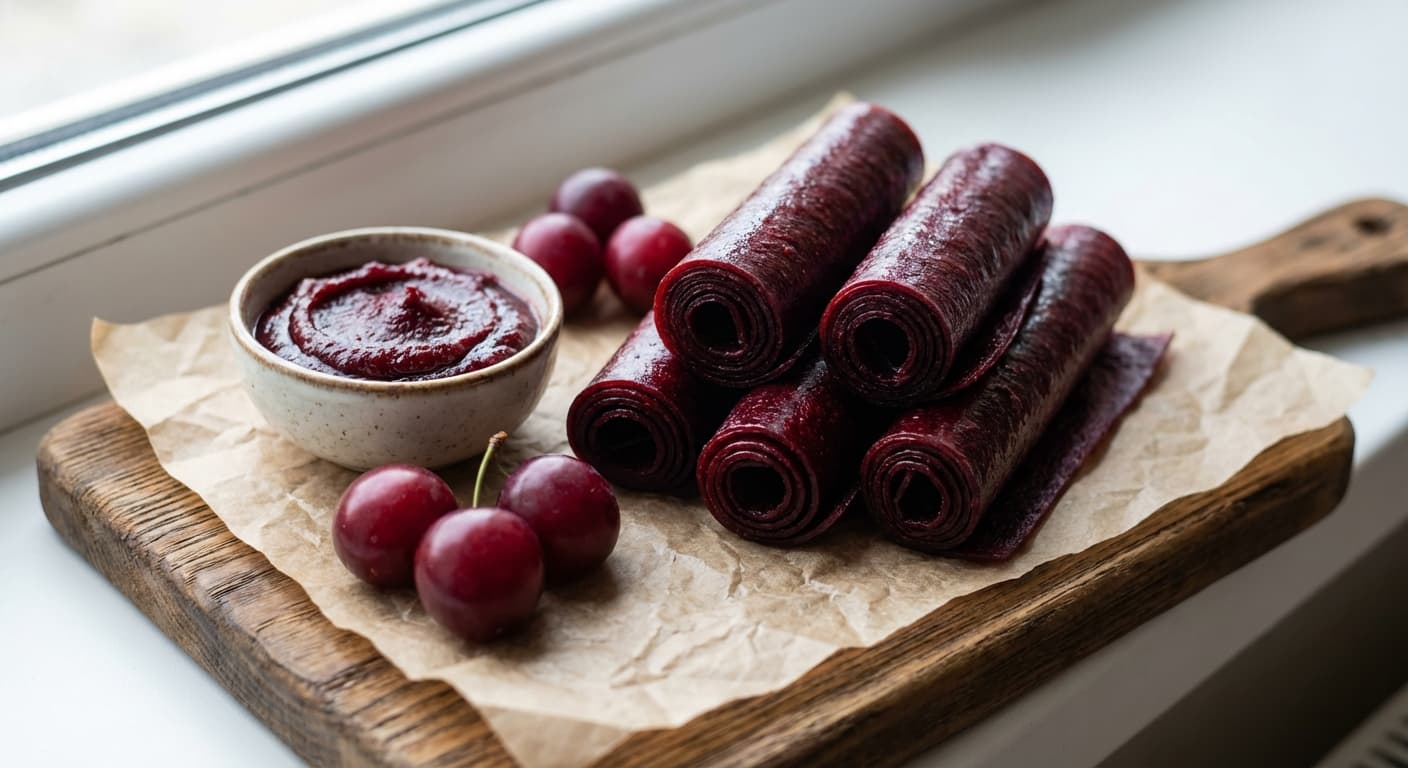
Lavashana (لواشانا) — Azerbaijani Tart Fruit Leather for Snacks and Cooking
Azerbaijani · Side Dishes · 90 min
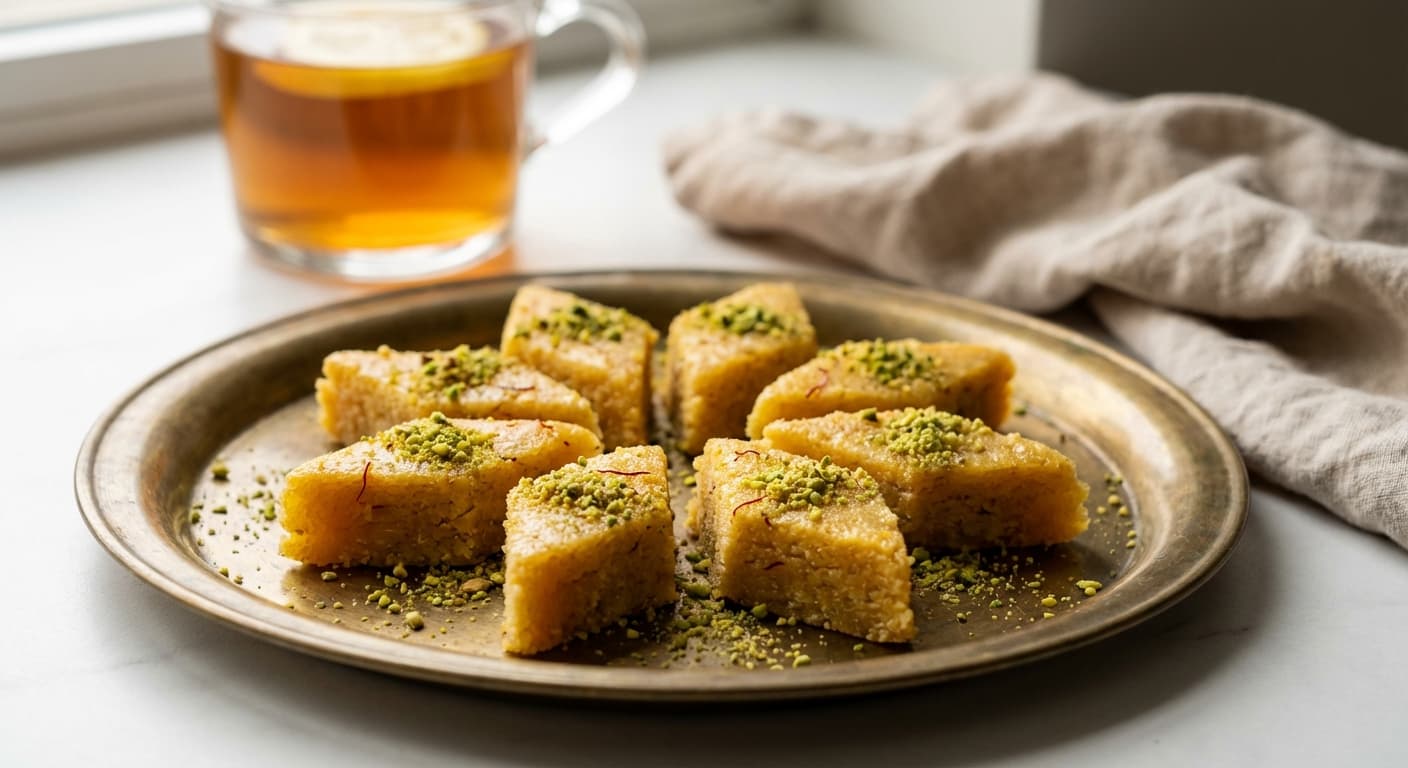
Badam Halva (بادام حلوا) — Azerbaijani Crumbly Almond Festival Sweet
Azerbaijani · Desserts · 45 min
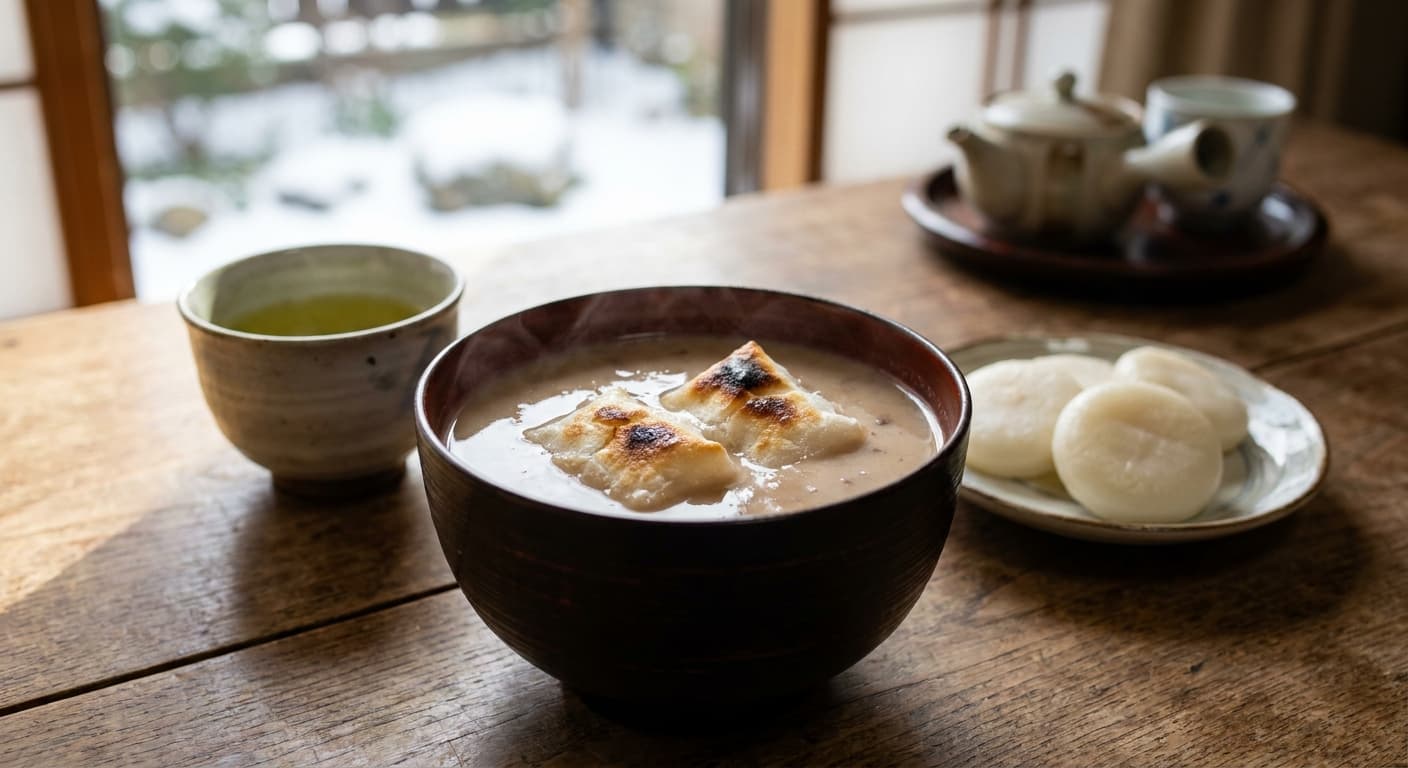
Kurumi Shiruko (くるみ汁粉) — Sendai-Style Sweet Walnut Azuki Soup with Mochi
Japanese · Desserts · 120 min
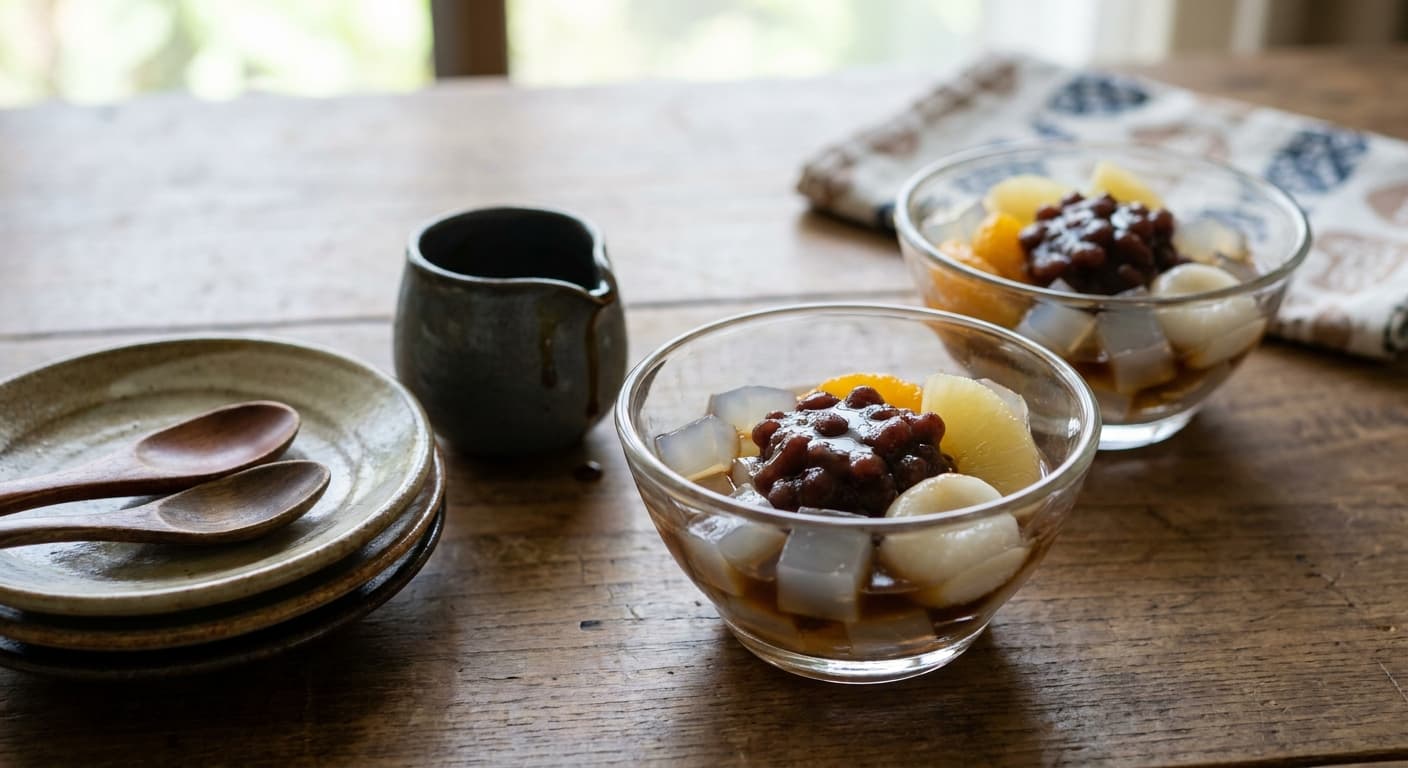
Anmitsu (あんみつ) — Kanten Jelly Dessert with Red Bean Paste
Japanese · Desserts · 55 min
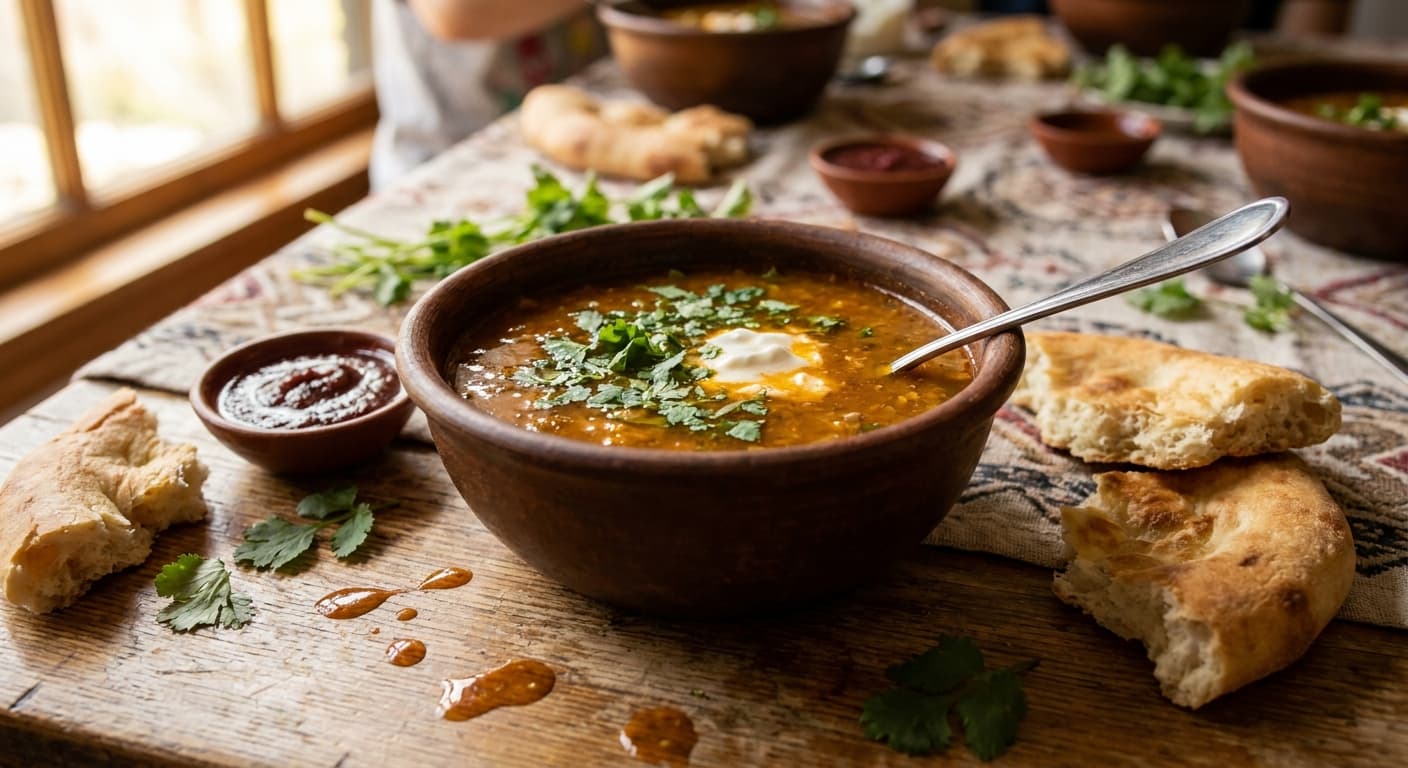
Kharcho (ხარჩო) — Georgian Beef, Walnut, and Sour Plum Soup
Georgian · Soups · 145 min
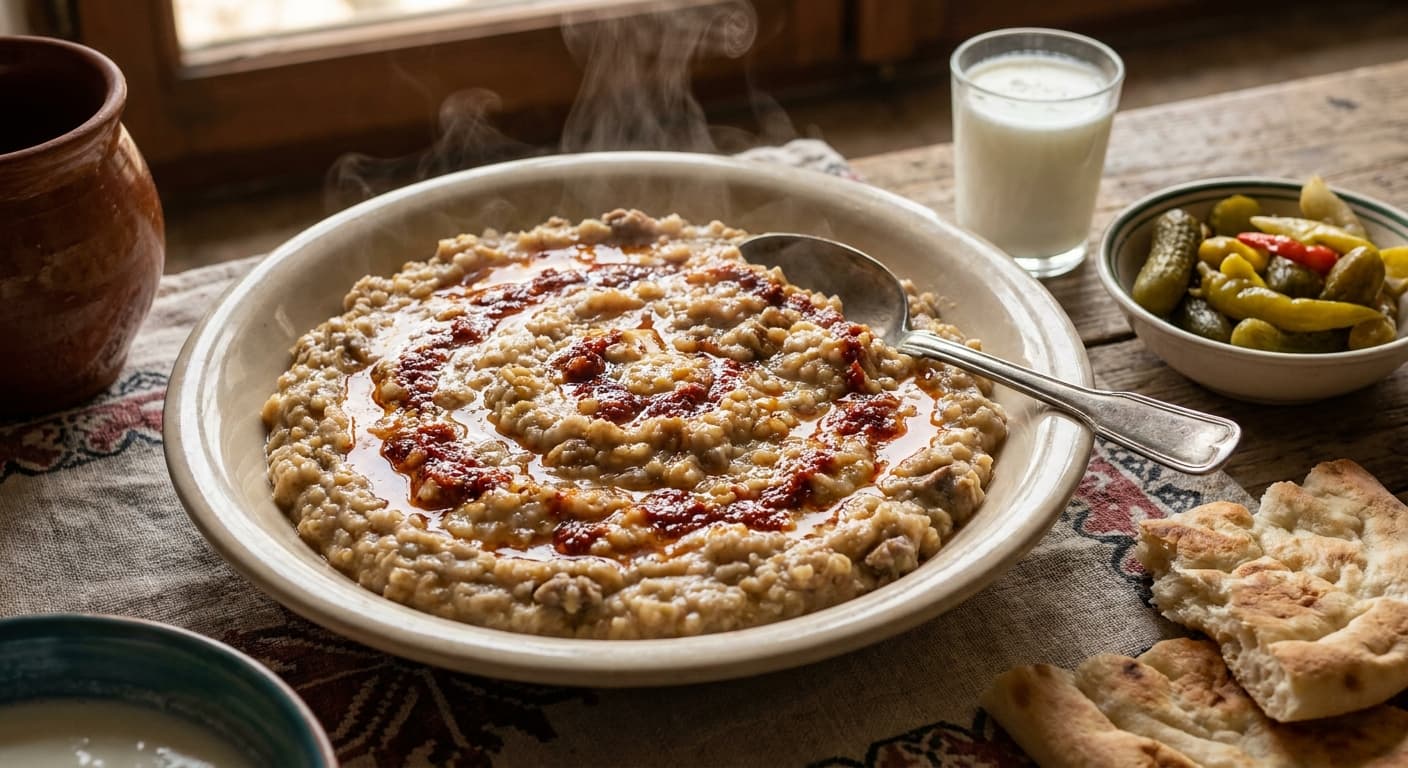
Keshkek (Keşkek) — Creamy Ceremonial Wheat and Lamb Stew
Turkish · Stews · 240 min
Nan Gyi Thoke (နန်းကြီးသုပ်) — Burmese Thick Rice Noodle Salad
Burmese · Salads · 80 min
Reviews
Cooked this recipe?
Tap the stars to rate it — that's all it takes. A few words are welcome but optional.
No ratings yet. Cooked this one? Be the first to rate it — it takes one tap.