Boorsok (Боорсок) — Kyrgyz Fried Celebration Bread
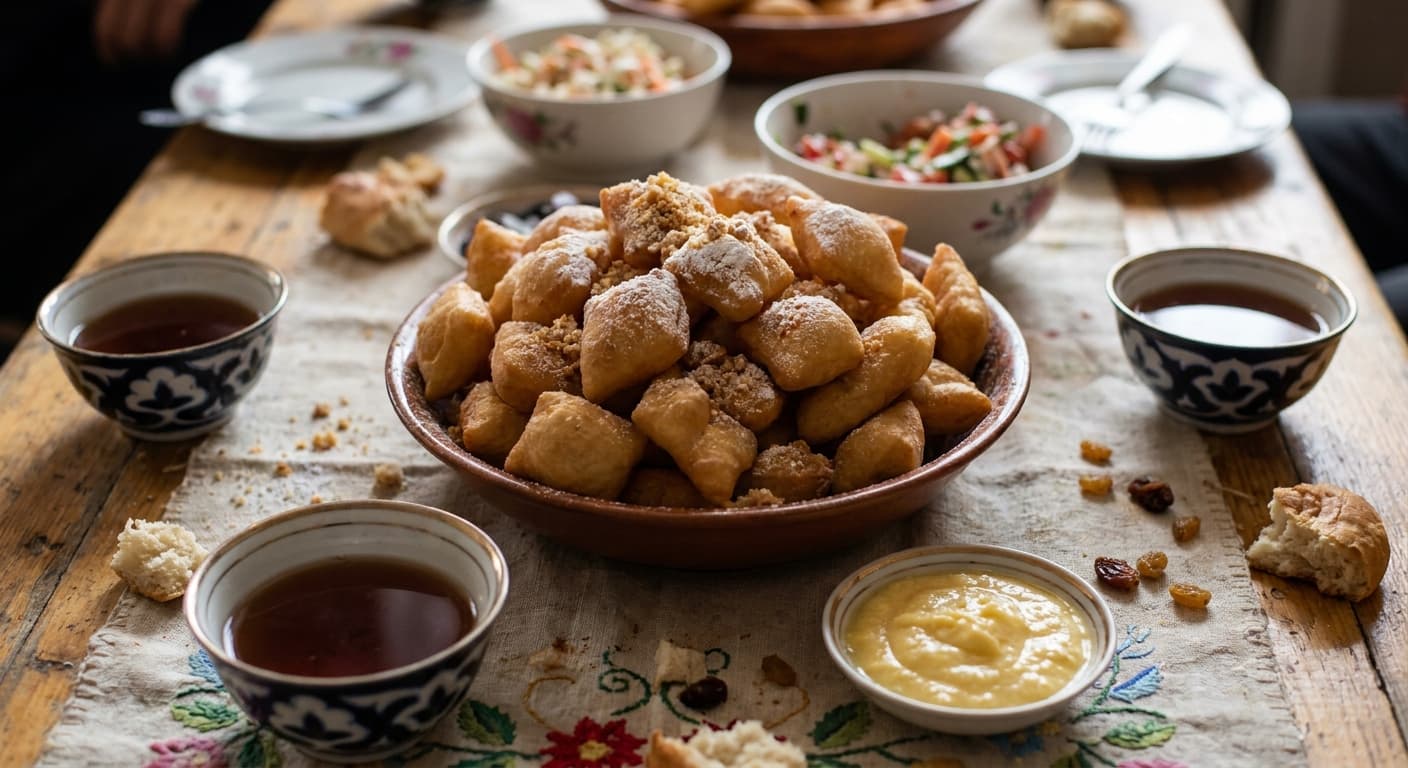
Boorsok is Kyrgyz fried bread, cut into small pillows and served at toi celebrations, family tables, and with tea. Its crisp-golden outside and soft center make it a natural partner for kymyz, shorpo, jam, or kaymak.
Printable Recipe Card
Servings: 8 · Total: 120 min · Difficulty: medium
Ingredients (quick list)
- 600 g all-purpose flour (plus 40 g for dusting the work surface)
- 250 ml whole milk (warmed to 38°C)
- 80 ml water (warmed to 38°C)
- 7 g active dry yeast
- 12 g granulated sugar
- 10 g fine sea salt
- 1 eggs (large)
- 30 g unsalted butter (melted and cooled)
- 30 ml sunflower oil
Steps (summary)
- Combine the warm milk, warm water, sugar, and active dry yeast in a large bowl, then let the mixture stand for 8 minutes. It sh…
- Beat the egg in a small bowl, then add it to the yeast mixture with the melted butter and 30 ml sunflower oil. Stir thoroughly…
- Add 600 g flour and the salt to the bowl, then mix with a sturdy spoon until a shaggy dough forms. Turn it onto a lightly flour…
- Place the dough in a lightly oiled bowl, cover it with a clean kitchen towel, and let it rise in a warm place for 60 minutes. T…
- Gently press the dough down and divide it into 2 equal portions. Roll each portion into a rectangle about 8 mm thick, then rest…
- Cut the dough into diamonds or rectangles about 4 cm wide using a sharp knife or pastry wheel. Keep the pieces lightly dusted a…
+ 2 more steps in the full instructions section below.
Cultural Background
Boorsok is a core Kyrgyz hospitality bread, appearing at toi feasts, memorial meals, and everyday tea tables. Caroline Eden’s Red Sands frames such shared Central Asian breads within nomadic generosity and guest honor.
Equipment
💡 Tips
- Keep the frying oil between 170°C and 180°C; cooler oil makes greasy boorsok, while hotter oil browns the outside before the center cooks.
- Do not roll the dough thinner than 8 mm, because traditional boorsok should puff into small tender pillows rather than crisp chips.
- For a celebration table, fry shortly before serving and pile the boorsok high in a bowl or basket so steam keeps them soft.
⚠️ Common Mistakes
❌ Adding too much flour during kneading makes the finished boorsok tough and dry.
✅ Fix: Use only the reserved 40 g flour as needed for dusting, and keep the dough soft but not sticky.
❌ Frying at a low temperature causes the pieces to absorb excess oil.
✅ Fix: Wait until the oil reaches 175°C and let it return to that temperature between batches.
❌ Crowding the pot lowers the oil temperature and prevents even puffing.
✅ Fix: Fry in small batches with enough space for each piece to float and turn freely.
🧊 How to Store
Store cooled boorsok in an airtight container at room temperature for 1 day or refrigerate for 3 days. Reheat on a tray at 160°C for 6 to 8 minutes, or warm briefly in a dry skillet to revive the crust.
📅 Make Ahead
The dough can be mixed and refrigerated after the first 30 minutes of rising for up to 12 hours. Bring it to room temperature for 45 minutes before rolling, cutting, and frying.
🍽️ Pairs Well With
- Hot black tea
- kymyz
- shorpo
- kaymak
- berry jam
- honey
- kurut.
Regional Variations
- Some Kyrgyz households make a leaner boorsok dough with water instead of milk for large gatherings.
- In richer celebration versions, extra butter or a spoonful of kaymak may be worked into the dough.
- Shapes vary by family: small diamonds, squares, and short strips are all common for shared platters.
Ingredients
- 600 gall-purpose flour (plus 40 g for dusting the work surface)
- 250 mlwhole milk (warmed to 38°C)
- 80 mlwater (warmed to 38°C)
- 7 gactive dry yeast
- 12 ggranulated sugar
- 10 gfine sea salt
- 1eggs (large)
- 30 gunsalted butter (melted and cooled)
- 30 mlsunflower oil
🔄 Substitutions
- whole milk→ plain kefir
- active dry yeast→ instant yeast
- sunflower oil→ refined neutral vegetable oil
Instructions
- 1
Combine the warm milk, warm water, sugar, and active dry yeast in a large bowl, then let the mixture stand for 8 minutes. It should look lightly foamy, which shows the yeast is active and ready to lift the boorsok dough.
- 2
Beat the egg in a small bowl, then add it to the yeast mixture with the melted butter and 30 ml sunflower oil. Stir thoroughly so the fat disperses evenly before the flour goes in, because this helps the fried bread stay tender inside.
- 3
Add 600 g flour and the salt to the bowl, then mix with a sturdy spoon until a shaggy dough forms. Turn it onto a lightly floured surface and knead for 8 minutes, adding only enough of the reserved flour to prevent sticking.
- 4
Place the dough in a lightly oiled bowl, cover it with a clean kitchen towel, and let it rise in a warm place for 60 minutes. The dough should increase by about 75 percent rather than necessarily doubling, which is ideal for small, even boorsok.
- 5
Gently press the dough down and divide it into 2 equal portions. Roll each portion into a rectangle about 8 mm thick, then rest the sheets for 10 minutes so they puff slightly and fry evenly.
- 6
Cut the dough into diamonds or rectangles about 4 cm wide using a sharp knife or pastry wheel. Keep the pieces lightly dusted and separated, because stuck dough can tear and create dense spots when fried.
- 7
Heat 1.2 l sunflower oil in a heavy pot to 175°C, checking with a thermometer for accuracy. Fry the dough in batches for 2 to 3 minutes per batch, turning once, until the boorsok are deep golden and inflated.
- 8
Lift the fried pieces out with a spider strainer and drain them on a wire rack set over a tray for 5 minutes. Serve warm on a large shared platter, as Kyrgyz families often do with tea, kymyz, shorpo, or sweet preserves.
🪪 Recipe Passport
Cultural Background
Boorsok is a core Kyrgyz hospitality bread, appearing at toi feasts, memorial meals, and everyday tea tables. Caroline Eden’s Red Sands frames such shared Central Asian breads within nomadic generosity and guest honor.
Regional Variations
Researched from multiple sources and validated by the Zaffaron editorial team. Every recipe is tested for accuracy, measurements, and cultural authenticity.
📚 Sources & Cultural References
- Caroline Eden — Red Sands: Reportage and Recipes Through Central Asia, from Hinterland to Heartland — (2020)
- Glenn Randall Mack — Food Culture in Russia and Central Asia — (2005)
Sources cited by the Zaffaron editorial team during recipe research. Cultural and culinary references supporting authenticity claims.
Nutrition per serving
Pairs well with
If you enjoyed this recipe, here are a few related Zaffaron recipes to try next.
Does your family make this differently?
Every family has their own version. Maybe your grandmother adds a secret ingredient, or your aunt has a completely different technique. Preserve your family's version — with their name on it, forever.
You Might Also Like
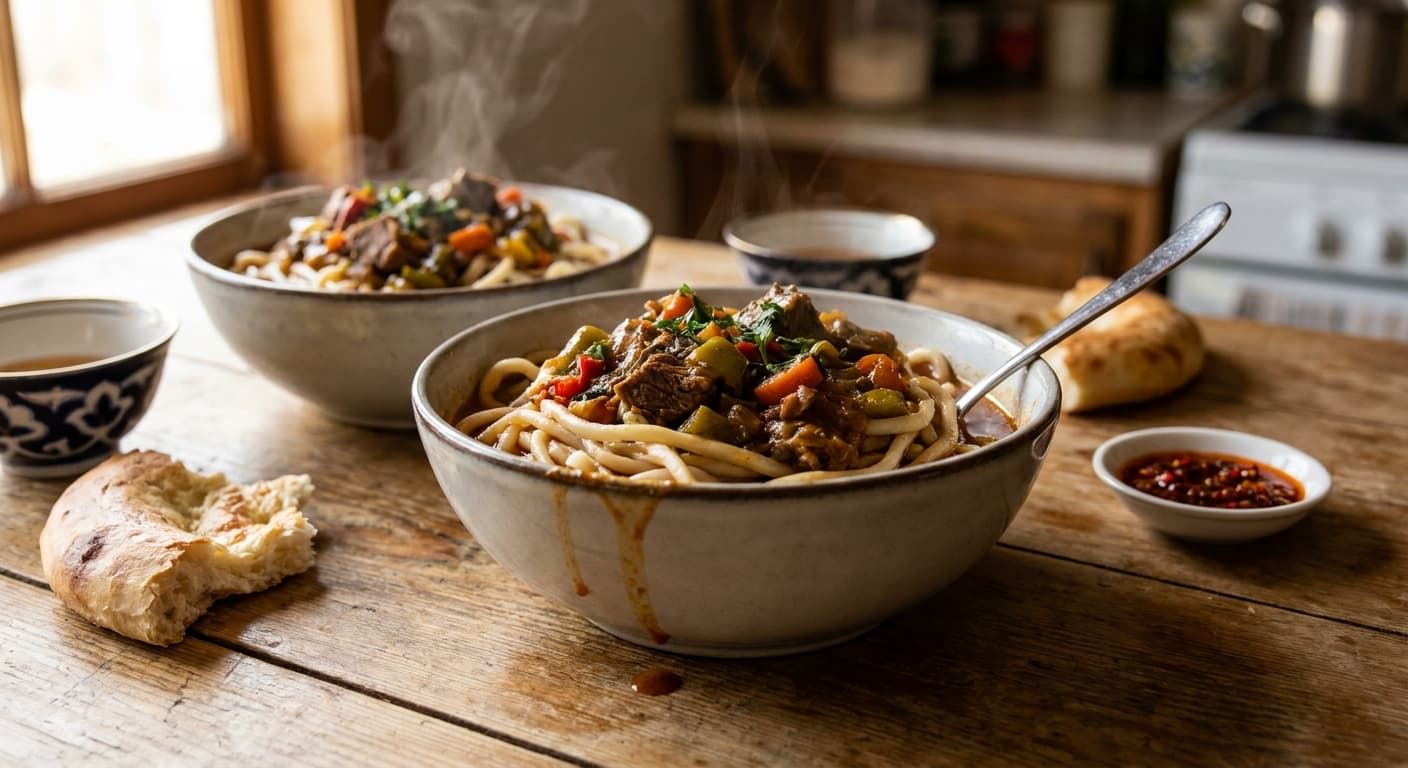
Kyrgyz Lagman (Лагман) — Hand-Pulled Noodles with Lamb and Vegetables
Kyrgyz · Main Courses · 125 min
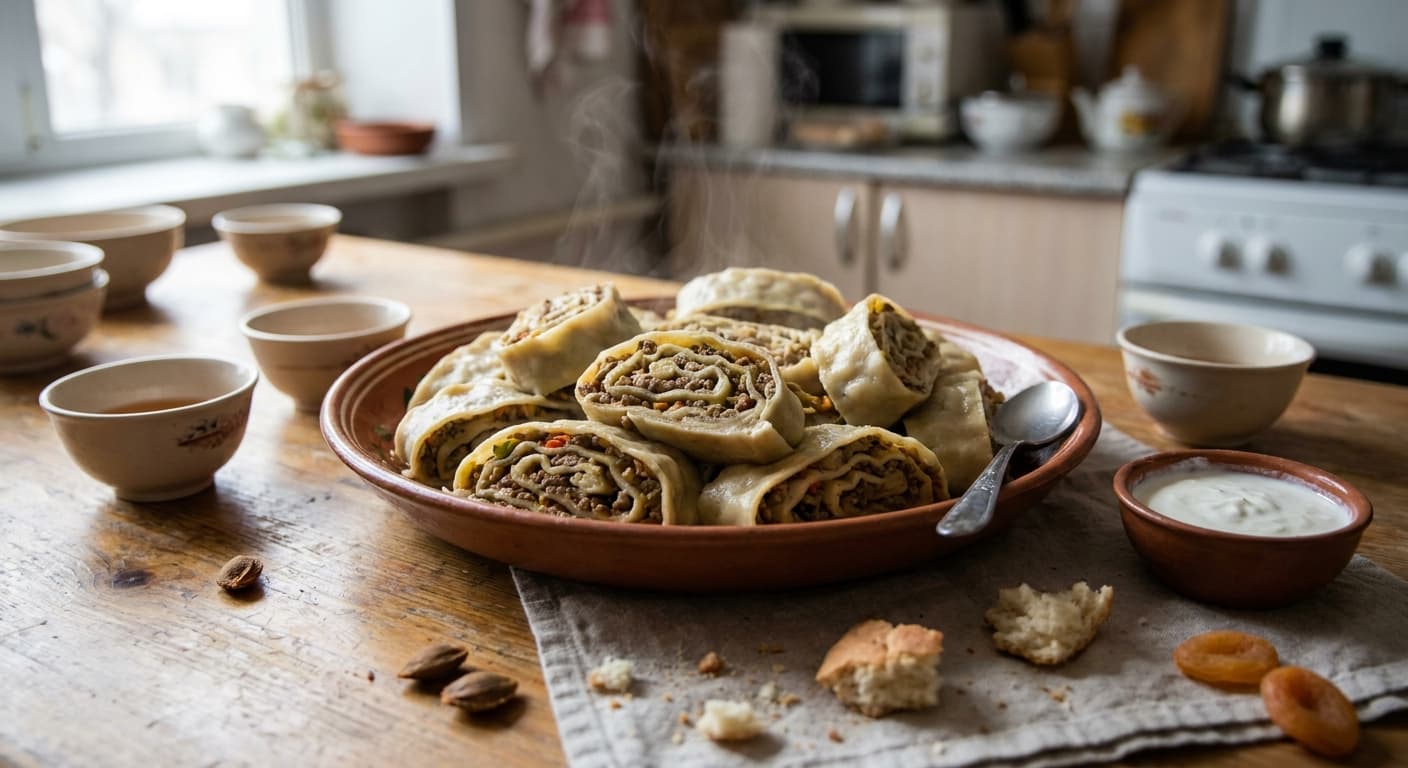
Orromo (Оромо) — Kyrgyz Steamed Rolled Dumpling with Lamb and Pumpkin
Kyrgyz · Main Courses · 105 min
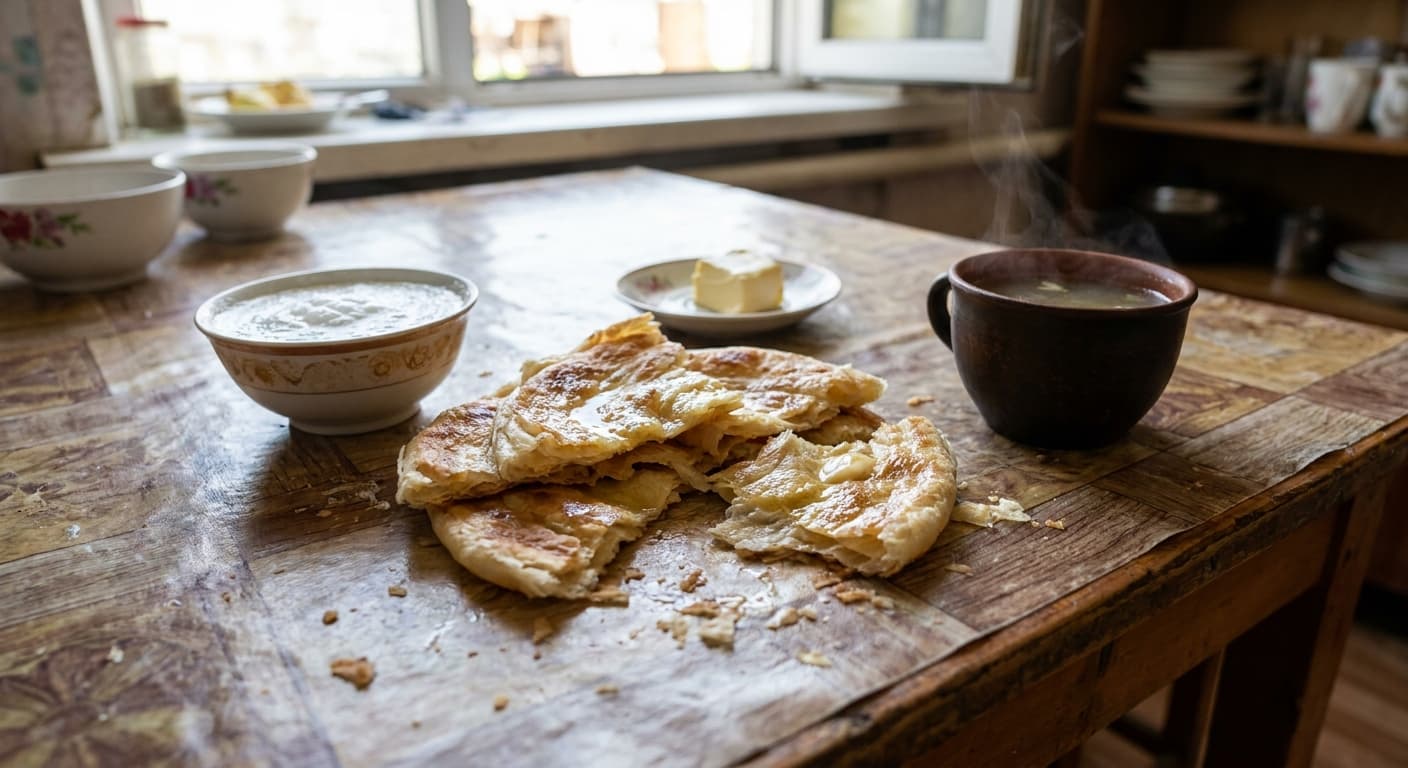
Kyrgyz Kattama (Каттама) — Layered Onion Flatbread
Kyrgyz · Breads · 53 min
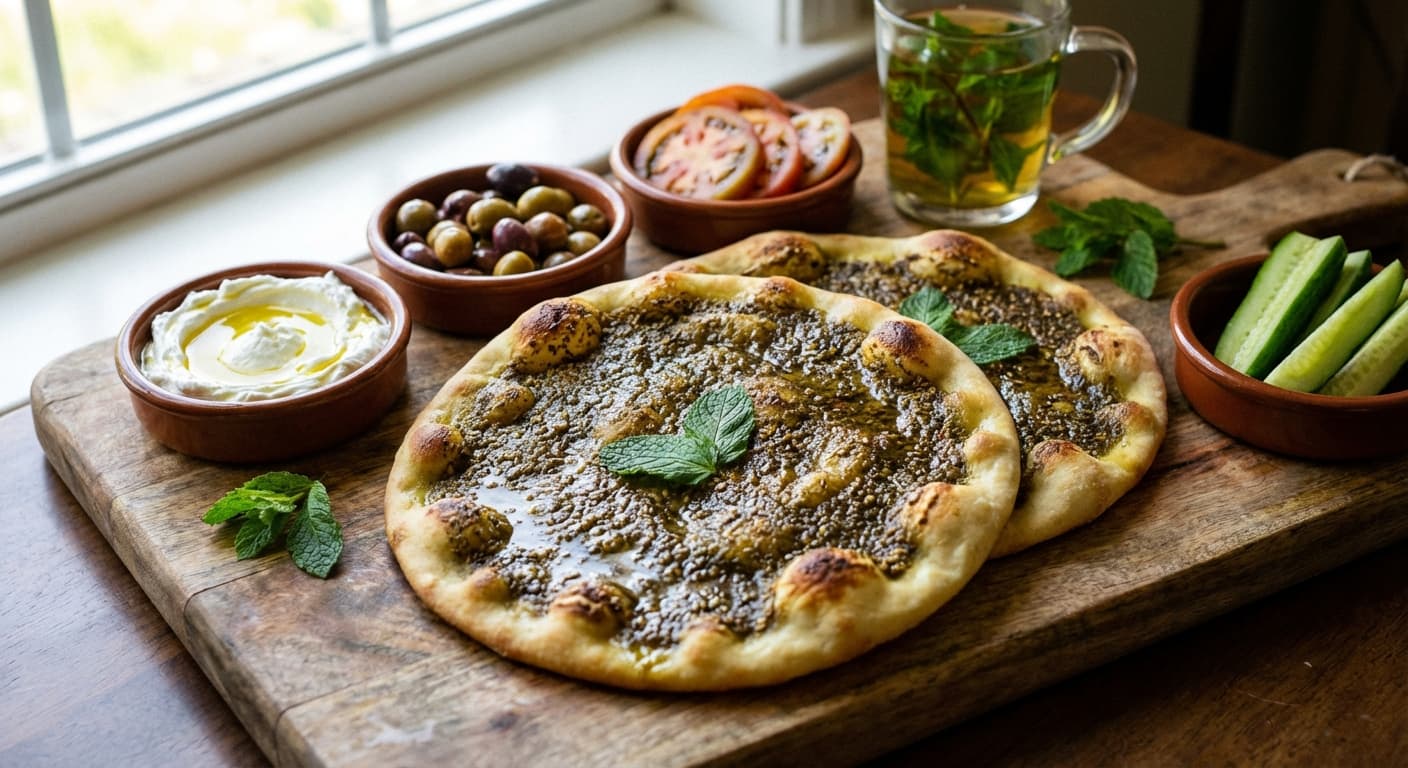
Man’oushe Za’atar (منقوشة زعتر) — Lebanese Za’atar Flatbread
Lebanese · Breads · 37 min
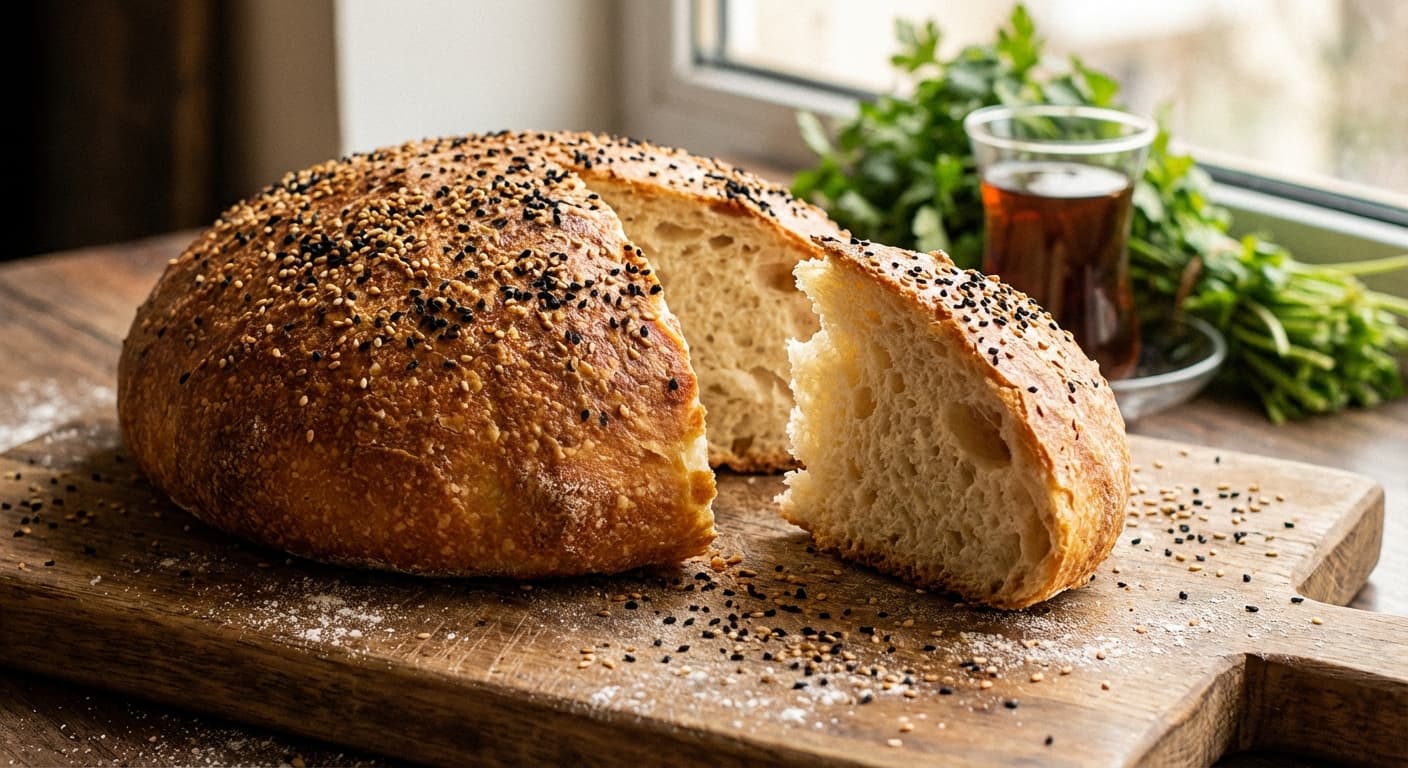
Baku Bread (Bakı Çörəyi) — Fragrant thick-crusted Azerbaijani oven bread
Azerbaijani · Breads · 43 min
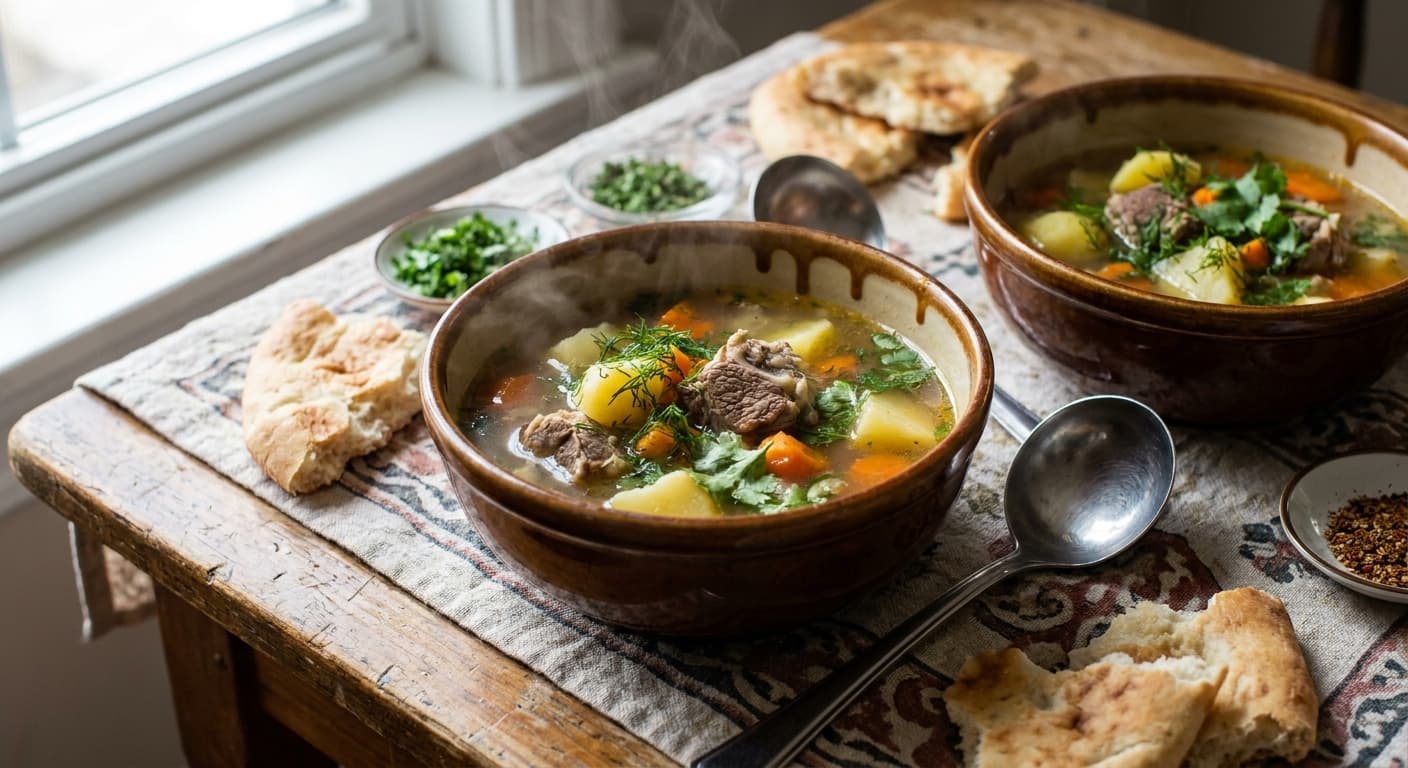
Uzbek Shurpa (Шўрпа) — Lamb and Vegetable Soup
Uzbek · Soups · 160 min
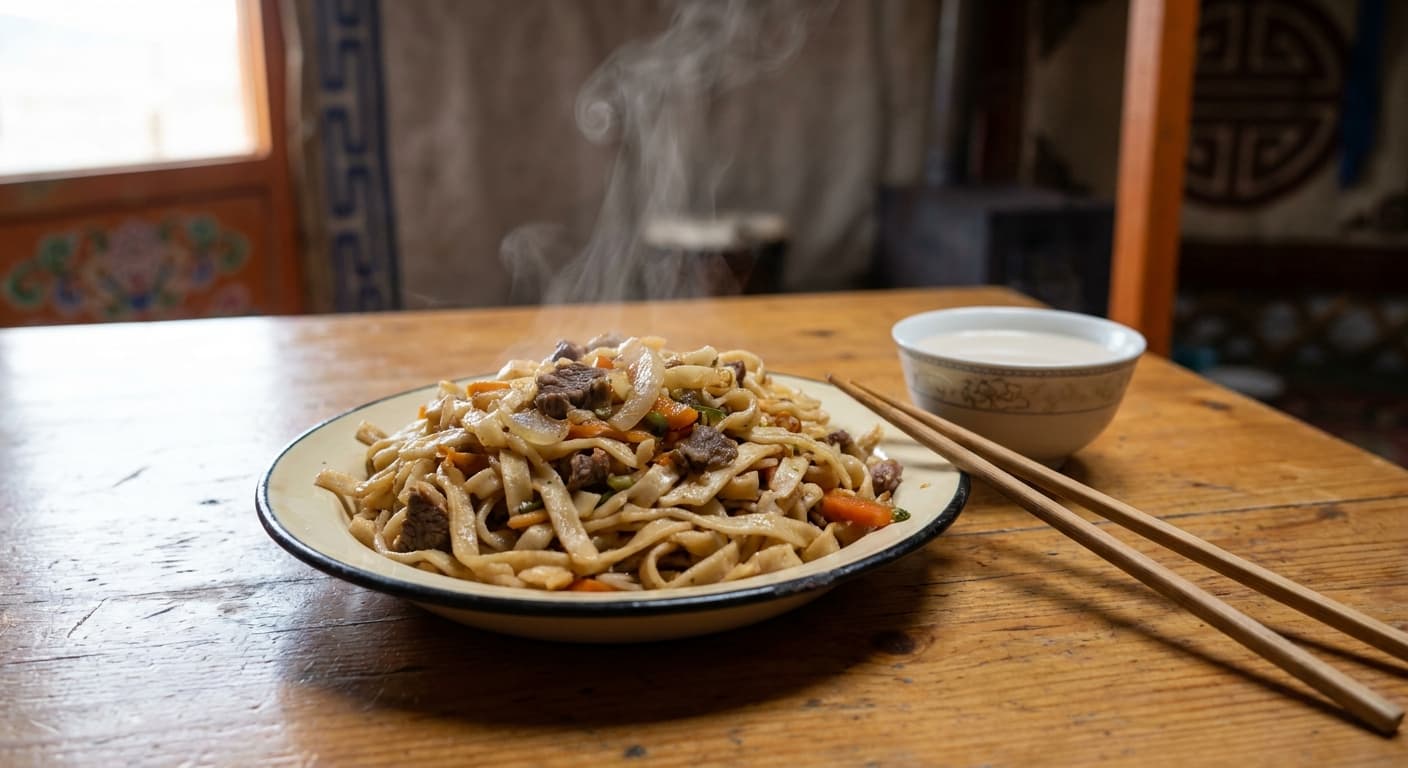
Tsuivan (Цуйван) — Mongolian Steamed Noodles with Meat and Vegetables
Mongolian · Main Courses · 80 min
Besso (በሶ) — Ethiopian Roasted Barley Bites
Ethiopian · Appetizers · 20 min
Reviews
Cooked this recipe?
Tap the stars to rate it — that's all it takes. A few words are welcome but optional.
No ratings yet. Cooked this one? Be the first to rate it — it takes one tap.