Bosnian Popara (Попара) — Bread Porridge with Kaymak
Popara is a thrifty Bosnian breakfast made by softening stale somun in hot milk and finishing it with butter, kajmak, and young cheese. It belongs to the same bakery-table culture that treasures burek and sirnica, but it is simpler and homier.
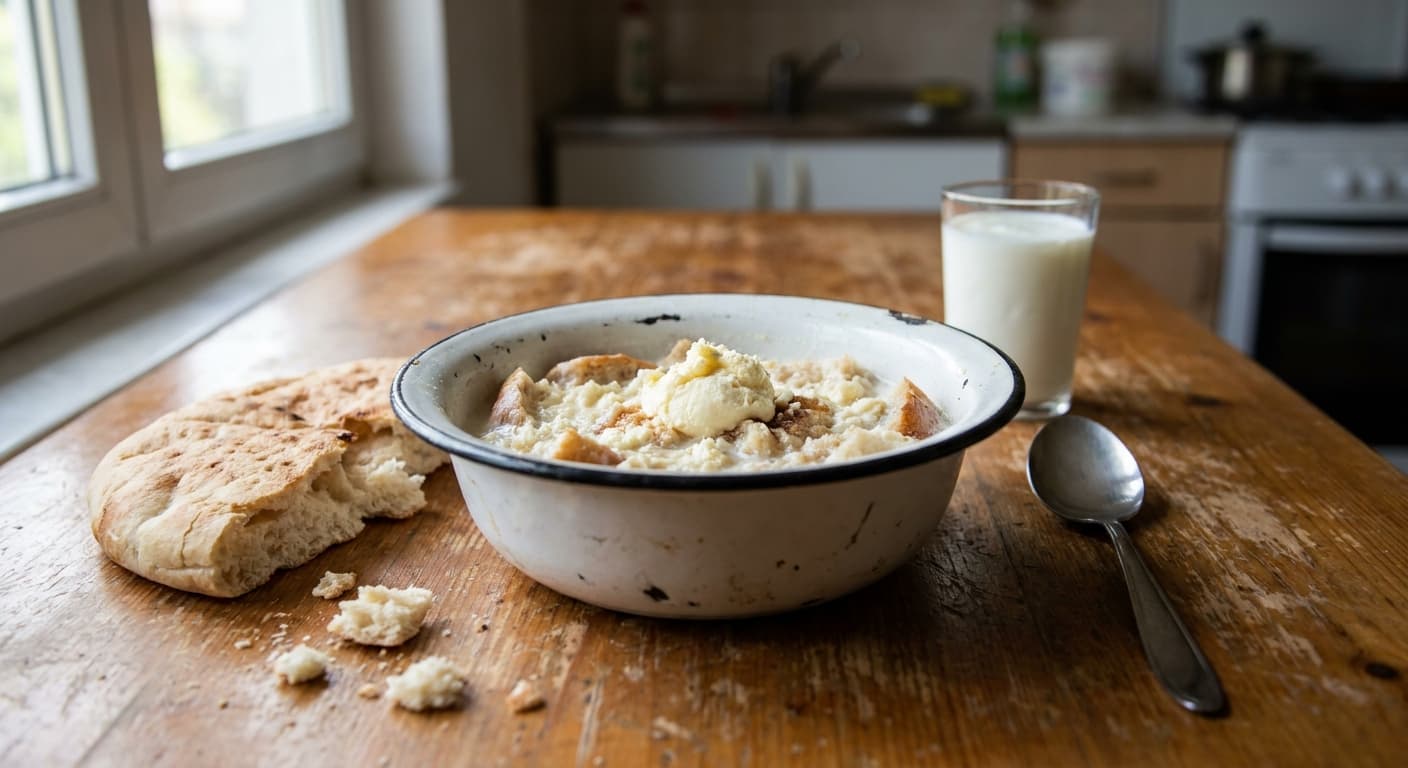
Printable Recipe Card
Servings: 4 · Total: 22 min · Difficulty: easy
Ingredients (quick list)
- 300 g day-old somun bread (torn into 4 cm pieces)
- 500 ml whole milk
- 250 ml water
- 35 g unsalted butter
- 80 g kajmak
- 120 g young white cheese (mladi sir, or a mild feta-style white cheese)
- 4 g fine sea salt
- 1 g ground black pepper
Steps (summary)
- Tear the day-old somun into rough pieces about 4 cm wide and place them in a wide heatproof bowl. The bread should be dry enoug…
- Combine the milk, water, and salt in a medium saucepan and bring the mixture to a gentle simmer over medium heat. Do not let it…
- Add the torn somun to the simmering liquid and press it down lightly with a wooden spoon so every piece is moistened. Cook for…
- Melt the butter in a small pan over medium heat until it foams and smells nutty, about 2 minutes. Pour the hot butter over the…
- Remove the saucepan from the heat and fold in the kajmak and crumbled young white cheese. Cover the pan for 2 minutes so the da…
- Spoon the popara into warm bowls and finish each serving with a measured pinch of black pepper. Serve immediately, while the br…
Cultural Background
As Lejla Kazic notes in Bosnian Cuisine, Bosnian home cooking values practical dishes that turn staple bread and dairy into satisfying meals. Popara shares the everyday bread culture of burek, sirnica, and somun, but belongs firmly to the frugal family kitchen.
Equipment
💡 Tips
- Use day-old somun whenever possible, because its open crumb absorbs milk evenly while keeping a pleasant rustic texture.
- Keep the liquid at a gentle simmer; a rolling boil breaks down the bread too quickly and makes the dish pasty.
- Add kajmak off the heat so it softens into the popara instead of splitting into oily pools.
⚠️ Common Mistakes
❌ Using soft fresh bread
✅ Fix: Dry the bread uncovered for 2 hours, or use day-old somun so it absorbs liquid without dissolving.
❌ Boiling the milk aggressively
✅ Fix: Hold the liquid at a gentle simmer and fold the bread slowly to preserve a rustic texture.
❌ Adding kajmak while the pan is too hot
✅ Fix: Remove the pan from the heat before folding in kajmak so it melts gently rather than splitting.
🧊 How to Store
Refrigerate leftovers in an airtight container for up to 2 days. Reheat gently in a saucepan with 60 ml milk per serving, stirring slowly until creamy; microwaving is possible but can make the bread unevenly dense.
📅 Make Ahead
Tear and dry the somun up to 1 day ahead and keep it loosely covered at room temperature. Measure the dairy before cooking, but prepare popara just before serving for the best texture.
🍽️ Pairs Well With
- Plain yogurt
- cucumber slices
- pickled peppers
- strong Bosnian coffee.
Regional Variations
- Some Bosnian households make popara with only water and butter when milk is not available, producing a leaner but still comforting dish.
- In dairy-rich homes, extra kajmak is spooned on top at the table instead of fully mixed in.
- A firmer version uses less liquid and larger pieces of stale somun, keeping the bread closer to dumpling-like chunks.
Ingredients
- 300 gday-old somun bread (torn into 4 cm pieces)
- 500 mlwhole milk
- 250 mlwater
- 35 gunsalted butter
- 80 gkajmak
- 120 gyoung white cheese (mladi sir, or a mild feta-style white cheese)
- 4 gfine sea salt
- 1 gground black pepper
🔄 Substitutions
- somun bread→ day-old pita bread
- kajmak→ clotted cream mixed with cream cheese
- young white cheese→ mild feta cheese
Instructions
- 1
Tear the day-old somun into rough pieces about 4 cm wide and place them in a wide heatproof bowl. The bread should be dry enough to absorb liquid without collapsing instantly, so leave very fresh bread uncovered for 2 hours before using.
- 2
Combine the milk, water, and salt in a medium saucepan and bring the mixture to a gentle simmer over medium heat. Do not let it boil hard, because vigorous boiling can make the milk taste cooked and cause the popara to become gluey.
- 3
Add the torn somun to the simmering liquid and press it down lightly with a wooden spoon so every piece is moistened. Cook for 3 to 4 minutes, folding gently, until the bread is soft but still has visible torn edges.
- 4
Melt the butter in a small pan over medium heat until it foams and smells nutty, about 2 minutes. Pour the hot butter over the softened bread and fold it through carefully, keeping the mixture rustic rather than smooth.
- 5
Remove the saucepan from the heat and fold in the kajmak and crumbled young white cheese. Cover the pan for 2 minutes so the dairy warms through and lightly melts into the bread without separating.
- 6
Spoon the popara into warm bowls and finish each serving with a measured pinch of black pepper. Serve immediately, while the bread is creamy at the center and still slightly irregular in texture, as it would be at a Bosnian family breakfast.
🪪 Recipe Passport
Cultural Background
As Lejla Kazic notes in Bosnian Cuisine, Bosnian home cooking values practical dishes that turn staple bread and dairy into satisfying meals. Popara shares the everyday bread culture of burek, sirnica, and somun, but belongs firmly to the frugal family kitchen.
Regional Variations
Researched from multiple sources and validated by the Zaffaron editorial team. Every recipe is tested for accuracy, measurements, and cultural authenticity.
📚 Sources & Cultural References
- Lejla Kazic — Bosnian Cuisine
Sources cited by the Zaffaron editorial team during recipe research. Cultural and culinary references supporting authenticity claims.
Nutrition per serving
Pairs well with
If you enjoyed this recipe, here are a few related Zaffaron recipes to try next.
Does your family make this differently?
Every family has their own version. Maybe your grandmother adds a secret ingredient, or your aunt has a completely different technique. Preserve your family's version — with their name on it, forever.
You Might Also Like
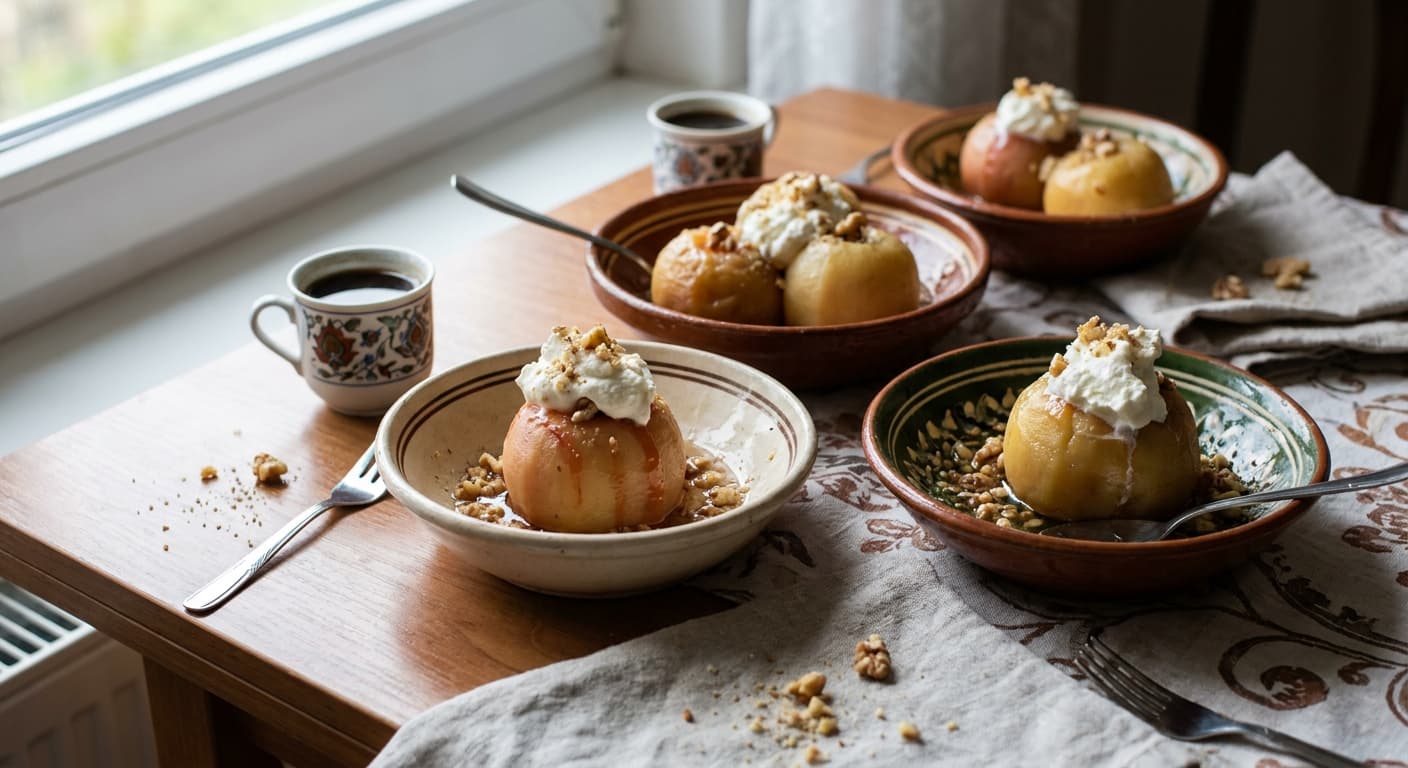
Tufahije (Tufahije) — Bosnian Walnut-Stuffed Poached Apples
Bosnian · Desserts · 50 min
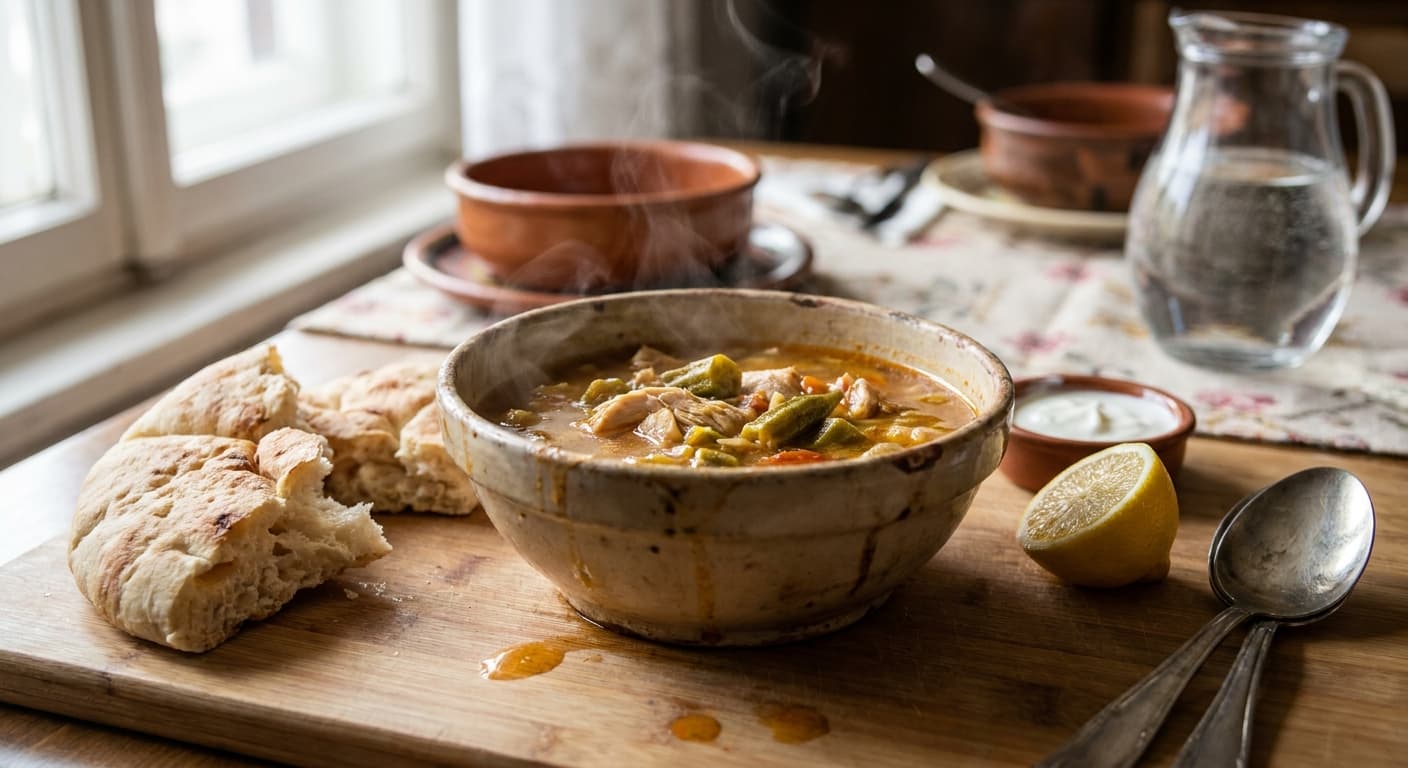
Begova Corba (Begova čorba) — Bosnian Chicken and Okra Soup
Bosnian · Soups · 110 min
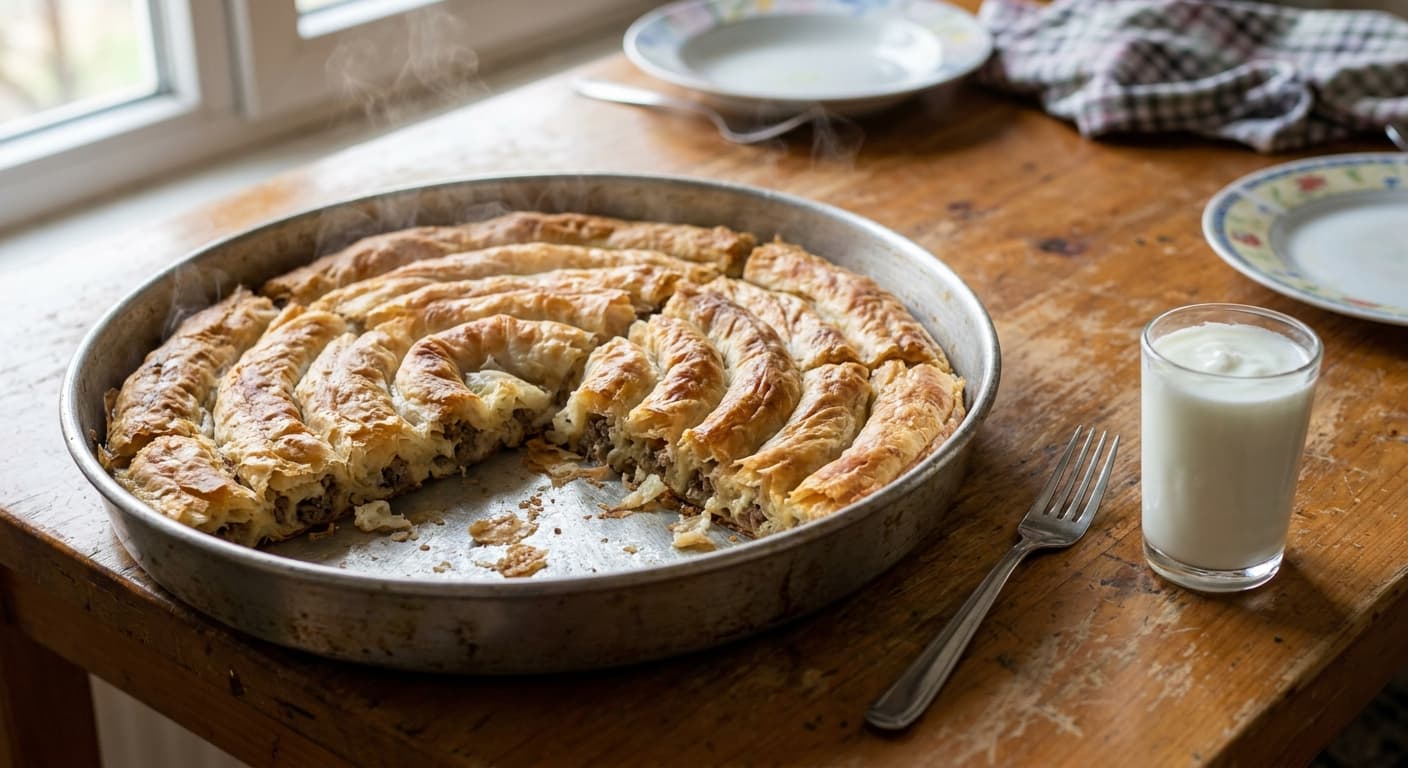
Bosnian Meat Burek (Burek) — Coiled Beef Pie with Jufka
Bosnian · Main Courses · 70 min
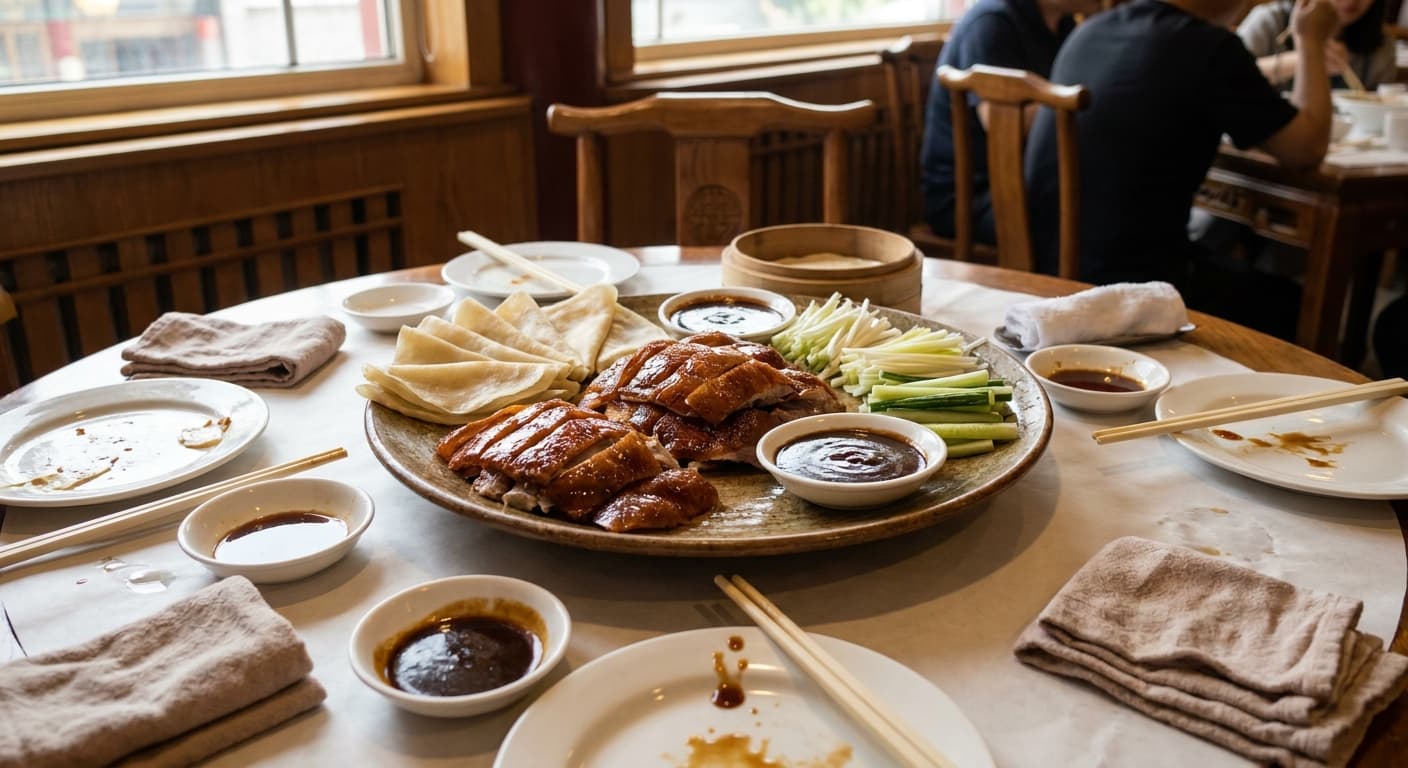
Peking Duck (北京烤鸭) — Crisp-Skinned Beijing Roast Duck
Chinese · Main Courses · 180 min
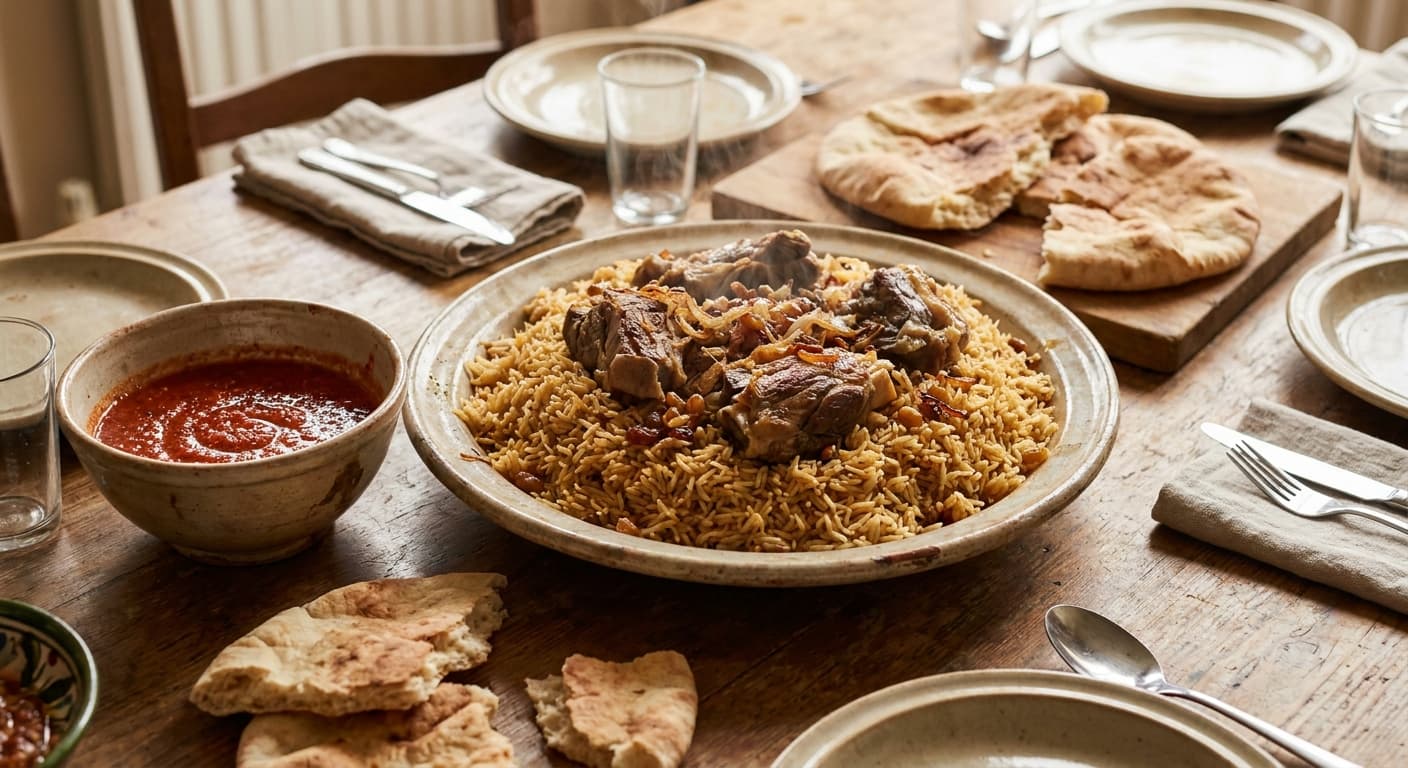
Yemeni Mandi (مندي) — Smoke-Scented Spiced Rice and Lamb
Yemeni · Main Courses · 170 min
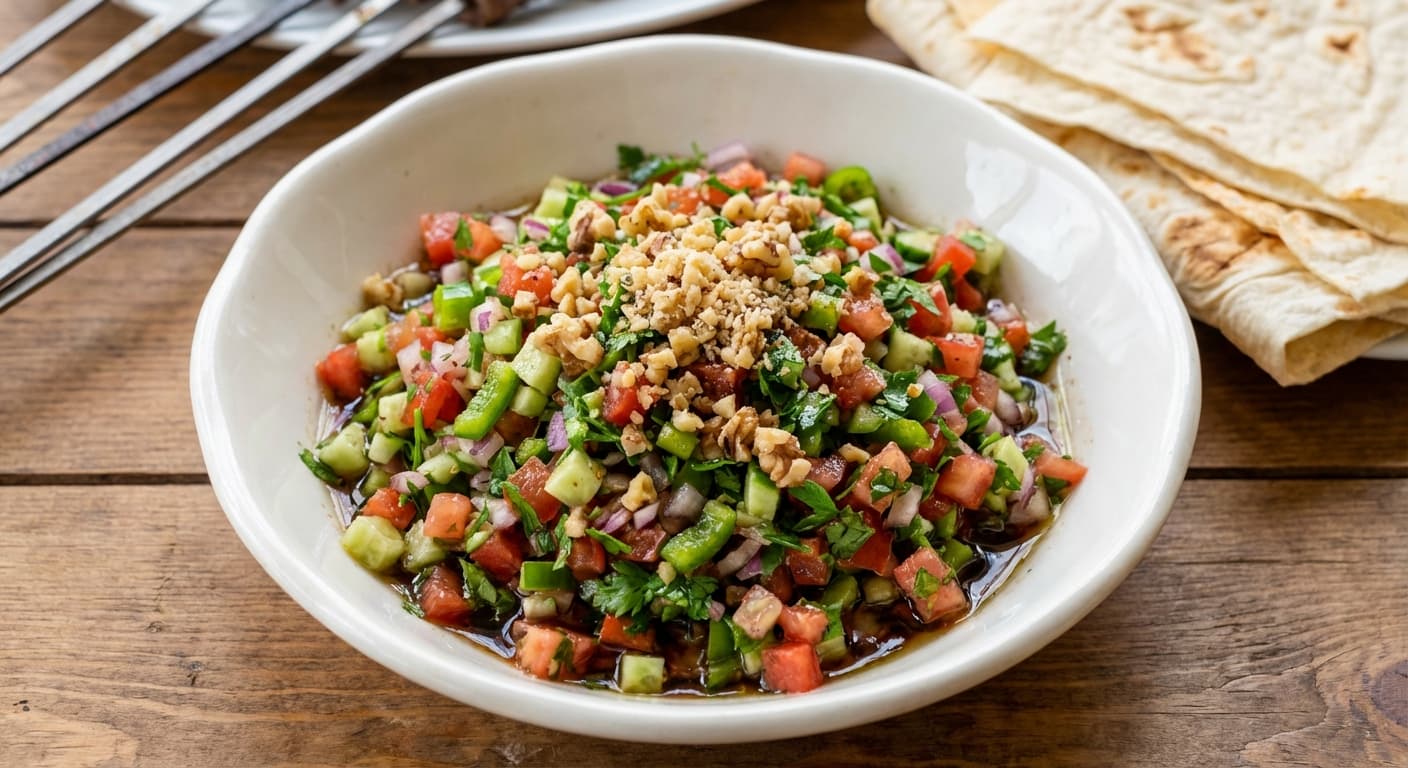
Gavurdağı Salad (Gavurdağı Salatası) — Finely Chopped Walnut & Pomegranate Salad
Turkish · Salads · 20 min
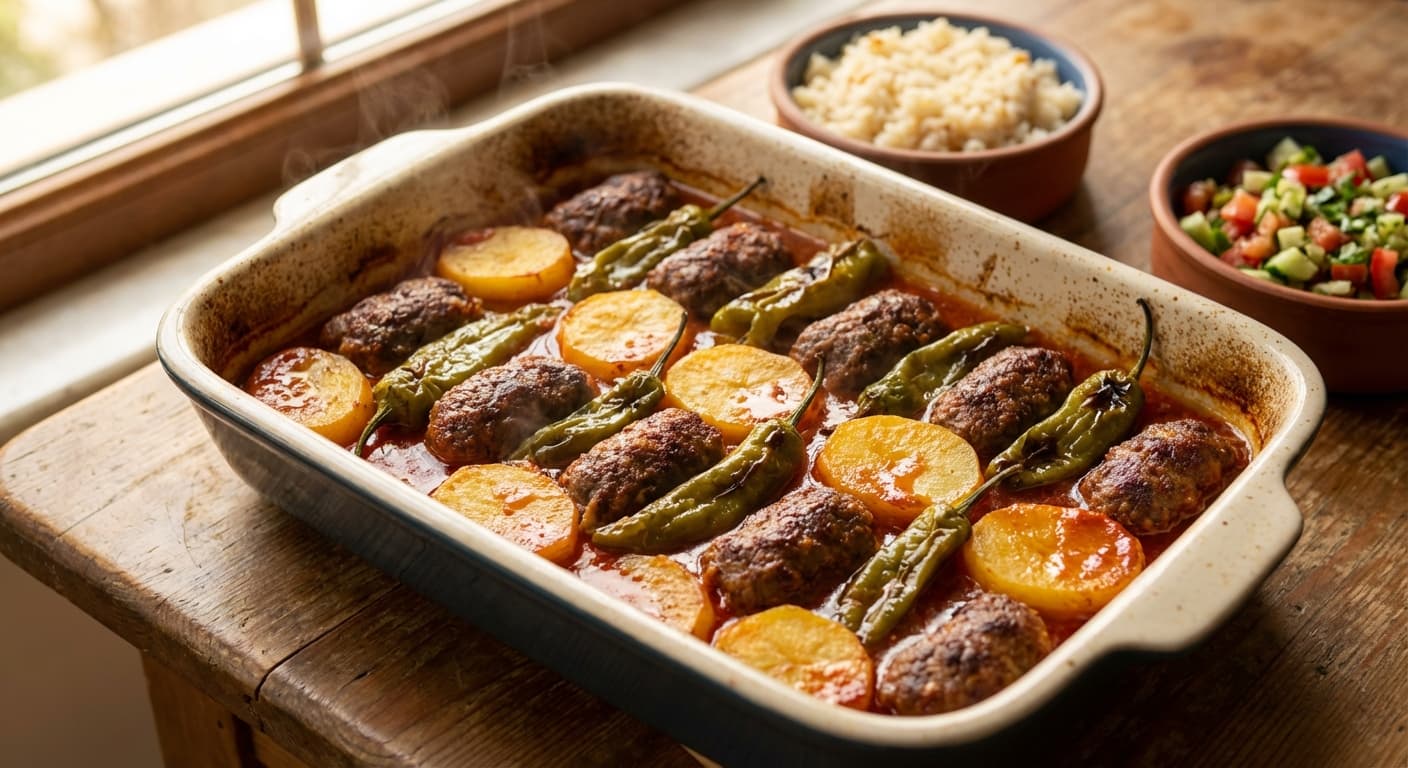
Izmir Kofte (İzmir Köfte) — Oven-Baked Meatballs with Tomato Sauce and Potatoes
Turkish · Main Courses · 70 min
Bosnian Cevapi (Ćevapi) — Grilled Balkan Beef and Lamb Sausages
Bosnian · Kebabs · 50 min
Reviews
Cooked this recipe?
Tap the stars to rate it — that's all it takes. A few words are welcome but optional.
No ratings yet. Cooked this one? Be the first to rate it — it takes one tap.