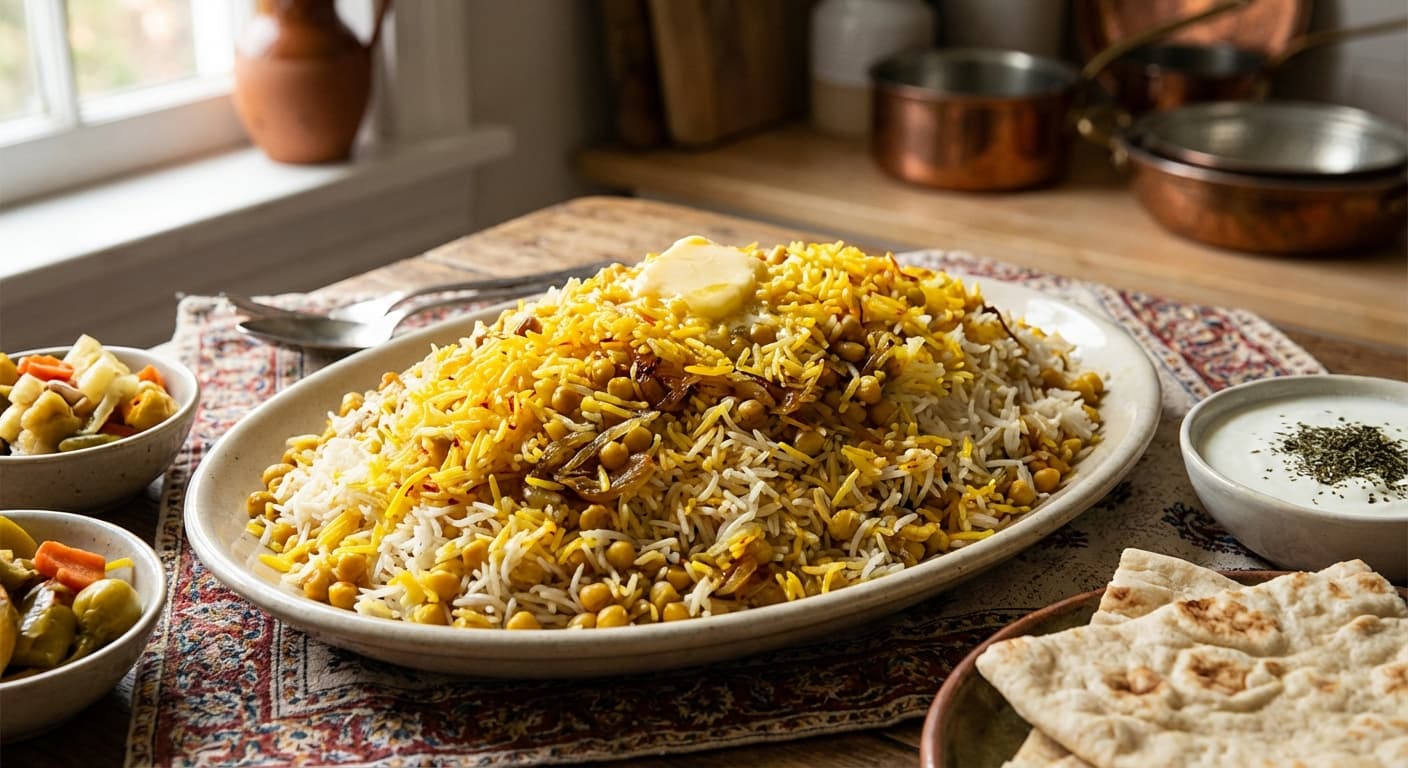
Dampokhtak Baqala (دمپختک باقلا) — Persian Saffron Rice with Yellow Split Peas
A comforting one-pot Persian rice from Tehran: basmati cooked with tender yellow split peas, onion, turmeric, butter, and saffron. Golden, fluffy, and fragrant, it’s ideal with tangy pickles and yogurt.
Printable Recipe Card
Servings: 6 · Total: 145 min · Difficulty: medium
Ingredients (quick list)
- 450 g Basmati rice (rinsed until water runs mostly clear)
- 2000 ml Water (for soaking and parboiling rice (drain after parboil))
- 18 g Salt (divided; includes salting parboil water and final seasoning)
- 200 g Yellow split peas (rinsed; soaked 30 minutes, then drained)
- 200 g Onion (finely diced)
- 45 ml Oil (neutral oil such as sunflower or grapeseed)
- 2.5 g Turmeric (about 1 teaspoon)
- 60 g Butter (cut into small cubes)
- 0.25 g Saffron threads (ground and bloomed in hot water)
Steps (summary)
- Rinse the basmati rice in several changes of cool water until the water is mostly clear. Cover with plenty of cool water and di…
- Cook the split peas: add drained peas and 900 ml water to a saucepan. Bring to a boil over high heat, skim any foam for 2 minut…
- Bloom the saffron: grind saffron threads to a powder, then stir in 60 ml boiling water. Cover and steep 10 minutes to extract m…
- Parboil the rice: bring 2000 ml water to a rolling boil in a large pot. Add the soaked rice (drained) and the remaining 8 g sal…
- Build the base: return the pot to medium heat and add the oil. Sauté the diced onion 8–10 minutes until lightly golden. Add tur…
- Layer and steam: reduce heat to low. Add the drained parboiled rice over the peas, gently folding once or twice so peas distrib…
+ 1 more steps in the full instructions section below.
Cultural Background
Dampokhtak is a family-style Persian rice dish associated with practical home cooking, especially in Tehran and surrounding areas. It is valued for being filling and economical while still showcasing signature aromas like turmeric and saffron. It is commonly served with pickles and yogurt to balance the richness.
Equipment
💡 Tips
- Keep split peas intact by simmering gently and draining well; excess water can make the final rice gummy.
- If your pot tends to scorch, use a heavy-bottomed pot and keep the final steaming heat very low after the first 10 minutes.
- For a deeper golden color, increase turmeric to 1 1/2 teaspoons (about 3.5 g) without changing other seasonings.
- To encourage a crisp bottom crust, increase oil to 60 ml and extend the low steaming stage by 5–10 minutes, watching carefully.
⚠️ Common Mistakes
❌ Overcooking the split peas until they break down
💡 Why: Broken peas turn starchy and can make the rice heavy and sticky.
✅ Fix: Simmer gently and start checking at 18 minutes; drain when tender but intact and let steam-dry for a few minutes.
❌ Boiling the rice too long during parboil
💡 Why: Fully cooked grains will collapse during steaming and lose the fluffy texture.
✅ Fix: Parboil only until the outside is soft and the center is still firm (6–8 minutes for basmati), then drain immediately.
❌ Steaming on heat that is too high
💡 Why: High heat can scorch the bottom before the rice finishes steaming through.
✅ Fix: Use medium-low for the first 10 minutes to generate steam, then reduce to low for the remainder; a heavy-bottomed pot helps.
❌ Adding saffron directly to boiling water for a long time
💡 Why: Extended boiling dulls saffron’s aroma and can taste flat.
✅ Fix: Bloom saffron in a small amount of boiling water off the heat and add it during steaming.
🧊 How to Store
Cool rice within 1 hour, then refrigerate in an airtight container up to 4 days. Reheat covered with 1–2 tablespoons water in a saucepan over low heat 8–12 minutes, or microwave covered 2–3 minutes, stirring once. Freeze up to 2 months; thaw overnight in the refrigerator before reheating.
📅 Make Ahead
Soak the rice (salted) up to 2 hours ahead and cook the split peas up to 2 days ahead; refrigerate the peas and bring to room temperature before layering. Bloom saffron up to 4 hours ahead and keep covered at room temperature. Steam the dish just before serving for best texture.
🍽️ Pairs Well With
- Persian-style pickles (torshi)
- Plain yogurt or cucumber yogurt
- Fresh herbs and radishes
- Tomato and cucumber salad
Regional Variations
- Tehran and Central IranOften kept simple with onion, turmeric, and saffron; served with pickles and yogurt. Some households add a small amount of butter at the end for extra richness.
- Northern Iran (Caspian-influenced homes)May include extra onions and a slightly more pronounced turmeric color, sometimes paired with herb sides and more acidic accompaniments to balance the buttery rice.
Ingredients
- 450 gBasmati rice (rinsed until water runs mostly clear)
- 2000 mlWater (for soaking and parboiling rice (drain after parboil))
- 18 gSalt (divided; includes salting parboil water and final seasoning)
- 200 gYellow split peas (rinsed; soaked 30 minutes, then drained)
- 200 gOnion (finely diced)
- 45 mlOil (neutral oil such as sunflower or grapeseed)
- 2.5 gTurmeric (about 1 teaspoon)
- 60 gButter (cut into small cubes)
- 0.25 gSaffron threads (ground and bloomed in hot water)
🔄 Substitutions
- Basmati rice→ Jasmine rice
- Butter→ Ghee
- Yellow split peas→ Split chickpeas (chana dal)
Instructions
- 1
Rinse the basmati rice in several changes of cool water until the water is mostly clear. Cover with plenty of cool water and dissolve 10 g of the salt into the soak; rest 60 minutes at room temperature. Meanwhile, rinse the yellow split peas, cover with cool water, soak 30 minutes, then drain.
- 2
Cook the split peas: add drained peas and 900 ml water to a saucepan. Bring to a boil over high heat, skim any foam for 2 minutes, then reduce to a gentle simmer. Cook 20–25 minutes until peas are tender but still hold their shape; drain well and set aside so excess moisture evaporates.
- 3
Bloom the saffron: grind saffron threads to a powder, then stir in 60 ml boiling water. Cover and steep 10 minutes to extract maximum color and aroma. Keep warm. This concentrated saffron water will be used at the steaming stage so the fragrance stays bright rather than boiling away.
- 4
Parboil the rice: bring 2000 ml water to a rolling boil in a large pot. Add the soaked rice (drained) and the remaining 8 g salt. Boil 6–8 minutes, stirring once or twice, until grains are softened on the outside but still firm in the center. Drain immediately and rinse briefly with cool water.
- 5
Build the base: return the pot to medium heat and add the oil. Sauté the diced onion 8–10 minutes until lightly golden. Add turmeric and stir 30 seconds until fragrant. Add the cooked split peas and toss 1 minute to coat in the onion-turmeric mixture, keeping heat moderate to avoid scorching.
- 6
Layer and steam: reduce heat to low. Add the drained parboiled rice over the peas, gently folding once or twice so peas distribute without breaking. Using the handle of a spoon, poke 5–6 holes down to the bottom for steam vents. Dot the butter cubes over the top, then drizzle the saffron water evenly.
- 7
Create steam and finish: wrap the lid in a clean kitchen towel and cover the pot tightly. Cook 10 minutes over medium-low to build steam, then reduce to low and steam 35 minutes. Turn off heat and rest, covered, 10 minutes. Fluff gently with a fork, lifting from the sides to keep grains separate.
🪪 Recipe Passport
Cultural Background
Dampokhtak is a family-style Persian rice dish associated with practical home cooking, especially in Tehran and surrounding areas. It is valued for being filling and economical while still showcasing signature aromas like turmeric and saffron. It is commonly served with pickles and yogurt to balance the richness.
Regional Variations
Researched from multiple sources and validated by the Zaffaron editorial team. Every recipe is tested for accuracy, measurements, and cultural authenticity.
Nutrition per serving
Pairs well with
If you enjoyed this recipe, here are a few related Zaffaron recipes to try next.
Does your family make this differently?
Every family has their own version. Maybe your grandmother adds a secret ingredient, or your aunt has a completely different technique. Preserve your family's version — with their name on it, forever.
You Might Also Like
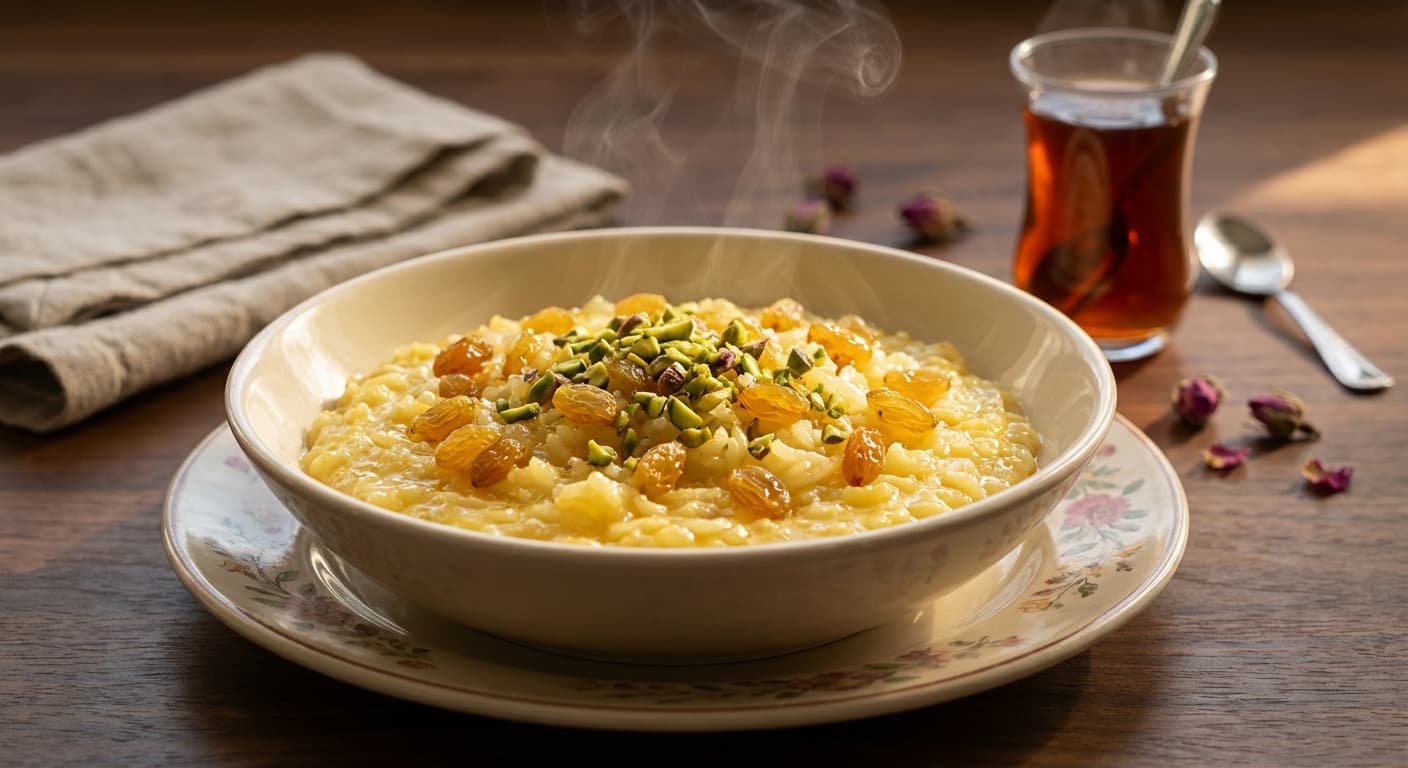
Saffron Sweet Rice (پلو شیرینی زعفرانی) — Festive Persian milk-saffron rice with nuts
Persian · Rice Dishes · 75 min
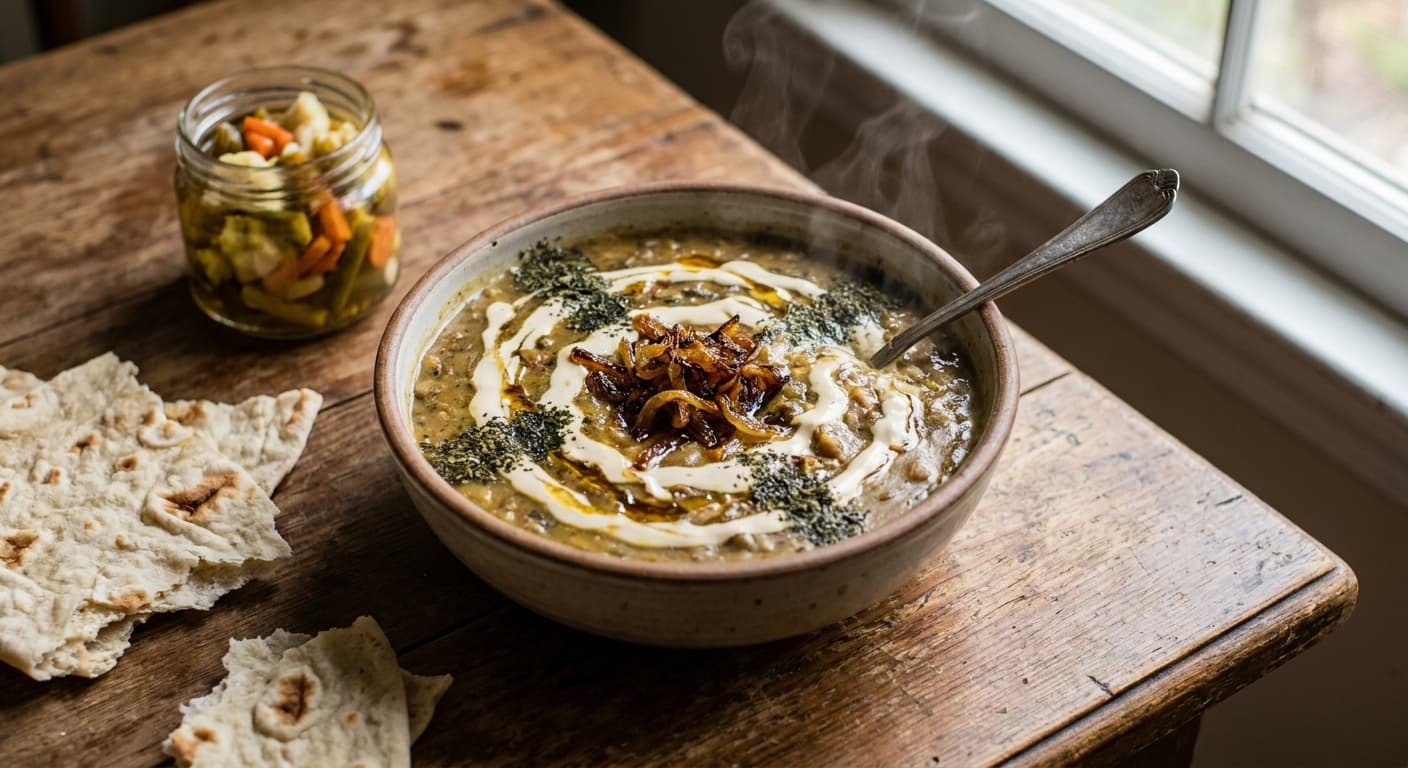
Ash-e Sak (آش ساک) — Gorgani Spinach and Lamb Ash
Persian · Soups · 175 min
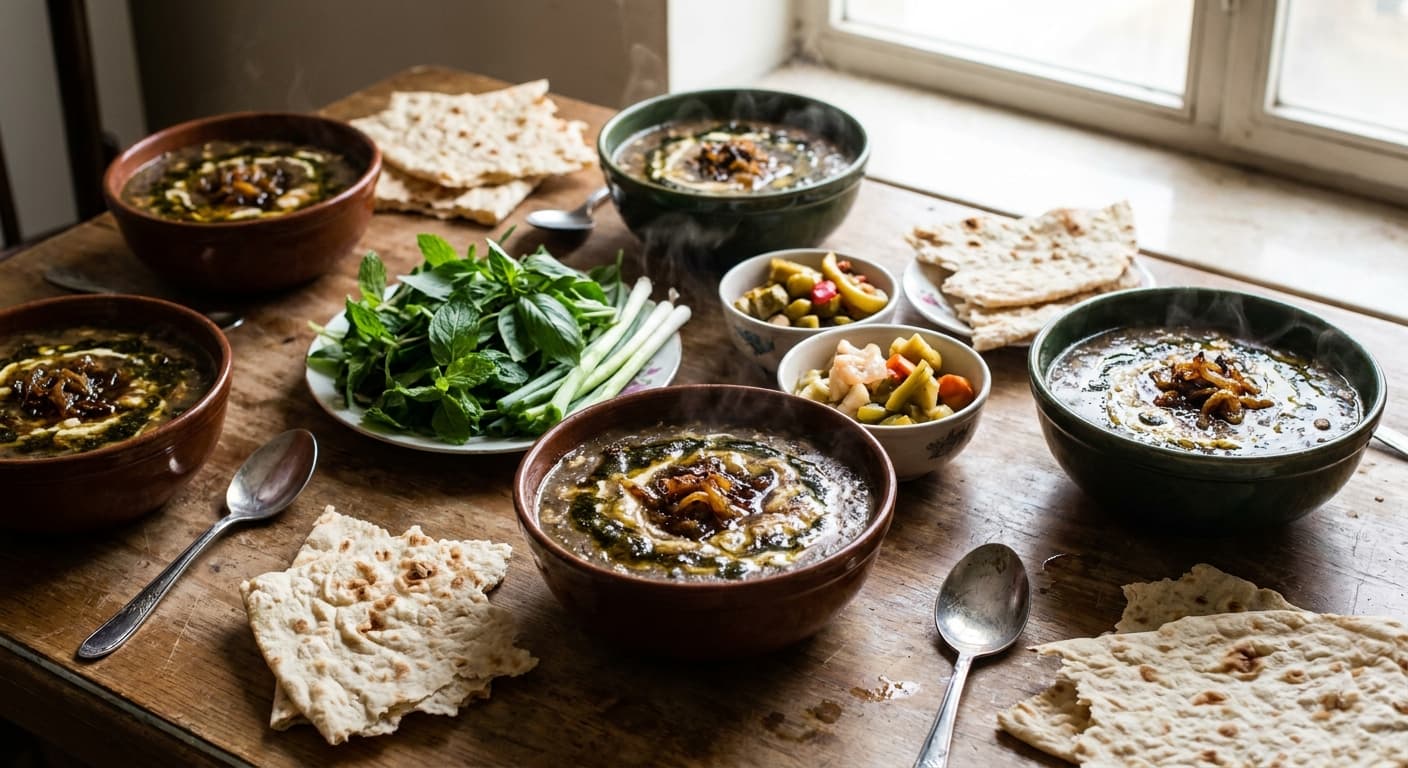
Ash-e Torsh (آش ترش) — Sour Herb and Legume Soup
Persian · Soups · 145 min
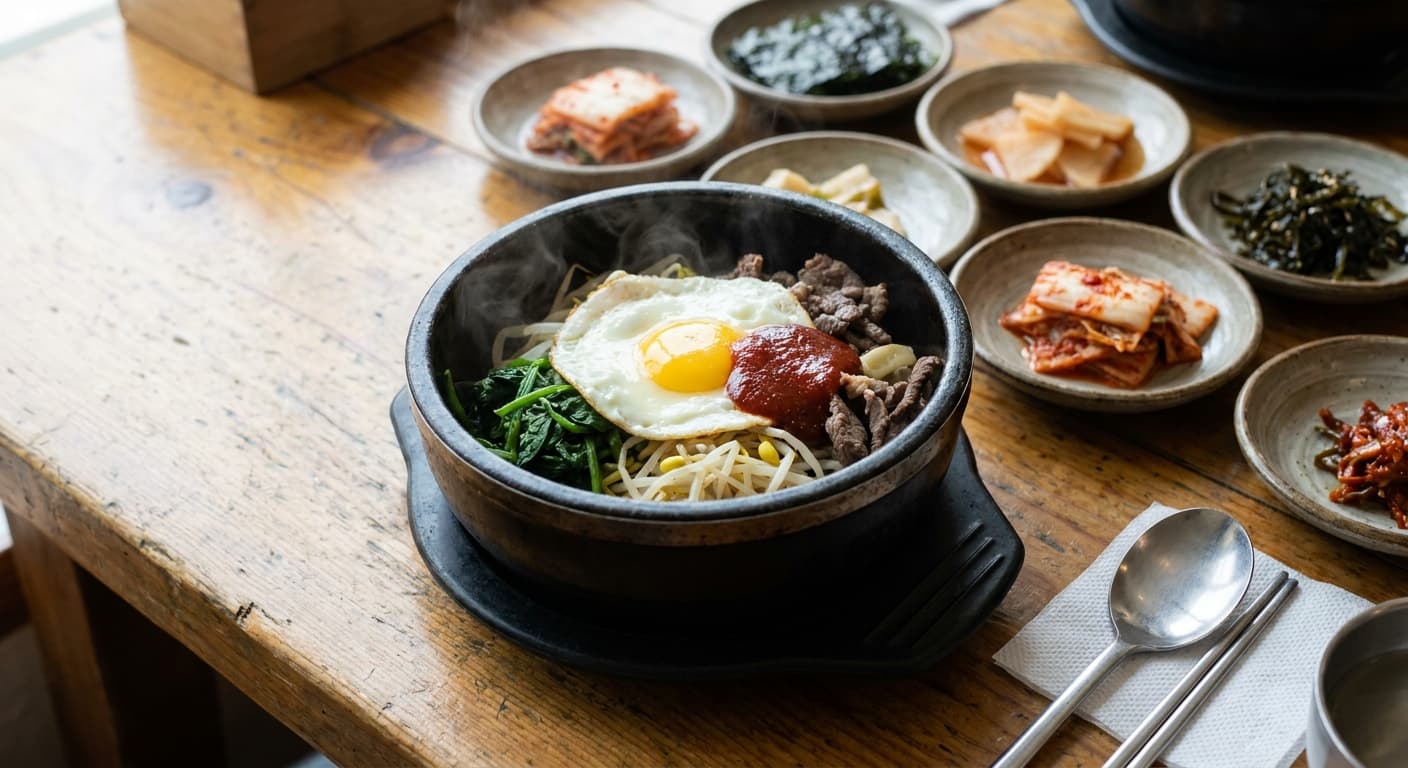
Bibimbap (비빔밥) — Korean Mixed Rice Bowl
Korean · Rice Dishes · 80 min
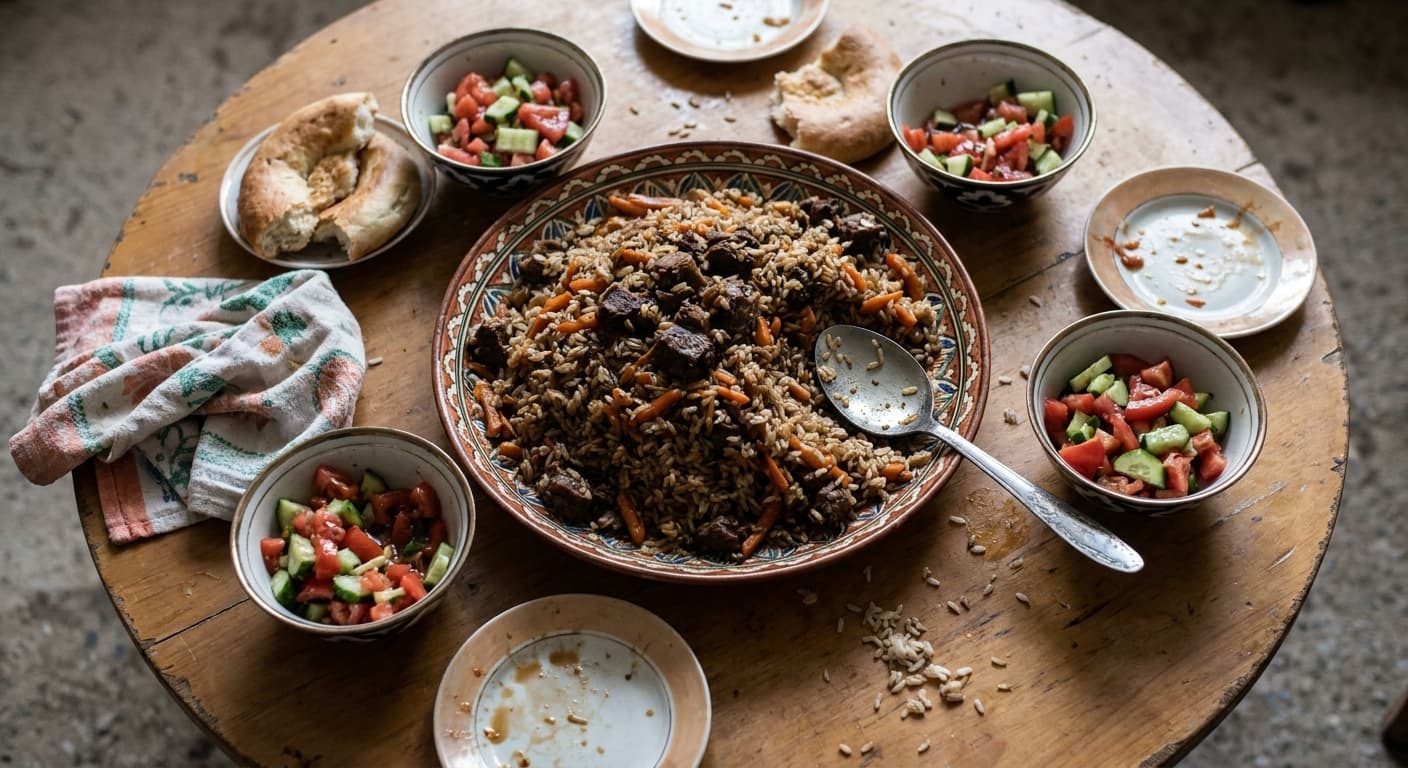
Oshi Siyoh (Оши сиёҳ) — Bukhara-Style Dark Pilaf
Tajik · Rice Dishes · 125 min
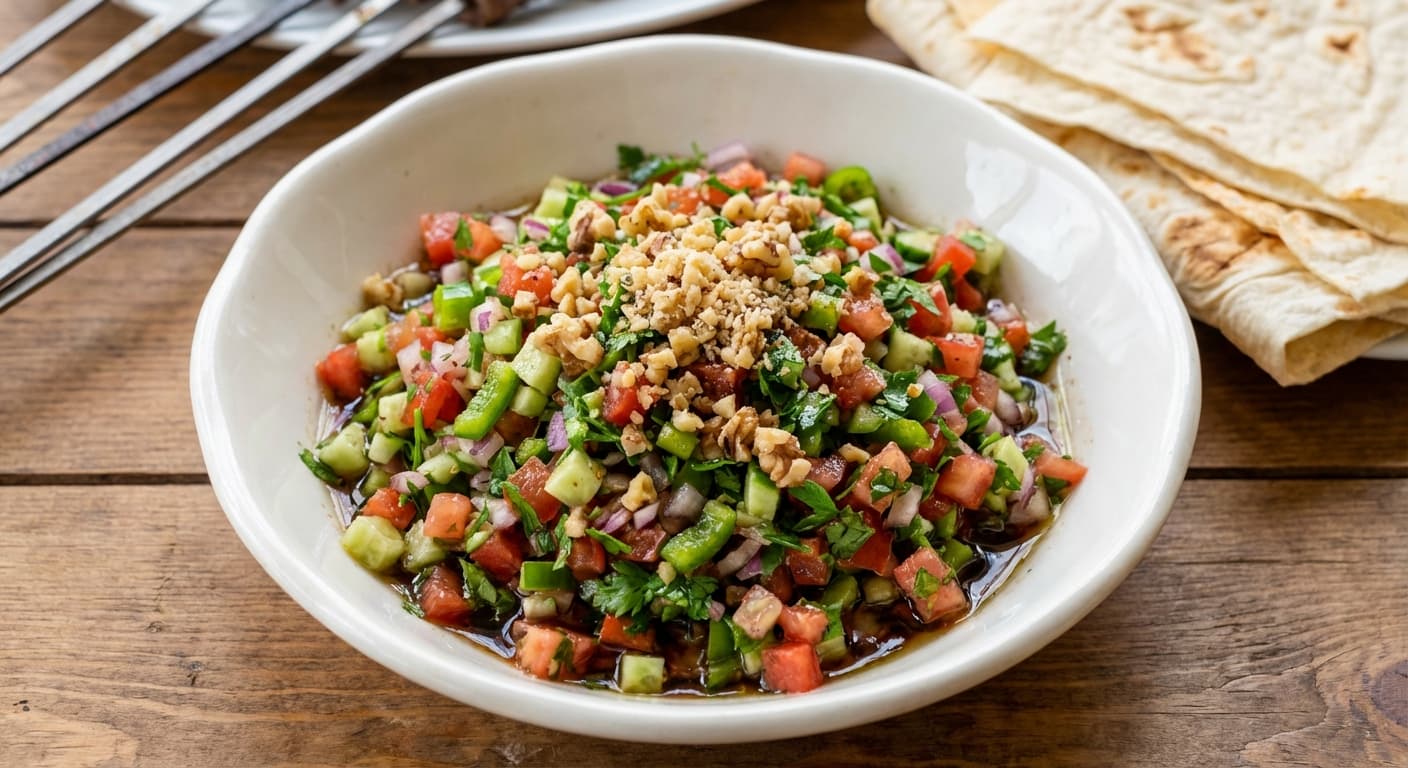
Gavurdağı Salad (Gavurdağı Salatası) — Finely Chopped Walnut & Pomegranate Salad
Turkish · Salads · 20 min
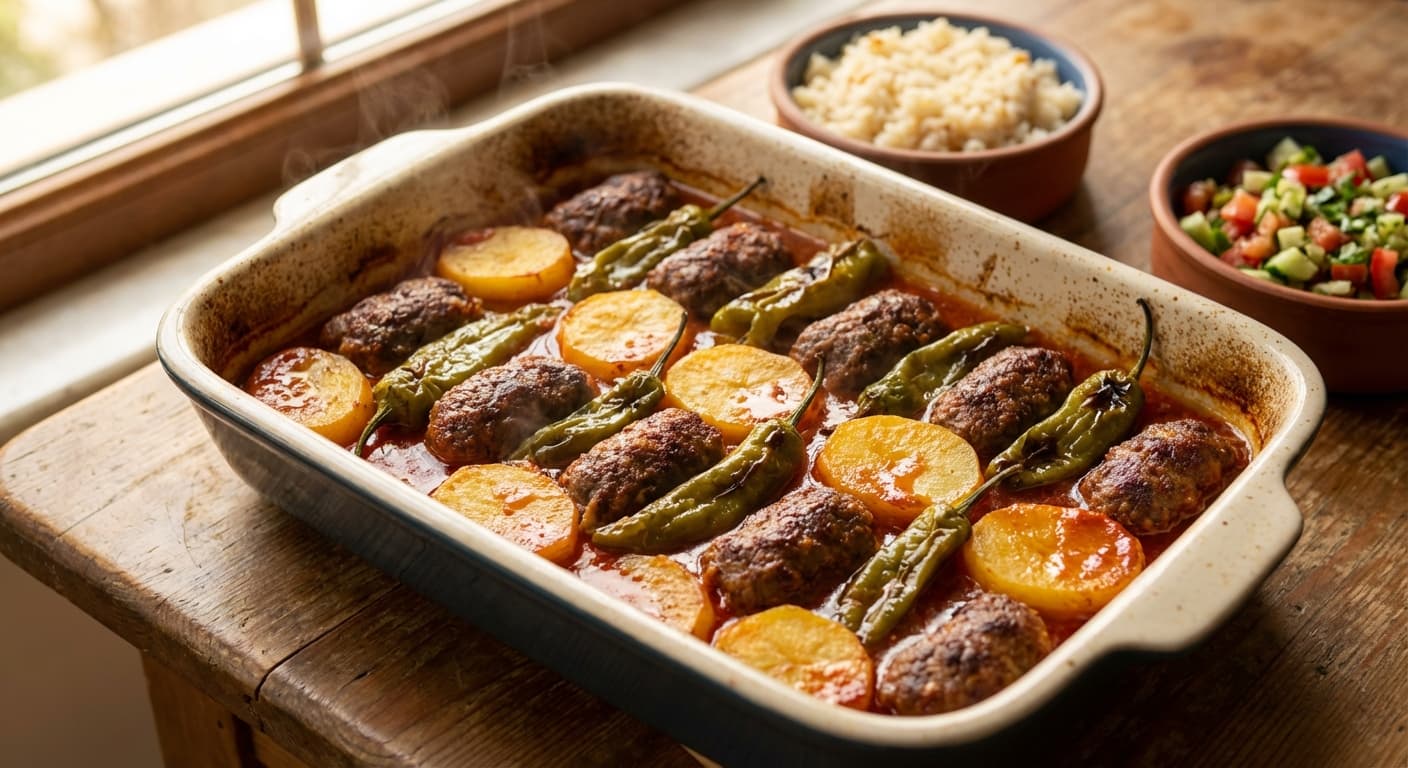
Izmir Kofte (İzmir Köfte) — Oven-Baked Meatballs with Tomato Sauce and Potatoes
Turkish · Main Courses · 70 min
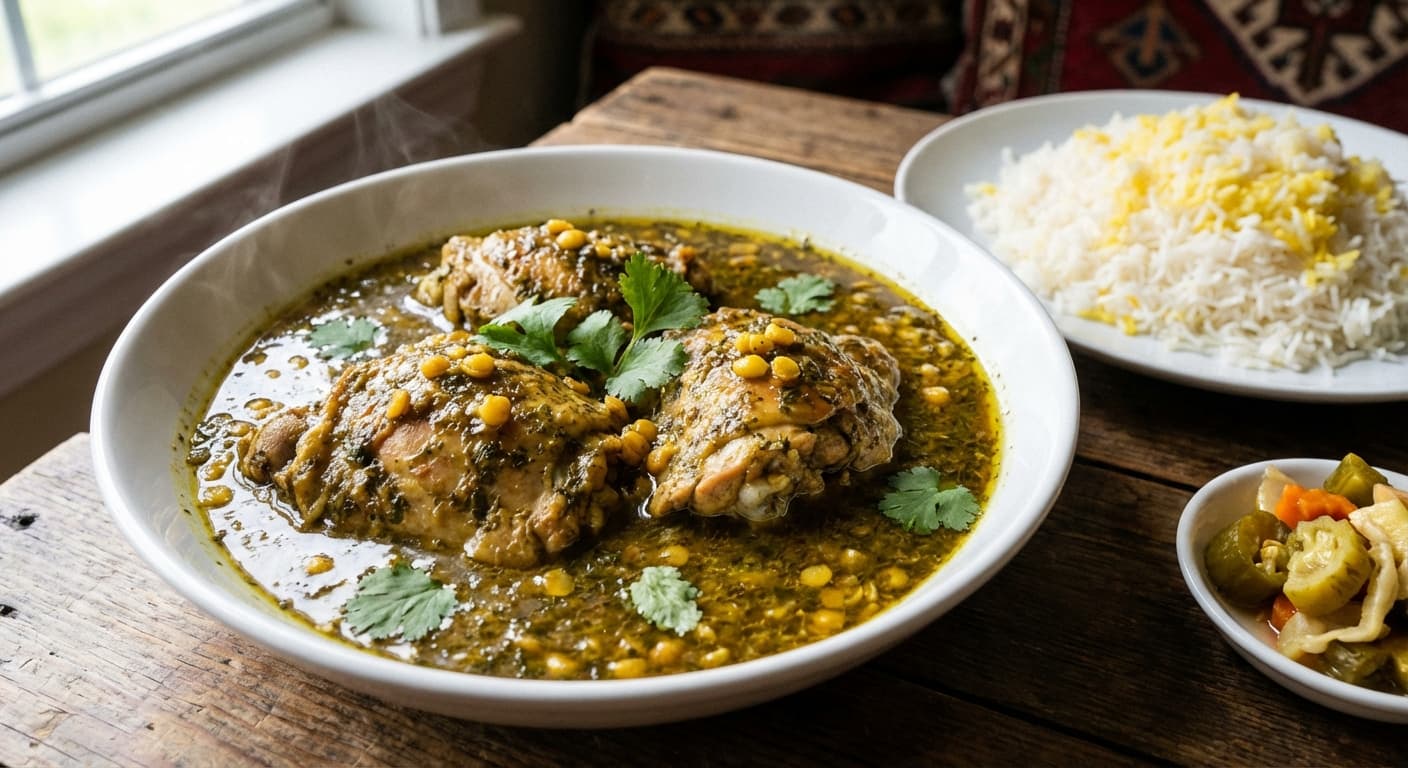
Sour Herb Chicken Stew (خورش مرغ ترش) — Caspian verjuice-and-herb khoresht with split peas
Persian · Stews · 110 min
Reviews
Cooked this recipe?
Tap the stars to rate it — that's all it takes. A few words are welcome but optional.
No ratings yet. Cooked this one? Be the first to rate it — it takes one tap.