Yangzhou Fried Rice (扬州炒饭) — Classic Shrimp, Char Siu, and Egg Fried Rice
Yangzhou fried rice is a refined Jiangsu rice dish that Cantonese restaurants helped popularize with shrimp, char siu, egg, peas, and clean wok aroma. The best versions taste light, distinct-grained, and gently savory rather than saucy.
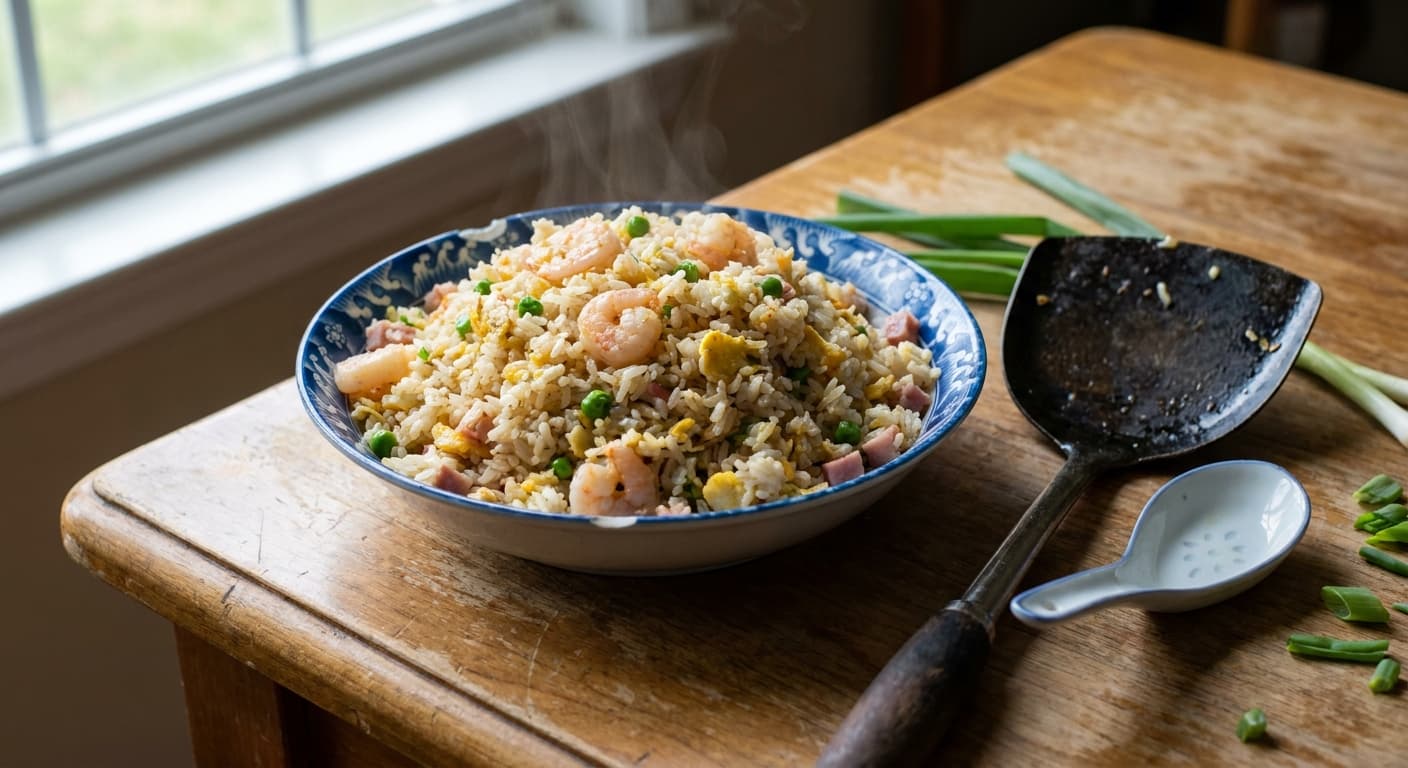
Printable Recipe Card
Servings: 4 · Total: 30 min · Difficulty: medium
Ingredients (quick list)
- 600 g cooked long-grain white rice (day-old, chilled, grains gently separated)
- 3 large eggs
- 1 g fine sea salt
- 45 ml neutral oil (peanut, canola, or sunflower oil)
- 150 g peeled raw shrimp (deveined and cut into 1 cm pieces)
- 120 g char siu (diced into 6 mm cubes)
- 80 g frozen peas (thawed and patted dry)
- 60 g carrot (peeled and diced into 5 mm cubes)
- 4 scallions (white and green parts separated, thinly sliced)
- 15 ml Shaoxing wine
- 15 ml light soy sauce
- 1 g ground white pepper
+ 1 more in the full ingredients section below.
Steps (summary)
- Spread the chilled rice on a tray and break up any firm clumps with damp fingers. The grains should be separate before they ent…
- Beat the eggs with 1 g salt until the yolks and whites are fully blended. Heat a wok over high heat until a drop of water evapo…
- Pour in the beaten eggs and stir quickly with a wok spatula for 20 to 30 seconds, forming soft curds that are still glossy. Tra…
- Add 15 ml neutral oil to the wok, then add the shrimp and stir-fry for 45 to 60 seconds until just opaque. Add the char siu and…
- Add the diced carrot, peas, and scallion whites, then stir-fry for 60 seconds over high heat. Keep everything moving so the veg…
- Add the remaining 15 ml neutral oil, then add the rice and press it gently against the hot wok before tossing. Stir-fry for 2 t…
+ 3 more steps in the full instructions section below.
Cultural Background
Associated with Jiangsu banquet cookery, Yangzhou fried rice became a global Chinese restaurant standard because it displays knife work, heat control, and balance. The Cantonese-style char siu version is especially common abroad.
Equipment
💡 Tips
- Use rice cooked the day before and chilled uncovered for at least 8 hours; freshly cooked rice holds too much surface moisture.
- Keep the soy sauce modest, because Yangzhou-style fried rice should look golden and colorful rather than brown.
- Cut shrimp, char siu, and vegetables into similar small dice so every spoonful has balanced flavor and texture.
⚠️ Common Mistakes
❌ Using warm freshly cooked rice
✅ Fix: Cook the rice ahead, chill it thoroughly, and separate the grains before stir-frying.
❌ Adding too much soy sauce
✅ Fix: Use 15 ml light soy sauce for 4 servings and rely on salt and white pepper for a clean, pale finish.
❌ Crowding the wok
✅ Fix: Cook in batches if the rice cannot be tossed freely against the hot surface.
🧊 How to Store
Cool leftovers within 1 hour and refrigerate in an airtight container for up to 3 days. Reheat in a hot wok with 10 ml oil per 2 servings, or microwave covered until steaming hot, stirring once.
📅 Make Ahead
Cook the rice 1 day ahead and chill it overnight. Dice the char siu, carrot, and scallions up to 12 hours ahead, then keep them refrigerated in separate covered containers.
🍽️ Pairs Well With
- Stir-fried gai lan
- cucumber salad
- hot-and-sour soup
- jasmine tea.
Regional Variations
- Jiangsu banquet versions may include sea cucumber, crabmeat, chicken, ham, or finely diced seasonal vegetables.
- Cantonese restaurant versions often feature char siu, shrimp, egg, peas, and scallions with a lightly savory soy seasoning.
- Home-style versions may omit soy sauce entirely and season mainly with salt to preserve a paler golden color.
Ingredients
- 600 gcooked long-grain white rice (day-old, chilled, grains gently separated)
- 3large eggs
- 1 gfine sea salt
- 45 mlneutral oil (peanut, canola, or sunflower oil)
- 150 gpeeled raw shrimp (deveined and cut into 1 cm pieces)
- 120 gchar siu (diced into 6 mm cubes)
- 80 gfrozen peas (thawed and patted dry)
- 60 gcarrot (peeled and diced into 5 mm cubes)
- 4scallions (white and green parts separated, thinly sliced)
- 15 mlShaoxing wine
- 15 mllight soy sauce
- 1 gground white pepper
- 5 mltoasted sesame oil
🔄 Substitutions
- char siu→ Chinese ham or Cantonese roast duck
- Shaoxing wine→ dry sherry
- light soy sauce→ tamari
Instructions
- 1
Spread the chilled rice on a tray and break up any firm clumps with damp fingers. The grains should be separate before they enter the wok, because a crowded wok cannot fix wet or compacted rice.
- 2
Beat the eggs with 1 g salt until the yolks and whites are fully blended. Heat a wok over high heat until a drop of water evaporates immediately, then add 15 ml neutral oil and swirl to coat the metal.
- 3
Pour in the beaten eggs and stir quickly with a wok spatula for 20 to 30 seconds, forming soft curds that are still glossy. Transfer the eggs to a plate before they dry out, because they will finish cooking when returned to the rice.
- 4
Add 15 ml neutral oil to the wok, then add the shrimp and stir-fry for 45 to 60 seconds until just opaque. Add the char siu and cook for 30 seconds more, only long enough to warm the pork and lightly gloss its edges.
- 5
Add the diced carrot, peas, and scallion whites, then stir-fry for 60 seconds over high heat. Keep everything moving so the vegetables stay bright and the scallion whites perfume the oil without browning.
- 6
Add the remaining 15 ml neutral oil, then add the rice and press it gently against the hot wok before tossing. Stir-fry for 2 to 3 minutes, lifting and folding constantly, until the rice is hot, dry-sounding, and lightly aromatic.
- 7
Drizzle the Shaoxing wine around the hot edge of the wok so it vaporizes immediately. Add the light soy sauce, 3 g salt, and white pepper, then toss thoroughly so the seasoning coats the grains without turning the rice dark.
- 8
Return the scrambled eggs to the wok and break them into small pieces with the spatula. Add the scallion greens and sesame oil, then toss for 30 seconds until the colors are evenly distributed and the rice smells lightly smoky.
- 9
Serve the fried rice immediately while the grains are hot and separate. If cooking for more than 4 servings, make it in separate batches because an overloaded wok steams the rice instead of frying it.
🪪 Recipe Passport
Cultural Background
Associated with Jiangsu banquet cookery, Yangzhou fried rice became a global Chinese restaurant standard because it displays knife work, heat control, and balance. The Cantonese-style char siu version is especially common abroad.
Regional Variations
Researched from multiple sources and validated by the Zaffaron editorial team. Every recipe is tested for accuracy, measurements, and cultural authenticity.
📚 Sources & Cultural References
- Fuchsia Dunlop — Land of Fish and Rice: Recipes from the Culinary Heart of China — (2016)
- Eileen Yin-Fei Lo — Mastering the Art of Chinese Cooking — (2009)
Sources cited by the Zaffaron editorial team during recipe research. Cultural and culinary references supporting authenticity claims.
Nutrition per serving
Pairs well with
If you enjoyed this recipe, here are a few related Zaffaron recipes to try next.
Does your family make this differently?
Every family has their own version. Maybe your grandmother adds a secret ingredient, or your aunt has a completely different technique. Preserve your family's version — with their name on it, forever.
You Might Also Like
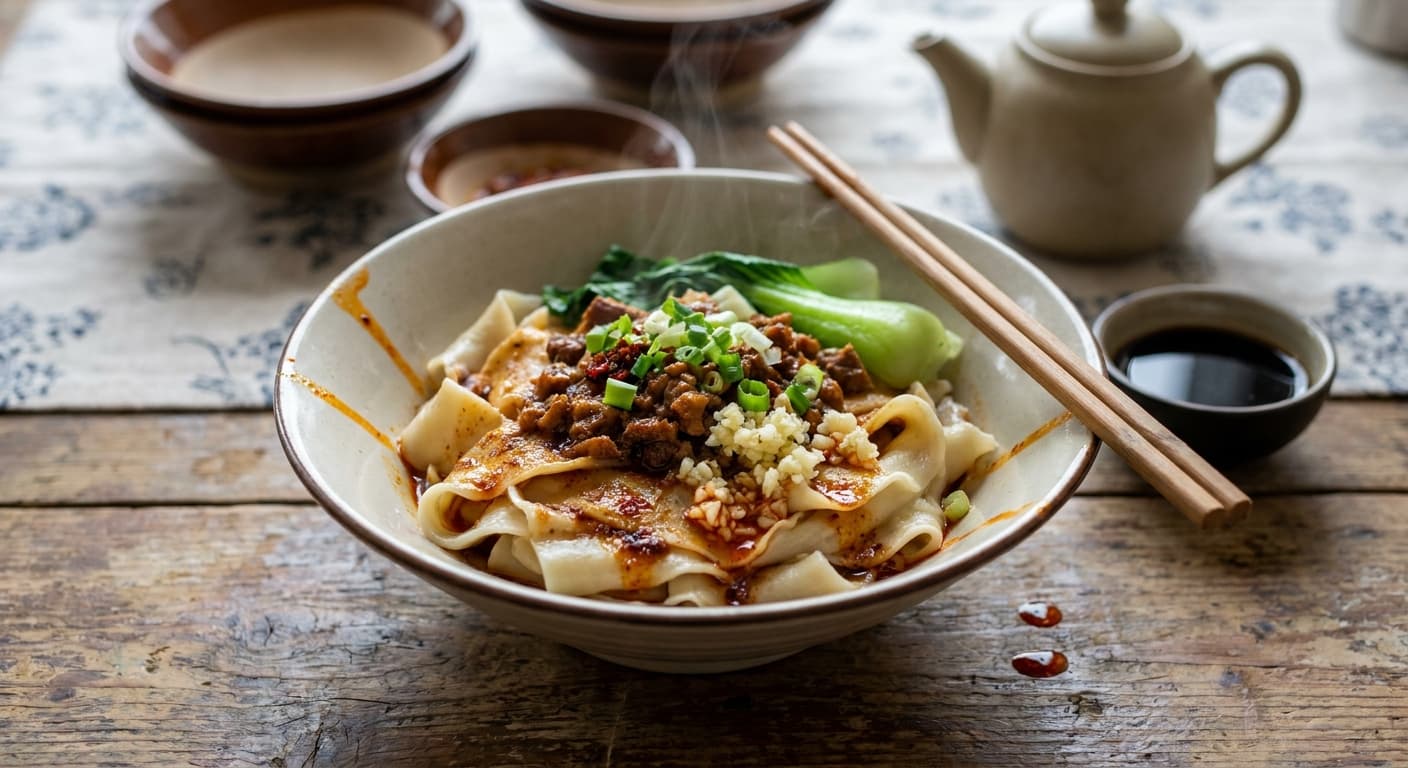
Biangbiang Noodles (油泼扯面) — Xi'an Hand-Pulled Belt Noodles
Chinese · Main Courses · 65 min
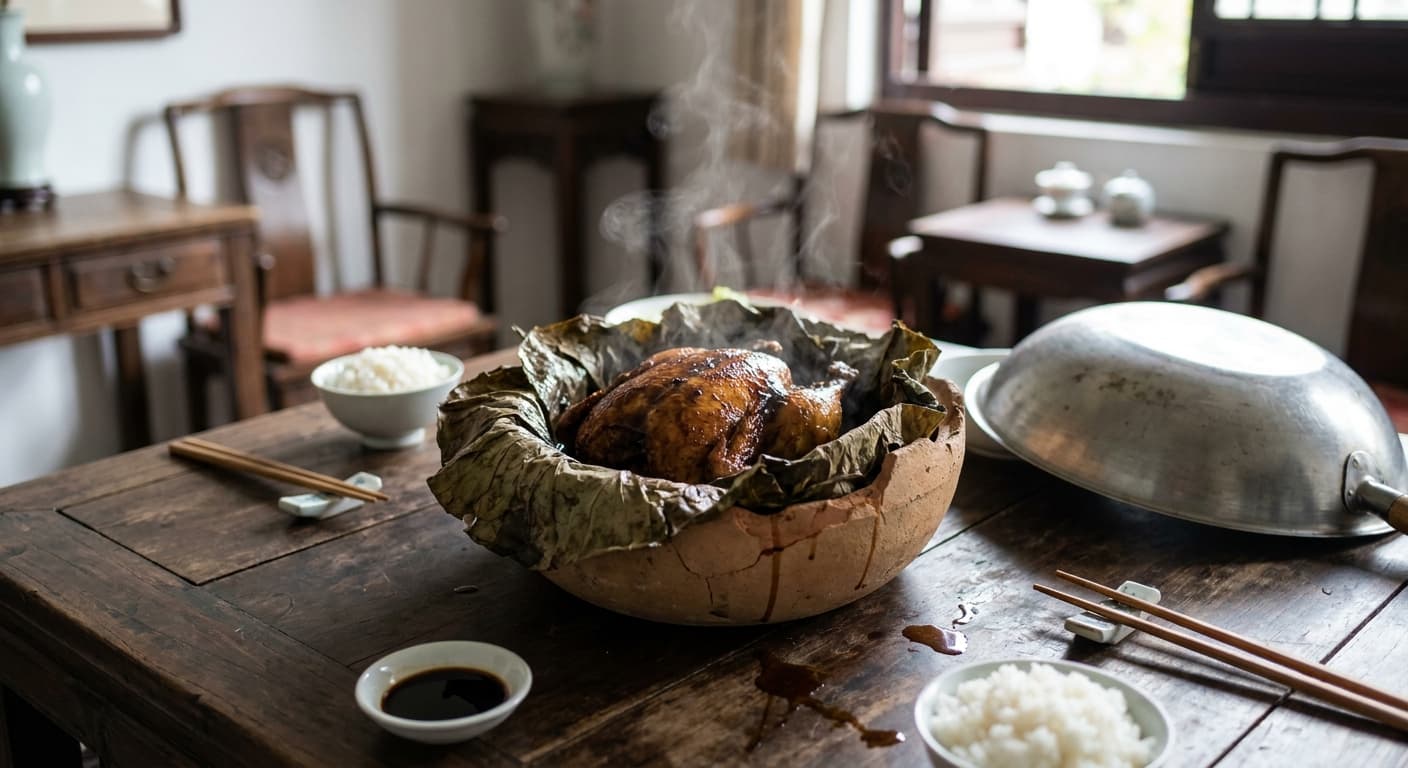
Beggar's Chicken (叫化鸡) — Lotus-Wrapped Clay-Baked Jiangnan Chicken
Chinese · Main Courses · 240 min
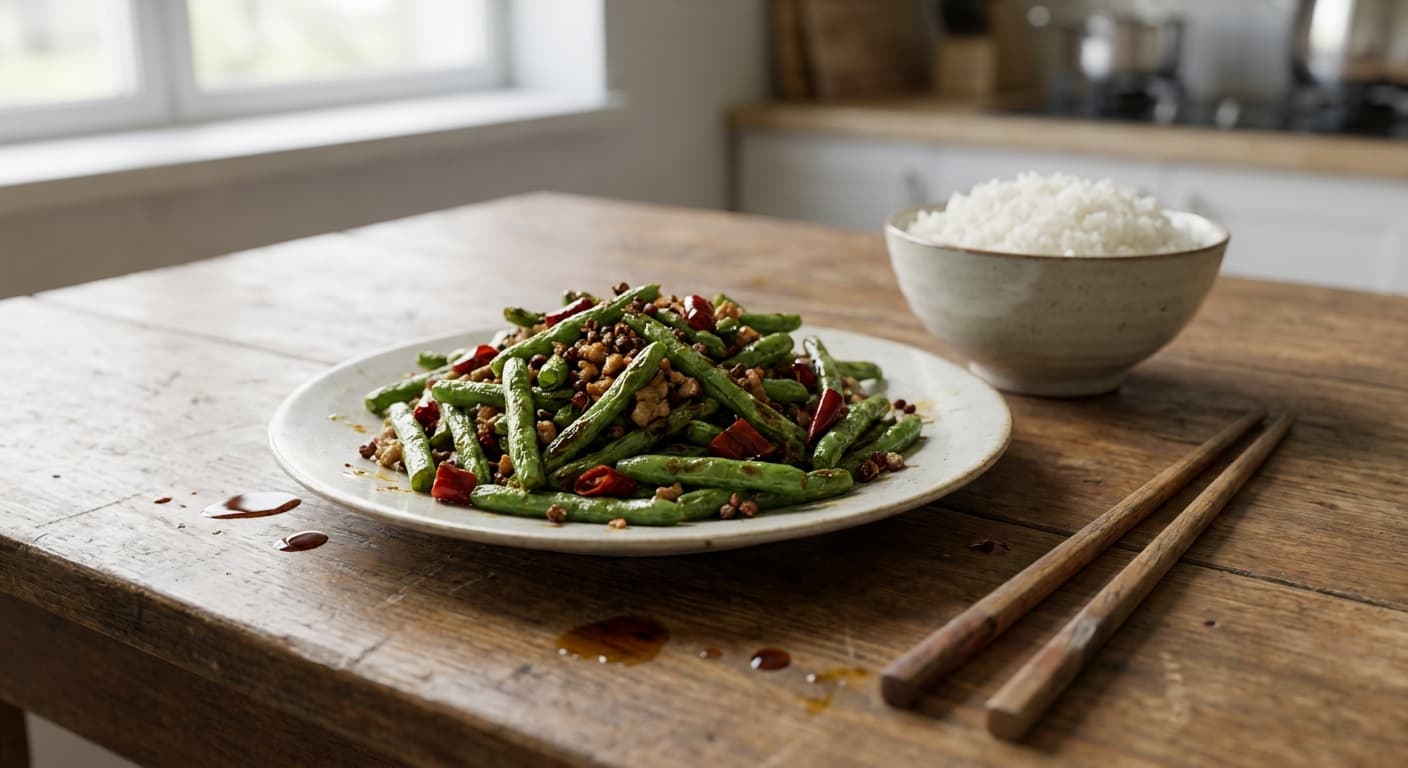
Dry-Fried Green Beans (干煸四季豆) — Sichuan Wok-Blistered Beans with Pork
Chinese · Side Dishes · 27 min
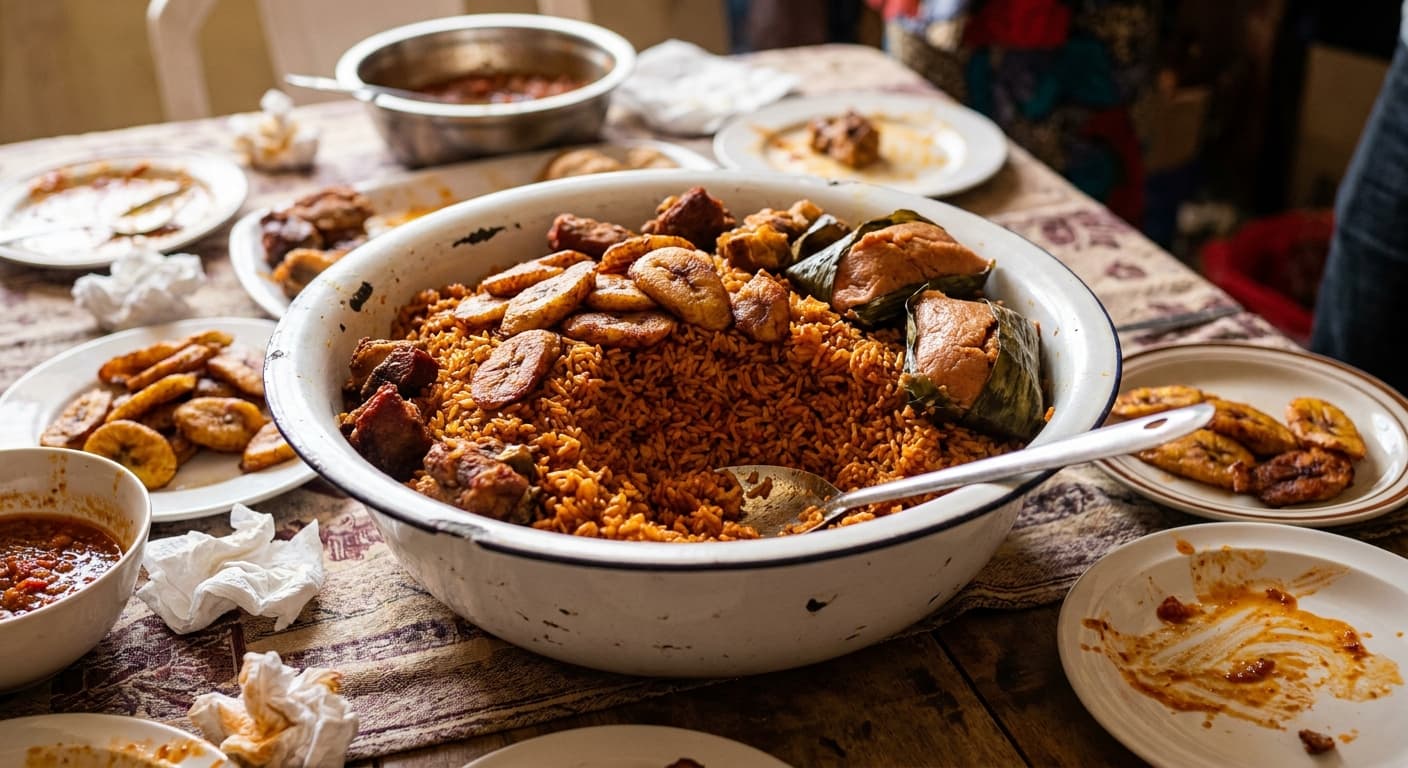
Nigerian Jollof Rice (Jollof Rice) — Smoky Party-Style Tomato Rice
West african · Rice Dishes · 80 min
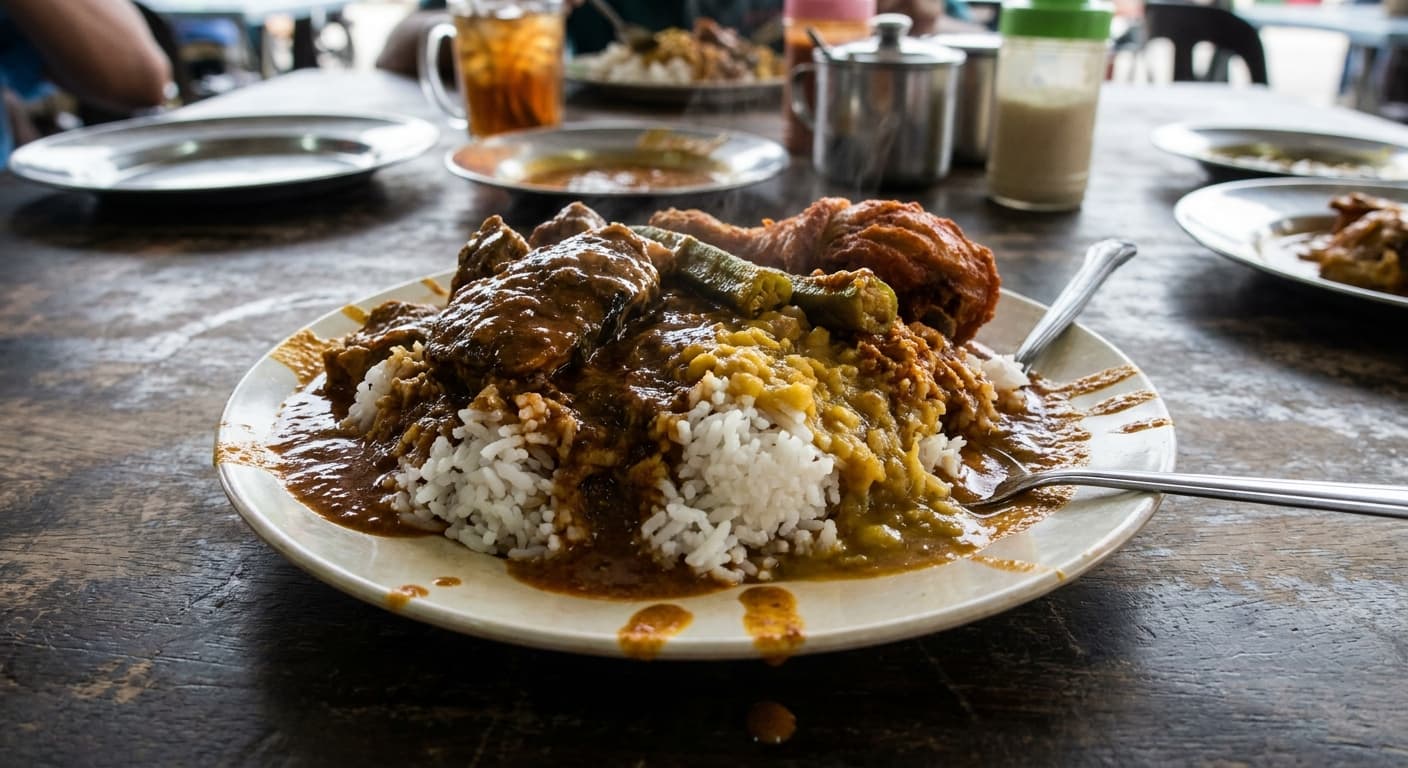
Nasi Kandar (Nasi Kandar) — Penang Mamak Curry Rice Plate
Malaysian · Rice Dishes · 110 min
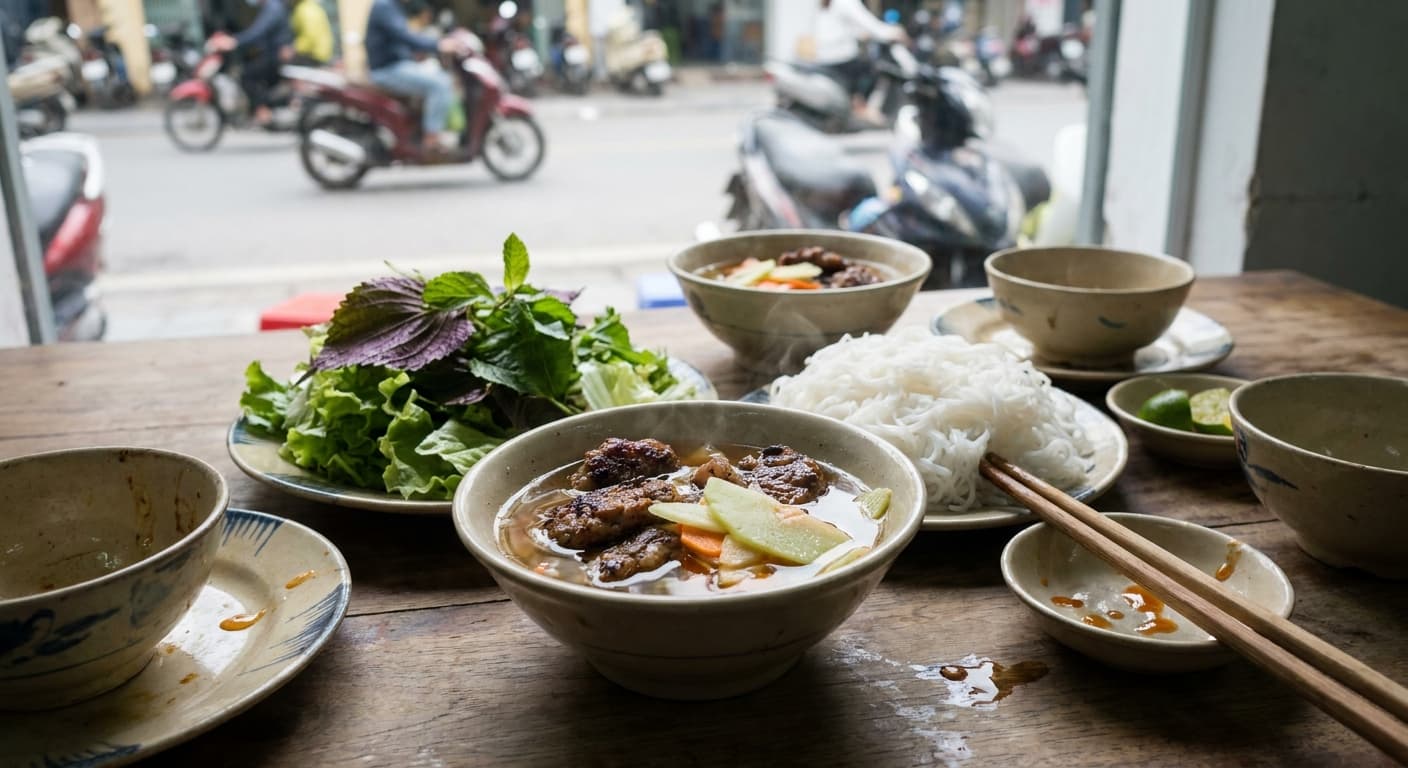
Vietnamese Grilled Pork with Rice Noodles (Bún Chả) — Hanoi-Style Charcoal Pork and Vermicelli
Vietnamese · Main Courses · 65 min

Kitsune Udon (きつねうどん) — Udon Noodles with Sweet Fried Tofu
Japanese · Main Courses · 40 min
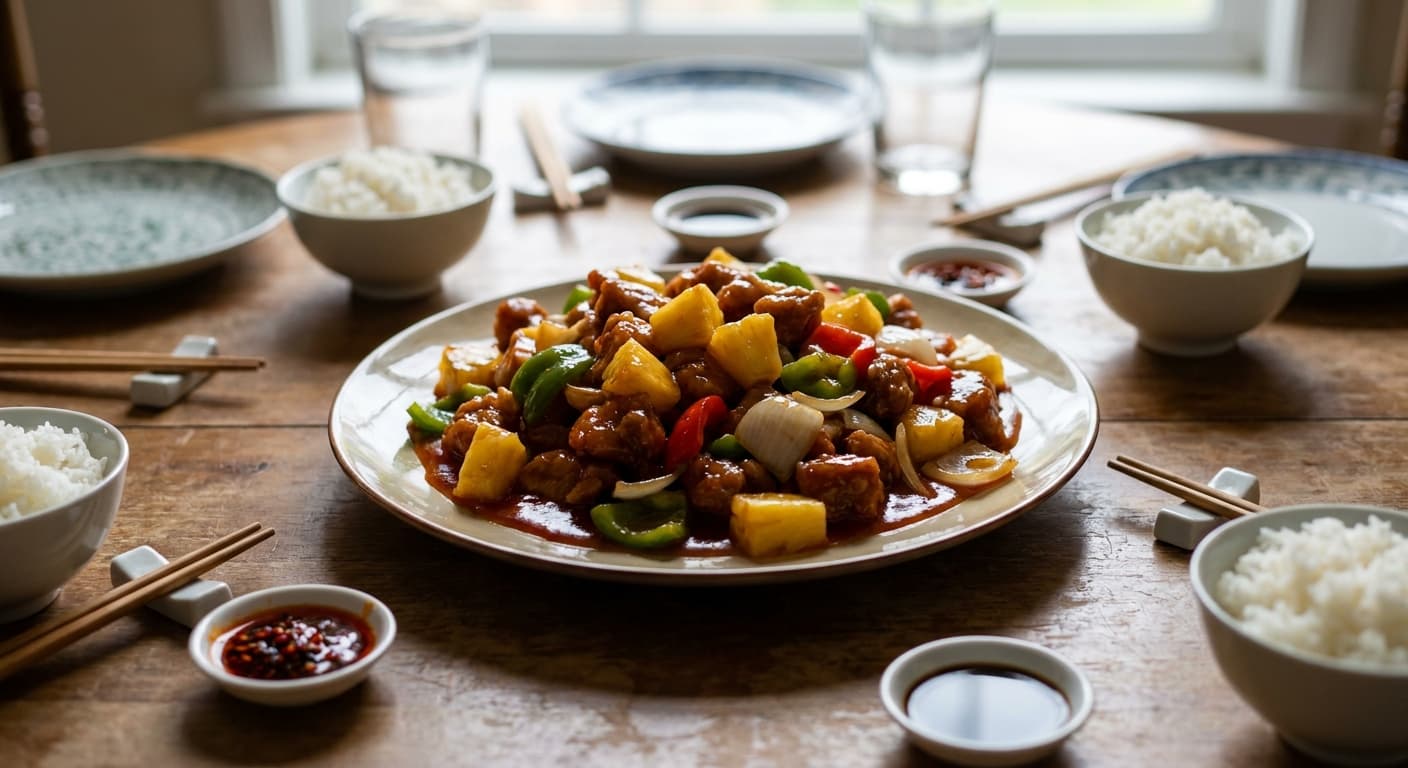
Sweet and Sour Pork (咕噜肉) — Cantonese Pork with Pineapple and Peppers
Chinese · Main Courses · 55 min
Reviews
Cooked this recipe?
Tap the stars to rate it — that's all it takes. A few words are welcome but optional.
No ratings yet. Cooked this one? Be the first to rate it — it takes one tap.