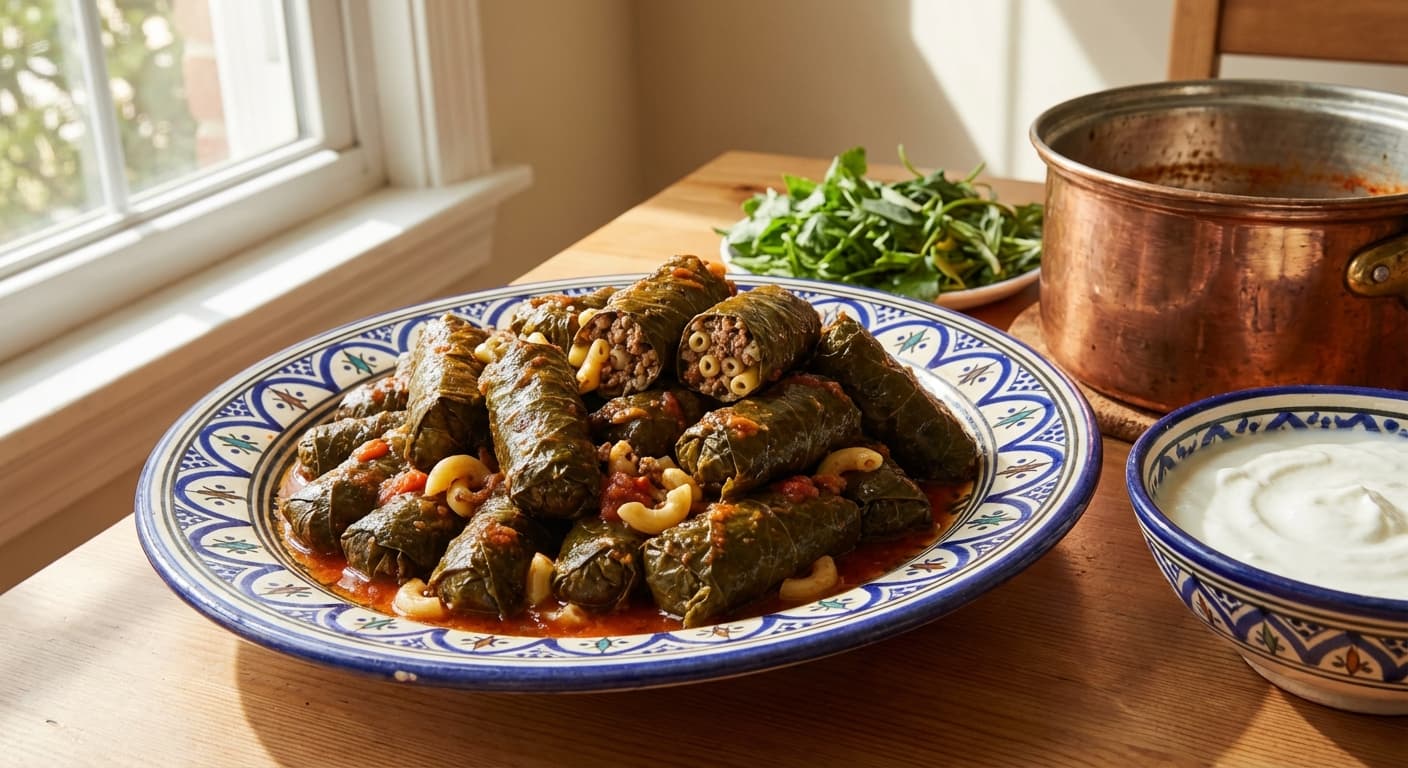
Dolma Mahshi (دلمه محشی) — Persian Stuffed Vine Leaves with Macaroni
Tender grape leaves wrapped around a savory filling of spiced ground meat, herbs, and macaroni, then gently simmered in a minty tomato reduction. This hearty dolma balances tangy, earthy, and umami flavors in every bite.
Printable Recipe Card
Servings: 6 · Total: 130 min · Difficulty: medium
Ingredients (quick list)
- 60 leaves Jarred grape leaves (in brine) (about 450 g drained; choose whole, unbroken leaves)
- 2000 ml Water (for blanching and simmering as needed)
- 45 ml Olive oil (3 tbsp, plus extra for the pot if needed)
- 200 g Onion (finely diced (about 1 large))
- 12 g Garlic (minced (about 4 cloves))
- 500 g Ground beef or lamb (15–20% fat preferred for juiciness)
- 9 g Salt (1 1/2 tsp, divided)
- 2 g Black pepper (1 tsp, freshly ground)
- 2 g Ground cumin (1 tsp)
- 1 g Ground allspice (1/2 tsp)
- 2 g Dried mint (1 tsp)
- 120 g Short macaroni (small elbows or ditalini; dry weight)
+ 5 more in the full ingredients section below.
Steps (summary)
- Prepare the grape leaves: remove leaves from the jar and rinse under cool running water for 30–60 seconds to wash off excess br…
- Par-cook the macaroni so it finishes inside the rolls: bring a small pot of water to a boil, add 3 g salt (taken from the filli…
- Cook the filling base: heat 45 ml olive oil in a skillet over medium heat. Add 200 g diced onion and cook 8–10 minutes until tr…
- Season and bind the filling: stir in the remaining filling salt (about 6 g), 2 g black pepper, 2 g cumin, 1 g allspice, and 2 g…
- Roll the dolma: place one grape leaf vein-side up with the stem end facing you. Add 18–22 g filling (about 1 heaped tablespoon)…
- Arrange for simmering: lightly oil the bottom of a heavy pot or Dutch oven (about 24–26 cm). Line the base with a few extra gra…
+ 3 more steps in the full instructions section below.
Cultural Background
Stuffed grape leaves are widely prepared across West Asia, the Eastern Mediterranean, and neighboring regions, often served for family gatherings and shared meals. Persian home cooking includes many stuffed-vegetable traditions, and this pasta-enriched filling reflects modern, cross-regional adaptations that make the dish more hearty and accessible.
Equipment
💡 Tips
- Use leaves of similar size so the rolls cook evenly; reserve small or torn leaves for lining the pot.
- Keep the simmer very gentle—rapid boiling can burst the leaves and make the sauce cloudy.
- If your grape leaves are very salty, rinse longer and blanch for the full 2 minutes; taste one leaf before rolling.
- Cooling the meat mixture before adding parsley helps keep the herb flavor fresh and prevents wilting.
- For cleaner presentation, chill the cooked dolma 2 hours, then rewarm gently in sauce; they hold their shape better.
⚠️ Common Mistakes
❌ Overfilling the leaves
💡 Why: The pasta expands and the filling swells, causing rolls to split during simmering.
✅ Fix: Use 18–22 g filling per average leaf and roll snugly; reduce filling slightly for smaller leaves.
❌ Boiling vigorously instead of simmering
💡 Why: Strong bubbling knocks rolls loose and can tear leaves, making the sauce greasy and cloudy.
✅ Fix: After it reaches a simmer, reduce heat to low and keep only small, occasional bubbles for 55–65 minutes.
❌ Not rinsing salty leaves enough
💡 Why: Brined leaves can make the finished dish overly salty, even if the filling is correctly seasoned.
✅ Fix: Rinse thoroughly and blanch 2 minutes; taste a leaf before rolling and reduce added salt if needed.
❌ Skipping the resting time
💡 Why: Freshly simmered rolls are delicate and can unravel; flavors also need time to settle.
✅ Fix: Rest covered for 15 minutes, then remove the plate and serve; for best shape, chill and rewarm gently.
🧊 How to Store
Refrigerate cooled dolma in an airtight container with some sauce for up to 4 days. Reheat covered on the stovetop over low heat with 2–3 tbsp water, 10–15 minutes, or microwave covered in short bursts. Freeze up to 2 months; thaw overnight in the refrigerator before reheating gently.
📅 Make Ahead
Roll the dolma up to 24 hours ahead, arrange in the pot, cover, and refrigerate. Bring to room temperature for 20 minutes before simmering. Cooked dolma can be refrigerated 1–2 days; flavors deepen and the rolls slice and plate more neatly.
🍽️ Pairs Well With
- Plain yogurt or strained yogurt with a drizzle of olive oil
- Fresh herbs and sliced cucumbers
- Flatbread or steamed rice
- Pickled vegetables
Regional Variations
- Northern Iran and the Caspian regionOften leans more herb-forward and tangy, sometimes using additional souring agents like pomegranate molasses or verjuice in the simmering liquid, and may include more fresh herbs in the filling.
- Levant (Eastern Mediterranean)Commonly includes rice in the filling and may be finished with a brighter lemon profile; some households add extra dried mint and serve with yogurt on the side.
Ingredients
- 60 leavesJarred grape leaves (in brine) (about 450 g drained; choose whole, unbroken leaves)
- 2000 mlWater (for blanching and simmering as needed)
- 45 mlOlive oil (3 tbsp, plus extra for the pot if needed)
- 200 gOnion (finely diced (about 1 large))
- 12 gGarlic (minced (about 4 cloves))
- 500 gGround beef or lamb (15–20% fat preferred for juiciness)
- 9 gSalt (1 1/2 tsp, divided)
- 2 gBlack pepper (1 tsp, freshly ground)
- 2 gGround cumin (1 tsp)
- 1 gGround allspice (1/2 tsp)
- 2 gDried mint (1 tsp)
- 120 gShort macaroni (small elbows or ditalini; dry weight)
- 40 gParsley (finely chopped (about 1 packed cup leaves))
- 500 gTomatoes (grated or finely crushed (about 3 medium))
- 30 gTomato paste (2 tbsp)
- 45 mlLemon juice (3 tbsp, freshly squeezed)
- 4 gSugar (1 tsp, optional to balance acidity)
🔄 Substitutions
- Ground beef or lamb→ Ground turkey (dark meat) or ground chicken thighs
- Short macaroni→ Orzo or small pasta shells
- Jarred grape leaves→ Frozen grape leaves
Instructions
- 1
Prepare the grape leaves: remove leaves from the jar and rinse under cool running water for 30–60 seconds to wash off excess brine. Bring 1500 ml water to a boil, turn off the heat, and blanch leaves 2 minutes to soften. Drain well, then lay leaves on a towel, vein-side up, to dry.
- 2
Par-cook the macaroni so it finishes inside the rolls: bring a small pot of water to a boil, add 3 g salt (taken from the filling salt), and cook 120 g macaroni for 4 minutes (about half the package time). Drain and rinse briefly with cool water to stop cooking, then shake dry thoroughly.
- 3
Cook the filling base: heat 45 ml olive oil in a skillet over medium heat. Add 200 g diced onion and cook 8–10 minutes until translucent and lightly golden. Add 12 g minced garlic and cook 30 seconds until fragrant. Add 500 g ground beef or lamb and cook 6–8 minutes, breaking it up, until no pink remains.
- 4
Season and bind the filling: stir in the remaining filling salt (about 6 g), 2 g black pepper, 2 g cumin, 1 g allspice, and 2 g dried mint. Cook 1 minute to bloom spices. Remove from heat and cool 10 minutes, then fold in the par-cooked macaroni and 40 g chopped parsley until evenly distributed.
- 5
Roll the dolma: place one grape leaf vein-side up with the stem end facing you. Add 18–22 g filling (about 1 heaped tablespoon) near the stem end. Fold the bottom up over the filling, fold in both sides, then roll tightly into a cigar shape. Repeat with remaining leaves, keeping rolls uniform for even cooking.
- 6
Arrange for simmering: lightly oil the bottom of a heavy pot or Dutch oven (about 24–26 cm). Line the base with a few extra grape leaves if you have torn ones to prevent sticking. Pack dolma seam-side down in snug concentric circles, making 1–2 layers. Place a heatproof plate on top to keep rolls submerged.
- 7
Make the mint-tomato simmer sauce: in a saucepan over medium heat, warm 15 ml olive oil. Stir in 30 g tomato paste and cook 1–2 minutes until darker and aromatic. Add 500 g crushed/grated tomatoes, 3 g dried mint, 45 ml lemon juice, 4 g sugar (optional), 3 g salt, and 0.5 g pepper; simmer 8–10 minutes.
- 8
Simmer gently: pour the hot sauce over the packed dolma, then add enough hot water (about 250–400 ml) to bring liquid just to the level of the top layer without fully flooding. Cover, bring to a gentle simmer over medium heat, then reduce to low and cook 55–65 minutes at a bare simmer (small bubbles).
- 9
Rest and serve: turn off heat and rest, covered, for 15 minutes so the rolls reabsorb liquid and set. Carefully remove the plate. Taste the sauce and adjust with 5–15 ml extra lemon juice or up to 1 g salt if needed. Serve warm with a spoon of the mint-tomato sauce over the dolma.
🪪 Recipe Passport
Cultural Background
Stuffed grape leaves are widely prepared across West Asia, the Eastern Mediterranean, and neighboring regions, often served for family gatherings and shared meals. Persian home cooking includes many stuffed-vegetable traditions, and this pasta-enriched filling reflects modern, cross-regional adaptations that make the dish more hearty and accessible.
Regional Variations
Researched from multiple sources and validated by the Zaffaron editorial team. Every recipe is tested for accuracy, measurements, and cultural authenticity.
Nutrition per serving
Pairs well with
If you enjoyed this recipe, here are a few related Zaffaron recipes to try next.
- Dolmeh Bademjan Baqcheh’i (دلمه بادمجان باغچهای) — Persian Stuffed Eggplant Pouches
- Dolmeh Felfel va Bademjan (دلمه فلفل و بادمجان) — Persian Stuffed Peppers and Eggplants
- Dolmeh Lavash (دلمه لواش) — Persian Stuffed Flatbread Rolls with Mozzarella
- Dolmeh Tokhm Morgh (دلمه تخم مرغ) — Persian Stuffed Eggs
Does your family make this differently?
Every family has their own version. Maybe your grandmother adds a secret ingredient, or your aunt has a completely different technique. Preserve your family's version — with their name on it, forever.
You Might Also Like
Ash-e Sak (آش ساک) — Golestani Spinach, Legume, and Meatball Soup
Persian · Soups · 175 min
Persian Kachi (کاچی) — Saffron Rosewater Pudding
Persian · Desserts · 45 min
Persian Khoresht Saak (خورش ساک) — Saffron-Cardamom Lamb Stew with Saak Greens
Persian · Stews · 145 min
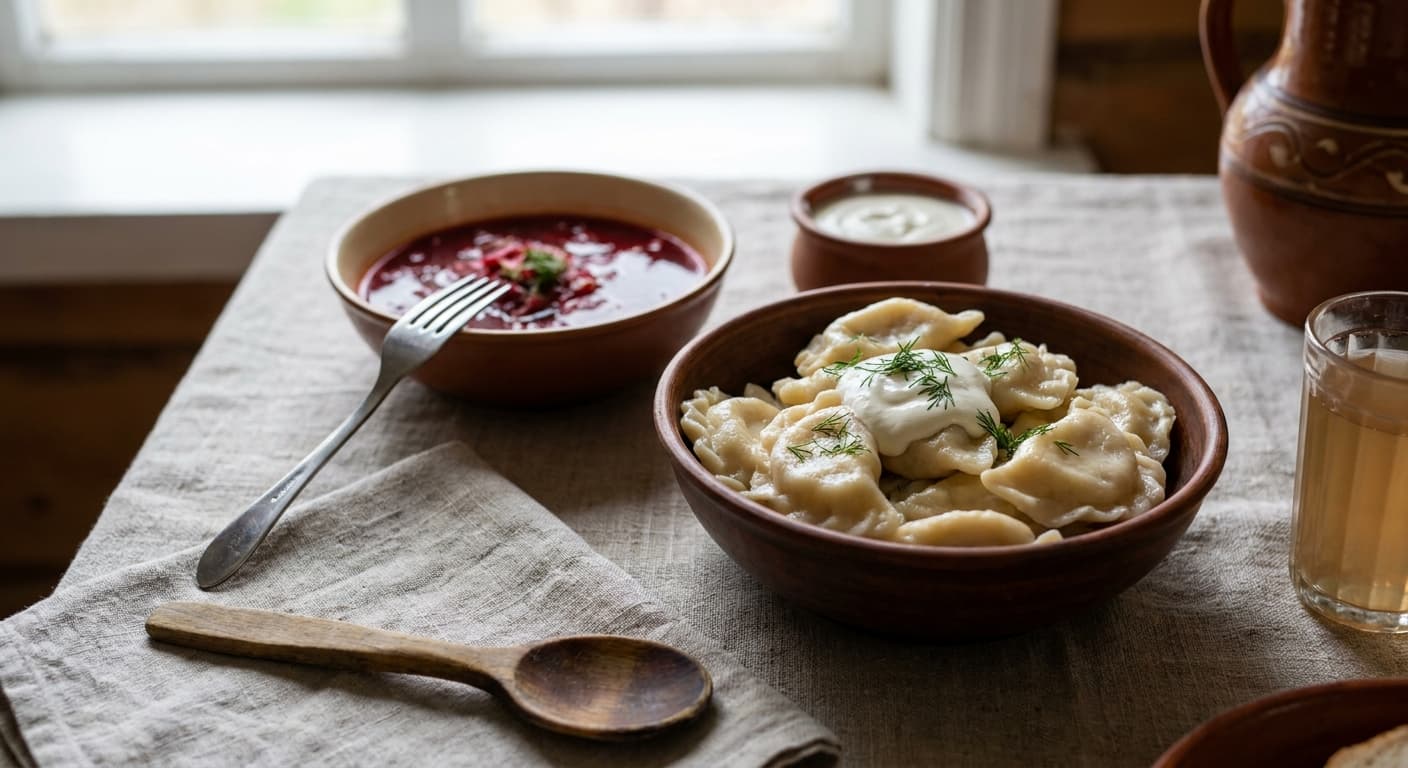
Varenyky (Вареники) — Ukrainian Potato-Cheese Dumplings
Ukrainian · Main Courses · 95 min
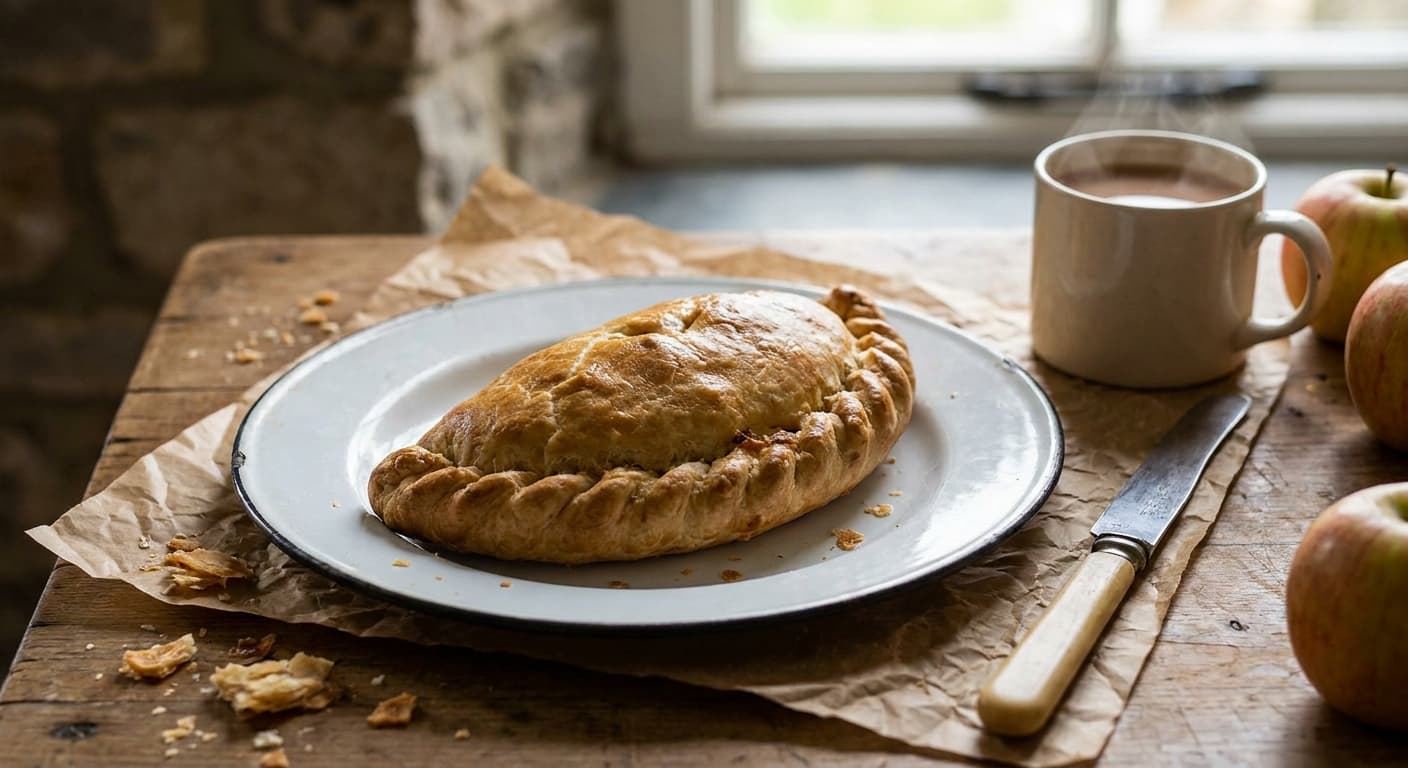
Cornish Pasty (Cornish Pasty) — Traditional Beef and Swede Hand Pie
British · Main Courses · 100 min
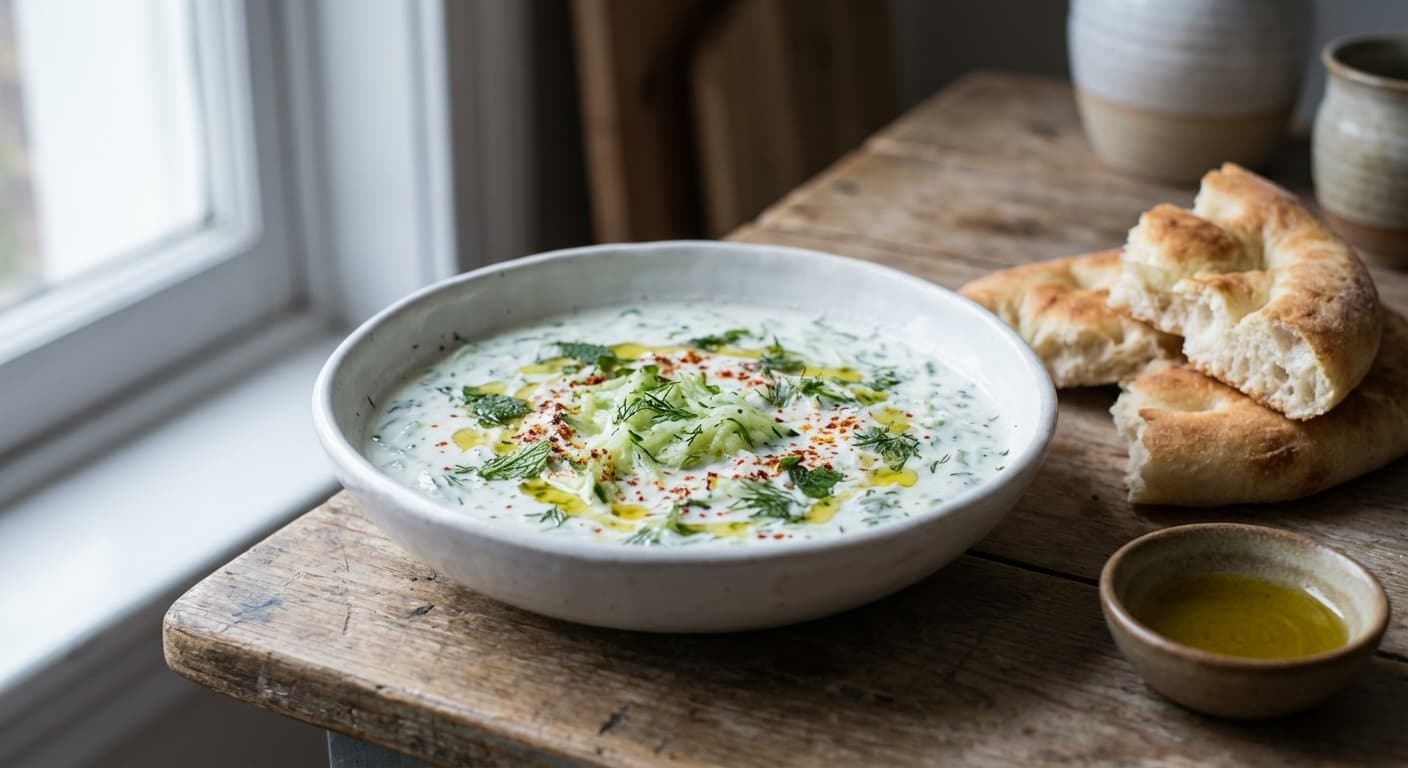
Cacık (Yoğurtlu Salatalık Mezesi) — Chilled Turkish Yogurt, Cucumber & Mint Dip
Turkish · Appetizers · 15 min
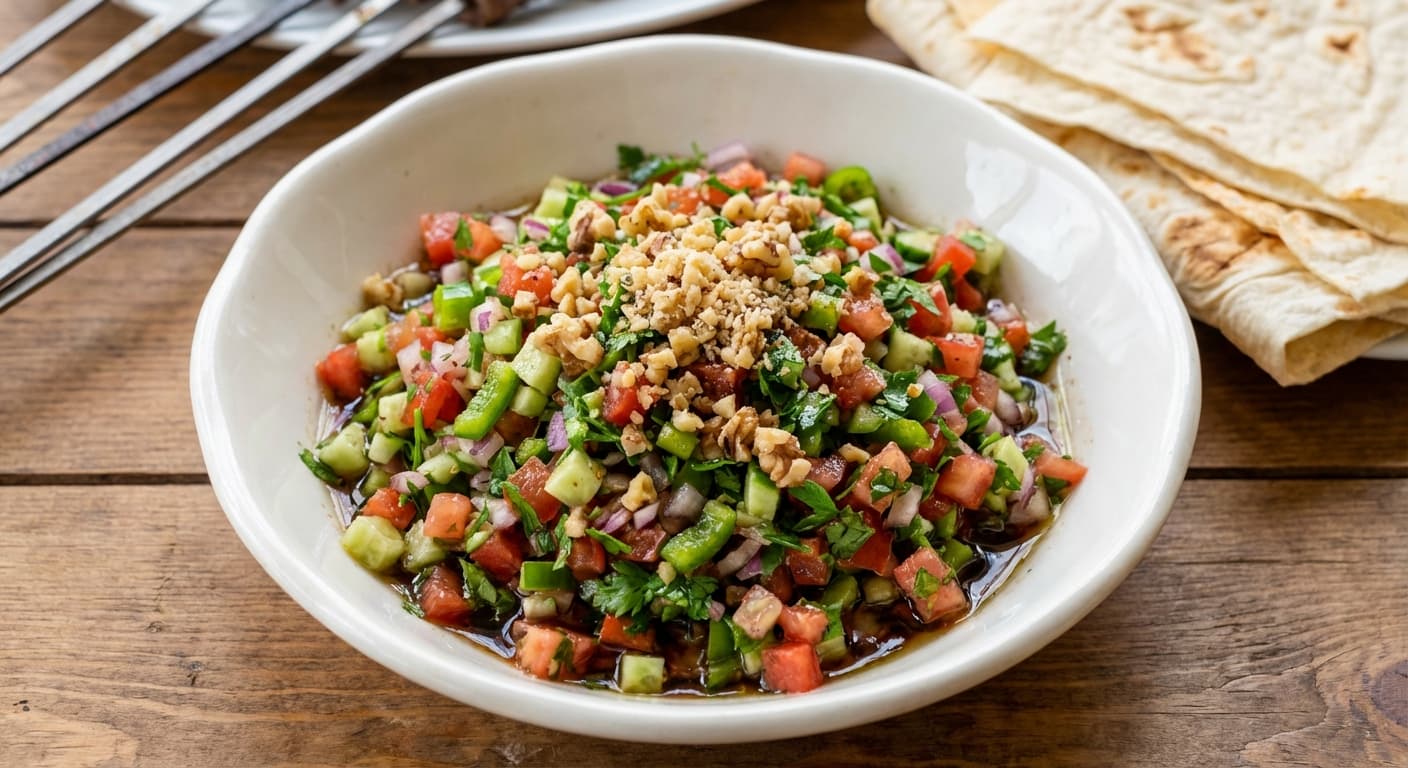
Gavurdağı Salad (Gavurdağı Salatası) — Finely Chopped Walnut & Pomegranate Salad
Turkish · Salads · 20 min
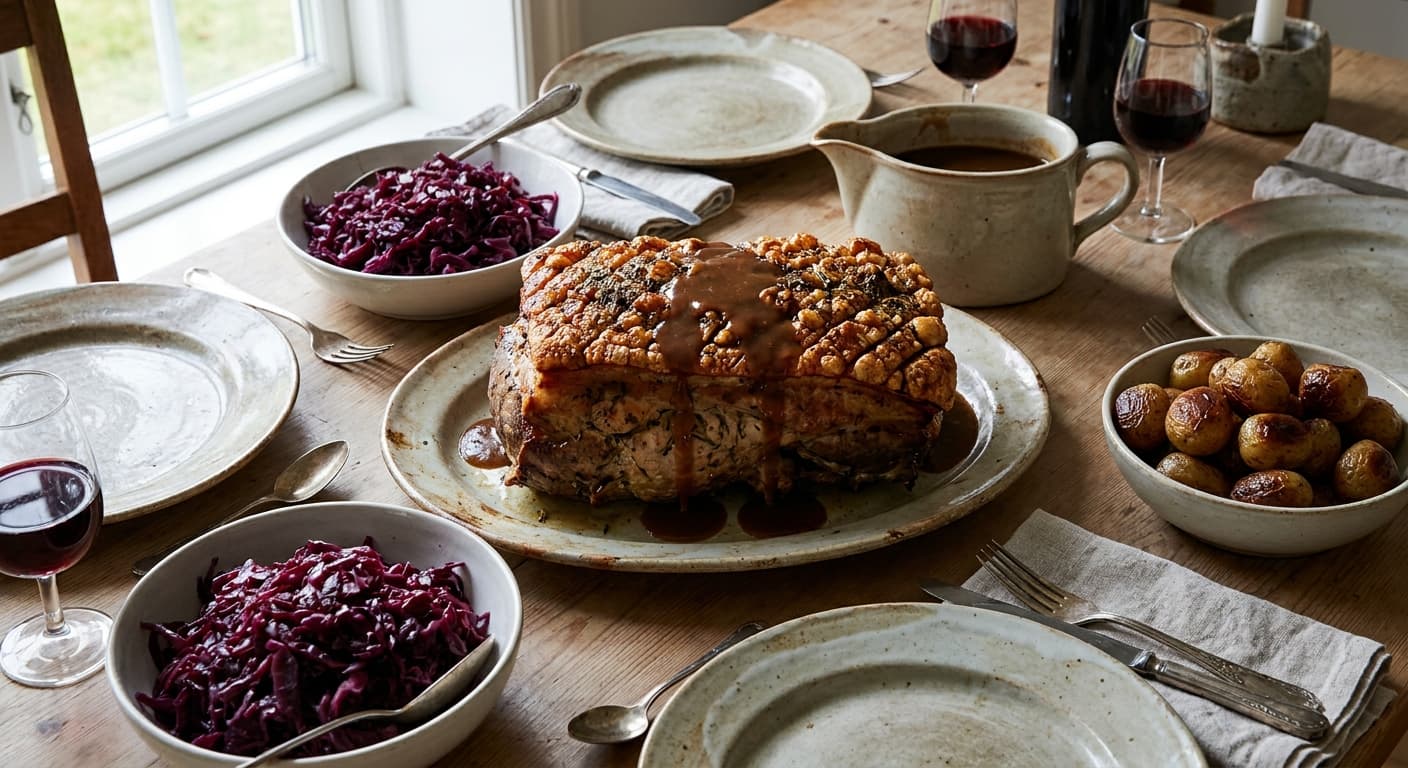
Danish Roast Pork with Crackling (Flæskesteg) — Crisp-Rinded Christmas Pork
Danish · Main Courses · 130 min
Reviews
Cooked this recipe?
Tap the stars to rate it — that's all it takes. A few words are welcome but optional.
No ratings yet. Cooked this one? Be the first to rate it — it takes one tap.