Dratchna (دراچنا) — Persian Baked Egg and Herb Casserole
Dratchna is a Persian baked egg-and-herb casserole with a custardy center and lightly browned top. Chives, parsley, garlic, and tomatoes brighten a rich base of milk and cream, ideal for brunch.
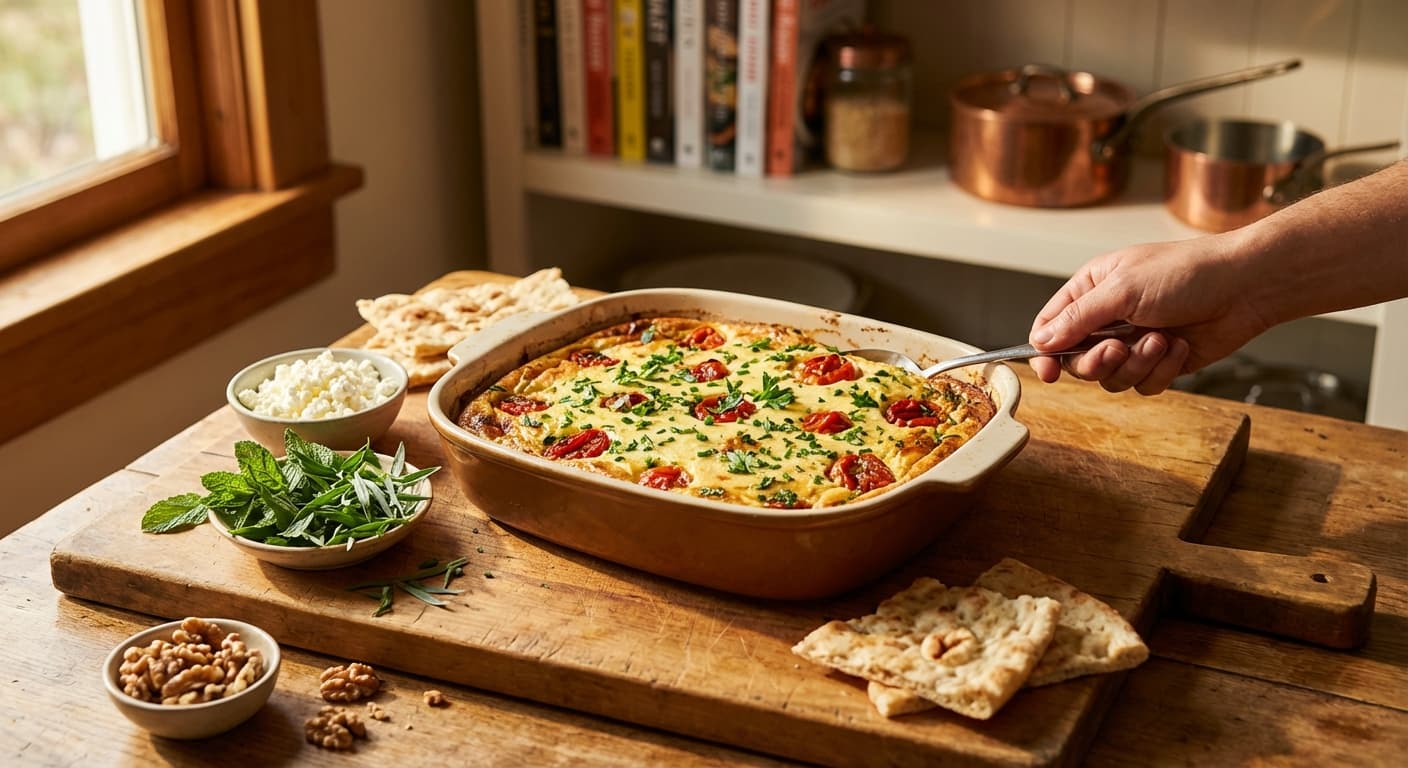
Printable Recipe Card
Servings: 6 · Total: 55 min · Difficulty: medium
Ingredients (quick list)
- 20 g Unsalted butter (for greasing the baking dish)
- 15 ml Olive oil (for sautéing)
- 12 g Garlic (finely minced (about 3 cloves))
- 240 g Medium tomatoes (diced small (about 2 tomatoes))
- 35 g Fresh chives (finely chopped)
- 30 g Fresh parsley (finely chopped)
- 20 g Whole wheat flour (about 2 1/2 tablespoons, sifted if lumpy)
- 240 ml Milk (whole milk preferred)
- 120 ml Heavy cream (heavy whipping cream)
- 6 Large eggs (room temperature)
- 6 g Fine sea salt (about 1 teaspoon)
- 1 g Black pepper (about 1/2 teaspoon, freshly ground)
Steps (summary)
- Heat the oven to 180°C / 350°F with a rack in the middle. Grease a 20 cm (8-inch) square baking dish or a 23 cm (9-inch) round…
- Warm 15 ml olive oil in a skillet over medium heat for 1 minute. Add 12 g minced garlic and stir for 30–45 seconds until fragra…
- Stir 35 g chopped chives and 30 g chopped parsley into the warm tomato mixture so the herbs soften slightly without turning dul…
- In a bowl, whisk 20 g whole wheat flour with 240 ml milk until completely smooth, about 45–60 seconds; scrape the sides to elim…
- Add 6 large eggs to the bowl and whisk gently for 30–45 seconds, just until the yolks and whites are fully blended; avoid whipp…
- Bake at 180°C / 350°F for 28–35 minutes, rotating the pan after 20 minutes for even browning. The center should jiggle slightly…
+ 1 more steps in the full instructions section below.
Cultural Background
Baked egg dishes with abundant herbs are a familiar part of Iranian home cooking, often served for breakfast, brunch, or a light supper. Dratchna reflects the broader Persian preference for fresh herbs paired with eggs and dairy, especially when families gather for leisurely weekend meals.
Equipment
💡 Tips
- For the brightest herb flavor, chop chives and parsley just before cooking and keep the sauté time for herbs minimal.
- If your tomatoes are very juicy, cook them 2–3 minutes longer until thick; excess moisture can make the custard watery.
- Room-temperature eggs blend more smoothly and help the casserole bake evenly.
- For a silkier texture, whisk only until combined; over-whisking incorporates air and can lead to a spongy set.
- If you prefer a firmer sliceable result, bake until the center reaches 78–80°C / 172–176°F, then rest 15 minutes.
⚠️ Common Mistakes
❌ Not cooking down the tomatoes enough
💡 Why: Excess tomato water dilutes the custard and can cause weeping or a loose center.
✅ Fix: Cook tomatoes until thick and jammy, and cool briefly before adding herbs; if very watery, drain off liquid or extend cooking 2–4 minutes.
❌ Overbaking until fully firm and dry
💡 Why: Egg custards continue to set after leaving the oven; too much heat makes them grainy.
✅ Fix: Pull the dish when the center still jiggles slightly or at 74–77°C / 165–170°F, then rest 10–12 minutes.
❌ Whisking the eggs vigorously
💡 Why: Incorporated air makes the casserole puff, then collapse, and can create a spongy texture.
✅ Fix: Whisk just until blended and tap the dish to release bubbles before baking.
❌ Using cold eggs and cold dairy straight from the fridge
💡 Why: Cold ingredients can lead to uneven setting and longer bake times, increasing the risk of curdling at the edges.
✅ Fix: Let eggs and dairy sit at room temperature 15–20 minutes, or warm the milk slightly (not hot) before whisking.
🧊 How to Store
Cool to room temperature (within 2 hours), cover, and refrigerate up to 3 days. Reheat slices in a 160°C / 325°F oven for 10–12 minutes or microwave at 50% power in 45-second bursts to avoid curdling. Not ideal for freezing due to the dairy custard.
📅 Make Ahead
Prepare the tomato-garlic mixture up to 24 hours ahead and refrigerate. Chop herbs and store wrapped in a paper towel in an airtight container up to 1 day. Assemble and bake just before serving for the best rise and aroma; baked leftovers reheat well the next day.
🍽️ Pairs Well With
- Warm flatbread or whole wheat lavash-style bread
- Cucumbers
- radishes
- and fresh herbs platter
- Plain yogurt or strained yogurt
- Black tea or lightly sweetened tea
Regional Variations
- Northern Iran (Caspian-influenced)Often made with a larger proportion of herbs and sometimes includes additional greens; cooks may bake it a little softer to emphasize a custardy texture.
- Tehran-style home kitchensCommonly includes tomatoes and a richer dairy base, producing a more velvety, brunch-style casserole that slices neatly after resting.
Ingredients
- 20 gUnsalted butter (for greasing the baking dish)
- 15 mlOlive oil (for sautéing)
- 12 gGarlic (finely minced (about 3 cloves))
- 240 gMedium tomatoes (diced small (about 2 tomatoes))
- 35 gFresh chives (finely chopped)
- 30 gFresh parsley (finely chopped)
- 20 gWhole wheat flour (about 2 1/2 tablespoons, sifted if lumpy)
- 240 mlMilk (whole milk preferred)
- 120 mlHeavy cream (heavy whipping cream)
- 6Large eggs (room temperature)
- 6 gFine sea salt (about 1 teaspoon)
- 1 gBlack pepper (about 1/2 teaspoon, freshly ground)
🔄 Substitutions
- Whole wheat flour→ All-purpose flour (same amount by weight)
- Heavy cream→ Half-and-half (same volume) + 10 g melted butter
- Fresh chives→ Spring onion greens, finely sliced (same weight)
Instructions
- 1
Heat the oven to 180°C / 350°F with a rack in the middle. Grease a 20 cm (8-inch) square baking dish or a 23 cm (9-inch) round dish with 20 g unsalted butter, coating the corners well. Set the dish on a sheet pan to catch any drips and to make it easier to move in and out of the oven.
- 2
Warm 15 ml olive oil in a skillet over medium heat for 1 minute. Add 12 g minced garlic and stir for 30–45 seconds until fragrant but not browned. Add 240 g diced tomatoes and cook 6–8 minutes, stirring occasionally, until most liquid evaporates and the mixture looks jammy. Remove from heat and cool 5 minutes.
- 3
Stir 35 g chopped chives and 30 g chopped parsley into the warm tomato mixture so the herbs soften slightly without turning dull. Spread this mixture evenly in the buttered baking dish. Keeping the filling in an even layer helps the custard set uniformly and prevents watery pockets that can make the casserole weep after baking.
- 4
In a bowl, whisk 20 g whole wheat flour with 240 ml milk until completely smooth, about 45–60 seconds; scrape the sides to eliminate lumps. Whisk in 120 ml heavy cream, 6 g fine sea salt, and 1 g black pepper. This flour-thickened dairy base stabilizes the eggs so the finished casserole stays custardy rather than turning grainy.
- 5
Add 6 large eggs to the bowl and whisk gently for 30–45 seconds, just until the yolks and whites are fully blended; avoid whipping in lots of air, which can cause puffing and collapse. Pour the custard slowly over the herb-tomato layer. Tap the dish on the counter 3–4 times to release trapped bubbles.
- 6
Bake at 180°C / 350°F for 28–35 minutes, rotating the pan after 20 minutes for even browning. The center should jiggle slightly like soft custard, and an instant-read thermometer inserted in the center should read 74–77°C / 165–170°F. If the top browns too quickly, tent loosely with foil for the last 8–10 minutes.
- 7
Rest the casserole 10–12 minutes before slicing; it will finish setting from residual heat and cut cleanly. Serve warm, not piping hot, to highlight the herbs’ aroma and the creamy texture. For neat portions, use a thin knife wiped clean between cuts and a wide spatula to lift each slice.
🪪 Recipe Passport
Cultural Background
Baked egg dishes with abundant herbs are a familiar part of Iranian home cooking, often served for breakfast, brunch, or a light supper. Dratchna reflects the broader Persian preference for fresh herbs paired with eggs and dairy, especially when families gather for leisurely weekend meals.
Regional Variations
Researched from multiple sources and validated by the Zaffaron editorial team. Every recipe is tested for accuracy, measurements, and cultural authenticity.
Nutrition per serving
Pairs well with
If you enjoyed this recipe, here are a few related Zaffaron recipes to try next.
Does your family make this differently?
Every family has their own version. Maybe your grandmother adds a secret ingredient, or your aunt has a completely different technique. Preserve your family's version — with their name on it, forever.
You Might Also Like
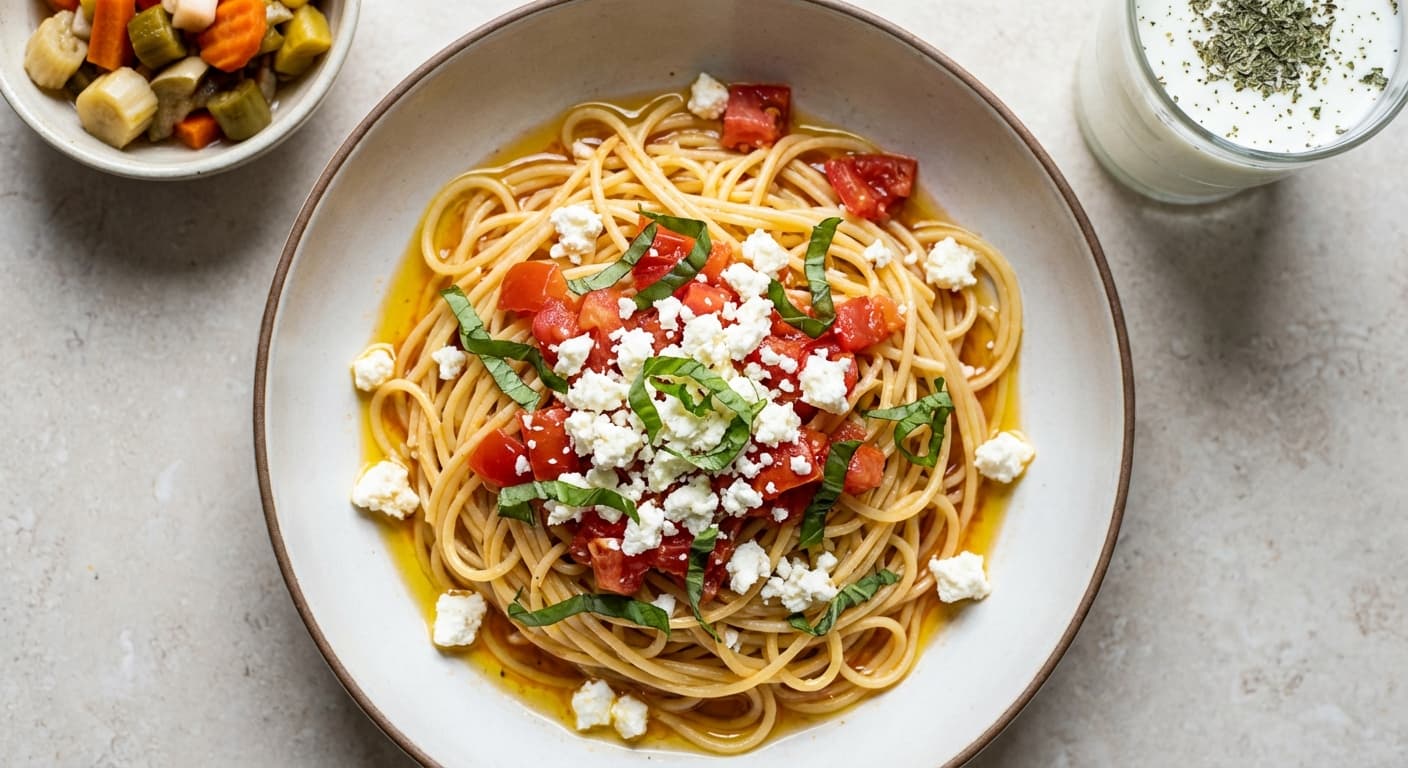
Pastay Paniri (پاستای پنیری) — Persian-Style Cheesy Pasta with Fresh Tomatoes
Persian · Main Courses · 27 min
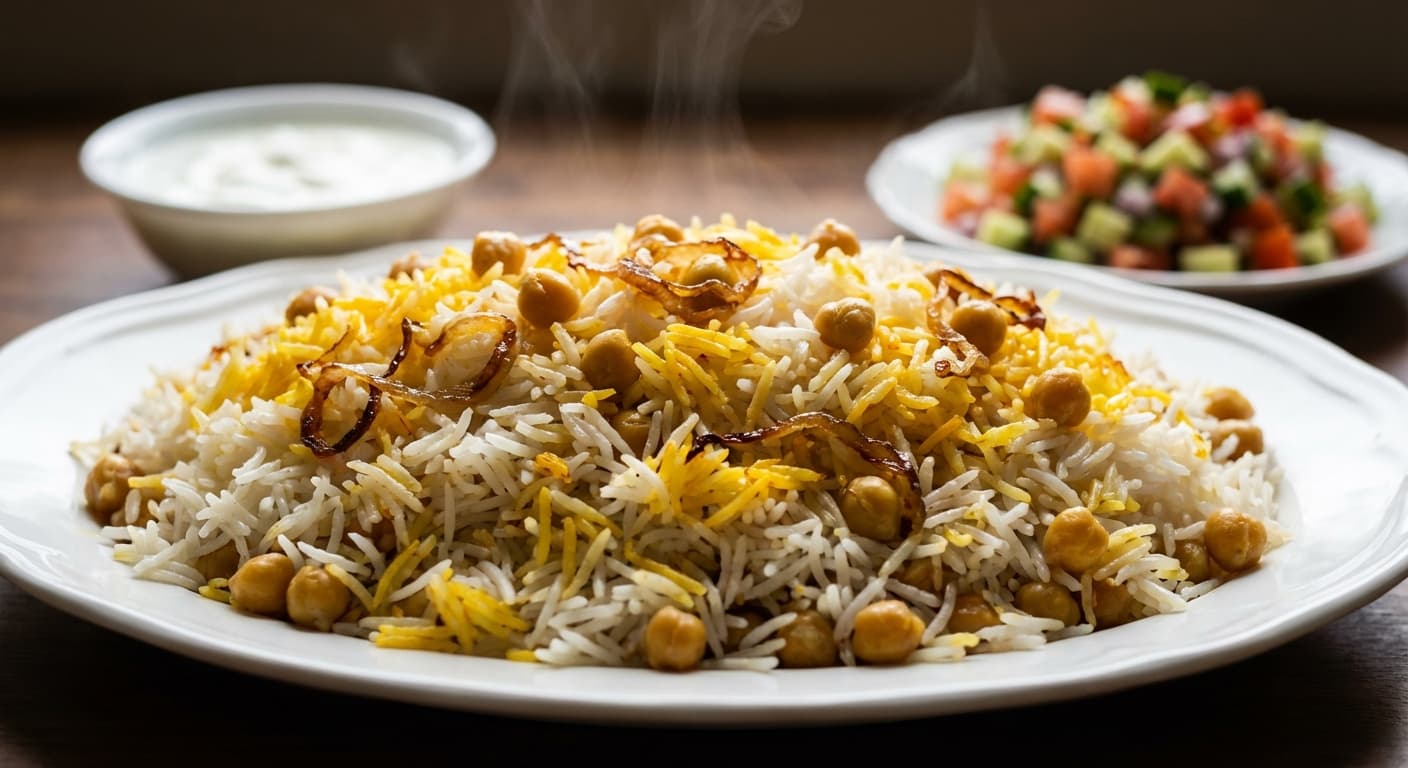
Nokhod Polo (نخود پلو) — Saffron Chickpea Rice with Warm Spices
Persian · Rice Dishes · 80 min
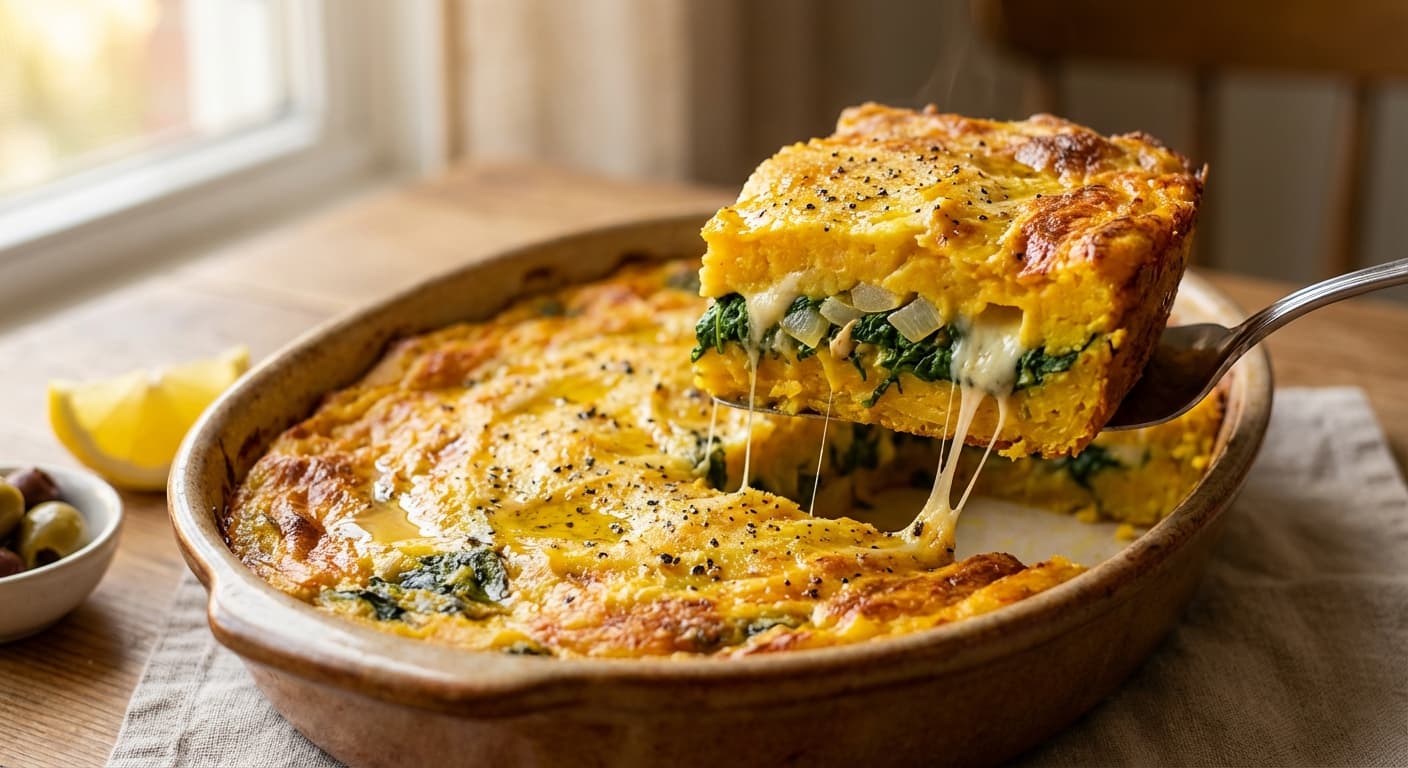
Golden Turmeric Potato and Spinach Casserole (غراتان سیبزمینی و اسفناج) — Mediterranean-Inspired Layered Gratin
Persian · Main Courses · 70 min
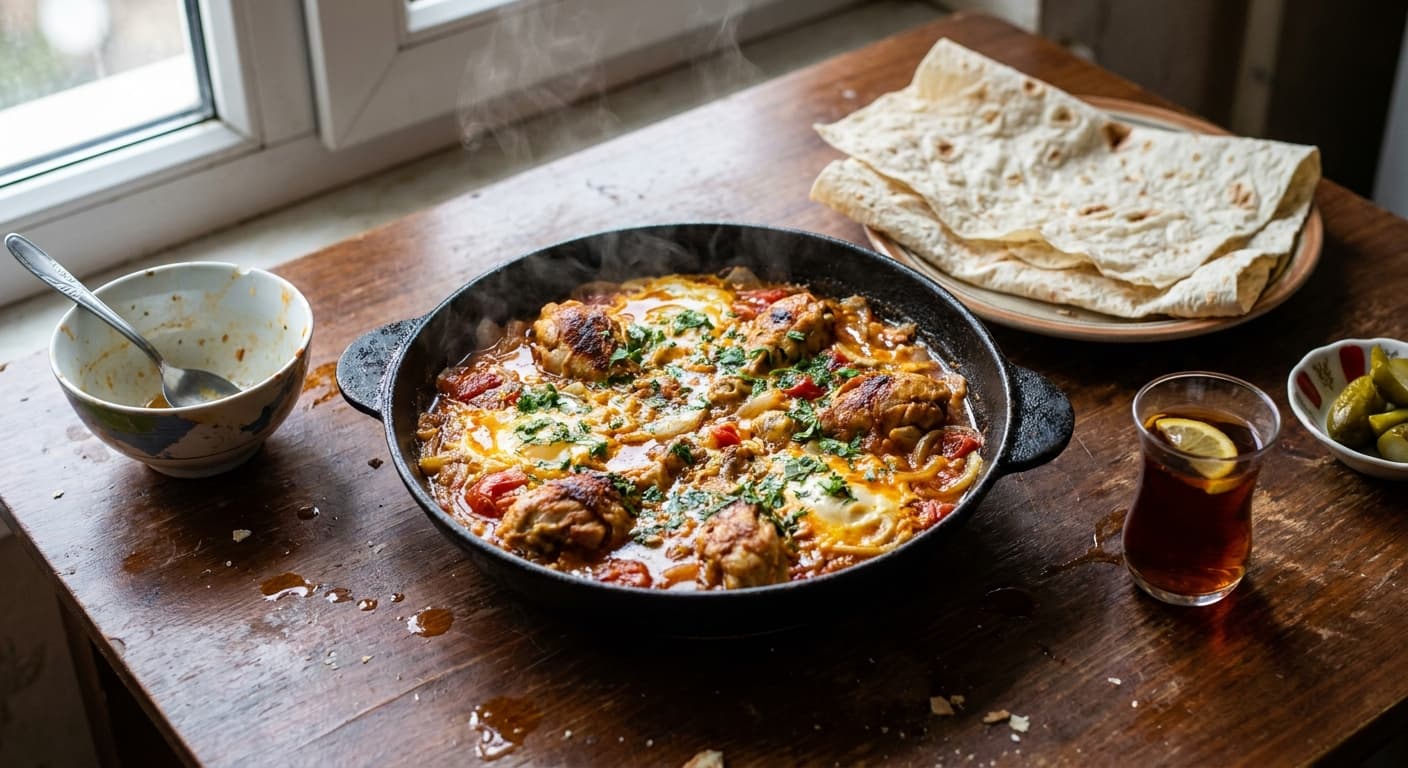
Chicken Chygyrtma (Toyuq Çığırtması) — Azerbaijani Chicken with Eggs and Tomatoes
Azerbaijani · Main Courses · 65 min
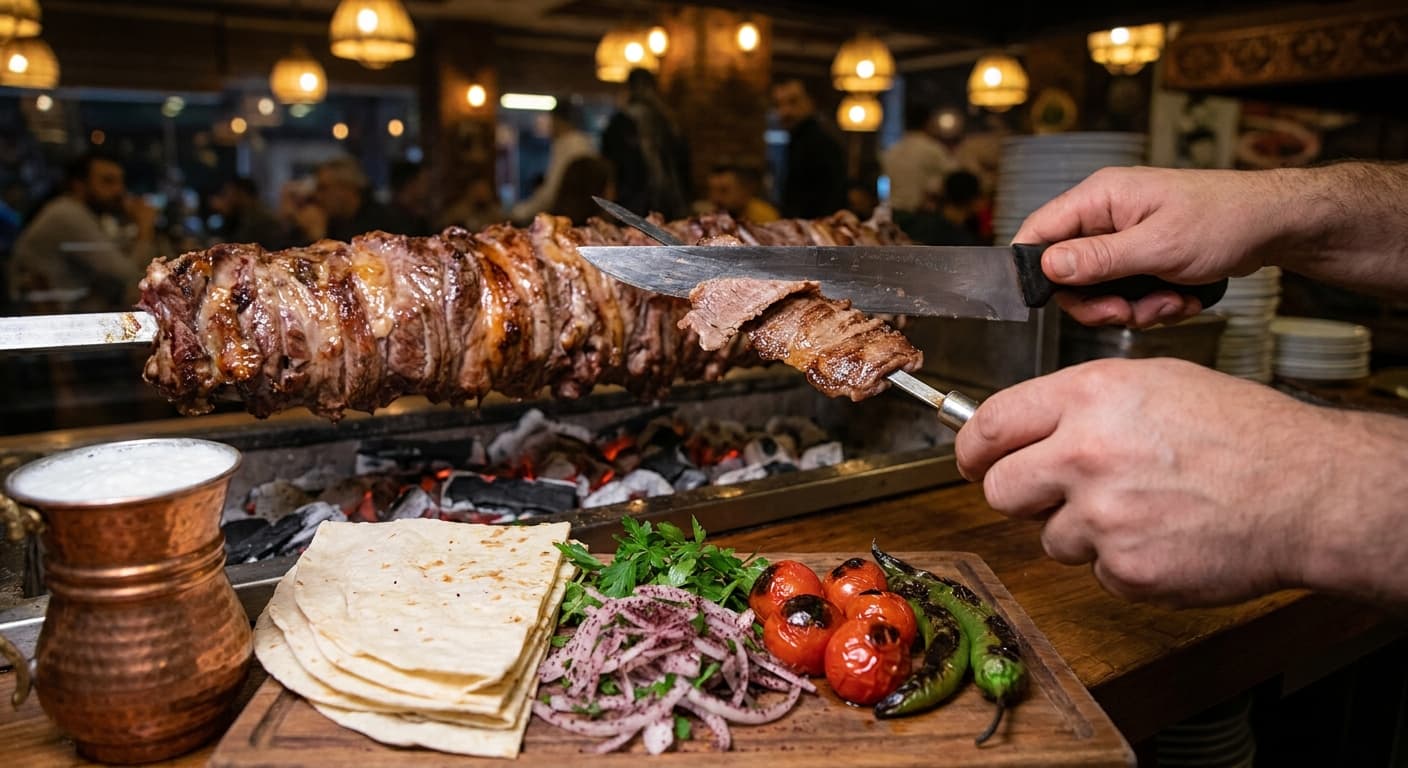
Turkish Cağ Kebab (Cağ Kebabı) — Erzurum Slow-Roasted Charcoal Lamb Skewer
Turkish · Kebabs · 160 min
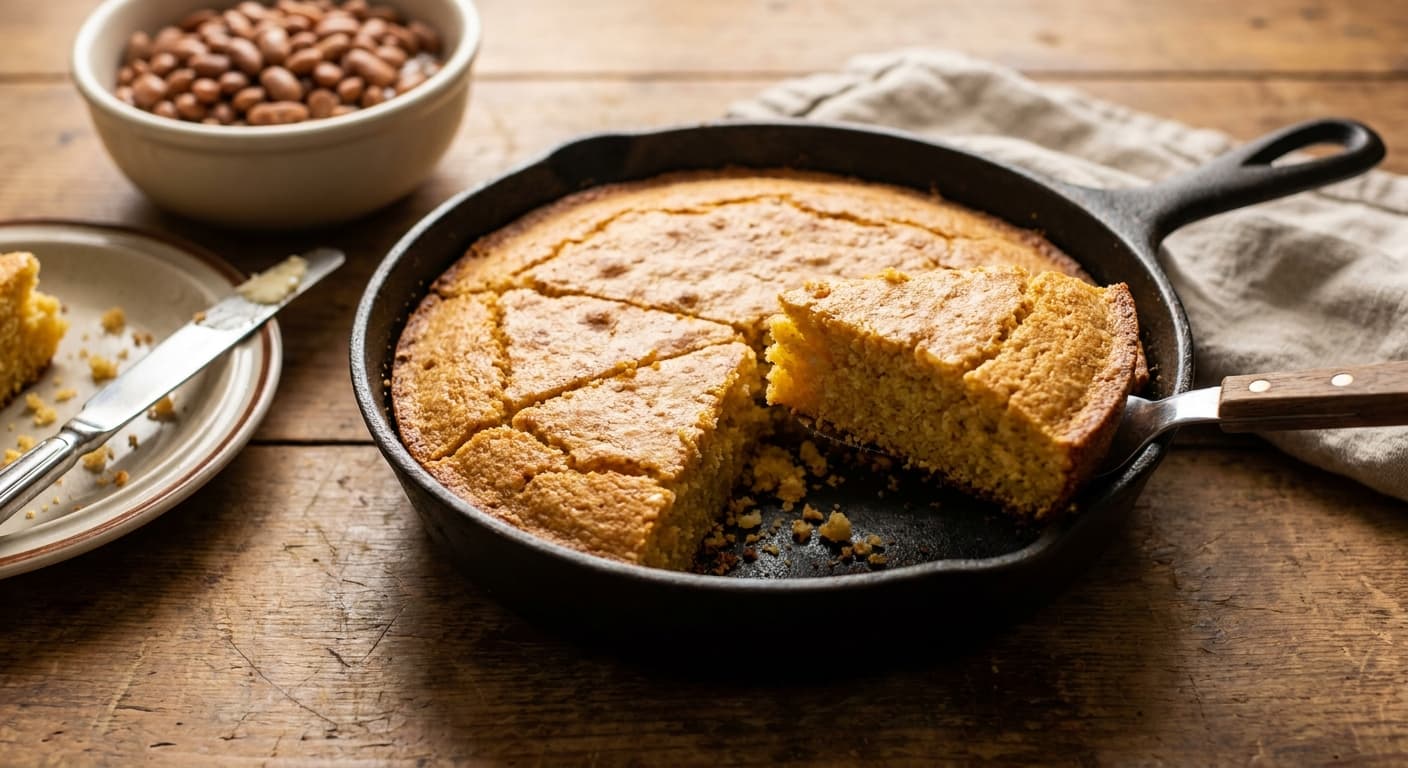
Cornbread (Cornbread) — Classic Cast-Iron American Quick Bread
American · Breads · 40 min
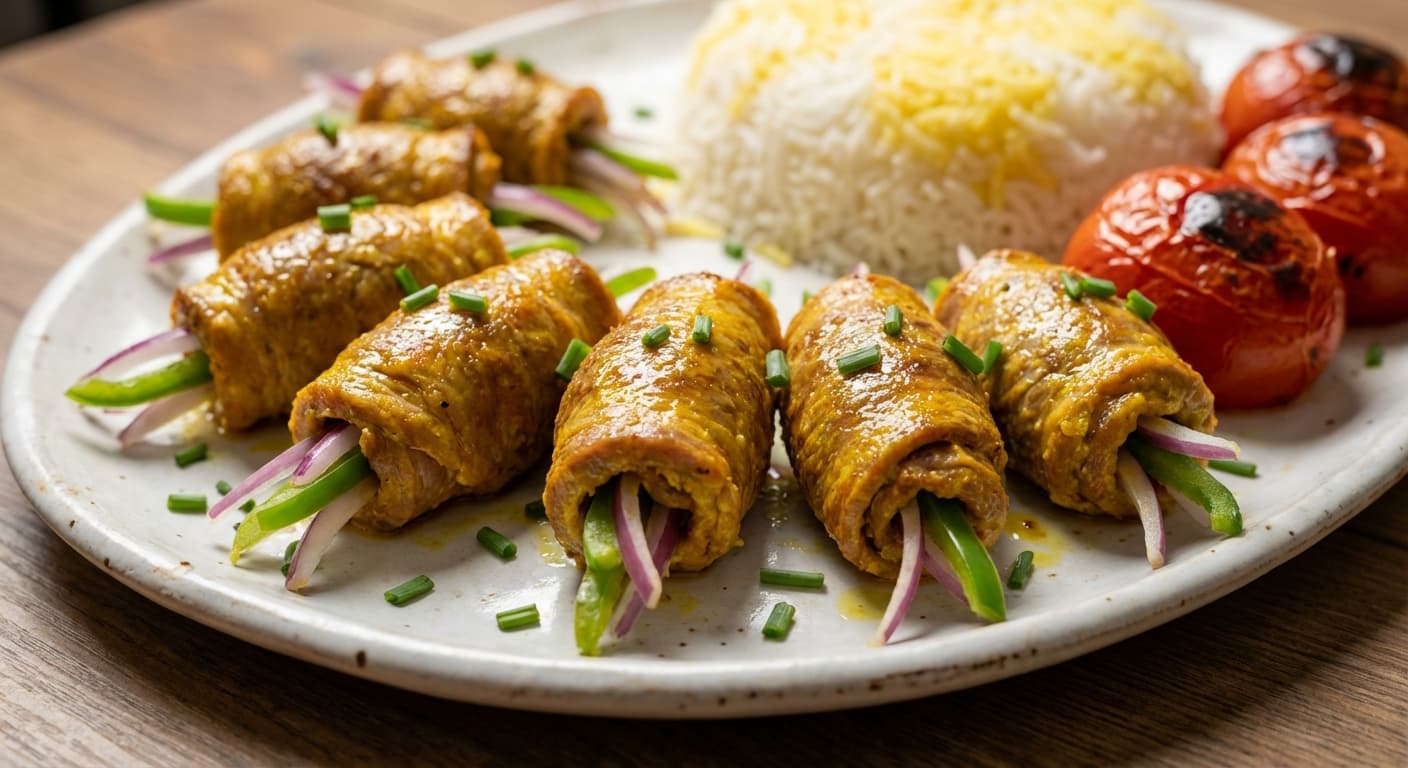
Bulgar Kabab (کباب بلغار) — Persian Rolled Saffron Fillets
Persian · Kebabs · 37 min
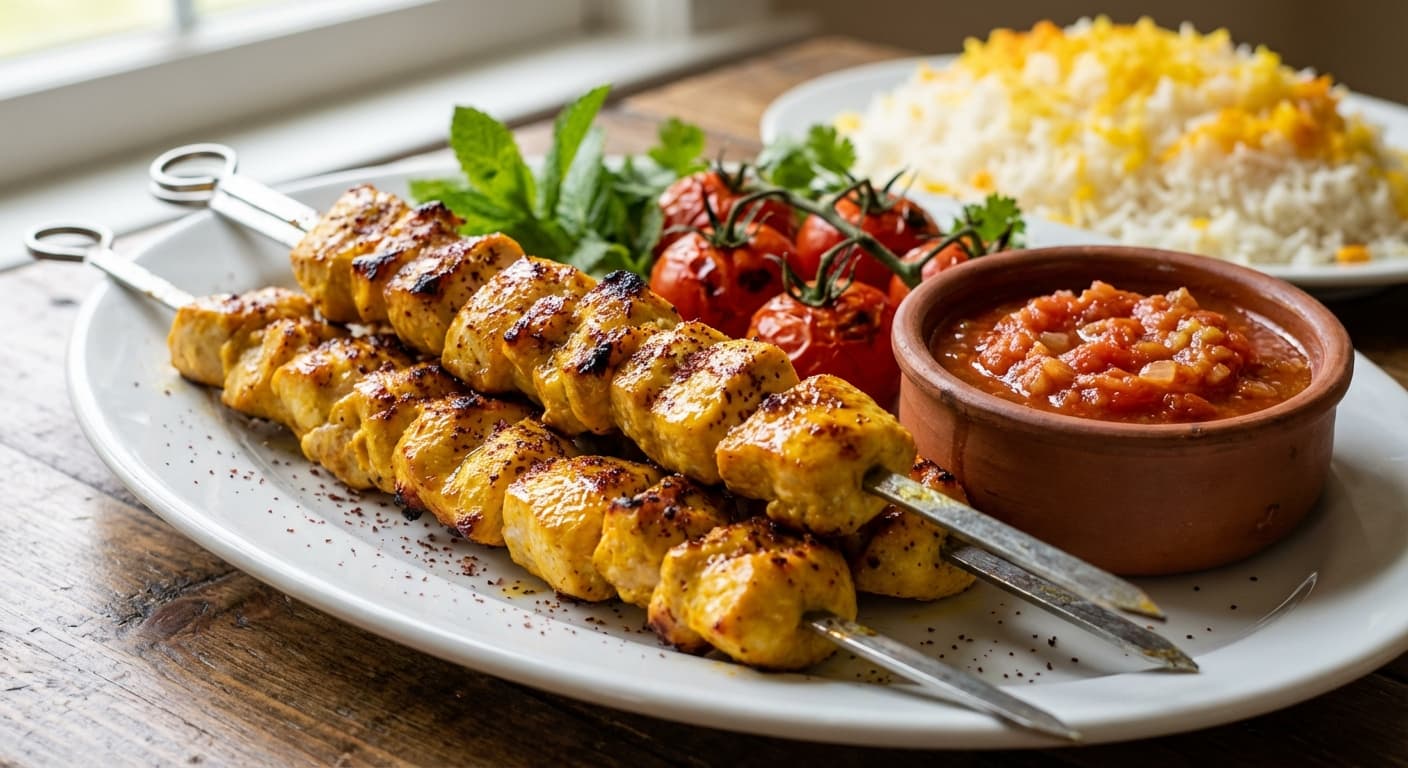
Jujeh Kabab (جوجه کباب) — Saffron-Turmeric Chicken with Rustic Tomato Sauce
Persian · Kebabs · 45 min
Reviews
Cooked this recipe?
Tap the stars to rate it — that's all it takes. A few words are welcome but optional.
No ratings yet. Cooked this one? Be the first to rate it — it takes one tap.