Gheimeh Polo (قیمه پلو) — Persian Split Pea and Beef Rice
Gheimeh Polo is a layered Persian basmati rice dish combining tender beef shank, yellow split peas, tomato, and warm advieh spices. Dried limes add a bright, tangy depth, finished with a crisp saffron tahdig.
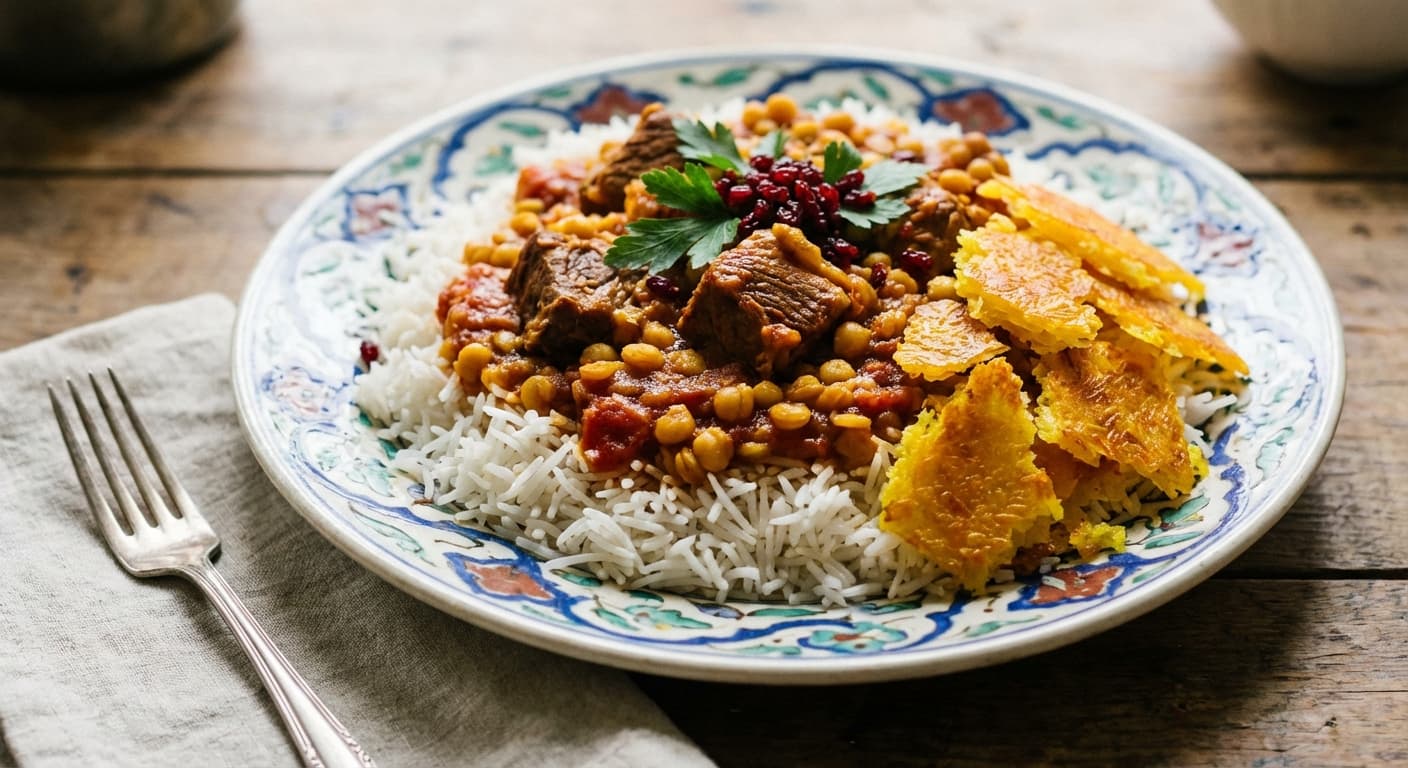
Printable Recipe Card
Servings: 6 · Total: 195 min · Difficulty: hard
Ingredients (quick list)
- 600 g Basmati rice (aged basmati preferred; rinsed until water runs mostly clear)
- 30 g Fine sea salt (for soaking and parboiling water; adjust to taste)
- 90 ml Vegetable oil (divided for stew and rice pot)
- 30 g Unsalted butter (for finishing the rice (optional but traditional))
- 0.25 tsp Saffron threads (ground and bloomed in hot water)
- 60 ml Hot water (for blooming saffron)
- 120 g Plain yogurt (for tahdig base)
- 1 large Egg yolk (for tahdig base)
- 15 ml Brewed saffron water (from the bloomed saffron)
- 15 g All-purpose flour (helps tahdig set and crisp evenly)
- 700 g Beef shank (bone-in or boneless; cut into 3 cm cubes)
- 200 g Yellow split peas (rinsed; soaked 30 minutes and drained)
+ 7 more in the full ingredients section below.
Steps (summary)
- Rinse the basmati rice in several changes of cool water until it runs mostly clear. Dissolve 20 g of the salt in 1.5 liters of…
- Bloom the saffron: grind the saffron threads, then stir with 60 ml hot water (not boiling) and cover for 10 minutes. For the gh…
- Add beef shank cubes to the onion and raise heat to medium-high. Sear 6–8 minutes until browned on most sides. Stir in turmeric…
- Pour in 900 ml water, scraping the pot to dissolve browned bits. Bring to a boil, then reduce to a gentle simmer and cover. Coo…
- Uncover and simmer 10–15 minutes to reduce the liquid until the mixture is thick and glossy, not soupy. Taste and adjust season…
- Parboil the rice: bring a large pot of water (about 4 liters) to a rolling boil and add the remaining salt if desired for the w…
+ 5 more steps in the full instructions section below.
Cultural Background
Layered rice dishes are a centerpiece of Persian home cooking and are often prepared for family gatherings and celebrations. Gheimeh Polo adapts the flavor structure of the classic split pea and dried lime stew into a polo format, highlighting both aromatic rice technique and slow-simmered meat.
Equipment
💡 Tips
- Pierce dried limes before simmering so their citrus flavor infuses without trapping steam inside.
- Keep the gheimeh mixture thick; excess liquid will make the rice gummy and blur the layers.
- For extra fragrance, reserve 2 tbsp of saffron water to drizzle on the platter just before serving.
- If using bone-in shank, simmer 10–15 minutes longer and pick out any small bones before layering.
- A towel-wrapped lid is key for fluffy grains; it prevents condensation from dripping back onto the rice.
⚠️ Common Mistakes
❌ Overcooking the rice during parboil
💡 Why: If grains fully cook in boiling water, they break and turn sticky during steaming.
✅ Fix: Boil only until the outside is tender and the center is still firm (6–8 minutes), then drain immediately.
❌ Leaving the gheimeh mixture too watery
💡 Why: Excess liquid sinks into the rice, making it heavy and blurring the layers.
✅ Fix: Simmer uncovered 10–15 minutes until thick and glossy; it should mound on a spoon rather than pour.
❌ Burning the tahdig
💡 Why: High heat after the initial sizzle scorches the crust before the rice steams through.
✅ Fix: Use medium-high only for 8 minutes to set the crust, then reduce to low for the remainder and keep the lid towel-wrapped.
❌ Bitter dried lime flavor
💡 Why: Some dried limes are very bitter, especially if simmered too long or cracked open.
✅ Fix: Pierce (do not crush) the limes and taste the broth after 20–25 minutes; remove limes early if bitterness appears.
🧊 How to Store
Cool leftovers within 2 hours. Refrigerate airtight up to 4 days. Reheat covered with 2–3 tbsp water in a pot over low heat for 15–20 minutes, or microwave covered in 1-minute bursts. Tahdig is best recrisped in a skillet with 1 tsp oil.
📅 Make Ahead
Cook the gheimeh mixture up to 2 days ahead and refrigerate; rewarm gently and reduce again if it loosens. Rice is best steamed the day of, but you can parboil and drain the rice up to 4 hours ahead, spread on a tray, cover, and keep cool until layering.
🍽️ Pairs Well With
- Shirazi salad (cucumber
- tomato
- onion with citrus dressing)
- Plain yogurt with dried mint
- Pickled vegetables
- Fresh herbs and radishes
Regional Variations
- Tehran-styleOften finished with a pronounced saffron top and a yogurt-based tahdig, emphasizing contrast between aromatic rice and the tangy, tomato-forward gheimeh layers.
- Southern IranFrequently made with a sharper citrus profile by using more dried limes and sometimes a touch more black pepper, balancing the heat with extra onion sweetness.
Ingredients
- 600 gBasmati rice (aged basmati preferred; rinsed until water runs mostly clear)
- 30 gFine sea salt (for soaking and parboiling water; adjust to taste)
- 90 mlVegetable oil (divided for stew and rice pot)
- 30 gUnsalted butter (for finishing the rice (optional but traditional))
- 0.25 tspSaffron threads (ground and bloomed in hot water)
- 60 mlHot water (for blooming saffron)
- 120 gPlain yogurt (for tahdig base)
- 1 largeEgg yolk (for tahdig base)
- 15 mlBrewed saffron water (from the bloomed saffron)
- 15 gAll-purpose flour (helps tahdig set and crisp evenly)
- 700 gBeef shank (bone-in or boneless; cut into 3 cm cubes)
- 200 gYellow split peas (rinsed; soaked 30 minutes and drained)
- 300 gOnion (finely diced)
- 60 gTomato paste (about 4 tbsp)
- 2 tspPersian spice mix (advieh) (a warm blend often including cinnamon, cardamom, and rose)
- 1.5 tspGround turmeric (for color and earthy warmth)
- 1 tspGround black pepper (adjust to taste)
- 3 wholeDried limes (limoo amani) (pierced 6–8 times each with a skewer)
- 900 mlWater (plus more as needed to keep meat barely covered)
🔄 Substitutions
- Beef shank→ Lamb shoulder (700 g) or beef chuck (700 g)
- Dried limes (limoo amani)→ 2 tsp lime zest + 45 ml fresh lime juice
- Persian spice mix (advieh)→ 1 tsp ground cinnamon + 1/2 tsp ground cardamom + 1/2 tsp ground cumin
Instructions
- 1
Rinse the basmati rice in several changes of cool water until it runs mostly clear. Dissolve 20 g of the salt in 1.5 liters of water, add the rice, and soak for 60 minutes at room temperature. Meanwhile, rinse the split peas and soak them in cool water for 30 minutes, then drain well.
- 2
Bloom the saffron: grind the saffron threads, then stir with 60 ml hot water (not boiling) and cover for 10 minutes. For the gheimeh mixture, heat 45 ml vegetable oil in a heavy pot over medium heat. Add diced onion and cook 10–12 minutes until deeply golden, stirring often.
- 3
Add beef shank cubes to the onion and raise heat to medium-high. Sear 6–8 minutes until browned on most sides. Stir in turmeric, black pepper, and advieh for 30 seconds to toast. Add tomato paste and cook 2–3 minutes, stirring, until it darkens slightly and smells sweet.
- 4
Pour in 900 ml water, scraping the pot to dissolve browned bits. Bring to a boil, then reduce to a gentle simmer and cover. Cook 45 minutes, stirring once or twice. Add drained split peas and the pierced dried limes, cover again, and simmer 30–40 minutes until beef is tender and peas are soft but intact.
- 5
Uncover and simmer 10–15 minutes to reduce the liquid until the mixture is thick and glossy, not soupy. Taste and adjust seasoning with the remaining 10 g salt if needed. Remove from heat. If the dried limes taste bitter, lift them out after 20–25 minutes of simmering.
- 6
Parboil the rice: bring a large pot of water (about 4 liters) to a rolling boil and add the remaining salt if desired for the water. Drain the soaked rice and add it to the boiling water. Boil 6–8 minutes until the grains are elongated and slightly tender outside but firm inside.
- 7
Drain the rice in a colander and rinse quickly with 250 ml cool water to stop cooking and wash off excess starch. In a bowl, whisk yogurt, egg yolk, flour, and 15 ml brewed saffron water until smooth. This will form a sturdy, golden tahdig that releases cleanly when cooked properly.
- 8
Set up the pot: choose a nonstick or well-seasoned 24–26 cm pot. Heat 45 ml vegetable oil over medium heat for 1 minute. Spread the tahdig mixture evenly across the base. Add 1/3 of the rice, then spoon 1/2 of the gheimeh mixture over it, keeping a 2 cm border clear.
- 9
Continue layering: add another 1/3 of the rice, then the remaining gheimeh mixture, then finish with the final 1/3 of rice. Use the handle of a spoon to poke 5–6 steam holes down to the bottom. Drizzle the remaining brewed saffron water over the top and dot with butter.
- 10
Steam the polo: cover the lid with a clean towel and place it on the pot to catch condensation. Cook over medium-high heat for 8 minutes until you hear gentle sizzling. Reduce to low and steam 45–55 minutes. Rest off heat, covered, for 10 minutes to set layers and crisp tahdig.
- 11
Serve: fluff the top rice gently with a fork without breaking grains. Spoon rice and gheimeh layers onto a platter. To unmold the tahdig, loosen edges with a spatula, then invert onto a plate. Break into pieces and serve alongside for crunch and contrast.
🪪 Recipe Passport
Cultural Background
Layered rice dishes are a centerpiece of Persian home cooking and are often prepared for family gatherings and celebrations. Gheimeh Polo adapts the flavor structure of the classic split pea and dried lime stew into a polo format, highlighting both aromatic rice technique and slow-simmered meat.
Regional Variations
Researched from multiple sources and validated by the Zaffaron editorial team. Every recipe is tested for accuracy, measurements, and cultural authenticity.
Nutrition per serving
Pairs well with
If you enjoyed this recipe, here are a few related Zaffaron recipes to try next.
- Jigar va Qalveh (جگر و قلوه) — Persian Lamb Liver and Kidney Kebabs
- Gilan Garlic Green Stew (سیر قلیه گیلانی) — Sir Qalieh with split peas, eggs, and chicken
- Golden Sosis-Stuffed Kotlet (کتلت سوسیس) — Persian Potato Croquettes with Cocktail Sausages
- Halzooni Kabab (کباب حلزونی) — Persian Spiral Bakhtiari Kebab
Does your family make this differently?
Every family has their own version. Maybe your grandmother adds a secret ingredient, or your aunt has a completely different technique. Preserve your family's version — with their name on it, forever.
You Might Also Like
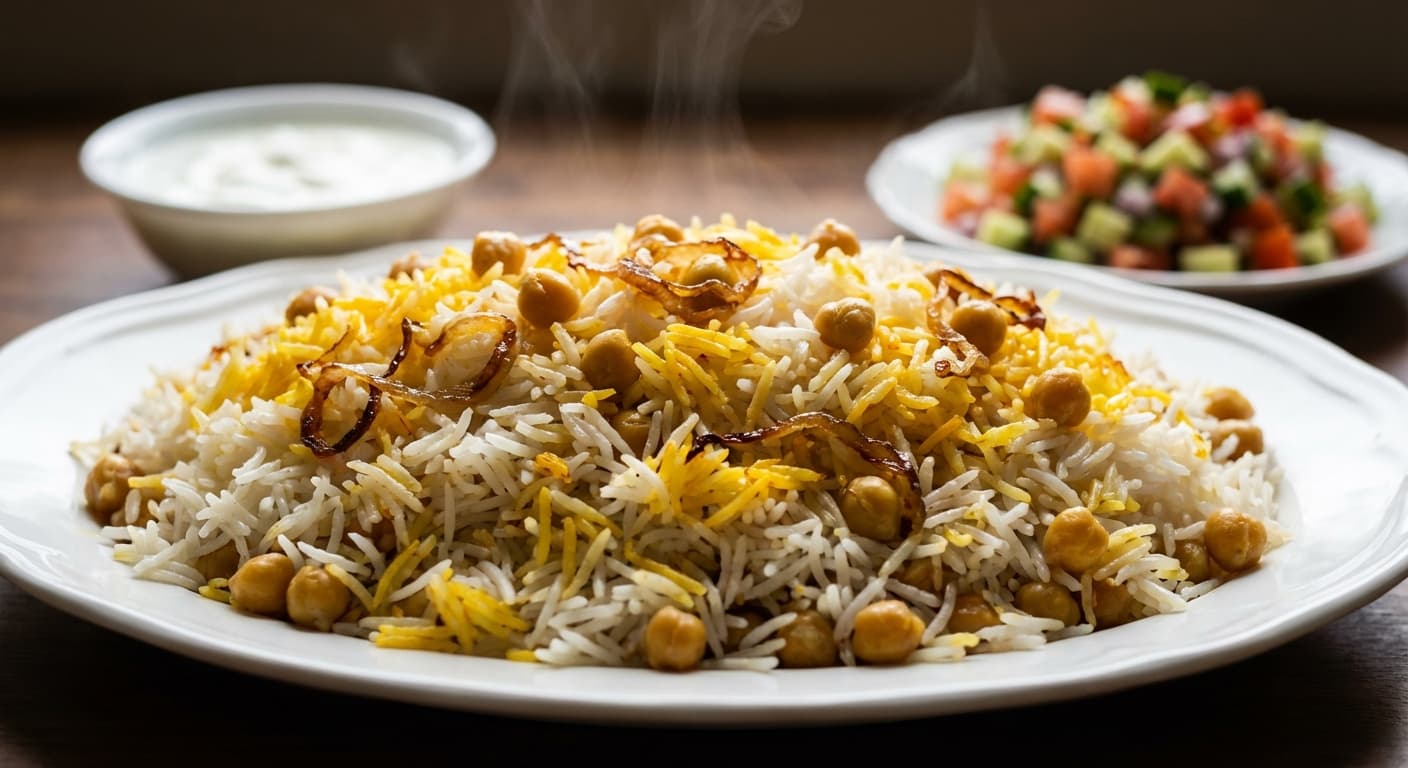
Nokhod Polo (نخود پلو) — Saffron Chickpea Rice with Warm Spices
Persian · Rice Dishes · 80 min

Golden Turmeric Potato and Spinach Casserole (غراتان سیبزمینی و اسفناج) — Mediterranean-Inspired Layered Gratin
Persian · Main Courses · 70 min
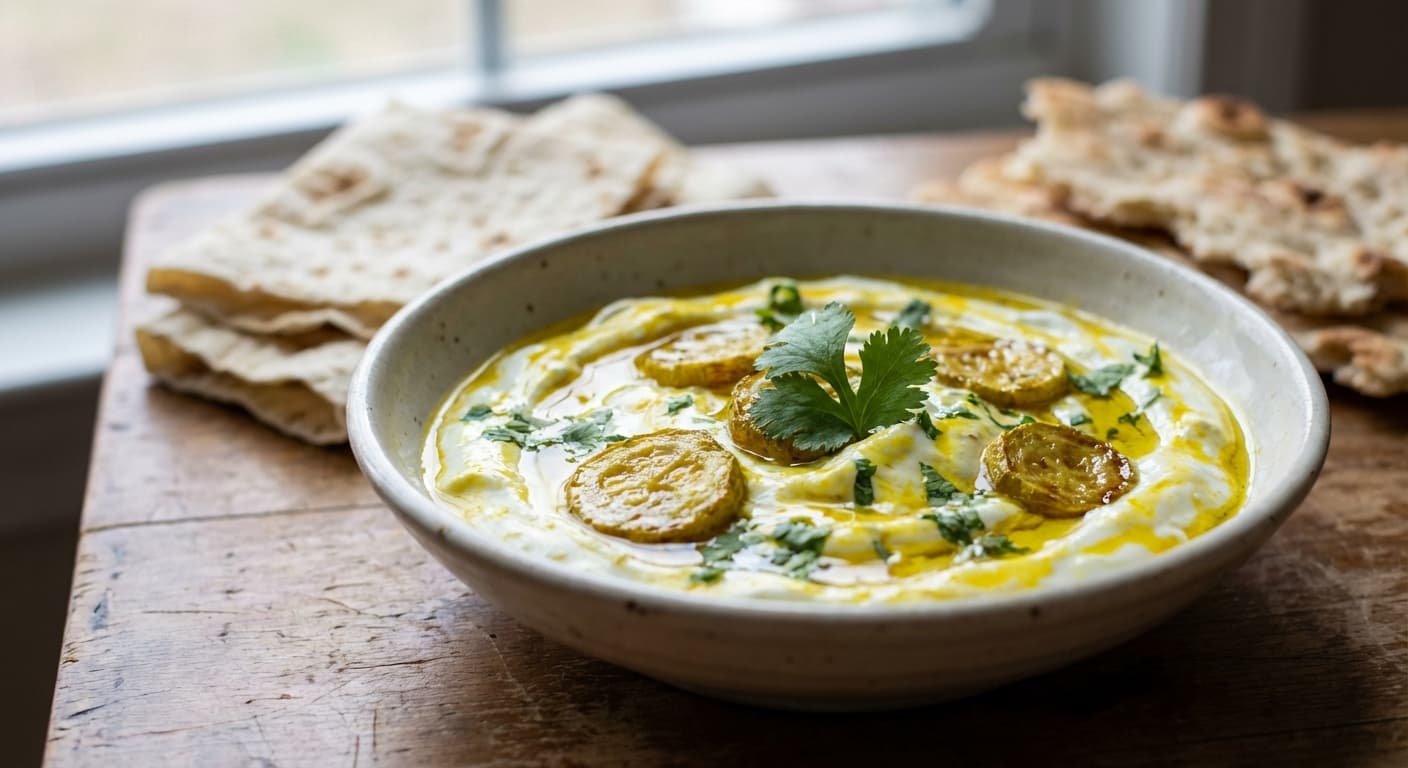
Borani Kadu (بورانی کدو) — Saffron-Infused Zucchini and Yogurt Dip
Persian · Appetizers · 40 min
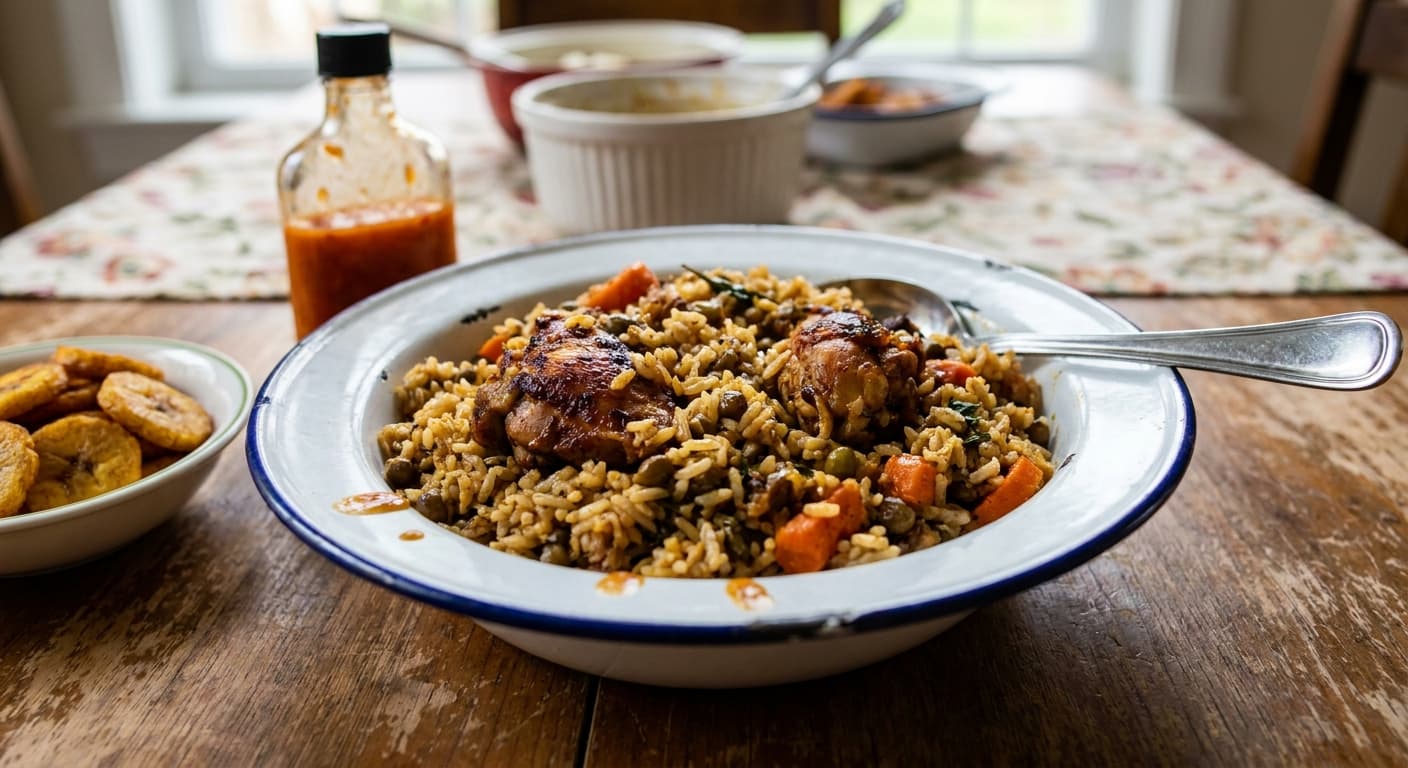
Trinidadian Pelau (Pelau) — Caramel-Browned Chicken, Rice, and Pigeon Peas
Trinidadian · Rice Dishes · 85 min
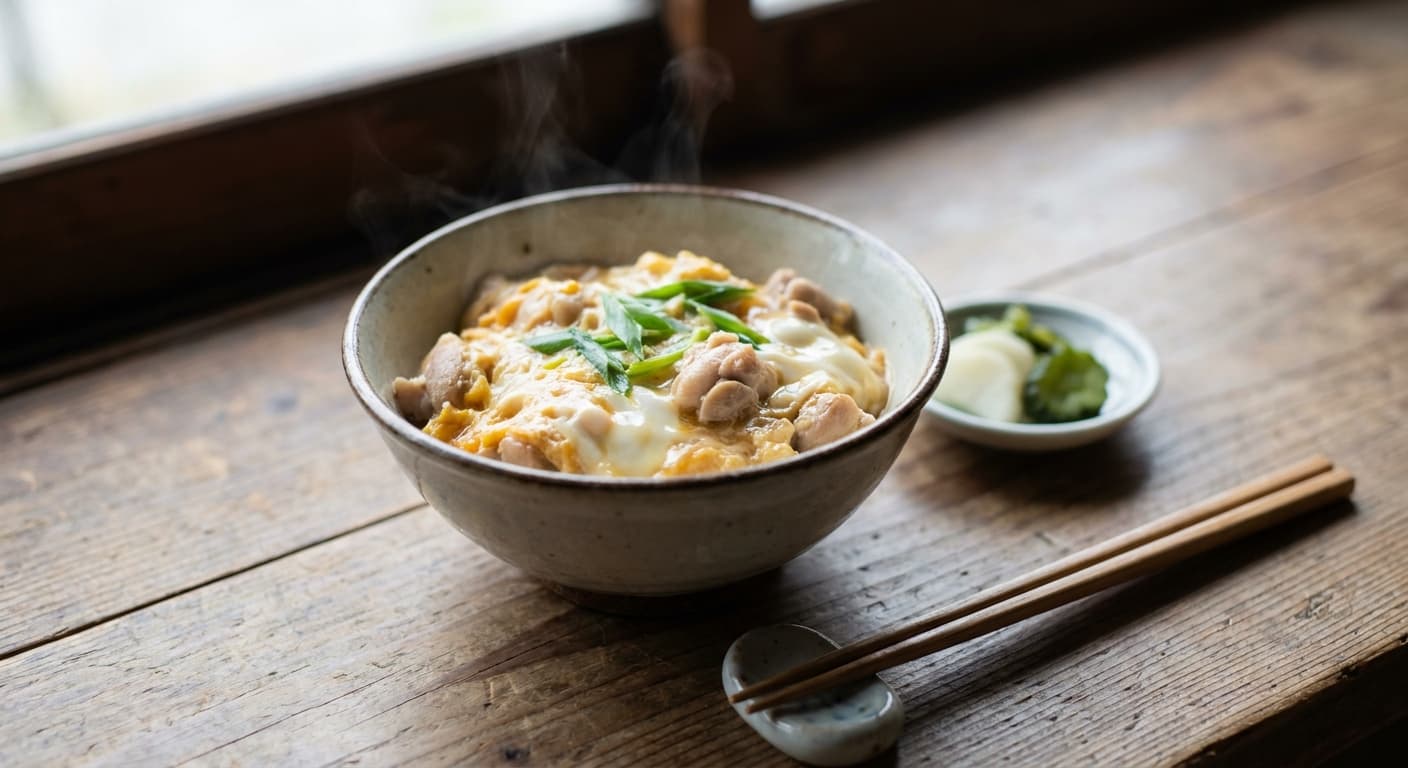
Japanese Oyakodon (親子丼) — Chicken and Egg Rice Bowl
Japanese · Rice Dishes · 29 min
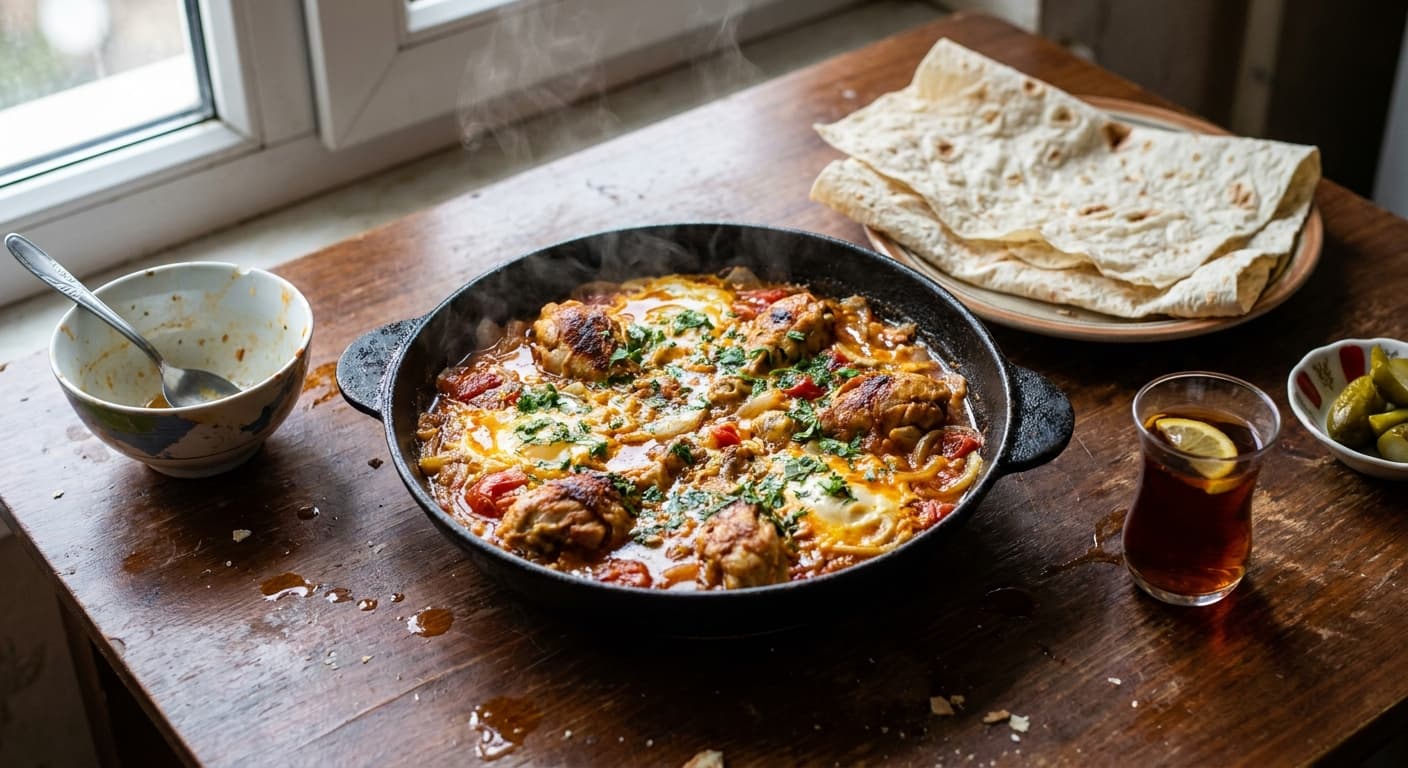
Chicken Chygyrtma (Toyuq Çığırtması) — Azerbaijani Chicken with Eggs and Tomatoes
Azerbaijani · Main Courses · 65 min
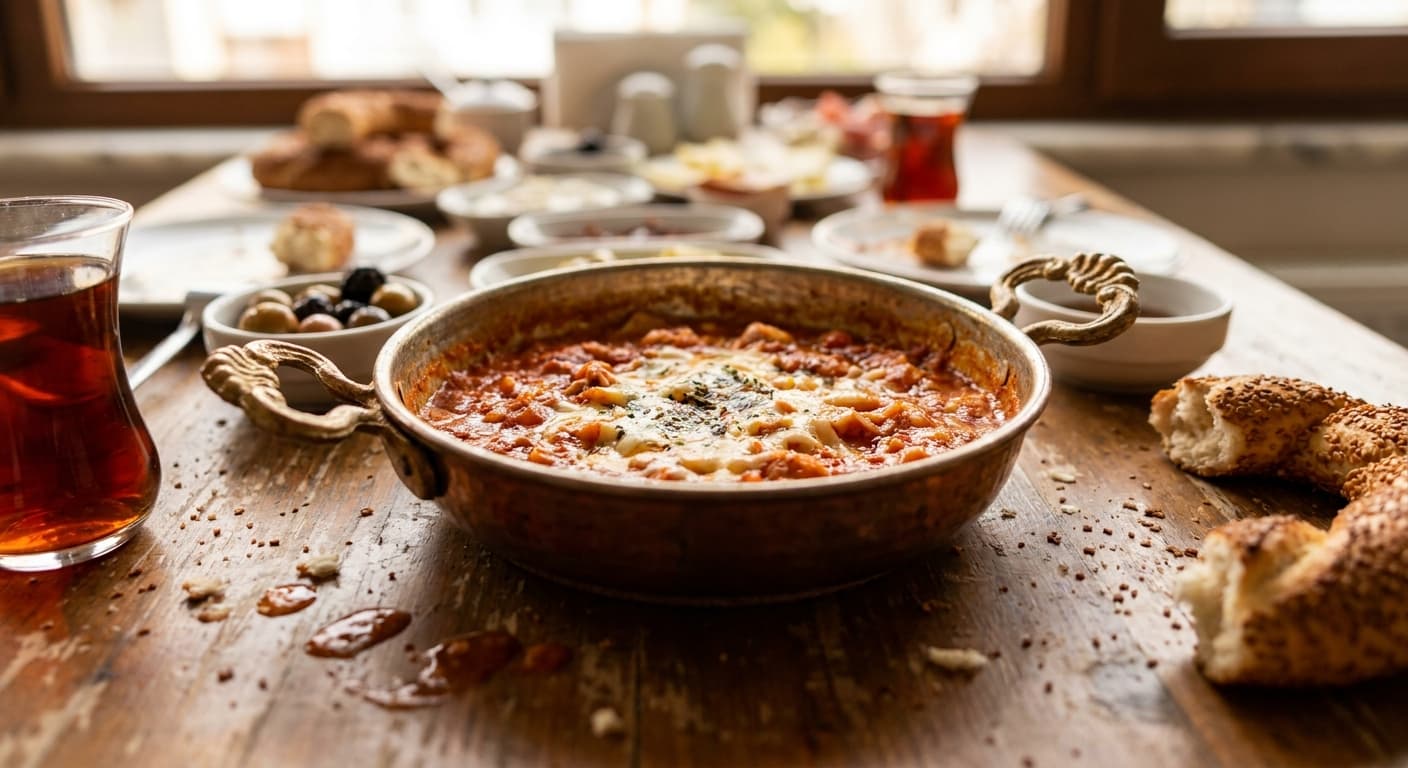
Turkish Menemen (Menemen) — Soft Eggs with Tomatoes and Peppers
Turkish · Main Courses · 37 min
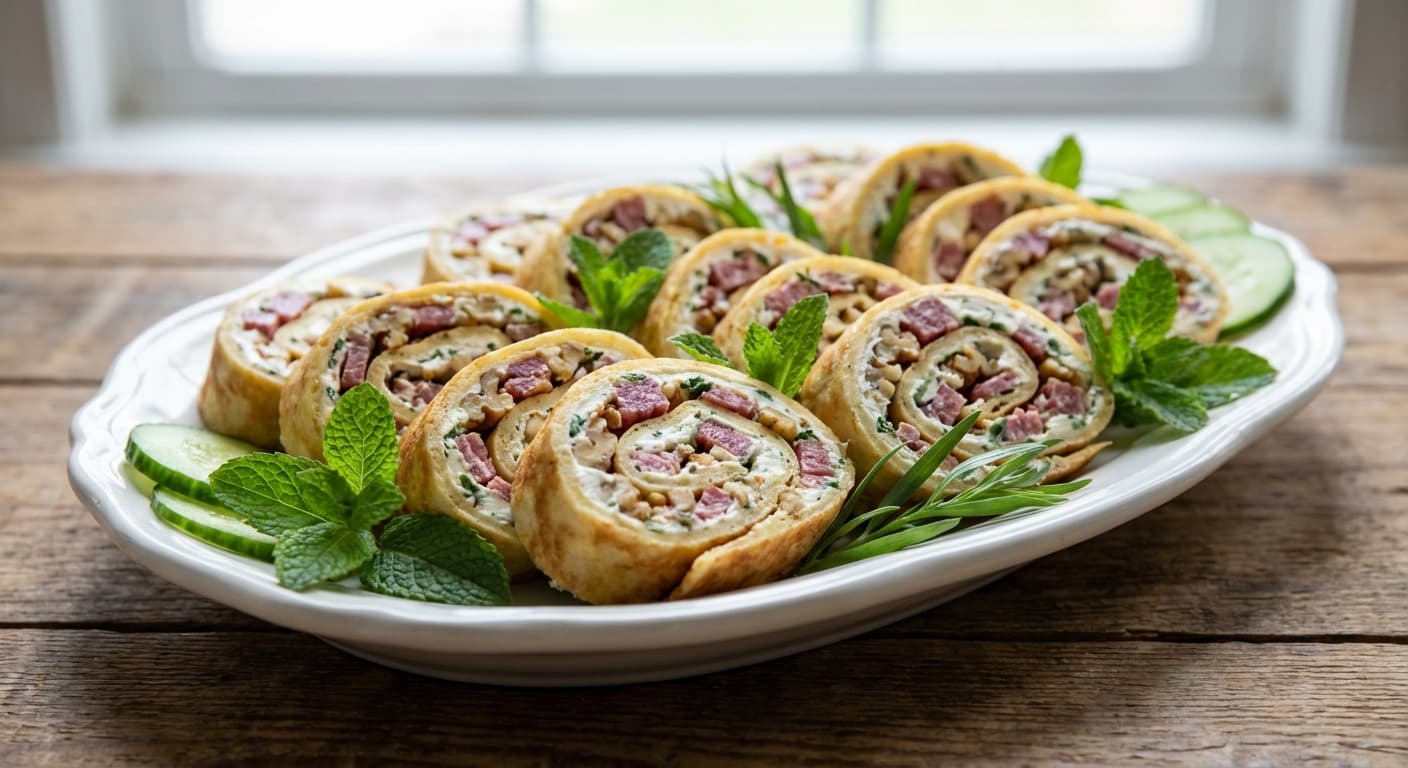
Roulat Panir (رولت پنیر) — Persian Savory Cheese & Walnut Crepe Rolls
Persian · Appetizers · 80 min
Reviews
Cooked this recipe?
Tap the stars to rate it — that's all it takes. A few words are welcome but optional.
No ratings yet. Cooked this one? Be the first to rate it — it takes one tap.