Polo va Sabzijat (پلو و سبزیجات) — Persian Saffron Vegetable Rice
Polo va Sabzijat is a fragrant Iranian-style rice dish where basmati is steamed until fluffy, then finished with saffron and colorful vegetables. It’s commonly served as a family-style main or side alongside kebabs, stews, or yogurt.
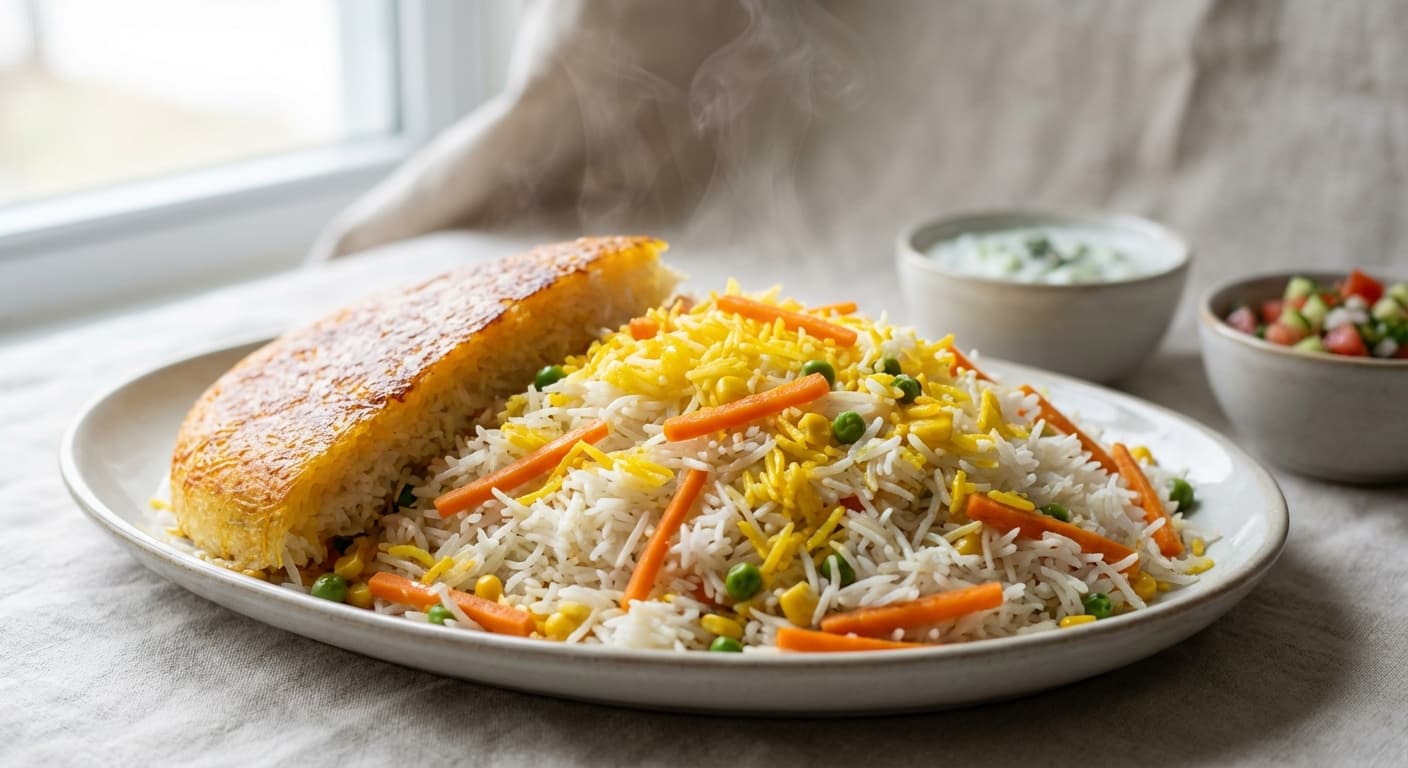
Printable Recipe Card
Servings: 6 · Total: 75 min · Difficulty: medium
Ingredients (quick list)
- 450 g Basmati rice (long-grain) (Rinsed until water runs mostly clear)
- 2000 ml Water (For parboiling)
- 12 g Salt (For parboiling water)
- 0.25 tsp Saffron threads (Crushed finely)
- 60 ml Hot water (To bloom the saffron)
- 30 g Unsalted butter (For aroma and richness)
- 30 ml Vegetable oil (For crisp bottom crust)
- 120 g Plain yogurt (For yogurt tahdig (optional but traditional))
- 1 Egg yolk (Helps bind yogurt tahdig)
- 1 tsp Ground turmeric (For color and warmth)
- 200 g Carrots (Cut into thin matchsticks or small dice)
- 200 g Sweet corn kernels (Fresh or frozen (thawed))
+ 4 more in the full ingredients section below.
Steps (summary)
- Rinse the basmati rice in several changes of cold water until the water runs mostly clear. Cover the rice with fresh water and…
- Bloom the saffron by crushing the threads to a powder, then stirring in 60 ml hot water. Let it stand for at least 10 minutes s…
- In a skillet over medium heat, warm 15 ml of the vegetable oil and sauté the diced onion for 6–8 minutes until soft and lightly…
- Pour in the chicken broth and add 0.5 tsp black pepper, then bring to a gentle simmer. Cook for 6–8 minutes until the carrots a…
- Bring 2000 ml water to a rolling boil in a large pot and add 12 g salt. Drain the soaked rice, add it to the boiling water, and…
- Drain the rice in a colander and rinse quickly with 250 ml cold water to stop the cooking and remove excess surface starch. Let…
+ 6 more steps in the full instructions section below.
Cultural Background
Steamed polo with saffron is a cornerstone of Iranian home cooking, prized for its perfume and the ritual of sharing tahdig. Adding vegetables reflects seasonal abundance and the Persian tradition of balancing color, aroma, and texture at the table.
Equipment
💡 Tips
- For the longest grains, soak the rice for 20 minutes and parboil only until a firm core remains (6–8 minutes depending on brand).
- Keep the vegetable mixture mostly dry; if liquid remains, simmer 1–2 minutes longer so it doesn’t wet the rice layers.
- If you prefer a simpler crust, skip yogurt tahdig and use 30 ml oil in the pot bottom; the rice will still form a crisp tahdig.
⚠️ Common Mistakes
❌ Overboiling the rice during parboil so it breaks and turns sticky after steaming.
✅ Fix: Boil only until the outside is soft but the center is firm, then drain immediately and rinse briefly with cold water.
❌ Adding a wet vegetable mixture that makes the rice clump and steam unevenly.
✅ Fix: Simmer vegetables until most broth is absorbed and the mixture looks glossy, not runny, before layering.
❌ Burning tahdig because the heat stays too high after the crust sets.
✅ Fix: Use medium heat for 8 minutes to set, then reduce to low for the full steam; a towel-wrapped lid prevents sogginess.
🧊 How to Store
Cool leftovers within 1 hour, then refrigerate in an airtight container for up to 3 days. Reheat covered with 15 ml water in a pot over low heat for 10–12 minutes, or microwave covered in 60-second bursts; keep tahdig separate so it stays crisp.
📅 Make Ahead
Chop vegetables and bloom saffron up to 24 hours ahead and refrigerate separately. You can also cook the vegetable mixture a day ahead; rewarm it before layering so it doesn’t cool the rice and slow steaming.
🍽️ Pairs Well With
- Mast-o-khiar
- Shirazi salad
- torshi
- grilled chicken or koobideh
- pickled garlic (seer torshi).
Regional Variations
- Tehran-style: add 1 tsp ground cumin and 0.5 tsp cinnamon to the vegetable sauté for a warmer, spiced profile.
- Shiraz-style: mix in 60 g dried barberries (zereshk) sautéed in 10 g butter for a tart-sweet contrast.
- Northern Iran: replace peas with 150 g chopped dill and 100 g fava beans for a herb-forward, springtime polo.
Ingredients
- 450 gBasmati rice (long-grain) (Rinsed until water runs mostly clear)
- 2000 mlWater (For parboiling)
- 12 gSalt (For parboiling water)
- 0.25 tspSaffron threads (Crushed finely)
- 60 mlHot water (To bloom the saffron)
- 30 gUnsalted butter (For aroma and richness)
- 30 mlVegetable oil (For crisp bottom crust)
- 120 gPlain yogurt (For yogurt tahdig (optional but traditional))
- 1Egg yolk (Helps bind yogurt tahdig)
- 1 tspGround turmeric (For color and warmth)
- 200 gCarrots (Cut into thin matchsticks or small dice)
- 200 gSweet corn kernels (Fresh or frozen (thawed))
- 150 gGreen peas (Fresh or frozen (thawed))
- 150 gYellow onion (Finely diced)
- 360 mlChicken broth (Low-sodium preferred)
- 0.5 tspBlack pepper (Freshly ground)
🔄 Substitutions
- Chicken broth→ Vegetable broth
- Sweet corn kernels→ Diced bell pepper
- Unsalted butter→ Ghee
Instructions
- 1
Rinse the basmati rice in several changes of cold water until the water runs mostly clear. Cover the rice with fresh water and let it soak for 20 minutes; this helps the grains elongate and steam up fluffy.
- 2
Bloom the saffron by crushing the threads to a powder, then stirring in 60 ml hot water. Let it stand for at least 10 minutes so the color and aroma fully develop.
- 3
In a skillet over medium heat, warm 15 ml of the vegetable oil and sauté the diced onion for 6–8 minutes until soft and lightly golden. Add the carrots and cook for 4 minutes, then add corn and peas and stir for 1 minute to coat.
- 4
Pour in the chicken broth and add 0.5 tsp black pepper, then bring to a gentle simmer. Cook for 6–8 minutes until the carrots are tender-crisp and most of the liquid is absorbed; you want the vegetables moist but not soupy.
- 5
Bring 2000 ml water to a rolling boil in a large pot and add 12 g salt. Drain the soaked rice, add it to the boiling water, and boil for 6–8 minutes until the grains are softened on the outside but still firm in the center.
- 6
Drain the rice in a colander and rinse quickly with 250 ml cold water to stop the cooking and remove excess surface starch. Let it sit for 2 minutes to drain well; excess water can make the final rice gummy.
- 7
Make the yogurt tahdig mixture by whisking yogurt, egg yolk, 15 ml vegetable oil, and 1 tsp turmeric in a bowl until smooth. Stir in 120 g of the drained rice so it becomes a thick, spoonable paste that will crisp evenly.
- 8
Heat a nonstick pot (about 24–26 cm) over medium heat for 2 minutes, then spread the tahdig mixture evenly across the bottom. Spoon in one-third of the plain rice, then scatter half the vegetable mixture; repeat once more, finishing with a top layer of rice.
- 9
Dot the top with 30 g butter and drizzle about two-thirds of the bloomed saffron water over the rice. Use the handle of a spoon to poke 5–6 holes down through the rice to help steam circulate evenly.
- 10
Wrap the lid in a clean kitchen towel and cover the pot to catch condensation, then cook on medium heat for 8 minutes to set the crust. Reduce heat to low and steam for 35 minutes; the rice should be aromatic and fully tender.
- 11
Turn off the heat and rest the pot, covered, for 10 minutes so the steam redistributes and the grains stay separate. Spoon 2–3 tablespoons of rice into a bowl, mix with the remaining saffron water, and use it as a golden garnish.
- 12
To unmold, run a thin spatula around the pot edge and place a serving platter on top, then flip confidently in one motion. Serve the saffron-tinted rice on top and break the tahdig into pieces at the table for sharing.
🪪 Recipe Passport
Cultural Background
Steamed polo with saffron is a cornerstone of Iranian home cooking, prized for its perfume and the ritual of sharing tahdig. Adding vegetables reflects seasonal abundance and the Persian tradition of balancing color, aroma, and texture at the table.
Regional Variations
Researched from multiple sources and validated by the Zaffaron editorial team. Every recipe is tested for accuracy, measurements, and cultural authenticity.
Nutrition per serving
Pairs well with
If you enjoyed this recipe, here are a few related Zaffaron recipes to try next.
- Rolat Morgh va Goosht (رولت مرغ و گوشت) — Persian Chicken and Beef Roulade
- Polow Topi (پلو توپی) — Saffron & Herb-Stuffed Persian Rice Balls
- Qarch ba Kerm (قارچ با کرم) — Creamy Mushroom Gratin
- Reshteh Polo ba Lobia Cheshm-Bolboli (رشتهپلو با لوبیا چشمبلبلی) — | Persian Noodle Rice with Black-Eyed Peas
Does your family make this differently?
Every family has their own version. Maybe your grandmother adds a secret ingredient, or your aunt has a completely different technique. Preserve your family's version — with their name on it, forever.
You Might Also Like

Persian-Style Pizza-Chips (خوراک چیپس و پنیر) — Street-Food Chip Bake with Chicken and Mozzarella
Persian · Main Courses · 45 min
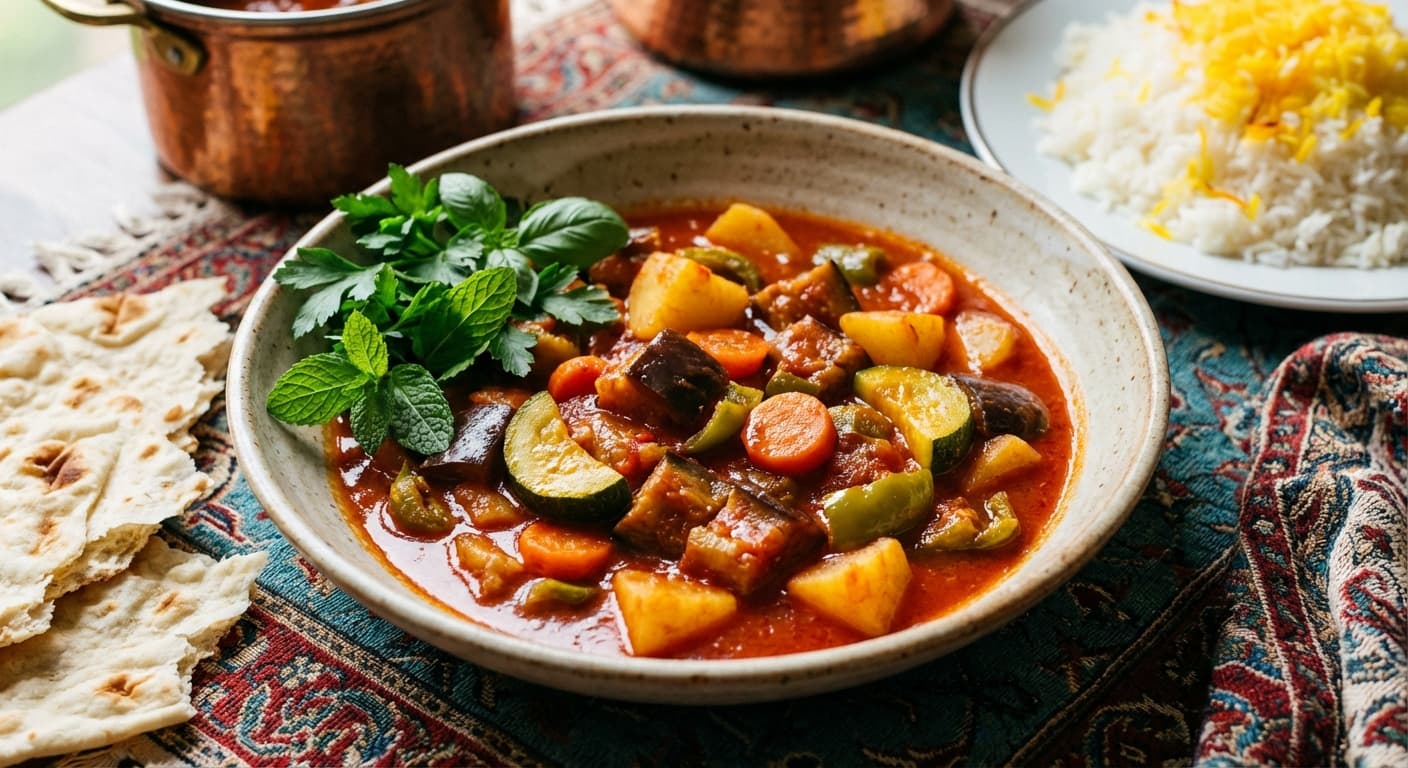
Yatimcheh (یتیمچه) — Persian Slow-Cooked Summer Vegetable Stew
Persian · Stews · 100 min
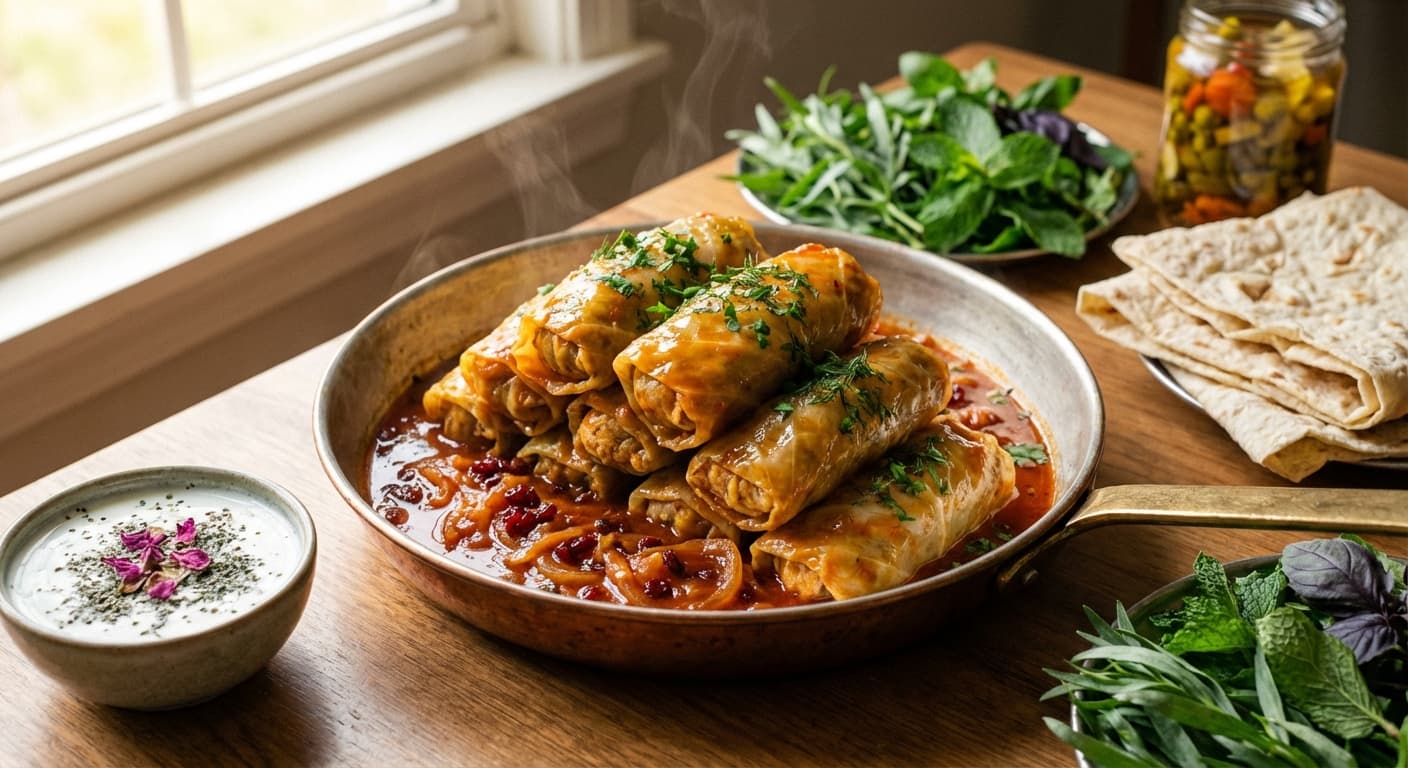
Chicken Stuffed Cabbage Rolls (دلمه کلم با مرغ) — Herb-Scented Persian Dolmeh in Tomato Saffron Sauce
Persian · Main Courses · 90 min
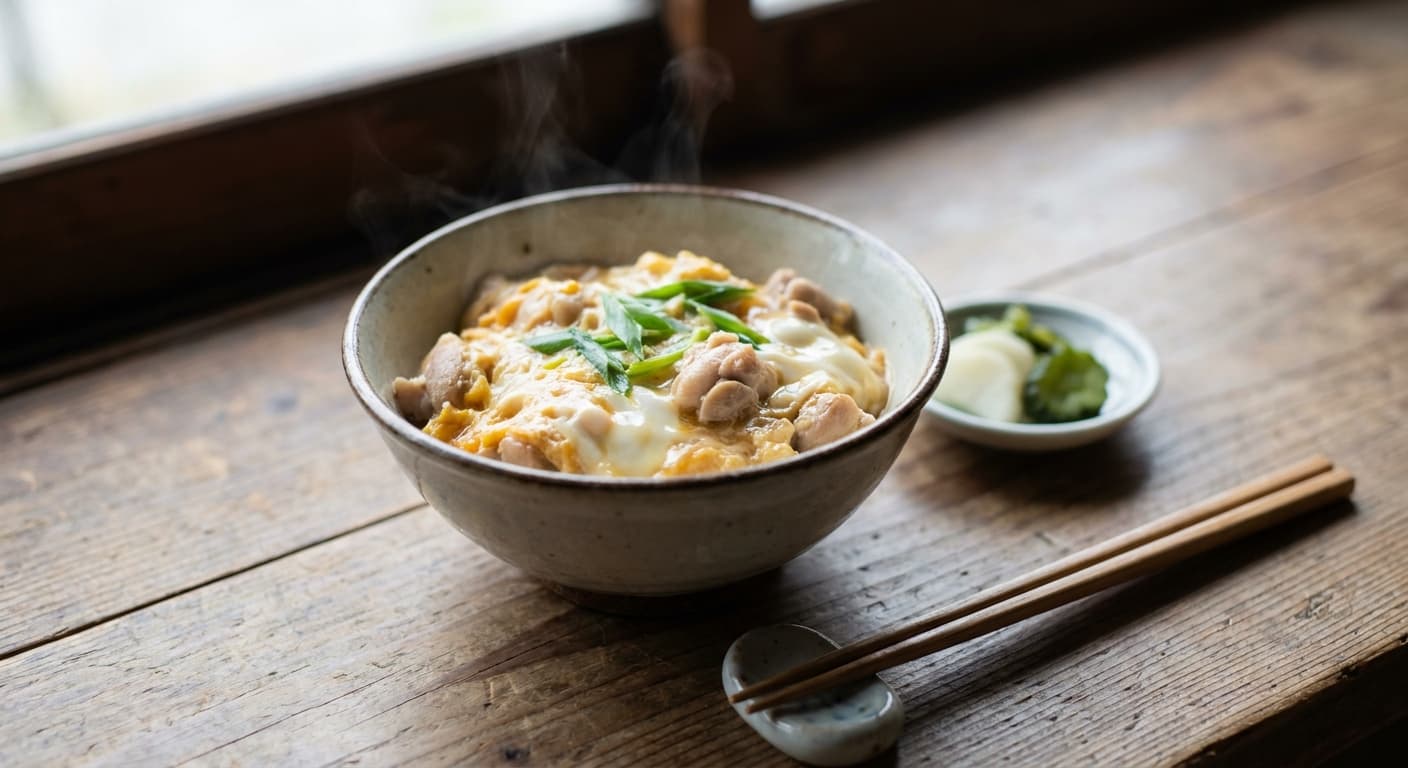
Japanese Oyakodon (親子丼) — Chicken and Egg Rice Bowl
Japanese · Rice Dishes · 29 min
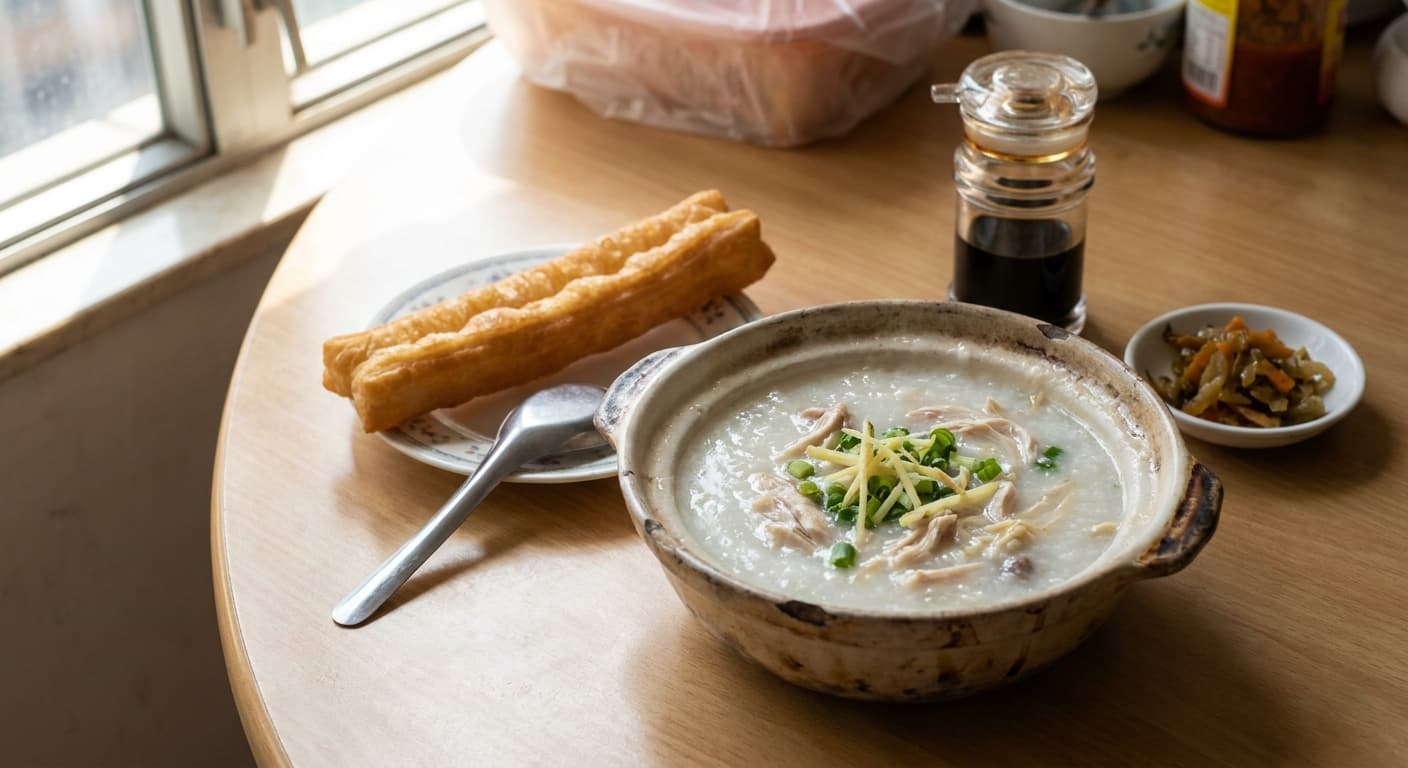
Cantonese Chicken Congee (粵式雞粥) — Silky Rice Porridge with Ginger
Chinese · Rice Dishes · 95 min
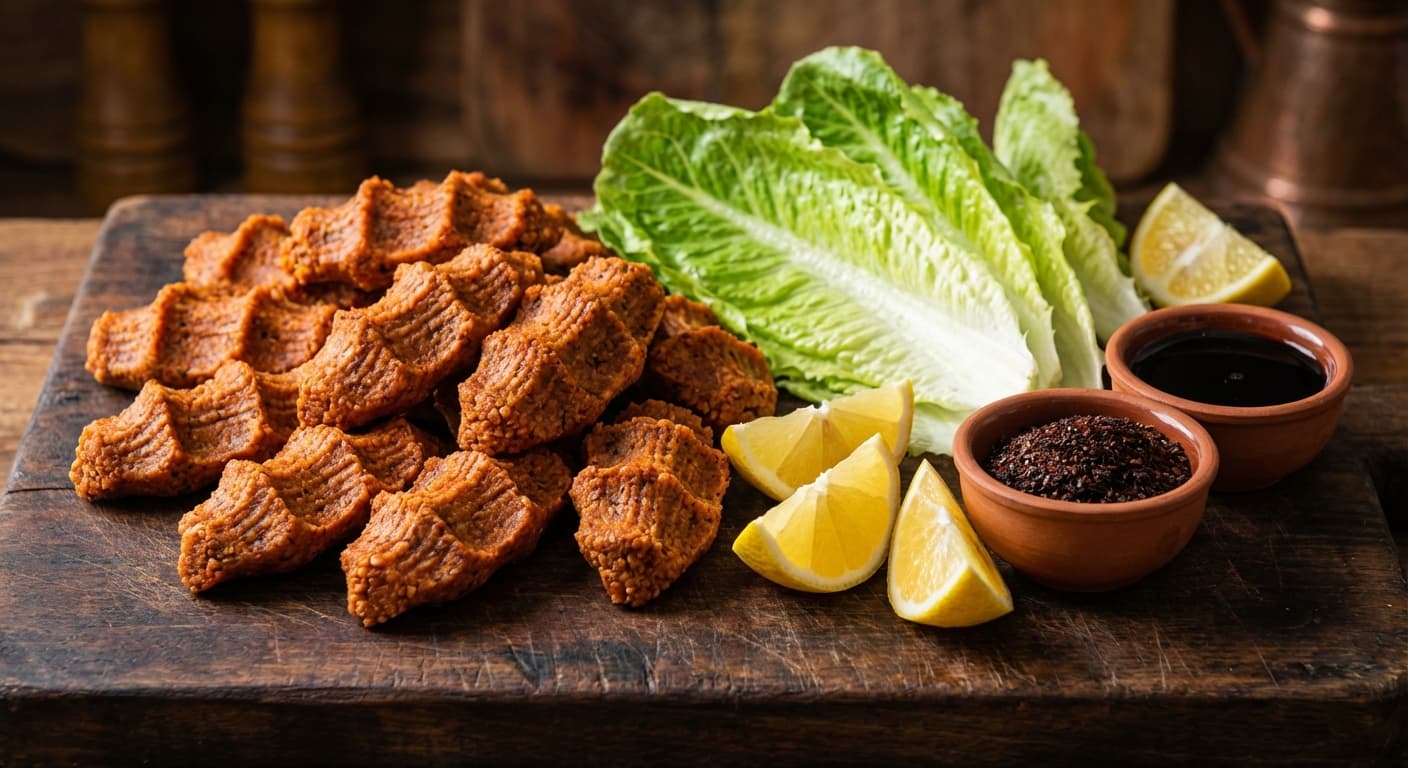
Cig Kofte (Çiğ Köfte) — Isot-kissed bulgur kneaded and served in lettuce
Turkish · Appetizers · 25 min
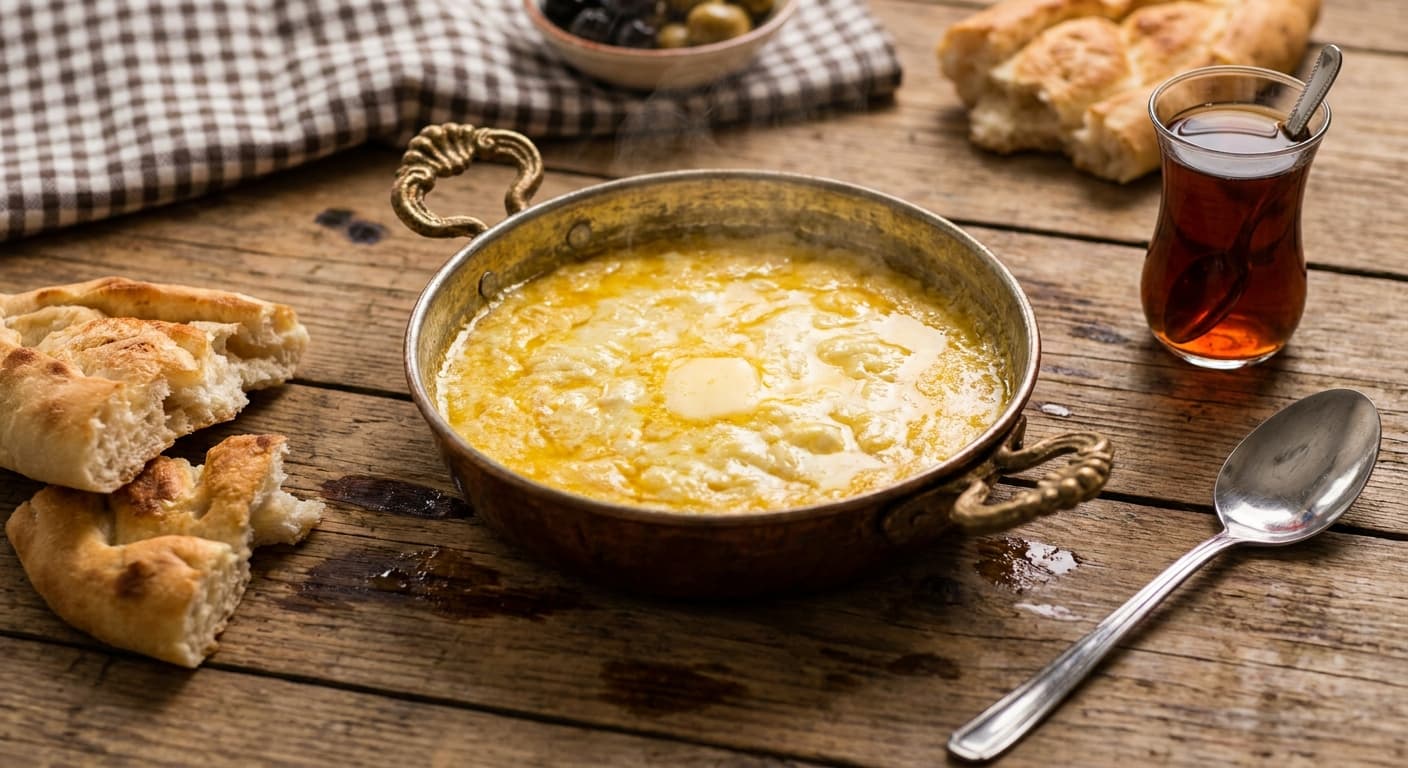
Mıhlama (Mıhlama) — Black Sea Cornmeal and Cheese Skillet
Turkish · Main Courses · 25 min
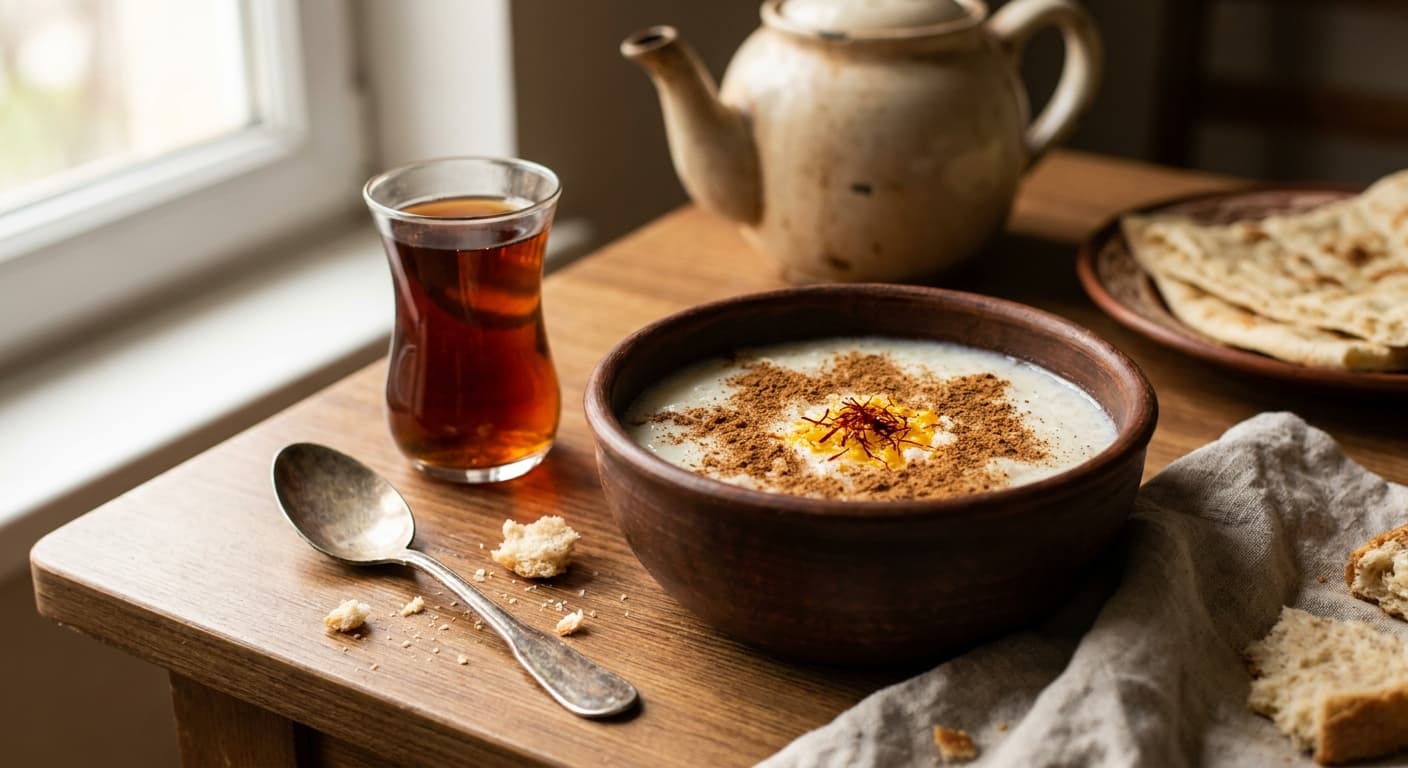
Azerbaijani Milk Rice Porridge (Südlü Sıyıq) — Creamy Breakfast Bowl
Azerbaijani · Rice Dishes · 40 min
Reviews
Cooked this recipe?
Tap the stars to rate it — that's all it takes. A few words are welcome but optional.
No ratings yet. Cooked this one? Be the first to rate it — it takes one tap.