Estamboli Polo with Lamb (استانبولی پلو با گوشت)
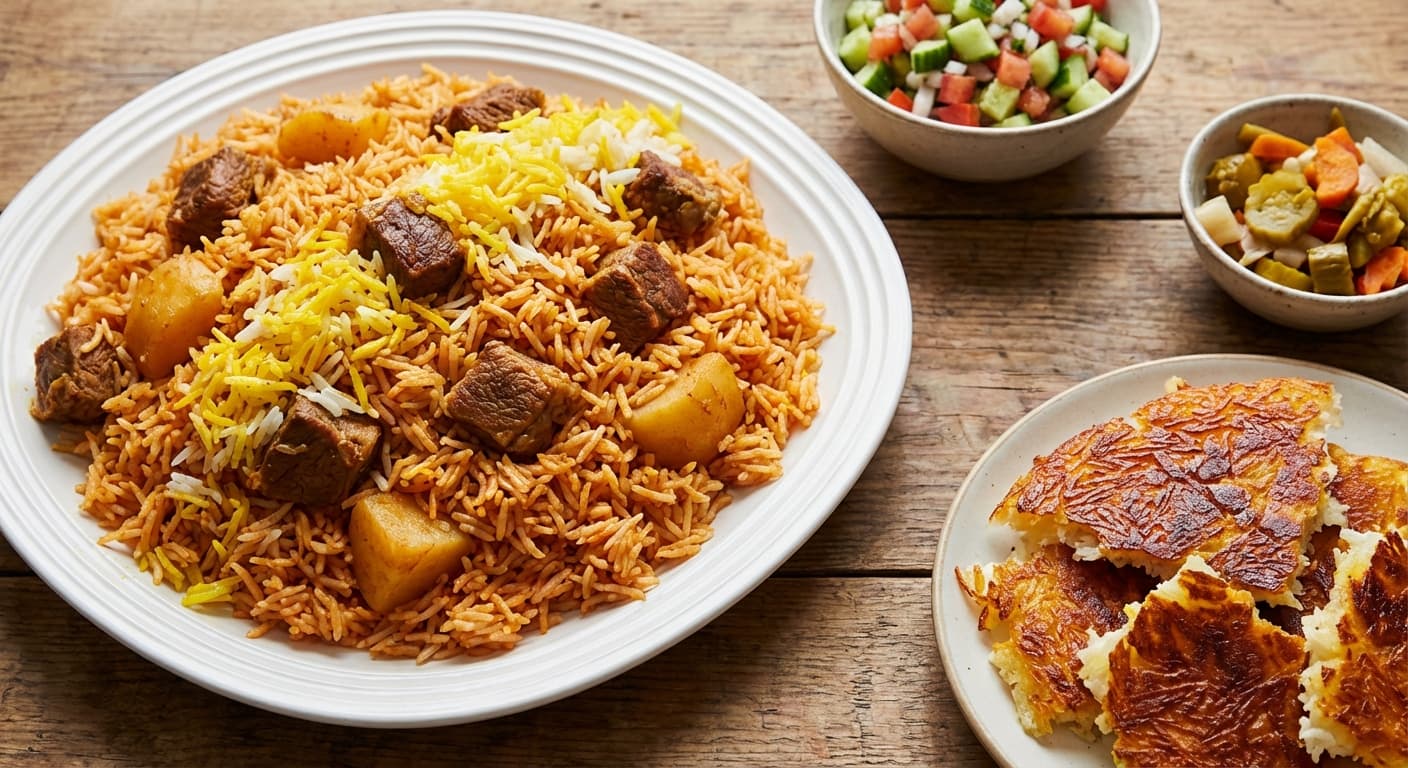
A beloved Iranian tomato rice layered with tender lamb, potatoes, and warm spices. This Estamboli Polo uses the classic Persian parboil-and-dam method for fluffy grains, bright tomato flavor, and a golden tahdig.
Printable Recipe Card
Servings: 6 · Total: 125 min · Difficulty: medium
Ingredients (quick list)
- 450 g Basmati rice (rinsed until water runs mostly clear)
- 2500 g Water (for boiling rice (plus more as needed); also Lamb Stew Base: 600 g)
- 18 g Fine sea salt (for salting rice water and seasoning)
- 600 g Lamb shoulder, boneless (cut into 3 cm cubes)
- 220 g Yellow onion (finely diced)
- 45 g Neutral oil (such as grapeseed or sunflower; also Vegetables: 25 g; also Aromatics & Tahdig: 20 g)
- 3 g Ground turmeric
- 2 g Ground black pepper
- 70 g Tomato paste (about 4 tbsp)
- 400 g Canned crushed tomatoes
- 1 g Ground cinnamon (optional but traditional in many homes)
- 1 g Dried lime powder (limoo amani powder) (optional; adds gentle tang)
+ 4 more in the full ingredients section below.
Steps (summary)
- Rinse the basmati rice 5–6 times until the water runs mostly clear. Cover with cool water and dissolve 10 g of the salt into th…
- Heat a heavy pot over medium-high for 2 minutes. Add 45 g oil and the diced onion; sauté 8–10 minutes until deeply golden. Add…
- Add tomato paste and cook 2–3 minutes, stirring constantly, until it darkens slightly and smells sweet (this removes raw paste…
- While lamb simmers, heat 25 g oil in a skillet over medium. Add cubed potatoes and sauté 10–12 minutes, stirring every 2 minute…
- Bring 2500 g water to a rolling boil in a large pot. Drain the soaked rice. Add the rice to boiling water and cook 6–8 minutes,…
- Uncover the lamb; you should have a thick sauce, not a watery stew. If needed, simmer uncovered 5–10 minutes to reduce until yo…
+ 4 more steps in the full instructions section below.
Cultural Background
Estamboli Polo is a nostalgic Iranian home dish often cooked as an economical, comforting rice for family lunches and casual gatherings. Its tomato-red color and simple pantry ingredients make it a weeknight staple, commonly finished with tahdig and served with salad and torshi.
Equipment
💡 Tips
- For brighter tomato flavor, cook the tomato paste until it darkens one shade before adding crushed tomatoes.
- If your lamb is older/tough, extend the simmer to 80–90 minutes and add 100 g extra water as needed to prevent scorching.
- A nonstick pot makes tahdig release easier; with stainless steel, keep heat very low during dam and rest 10 minutes before unmolding.
⚠️ Common Mistakes
❌ Skipping the tomato paste frying step
💡 Why: Uncooked paste tastes raw and metallic, dulling the overall flavor.
✅ Fix: Cook paste in oil with onions for 2–3 minutes until it darkens slightly and smells sweet before adding tomatoes and water.
❌ Overboiling the rice during parboil
💡 Why: Fully cooked rice turns mushy after the final dam steaming and loses distinct grains.
✅ Fix: Boil only until the outside is soft and the center is still firm (6–8 minutes), then drain immediately.
❌ Leaving too much liquid in the lamb-tomato mixture
💡 Why: Excess sauce makes the layered rice wet and can prevent proper steaming, leading to clumping and soggy tahdig.
✅ Fix: Reduce uncovered 5–10 minutes until thick and coating, aiming for about 250–300 g sauce remaining before layering.
🧊 How to Store
Cool leftovers within 2 hours. Refrigerate airtight up to 3 days. Reheat in a covered pan with 2–3 tbsp water on low 10–12 minutes, or microwave covered. Tahdig softens in storage; re-crisp in a lightly oiled skillet over medium-low 4–6 minutes.
📅 Make Ahead
Cook the lamb-tomato mixture up to 2 days ahead and refrigerate; skim any solidified fat before using. On cooking day, warm the mixture to a gentle simmer before layering with freshly parboiled rice. Rice soaking can be done 30–60 minutes ahead; do not parboil rice in advance for best texture.
🍽️ Pairs Well With
- Serve with Shirazi salad
- torshi (pickles)
- plain yogurt or mast-o-khiar
- and fresh herbs (sabzi khordan). A wedge of lemon or a spoon of pickled garlic (seer torshi) complements the tomato-lamb richness.
Regional Variations
- Tehran (Urban/Home Style)Often made with small cubes of potato and sometimes green beans (lobia sabz) added to the tomato base; the flavor is more tomato-forward, and the rice is commonly layered to create a pronounced tahdig.
- Shiraz & Fars (Fars Province)Some households add a little advieh-e polo and a bit more cinnamon, giving it a warmer aroma; it may be cooked more like dam-pokht (mixed together rather than in distinct layers), resulting in a more evenly red rice.
Ingredients
- 450 gBasmati rice (rinsed until water runs mostly clear)
- 2500 gWater (for boiling rice (plus more as needed); also Lamb Stew Base: 600 g)
- 18 gFine sea salt (for salting rice water and seasoning)
- 600 gLamb shoulder, boneless (cut into 3 cm cubes)
- 220 gYellow onion (finely diced)
- 45 gNeutral oil (such as grapeseed or sunflower; also Vegetables: 25 g; also Aromatics & Tahdig: 20 g)
- 3 gGround turmeric
- 2 gGround black pepper
- 70 gTomato paste (about 4 tbsp)
- 400 gCanned crushed tomatoes
- 1 gGround cinnamon (optional but traditional in many homes)
- 1 gDried lime powder (limoo amani powder) (optional; adds gentle tang)
- 350 gPotatoes (peeled and cut into 1.5 cm cubes)
- 30 gBrewed saffron water (from 0.15 g saffron steeped in 30 g hot water)
- 120 gPlain yogurt (full-fat preferred, for yogurt tahdig)
- 18 gEgg yolk (from 1 large egg; for sturdier tahdig)
🔄 Substitutions
- Lamb shoulder, boneless→ Beef chuck, boneless (600 g)
- Plain yogurt + egg yolk (tahdig)→ Thinly sliced potato tahdig (250 g potatoes, 20 g oil, 10 g saffron water)
- Canned crushed tomatoes (400 g)→ Fresh grated tomatoes (500 g)
Instructions
- 1
Rinse the basmati rice 5–6 times until the water runs mostly clear. Cover with cool water and dissolve 10 g of the salt into the bowl; soak 30 minutes at room temperature. Soaking lengthens grains and helps them cook evenly during parboil, reducing breakage and preventing a gummy texture.
- 2
Heat a heavy pot over medium-high for 2 minutes. Add 45 g oil and the diced onion; sauté 8–10 minutes until deeply golden. Add turmeric and black pepper and stir 30 seconds. Add lamb cubes and sear 6–8 minutes, turning, until most sides lose raw color and light browning forms.
- 3
Add tomato paste and cook 2–3 minutes, stirring constantly, until it darkens slightly and smells sweet (this removes raw paste taste). Stir in crushed tomatoes, 600 g water, remaining 8 g salt, cinnamon, and dried lime powder. Bring to a boil, then cover and simmer on low 55–65 minutes until lamb is tender.
- 4
While lamb simmers, heat 25 g oil in a skillet over medium. Add cubed potatoes and sauté 10–12 minutes, stirring every 2 minutes, until edges turn light golden and the cubes are mostly cooked through. Transfer to a plate. This prevents potatoes from turning mushy during the final steaming (dam).
- 5
Bring 2500 g water to a rolling boil in a large pot. Drain the soaked rice. Add the rice to boiling water and cook 6–8 minutes, stirring gently twice to prevent sticking, until grains are elongated and soft on the outside but still firm in the center. Drain immediately and rinse quickly with 200 g warm water.
- 6
Uncover the lamb; you should have a thick sauce, not a watery stew. If needed, simmer uncovered 5–10 minutes to reduce until you have about 250–300 g sauce left coating the meat. Fold in the sautéed potatoes and cook 2 minutes. Taste and adjust salt; the mixture should be boldly seasoned for rice.
- 7
In a bowl, mix yogurt, egg yolk, 10 g oil (taken from the 20 g), and 10 g saffron water. Add 120 g of the drained rice and stir until coated. Heat the remaining 10 g oil in a nonstick or heavy pot over medium for 1 minute, then spread the yogurt-rice mixture evenly to form the tahdig base.
- 8
Layer the remaining rice and the lamb-potato tomato mixture: add one-third of rice, then half the lamb mixture, repeating and finishing with rice on top. Drizzle the remaining 20 g saffron water over the surface. Using a chopstick or spoon handle, poke 5–6 holes to the bottom to vent steam and prevent sogginess.
- 9
Cover the lid with a clean kitchen towel and place it tightly on the pot. Steam on medium-high for 7 minutes until you see strong steam, then reduce to low and cook 45 minutes for dam. Turn off heat and rest, covered, 10 minutes to set the tahdig and let moisture redistribute.
- 10
To serve, gently fluff the top rice with a spatula to mix layers without crushing grains. For tahdig, place a serving platter over the pot and invert confidently; or loosen edges and lift pieces out. Serve immediately while the crust is crisp and the lamb remains juicy, with extra tomato-coated bits distributed throughout.
🪪 Recipe Passport
Cultural Background
Estamboli Polo is a nostalgic Iranian home dish often cooked as an economical, comforting rice for family lunches and casual gatherings. Its tomato-red color and simple pantry ingredients make it a weeknight staple, commonly finished with tahdig and served with salad and torshi.
Regional Variations
Researched from multiple sources and validated by the Zaffaron editorial team. Every recipe is tested for accuracy, measurements, and cultural authenticity.
Nutrition per serving
Pairs well with
If you enjoyed this recipe, here are a few related Zaffaron recipes to try next.
- Gheimeh Kadoo Halvai (قیمه کدو حلوایی) — Sweet Pumpkin & Legume Stew
- Gilan Garlic Green Stew (سیر قلیه گیلانی) — Sir Qalieh with split peas, eggs, and chicken
- Esteak Aabdar (استیک آبدار) — Persian-Style Juicy Pan-Seared Steak
- Felfel Polo ba Tokhm-e Morgh (فلفل پلو با تخم مرغ) — Persian Pepper Rice with Fried Eggs
Does your family make this differently?
Every family has their own version. Maybe your grandmother adds a secret ingredient, or your aunt has a completely different technique. Preserve your family's version — with their name on it, forever.
You Might Also Like
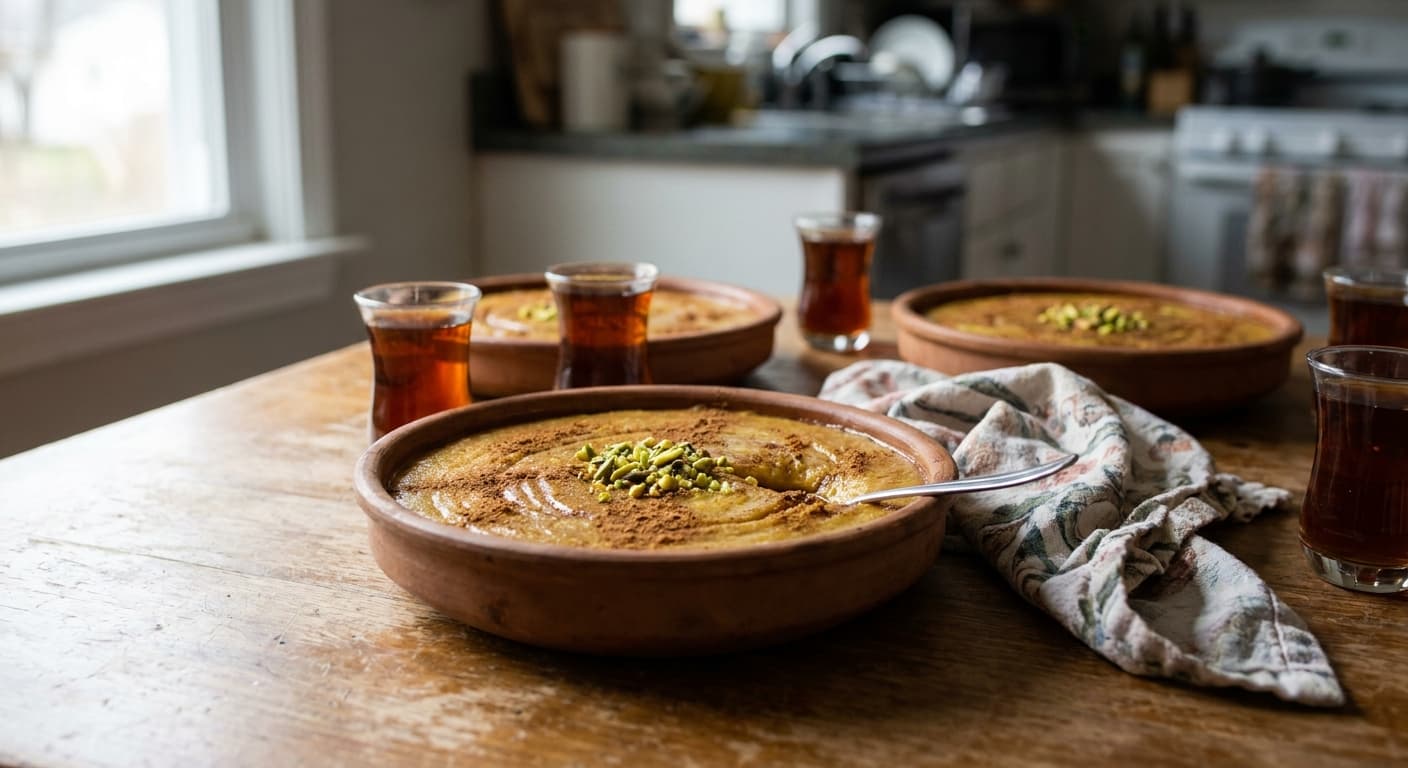
Persian Kachi (کاچی) — Saffron Rosewater Pudding
Persian · Desserts · 45 min
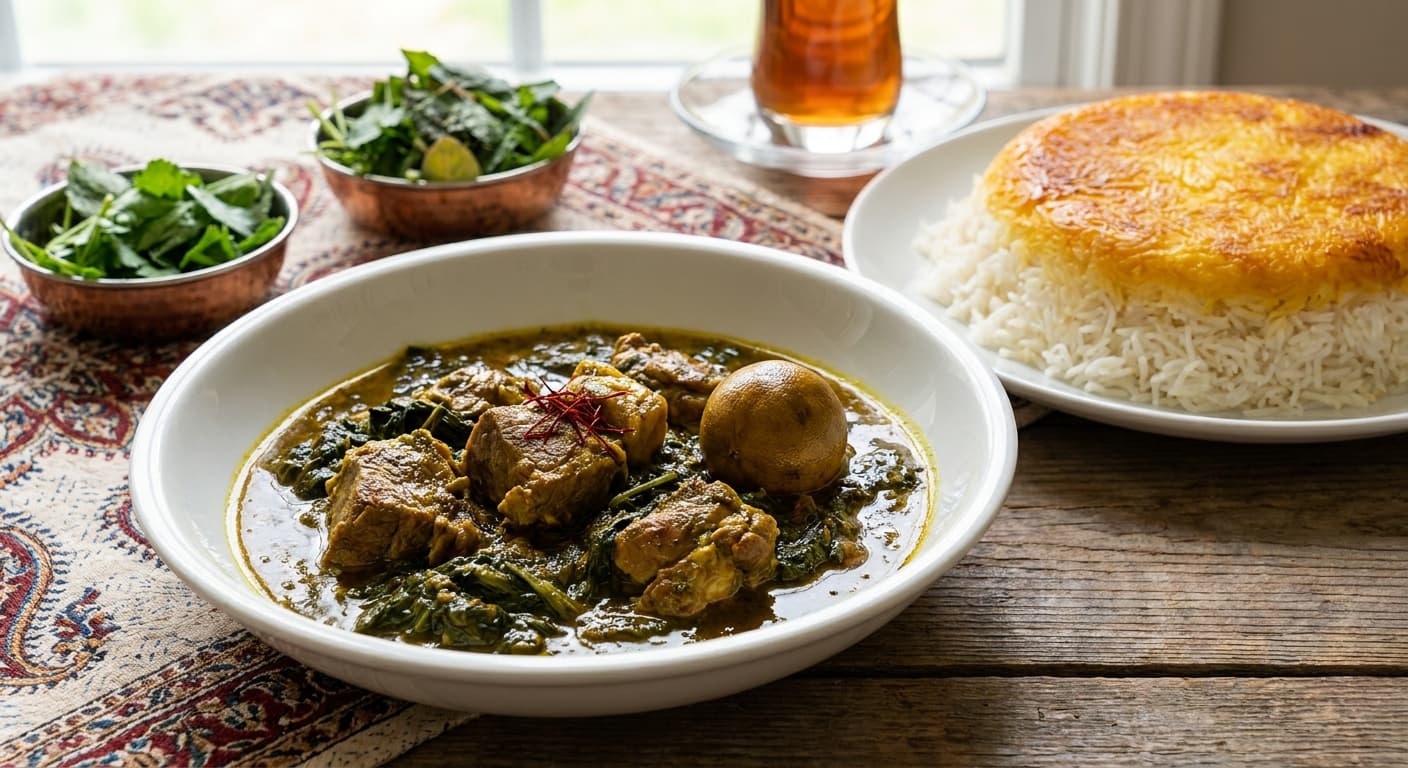
Persian Khoresht Saak (خورش ساک) — Saffron-Cardamom Lamb Stew with Saak Greens
Persian · Stews · 145 min
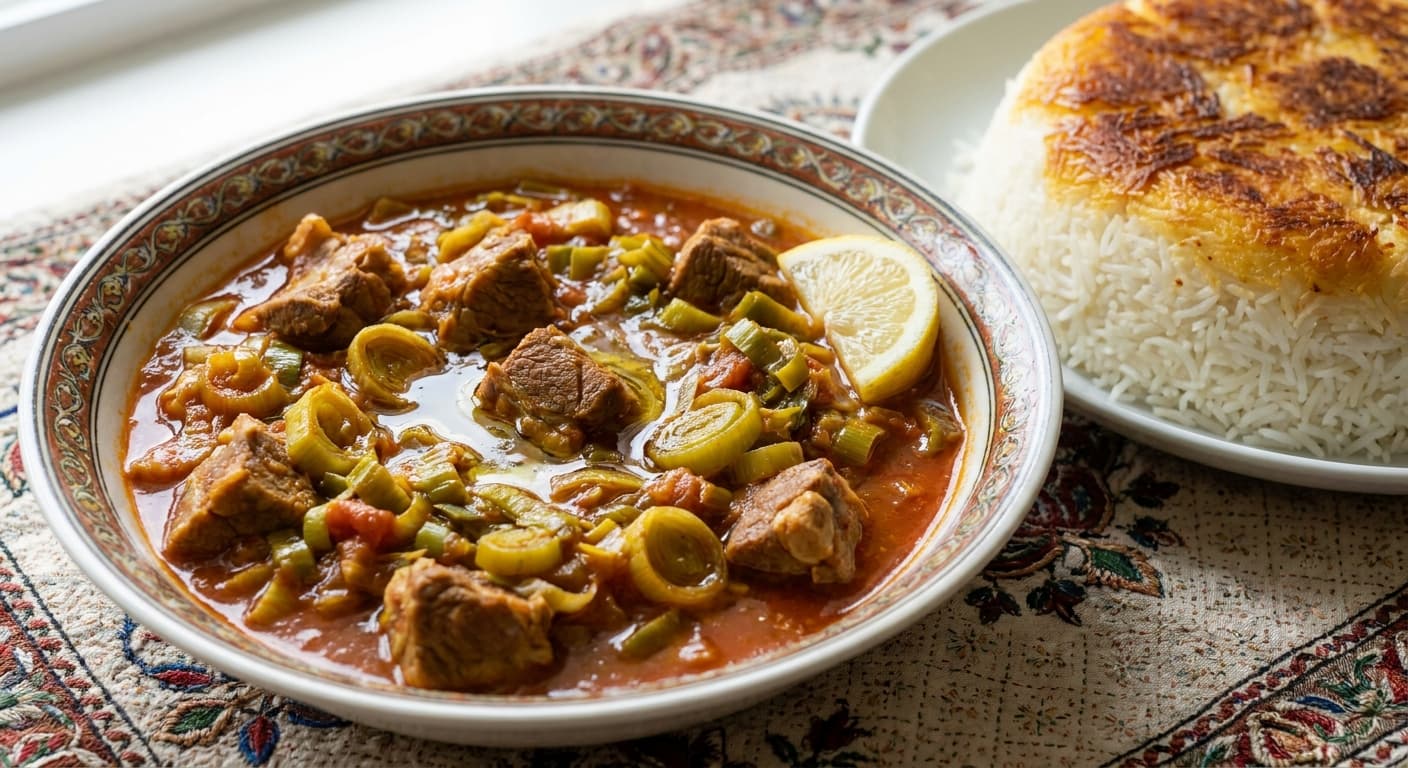
Khoresh Tareh Farangi (خورش تره فرنگی) — Persian Leek and Lamb Stew
Persian · Stews · 130 min
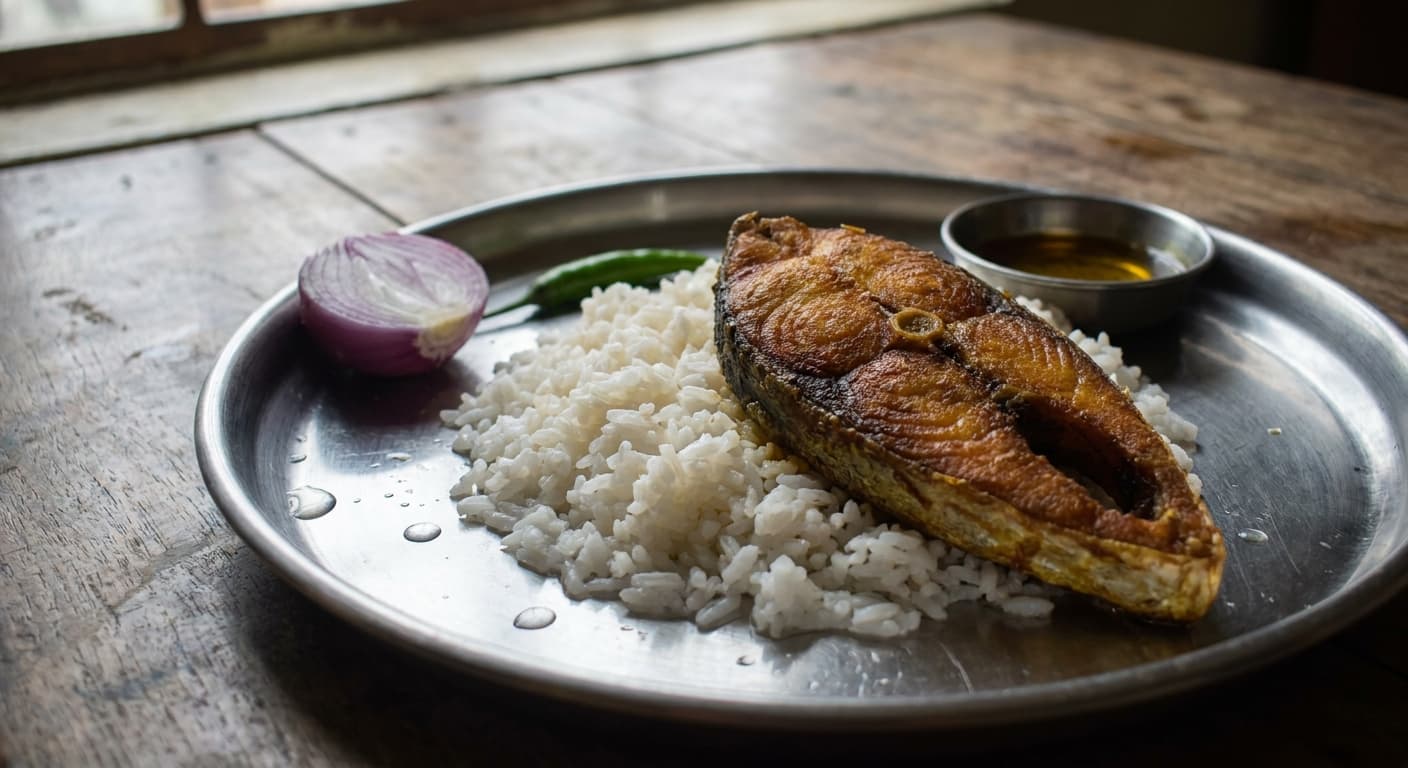
Panta Bhat (পান্তা ভাত) — Overnight Fermented Rice with Fried Ilish
Bangladeshi · Rice Dishes · 35 min
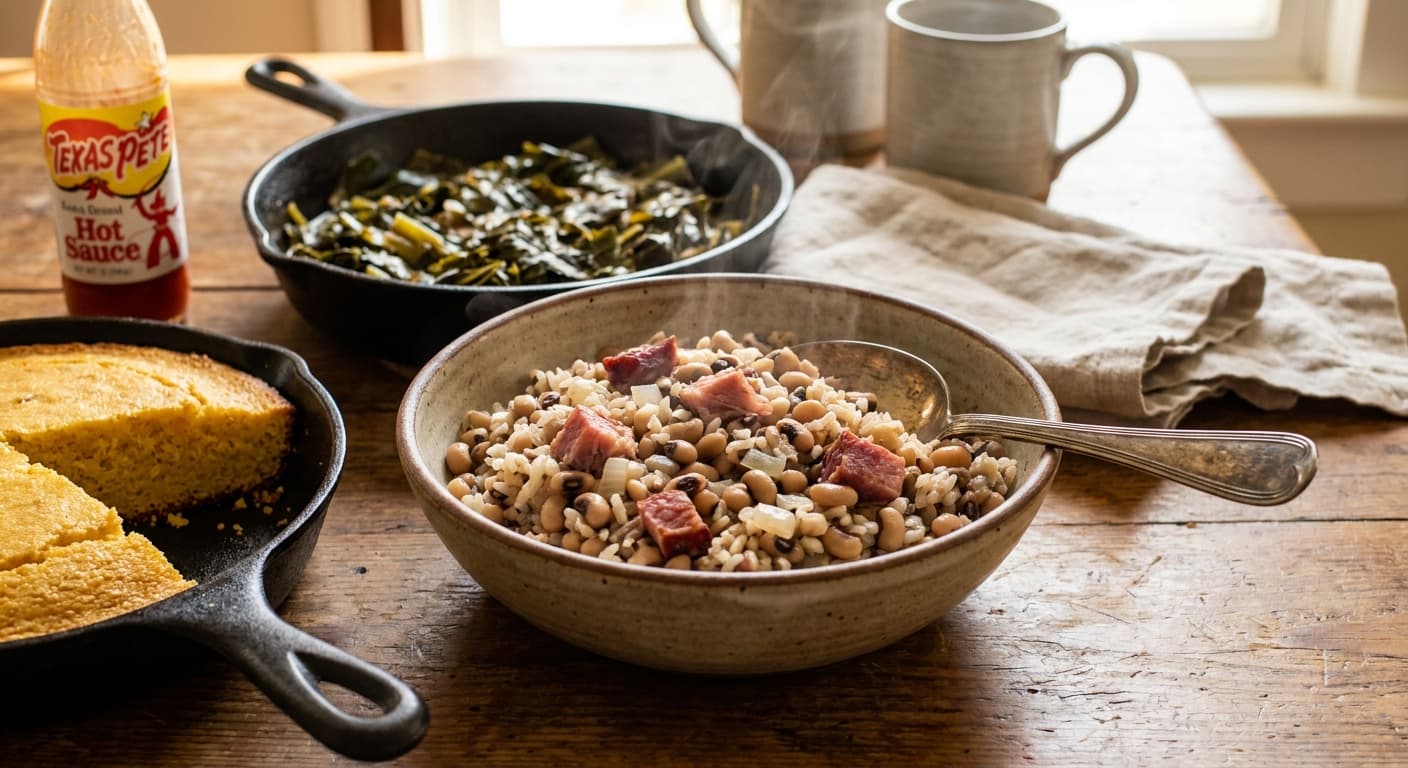
Hoppin' John (Hoppin' John) — Southern Black-Eyed Peas and Rice
American · Rice Dishes · 115 min
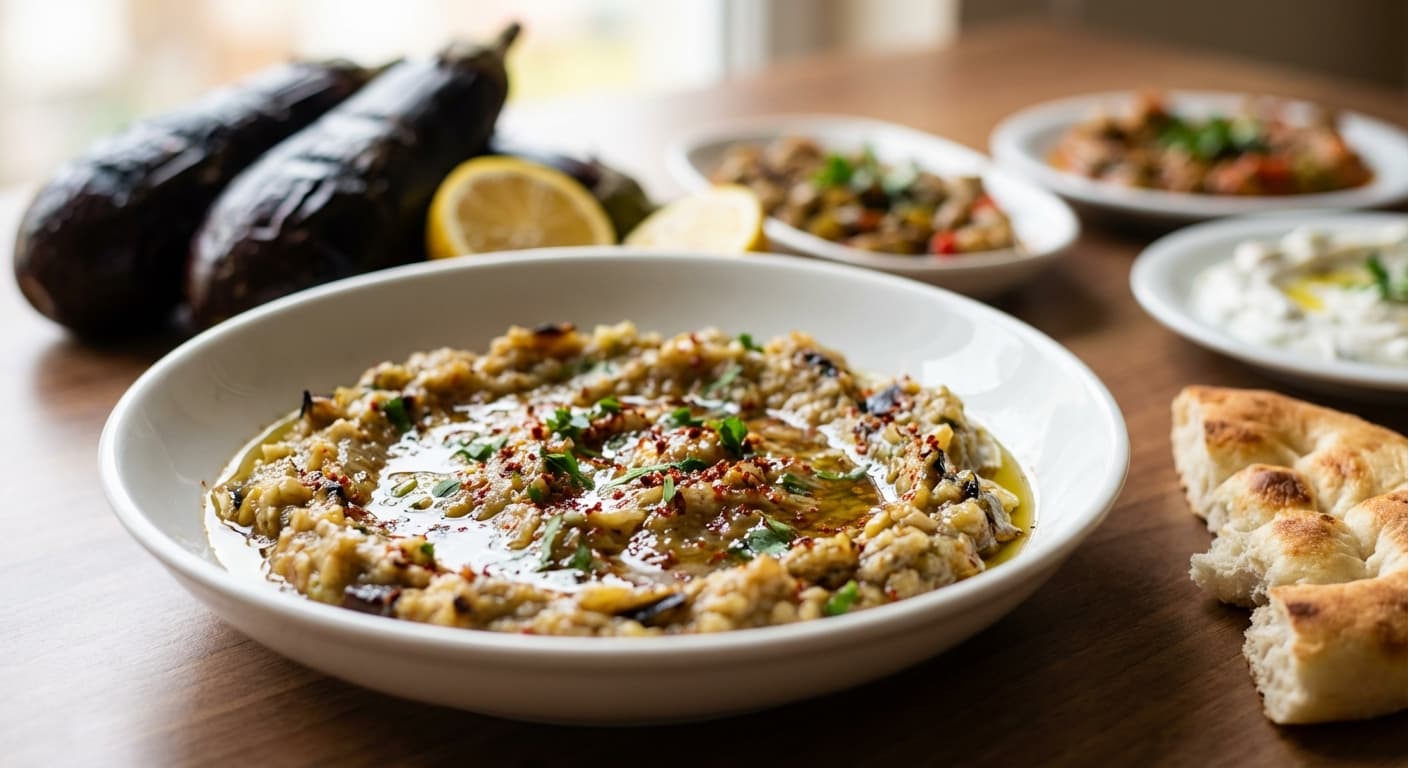
Smoky Eggplant Salad (Patlıcan Salatası) — Turkish charred eggplant with garlic and olive oil
Turkish · Salads · 40 min
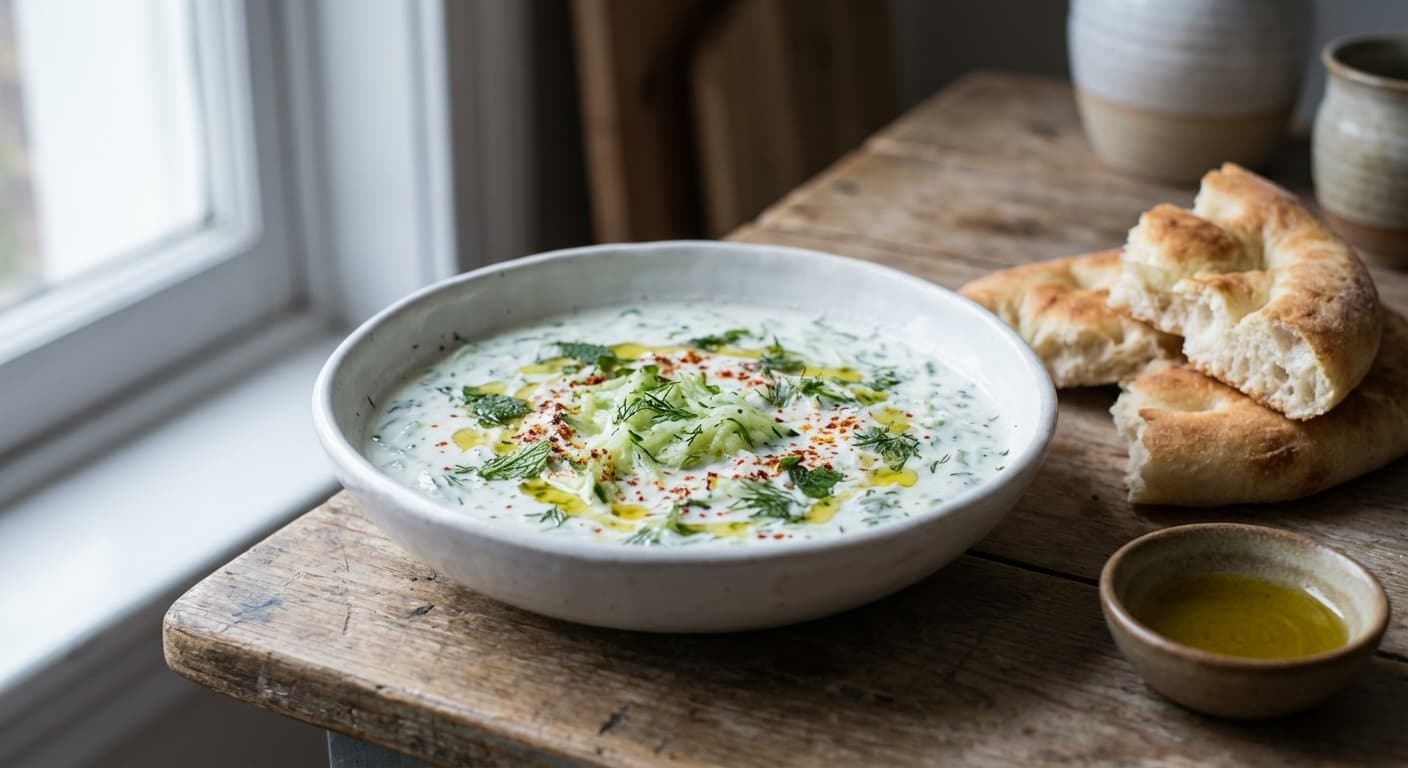
Cacık (Yoğurtlu Salatalık Mezesi) — Chilled Turkish Yogurt, Cucumber & Mint Dip
Turkish · Appetizers · 15 min
Qabili Gosht (قابلی گوشت) — Afghan Lamb and Rice Pilaf, Aromatic and Hearty
Afghan · Rice Dishes · 130 min
Reviews
Cooked this recipe?
Tap the stars to rate it — that's all it takes. A few words are welcome but optional.
No ratings yet. Cooked this one? Be the first to rate it — it takes one tap.