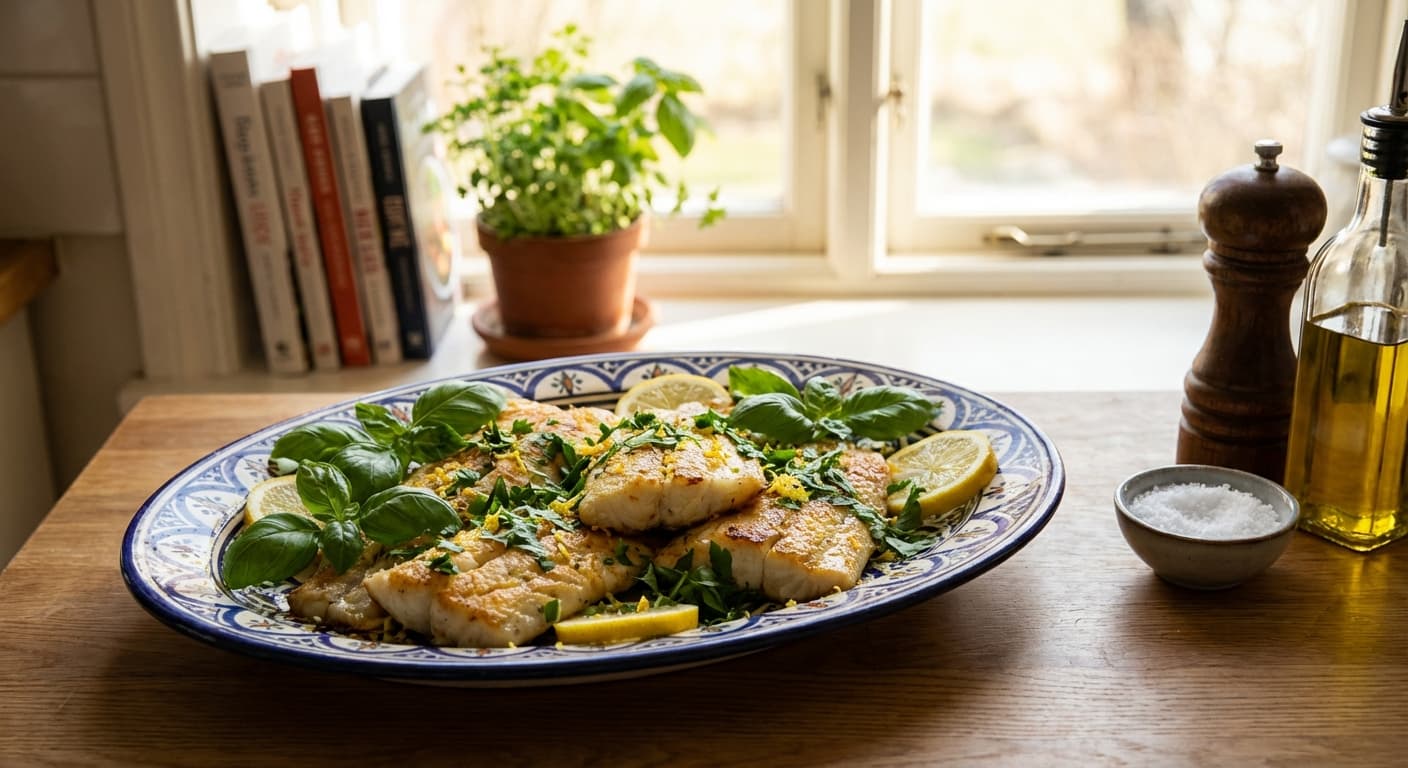
Fileh Limoo Lehestani (فیله لیمو لهستانی) — Polish-Style Lemon-Herb Fish
Tender fish fillets are lightly pan-seared, then finished with fresh lemon juice, basil, and parsley. This modern Persian coastal-style dish stays bright, clean, and aromatic, with a delicate, European-inspired simplicity.
Printable Recipe Card
Servings: 4 · Total: 37 min · Difficulty: easy
Ingredients (quick list)
- 600 g White fish fillets (cod, haddock, or sea bass), skinless (4 fillets, about 2.5 cm thick; thawed if frozen and patted very dry)
- 6 g Fine sea salt (about 1 tsp, plus more to taste)
- 1 g Black pepper, freshly ground (about 1/2 tsp)
- 2 tsp Lemon zest (from 1 large lemon, finely grated)
- 60 ml Fresh lemon juice (1/4 cup, from 1–2 lemons, strained)
- 20 g Fresh basil leaves (finely sliced (chiffonade))
- 25 g Fresh parsley leaves (finely chopped)
- 30 ml Neutral cooking oil (sunflower, canola, or grapeseed) (2 tbsp, for pan-searing)
- 30 ml Water (2 tbsp, to gently steam-finish in the pan)
Steps (summary)
- Prepare the fish: pat fillets very dry with paper towels to prevent sticking and to encourage browning. Season both sides evenl…
- Mix the lemon-herb finish: in a small bowl, combine lemon zest, lemon juice, basil, and parsley. Stir and set aside for 5 minut…
- Sear the fish: heat a large nonstick or well-seasoned skillet over medium-high for 2 minutes. Add the cooking oil and heat 30 s…
- Finish gently: flip the fillets and immediately add the water to the pan (it will steam). Reduce heat to medium-low, cover, and…
- Sauce and serve: turn off the heat. Spoon the lemon-herb mixture over the fish and tilt the pan to mingle it with the warm pan…
Cultural Background
Lemon-and-herb fish reflects a light, contemporary approach seen in Persian coastal home cooking, where fresh seafood is often paired with bright citrus and green herbs. European-style pan-searing techniques are commonly adopted in modern kitchens while keeping the flavor profile clean and herbaceous.
Equipment
💡 Tips
- Dry fish browns; wet fish steams. Pat thoroughly and avoid crowding the pan.
- If your fillets are thin (under 2 cm), reduce the second-side cooking to 2–3 minutes to prevent dryness.
- For a milder citrus profile, use 45 ml (3 tbsp) lemon juice and add the rest at the table.
- Use a thermometer if possible; pulling the fish at 52–57°C keeps it tender as it carries over slightly.
⚠️ Common Mistakes
❌ Moving the fish too soon after adding it to the pan
💡 Why: The crust has not formed yet, so the fillet sticks and tears.
✅ Fix: Preheat the pan well, use shimmering oil, and wait 3–4 minutes until the fish releases easily before flipping.
❌ Overcooking to a very high internal temperature
💡 Why: Lean fish dries quickly and becomes chalky.
✅ Fix: Cook to 52–57°C (125–135°F) and rest briefly off heat; use the covered steam-finish for gentle doneness.
❌ Cooking the herbs and lemon aggressively
💡 Why: High heat dulls the herbs and can make lemon taste bitter, especially with zest.
✅ Fix: Add the lemon-herb mixture after turning off the heat and warm it only 30–60 seconds in the residual pan heat.
🧊 How to Store
Cool leftovers within 1 hour, then refrigerate in an airtight container up to 2 days. Reheat gently in a covered skillet with 1–2 tbsp water over low heat for 3–5 minutes; avoid microwaving on high, which can toughen fish. Add fresh herbs and a squeeze of lemon after reheating.
📅 Make Ahead
Chop basil and parsley up to 12 hours ahead and refrigerate wrapped in a lightly damp paper towel inside a sealed container. Mix lemon zest and juice up to 2 hours ahead; combine with herbs right before cooking for the freshest aroma. Cook the fish just before serving for best texture.
🍽️ Pairs Well With
- Steamed saffron rice or plain basmati rice
- Shirazi salad (cucumber-tomato salad) or mixed greens
- Roasted or steamed potatoes with a little lemon
- Pickled vegetables and extra lemon wedges
Regional Variations
- Caspian Sea coast (Northern Iran)Often finished with more chopped herbs and served alongside rice and fresh vegetable sides; cooks may use local whitefish and keep the seasoning minimal to highlight freshness.
- Persian Gulf coast (Southern Iran)Commonly paired with brighter acidity and a slightly bolder pepper note; the same technique is used with locally available fillets, sometimes served with simple flatbread and salad.
Ingredients
- 600 gWhite fish fillets (cod, haddock, or sea bass), skinless (4 fillets, about 2.5 cm thick; thawed if frozen and patted very dry)
- 6 gFine sea salt (about 1 tsp, plus more to taste)
- 1 gBlack pepper, freshly ground (about 1/2 tsp)
- 2 tspLemon zest (from 1 large lemon, finely grated)
- 60 mlFresh lemon juice (1/4 cup, from 1–2 lemons, strained)
- 20 gFresh basil leaves (finely sliced (chiffonade))
- 25 gFresh parsley leaves (finely chopped)
- 30 mlNeutral cooking oil (sunflower, canola, or grapeseed) (2 tbsp, for pan-searing)
- 30 mlWater (2 tbsp, to gently steam-finish in the pan)
🔄 Substitutions
- White fish fillets (cod, haddock, or sea bass)→ Salmon fillets
- Fresh basil→ Fresh dill
- Neutral cooking oil→ Extra-virgin olive oil
Instructions
- 1
Prepare the fish: pat fillets very dry with paper towels to prevent sticking and to encourage browning. Season both sides evenly with the salt and black pepper. Let stand 15 minutes at cool room temperature (or refrigerate up to 30 minutes) so the seasoning lightly penetrates the surface.
- 2
Mix the lemon-herb finish: in a small bowl, combine lemon zest, lemon juice, basil, and parsley. Stir and set aside for 5 minutes so the zest perfumes the juice. Keep this mixture off heat; it is meant to stay bright and fresh rather than cooked down.
- 3
Sear the fish: heat a large nonstick or well-seasoned skillet over medium-high for 2 minutes. Add the cooking oil and heat 30 seconds until shimmering. Lay in the fillets presentation-side down and cook 3–4 minutes without moving, until the underside is golden and releases easily.
- 4
Finish gently: flip the fillets and immediately add the water to the pan (it will steam). Reduce heat to medium-low, cover, and cook 3–5 minutes, depending on thickness, until the fish flakes and reaches 52–57°C (125–135°F) in the thickest part for a moist result.
- 5
Sauce and serve: turn off the heat. Spoon the lemon-herb mixture over the fish and tilt the pan to mingle it with the warm pan juices for 30–60 seconds. Taste the juices and adjust with up to 1 g (1/8 tsp) more salt or a few grinds of pepper, then plate immediately.
🪪 Recipe Passport
Cultural Background
Lemon-and-herb fish reflects a light, contemporary approach seen in Persian coastal home cooking, where fresh seafood is often paired with bright citrus and green herbs. European-style pan-searing techniques are commonly adopted in modern kitchens while keeping the flavor profile clean and herbaceous.
Regional Variations
Researched from multiple sources and validated by the Zaffaron editorial team. Every recipe is tested for accuracy, measurements, and cultural authenticity.
Nutrition per serving
Pairs well with
If you enjoyed this recipe, here are a few related Zaffaron recipes to try next.
- Gharech va Gholveh (قارچ و قلوه) — Persian Mushroom and Lamb Kidney Sauté
- Persian Herb Stew with Lamb (قورمه سبزی)
- Golden Potato & Root Vegetable Galettes (گالت سیبزمینی و سبزیجات ریشهای) — Pan-Seared European-Style Vegetable Patties
- Halim Bademjan (حلیم بادمجان) — Persian Eggplant and Wheat Porridge
Does your family make this differently?
Every family has their own version. Maybe your grandmother adds a secret ingredient, or your aunt has a completely different technique. Preserve your family's version — with their name on it, forever.
You Might Also Like
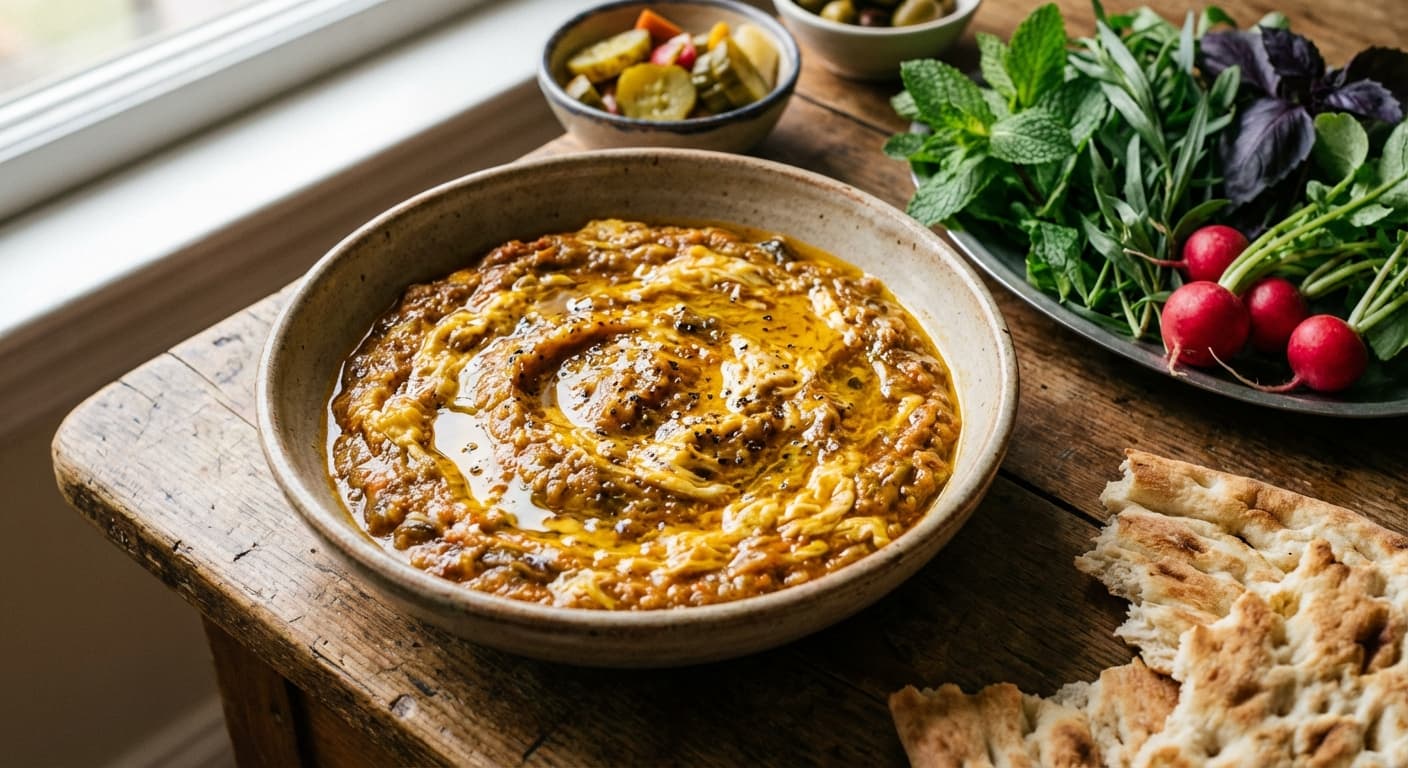
Smoked Silk Mirza Ghasemi (میرزا قاسمی) — Silky smoked eggplant with tomato, garlic, and eggs
Persian · Appetizers · 60 min
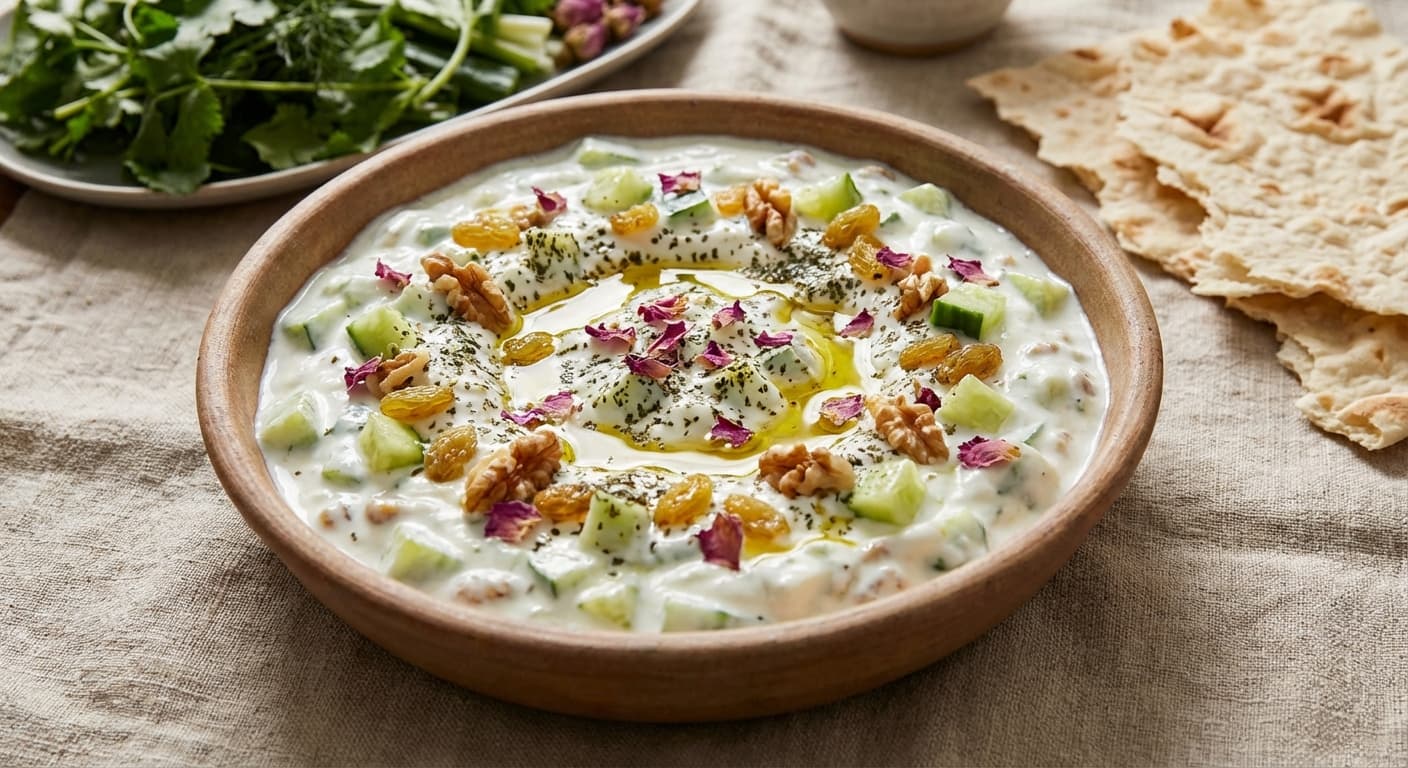
Mast-o-Khiar (ماست و خیار) — Persian Cucumber and Herb Yogurt Dip
Persian · Side Dishes · 25 min
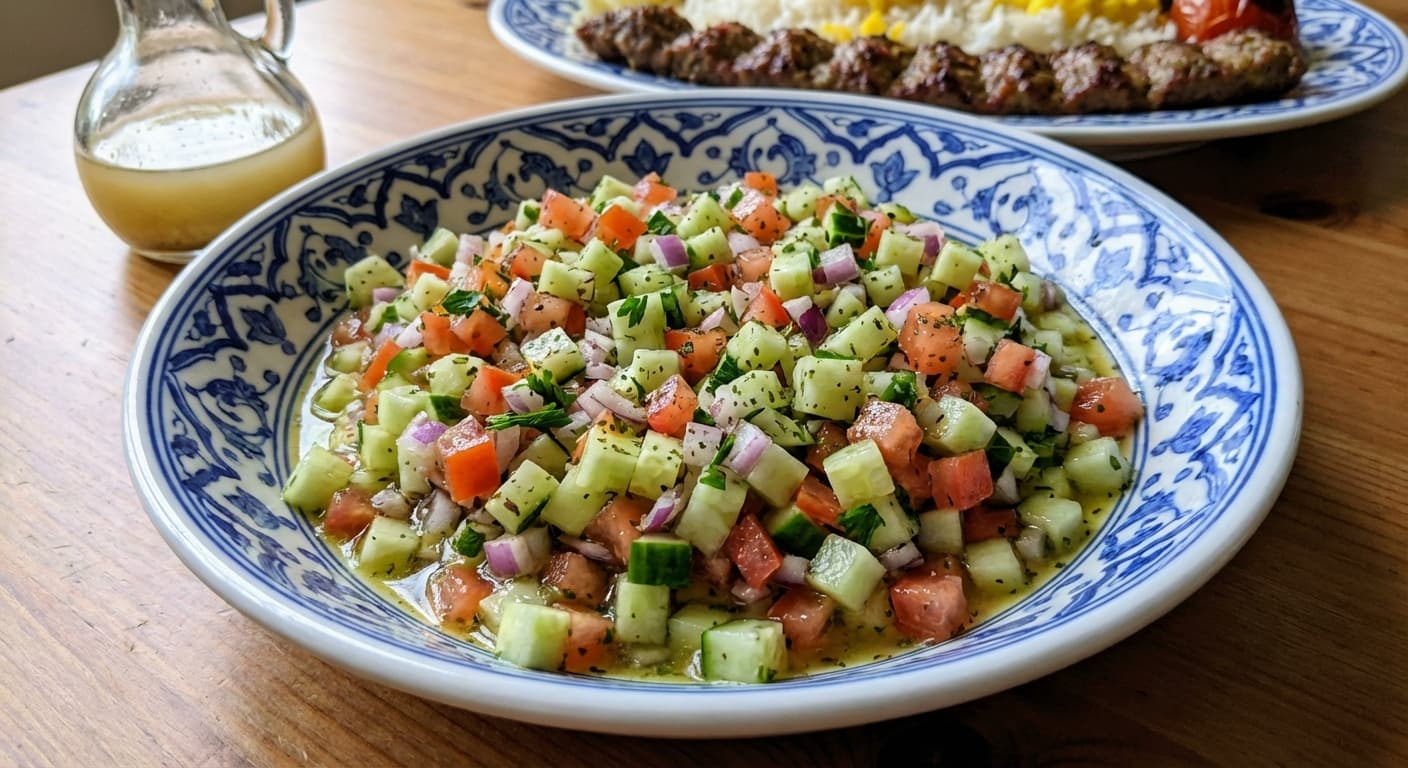
Shirazi Salad (سالاد شیرازی) — Brunoised cucumber-tomato herb salad with ab-ghooreh
Persian · Salads · 20 min
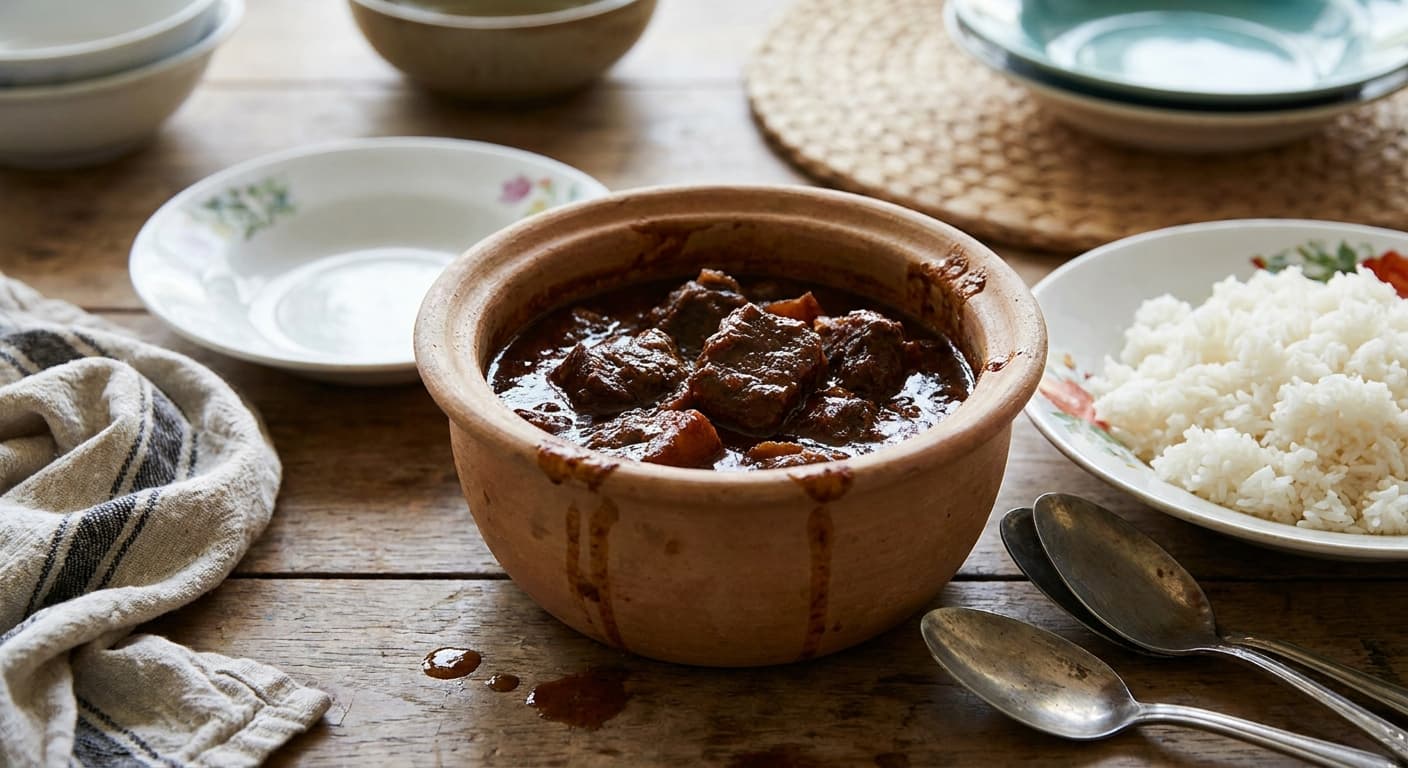
Pone Yay Gyi Curry (ပုန်းရည်ကြီးဟင်း) — Burmese Pork and Fermented Bean Paste
Burmese · Main Courses · 115 min
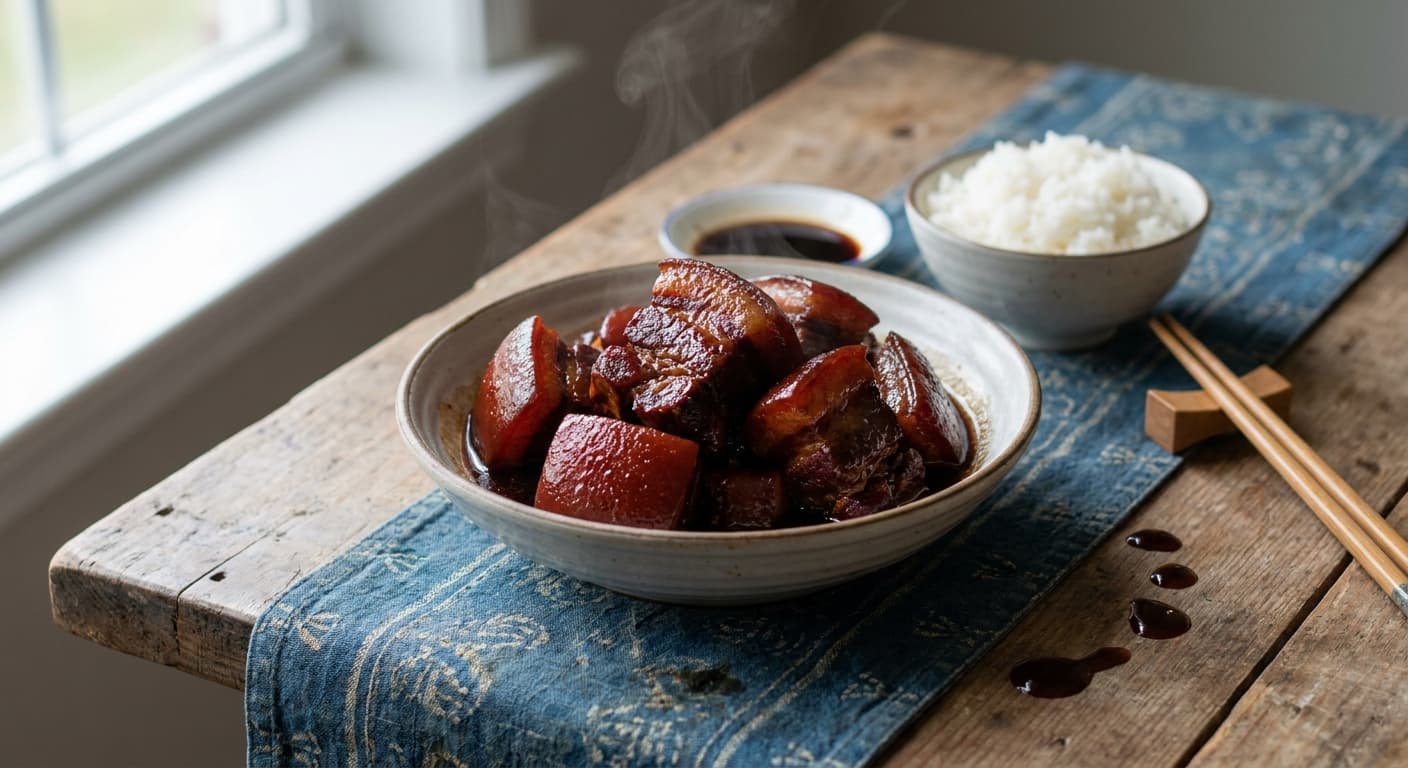
Dongpo Pork (东坡肉) — Hangzhou Red-Braised Pork Belly
Chinese · Main Courses · 205 min
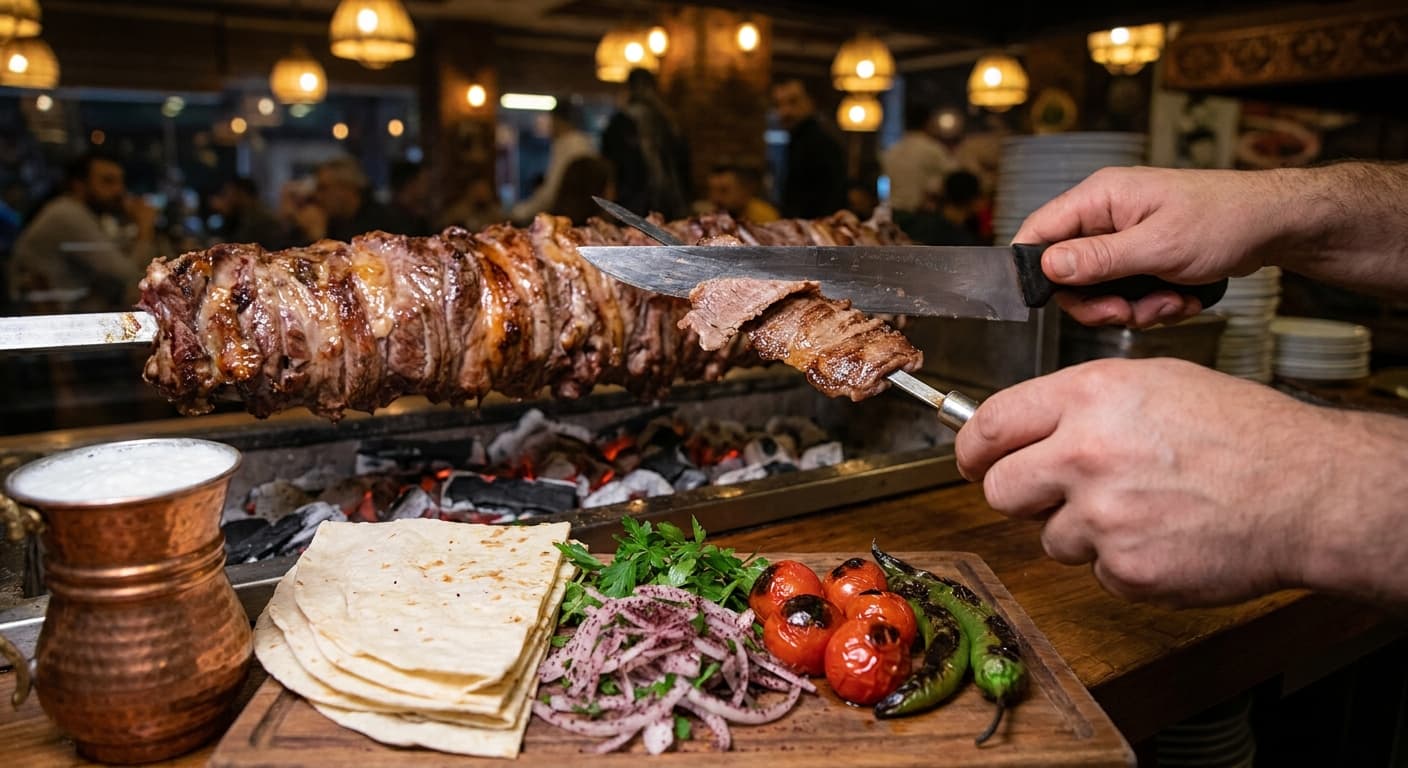
Turkish Cağ Kebab (Cağ Kebabı) — Erzurum Slow-Roasted Charcoal Lamb Skewer
Turkish · Kebabs · 160 min
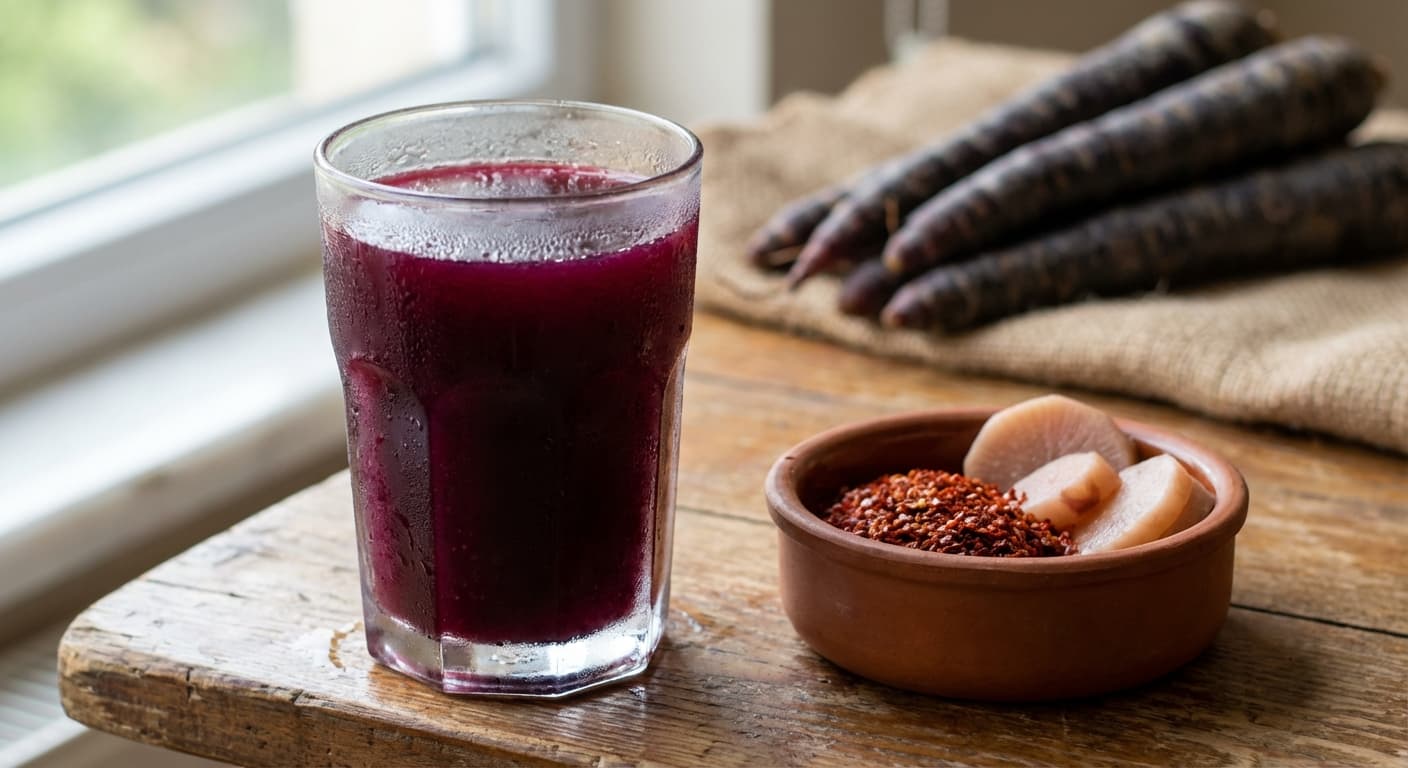
Salgam Juice (Şalgam) — Spicy, tangy fermented black-carrot drink
Turkish · Drinks · 25 min
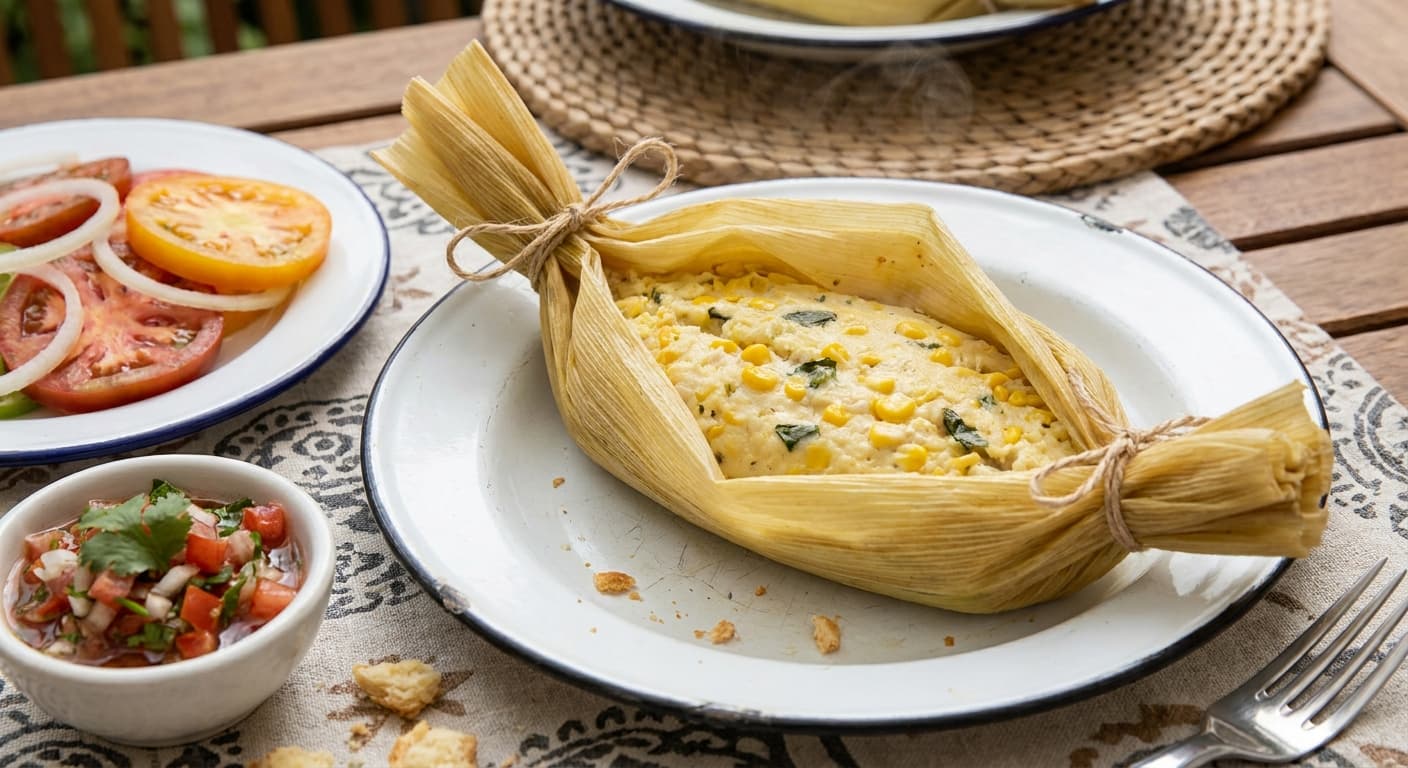
Chilean Humitas (Humitas) — Fresh Corn Parcels with Basil
Chilean · Main Courses · 90 min
Reviews
Cooked this recipe?
Tap the stars to rate it — that's all it takes. A few words are welcome but optional.
No ratings yet. Cooked this one? Be the first to rate it — it takes one tap.