Matoke (Matoke) — Tanzanian Green Banana and Beef Stew
In northwestern Tanzania, matoke is a comforting stew of green cooking bananas, or ndizi, often cooked with beef. The bananas absorb the savory tomato broth and soften without becoming sweet; serve with kachumbari for a fresh contrast.
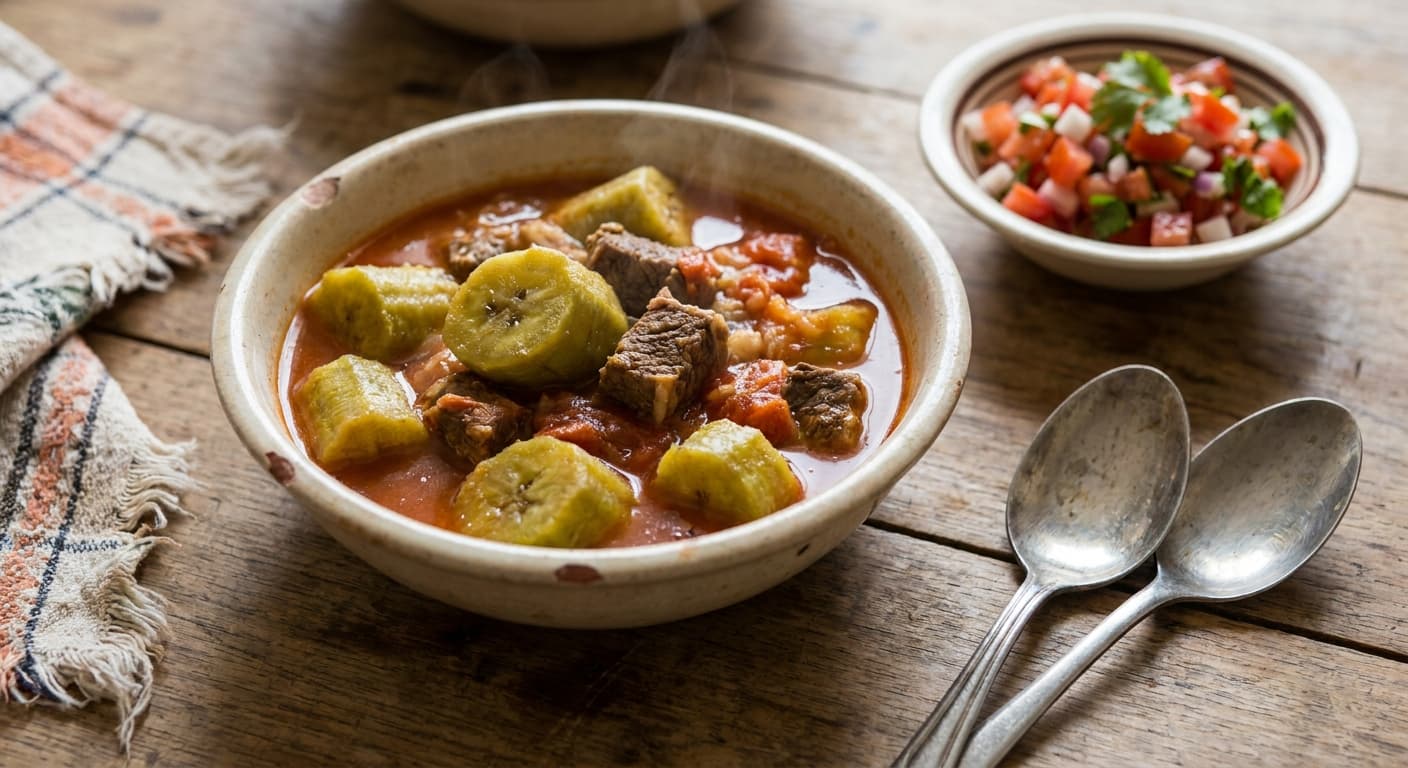
Printable Recipe Card
Servings: 6 · Total: 135 min · Difficulty: medium
Ingredients (quick list)
- 600 g boneless beef chuck (Trim visible excess fat and cut into 3 cm cubes.)
- 10 green cooking bananas (Use firm, starchy ndizi or East African highland cooking bananas, approximately 100 g each after peeling, totaling 1 kg peeled.)
- 2 tbsp sunflower oil
- 1 large onion (Approximately 150 g peeled; finely chopped.)
- 3 medium tomatoes (Approximately 300 g total; finely chopped.)
- 3 clove garlic (Finely crushed.)
- 1 inch fresh ginger (Approximately 15 g; peeled and finely grated.)
- 7.5 g fine salt
- 0.5 tsp ground black pepper
- 1000 ml water (For the stew.)
Steps (summary)
- Pat the beef dry and prepare the onion, tomatoes, garlic, and ginger. Leave the cooking bananas unpeeled until the beef is near…
- Heat the sunflower oil in a heavy, 5-liter pot over medium-high heat. Add the beef in two batches and brown for approximately 4…
- Reduce the heat to medium and add the onion to the same pot. Cook for 5 minutes, stirring regularly, then add the garlic and gi…
- Add the tomatoes, salt, and black pepper and cook for 6 minutes, stirring and pressing the tomatoes until they begin to collaps…
- Bring to a boil, then reduce the heat to a gentle simmer and cover tightly. Cook for 60–75 minutes, until a fork enters the bee…
- When the beef is nearly tender, trim the ends of the green bananas and make shallow lengthwise cuts through the skins without c…
+ 2 more steps in the full instructions section below.
Cultural Background
Cooking bananas are central to food traditions around Lake Victoria, including Tanzania's Kagera region. This beef-and-banana version reflects that regional staple; Hawa Hassan's In Bibi's Kitchen provides broader context for Tanzanian and neighboring home cooking.
Equipment
💡 Tips
- Choose completely green cooking bananas with firm flesh; ripe dessert bananas become sweet and collapse in the stew.
- Wear food-safe gloves when peeling if available, because green banana sap can leave sticky stains on skin.
- Cook the beef almost to tenderness before adding the bananas, which need only 20–25 minutes of simmering.
⚠️ Common Mistakes
❌ Using ripe bananas instead of green cooking bananas.
✅ Fix: Select fully green, firm cooking varieties so the finished dish remains savory and the pieces hold together.
❌ Adding the bananas while the beef is still tough.
✅ Fix: Simmer the beef until nearly tender before adding the bananas for their shorter cooking time.
❌ Stirring vigorously after the bananas soften.
✅ Fix: Fold gently once during cooking or shake the covered pot carefully to redistribute the broth.
🧊 How to Store
Refrigerate in shallow, covered containers within 2 hours and use within 3 days. Reheat covered over low heat, adding 30 ml water per serving, until the beef and bananas reach 74°C. Freeze for up to 2 months; the bananas will soften further after thawing.
📅 Make Ahead
Cook the beef through the covered simmering stage up to 2 days ahead and refrigerate promptly. Bring it back to a simmer before peeling and adding the bananas, keeping their final cooking stage for serving day.
🍽️ Pairs Well With
- Kachumbari
- steamed leafy greens
Regional Variations
- In Tanzania's northwestern banana-growing areas, household versions may cook green bananas with beef or omit the meat for a simpler stew.
- Tanzanian coastal green-banana preparations may use coconut milk, producing a different dish from this inland beef-and-tomato version.
- In neighboring Uganda, matooke often refers to cooking bananas steamed and mashed, rather than this chunky Tanzanian stew.
Ingredients
- 600 gboneless beef chuck (Trim visible excess fat and cut into 3 cm cubes.)
- 10green cooking bananas (Use firm, starchy ndizi or East African highland cooking bananas, approximately 100 g each after peeling, totaling 1 kg peeled.)
- 2 tbspsunflower oil
- 1large onion (Approximately 150 g peeled; finely chopped.)
- 3medium tomatoes (Approximately 300 g total; finely chopped.)
- 3 clovegarlic (Finely crushed.)
- 1 inchfresh ginger (Approximately 15 g; peeled and finely grated.)
- 7.5 gfine salt
- 0.5 tspground black pepper
- 1000 mlwater (For the stew.)
🔄 Substitutions
- green cooking bananas→ 1 kg peeled, completely green plantains
- boneless beef chuck→ 600 g boneless goat shoulder
- sunflower oil→ 2 tbsp groundnut oil
Instructions
- 1
Pat the beef dry and prepare the onion, tomatoes, garlic, and ginger. Leave the cooking bananas unpeeled until the beef is nearly tender so their cut surfaces do not darken.
- 2
Heat the sunflower oil in a heavy, 5-liter pot over medium-high heat. Add the beef in two batches and brown for approximately 4 minutes per batch, transferring each batch to a plate.
- 3
Reduce the heat to medium and add the onion to the same pot. Cook for 5 minutes, stirring regularly, then add the garlic and ginger and cook for 1 minute.
- 4
Add the tomatoes, salt, and black pepper and cook for 6 minutes, stirring and pressing the tomatoes until they begin to collapse. Return the beef and its collected juices to the pot, then pour in the 1000 ml water and scrape the bottom to release the browned juices.
- 5
Bring to a boil, then reduce the heat to a gentle simmer and cover tightly. Cook for 60–75 minutes, until a fork enters the beef with only slight resistance; keep the pot covered to limit evaporation.
- 6
When the beef is nearly tender, trim the ends of the green bananas and make shallow lengthwise cuts through the skins without cutting deeply into the flesh. Lift away the skins with the knife tip and your fingers, then cut the peeled bananas into 4 cm lengths and add them immediately to the stew.
- 7
Gently fold the bananas into the broth, bring back to a simmer, and cover the pot. Cook over low heat for 20–25 minutes, until the bananas are tender throughout and the beef yields easily to a fork; turn the banana pieces once halfway through rather than stirring repeatedly.
- 8
Uncover and check the consistency: the broth should be thickened by the bananas but still spoonable. If it remains thin, simmer uncovered for 3–5 minutes, then remove from the heat and rest for 5 minutes before dividing among six bowls and serving with kachumbari.
🪪 Recipe Passport
Cultural Background
Cooking bananas are central to food traditions around Lake Victoria, including Tanzania's Kagera region. This beef-and-banana version reflects that regional staple; Hawa Hassan's In Bibi's Kitchen provides broader context for Tanzanian and neighboring home cooking.
Regional Variations
Researched from multiple sources and validated by the Zaffaron editorial team. Every recipe is tested for accuracy, measurements, and cultural authenticity.
📚 Sources & Cultural References
- Hawa Hassan with Julia Turshen — In Bibi's Kitchen — (2020)
Sources cited by the Zaffaron editorial team during recipe research. Cultural and culinary references supporting authenticity claims.
Nutrition per serving
Pairs well with
If you enjoyed this recipe, here are a few related Zaffaron recipes to try next.
Does your family make this differently?
Every family has their own version. Maybe your grandmother adds a secret ingredient, or your aunt has a completely different technique. Preserve your family's version — with their name on it, forever.
You Might Also Like
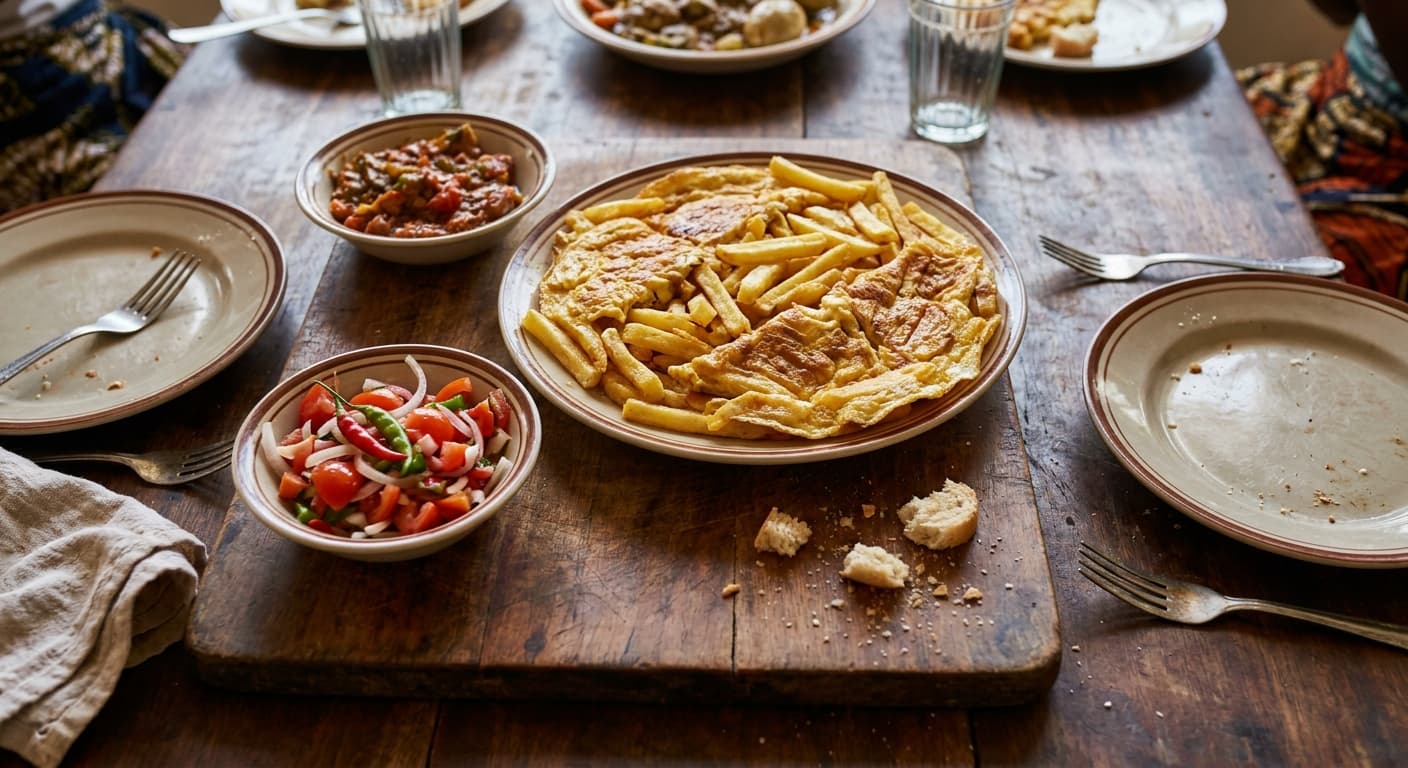
Chips and Egg Omelet (Chipsi Mayai) — Tanzanian Street-Food Classic
Tanzanian · Main Courses · 50 min
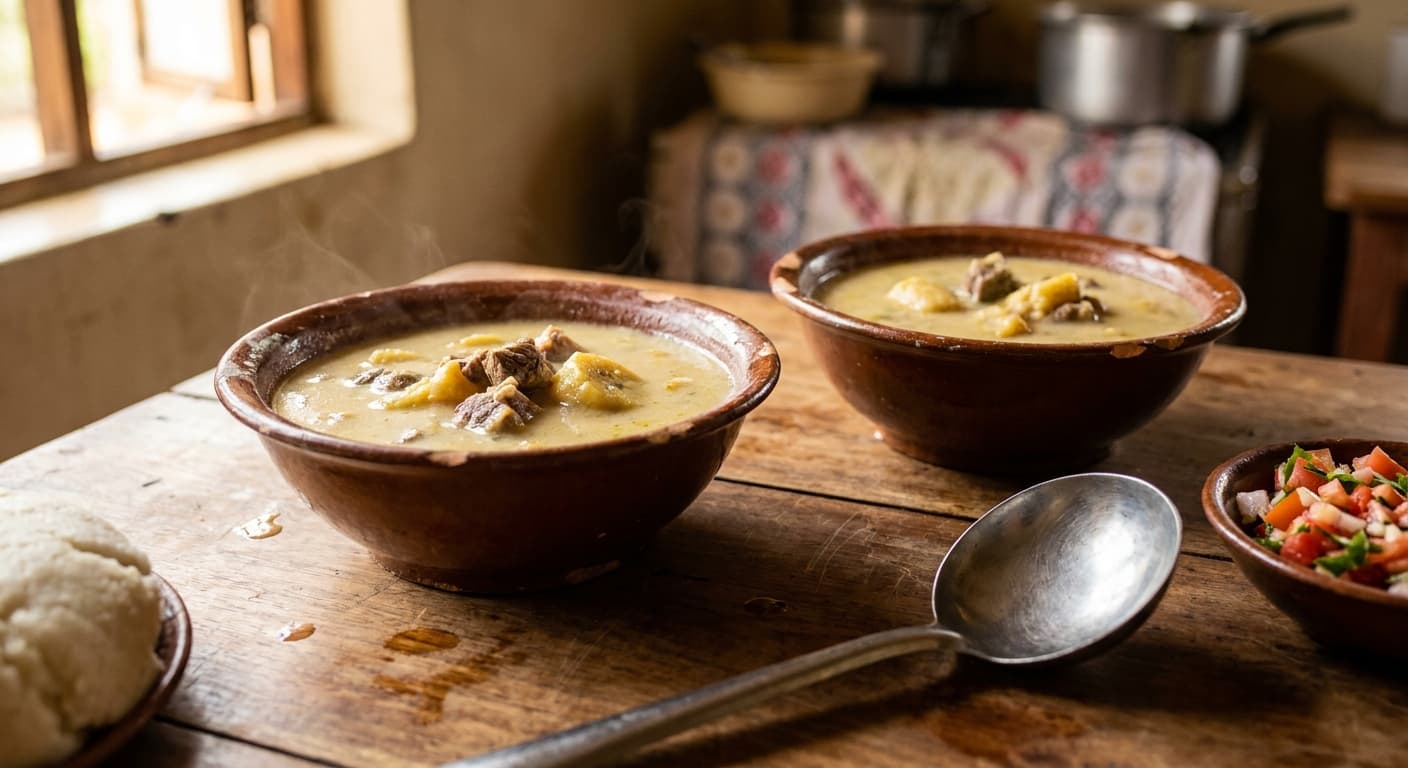
Mtori (Mtori) — Tanzanian Banana-Beef Soup
Tanzanian · Soups · 175 min
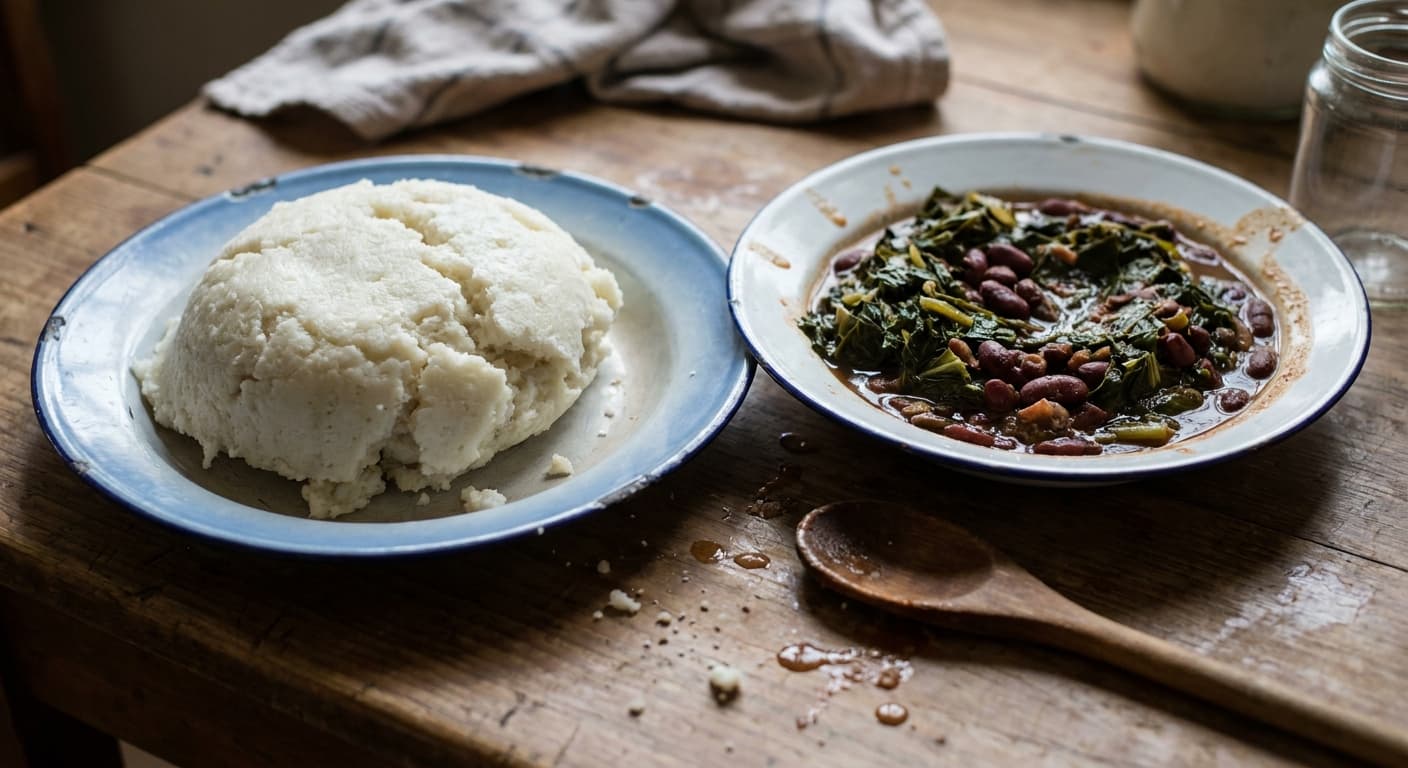
Tanzanian Ugali (Ugali) — Firm Cornmeal Porridge
Tanzanian · Side Dishes · 23 min
Norwegian Lamb and Cabbage Stew (Fårikål) — Peppery Autumn National Dish
Norwegian · Stews · 170 min
Or Lam (ເອາະຫຼາມ) — Luang Prabang Herb Stew
Laotian · Stews · 155 min
Undhiyu (ઉંધિયું) — Indian Winter Mixed-Vegetable Curry with Methi Muthia
Indian · Main Courses · 120 min
Kothimbir Vadi (कोथिंबीर वडी) — Steamed coriander-gram cakes, pan-fried crisp
Indian · Appetizers · 50 min
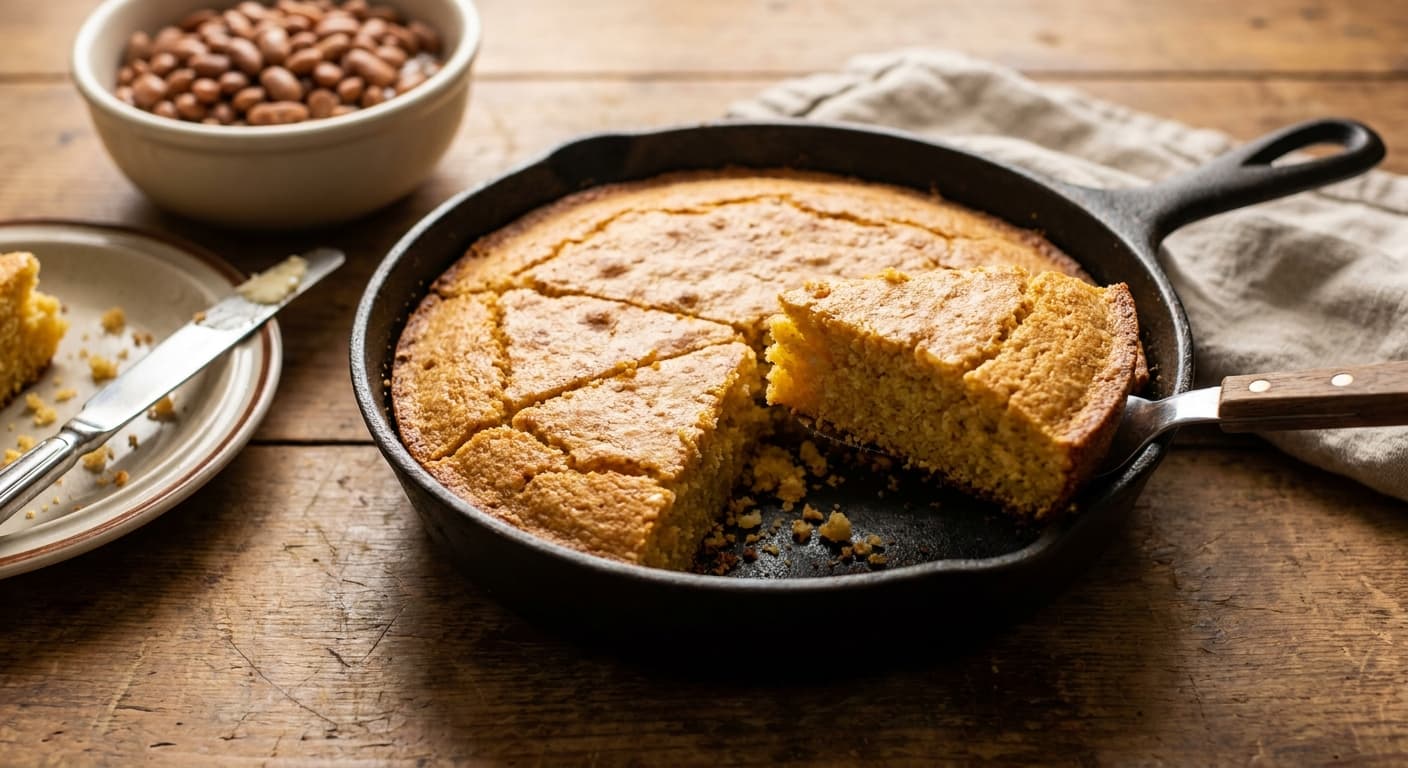
Cornbread (Cornbread) — Classic Cast-Iron American Quick Bread
American · Breads · 40 min
Reviews
Cooked this recipe?
Tap the stars to rate it — that's all it takes. A few words are welcome but optional.
No ratings yet. Cooked this one? Be the first to rate it — it takes one tap.