Harissa (هريسة) — Moroccan Hot Chili Pepper Paste
Harissa is a fiery North African chili paste used across Morocco for marinades, stews, and table heat. This version balances dried chilies with toasted spices, garlic, and olive oil for a deep, smoky warmth.
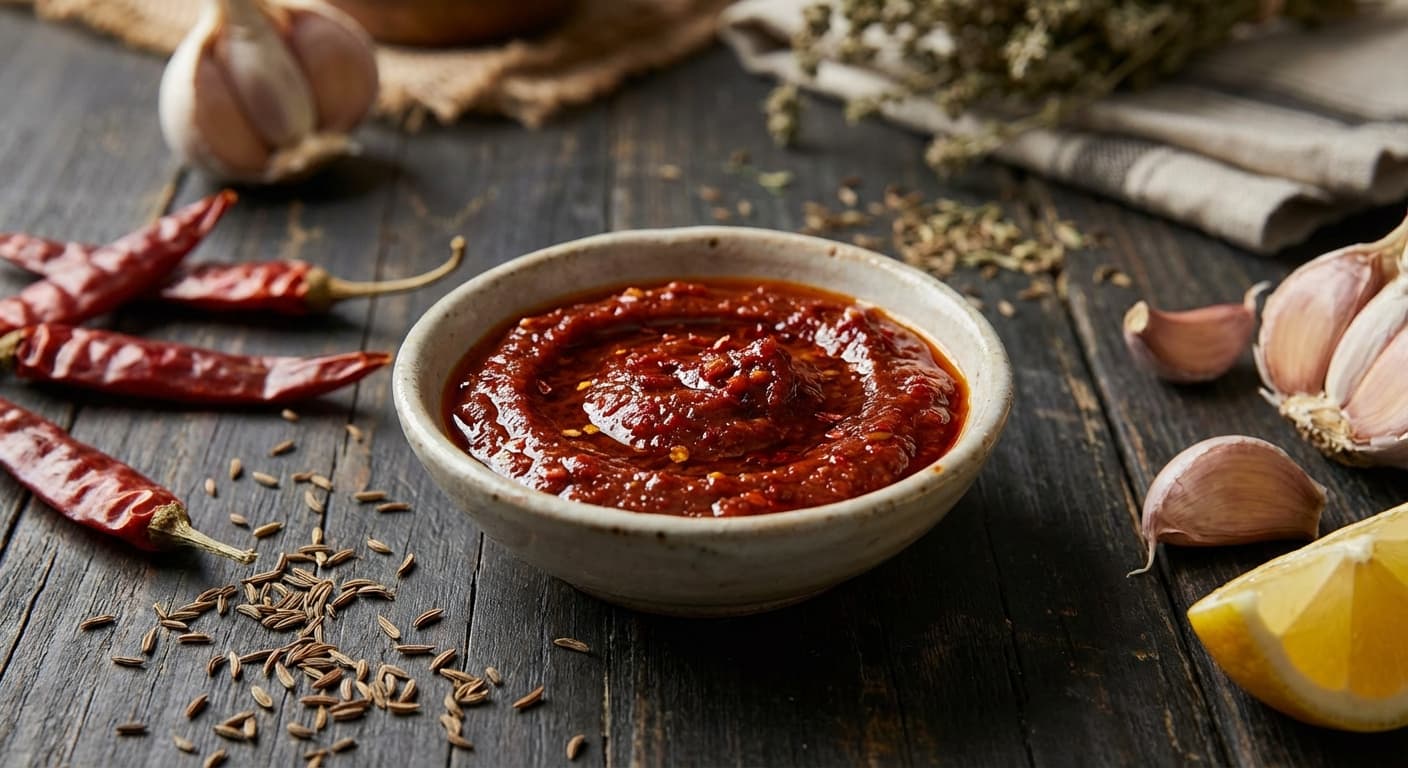
Printable Recipe Card
Servings: 16 · Total: 25 min · Difficulty: easy
Ingredients (quick list)
- 40 g dried guajillo chiles, stemmed and seeded (about 8–10 chiles)
- 12 g dried arbol chiles, stemmed (about 20–25 chiles; seed half for less heat)
- 400 ml boiling water (for soaking; reserve some soaking liquid)
- 2 tsp caraway seeds
- 2 tsp cumin seeds
- 1 tsp coriander seeds
- 20 g garlic cloves (about 4 medium cloves)
- 30 g tomato paste (adds body and gentle sweetness)
- 15 ml fresh lemon juice (about 1 tbsp)
- 6 g fine sea salt (about 1 tsp)
- 2 tsp smoked paprika (optional but traditional in many Moroccan-style blends)
- 120 ml extra-virgin olive oil (plus extra to seal the jar)
Steps (summary)
- Place the dried guajillo and arbol chiles in a heatproof bowl. Pour 400 ml boiling water over them, press down to submerge, and…
- While the chiles soak, toast the caraway, cumin, and coriander seeds in a dry skillet over medium heat for 1–2 minutes until fr…
- Drain the chiles, reserving 60 ml of the soaking liquid for blending. Pat the chiles lightly dry so the paste emulsifies with t…
- In a food processor, combine the soaked chiles, ground spices, garlic, tomato paste, lemon juice, salt, and smoked paprika. Pul…
- Adjust the texture by adding 15–30 ml reserved soaking liquid, blending until the harissa is thick but spreadable. Scrape down…
- Warm the remaining 60 ml olive oil in a small pan over low heat until just shimmering, about 1 minute, then remove from heat. S…
+ 1 more steps in the full instructions section below.
Cultural Background
Harissa is a cornerstone condiment across the Maghreb, served at the table and stirred into soups, couscous, and tagines for controlled heat. In Morocco, family recipes vary by chile choice and spice ratios, reflecting local markets and seasonal cooking.
Equipment
💡 Tips
- For a deeper, nuttier harissa, add 1 tsp (3 g) toasted sesame seeds when blending.
- If you want a milder paste, remove all arbol seeds and replace 5 g arbol with 10 g dried ancho chiles.
- Let the harissa rest in the fridge for 12 hours before using; the spices bloom and the heat becomes more integrated.
⚠️ Common Mistakes
❌ The harissa turns watery and separates quickly.
✅ Fix: Drain and pat the chiles dry, then add soaking liquid in 15 ml increments only until spreadable; finish by stirring in olive oil to emulsify.
❌ The paste tastes bitter or dusty.
✅ Fix: Toast whole spices briefly and grind fresh; avoid over-toasting until smoking, and blend long enough to remove grit.
❌ The garlic flavor is harsh and dominates.
✅ Fix: Blend longer for a smoother paste and let it rest 12 hours; if still sharp, stir in 5–10 ml more olive oil and 5 ml lemon juice.
🧊 How to Store
Refrigerate in a clean jar for up to 3 weeks, always keeping the surface covered with a thin layer of olive oil. For longer storage, freeze in 1 tbsp portions up to 3 months; thaw overnight in the fridge and stir well before using.
📅 Make Ahead
Make harissa up to 3 weeks ahead and refrigerate, sealing the surface with olive oil after each use. For meal prep, freeze in 15 g portions so you can add a measured amount to marinades and stews.
🍽️ Pairs Well With
- Couscous
- tagines
- grilled lamb
- roasted vegetables
- shakshuka
- lentil soup.
Regional Variations
- Rose harissa: blend in 1 tsp (1 g) dried rose petals and add 5 ml extra lemon juice for a floral finish.
- Preserved-lemon harissa: replace lemon juice with 20 g finely chopped preserved lemon peel for a salty-citrus punch.
- Green harissa: use 60 g fresh cilantro and 30 g parsley with 1 chopped green chili, reducing soaking liquid to 15 ml.
Ingredients
- 40 gdried guajillo chiles, stemmed and seeded (about 8–10 chiles)
- 12 gdried arbol chiles, stemmed (about 20–25 chiles; seed half for less heat)
- 400 mlboiling water (for soaking; reserve some soaking liquid)
- 2 tspcaraway seeds
- 2 tspcumin seeds
- 1 tspcoriander seeds
- 20 ggarlic cloves (about 4 medium cloves)
- 30 gtomato paste (adds body and gentle sweetness)
- 15 mlfresh lemon juice (about 1 tbsp)
- 6 gfine sea salt (about 1 tsp)
- 2 tspsmoked paprika (optional but traditional in many Moroccan-style blends)
- 120 mlextra-virgin olive oil (plus extra to seal the jar)
🔄 Substitutions
- dried guajillo chiles→
- dried arbol chiles→
- smoked paprika→
Instructions
- 1
Place the dried guajillo and arbol chiles in a heatproof bowl. Pour 400 ml boiling water over them, press down to submerge, and soak for 20 minutes until fully pliable.
- 2
While the chiles soak, toast the caraway, cumin, and coriander seeds in a dry skillet over medium heat for 1–2 minutes until fragrant and slightly darker. Immediately transfer to a mortar or spice grinder and grind to a fine powder so the paste tastes smooth, not gritty.
- 3
Drain the chiles, reserving 60 ml of the soaking liquid for blending. Pat the chiles lightly dry so the paste emulsifies with the oil instead of turning watery.
- 4
In a food processor, combine the soaked chiles, ground spices, garlic, tomato paste, lemon juice, salt, and smoked paprika. Pulse several times, then run the machine while streaming in 60 ml olive oil to start forming a thick paste.
- 5
Adjust the texture by adding 15–30 ml reserved soaking liquid, blending until the harissa is thick but spreadable. Scrape down the bowl and blend again for at least 30 seconds so the garlic and skins are fully broken down.
- 6
Warm the remaining 60 ml olive oil in a small pan over low heat until just shimmering, about 1 minute, then remove from heat. Stir this warm oil into the harissa to round out the flavor and improve keeping quality without cooking the paste.
- 7
Taste and balance: add 5 ml lemon juice if you want more brightness, or add 1 g salt if it tastes flat. Spoon into a clean jar and level the surface, then pour 15–30 ml olive oil over the top to create a protective seal.
🪪 Recipe Passport
Cultural Background
Harissa is a cornerstone condiment across the Maghreb, served at the table and stirred into soups, couscous, and tagines for controlled heat. In Morocco, family recipes vary by chile choice and spice ratios, reflecting local markets and seasonal cooking.
Regional Variations
Researched from multiple sources and validated by the Zaffaron editorial team. Every recipe is tested for accuracy, measurements, and cultural authenticity.
Nutrition per serving
Pairs well with
If you enjoyed this recipe, here are a few related Zaffaron recipes to try next.
Does your family make this differently?
Every family has their own version. Maybe your grandmother adds a secret ingredient, or your aunt has a completely different technique. Preserve your family's version — with their name on it, forever.
You Might Also Like
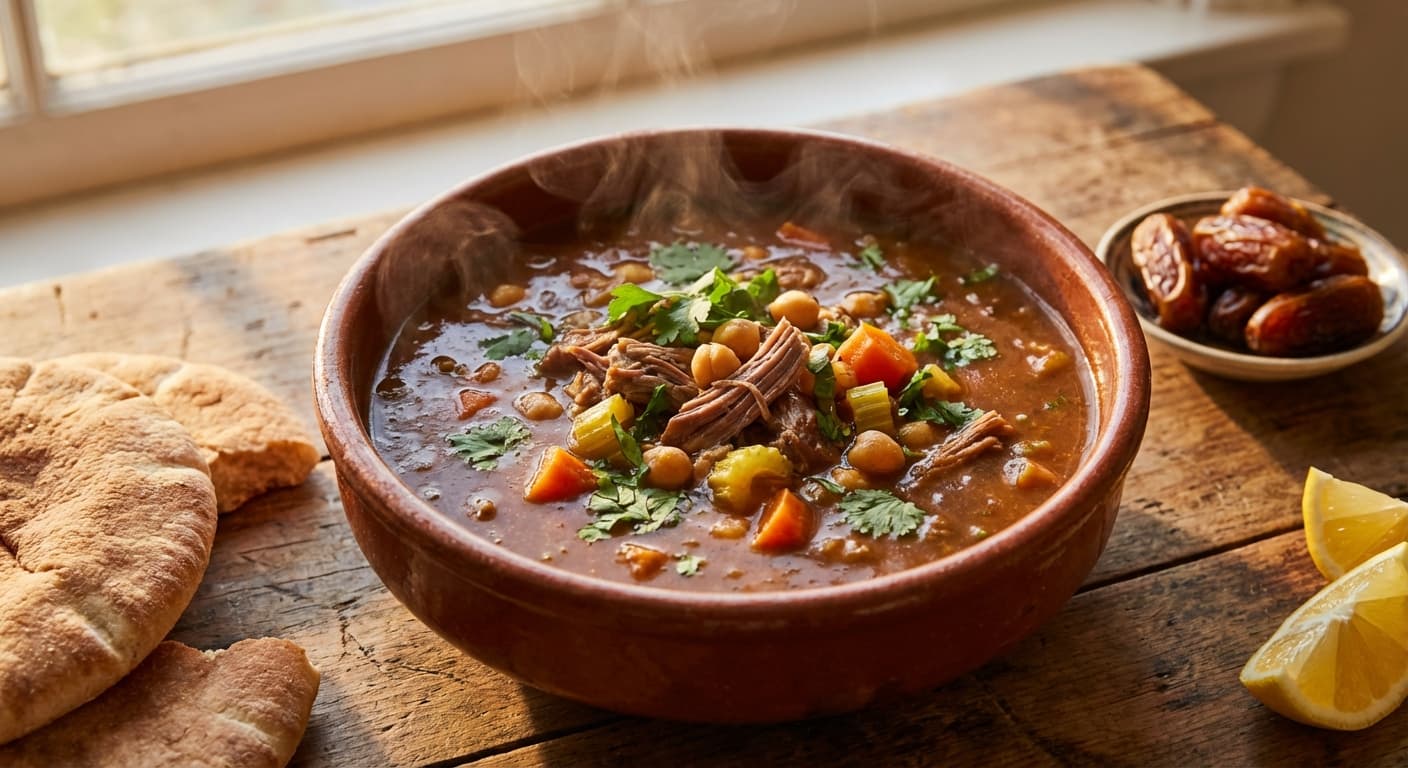
Marrakeshi Harira (حريرة مراكشية) — Moroccan Lamb and Chickpea Soup
Moroccan · Soups · 175 min
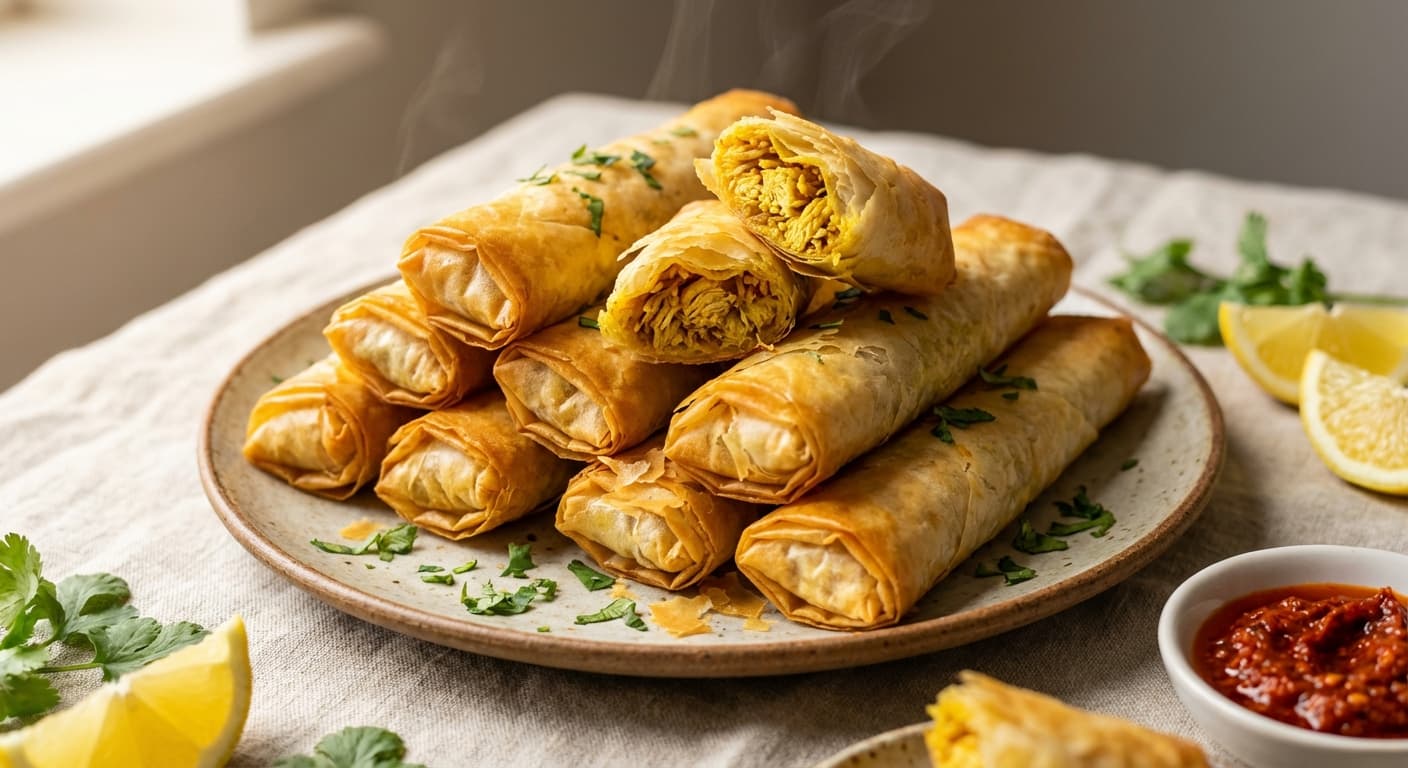
Moroccan Chicken Briouat (بريوات) — Crispy Phyllo Rolls with Chicken and Vermicelli
Moroccan · Appetizers · 80 min
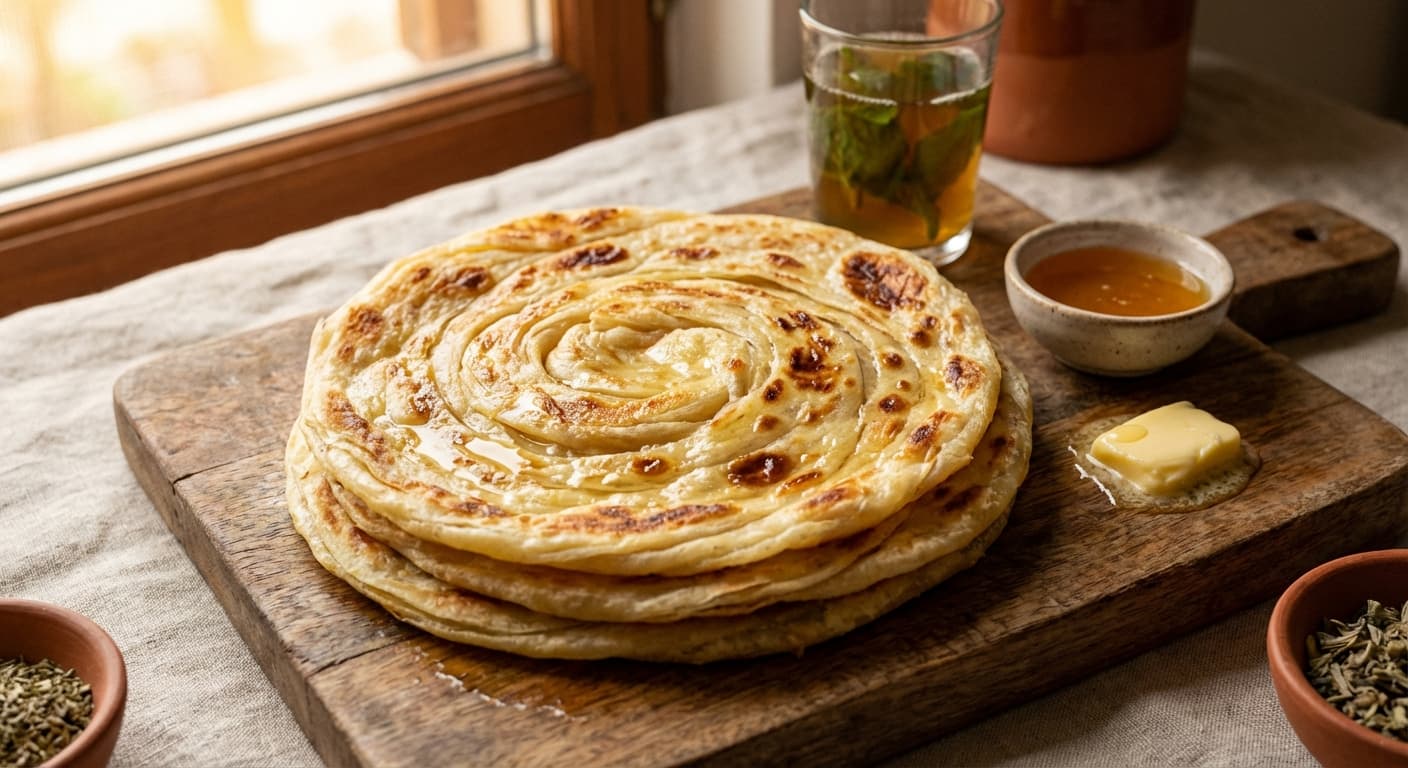
Meloui (ملوي) — Moroccan Spiral-Layered Pan-Fried Flatbread
Moroccan · Breads · 60 min
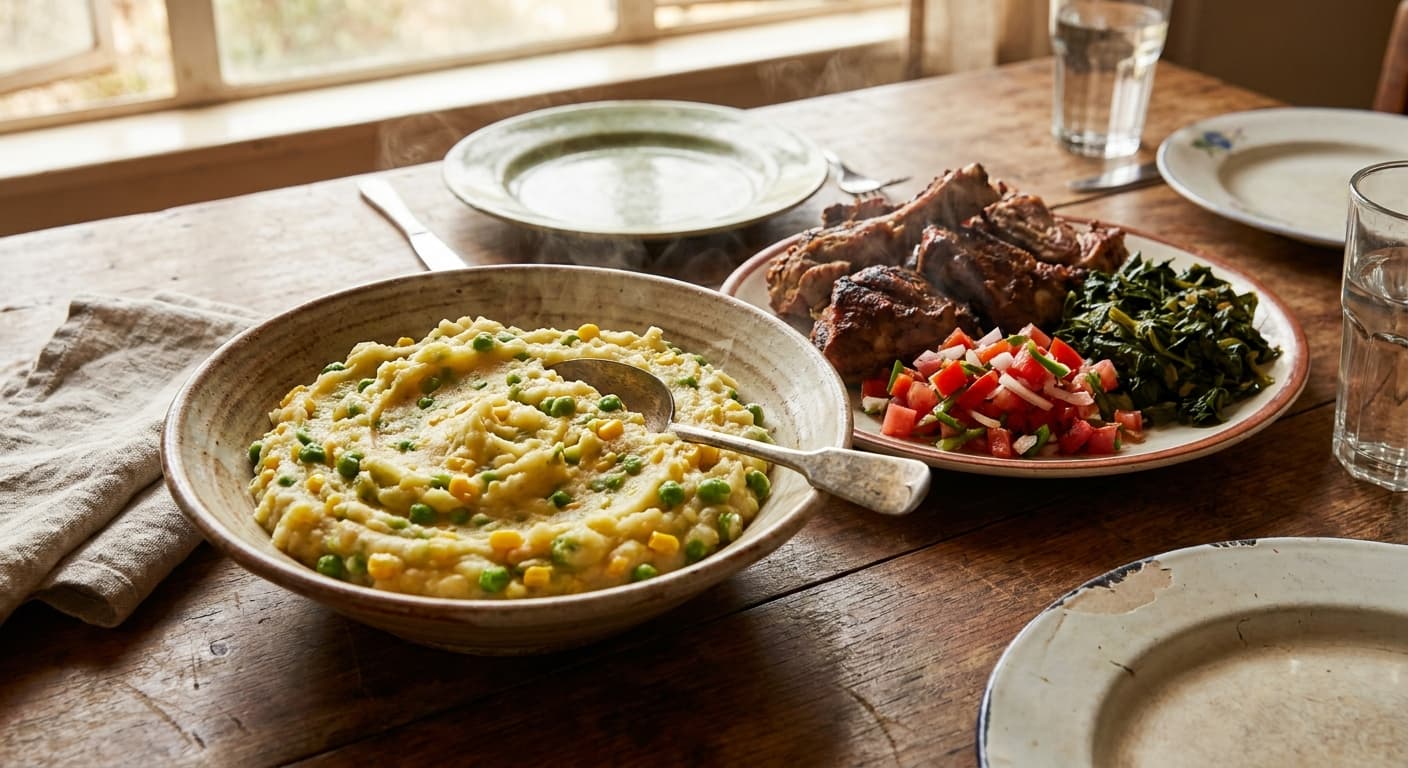
Irio (Mukimo) — Kenyan Mashed Potatoes, Peas, Corn, and Greens
Kenyan · Side Dishes · 55 min
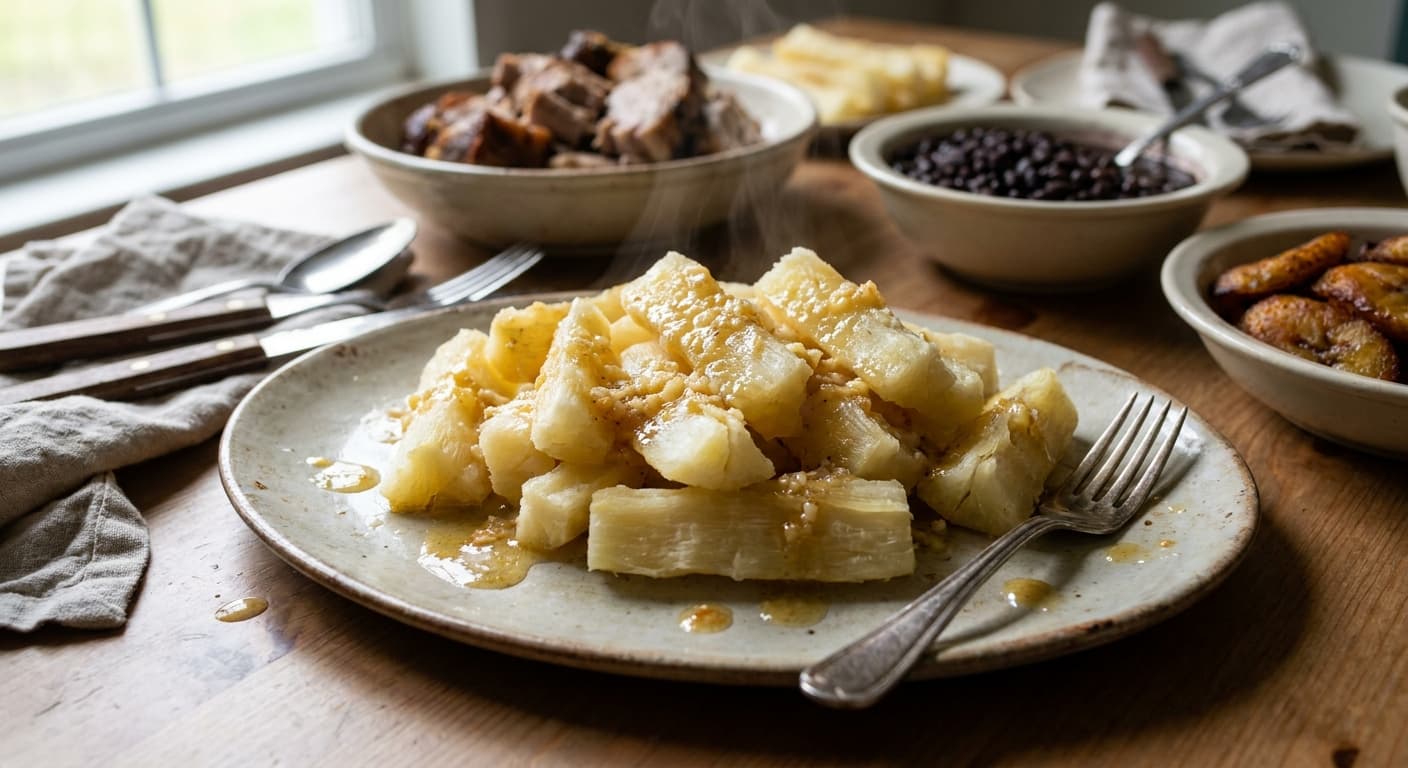
Yuca with Mojo (Yuca con mojo) — Cuban Cassava with Garlic Citrus Sauce
Cuban · Side Dishes · 55 min
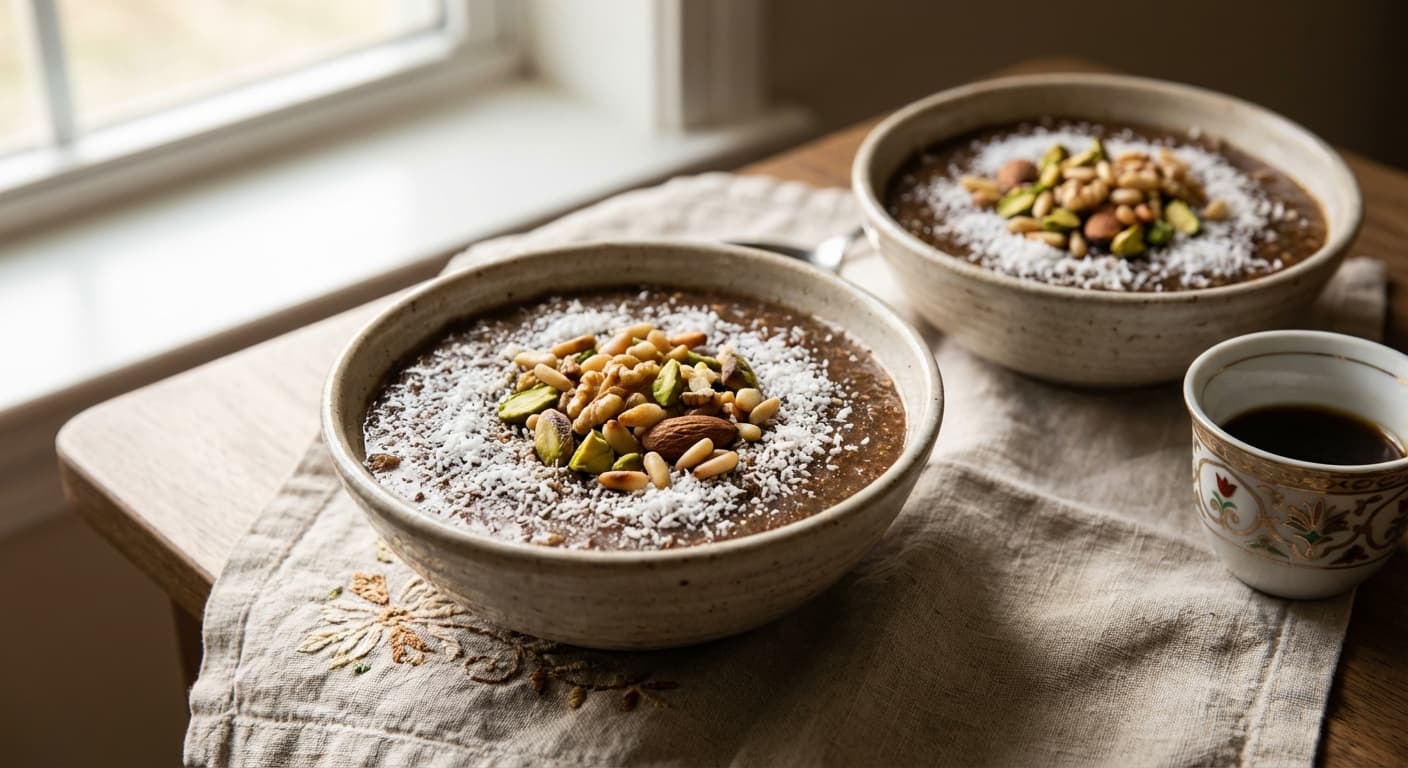
Meghli (مغلي) — Lebanese Spiced Rice Pudding with Nuts
Lebanese · Desserts · 40 min
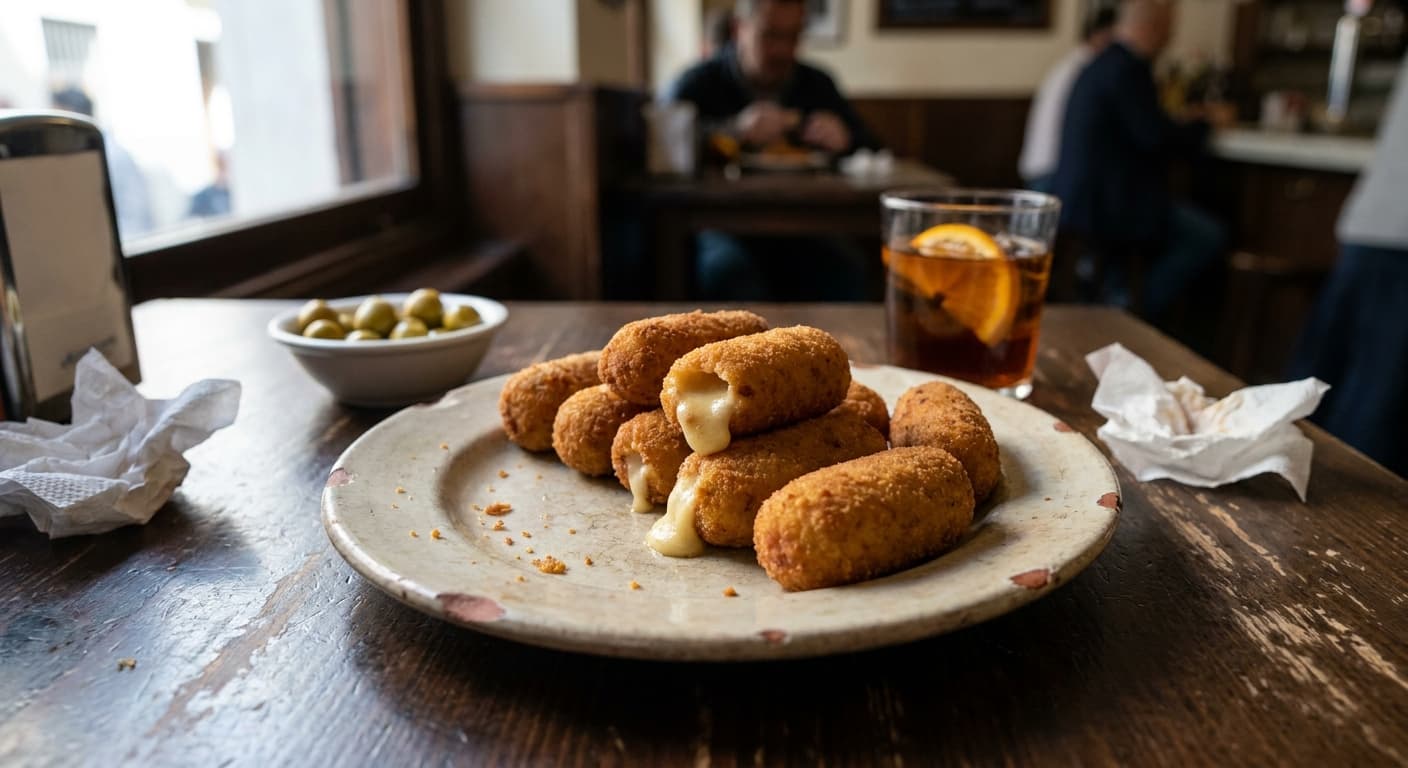
Spanish Ham Croquettes (Croquetas de Jamón) — Crisp Tapas with Creamy Ham Béchamel
Spanish · Appetizers · 70 min
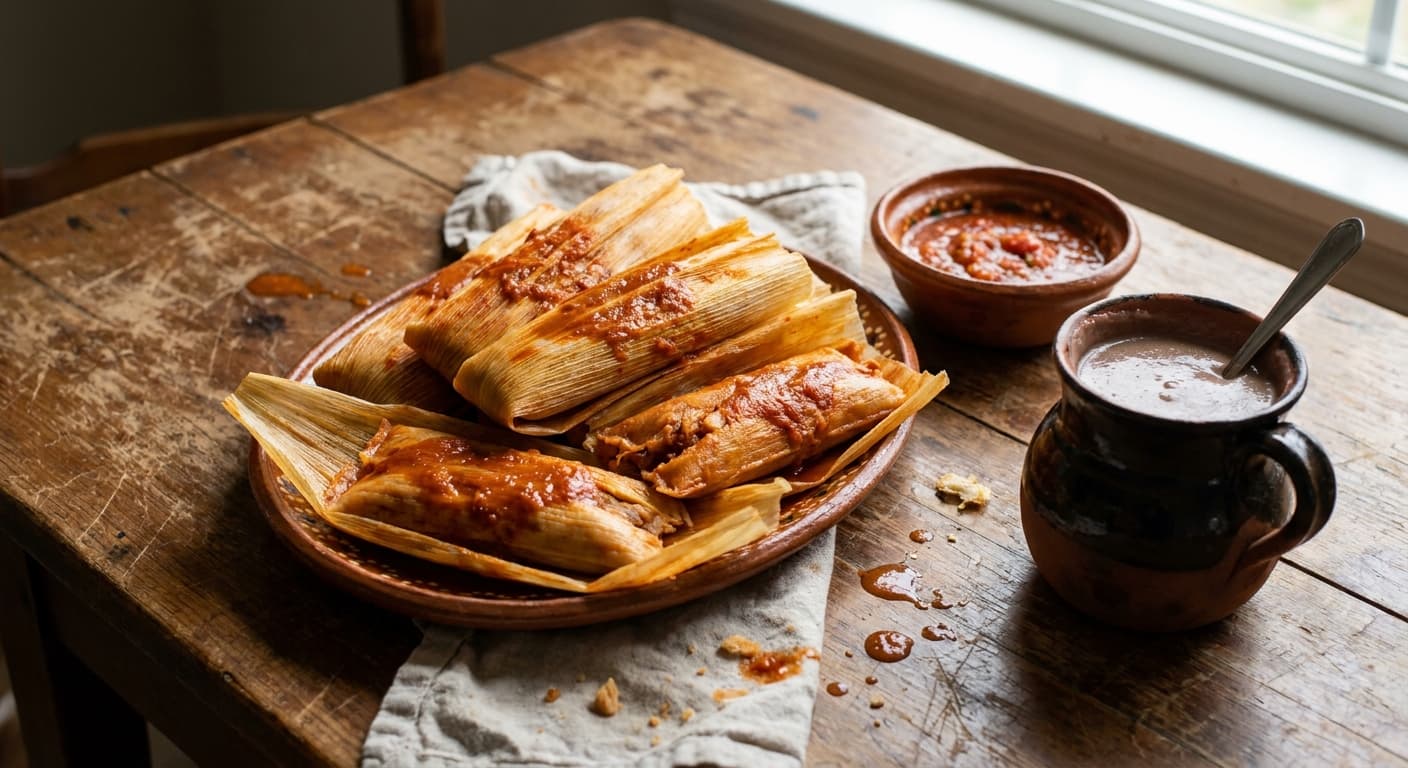
Tamales (Tamales) — Red Chile Pork in Steamed Corn Masa
Mexican · Main Courses · 225 min
Reviews
Cooked this recipe?
Tap the stars to rate it — that's all it takes. A few words are welcome but optional.
No ratings yet. Cooked this one? Be the first to rate it — it takes one tap.