Samogitian Kastinys (Žemaičių kastinys) — Warm Cultured Cream Spread
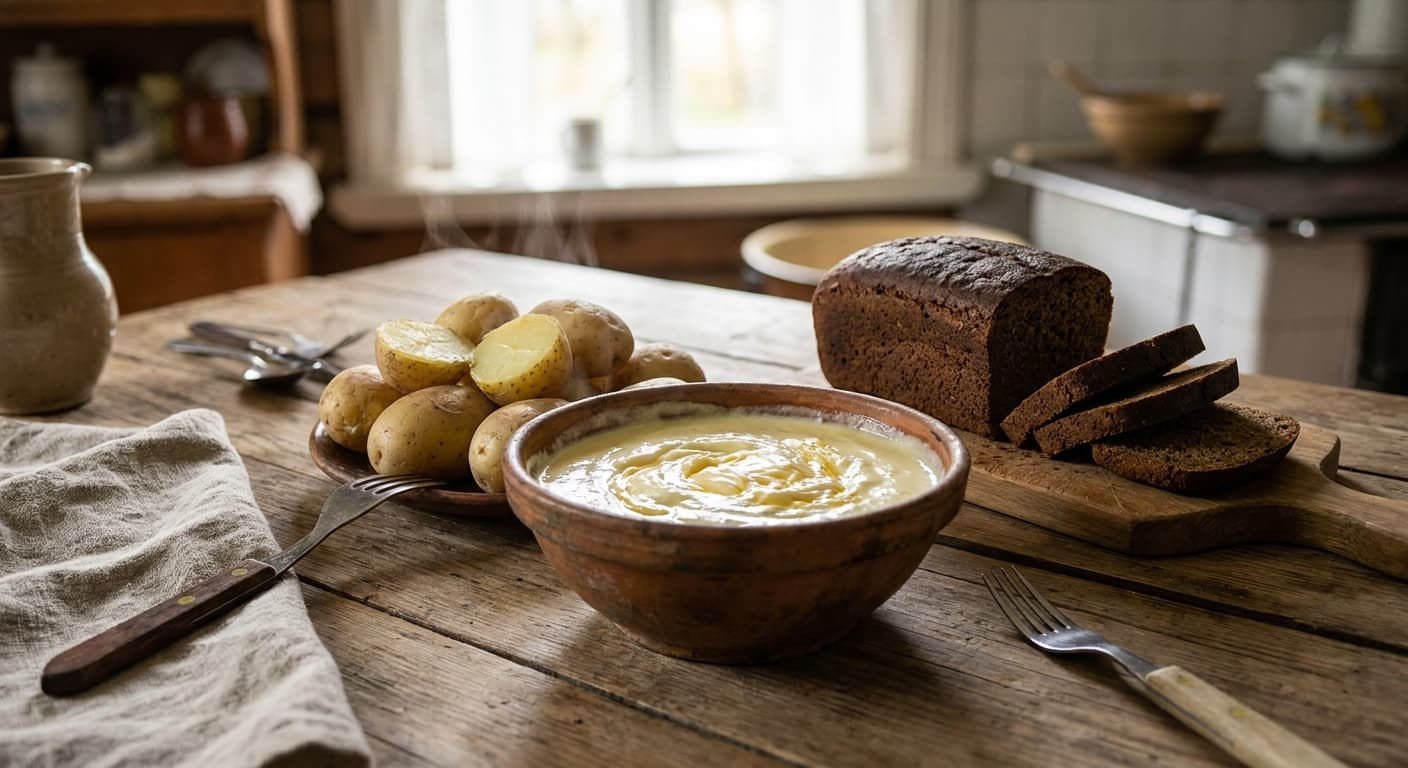
Žemaičių kastinys is a Samogitian cultured dairy spread made by gently warming and stirring sour cream with butter until thick and glossy. It is traditionally served with hot potatoes, ruginė duona, and sometimes bulviniai blynai.
Printable Recipe Card
Servings: 8 · Total: 45 min · Difficulty: medium
Ingredients (quick list)
- 500 g cultured sour cream (20% fat, at room temperature)
- 120 g unsalted butter (softened but not melted)
- 60 ml full-fat kefir (at room temperature)
- 1 clove garlic (finely grated)
- 1.5 tsp caraway seeds
- 5 g fine sea salt
- 0.25 tsp ground white pepper
- 4 sprig fresh dill (finely chopped)
- 900 g waxy potatoes
- 2 l water
- 8 slice ruginė duona (Lithuanian dark rye bread, about 30 g per slice)
Steps (summary)
- Bring the sour cream, butter, and kefir to 20–22°C before you begin, because cold dairy will split more easily. Set a heatproof…
- Place the potatoes in a pot with 2 l water and 12 g fine sea salt, then bring them to a steady boil. Cook for 18–22 minutes, de…
- While the potatoes cook, put the softened butter into the warm bowl and stir it in one direction with a wooden spoon until crea…
- Add the sour cream in 50 g spoonfuls, stirring continuously in the same direction after each addition until the mixture looks s…
- Stir in the grated garlic, caraway seeds, 5 g fine sea salt, and white pepper, then continue warming and stirring for 3–4 minut…
- Drain the hot potatoes thoroughly and let them steam dry in the pot for 2 minutes. Spoon the warm kastinys into a bowl, sprinkl…
Cultural Background
Birutė Imbrasienė describes Lithuanian traditional foods with strong regional identities, and kastinys is one of Samogitia’s best-known dairy preparations. Unlike grainy varškė spreads, it celebrates smooth cultured cream, butter, potatoes, and rye bread.
Equipment
💡 Tips
- Stir in one direction throughout the emulsion stage; this traditional technique helps the cultured cream and butter bind smoothly.
- Use genuine cultured sour cream rather than sweet cream, because the tangy acidity is central to the flavor of kastinys.
- If the mixture looks slightly oily, remove the bowl from heat and whisk in 20 g more room-temperature sour cream until it tightens again.
⚠️ Common Mistakes
❌ Heating the bowl too aggressively and melting the butter completely
✅ Fix: Keep the water at a bare simmer and remove the bowl from heat for 1 minute if the butter begins to separate.
❌ Adding all the sour cream at once
✅ Fix: Add it in 50 g increments and stir until each addition is fully emulsified before adding the next.
❌ Expecting a curd-like texture similar to varškė
✅ Fix: Kastinys should be smooth and glossy, so continue gentle stirring until the spread looks uniform.
🧊 How to Store
Refrigerate leftover kastinys in an airtight container for up to 3 days. Rewarm very gently over barely warm water, stirring constantly, or serve chilled as a spread; avoid microwaving because direct heat can split the dairy.
📅 Make Ahead
The dairy can be brought to room temperature 2 hours ahead, and the garlic and herbs can be prepared 4 hours ahead. For best texture, make the kastinys shortly before serving.
🍽️ Pairs Well With
- Hot boiled potatoes
- ruginė duona
- bulviniai blynai
- cucumber salad
- radishes.
Regional Variations
- Some Samogitian households use more butter for a firmer, richer kastinys that sets like a spread when chilled.
- Garlic, caraway, dill, or chives may be emphasized differently from village to village, but the cultured dairy base remains essential.
- Hot potatoes are the classic partner, while some families also serve kastinys with bulviniai blynai or potato dumplings such as cepelinai.
Ingredients
- 500 gcultured sour cream (20% fat, at room temperature)
- 120 gunsalted butter (softened but not melted)
- 60 mlfull-fat kefir (at room temperature)
- 1 clovegarlic (finely grated)
- 1.5 tspcaraway seeds
- 5 gfine sea salt
- 0.25 tspground white pepper
- 4 sprigfresh dill (finely chopped)
- 900 gwaxy potatoes
- 2 lwater
- 8 sliceruginė duona (Lithuanian dark rye bread, about 30 g per slice)
🔄 Substitutions
- cultured sour cream→ crème fraîche
- full-fat kefir→ cultured buttermilk
- ruginė duona→ dense seeded rye bread
- garlic→ fresh chives
Instructions
- 1
Bring the sour cream, butter, and kefir to 20–22°C before you begin, because cold dairy will split more easily. Set a heatproof bowl over a saucepan containing 3 cm of barely simmering water, making sure the bowl does not touch the water.
- 2
Place the potatoes in a pot with 2 l water and 12 g fine sea salt, then bring them to a steady boil. Cook for 18–22 minutes, depending on size, until a skewer passes through the centers without resistance.
- 3
While the potatoes cook, put the softened butter into the warm bowl and stir it in one direction with a wooden spoon until creamy and glossy. Keep the heat gentle, because the butter should soften and emulsify rather than melt into a clear yellow pool.
- 4
Add the sour cream in 50 g spoonfuls, stirring continuously in the same direction after each addition until the mixture looks smooth. When all the sour cream has been incorporated, stir in the kefir in 20 ml additions to loosen the texture while keeping the kastinys thick.
- 5
Stir in the grated garlic, caraway seeds, 5 g fine sea salt, and white pepper, then continue warming and stirring for 3–4 minutes. The finished kastinys should be thick enough to mound softly on a spoon and should look satin-smooth rather than oily or curdled.
- 6
Drain the hot potatoes thoroughly and let them steam dry in the pot for 2 minutes. Spoon the warm kastinys into a bowl, sprinkle with the chopped dill, and serve immediately with the potatoes and slices of ruginė duona.
🪪 Recipe Passport
Cultural Background
Birutė Imbrasienė describes Lithuanian traditional foods with strong regional identities, and kastinys is one of Samogitia’s best-known dairy preparations. Unlike grainy varškė spreads, it celebrates smooth cultured cream, butter, potatoes, and rye bread.
Regional Variations
Researched from multiple sources and validated by the Zaffaron editorial team. Every recipe is tested for accuracy, measurements, and cultural authenticity.
📚 Sources & Cultural References
- Birutė Imbrasienė — Lithuanian Traditional Foods
Sources cited by the Zaffaron editorial team during recipe research. Cultural and culinary references supporting authenticity claims.
Nutrition per serving
Pairs well with
If you enjoyed this recipe, here are a few related Zaffaron recipes to try next.
Does your family make this differently?
Every family has their own version. Maybe your grandmother adds a secret ingredient, or your aunt has a completely different technique. Preserve your family's version — with their name on it, forever.
You Might Also Like
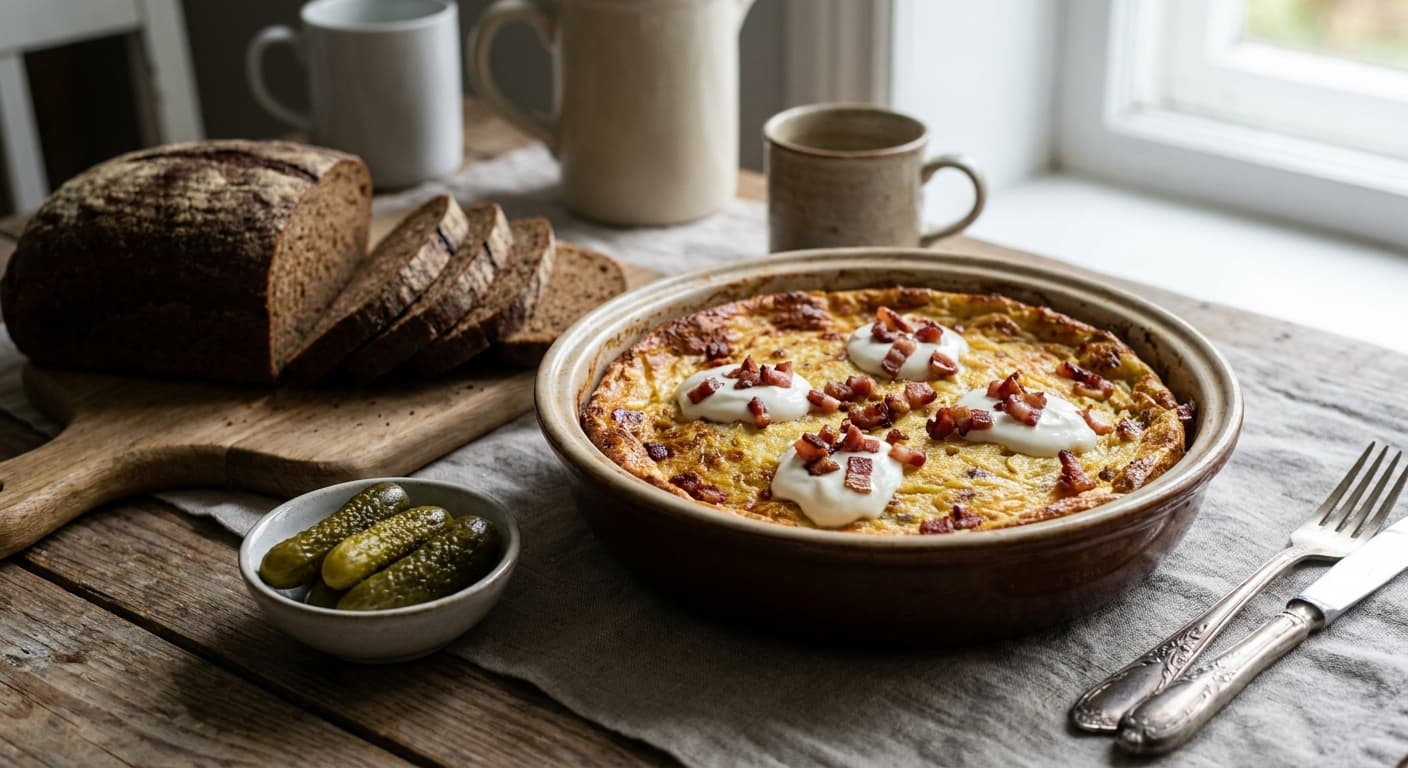
Lithuanian Kugelis (Kugelis) — Savory Baked Potato Pudding
Lithuanian · Main Courses · 115 min
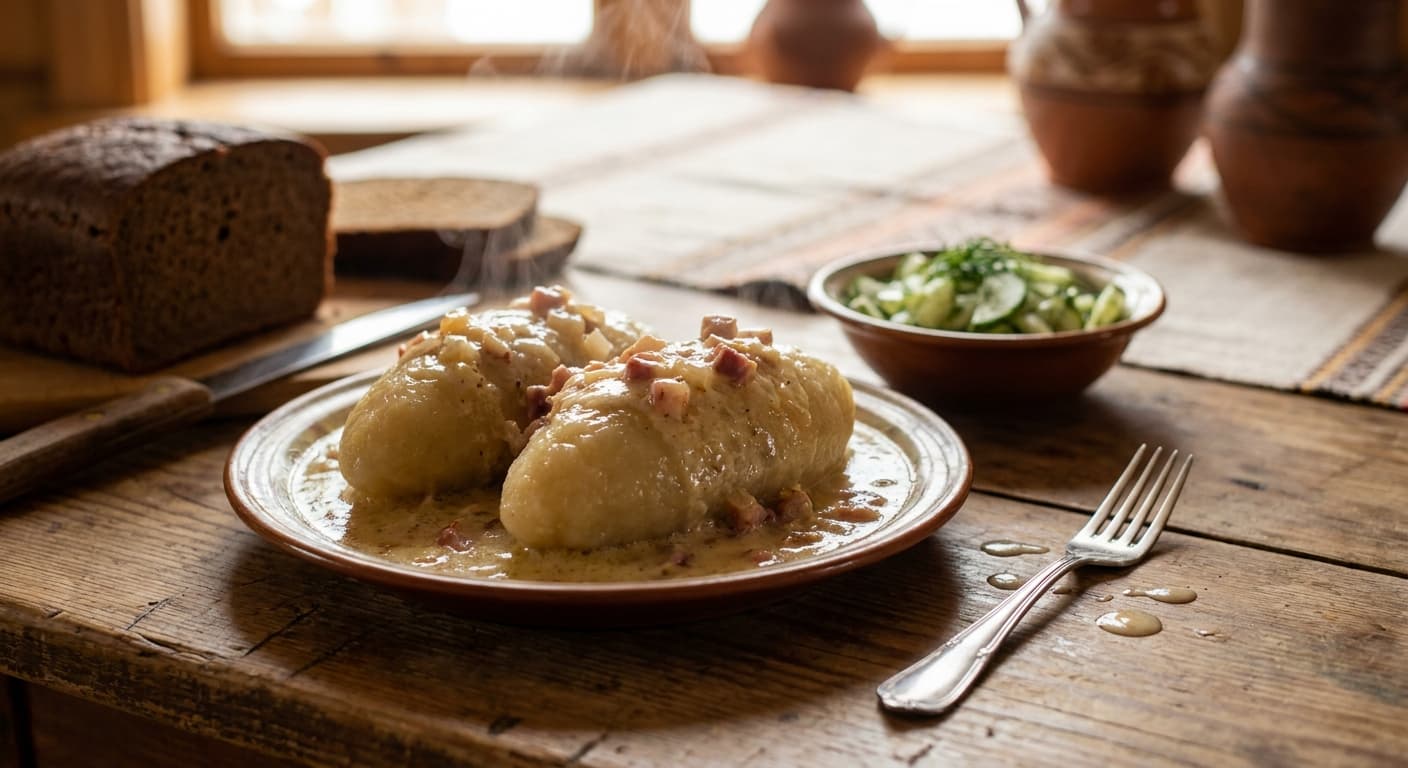
Lithuanian Cepelinai (Cepelinai) — Potato Dumplings with Pork and Sour Cream Sauce
Lithuanian · Main Courses · 115 min
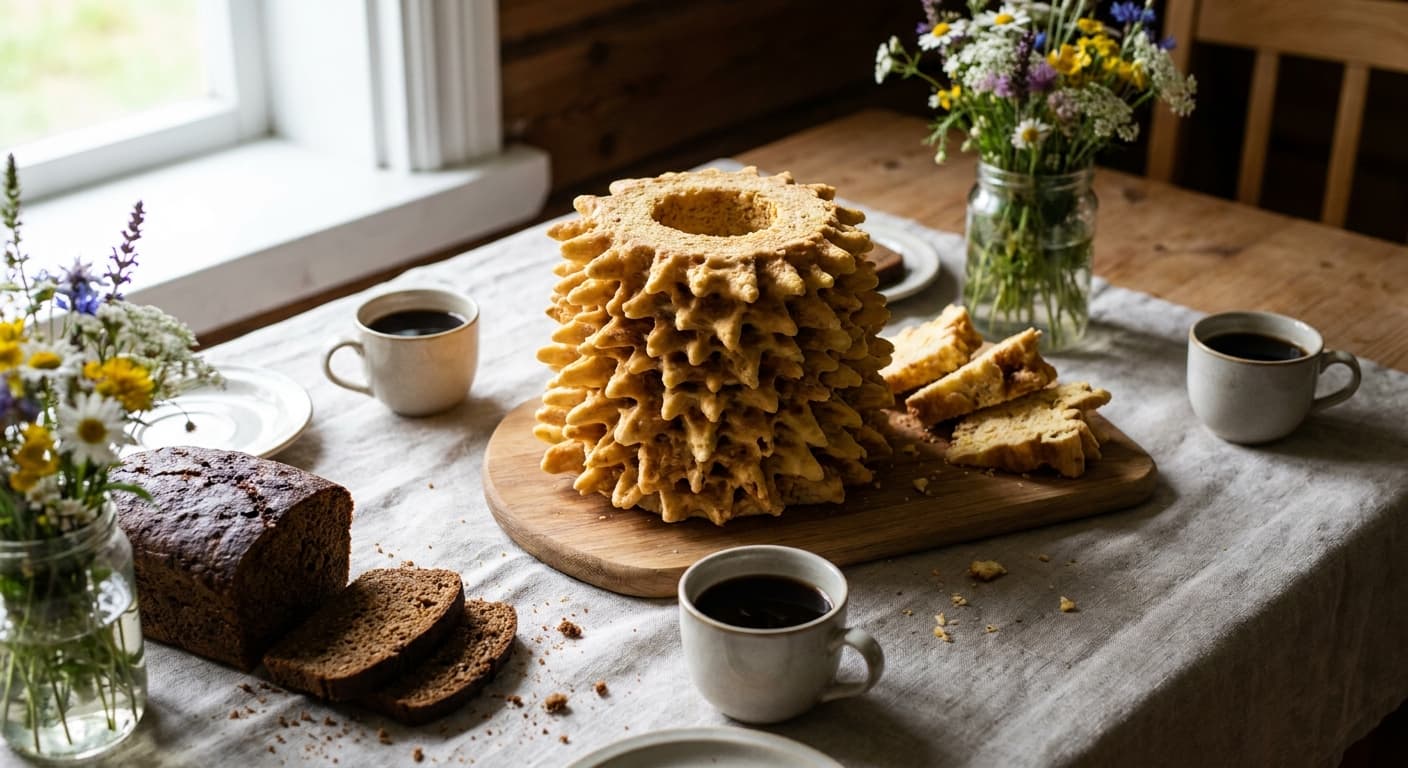
Lithuanian Tree Cake (Šakotis) — Spit-Baked Celebration Cake
Lithuanian · Desserts · 230 min
Ohitashi (お浸し) — Japanese Blanched Spinach with Bonito Dashi and Soy
Japanese · Side Dishes · 20 min
Goma-dofu (胡麻豆腐) — Shojin Sesame Kuzu Tofu
Japanese · Side Dishes · 28 min
Estonian Barley-Potato Mash (Mulgipuder) — Rustic Mulgimaa Comfort Food
Estonian · Main Courses · 70 min
Polish Sour Rye Soup (Żurek) — Tangy Easter Sausage Soup
Polish · Soups · 80 min
Kavurma Chorba (Gowurma çorba) — Turkmen Fried-Lamb Soup
Turkmen · Soups · 100 min
Reviews
Cooked this recipe?
Tap the stars to rate it — that's all it takes. A few words are welcome but optional.
No ratings yet. Cooked this one? Be the first to rate it — it takes one tap.