Kaab el Ghazal (كعب الغزال) — Moroccan Crescent Almond Pastries Scented with Orange Blossom
Kaab el Ghazal are classic Moroccan “gazelle horns” filled with fragrant almond paste and wrapped in a paper-thin dough. Often served with mint tea at weddings and Eid, they’re delicately sweet with orange blossom perfume.
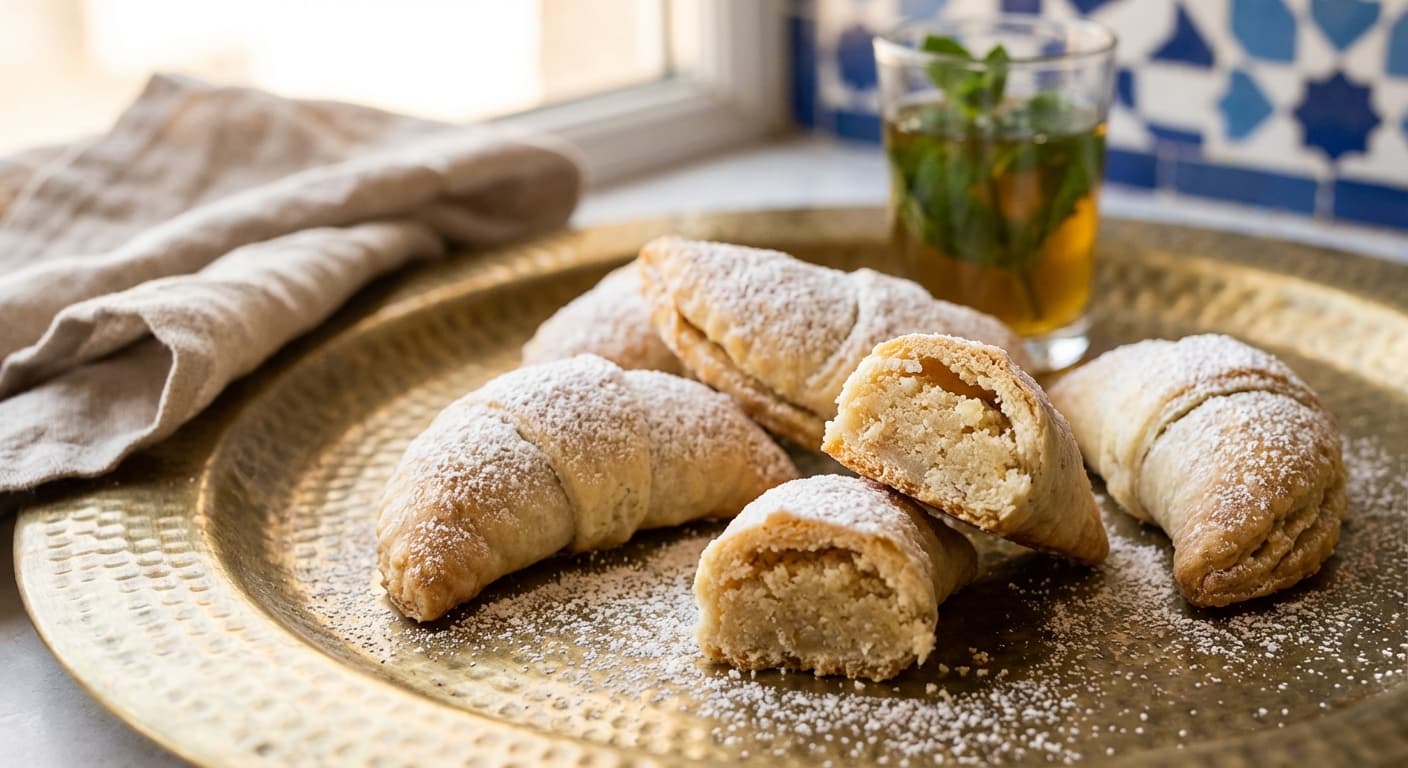
Printable Recipe Card
Servings: 24 · Total: 78 min · Difficulty: hard
Ingredients (quick list)
- 300 g Blanched almonds (finely ground, not oily)
- 150 g Powdered sugar
- 40 g Unsalted butter (melted and cooled)
- 20 ml Orange blossom water
- 2 tsp Ground cinnamon
- 1 tsp Fine salt
- 1 Egg yolk (from a large egg)
- 350 g All-purpose flour
- 30 ml Vegetable oil
- 140 ml Warm water (about 40°C)
Steps (summary)
- Make the almond filling first so it has time to firm up. In a bowl, combine the ground almonds, powdered sugar, cinnamon, and s…
- Add the melted butter, orange blossom water, and egg yolk to the almond mixture. Mix with a spoon, then knead briefly by hand u…
- Divide the filling into 24 equal portions, about 20 g each, for consistent baking. Roll each portion into a rope about 10–12 cm…
- Prepare the dough by whisking the flour and salt in a large bowl to distribute the salt evenly. Add the melted butter, oil, and…
- Add the warm water gradually while mixing, stopping once the dough comes together into a soft, smooth ball. Knead for 6–8 minut…
- Preheat the oven to 170°C and line two baking sheets with parchment. Keep the dough covered while working, because it dries qui…
+ 6 more steps in the full instructions section below.
Cultural Background
Known as “gazelle horns,” these pastries are a symbol of refinement in Moroccan home baking and are commonly offered to guests with tea. They appear on celebration tables—especially weddings and Eid—where delicate shaping shows hospitality and skill.
Equipment
💡 Tips
- Grind almonds until fine but stop before they turn pasty; oily almond meal makes the filling heavy and can crack the dough.
- Roll the dough extremely thin and keep it covered between pieces; thin dough is the hallmark of authentic Kaab el Ghazal.
- Bake pale, not brown; the ideal pastry is tender with a delicate bite and a fragrant almond center.
⚠️ Common Mistakes
❌ Dough tears while rolling or wrapping.
✅ Fix: Rest the dough 10 minutes, flour lightly, and roll from the center outward with gentle pressure; keep unused dough covered to prevent drying.
❌ Pastries crack open at the seam during baking.
✅ Fix: Seal more firmly, smooth the seam with a fingertip, and avoid overfilling; chilling the filling helps it keep shape and reduces stress on the dough.
❌ Pastries turn brown and taste dry.
✅ Fix: Lower the oven to 165–170°C and bake just until set and pale; remove as soon as the bottoms are lightly colored.
🧊 How to Store
Store fully cooled pastries in an airtight tin at room temperature for up to 5 days. For longer storage, freeze up to 2 months; thaw covered at room temp, then refresh 3–4 minutes at 150°C and dust with sugar before serving.
📅 Make Ahead
Make the almond filling up to 3 days ahead and refrigerate tightly covered. The dough can be made 1 day ahead; wrap well, chill, then bring to room temperature for 30–40 minutes before rolling thin.
🍽️ Pairs Well With
- Moroccan mint tea
- black tea with fresh mint
- fresh orange segments
- dates
- roasted almonds.
Regional Variations
- Some Moroccan households add 5 ml lemon juice to the almond paste for a brighter, slightly tangy finish.
- In northern Morocco, the crescents may be made smaller and thinner, emphasizing a nearly translucent dough.
- A few bakers include 1 tsp finely grated orange zest in the filling for a more citrus-forward aroma.
Ingredients
- 300 gBlanched almonds (finely ground, not oily)
- 150 gPowdered sugar
- 40 gUnsalted butter (melted and cooled)
- 20 mlOrange blossom water
- 2 tspGround cinnamon
- 1 tspFine salt
- 1Egg yolk (from a large egg)
- 350 gAll-purpose flour
- 30 mlVegetable oil
- 140 mlWarm water (about 40°C)
🔄 Substitutions
- Orange blossom water→ Rose water
- Blanched almonds→ Almond flour
- Vegetable oil→ Mild olive oil
Instructions
- 1
Make the almond filling first so it has time to firm up. In a bowl, combine the ground almonds, powdered sugar, cinnamon, and salt until evenly mixed.
- 2
Add the melted butter, orange blossom water, and egg yolk to the almond mixture. Mix with a spoon, then knead briefly by hand until a smooth, cohesive paste forms that holds its shape when pressed.
- 3
Divide the filling into 24 equal portions, about 20 g each, for consistent baking. Roll each portion into a rope about 10–12 cm long, tapering the ends slightly, then cover and refrigerate for 20 minutes to firm.
- 4
Prepare the dough by whisking the flour and salt in a large bowl to distribute the salt evenly. Add the melted butter, oil, and orange blossom water, then rub with your fingertips until the flour looks slightly sandy and hydrated.
- 5
Add the warm water gradually while mixing, stopping once the dough comes together into a soft, smooth ball. Knead for 6–8 minutes until elastic, then cover and rest for 20 minutes so the gluten relaxes for ultra-thin rolling.
- 6
Preheat the oven to 170°C and line two baking sheets with parchment. Keep the dough covered while working, because it dries quickly and becomes harder to roll thin.
- 7
Divide the dough into 24 pieces, about 25 g each, and keep them under a towel. On a lightly floured surface, roll one piece into a very thin oval, about 12–14 cm long, aiming for nearly translucent dough without tearing.
- 8
Place one chilled almond rope near the lower third of the oval. Fold the dough over the filling, press gently to seal, then trim excess dough with a knife or pastry wheel to create a neat crescent outline.
- 9
Shape into the signature “gazelle horn” by curving the sealed pastry into a crescent and pinching the ends slightly to refine the points. Smooth the seam with your fingertips to prevent splitting, then place seam-side down on the tray.
- 10
Repeat with the remaining pieces, spacing pastries about 2 cm apart because they puff slightly. If the dough starts to resist or shrink, pause and let it rest covered for 5 minutes before continuing.
- 11
Bake for 16–20 minutes until the pastries are set and just barely tinted, not deeply browned. Rotate the trays halfway through for even heat, because over-browning will make them taste dry and less delicate.
- 12
Cool on the tray for 10 minutes, then transfer to a rack to cool completely. Dust with 30 g powdered sugar right before serving so the finish stays bright and doesn’t melt into the surface.
🪪 Recipe Passport
Cultural Background
Known as “gazelle horns,” these pastries are a symbol of refinement in Moroccan home baking and are commonly offered to guests with tea. They appear on celebration tables—especially weddings and Eid—where delicate shaping shows hospitality and skill.
Regional Variations
Researched from multiple sources and validated by the Zaffaron editorial team. Every recipe is tested for accuracy, measurements, and cultural authenticity.
Nutrition per serving
Pairs well with
If you enjoyed this recipe, here are a few related Zaffaron recipes to try next.
- Moroccan Carrot Salad (سلطة الجزر المغربية) — Spiced Carrot Salad with Cumin and Orange Blossom
- Moroccan Orange and Cinnamon Salad (سلطة البرتقال بالقرفة) — Fresh citrus dessert with floral spice
- Rfissa (رفيسة) — Moroccan Shredded Flatbread with Chicken and Lentils
- Lamb Mrouzia (المروزية) — Moroccan Festive Honeyed Lamb with Raisins and Almonds
Does your family make this differently?
Every family has their own version. Maybe your grandmother adds a secret ingredient, or your aunt has a completely different technique. Preserve your family's version — with their name on it, forever.
You Might Also Like
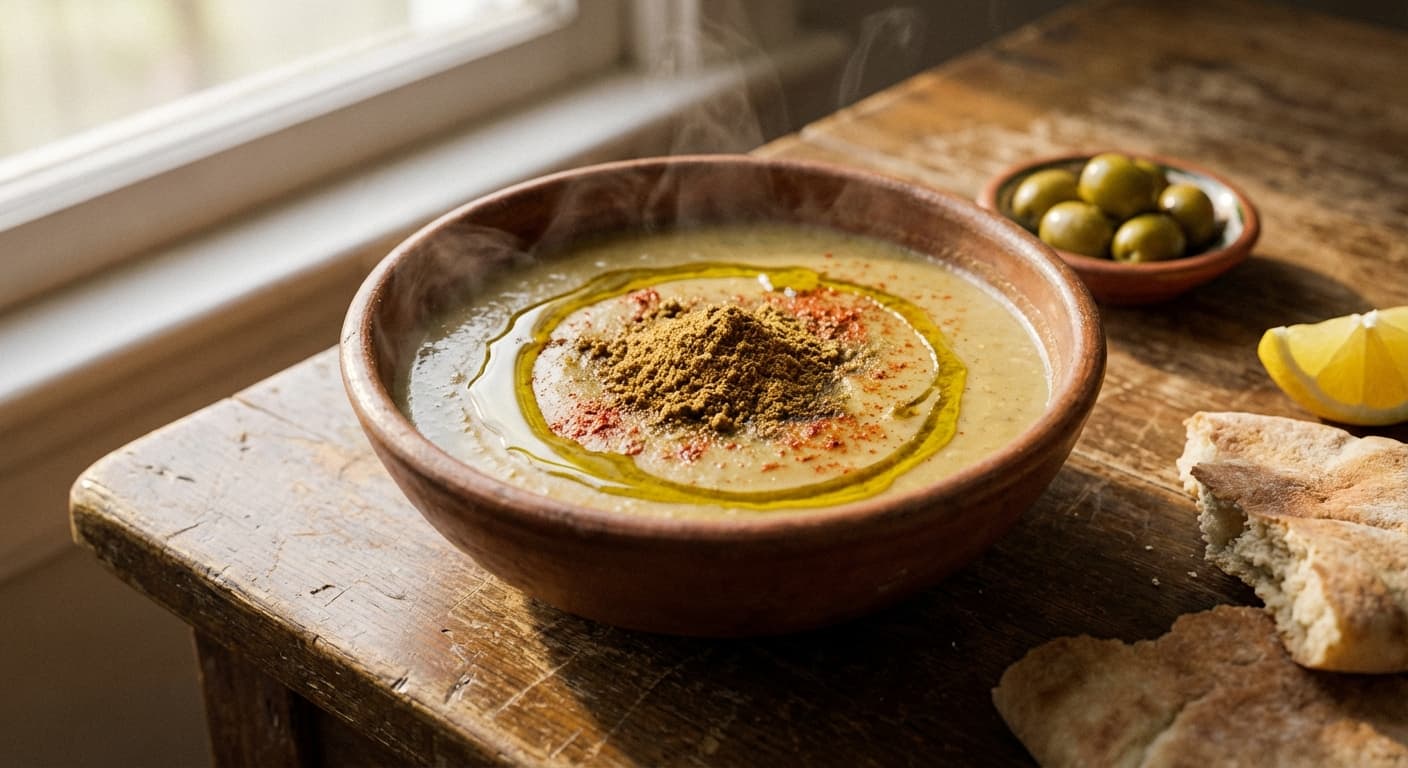
Bissara (بصارة) — Moroccan Fava Bean Soup with Cumin and Olive Oil
Moroccan · Soups · 80 min
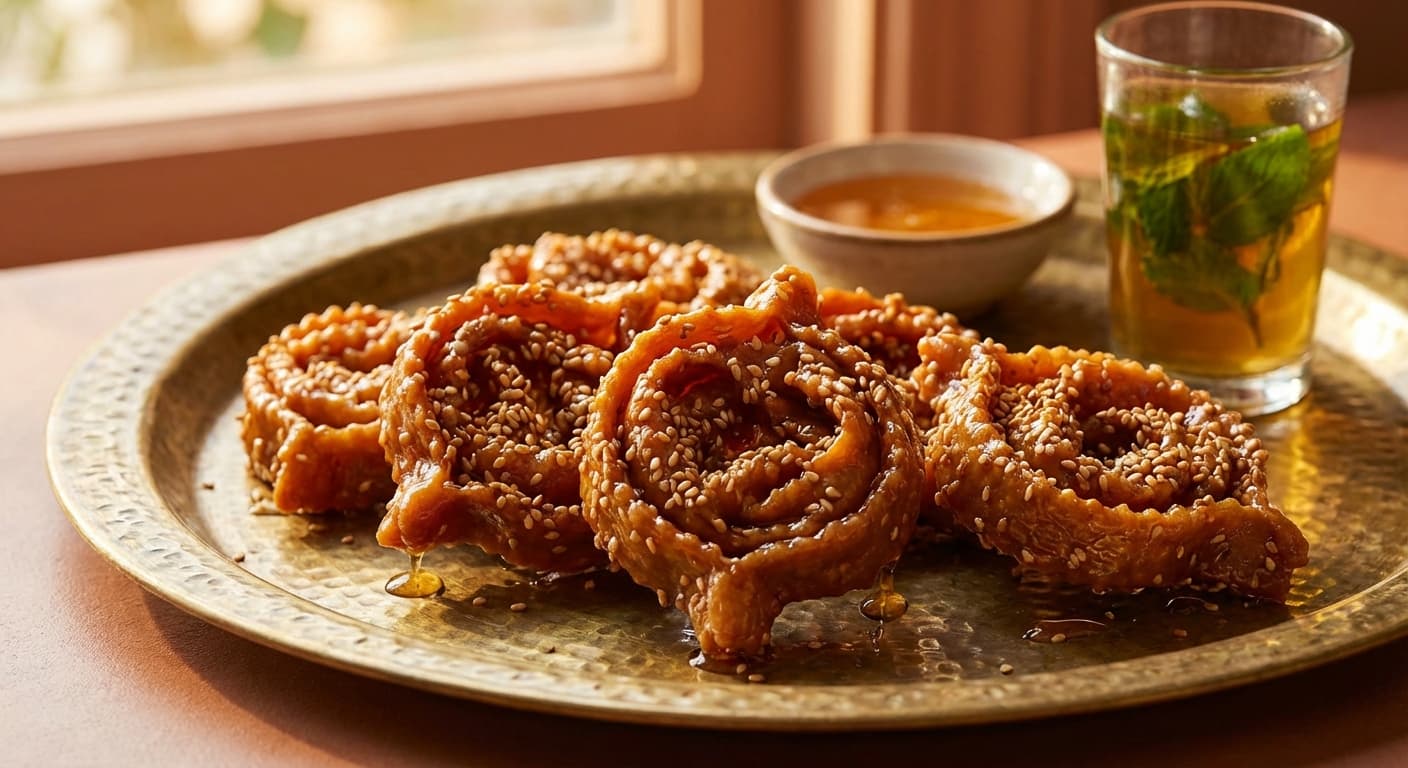
Chebakia (الشباكية) — Moroccan Sesame and Honey Cookie Roses
Moroccan · Desserts · 110 min
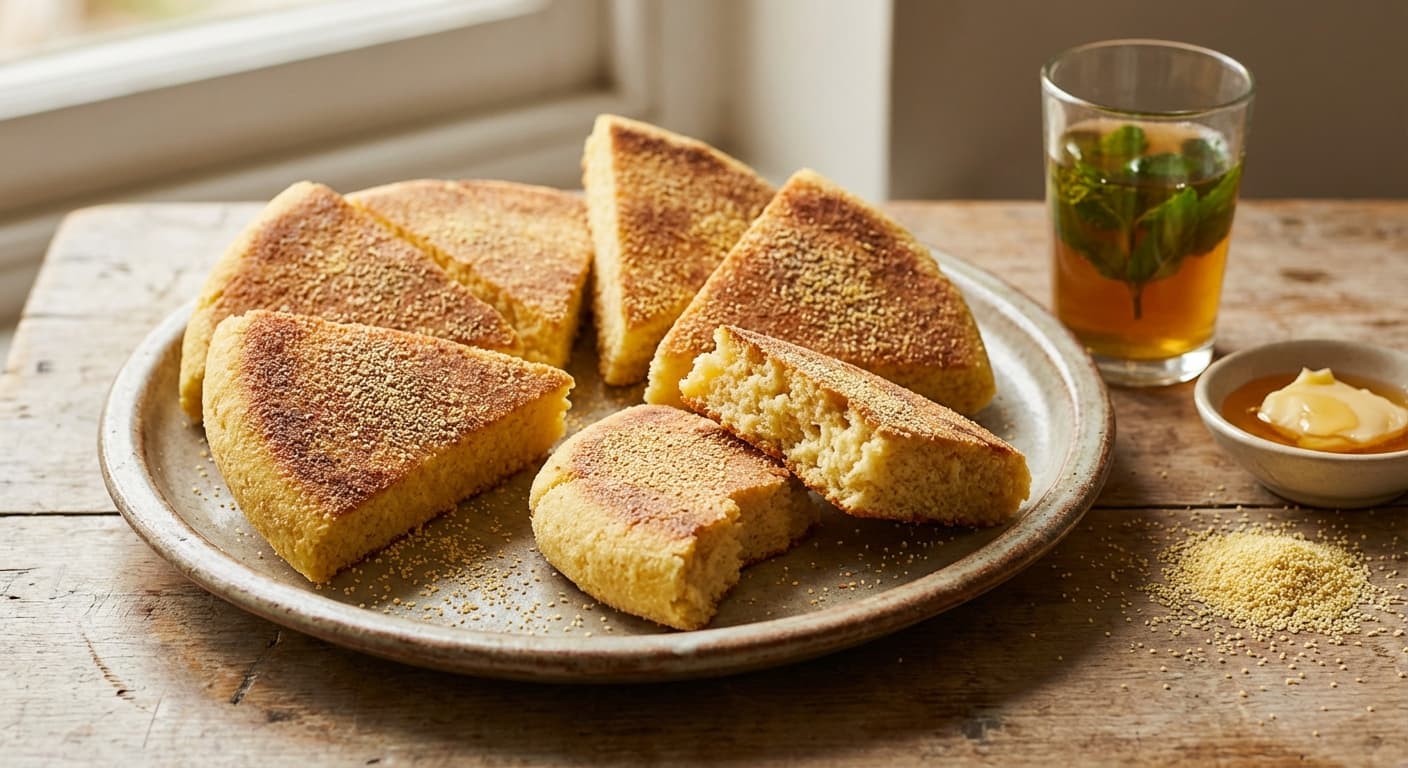
Harcha (حرشة) — Moroccan Semolina Griddle Bread
Moroccan · Breads · 35 min
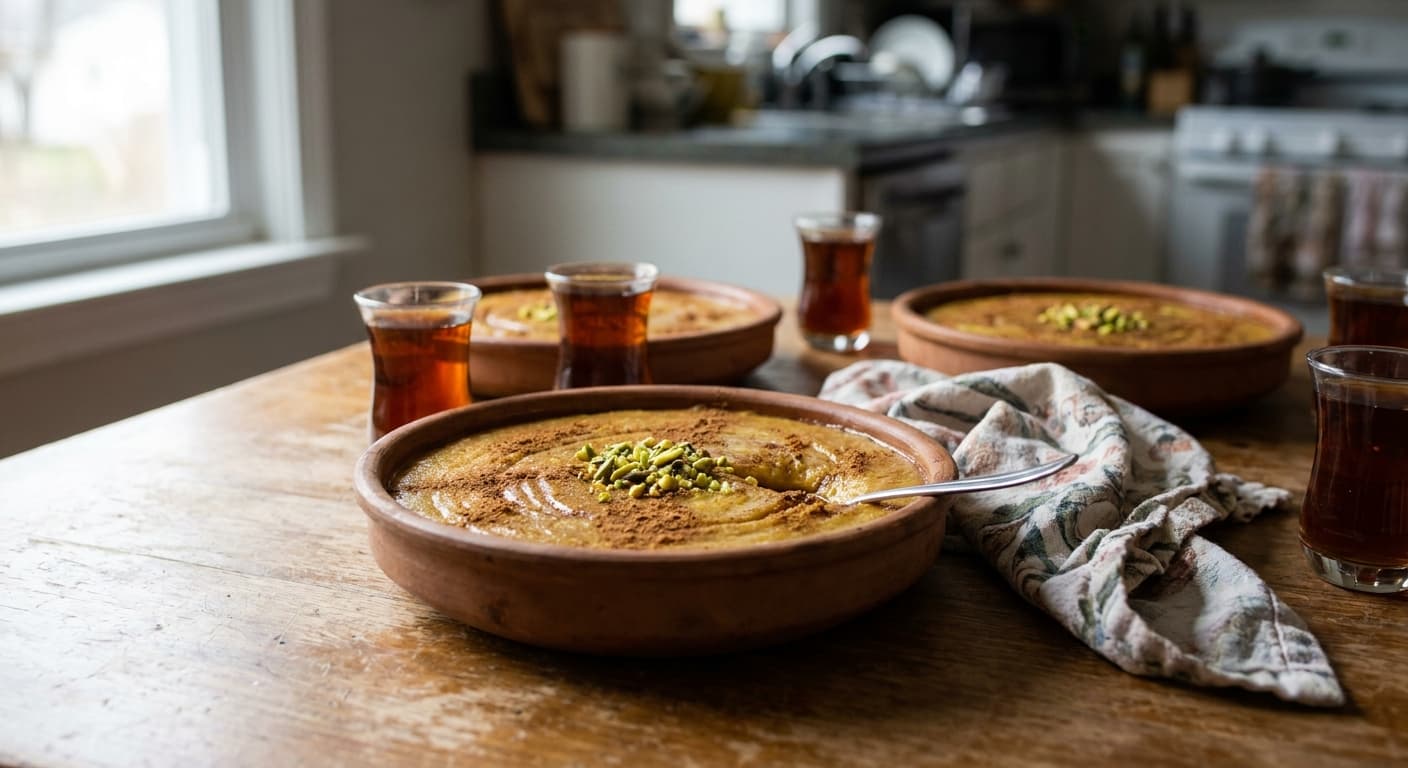
Persian Kachi (کاچی) — Saffron Rosewater Pudding
Persian · Desserts · 45 min
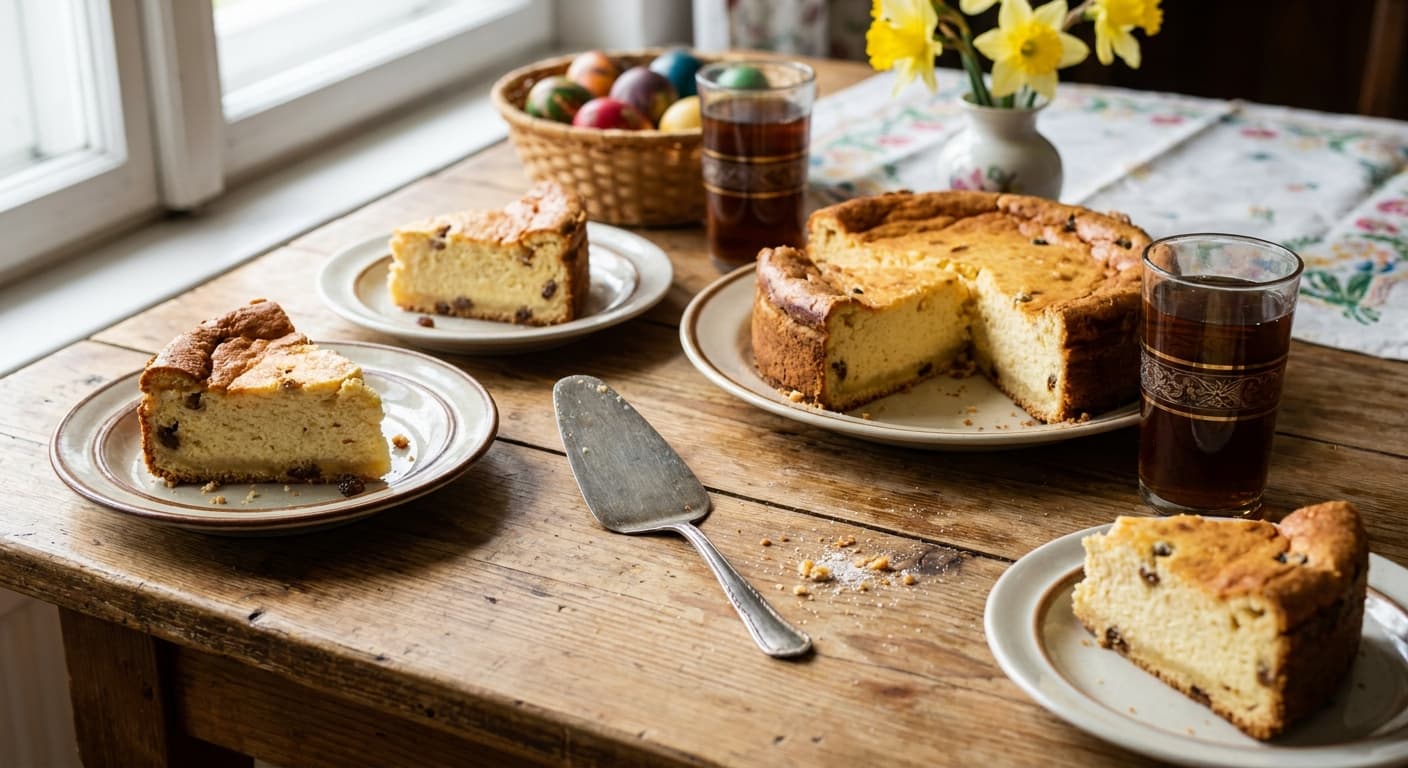
Sernik (Sernik) — Polish Baked Twarog Cheesecake
Polish · Desserts · 105 min
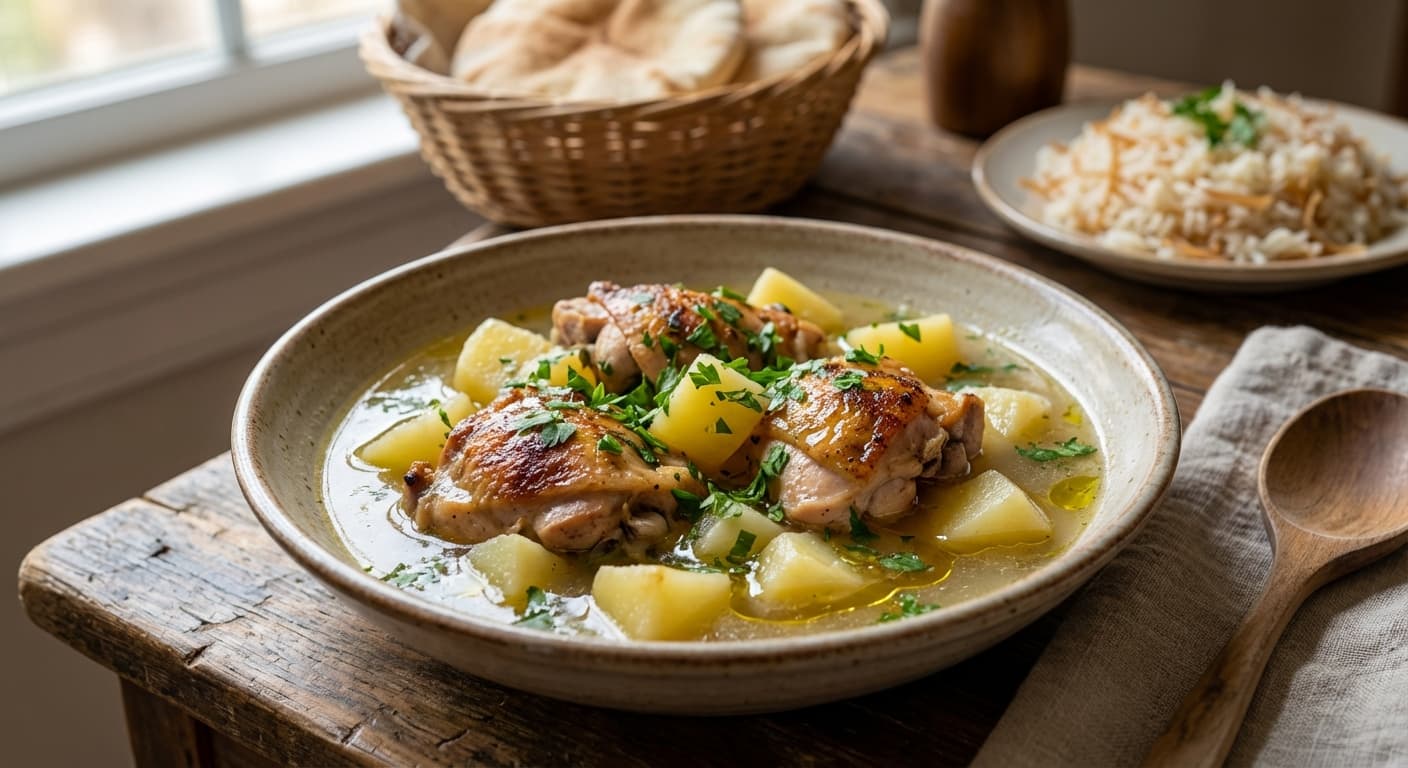
Djej Bi Batata (دجاج ببطاطا) — Lebanese Chicken Stew with Potatoes and Garlic
Lebanese · Stews · 75 min
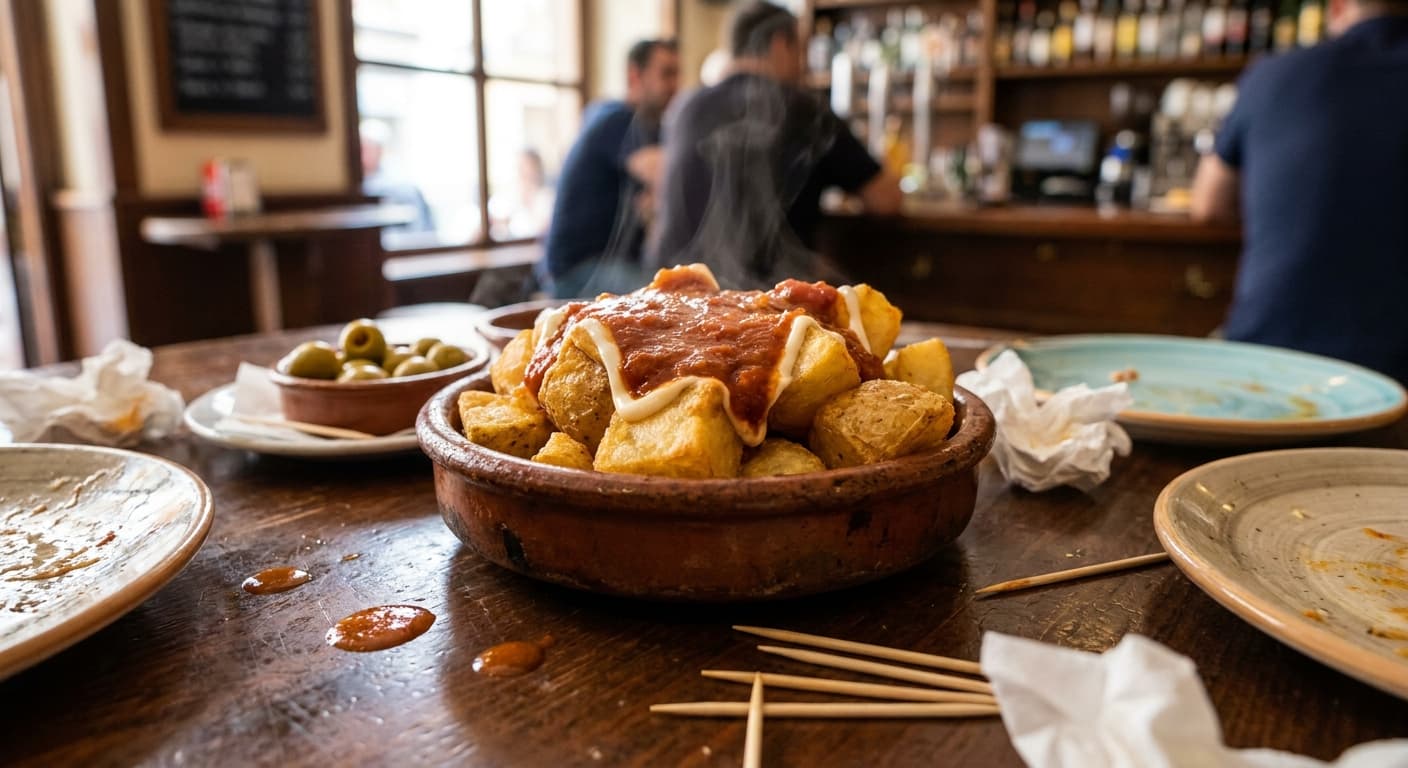
Patatas Bravas (Patatas bravas) — Crisp Spanish Tapas Potatoes with Spicy Brava Sauce
Spanish · Appetizers · 55 min
Ghriba (غريبة) — Moroccan crumbly almond cookies with orange blossom
Moroccan · Desserts · 34 min
Reviews
Cooked this recipe?
Tap the stars to rate it — that's all it takes. A few words are welcome but optional.
No ratings yet. Cooked this one? Be the first to rate it — it takes one tap.