Kale Gonjeshki (کله گنجشکی) — Persian Sparrow-Head Meatball Stew
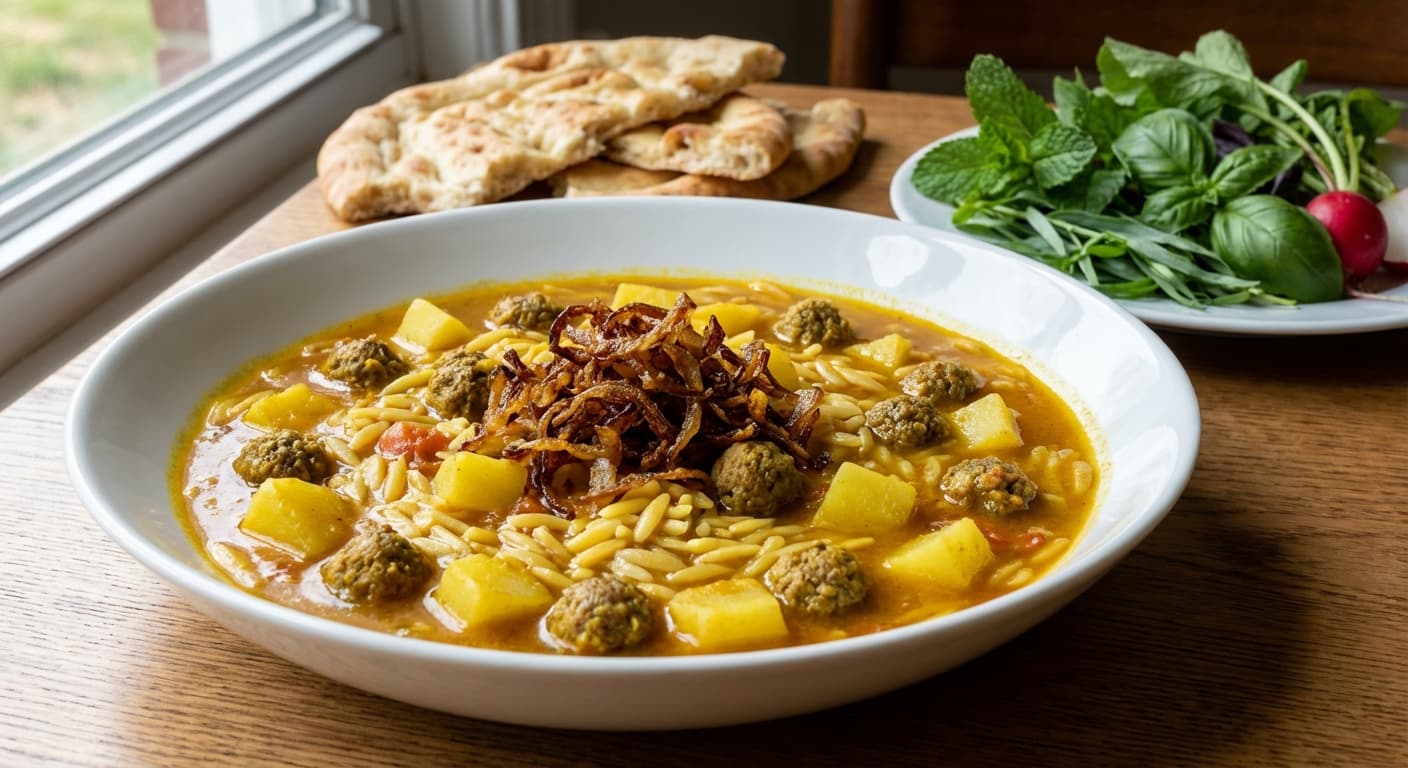
Kale Gonjeshki is a comforting Persian stew of tiny “sparrow-head” meatballs simmered with potatoes and small pasta in a golden turmeric and tomato broth, finished with fried onions for deep, homey flavor.
Printable Recipe Card
Servings: 4 · Total: 90 min · Difficulty: medium
Ingredients (quick list)
- 200 g Yellow onion (grated on the large holes of a box grater, excess juice squeezed out)
- 450 g Ground beef (85–90% lean) or ground lamb (chilled)
- 6 g Sea salt (about 1 tsp)
- 1 g Black pepper (about 1/2 tsp, freshly ground)
- 2 g Ground turmeric (about 1 tsp)
- 10 g All-purpose flour (about 1 tbsp, helps bind and keeps meatballs tender)
- 30 ml Neutral oil (such as sunflower or canola)
- 60 g Fried onions (piaz dagh) (store-bought or homemade, divided)
- 35 g Tomato paste (about 2 tbsp)
- 1200 ml Water (hot, plus more as needed)
- 450 g Potatoes (peeled and cut into 2.5 cm cubes)
- 80 g Small pasta (small shapes such as ditalini, small shells, or orzo)
Steps (summary)
- Make the meatball mixture: In a bowl, combine the grated onion (well-squeezed), ground meat, sea salt, black pepper, turmeric,…
- Shape “sparrow-head” meatballs: Lightly dampen your palms with water. Pinch off small pieces (about 6–8 g each) and roll into m…
- Build the base: Heat a 4–5 liter pot over medium heat and add the oil. Stir in half of the fried onions and cook for 1 minute t…
- Simmer the broth and cook potatoes: Pour in the hot water gradually while whisking to dissolve the tomato paste. Add sea salt a…
- Poach the meatballs gently: Lower the heat so the stew barely simmers. Add the meatballs one by one, spreading them around the…
- Add pasta and finish: Stir in the small pasta and simmer for 8–10 minutes, stirring occasionally, until the pasta is tender. If…
+ 1 more steps in the full instructions section below.
Cultural Background
Kale Gonjeshki is a home-style Persian stew known for its very small meatballs, shaped to resemble “sparrow heads,” which makes it feel comforting and familiar at the family table. It is commonly prepared as an everyday meal, often served with bread or rice, and its simple pantry ingredients reflect practical Iranian home cooking.
Equipment
💡 Tips
- Squeezing moisture from the grated onion prevents the meatballs from falling apart and keeps the broth from turning cloudy.
- Keep the stew at a gentle simmer when the meatballs go in; a hard boil can break small meatballs.
- Frying the tomato paste for a few minutes removes raw acidity and gives the broth a deeper color.
- If using lamb, skim any excess surface fat during simmering for a cleaner finish.
- For even-sized meatballs, weigh a few portions (6–8 g) and then eyeball the rest.
⚠️ Common Mistakes
❌ Boiling the stew aggressively after adding meatballs
💡 Why: Small meatballs can break apart and make the broth cloudy and greasy.
✅ Fix: Keep a gentle simmer; add meatballs gradually and avoid stirring for the first 8 minutes so they set.
❌ Not frying the tomato paste
💡 Why: Raw tomato paste tastes sharp and can leave the broth flat and acidic.
✅ Fix: Fry tomato paste with oil and turmeric for 2–3 minutes until it darkens slightly and smells sweet.
❌ Adding pasta too early
💡 Why: Pasta can overcook, swell, and absorb too much broth, turning the stew gummy.
✅ Fix: Add pasta only after meatballs are cooked and potatoes are nearly tender; thin with hot water if needed.
❌ Using wet grated onion in the meat mixture
💡 Why: Excess liquid weakens binding and can cause meatballs to crack.
✅ Fix: Squeeze grated onion well; if mixture still feels loose, knead longer or add 1 extra tsp (3 g) flour.
🧊 How to Store
Cool completely, then refrigerate in an airtight container for up to 3 days. The pasta will absorb broth as it sits; reheat gently over low heat with 120–240 ml water added as needed. Freeze up to 2 months; for best texture, freeze before adding pasta and cook pasta fresh when reheating.
📅 Make Ahead
Shape the meatballs up to 24 hours ahead and refrigerate on a tray, covered. You can also prepare the broth base (fried onions, tomato paste, turmeric) and refrigerate it for up to 2 days; reheat with water, then proceed with potatoes and meatballs. Add pasta only right before serving.
🍽️ Pairs Well With
- Steamed basmati rice
- Warm flatbread
- Fresh herbs (mint
- basil
- radish) as a side plate
- Pickled vegetables
Regional Variations
- Tehran-style home cookingOften includes small pasta for a heartier, spoonable stew and may be finished with extra fried onions for deeper sweetness.
- Northwest IranSome households make the broth slightly more tomato-forward and keep the stew more soup-like, serving it with plenty of bread for dipping.
Ingredients
- 200 gYellow onion (grated on the large holes of a box grater, excess juice squeezed out)
- 450 gGround beef (85–90% lean) or ground lamb (chilled)
- 6 gSea salt (about 1 tsp)
- 1 gBlack pepper (about 1/2 tsp, freshly ground)
- 2 gGround turmeric (about 1 tsp)
- 10 gAll-purpose flour (about 1 tbsp, helps bind and keeps meatballs tender)
- 30 mlNeutral oil (such as sunflower or canola)
- 60 gFried onions (piaz dagh) (store-bought or homemade, divided)
- 35 gTomato paste (about 2 tbsp)
- 1200 mlWater (hot, plus more as needed)
- 450 gPotatoes (peeled and cut into 2.5 cm cubes)
- 80 gSmall pasta (small shapes such as ditalini, small shells, or orzo)
🔄 Substitutions
- Ground beef or lamb→ Ground turkey (dark meat preferred)
- Small pasta→ Pearl couscous
- Fried onions (piaz dagh)→ Thinly sliced yellow onion, slowly fried until deep golden
Instructions
- 1
Make the meatball mixture: In a bowl, combine the grated onion (well-squeezed), ground meat, sea salt, black pepper, turmeric, and flour. Knead firmly by hand for 2–3 minutes until the mixture becomes tacky and cohesive; this helps the tiny meatballs hold their shape in the broth. Cover and refrigerate for 15 minutes.
- 2
Shape “sparrow-head” meatballs: Lightly dampen your palms with water. Pinch off small pieces (about 6–8 g each) and roll into marble-sized balls, aiming for 55–70 meatballs total. Place on a tray in a single layer. Keep them chilled while you start the broth so they stay firm and don’t crumble.
- 3
Build the base: Heat a 4–5 liter pot over medium heat and add the oil. Stir in half of the fried onions and cook for 1 minute to bloom their flavor. Add the tomato paste and turmeric and fry, stirring constantly, for 2–3 minutes until the paste darkens slightly and smells sweet, not raw.
- 4
Simmer the broth and cook potatoes: Pour in the hot water gradually while whisking to dissolve the tomato paste. Add sea salt and black pepper, bring to a gentle boil over medium-high heat, then reduce to a steady simmer. Add the potato cubes, cover partially, and simmer for 15 minutes until the potatoes are about halfway tender.
- 5
Poach the meatballs gently: Lower the heat so the stew barely simmers. Add the meatballs one by one, spreading them around the surface so they do not clump. Do not stir for the first 8 minutes; instead, gently shake the pot once or twice. Continue simmering uncovered for 15 minutes until meatballs are cooked through.
- 6
Add pasta and finish: Stir in the small pasta and simmer for 8–10 minutes, stirring occasionally, until the pasta is tender. If the stew thickens too much, add 60–120 ml hot water to keep a spoonable consistency. Stir in the remaining fried onions, simmer 2 more minutes, then taste and adjust salt and pepper.
- 7
Rest and serve: Turn off the heat and let the stew rest, covered, for 10 minutes so the flavors settle and the broth slightly thickens. Serve hot in bowls, ensuring each portion has meatballs, potatoes, and pasta. Offer warm flatbread or steamed rice on the side for dipping and soaking up the golden tomato-turmeric broth.
🪪 Recipe Passport
Cultural Background
Kale Gonjeshki is a home-style Persian stew known for its very small meatballs, shaped to resemble “sparrow heads,” which makes it feel comforting and familiar at the family table. It is commonly prepared as an everyday meal, often served with bread or rice, and its simple pantry ingredients reflect practical Iranian home cooking.
Regional Variations
Researched from multiple sources and validated by the Zaffaron editorial team. Every recipe is tested for accuracy, measurements, and cultural authenticity.
Nutrition per serving
Pairs well with
If you enjoyed this recipe, here are a few related Zaffaron recipes to try next.
Does your family make this differently?
Every family has their own version. Maybe your grandmother adds a secret ingredient, or your aunt has a completely different technique. Preserve your family's version — with their name on it, forever.
You Might Also Like
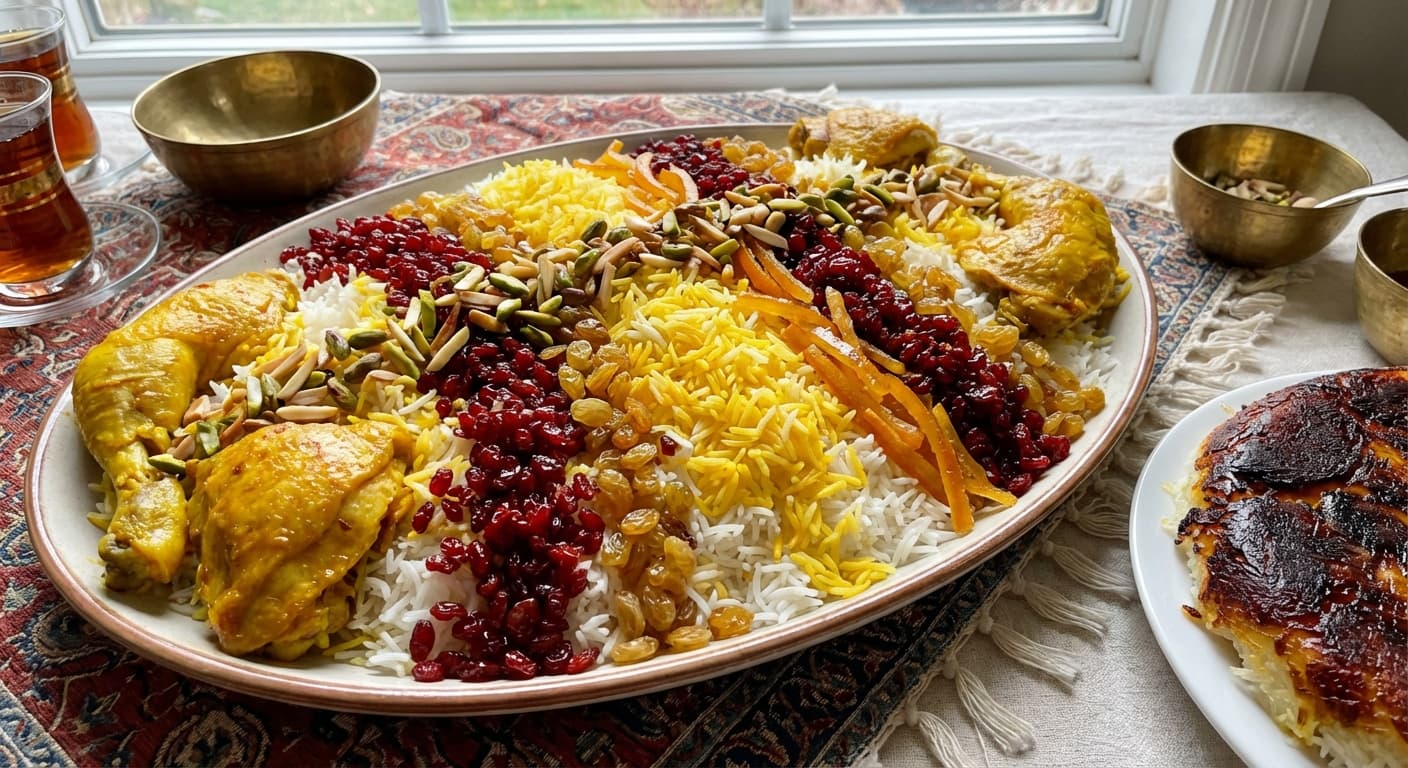
Jeweled Rice (مرصع پلو) — Festive Persian rice with saffron chicken and jeweled fruits
Persian · Rice Dishes · 135 min
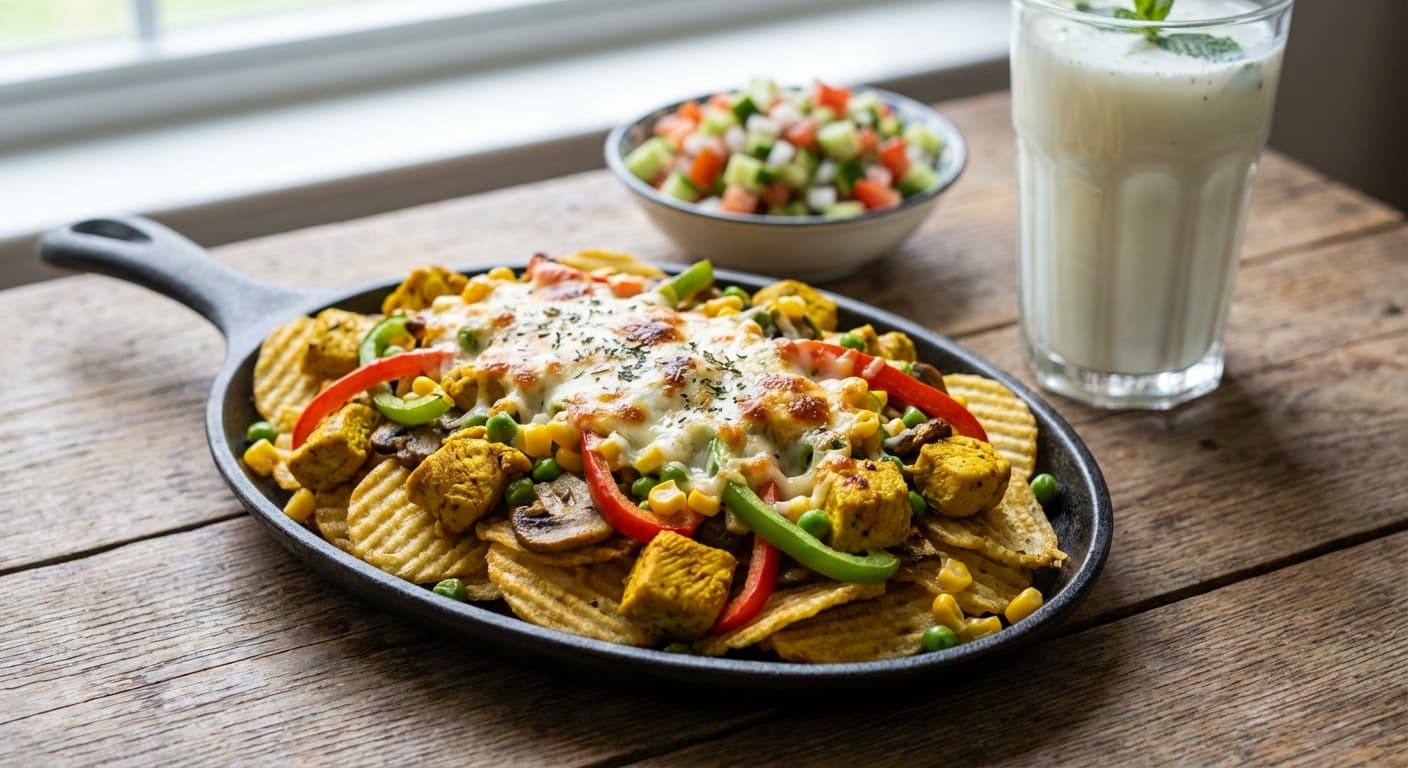
Persian-Style Pizza-Chips (خوراک چیپس و پنیر) — Street-Food Chip Bake with Chicken and Mozzarella
Persian · Main Courses · 45 min
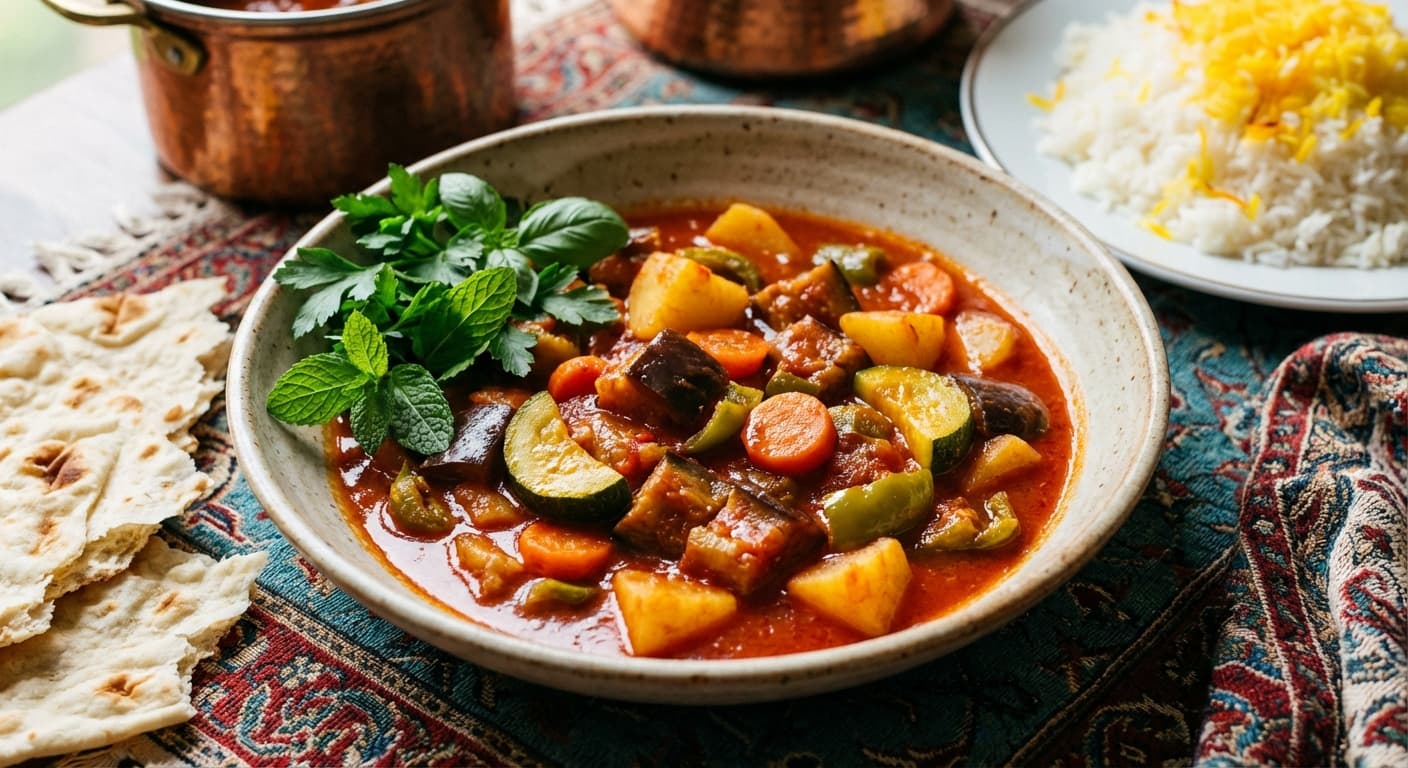
Yatimcheh (یتیمچه) — Persian Slow-Cooked Summer Vegetable Stew
Persian · Stews · 100 min
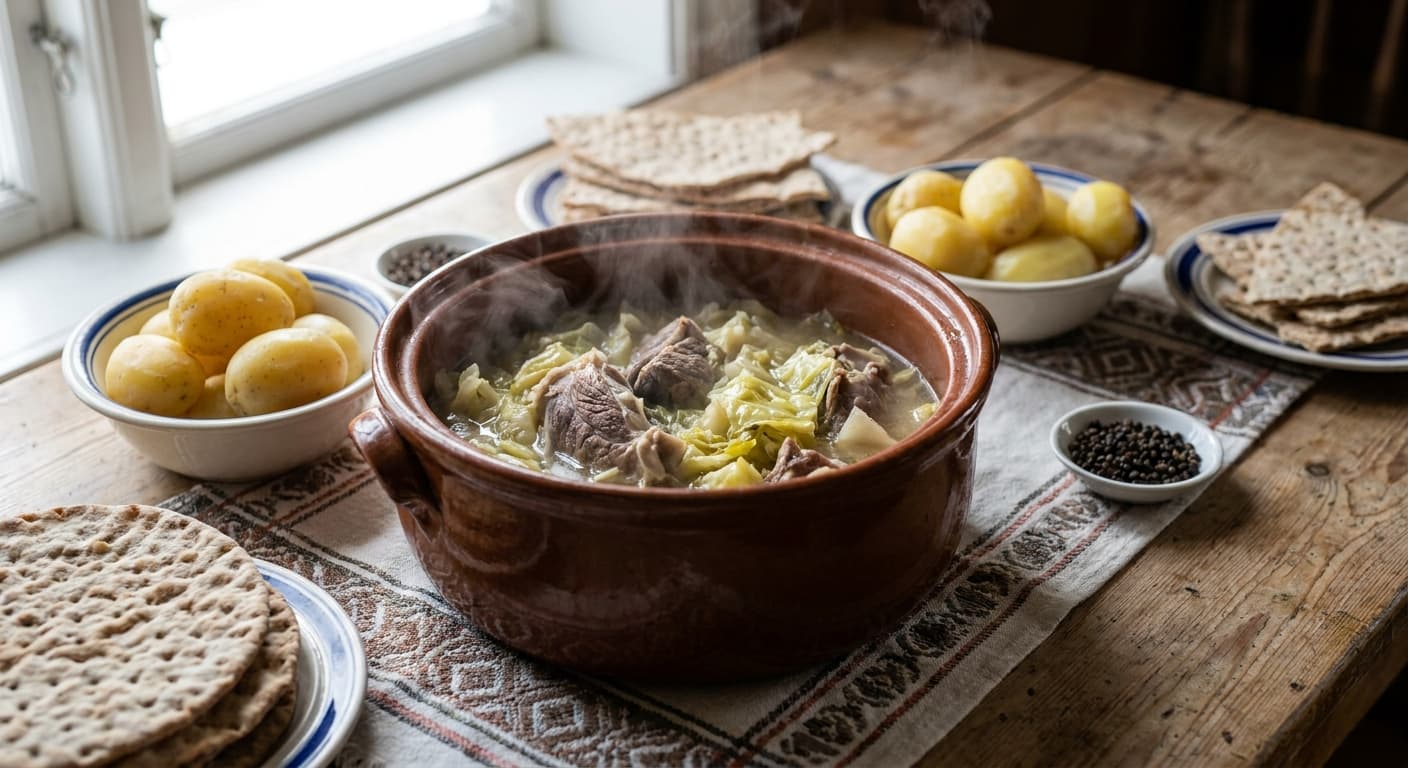
Norwegian Lamb and Cabbage Stew (Fårikål) — Peppery Autumn National Dish
Norwegian · Stews · 170 min
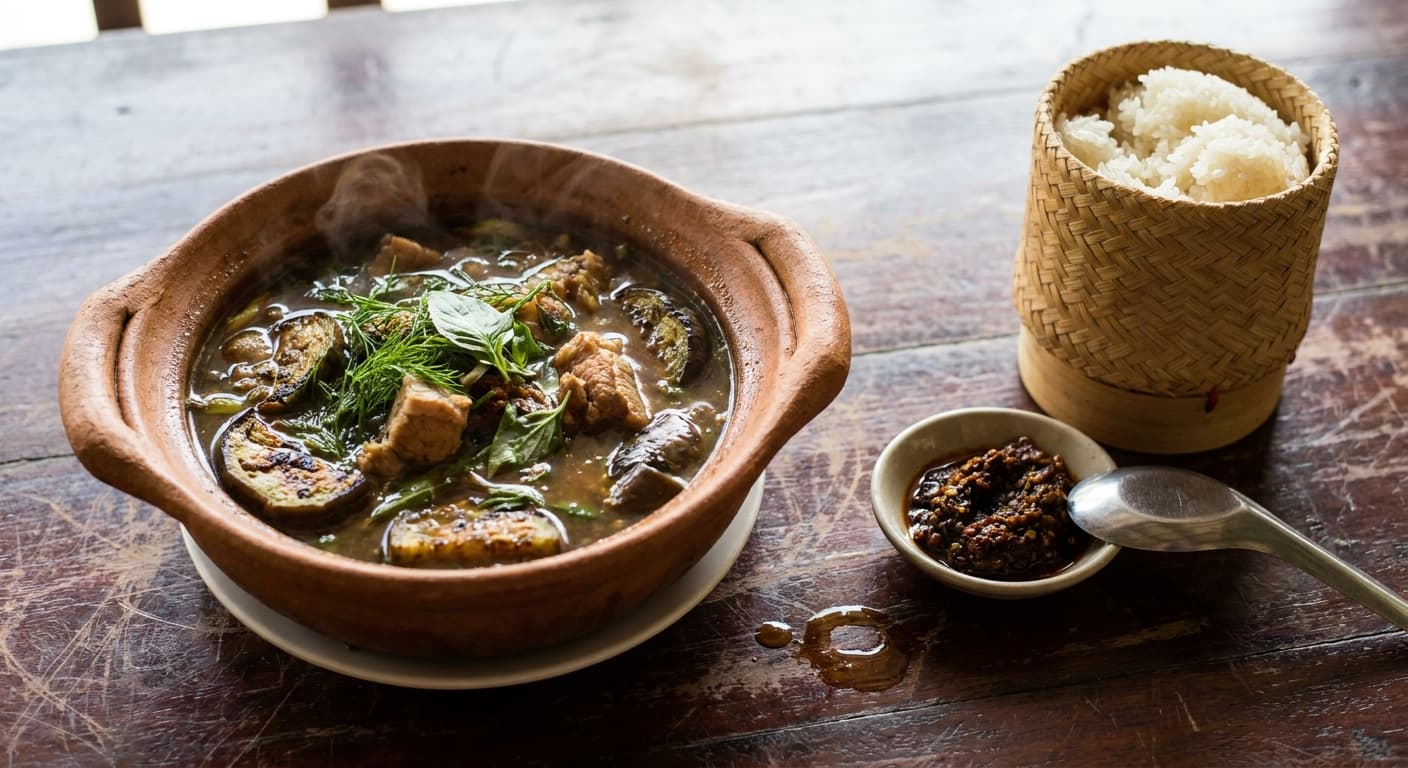
Or Lam (ເອາະຫຼາມ) — Luang Prabang Herb Stew
Laotian · Stews · 155 min
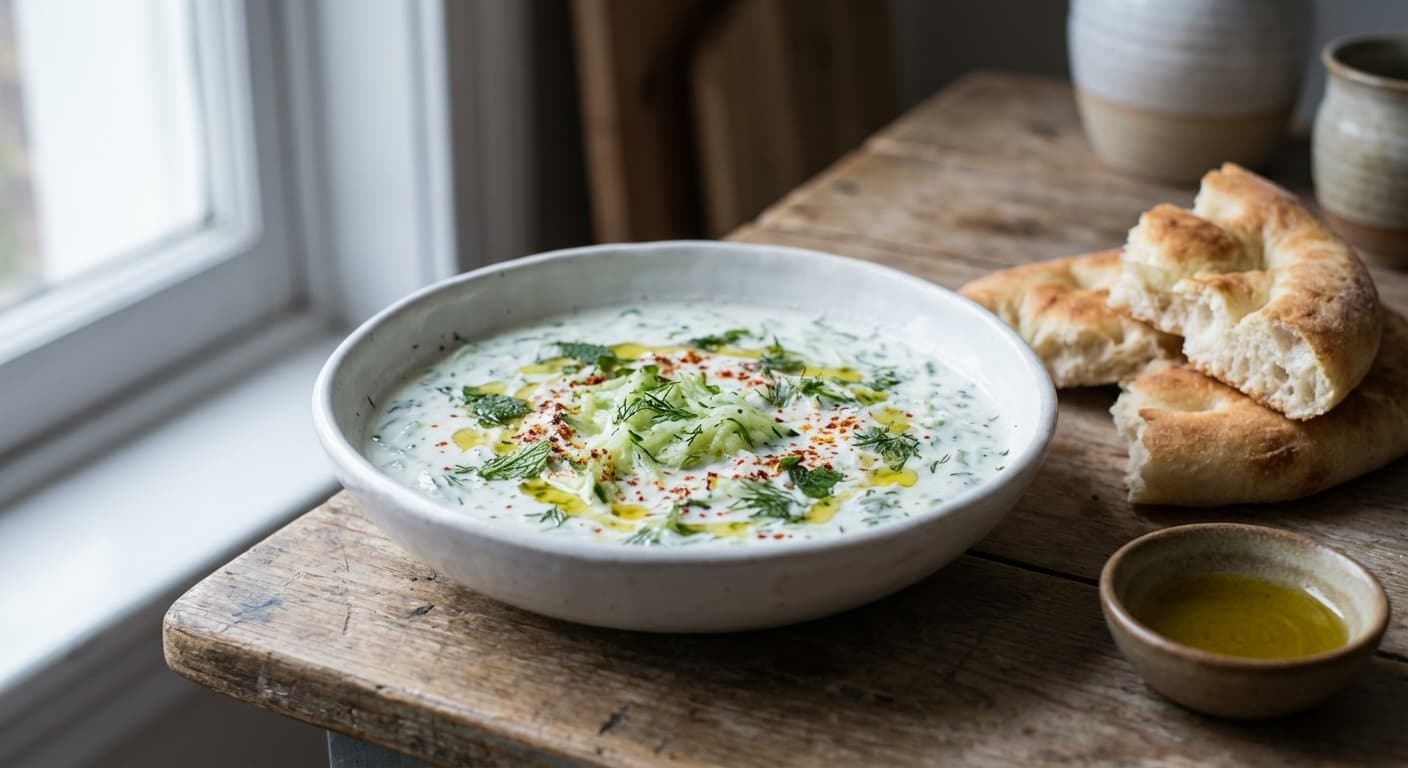
Cacık (Yoğurtlu Salatalık Mezesi) — Chilled Turkish Yogurt, Cucumber & Mint Dip
Turkish · Appetizers · 15 min
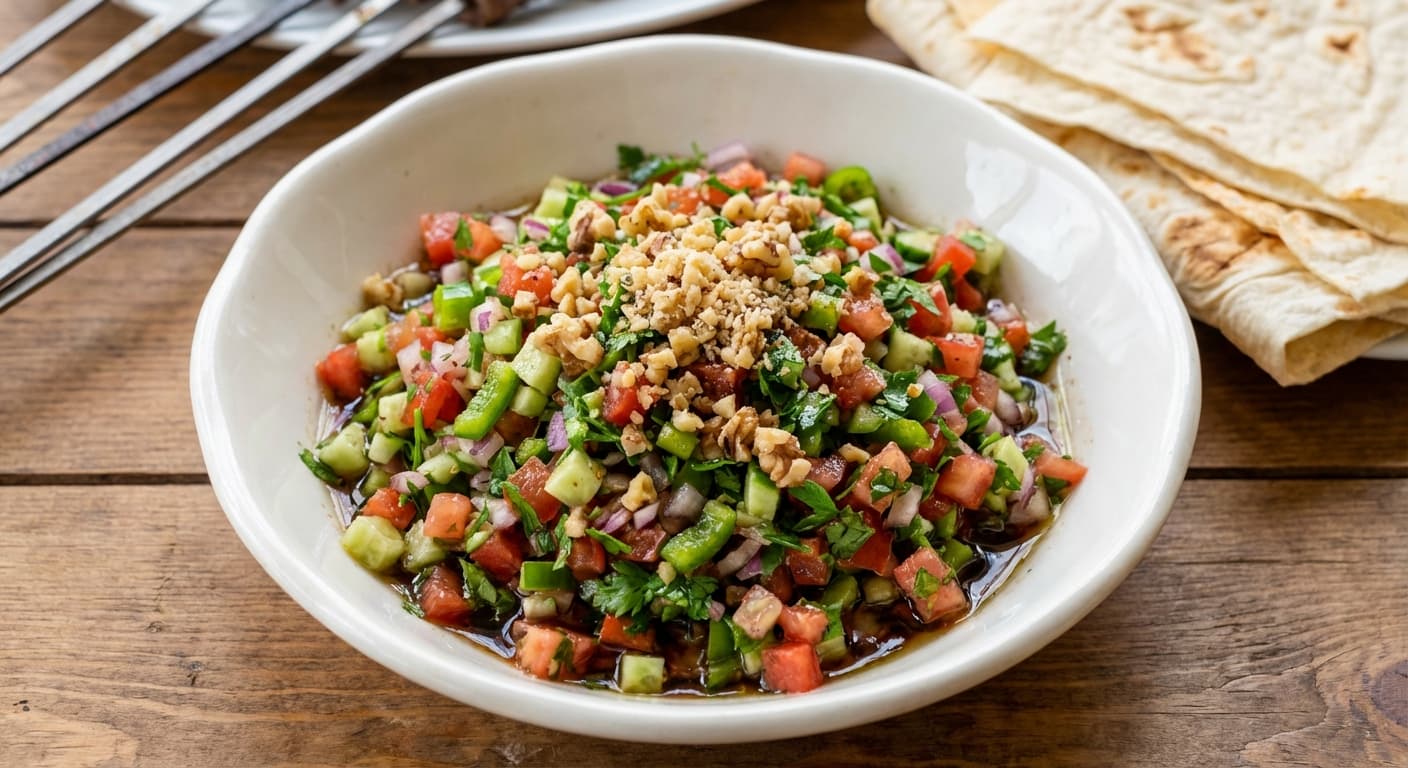
Gavurdağı Salad (Gavurdağı Salatası) — Finely Chopped Walnut & Pomegranate Salad
Turkish · Salads · 20 min
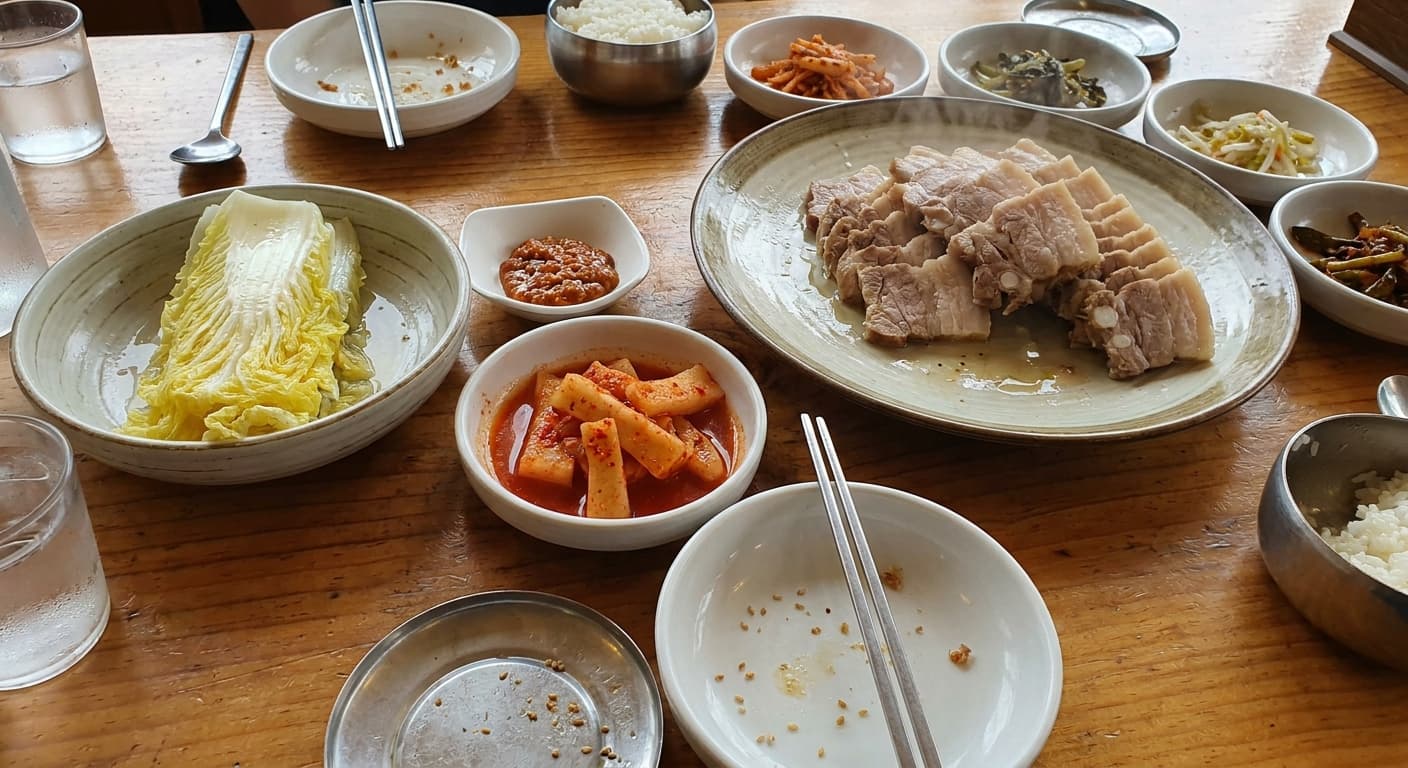
Bossam (보쌈) — Korean Boiled Pork Lettuce Wraps
Korean · Main Courses · 135 min
Reviews
Cooked this recipe?
Tap the stars to rate it — that's all it takes. A few words are welcome but optional.
No ratings yet. Cooked this one? Be the first to rate it — it takes one tap.