Khobz (خبز) — Moroccan Round Semolina Bread with a Golden Crust
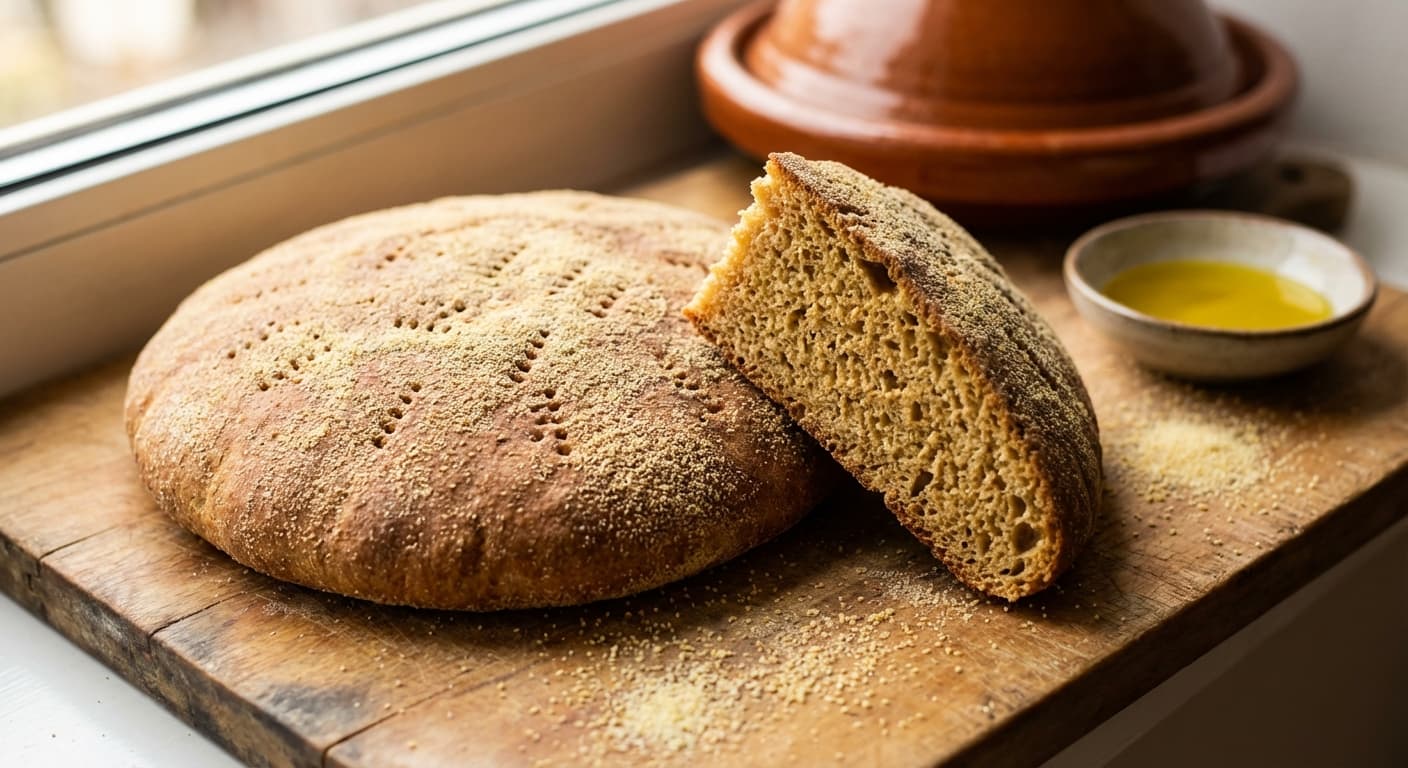
Khobz is Morocco’s everyday round bread, often baked in home ovens or community bakeries and served with tagines, olive oil, or honey. A touch of semolina on the crust gives it a rustic crunch and a tender, airy crumb.
Printable Recipe Card
Servings: 8 · Total: 45 min · Difficulty: medium
Ingredients (quick list)
- 350 g bread flour
- 150 g fine semolina (plus extra for coating)
- 320 ml warm water (about 38–40°C)
- 7 g instant yeast
- 8 g granulated sugar (helps fermentation and browning)
- 10 g fine sea salt
- 15 ml olive oil (for tenderness)
- 15 ml water (for brushing before baking)
Steps (summary)
- In a large bowl, whisk the bread flour and fine semolina until evenly combined, then mix in the instant yeast and sugar. Add th…
- Sprinkle in the salt and knead the dough for 8–10 minutes by hand (or 6–7 minutes in a mixer on medium-low) until smooth and el…
- Shape the dough into a tight ball and place it in a lightly oiled bowl, turning once to coat the surface. Cover and let rise at…
- Turn the dough out onto a surface dusted with 10 g semolina and gently deflate it without tearing. Shape into a smooth ball, th…
- Place the round on a semolina-dusted baking sheet or a preheated baking stone, then cover loosely and proof for 35–45 minutes u…
- Dock the top with a fork in a neat pattern (or score a shallow cross) to control expansion and prevent large bubbles. Brush the…
+ 1 more steps in the full instructions section below.
Cultural Background
Khobz is the daily table bread across Morocco, commonly baked as round loaves and used to scoop tagines and salads. Its semolina-dusted crust reflects a long tradition of hearth-style baking and community ovens in Moroccan neighborhoods.
Equipment
💡 Tips
- For a crispier crust, keep the steam tray in the oven for the first 8 minutes, then carefully remove it and finish baking dry for better browning.
- If your kitchen is cool, extend the first rise by 10–20 minutes; under-proofed khobz can split at the sides instead of rising evenly.
- Use fine semolina (not coarse polenta) for the dough; coarse grains can make the crumb gritty and slow hydration.
⚠️ Common Mistakes
❌ Dense loaf with tight crumb
✅ Fix: Increase first rise time until doubled and knead until the dough is elastic; also confirm your yeast is fresh and the water is about 38–40°C.
❌ Loaf spreads flat instead of rising
✅ Fix: Reduce water by 10–20 ml if your flour is low-protein, and shape a tighter ball before flattening to build surface tension.
❌ Crust stays pale and soft
✅ Fix: Bake fully at 230°C and remove the steam tray after 8 minutes; finish the last 5 minutes directly on the rack for extra color.
🧊 How to Store
Store cooled khobz in a paper bag inside a loosely closed plastic bag at room temperature for up to 2 days. For longer storage, freeze sliced bread up to 2 months; reheat at 180°C for 8–10 minutes (or toast slices) to refresh the crust.
📅 Make Ahead
Mix and knead the dough, then refrigerate it covered for 12–18 hours for deeper flavor. The next day, let it sit at room temperature for 45 minutes, shape, proof until puffy, and bake as directed.
🍽️ Pairs Well With
- Chicken tagine
- harira
- olive oil and za’atar
- honey and butter
- zaalouk
- lentil stew.
Regional Variations
- Khobz dyal smida: a higher semolina ratio for a more rustic, sandy crust and slightly denser crumb.
- Khobz b’zanjenlan: topped with 10 g sesame seeds pressed into the damp surface before baking.
- Khobz cooked on a griddle: shaped thinner and cooked in a covered pan, then finished briefly in the oven to dry the crust.
Ingredients
- 350 gbread flour
- 150 gfine semolina (plus extra for coating)
- 320 mlwarm water (about 38–40°C)
- 7 ginstant yeast
- 8 ggranulated sugar (helps fermentation and browning)
- 10 gfine sea salt
- 15 mlolive oil (for tenderness)
- 15 mlwater (for brushing before baking)
🔄 Substitutions
- bread flour→
- olive oil→
- instant yeast→
Instructions
- 1
In a large bowl, whisk the bread flour and fine semolina until evenly combined, then mix in the instant yeast and sugar. Add the warm water and olive oil, and stir until a shaggy dough forms; let it rest for 10 minutes so the semolina hydrates and the dough becomes easier to knead.
- 2
Sprinkle in the salt and knead the dough for 8–10 minutes by hand (or 6–7 minutes in a mixer on medium-low) until smooth and elastic. The dough should feel soft and slightly tacky but not wet; if it is very sticky after kneading, add 10 g bread flour and knead 1 minute more.
- 3
Shape the dough into a tight ball and place it in a lightly oiled bowl, turning once to coat the surface. Cover and let rise at 24–27°C for 60–75 minutes, until roughly doubled and puffy; a gentle fingertip press should spring back slowly.
- 4
Turn the dough out onto a surface dusted with 10 g semolina and gently deflate it without tearing. Shape into a smooth ball, then flatten into a 18–20 cm round disc about 2.5–3 cm thick; dust the top with the remaining 10 g semolina for the classic Moroccan finish.
- 5
Place the round on a semolina-dusted baking sheet or a preheated baking stone, then cover loosely and proof for 35–45 minutes until noticeably lighter and slightly expanded. Meanwhile, preheat the oven to 230°C and place an empty metal tray on the lower rack to create steam.
- 6
Dock the top with a fork in a neat pattern (or score a shallow cross) to control expansion and prevent large bubbles. Brush the surface lightly with 15 ml water, then pour 200 ml hot water into the preheated lower tray to generate steam and immediately close the oven door.
- 7
Bake for 18–22 minutes until deeply golden and the loaf sounds hollow when tapped on the bottom. Cool on a rack for at least 30 minutes before slicing so the crumb sets and stays tender rather than gummy.
🪪 Recipe Passport
Cultural Background
Khobz is the daily table bread across Morocco, commonly baked as round loaves and used to scoop tagines and salads. Its semolina-dusted crust reflects a long tradition of hearth-style baking and community ovens in Moroccan neighborhoods.
Regional Variations
Researched from multiple sources and validated by the Zaffaron editorial team. Every recipe is tested for accuracy, measurements, and cultural authenticity.
Nutrition per serving
Pairs well with
If you enjoyed this recipe, here are a few related Zaffaron recipes to try next.
- Preserved Lemons (حامض مرقد) — Moroccan Salt-Cured Lemons for Tagines
- Sellou (سلو) — Moroccan Toasted Flour and Almond Energy Balls
- Mechoui (مشوي) — Moroccan slow-roasted whole lamb with cumin butter
- Moroccan Grilled Lamb Chops (شرائح لحم الضأن المشوية المغربية) — Cumin and paprika marinated chops with chermoula-style aromatics
Does your family make this differently?
Every family has their own version. Maybe your grandmother adds a secret ingredient, or your aunt has a completely different technique. Preserve your family's version — with their name on it, forever.
You Might Also Like
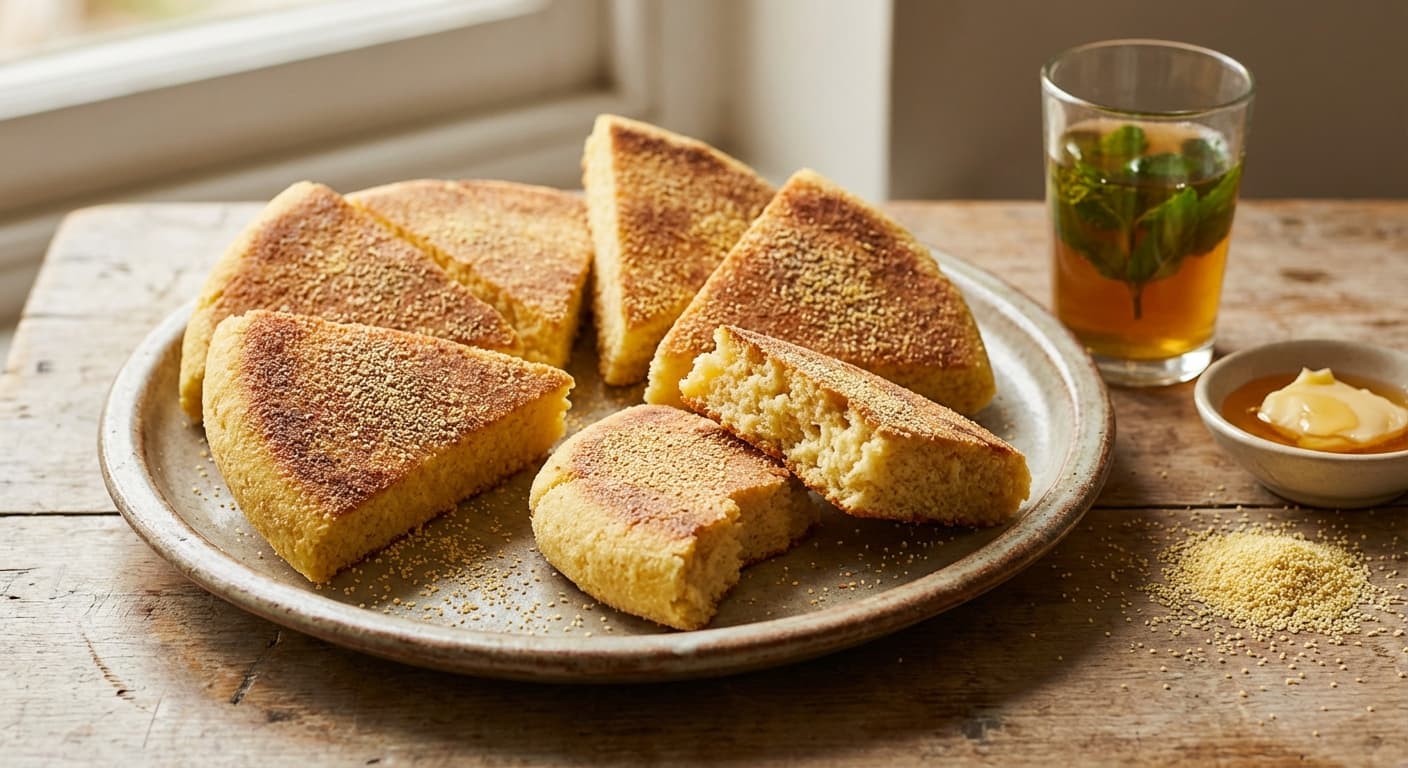
Harcha (حرشة) — Moroccan Semolina Griddle Bread
Moroccan · Breads · 35 min
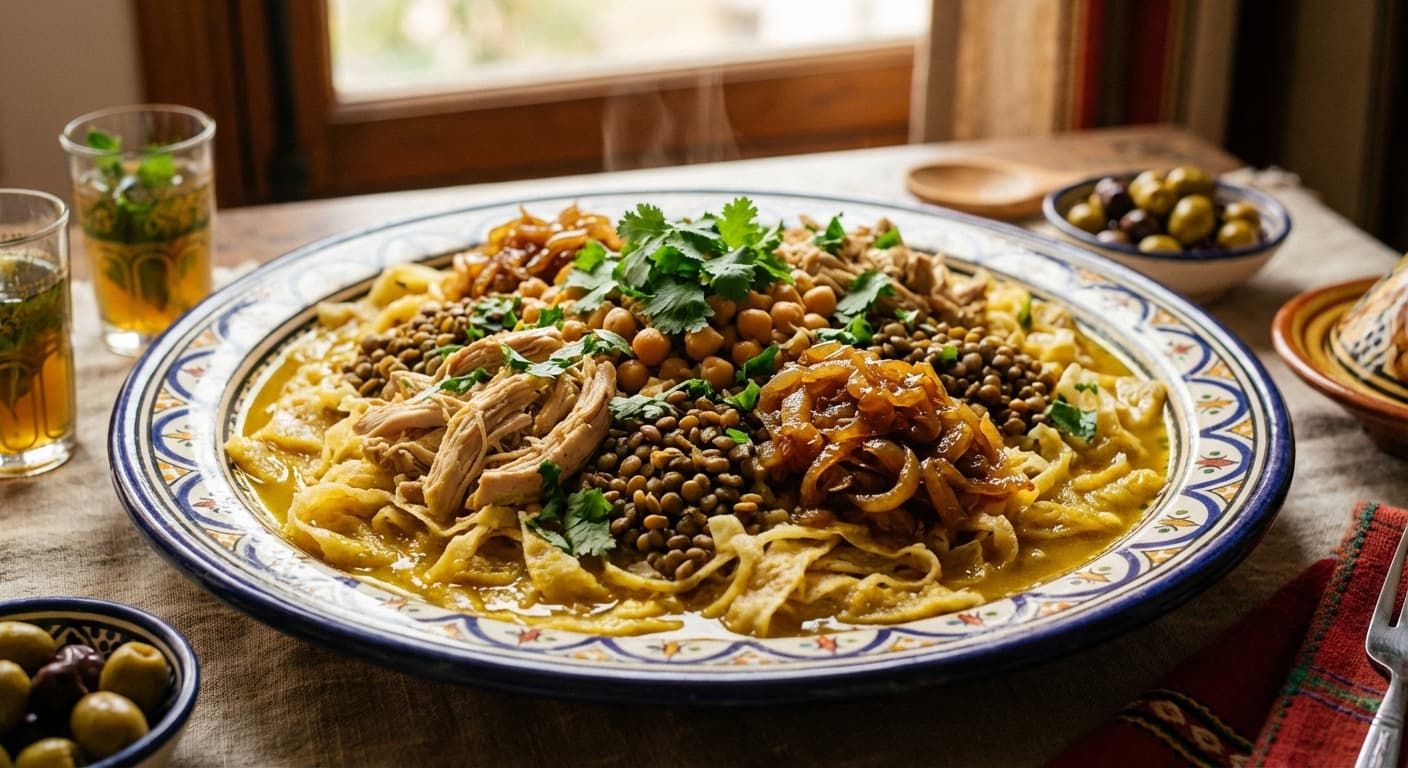
Rfissa (رفيسة) — Moroccan Shredded Flatbread with Chicken and Lentils
Moroccan · Main Courses · 135 min
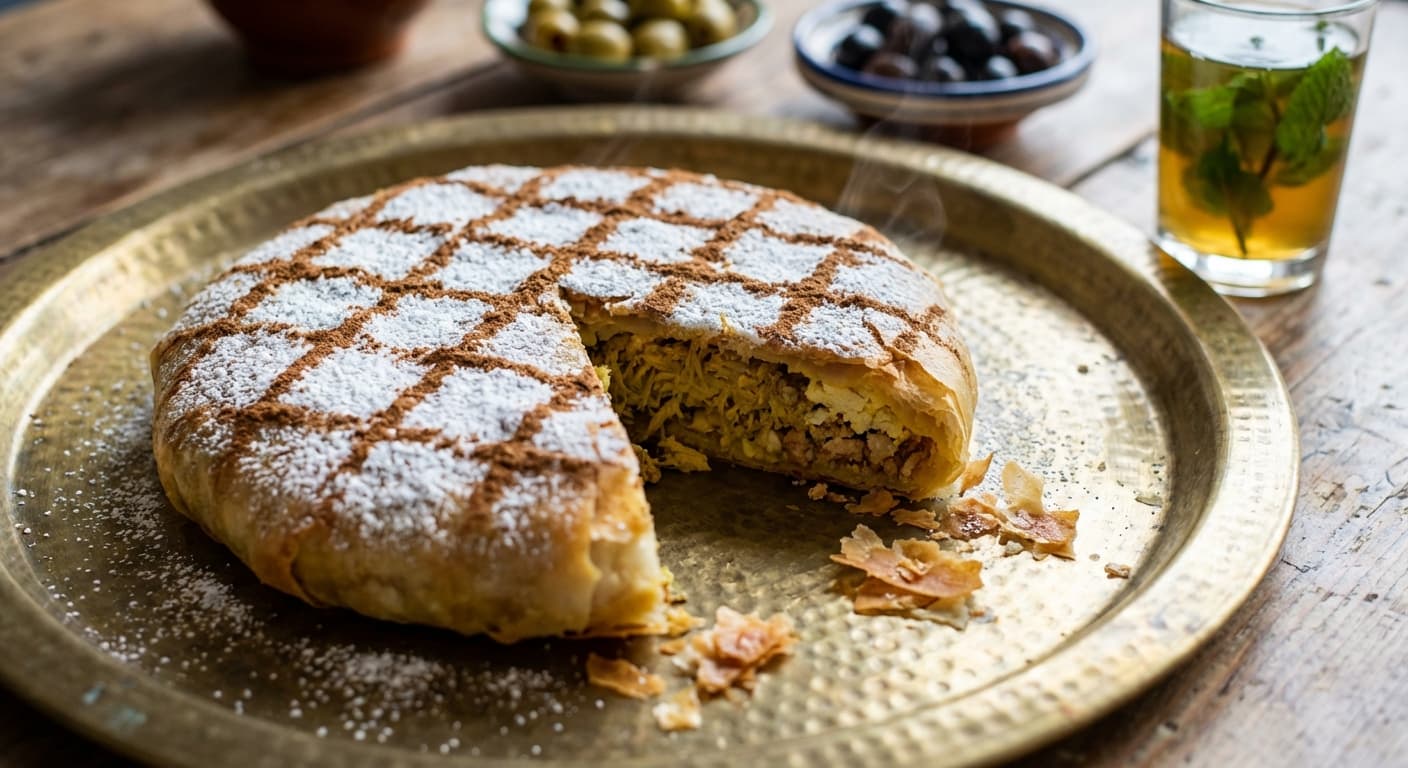
Pastilla (بسطيلة) — Moroccan Pigeon Pie with Almonds and Cinnamon
Moroccan · Main Courses · 150 min
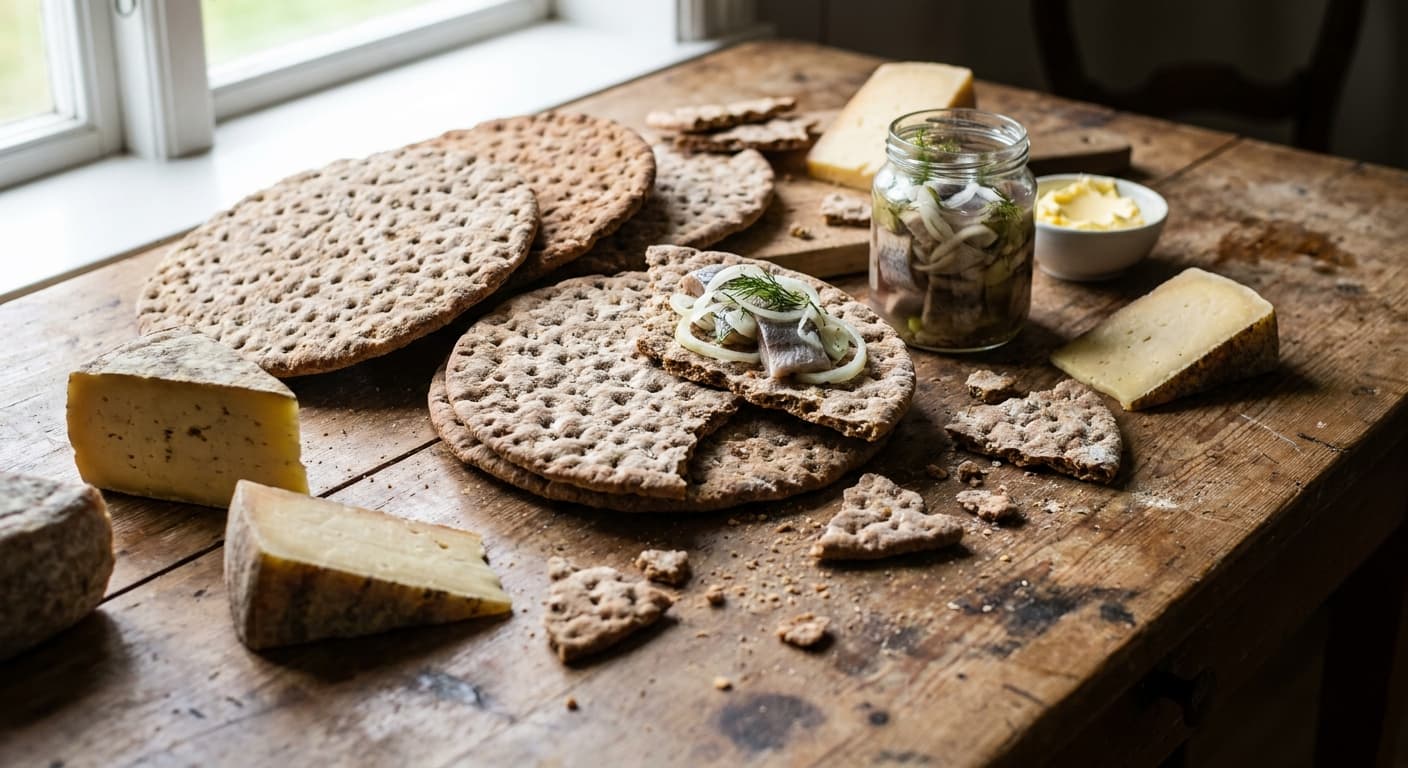
Swedish Crispbread (Knäckebröd) — Thin Rye Crackers for Smörgåsbord
Swedish · Breads · 105 min
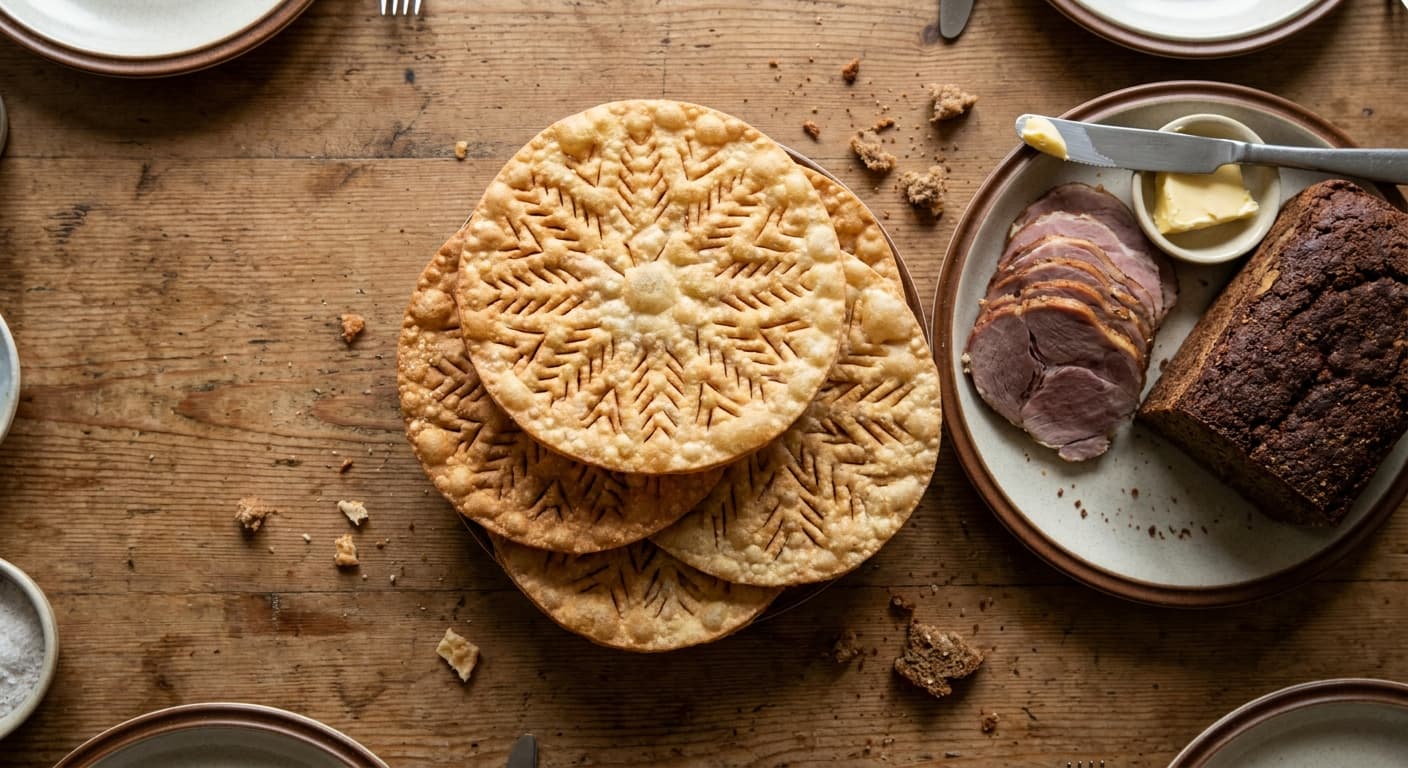
Leaf Bread (Laufabrauð) — Crisp Icelandic Christmas Flatbread
Icelandic · Breads · 100 min
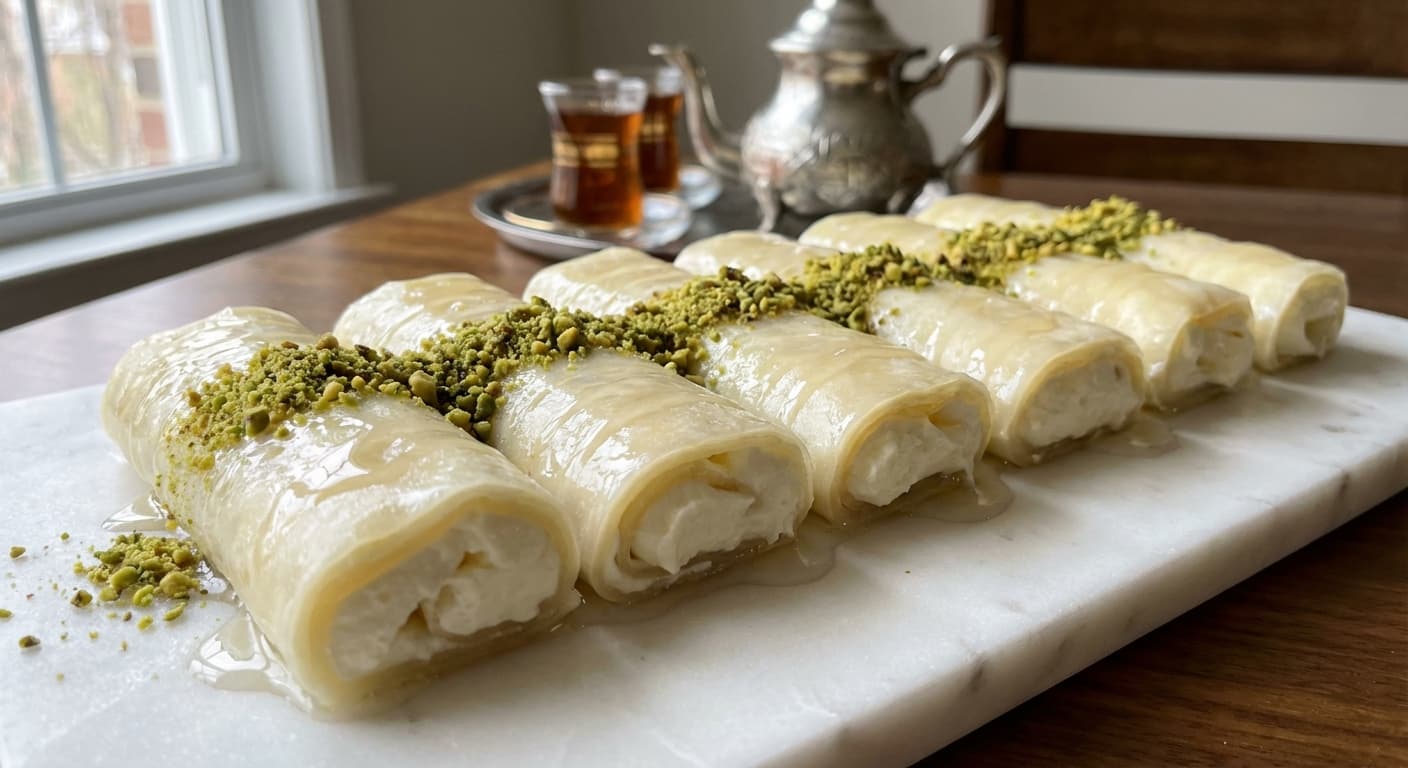
Halawet el Jibn (حلاوة الجبن) — Lebanese Sweet Cheese Rolls with Ashta
Lebanese · Desserts · 70 min
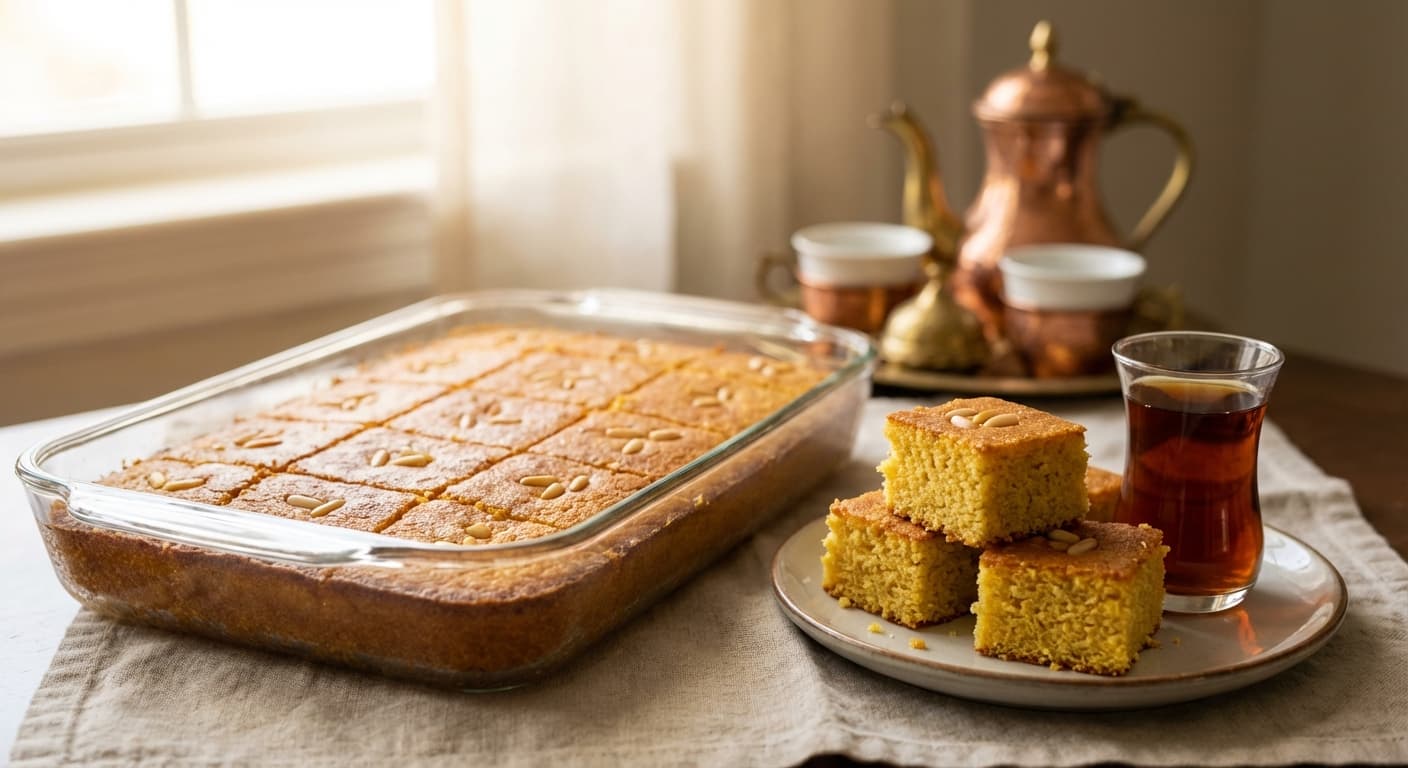
Sfouf (سفوف) — Lebanese Turmeric Semolina Tea Cake
Lebanese · Desserts · 45 min
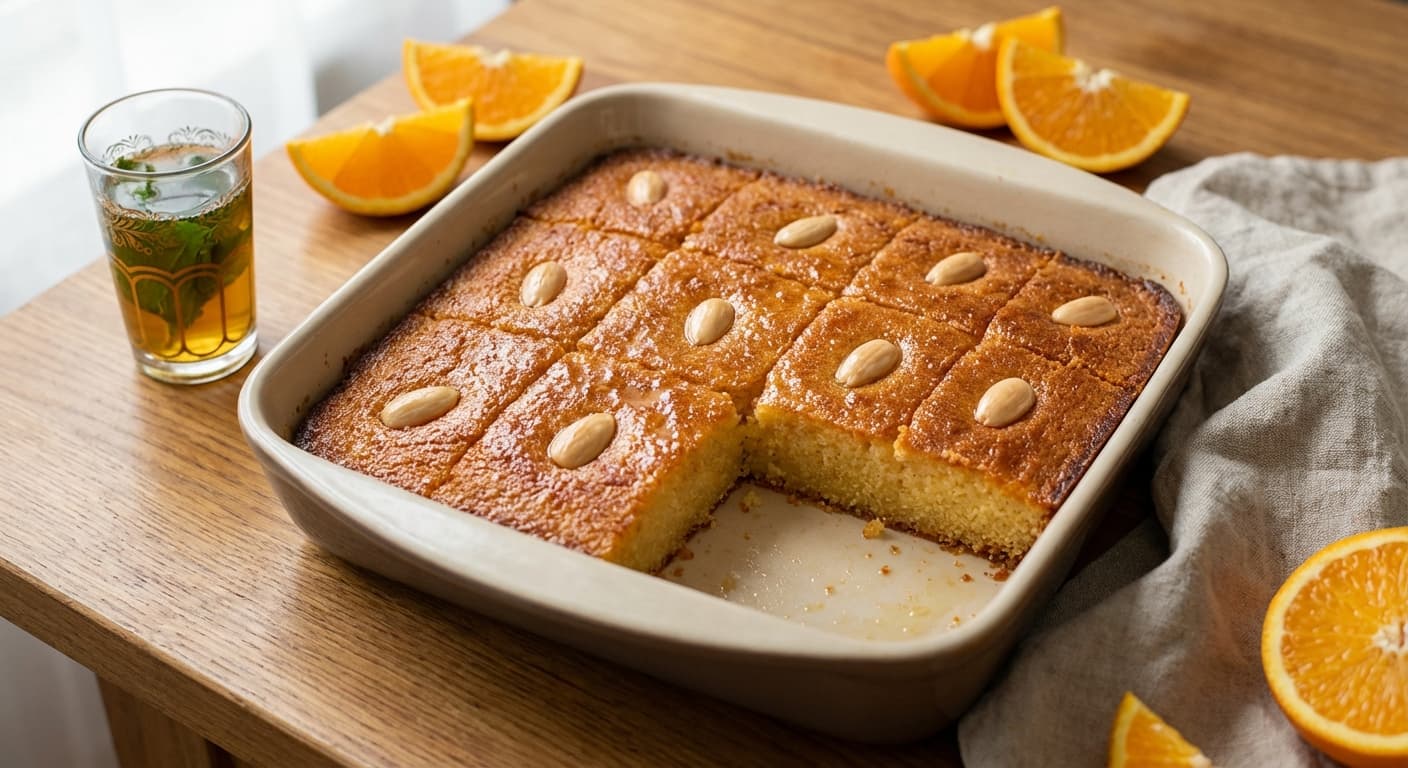
Basbousa (بسبوسة) — Moroccan-Style Semolina Cake with Orange Blossom Syrup
Moroccan · Desserts · 60 min
Reviews
Cooked this recipe?
Tap the stars to rate it — that's all it takes. A few words are welcome but optional.
No ratings yet. Cooked this one? Be the first to rate it — it takes one tap.