Swedish Crispbread (Knäckebröd) — Thin Rye Crackers for Smörgåsbord
Knäckebröd is Sweden’s iconic rye crispbread, baked very thin and dried until brittle. It belongs on a smörgåsbord, beside soup, or at a simple fika-style table with butter, cheese, and preserves.
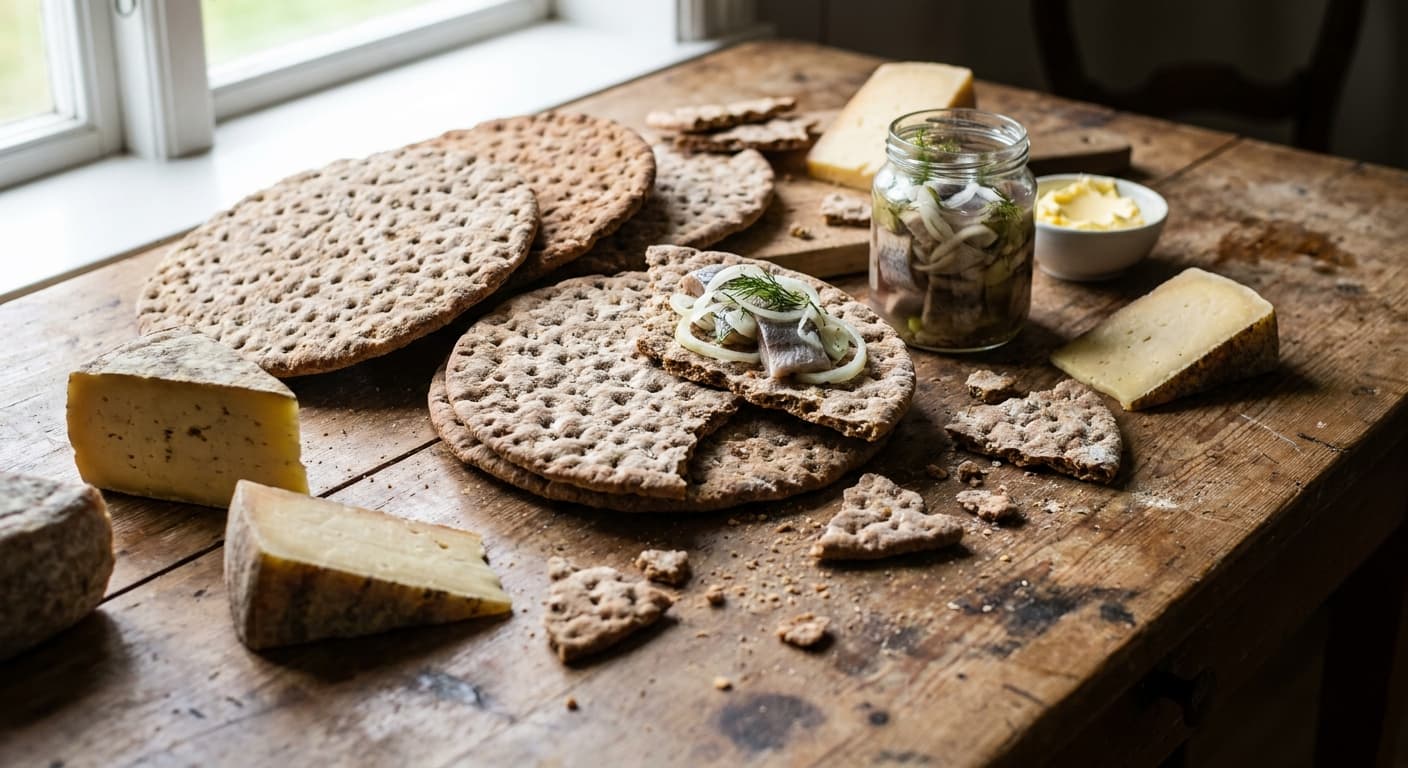
Printable Recipe Card
Servings: 12 · Total: 105 min · Difficulty: medium
Ingredients (quick list)
- 300 g whole-grain rye flour
- 100 g whole wheat flour
- 260 ml warm water (about 38 C)
- 7 g instant yeast
- 8 g fine sea salt
- 8 g granulated sugar
- 2 tsp caraway seeds
- 1 tsp fennel seeds
- 30 g rye flour (for dusting the work surface)
Steps (summary)
- Stir the warm water, instant yeast, and sugar together in a large mixing bowl, then let the mixture stand for 5 minutes. It sho…
- Add the whole-grain rye flour, whole wheat flour, salt, caraway seeds, and fennel seeds to the bowl. Mix with a sturdy spoon fo…
- Cover the bowl with a clean kitchen towel and let the dough rise at room temperature for 45 minutes. The dough will not double…
- Heat the oven to 240 C and place 2 baking sheets inside to preheat. Divide the dough into 12 equal portions of about 58 g each,…
- Dust the work surface with the measured rye flour and roll one portion into a very thin round about 18 cm wide. Use a kruskavel…
- Cut a 3 cm hole from the center of the round, which echoes the traditional shape once hung on poles for storage. Transfer the r…
+ 3 more steps in the full instructions section below.
Cultural Background
As Magnus Nilsson documents in The Nordic Cookbook, crisp rye breads are central to Swedish home cooking. Knäckebröd reflects long storage traditions and remains a daily husmanskost staple from breakfast to smörgåsbord.
Equipment
💡 Tips
- Roll each round as close to 2 mm thick as possible, because thicker dough bakes into hard bread rather than crispbread.
- If the rounds soften after cooling, dry them again in a 100 C oven for 8 minutes and cool fully on a rack.
- Bake on preheated sheets to drive off moisture quickly and create the classic crisp, blistered surface.
⚠️ Common Mistakes
❌ Rolling the dough too thick
✅ Fix: Roll each portion to about 2 mm thick and use enough rye flour to prevent sticking without making the dough dry.
❌ Skipping the pricking or kruskavel step
✅ Fix: Perforate the dough thoroughly so steam escapes and the crispbread stays flat instead of puffing into chewy pockets.
❌ Storing before the bread is fully cool
✅ Fix: Cool on racks for at least 20 minutes, because trapped steam will soften the crispbread in the container.
🧊 How to Store
Store cooled crispbread in an airtight tin or glass jar at room temperature for up to 3 weeks. If it loses snap, re-crisp in a 100 C oven for 6 to 8 minutes, then cool completely before closing the container.
📅 Make Ahead
The dough can be mixed and refrigerated for up to 12 hours after the first rise. Bring it to room temperature for 30 minutes before dividing, rolling, and baking.
🍽️ Pairs Well With
- Butter
- aged Swedish cheese
- pickled herring
- gravlax
- pea soup
- lingonberry preserves.
Regional Variations
- Northern Swedish versions often use a higher proportion of rye and bake into darker, more rustic rounds.
- Some home bakers add crushed anise or fennel for a sweeter aroma, especially for crispbreads served with cheese.
- Modern bakery-style knäckebröd may include seeds such as flax or sunflower, though plain rye remains the classic base.
Ingredients
- 300 gwhole-grain rye flour
- 100 gwhole wheat flour
- 260 mlwarm water (about 38 C)
- 7 ginstant yeast
- 8 gfine sea salt
- 8 ggranulated sugar
- 2 tspcaraway seeds
- 1 tspfennel seeds
- 30 grye flour (for dusting the work surface)
🔄 Substitutions
- whole wheat flour→ fine spelt flour
- caraway seeds→ anise seeds
- instant yeast→ active dry yeast
Instructions
- 1
Stir the warm water, instant yeast, and sugar together in a large mixing bowl, then let the mixture stand for 5 minutes. It should look slightly foamy and smell pleasantly yeasty, which confirms that the dough will rise enough to make light knäckebröd.
- 2
Add the whole-grain rye flour, whole wheat flour, salt, caraway seeds, and fennel seeds to the bowl. Mix with a sturdy spoon for 3 minutes until the dough is cohesive, sticky, and firm rather than smooth like wheat bread dough.
- 3
Cover the bowl with a clean kitchen towel and let the dough rise at room temperature for 45 minutes. The dough will not double dramatically because rye is dense, but it should puff slightly and become easier to roll.
- 4
Heat the oven to 240 C and place 2 baking sheets inside to preheat. Divide the dough into 12 equal portions of about 58 g each, keeping the unused portions covered so they do not dry out.
- 5
Dust the work surface with the measured rye flour and roll one portion into a very thin round about 18 cm wide. Use a kruskavel, a Swedish knobbed rolling pin, if available; otherwise roll with a standard pin and prick the entire surface closely with a fork.
- 6
Cut a 3 cm hole from the center of the round, which echoes the traditional shape once hung on poles for storage. Transfer the round to parchment paper and repeat with the remaining dough portions.
- 7
Slide 2 or 3 rounds at a time onto the hot baking sheets and bake for 7 minutes. Flip each crispbread carefully, rotate the sheet, and bake for another 5 to 6 minutes until the edges are lightly browned and the centers feel dry.
- 8
Lower the oven to 100 C and return all baked crispbreads to the oven racks for 12 minutes to dry fully. This second drying stage is essential for the brittle snap associated with Swedish knäckebröd.
- 9
Cool the crispbreads completely on wire racks for at least 20 minutes before storing or serving. Serve them with butter, aged cheese, pickled herring, or as part of a smörgåsbord with soups and salads.
🪪 Recipe Passport
Cultural Background
As Magnus Nilsson documents in The Nordic Cookbook, crisp rye breads are central to Swedish home cooking. Knäckebröd reflects long storage traditions and remains a daily husmanskost staple from breakfast to smörgåsbord.
Regional Variations
Researched from multiple sources and validated by the Zaffaron editorial team. Every recipe is tested for accuracy, measurements, and cultural authenticity.
📚 Sources & Cultural References
- Magnus Nilsson — The Nordic Cookbook — (2015)
Sources cited by the Zaffaron editorial team during recipe research. Cultural and culinary references supporting authenticity claims.
Nutrition per serving
Pairs well with
If you enjoyed this recipe, here are a few related Zaffaron recipes to try next.
- Swedish Meatballs (Köttbullar) — Tender Spiced Meatballs in Cream Gravy
- Swedish Smörgåsbord (Smörgåsbord) — Classic Buffet with Gravlax, Sill, and Köttbullar
- Toast Skagen (Toast Skagen) — Swedish Shrimp Toast with Dill and Roe
- Swedish Potato Pancakes with Pork (Raggmunk med fläsk) — Crispy Husmanskost with Lingonberries
Does your family make this differently?
Every family has their own version. Maybe your grandmother adds a secret ingredient, or your aunt has a completely different technique. Preserve your family's version — with their name on it, forever.
You Might Also Like
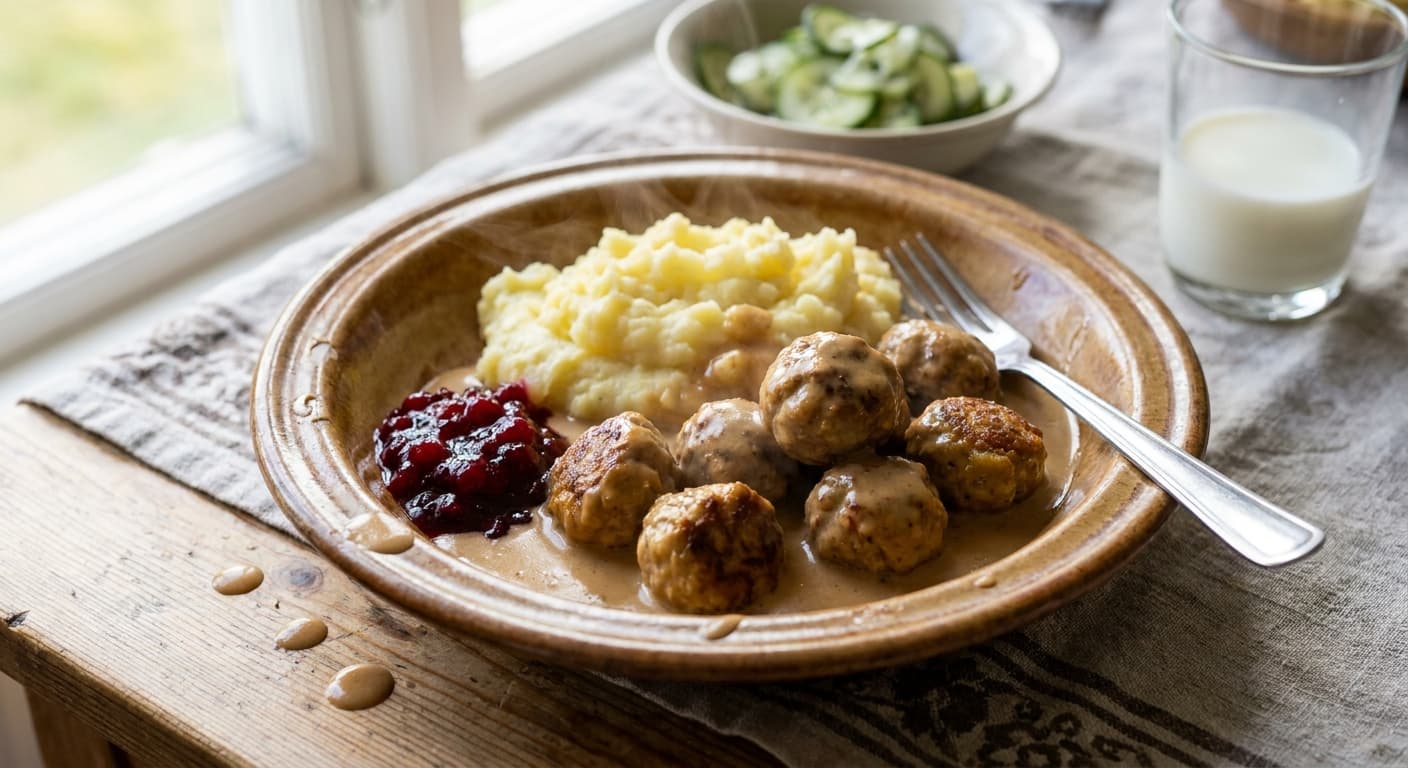
Swedish Meatballs (Köttbullar) — Tender Spiced Meatballs in Cream Gravy
Swedish · Main Courses · 65 min
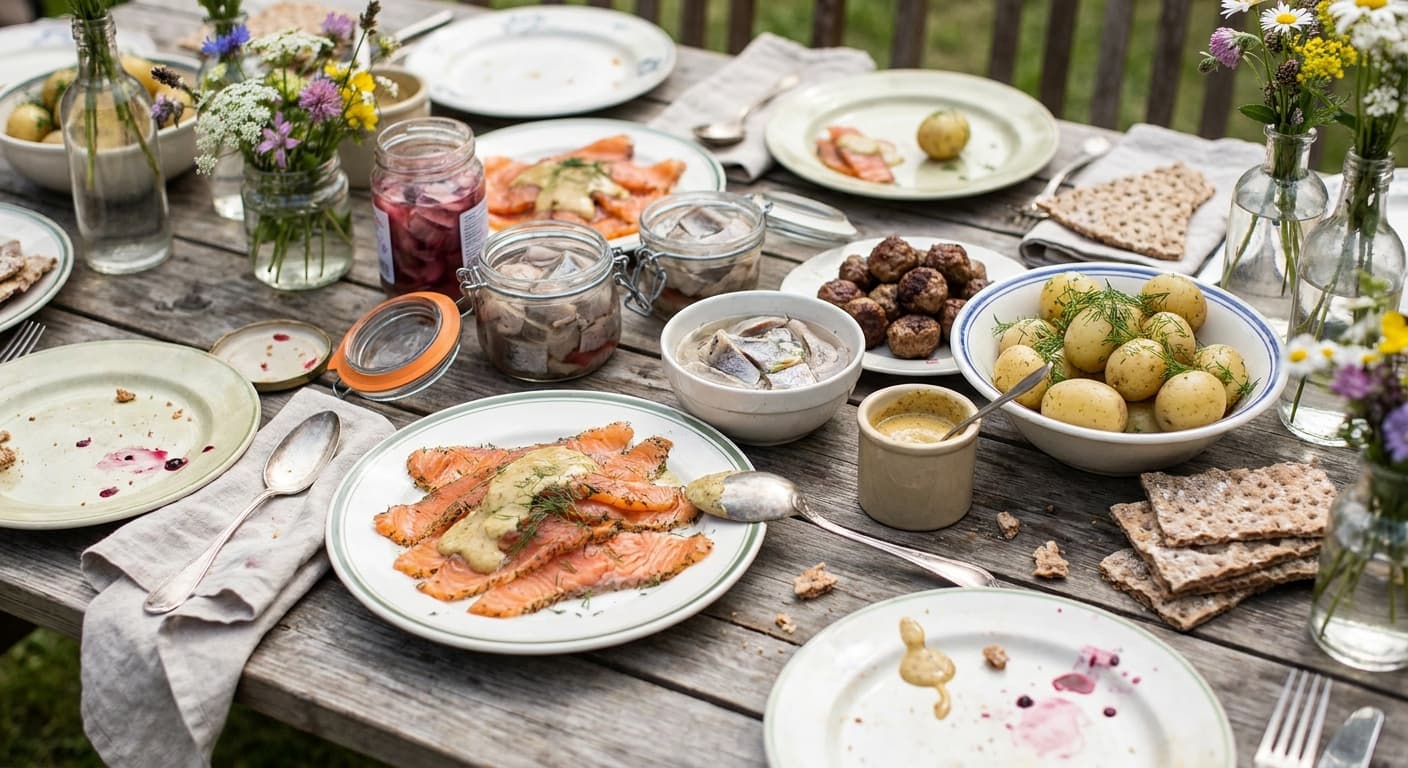
Swedish Smörgåsbord (Smörgåsbord) — Classic Buffet with Gravlax, Sill, and Köttbullar
Swedish · Main Courses · 115 min
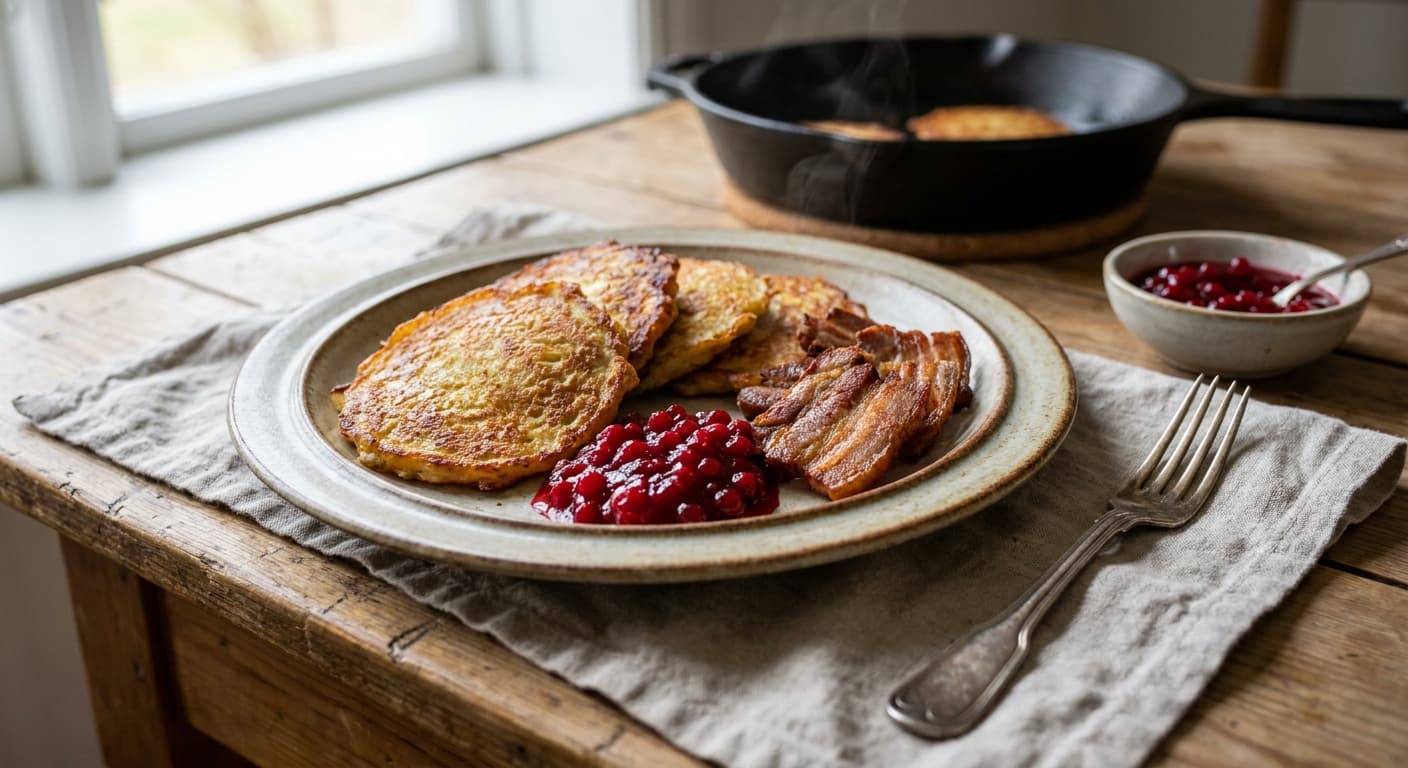
Swedish Potato Pancakes with Pork (Raggmunk med fläsk) — Crispy Husmanskost with Lingonberries
Swedish · Main Courses · 55 min
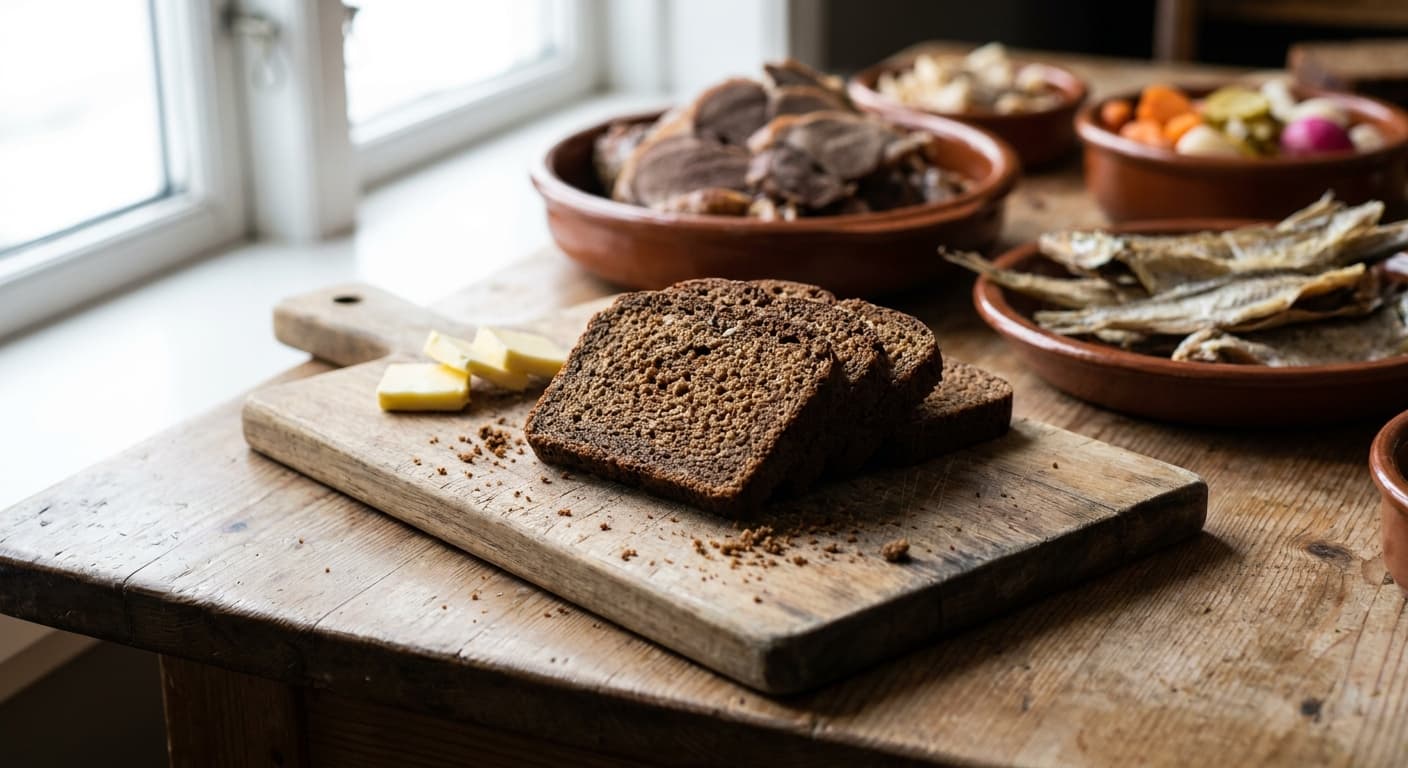
Icelandic Rye Bread (Rúgbrauð) — Dense Geothermal-Style Rye Loaf
Icelandic · Breads · 440 min
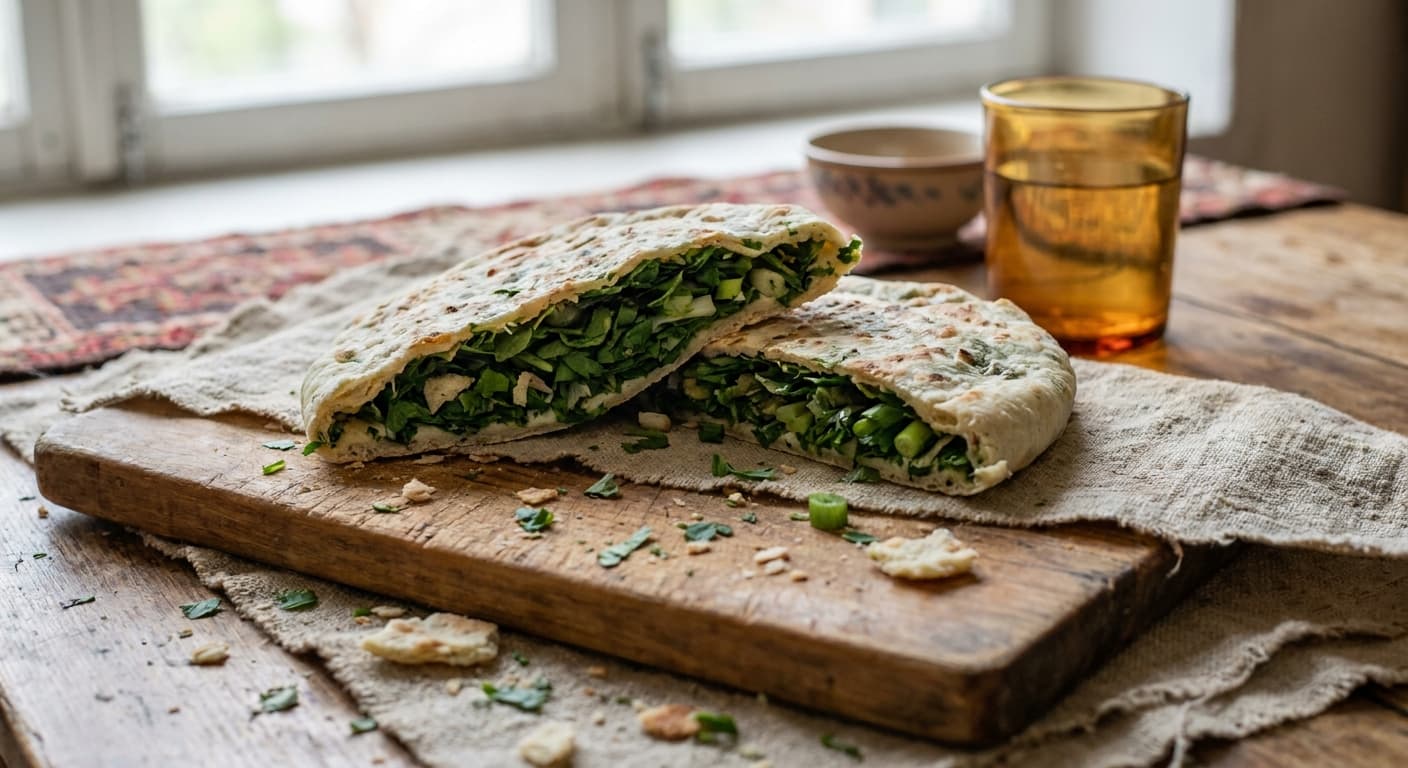
Zhingyalov Hats (Ժենգյալով հաց) — Artsakh Herb-Stuffed Flatbread
Armenian · Breads · 73 min
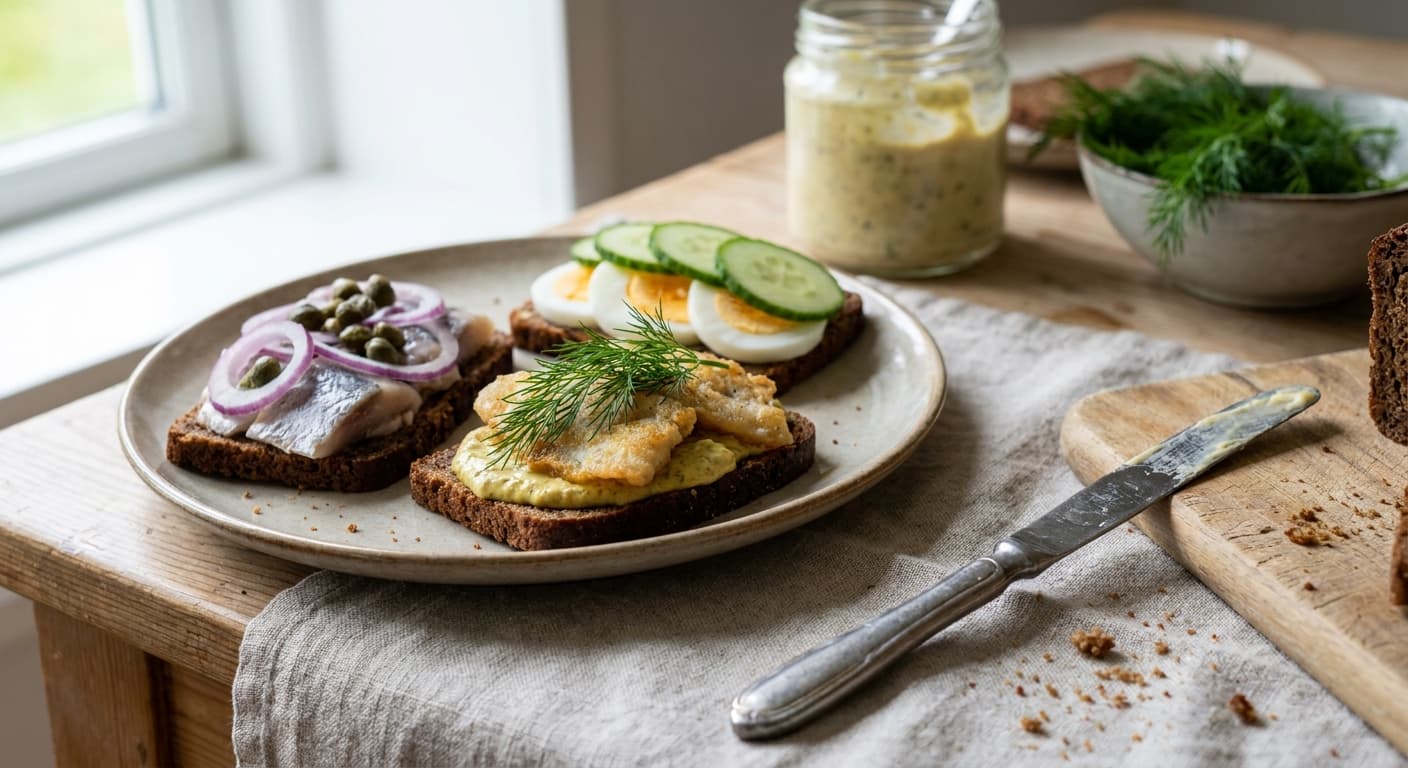
Smørrebrød (Smørrebrød) — Danish Open-Faced Rye Sandwiches
Danish · Main Courses · 47 min
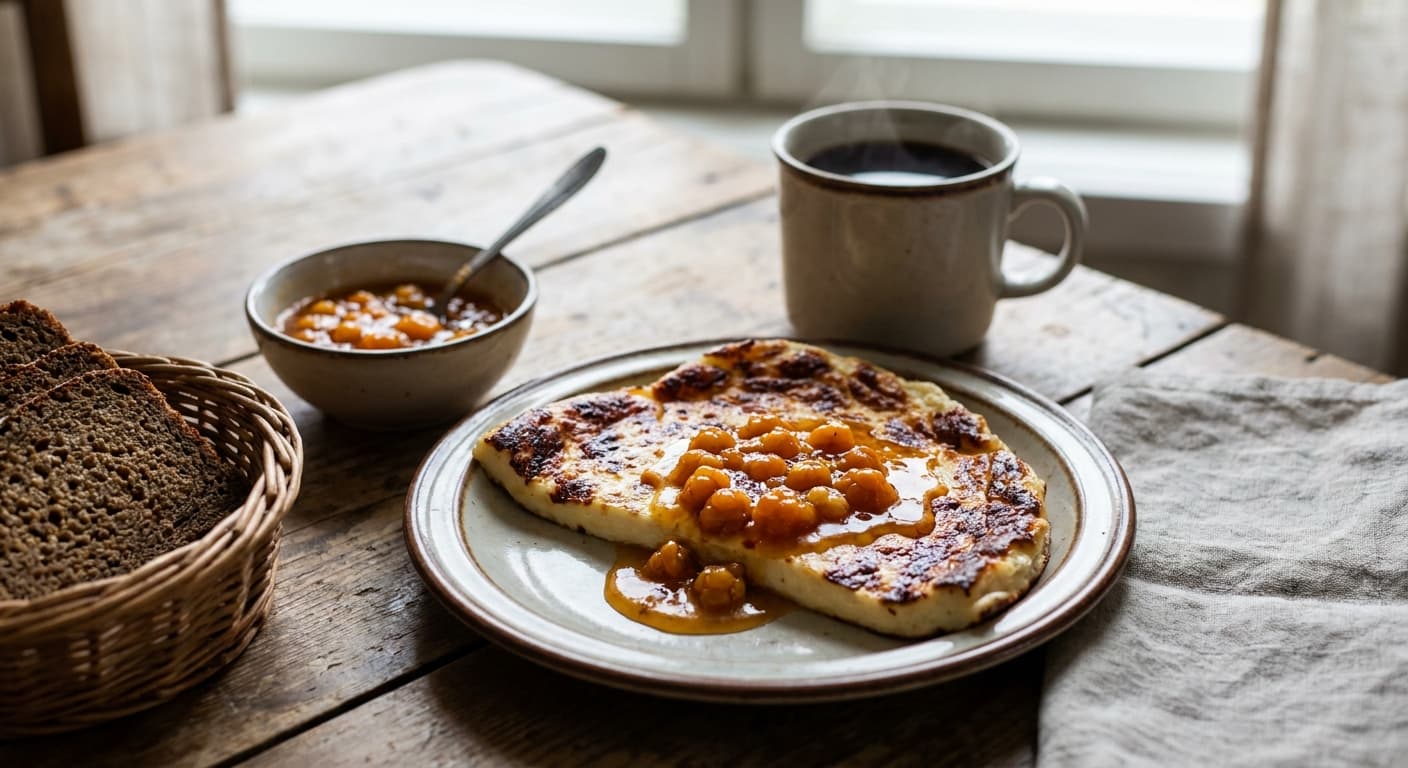
Finnish Oven-Baked Squeaky Cheese (Leipäjuusto) — Warm Bread Cheese with Cloudberry Jam
Finnish · Desserts · 85 min
Tanzanian Ugali (Ugali) — Firm Cornmeal Porridge
Tanzanian · Side Dishes · 23 min
Reviews
Cooked this recipe?
Tap the stars to rate it — that's all it takes. A few words are welcome but optional.
No ratings yet. Cooked this one? Be the first to rate it — it takes one tap.