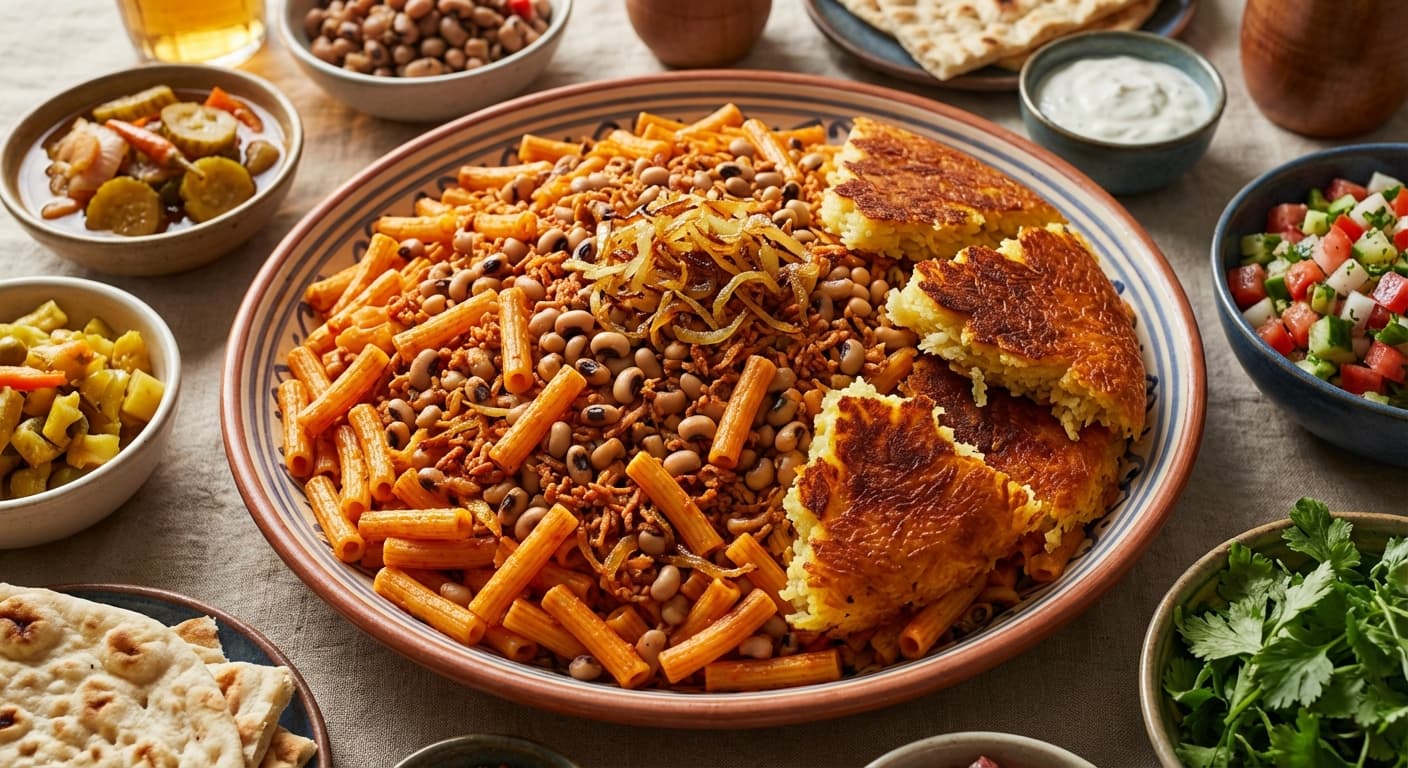
Makaroni Sosiso (ماکارونی سوسیسی) – Persian-Style Sausage & Black-Eyed Pea Pasta
A nostalgic Persian home-style makaroni made with grated sausage, black-eyed peas, and a turmeric-forward tomato sauce, then finished with the traditional dam (steam) method for deeply infused, comforting flavor.
Printable Recipe Card
Servings: 6 · Total: 150 min · Difficulty: medium
Ingredients (quick list)
- 200 g Dried black-eyed peas (rinsed; soaked 60 minutes, then drained)
- 1500 ml Water (for boiling peas; plus more as needed)
- 400 g Macaroni (Persian-style hollow tubes) (broken into 5 cm pieces)
- 18 g Salt (12 g for pasta water + 6 g for sauce)
- 250 g Onion (finely diced)
- 60 ml Neutral oil (such as sunflower or canola)
- 350 g Sausage (beef or chicken; coarsely grated on the large holes)
- 70 g Tomato paste (about 4 tablespoons)
- 3 tsp Turmeric (divided: 2 tsp for sauce + 1 tsp for dam layer)
- 1.5 tsp Black pepper (freshly ground)
- 2 tsp Garlic powder
- 2 tbsp Dried parsley
+ 1 more in the full ingredients section below.
Steps (summary)
- Soak the dried black-eyed peas in plenty of cool water for 60 minutes, then drain and rinse. Add peas and 1500 ml water to a po…
- Bring a large pot of water to a rolling boil. Add 12 g salt, then add 400 g macaroni (broken to 5 cm). Boil 6–8 minutes until v…
- Make the sauce: heat 60 ml neutral oil in a wide skillet over medium heat. Add 250 g diced onion and sauté 10–12 minutes until…
- Push sausage-onion mixture to the sides and add 70 g tomato paste to the center. Fry the paste 2–3 minutes to darken and remove…
- Stir the cooked black-eyed peas and 2 tbsp dried parsley into the sauce. Simmer 3 minutes so peas absorb the spiced tomato base…
- Combine pasta and sauce: add drained macaroni to a large bowl or directly into the skillet (if big enough). Toss 1–2 minutes un…
+ 2 more steps in the full instructions section below.
Cultural Background
Makaroni is a beloved staple of modern Iranian home cooking, often associated with school days, family gatherings, and quick comfort meals. The dam method—steaming the pasta after saucing—reflects the Persian love of layered, infused flavors and the prized crisp bottom crust.
Equipment
💡 Tips
- Grating the sausage creates a classic Persian home texture and helps it disperse evenly through the pasta; if using a very soft sausage, chill it 20 minutes before grating.
- Frying the tomato paste until it darkens is essential for a deep, non-acidic flavor and a richer color.
- Keep the pasta very al dente before dam; it finishes cooking during steaming and stays fluffy instead of mushy.
- For a stronger dam aroma, add 1 extra teaspoon turmeric to the sauce (within taste), but keep the pot-bottom turmeric for the signature fragrance.
⚠️ Common Mistakes
❌ Boiling the pasta until fully cooked before dam
💡 Why: The pasta continues cooking during steaming and can turn soft and clumpy.
✅ Fix: Boil only to very al dente (firm center), then drain well so it finishes perfectly during the 35–40 minute dam.
❌ Skipping the tomato paste frying step
💡 Why: Unfried paste tastes raw and overly acidic, and the sauce lacks depth and color.
✅ Fix: Fry the paste in oil for 2–3 minutes until it darkens and smells sweet, then add spices and water.
❌ Leaving too much water in the peas or sauce
💡 Why: Excess moisture makes the final dish soggy and prevents a good bottom crust.
✅ Fix: Drain peas thoroughly and keep the sauce thick; if it looks loose, simmer 2–4 minutes longer before mixing with pasta.
❌ Using high heat for the entire dam time
💡 Why: The bottom burns before the inside steams and the aroma becomes harsh.
✅ Fix: Steam 8 minutes on medium to build heat, then reduce to low for 35–40 minutes; rest 10 minutes off heat before serving.
🧊 How to Store
Cool to room temperature within 2 hours, then refrigerate in an airtight container up to 3 days. Reheat covered in a pan with 2–3 tbsp water over low heat 8–10 minutes, or microwave covered, stirring once, until hot throughout. Freeze up to 2 months; thaw overnight in the fridge before reheating.
📅 Make Ahead
Cook and drain the black-eyed peas up to 2 days ahead and refrigerate. The sauce can be made 1 day ahead; rewarm with 2–3 tbsp water before tossing with freshly boiled pasta. For best texture, do the final dam steaming just before serving.
🍽️ Pairs Well With
- Shirazi salad (cucumber
- tomato
- onion
- lime)
- Persian pickles (torshi) or cucumber pickles
- Plain yogurt or mast-o-khiar (if desired)
Regional Variations
- Tehran (modern home style)Often made with grated sausage and a stronger tomato paste base; some families add a small amount of cinnamon or paprika, but turmeric remains the signature aroma.
- Northern Iran (Gilan/Mazandaran-inspired)May include extra dried herbs (parsley and a little dried mint) and slightly more black pepper; served with more torshi and fresh herbs on the side.
Ingredients
- 200 gDried black-eyed peas (rinsed; soaked 60 minutes, then drained)
- 1500 mlWater (for boiling peas; plus more as needed)
- 400 gMacaroni (Persian-style hollow tubes) (broken into 5 cm pieces)
- 18 gSalt (12 g for pasta water + 6 g for sauce)
- 250 gOnion (finely diced)
- 60 mlNeutral oil (such as sunflower or canola)
- 350 gSausage (beef or chicken; coarsely grated on the large holes)
- 70 gTomato paste (about 4 tablespoons)
- 3 tspTurmeric (divided: 2 tsp for sauce + 1 tsp for dam layer)
- 1.5 tspBlack pepper (freshly ground)
- 2 tspGarlic powder
- 2 tbspDried parsley
- 200 gReserved black-eyed peas (cooked until tender, then drained)
🔄 Substitutions
- Sausage→ Ground beef or ground turkey (350 g)
- Dried black-eyed peas→ Canned black-eyed peas (480 g drained weight)
- Macaroni tubes→ Spaghetti (400 g), broken in half
Instructions
- 1
Soak the dried black-eyed peas in plenty of cool water for 60 minutes, then drain and rinse. Add peas and 1500 ml water to a pot, bring to a boil, skim foam, then simmer partially covered 25–35 minutes until tender but intact. Drain well and set aside; you should have about 400–450 g cooked peas.
- 2
Bring a large pot of water to a rolling boil. Add 12 g salt, then add 400 g macaroni (broken to 5 cm). Boil 6–8 minutes until very al dente (still firm in the center). Drain immediately and rinse briefly with warm water to stop cooking and reduce sticking; shake the colander thoroughly.
- 3
Make the sauce: heat 60 ml neutral oil in a wide skillet over medium heat. Add 250 g diced onion and sauté 10–12 minutes until deeply golden. Add 350 g grated sausage and cook 6–8 minutes, stirring, until the fat renders and the sausage loses its raw color and begins to brown lightly.
- 4
Push sausage-onion mixture to the sides and add 70 g tomato paste to the center. Fry the paste 2–3 minutes to darken and remove raw taste, then stir in 2 tsp turmeric, 1.5 tsp black pepper, 2 tsp garlic powder, and 6 g salt. Add 180 ml water and simmer 4–5 minutes until glossy and thick.
- 5
Stir the cooked black-eyed peas and 2 tbsp dried parsley into the sauce. Simmer 3 minutes so peas absorb the spiced tomato base. Taste and adjust salt if needed (remember the pasta is salted). Turn off heat; the sauce should be thick enough to cling to pasta, not watery.
- 6
Combine pasta and sauce: add drained macaroni to a large bowl or directly into the skillet (if big enough). Toss 1–2 minutes until evenly coated and the peas and sausage are well distributed. Avoid overmixing, which can break the macaroni; aim for an even orange-red color with visible peas.
- 7
Dam (steam) the makaroni: in a nonstick pot, heat 30 ml oil over medium heat for 1 minute. Sprinkle 1 tsp turmeric evenly into the oil, then add 60 ml water. Immediately mound the pasta mixture into the pot, shaping a gentle cone. Use the handle of a spoon to poke 5–6 steam holes to the bottom.
- 8
Cover the lid with a clean kitchen towel and place it tightly on the pot. Steam over medium heat 8 minutes until you see strong steam, then reduce to low and continue 35–40 minutes. Rest off heat 10 minutes before serving so the flavors settle and the bottom crust releases more cleanly.
🪪 Recipe Passport
Cultural Background
Makaroni is a beloved staple of modern Iranian home cooking, often associated with school days, family gatherings, and quick comfort meals. The dam method—steaming the pasta after saucing—reflects the Persian love of layered, infused flavors and the prized crisp bottom crust.
Regional Variations
Researched from multiple sources and validated by the Zaffaron editorial team. Every recipe is tested for accuracy, measurements, and cultural authenticity.
Nutrition per serving
Pairs well with
If you enjoyed this recipe, here are a few related Zaffaron recipes to try next.
Does your family make this differently?
Every family has their own version. Maybe your grandmother adds a secret ingredient, or your aunt has a completely different technique. Preserve your family's version — with their name on it, forever.
You Might Also Like
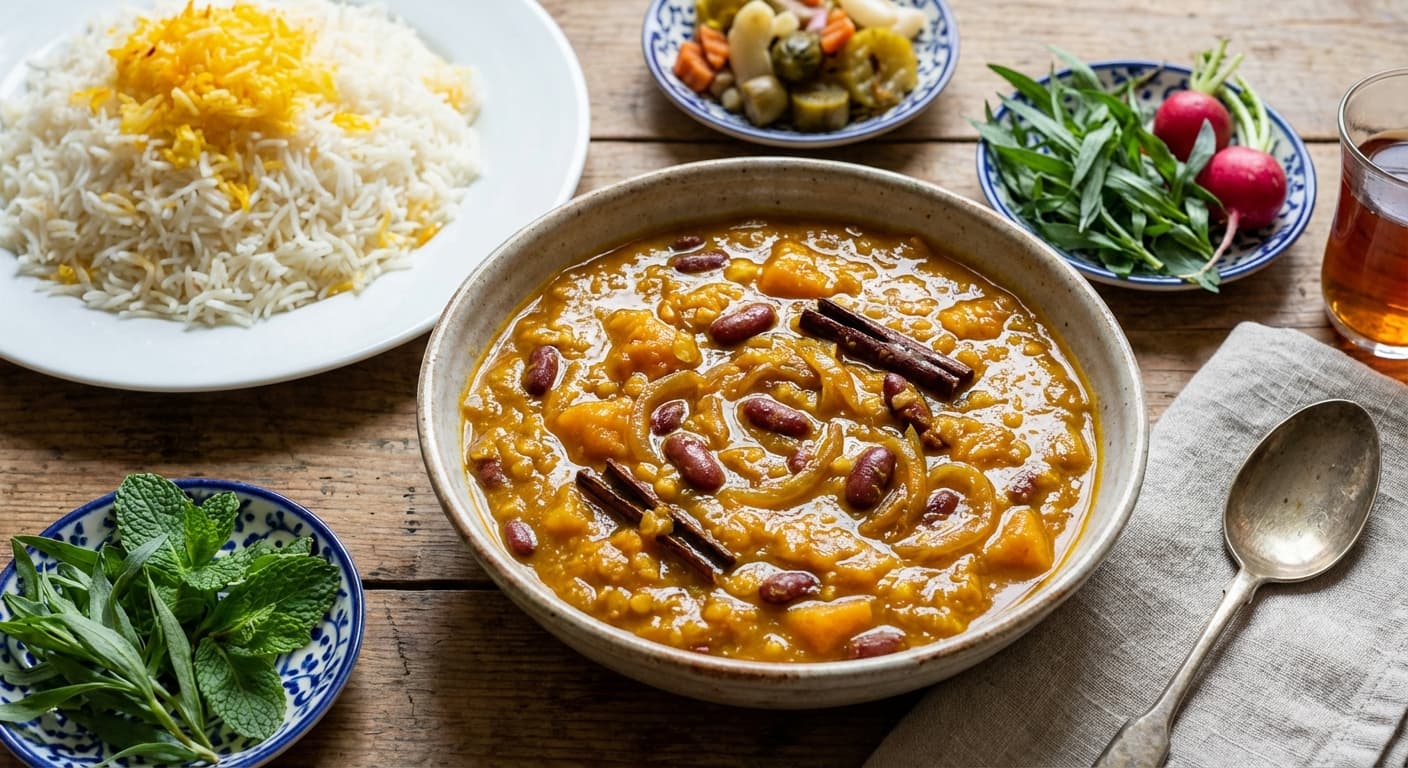
Gheimeh Kadoo Halvai (قیمه کدو حلوایی) — Sweet Pumpkin & Legume Stew
Persian · Stews · 110 min
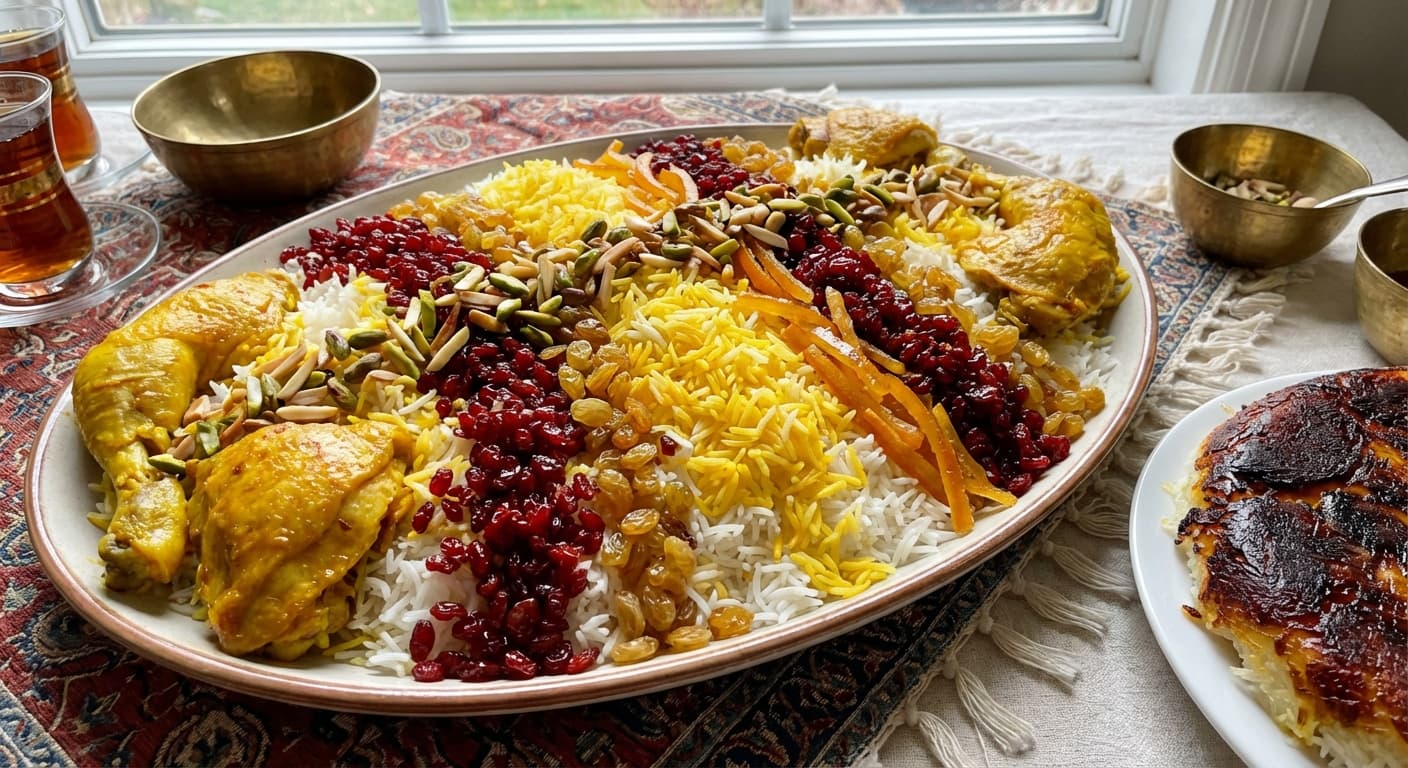
Jeweled Rice (مرصع پلو) — Festive Persian rice with saffron chicken and jeweled fruits
Persian · Rice Dishes · 135 min
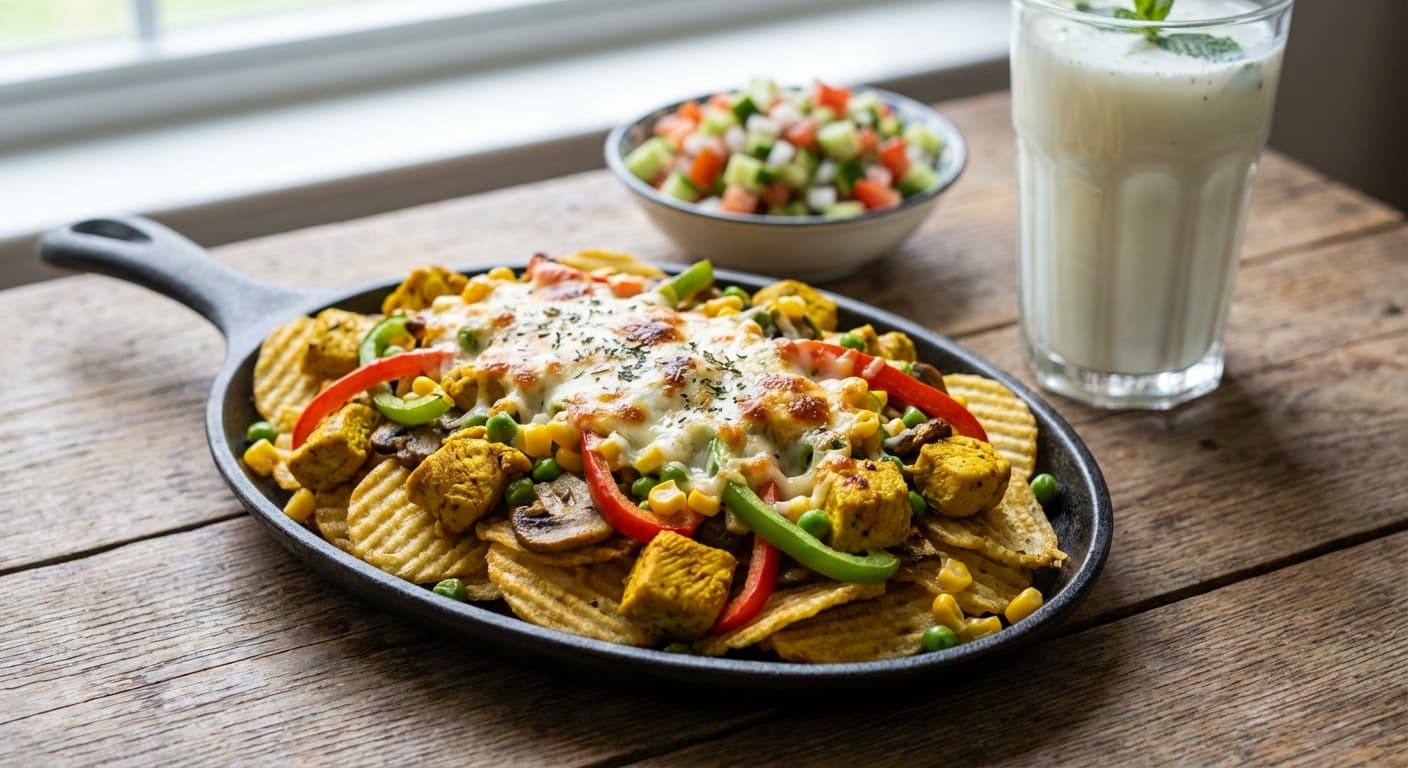
Persian-Style Pizza-Chips (خوراک چیپس و پنیر) — Street-Food Chip Bake with Chicken and Mozzarella
Persian · Main Courses · 45 min
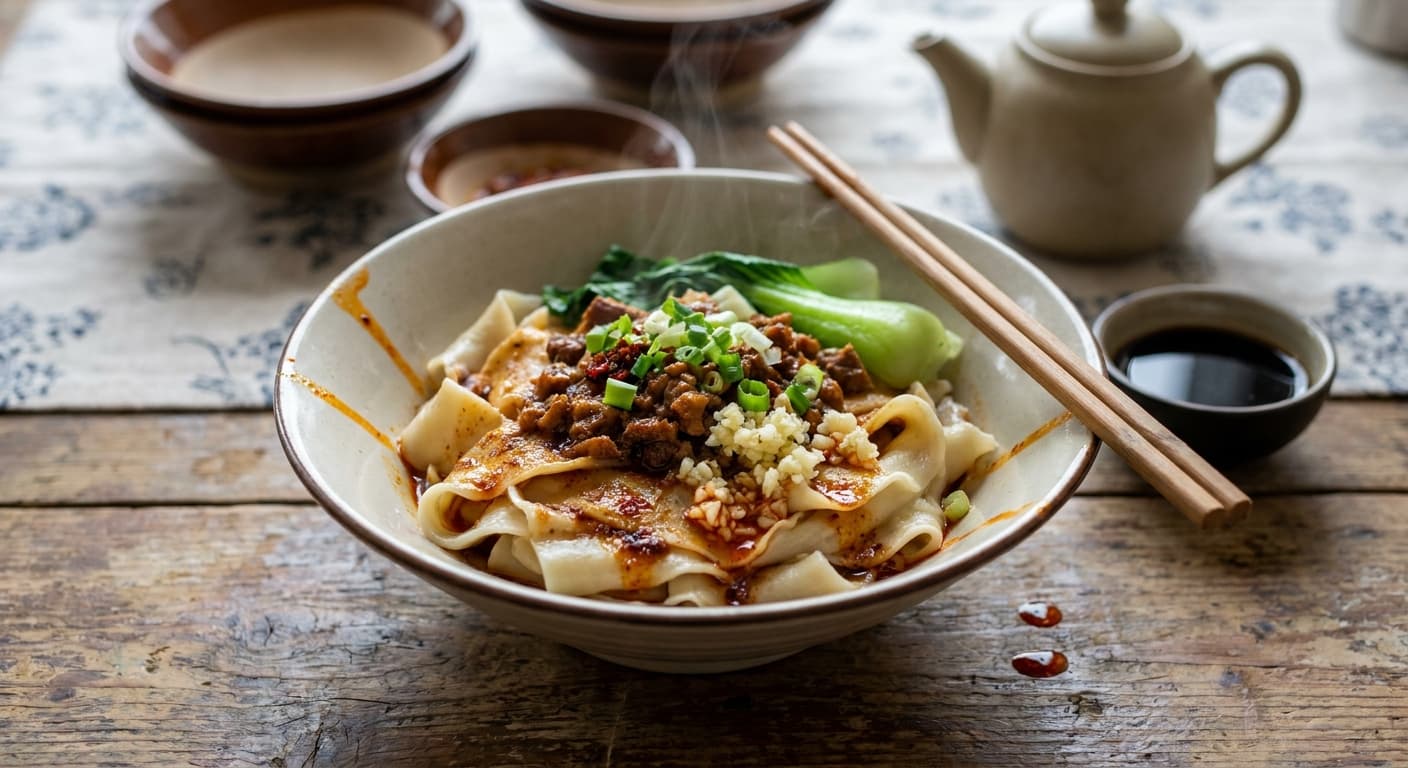
Biangbiang Noodles (油泼扯面) — Xi'an Hand-Pulled Belt Noodles
Chinese · Main Courses · 65 min
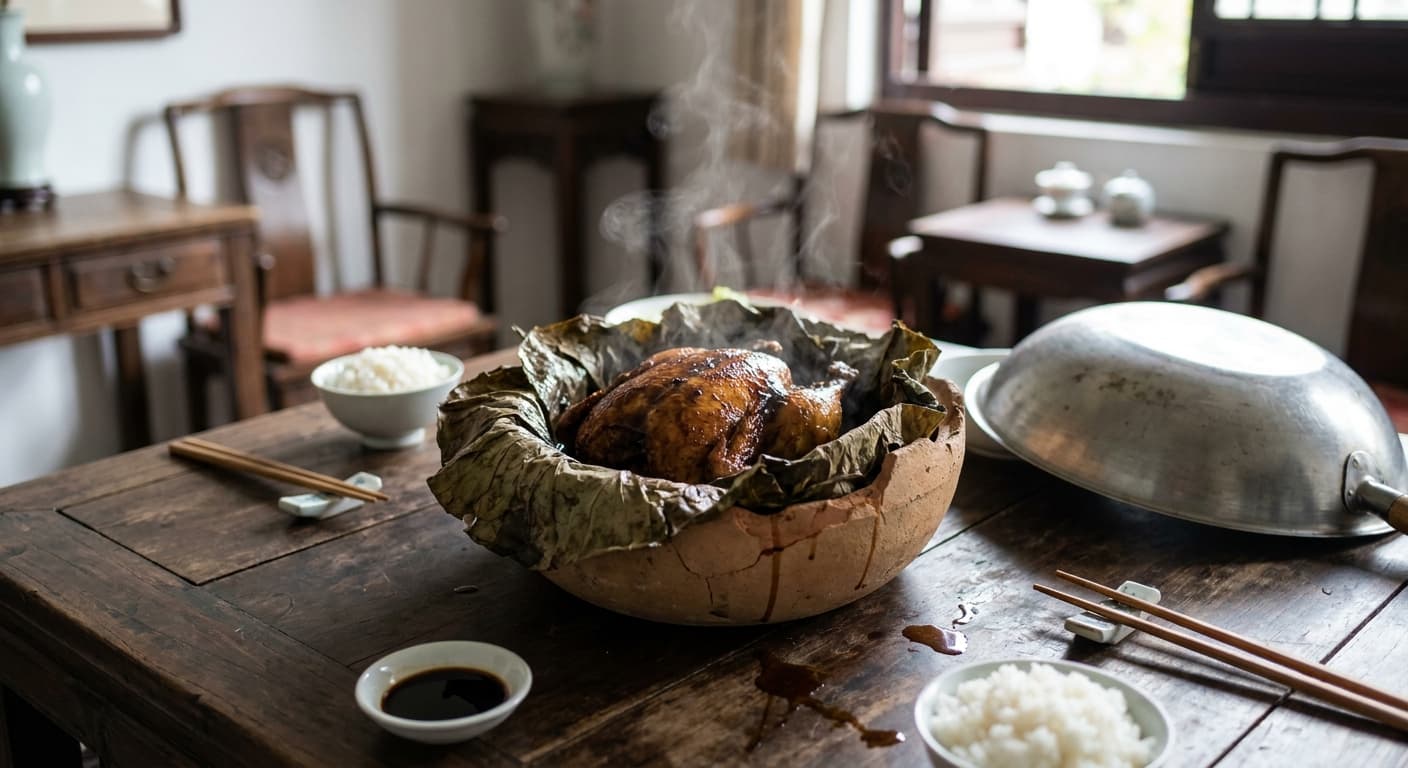
Beggar's Chicken (叫化鸡) — Lotus-Wrapped Clay-Baked Jiangnan Chicken
Chinese · Main Courses · 240 min
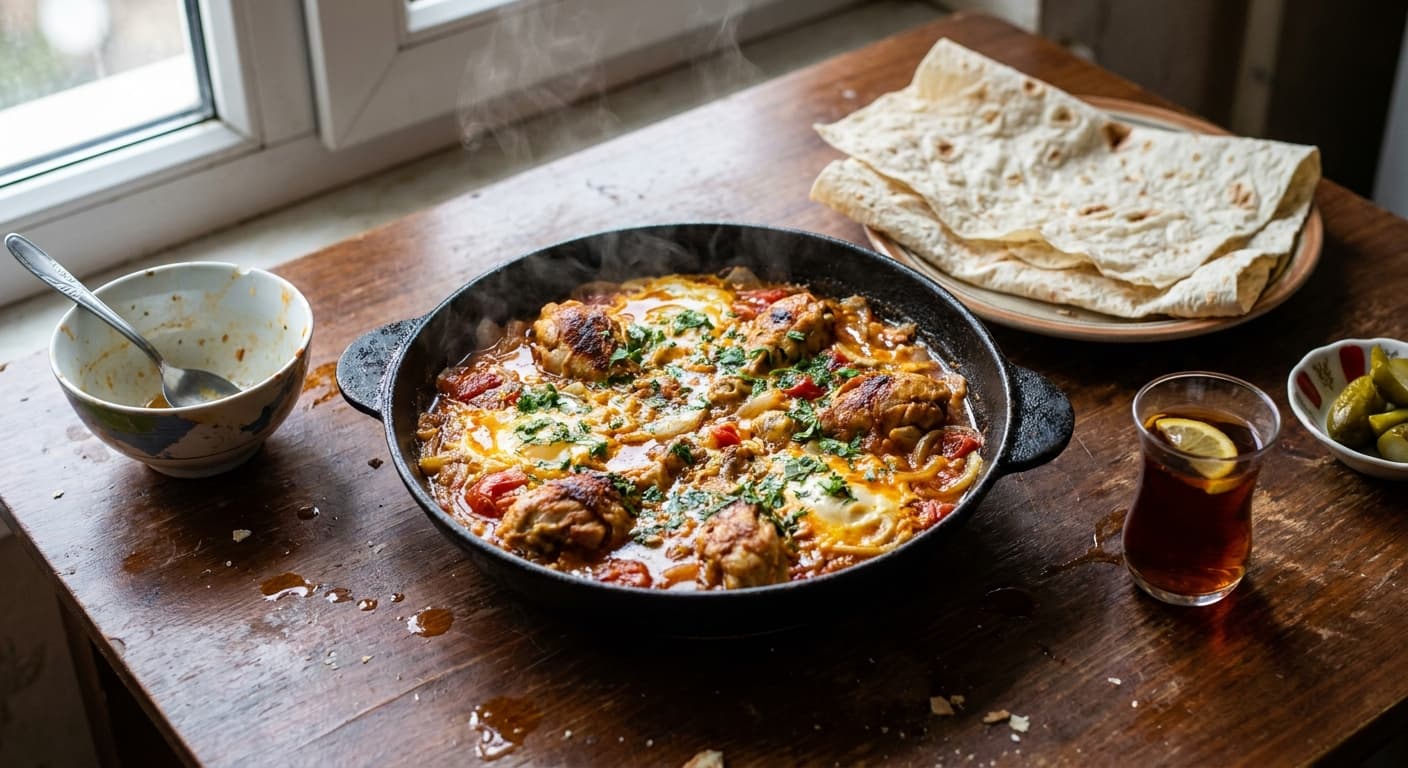
Chicken Chygyrtma (Toyuq Çığırtması) — Azerbaijani Chicken with Eggs and Tomatoes
Azerbaijani · Main Courses · 65 min
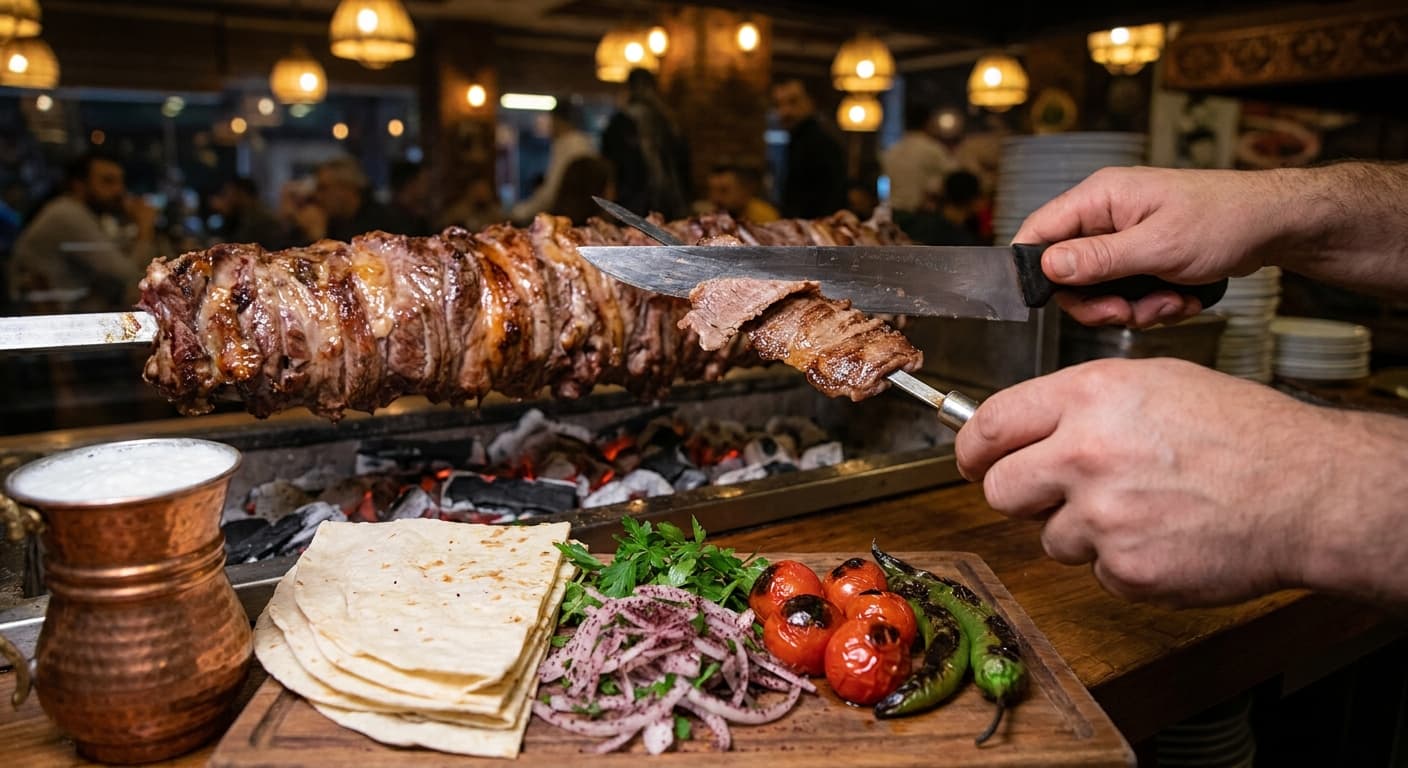
Turkish Cağ Kebab (Cağ Kebabı) — Erzurum Slow-Roasted Charcoal Lamb Skewer
Turkish · Kebabs · 160 min
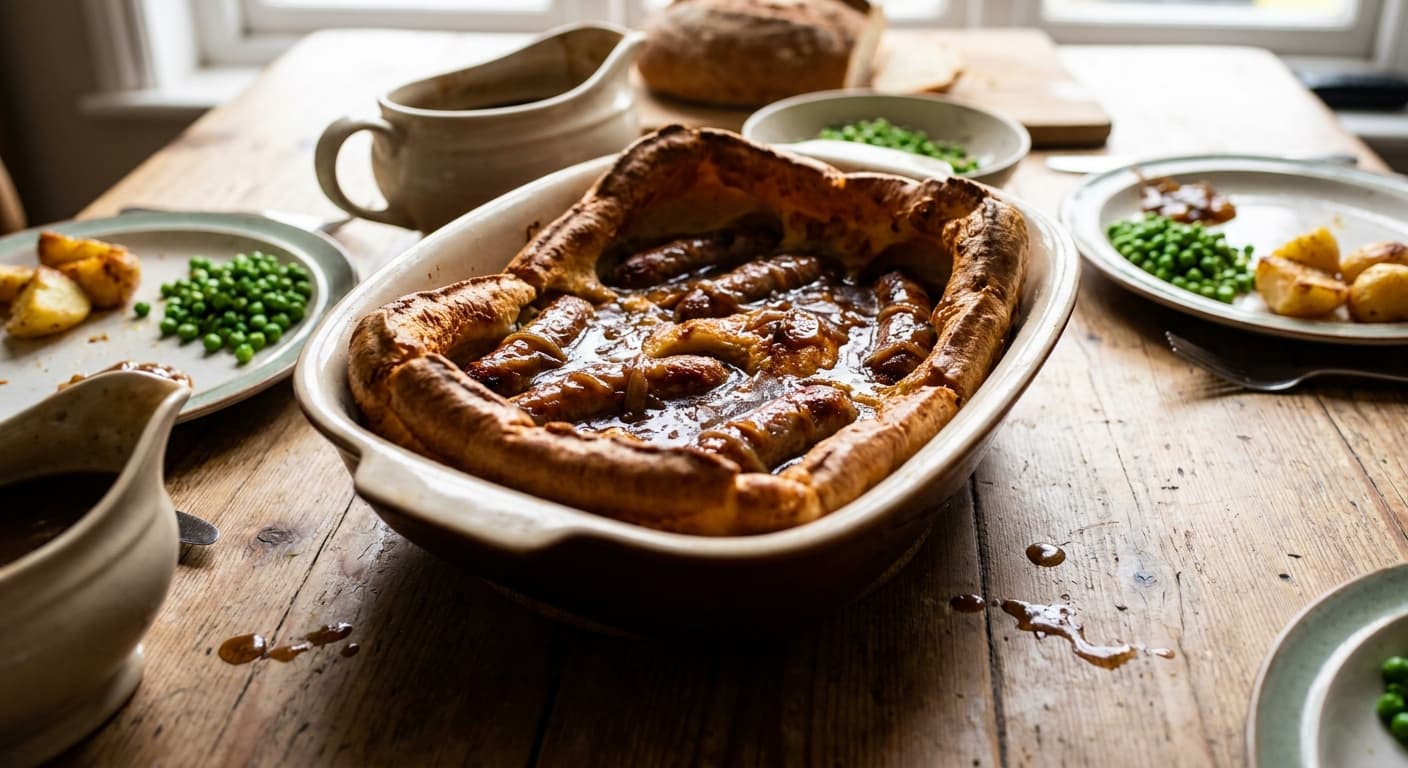
Toad in the Hole (Toad in the Hole) — Sausages Baked in Yorkshire Pudding Batter
British · Main Courses · 65 min
Reviews
Cooked this recipe?
Tap the stars to rate it — that's all it takes. A few words are welcome but optional.
No ratings yet. Cooked this one? Be the first to rate it — it takes one tap.