Lobia Polo ba Sabzi (لوبیا پلو با سبزی) — Saffron Herb Rice with Green Beans and Chicken
Lobia Polo ba Sabzi is a beloved Persian layered rice dish where tender green beans and a fresh herb medley perfume every grain. Finished with saffron and often served with chicken, it’s a festive, family-style centerpiece for gatherings.
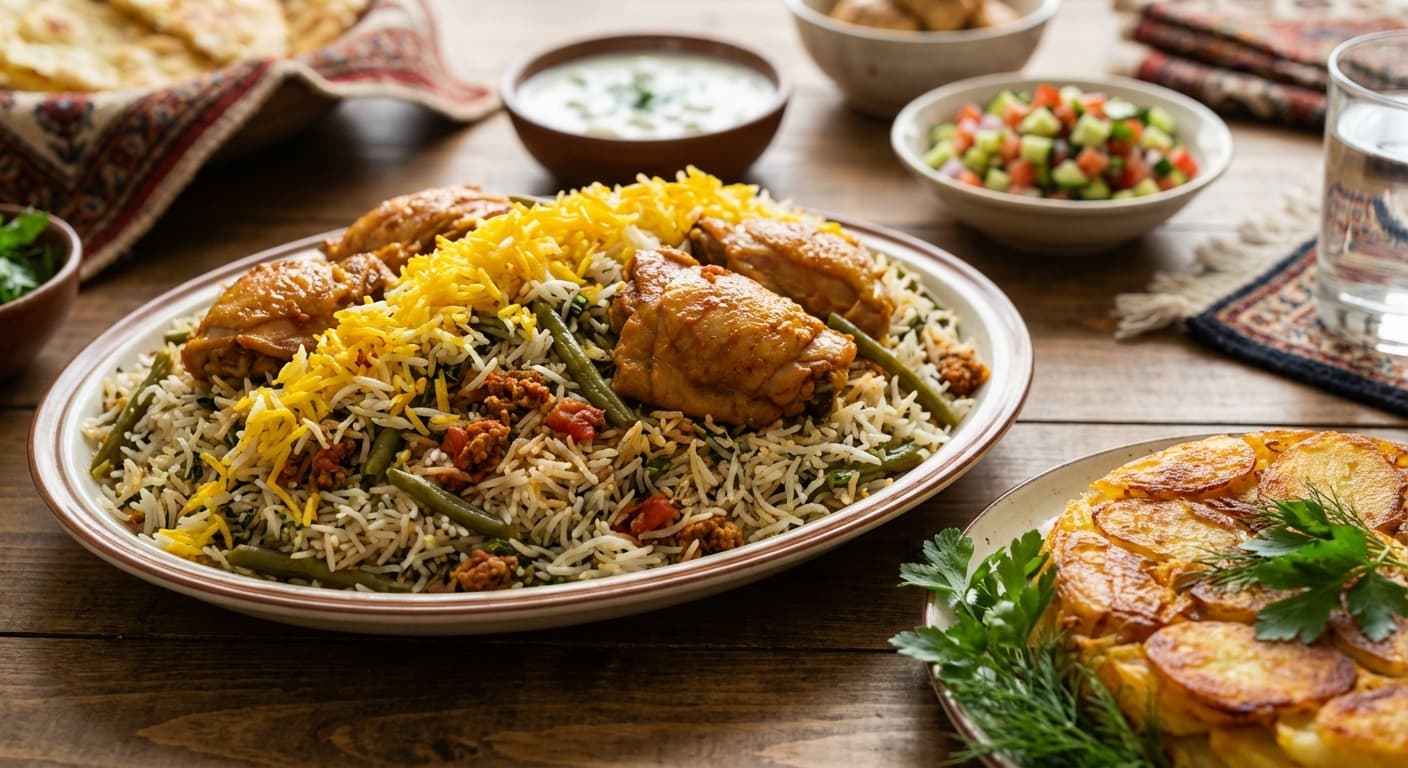
Printable Recipe Card
Servings: 6 · Total: 110 min · Difficulty: medium
Ingredients (quick list)
- 600 g Basmati rice, rinsed (Soak 30 minutes in cold water with 10 g salt, then drain)
- 22 g Salt (10 g for soaking + 12 g for boiling water and seasoning layers)
- 3000 ml Water (For parboiling the rice)
- 400 g Green beans, trimmed and cut into 2 cm pieces
- 250 g Yellow onions, thinly sliced
- 75 ml Vegetable oil (Divided for sautéing and layering)
- 45 g Tomato paste (About 3 tbsp)
- 2 tsp Ground black pepper
- 1 tsp Ground turmeric (Optional but traditional for color and warmth)
- 900 g Chicken thighs, bone-in and skinless (About 6 small thighs)
- 0.25 tsp Saffron threads (Finely crushed)
- 60 ml Hot water (For blooming the saffron)
+ 6 more in the full ingredients section below.
Steps (summary)
- Rinse the basmati rice in several changes of cold water until the water runs mostly clear. Soak it for 30 minutes in cold water…
- Bloom the saffron by crushing the threads and mixing them with 60 ml hot water in a small cup. Let it steep for at least 10 min…
- Heat 15 ml oil in a wide pan over medium-high heat and brown the chicken thighs for 3–4 minutes per side. Add 400 ml water and…
- In a separate pan, heat 75 ml oil over medium heat and sauté the sliced onions for 10–12 minutes until golden and sweet. Stir i…
- Add the green beans to the onions and sauté for 5 minutes to lightly sear and deepen their flavor. Stir in the tomato paste and…
- Bring 3000 ml water to a rolling boil in a large pot and add the remaining 18 g salt. Add the drained rice and boil 6–8 minutes…
+ 6 more steps in the full instructions section below.
Cultural Background
Layered polo dishes are a hallmark of Persian home cooking, designed to feed a table generously while showcasing fragrance and texture. Lobia polo is especially popular for family gatherings, where saffron and herbs signal hospitality and care.
Equipment
💡 Tips
- Keep the herbs finely chopped and well-dried; use 120 g total herbs for a bright, balanced flavor without watering the rice.
- Cook the tomato paste until it darkens slightly (2–3 minutes) to remove raw acidity and give the beans a richer, deeper color.
- For extra-crisp tahdig, keep the first 10 minutes of steaming at medium heat, then lower the heat and avoid lifting the lid.
⚠️ Common Mistakes
❌ Boiling the rice until fully cooked before steaming
✅ Fix: Parboil only until the grain is soft outside but firm in the center (6–8 minutes), then finish by steaming.
❌ Adding wet herbs straight into the layers
✅ Fix: Wash herbs ahead, spin or pat completely dry, and chop finely so moisture doesn’t make the rice gummy.
❌ Burning the tahdig while trying to crisp it
✅ Fix: Use medium heat for 10 minutes to build steam, then low heat for the remainder; keep the lid towel-dry and avoid peeking.
🧊 How to Store
Cool leftovers within 2 hours, then refrigerate in an airtight container for up to 3 days. Reheat covered with 30 ml water per serving in a pot over low heat for 10–12 minutes, or microwave covered for 2–3 minutes; keep tahdig separate to stay crisp.
📅 Make Ahead
Chop the herbs and cut the beans up to 24 hours ahead and refrigerate separately, well-wrapped and dry. Cook the chicken and the green bean–tomato mixture 1 day ahead, then layer with freshly parboiled rice and steam before serving.
🍽️ Pairs Well With
- Shirazi salad
- mast-o-khiar
- torshi
- pickled garlic
- fresh herbs and radishes
- doogh.
Regional Variations
- Tehran-style: slightly more tomato paste and a deeper red bean mixture, often served with more saffron rice on top.
- Shiraz-style: heavier on fresh herbs for a greener, more aromatic profile and sometimes less tomato paste.
- Home-style shortcut: skip tahdig and mix layers more loosely for a softer, more casserole-like serving.
Ingredients
- 600 gBasmati rice, rinsed (Soak 30 minutes in cold water with 10 g salt, then drain)
- 22 gSalt (10 g for soaking + 12 g for boiling water and seasoning layers)
- 3000 mlWater (For parboiling the rice)
- 400 gGreen beans, trimmed and cut into 2 cm pieces
- 250 gYellow onions, thinly sliced
- 75 mlVegetable oil (Divided for sautéing and layering)
- 45 gTomato paste (About 3 tbsp)
- 2 tspGround black pepper
- 1 tspGround turmeric (Optional but traditional for color and warmth)
- 900 gChicken thighs, bone-in and skinless (About 6 small thighs)
- 0.25 tspSaffron threads (Finely crushed)
- 60 mlHot water (For blooming the saffron)
- 30 gFresh chives, finely chopped
- 40 gFresh parsley leaves, finely chopped
- 30 gFresh cilantro leaves, finely chopped
- 20 gFresh dill, finely chopped (Tender fronds only)
- 120 gPlain yogurt (For a crisp yogurt tahdig base)
- 1Egg yolk
🔄 Substitutions
- Chicken thighs, bone-in→ Chicken breast, boneless
- Fresh dill→ Dried dill
- Vegetable oil→ Ghee
Instructions
- 1
Rinse the basmati rice in several changes of cold water until the water runs mostly clear. Soak it for 30 minutes in cold water mixed with 10 g salt, then drain well so the grains stay long and separate.
- 2
Bloom the saffron by crushing the threads and mixing them with 60 ml hot water in a small cup. Let it steep for at least 10 minutes so the color and aroma fully develop.
- 3
Heat 15 ml oil in a wide pan over medium-high heat and brown the chicken thighs for 3–4 minutes per side. Add 400 ml water and 4 g of the salt from the total, cover, and simmer 25–30 minutes until the chicken is cooked through and the liquid is reduced but not dry.
- 4
In a separate pan, heat 75 ml oil over medium heat and sauté the sliced onions for 10–12 minutes until golden and sweet. Stir in turmeric and black pepper, then cook 30 seconds so the spices toast and become fragrant.
- 5
Add the green beans to the onions and sauté for 5 minutes to lightly sear and deepen their flavor. Stir in the tomato paste and cook 2–3 minutes until it darkens slightly and loses its raw edge, then remove from the heat.
- 6
Bring 3000 ml water to a rolling boil in a large pot and add the remaining 18 g salt. Add the drained rice and boil 6–8 minutes, stirring once or twice, until the grains are tender on the outside but still firm in the center.
- 7
Drain the rice in a colander and rinse quickly with 250 ml cold water to stop the cooking and prevent clumping. Let it drain for 2 minutes so excess water doesn’t steam the rice into mush.
- 8
If making tahdig, mix 120 g yogurt with 1 egg yolk and 2 tbsp (about 120 g) of the parboiled rice in a bowl until smooth. Heat 15 ml oil in a nonstick pot over medium heat, then spread the yogurt-rice mixture evenly across the base to form a crisp layer.
- 9
Layer the dish: add a thin layer of rice over the tahdig (or directly into the pot if skipping tahdig), then sprinkle a portion of the chopped herbs. Add a layer of the green bean–tomato mixture and nestle in a few chicken pieces, repeating until all components are used, finishing with rice on top.
- 10
Use the handle of a spoon to poke 5–6 holes down through the rice to help steam circulate. Drizzle 45 ml of the saffron water over the top along with 30 ml of plain water, then cover the lid with a clean towel and place it tightly on the pot.
- 11
Steam over medium heat for 10 minutes to build strong initial steam, then reduce to low and continue steaming for 40 minutes. The rice should smell deeply aromatic, and the herbs will perfume the whole pot without turning muddy.
- 12
Turn off the heat and rest the pot, covered, for 10 minutes so the grains set and the tahdig releases more easily. Fluff the rice gently, plate it with the chicken and green beans distributed throughout, and spoon any remaining saffron liquid over the serving platter for extra color.
🪪 Recipe Passport
Cultural Background
Layered polo dishes are a hallmark of Persian home cooking, designed to feed a table generously while showcasing fragrance and texture. Lobia polo is especially popular for family gatherings, where saffron and herbs signal hospitality and care.
Regional Variations
Researched from multiple sources and validated by the Zaffaron editorial team. Every recipe is tested for accuracy, measurements, and cultural authenticity.
Nutrition per serving
Pairs well with
If you enjoyed this recipe, here are a few related Zaffaron recipes to try next.
- Makaroni Sosis (ماکارونی سوسیس) — Persian-Style Sausage Macaroni
- Loobia Polo (لوبیا پلو) — Persian Green Bean Rice with Saffron and Beef
- Macaroni with Gherona Sauce (ماکارونی با سس غرونا) — Persian-Inspired Creamy Herb Cold Pasta
- Makaroni Goosht Gosaleh (ماکارونی گوشت گوساله) — Persian-Style Beef Pasta
Does your family make this differently?
Every family has their own version. Maybe your grandmother adds a secret ingredient, or your aunt has a completely different technique. Preserve your family's version — with their name on it, forever.
You Might Also Like
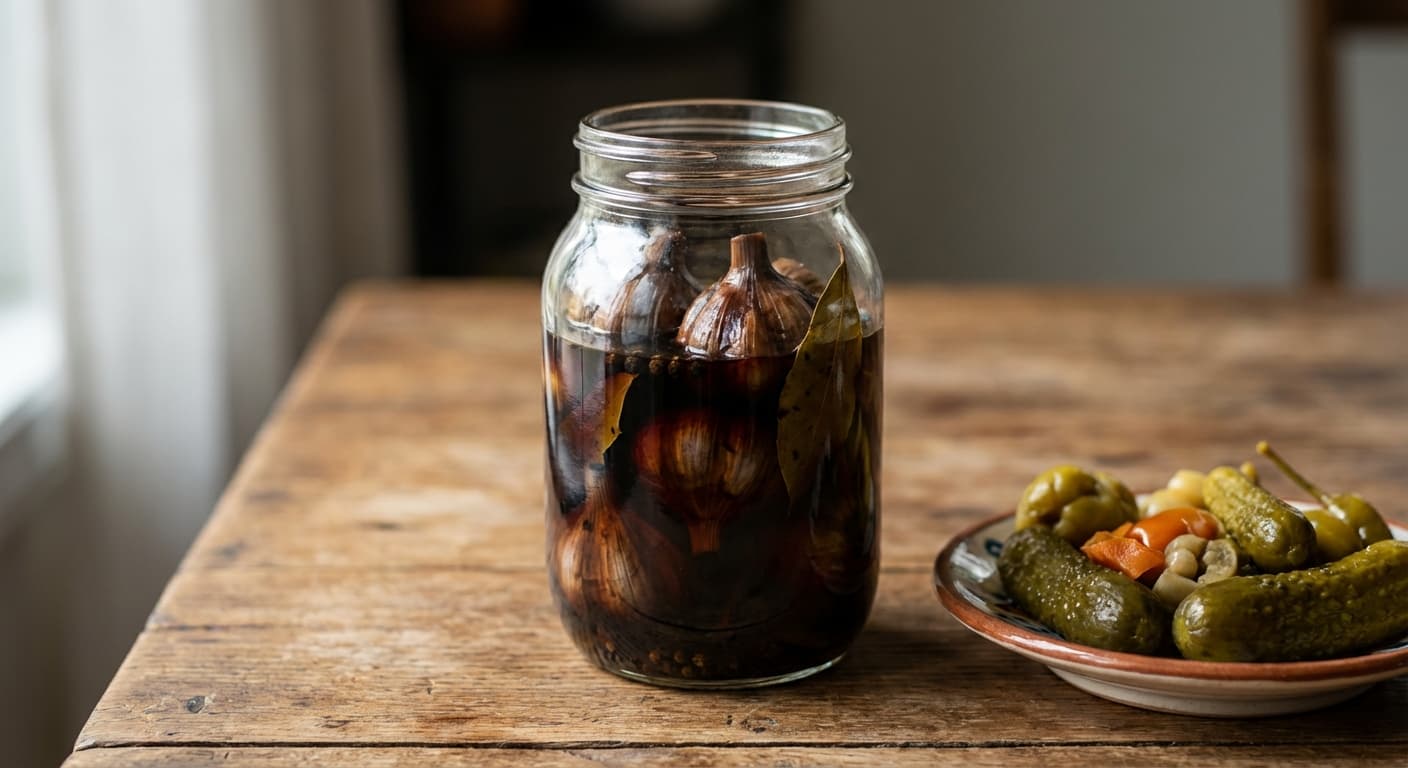
Aged Garlic Pickle (سیر ترشی) — Gilan’s seven-year-style black garlic torshi
Persian · Side Dishes · 45 min
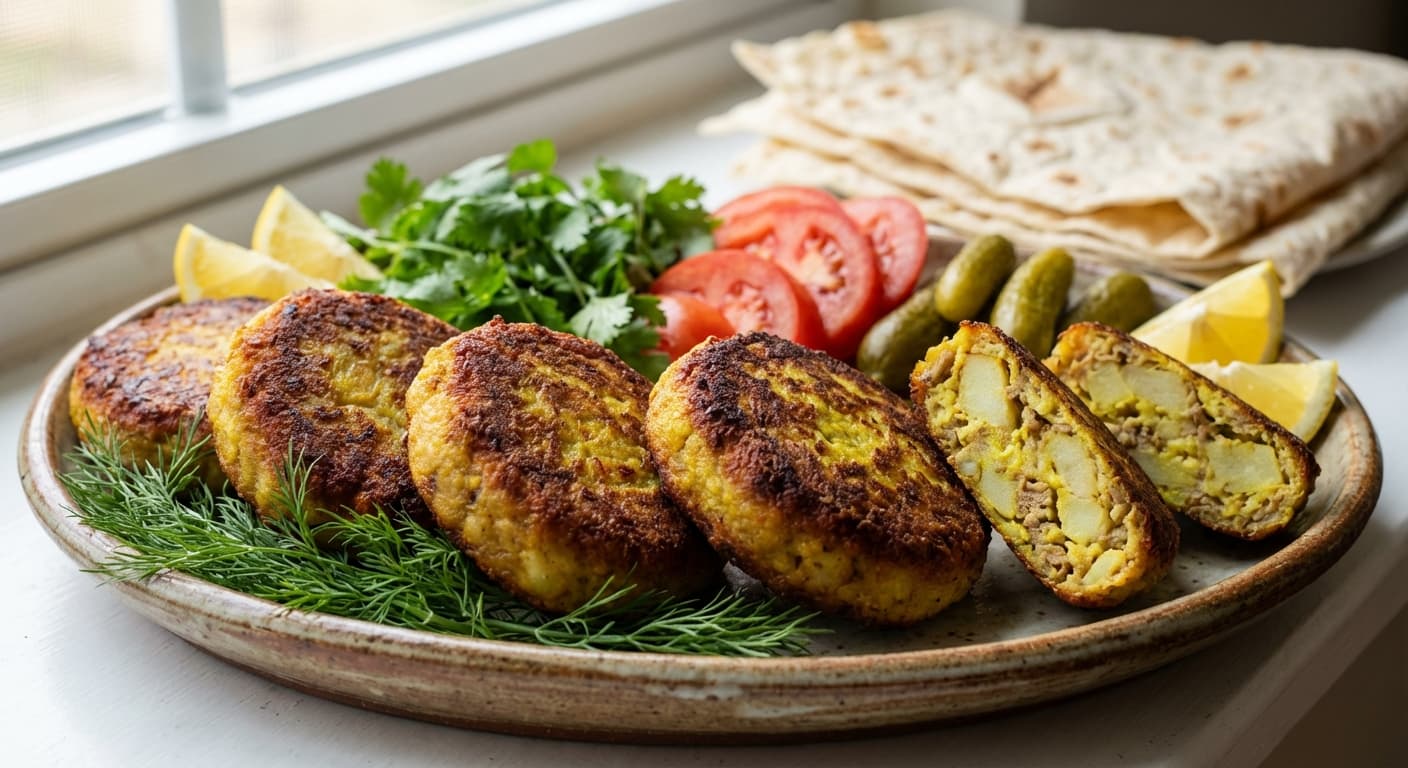
Persian Kotlet (کتلت) — Saffron-Infused Meat & Potato Patties
Persian · Main Courses · 55 min
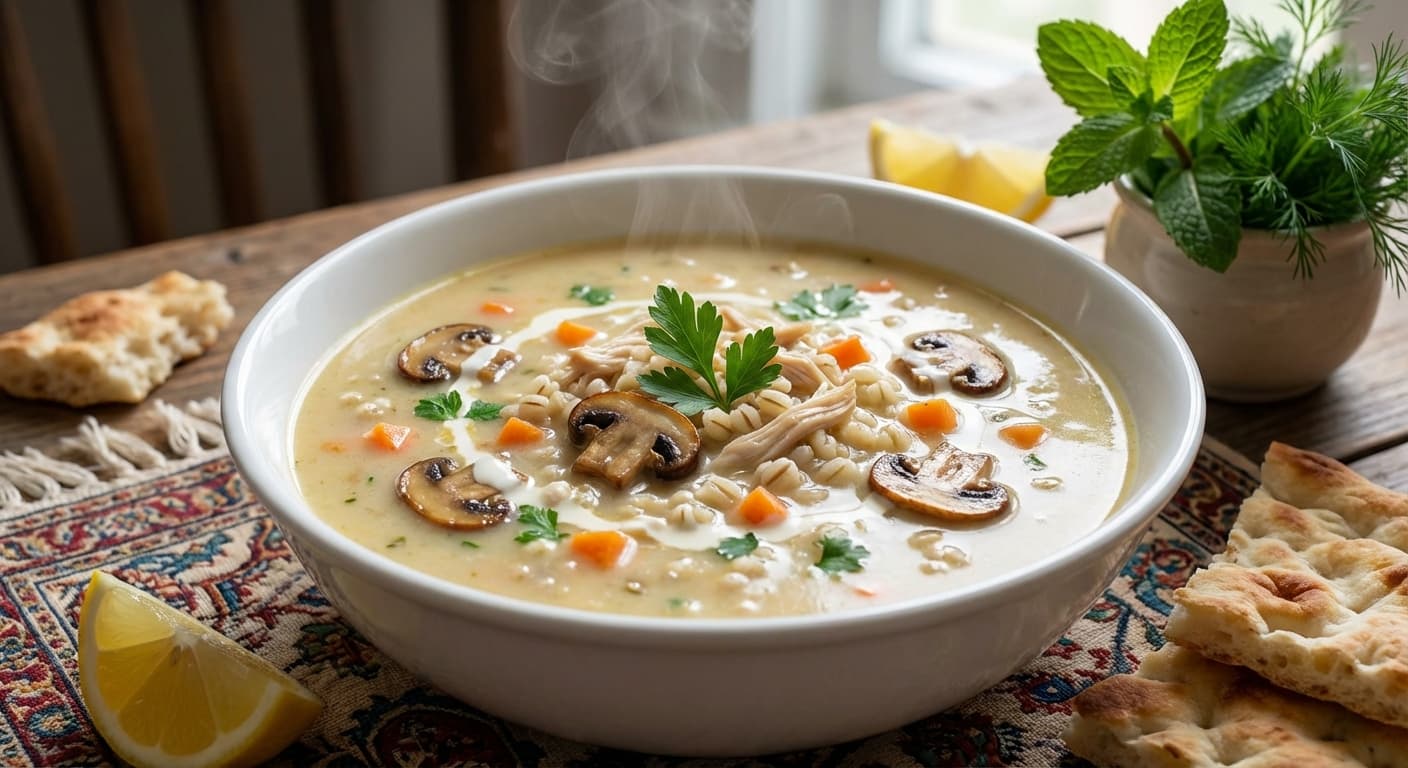
Soup-e Jo (سوپ جو) — Persian Creamy Barley Soup
Persian · Soups · 90 min
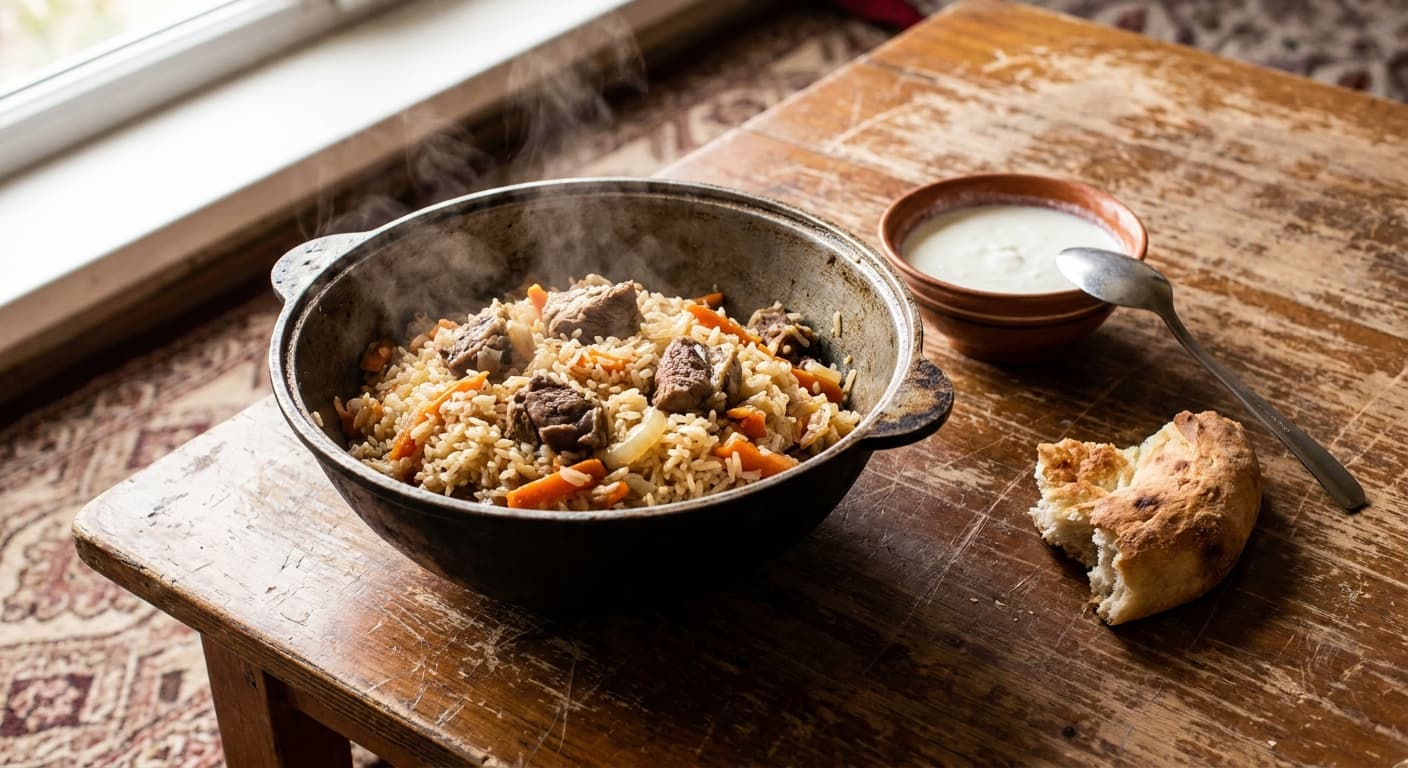
Chekdirme (Çekdirme) — Turkmen Lamb and Tomato Rice
Turkmen · Rice Dishes · 100 min
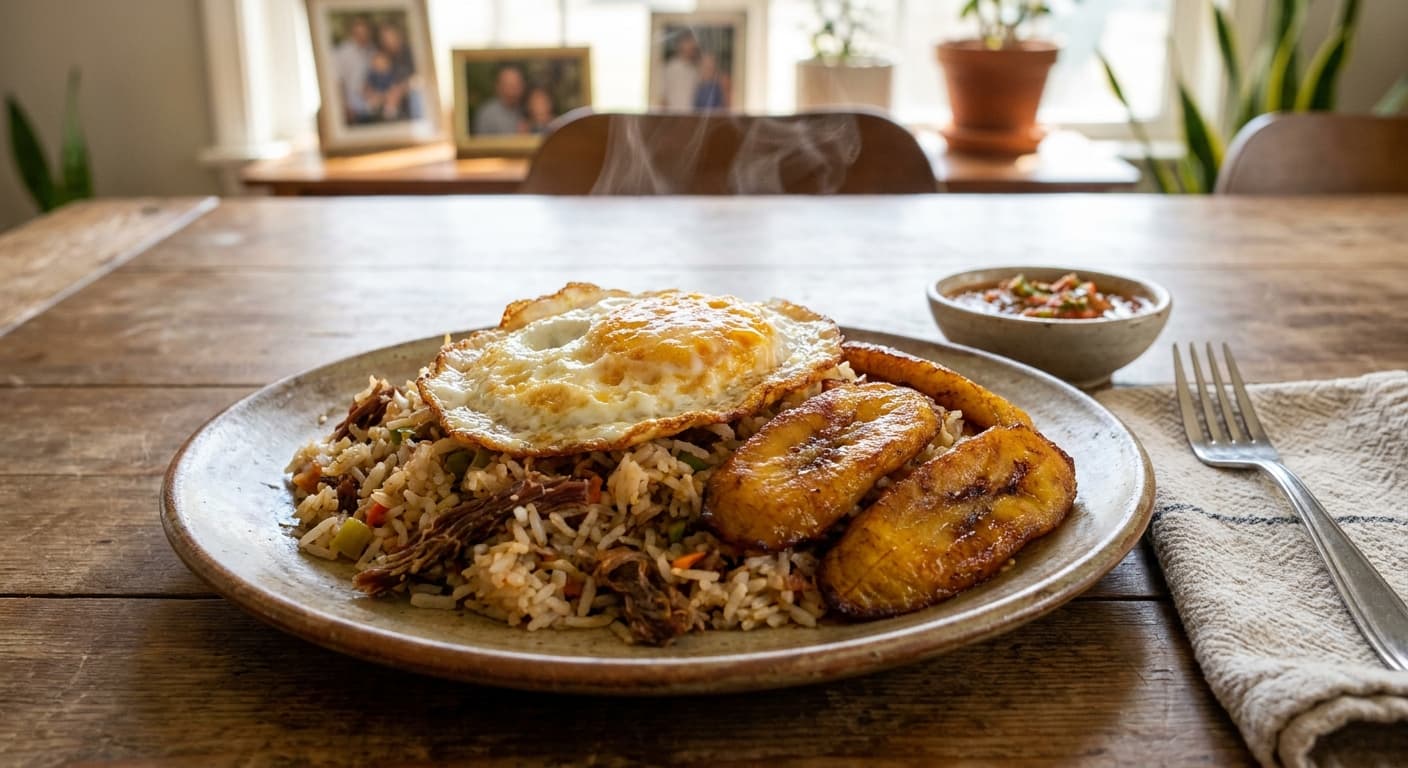
Majadito (Majadito) — Bolivian Rice with Charque and Fried Egg
Bolivian · Rice Dishes · 90 min
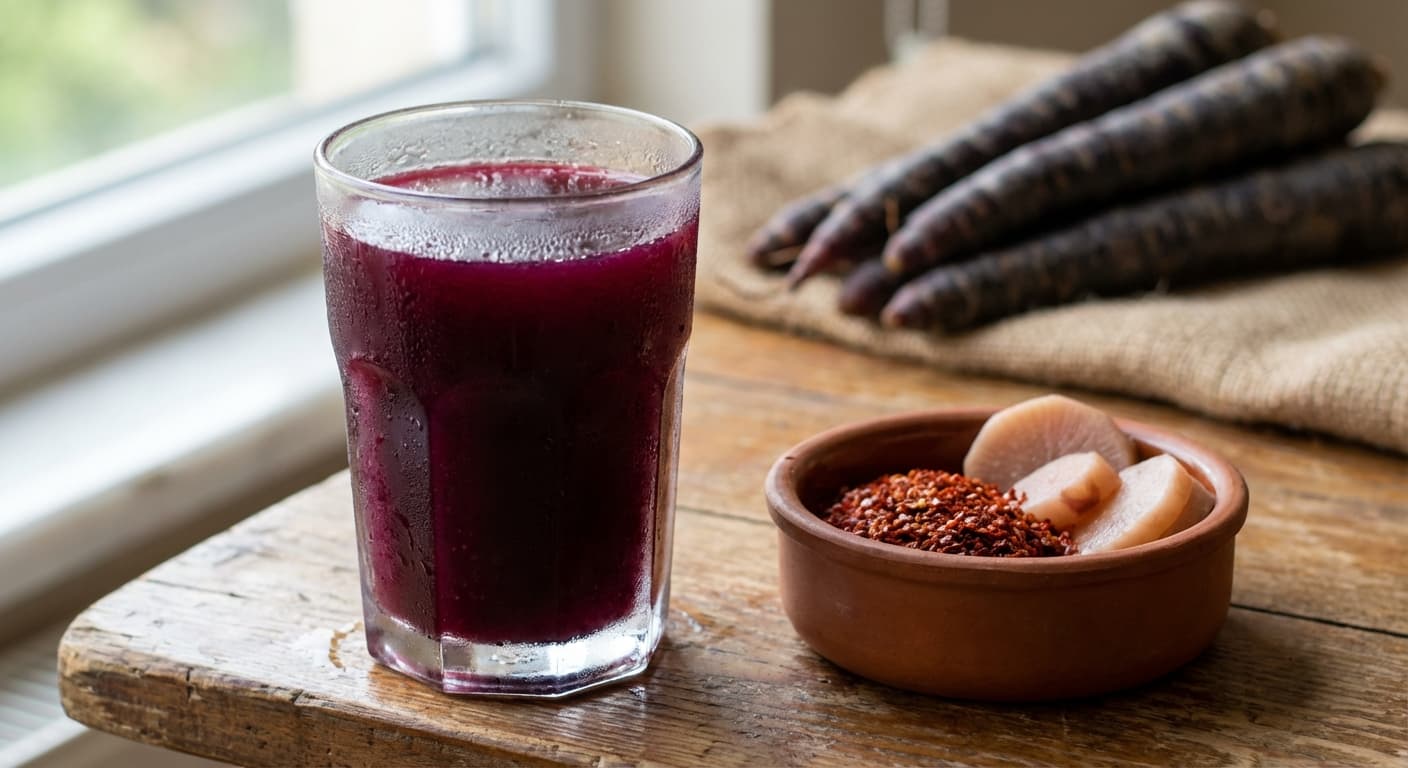
Salgam Juice (Şalgam) — Spicy, tangy fermented black-carrot drink
Turkish · Drinks · 25 min
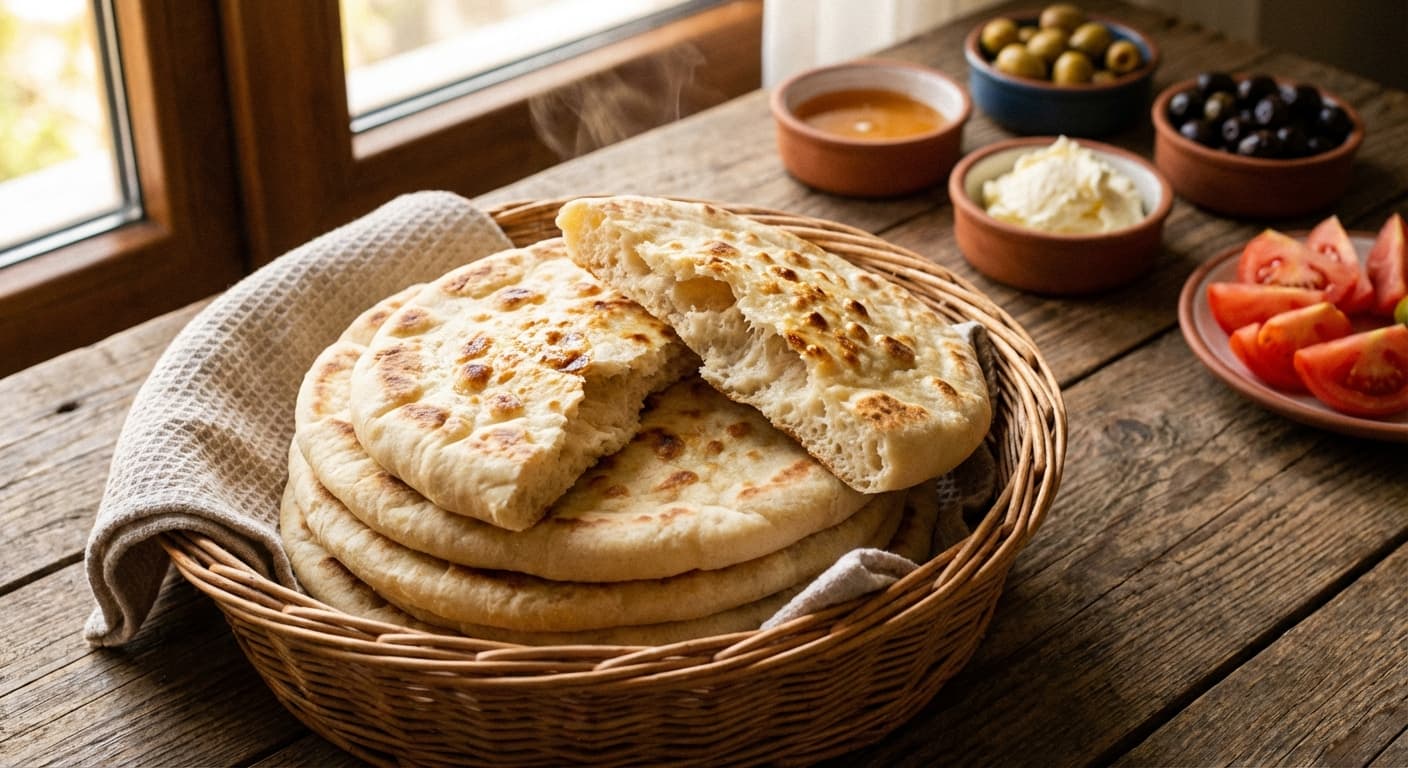
Bazlama (بازلاما) — Puffy Turkish Village Flatbread Cooked on a Saj
Turkish · Breads · 38 min
Chelo (چلو) — Persian Fluffy Steamed Rice
Persian · Rice Dishes · 125 min
Reviews
Cooked this recipe?
Tap the stars to rate it — that's all it takes. A few words are welcome but optional.
No ratings yet. Cooked this one? Be the first to rate it — it takes one tap.