Omelet Moraba (املت مربا) — Persian Sweet Jam-Filled Omelette
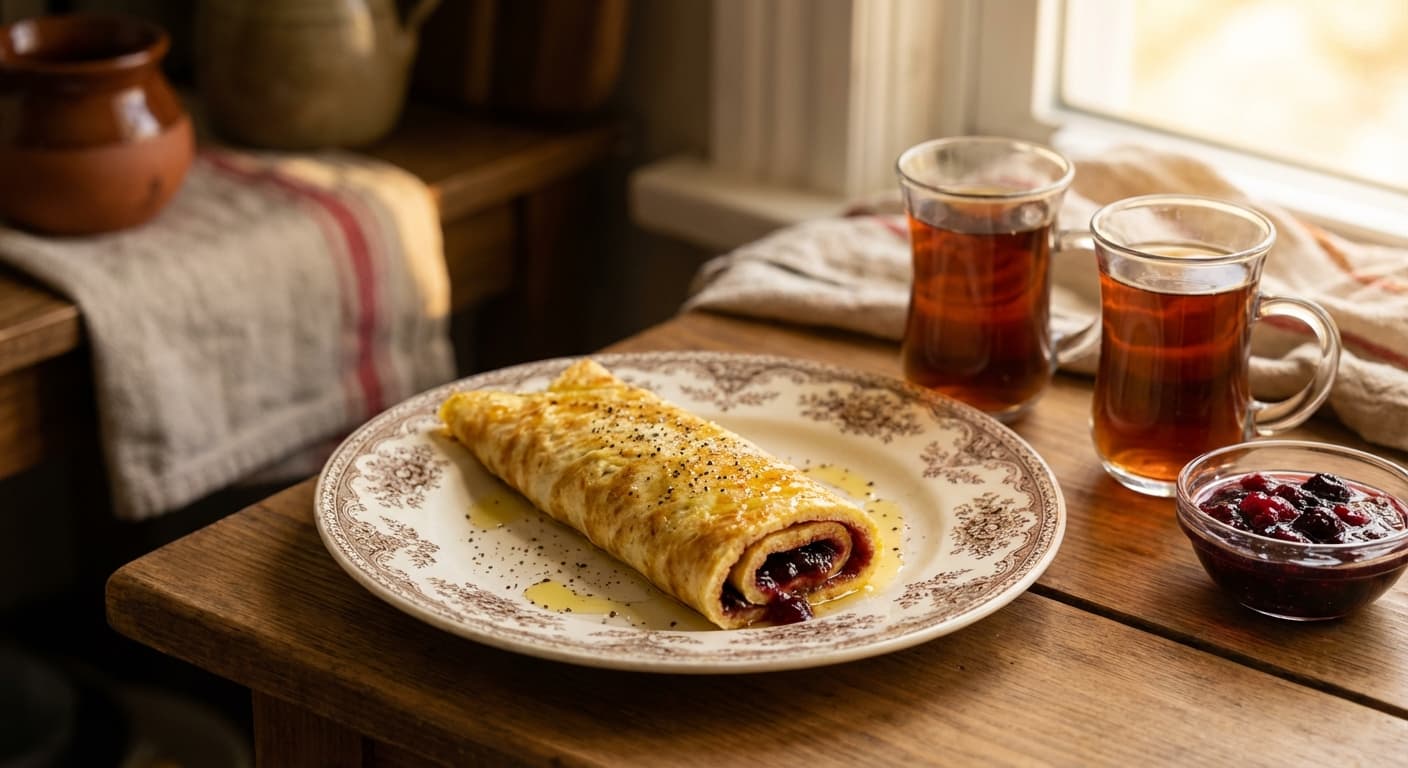
A delicate Persian breakfast omelette rolled around vibrant fruit jam. Soft, airy egg layers meet a sweet center for a balanced sweet-and-savory bite, finished with pepper and a light sheen of oil.
Printable Recipe Card
Servings: 2 · Total: 20 min · Difficulty: easy
Ingredients (quick list)
- 4 Large eggs (room temperature for best volume)
- 30 ml Whole milk (2 tablespoons)
- 2 g Sea salt (about 1/3 teaspoon, fine)
- 0.5 g Black pepper (about 1/4 teaspoon, freshly ground)
- 20 ml Neutral cooking oil (about 4 teaspoons, divided; sunflower or grapeseed)
- 80 g Fruit jam (about 1/4 cup; apricot, sour cherry, or strawberry)
Steps (summary)
- Warm the eggs to room temperature if chilled (place in a bowl of warm water for 5 minutes), then dry. In a bowl, whisk eggs, mi…
- Set a 20–24 cm (8–9.5 in) nonstick skillet over medium-low heat for 2 minutes. Add 10 ml (2 teaspoons) oil and swirl to coat. P…
- Using a silicone spatula, gently loosen the omelette. Reduce heat to low. Spread 40 g jam in a narrow line across the lower thi…
- Slide the first roll to a plate and tent loosely to keep warm. Return the pan to medium-low heat, add the remaining 10 ml (2 te…
- Rest the rolls 1 minute for the jam to settle. Slice each roll into 3–4 pieces on a slight diagonal for a clean spiral. Serve i…
Cultural Background
Jam-filled omelettes are a familiar home-style breakfast in Iran, reflecting a preference for balancing sweet and savory flavors in everyday cooking. They are often prepared quickly with pantry staples such as eggs and preserves, making them common for weekday mornings and casual family gatherings.
Equipment
💡 Tips
- Use medium-low heat; high heat toughens the eggs and can caramelize jam onto the pan.
- Thicker jams stay put; if your jam is loose, simmer 2–3 minutes to reduce, then cool before filling.
- For extra airiness, whisk just until foamy and cook in a well-preheated, lightly oiled pan.
- A silicone spatula helps roll without tearing the thin egg layer.
⚠️ Common Mistakes
❌ Cooking over high heat
💡 Why: The egg sets too fast, becomes rubbery, and the jam can scorch and stick.
✅ Fix: Use medium-low to low heat; extend cook time slightly and roll while the center is still barely moist.
❌ Overfilling with jam
💡 Why: Excess filling squeezes out during rolling and makes the omelette slip or tear.
✅ Fix: Keep jam to a narrow line (about 40 g per omelette) and leave a 2 cm border at the sides.
❌ Using a watery or very chunky jam
💡 Why: Watery jam leaks and chunky pieces can puncture the thin egg layer.
✅ Fix: Choose a thick jam; if loose, reduce it briefly on the stove and cool before spreading.
❌ Not preheating the pan or using too little oil
💡 Why: The first layer sticks and tears, preventing a clean roll.
✅ Fix: Preheat 2 minutes and coat the pan evenly with measured oil; loosen edges before rolling.
🧊 How to Store
Best eaten fresh. If needed, cool completely, wrap tightly, and refrigerate up to 24 hours. Rewarm gently in a covered skillet on low heat for 2–3 minutes; microwaving can make eggs rubbery and jam runny.
📅 Make Ahead
Whisk the egg mixture up to 12 hours ahead and refrigerate covered; re-whisk 10 seconds before cooking. Jam can be portioned in advance. Cook just before serving for the softest texture.
🍽️ Pairs Well With
- Hot black tea
- Fresh cucumber and tomato slices
- Flatbread or toast
Regional Variations
- Tehran and other large citiesOften made as a thin, crepe-like omelette rolled tightly for a neat spiral, commonly using apricot or strawberry jam for a bright, familiar sweetness.
- Northern Iran (Caspian region)Frequently prepared with locally popular fruit preserves such as sour cherry or plum, leaning into a more tart jam that heightens the sweet-and-savory contrast.
Ingredients
- 4Large eggs (room temperature for best volume)
- 30 mlWhole milk (2 tablespoons)
- 2 gSea salt (about 1/3 teaspoon, fine)
- 0.5 gBlack pepper (about 1/4 teaspoon, freshly ground)
- 20 mlNeutral cooking oil (about 4 teaspoons, divided; sunflower or grapeseed)
- 80 gFruit jam (about 1/4 cup; apricot, sour cherry, or strawberry)
🔄 Substitutions
- Whole milk→ Half-and-half (same amount)
- Neutral cooking oil→ Unsalted butter (same amount)
- Fruit jam→ Fruit preserves or thick fruit spread (same amount)
Instructions
- 1
Warm the eggs to room temperature if chilled (place in a bowl of warm water for 5 minutes), then dry. In a bowl, whisk eggs, milk, sea salt, and black pepper for 45–60 seconds until fully homogeneous and slightly foamy; avoid overbeating into stiff bubbles.
- 2
Set a 20–24 cm (8–9.5 in) nonstick skillet over medium-low heat for 2 minutes. Add 10 ml (2 teaspoons) oil and swirl to coat. Pour in half the egg mixture; tilt the pan to form a thin, even layer. Cook 60–90 seconds until the edges set and the center is just barely moist.
- 3
Using a silicone spatula, gently loosen the omelette. Reduce heat to low. Spread 40 g jam in a narrow line across the lower third, leaving a 2 cm border at the sides to prevent leakage. Roll the omelette up snugly into a log; cook 20–30 seconds seam-side down to seal.
- 4
Slide the first roll to a plate and tent loosely to keep warm. Return the pan to medium-low heat, add the remaining 10 ml (2 teaspoons) oil, and repeat with the remaining egg mixture and 40 g jam. Keep the layer thin and cook gently to preserve a silky, tender texture.
- 5
Rest the rolls 1 minute for the jam to settle. Slice each roll into 3–4 pieces on a slight diagonal for a clean spiral. Serve immediately while warm, when the egg is soft and the jam is glossy; add a few extra grinds of black pepper if you enjoy stronger sweet-savory contrast.
🪪 Recipe Passport
Cultural Background
Jam-filled omelettes are a familiar home-style breakfast in Iran, reflecting a preference for balancing sweet and savory flavors in everyday cooking. They are often prepared quickly with pantry staples such as eggs and preserves, making them common for weekday mornings and casual family gatherings.
Regional Variations
Researched from multiple sources and validated by the Zaffaron editorial team. Every recipe is tested for accuracy, measurements, and cultural authenticity.
Nutrition per serving
Pairs well with
If you enjoyed this recipe, here are a few related Zaffaron recipes to try next.
Does your family make this differently?
Every family has their own version. Maybe your grandmother adds a secret ingredient, or your aunt has a completely different technique. Preserve your family's version — with their name on it, forever.
You Might Also Like
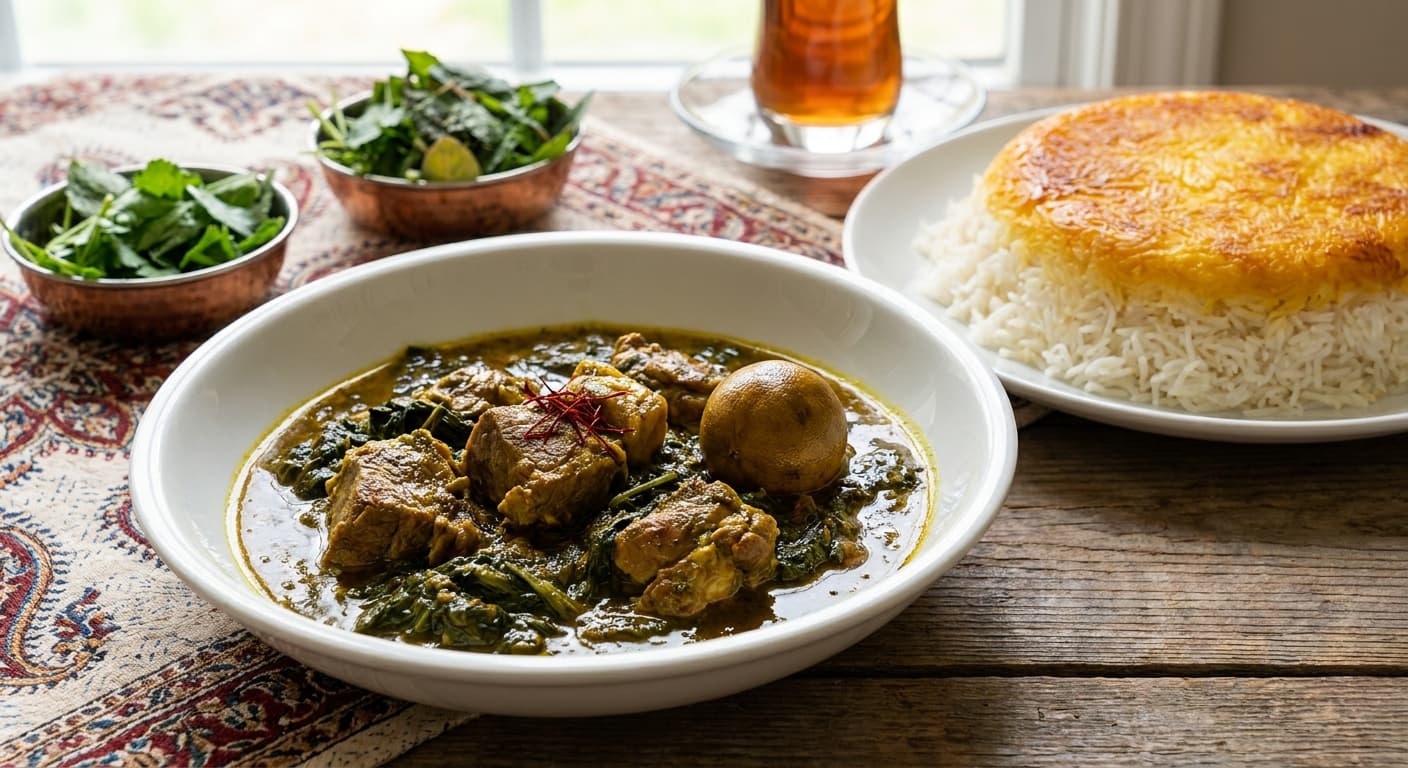
Persian Khoresht Saak (خورش ساک) — Saffron-Cardamom Lamb Stew with Saak Greens
Persian · Stews · 145 min
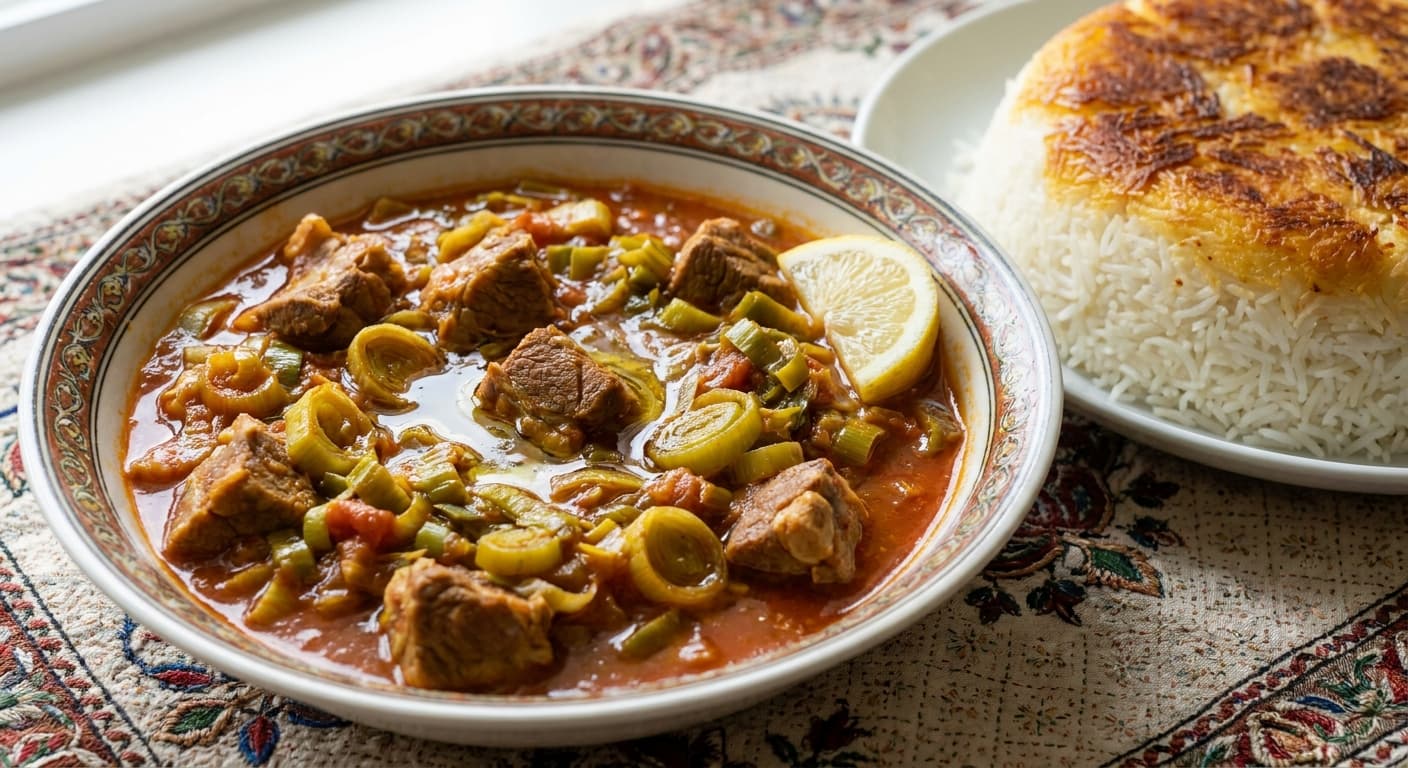
Khoresh Tareh Farangi (خورش تره فرنگی) — Persian Leek and Lamb Stew
Persian · Stews · 130 min
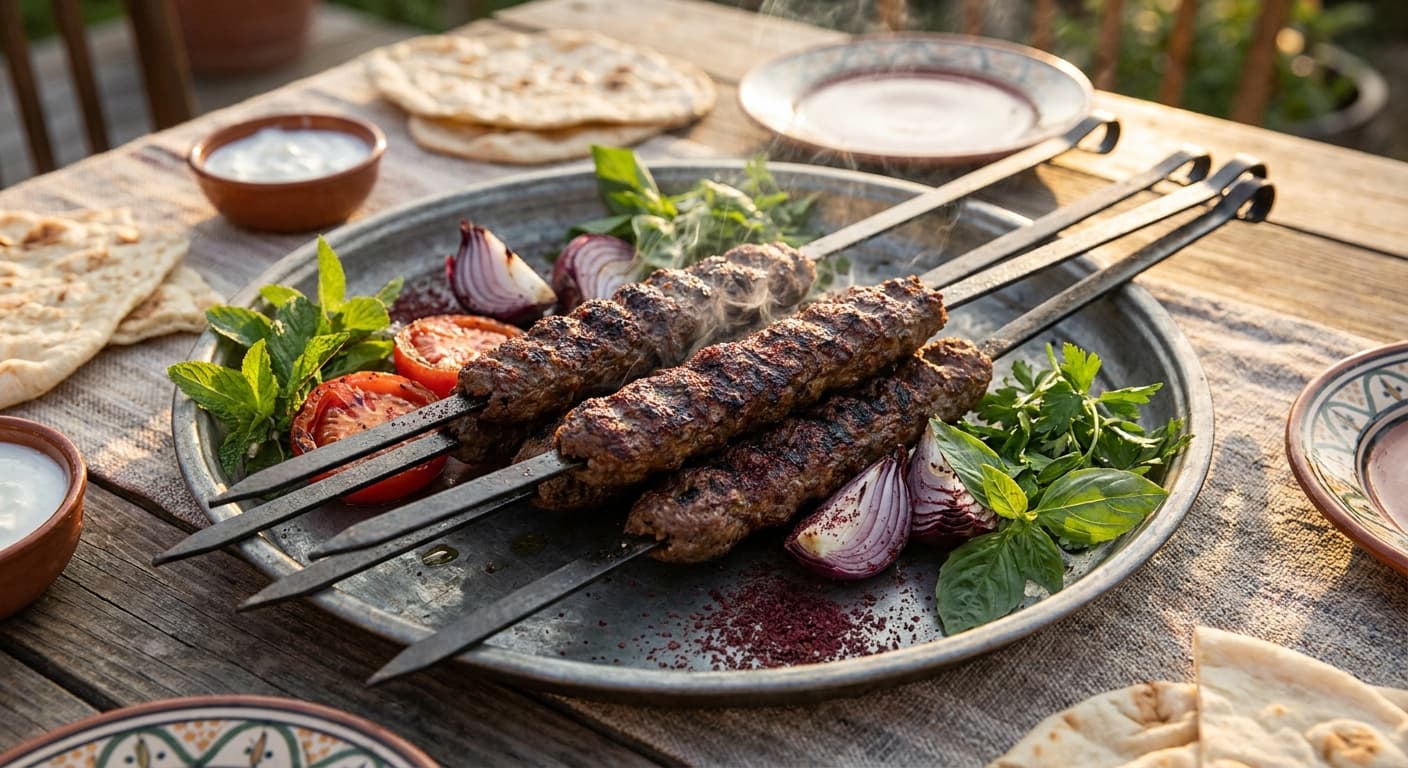
Authentic Kabab Koobideh (کباب کوبیده) — Persian Minced Lamb Skewers
Persian · Kebabs · 40 min
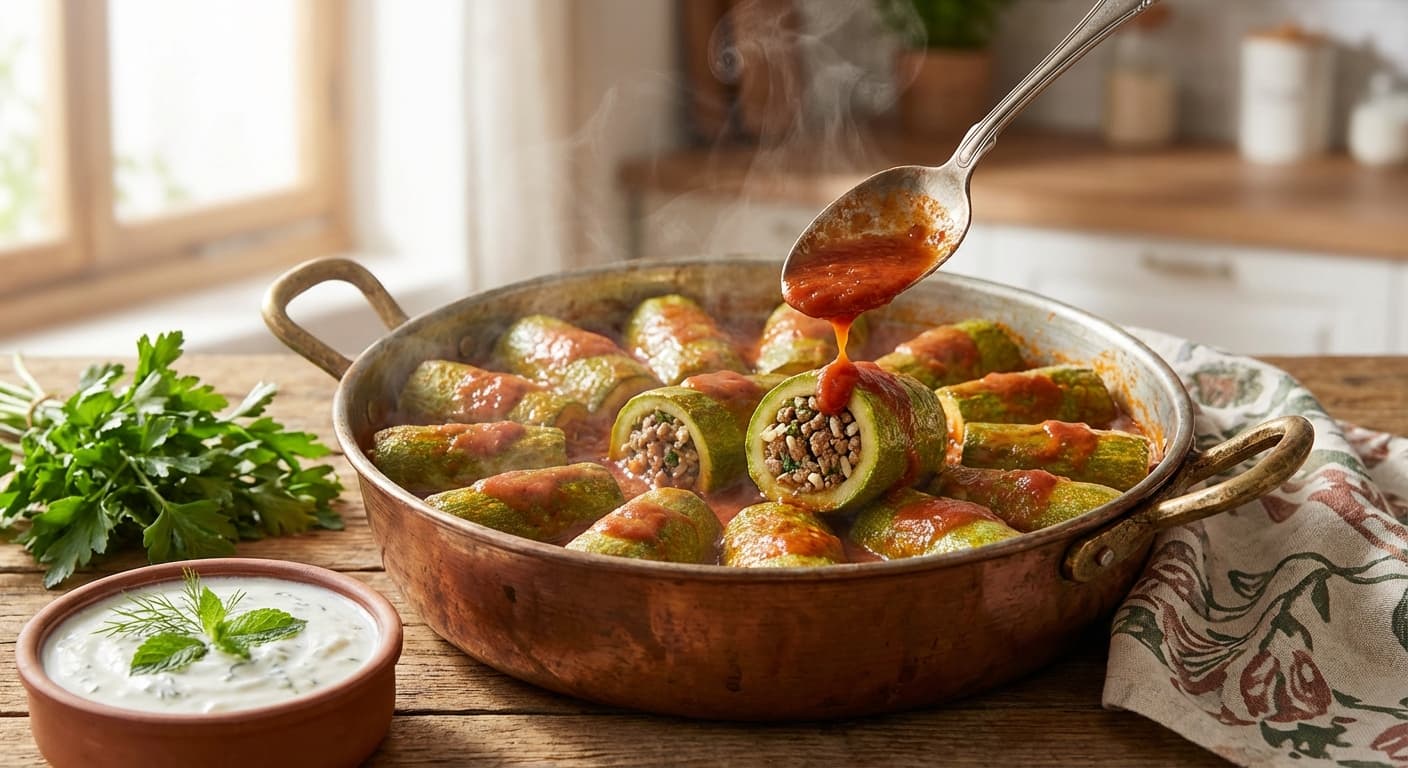
Stuffed Zucchini (Kabak Dolması) — Hollowed zucchini filled with spiced minced meat and rice
Turkish · Main Courses · 90 min
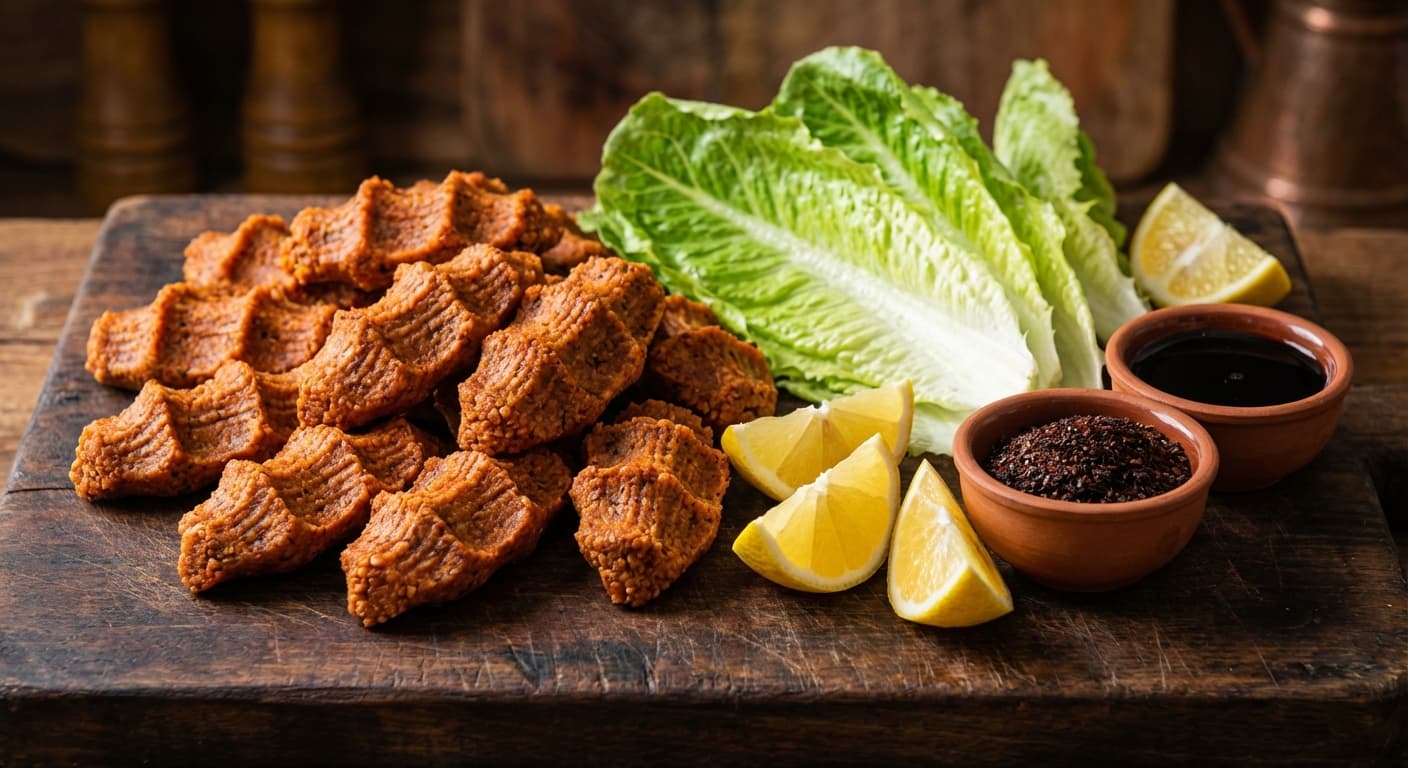
Cig Kofte (Çiğ Köfte) — Isot-kissed bulgur kneaded and served in lettuce
Turkish · Appetizers · 25 min
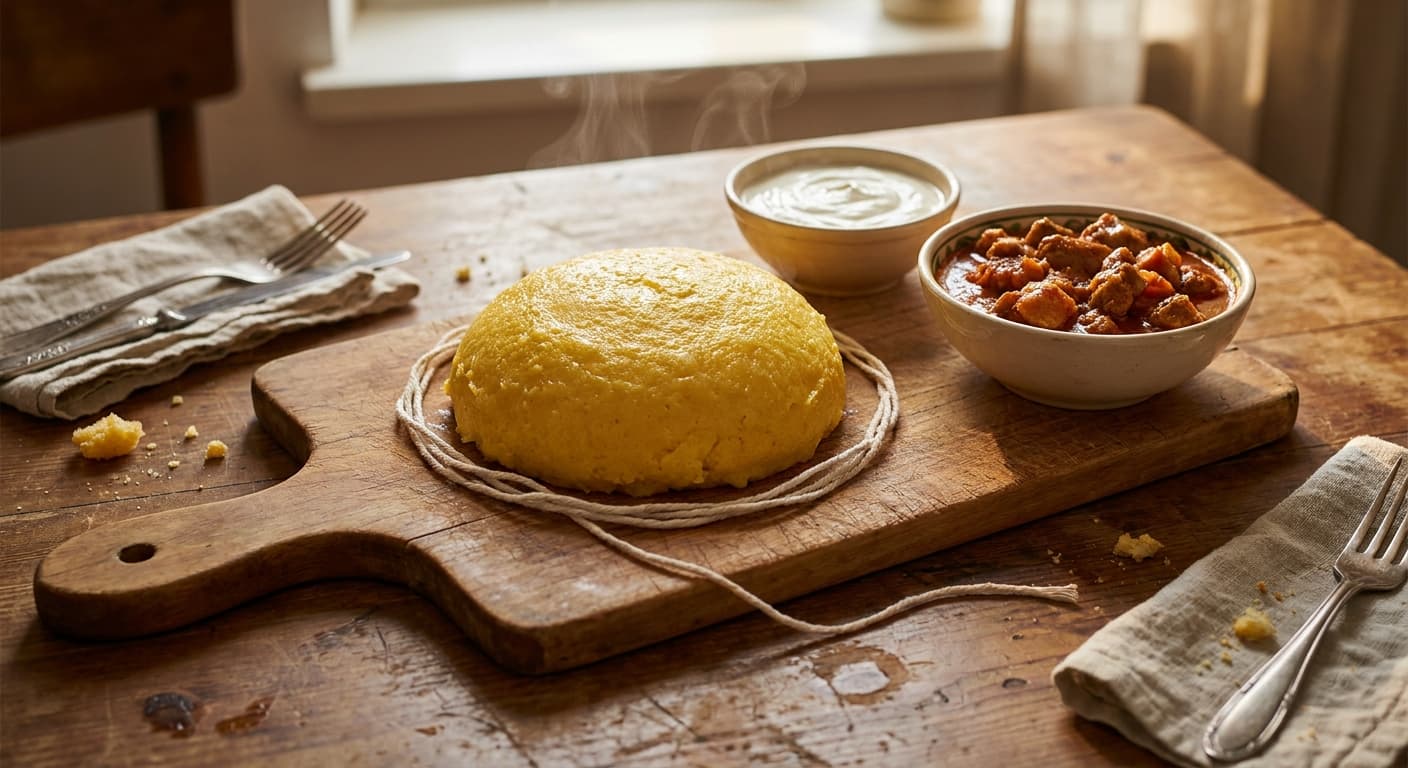
Romanian Polenta (Mămăligă) — Firm Cornmeal Porridge
Romanian · Side Dishes · 30 min
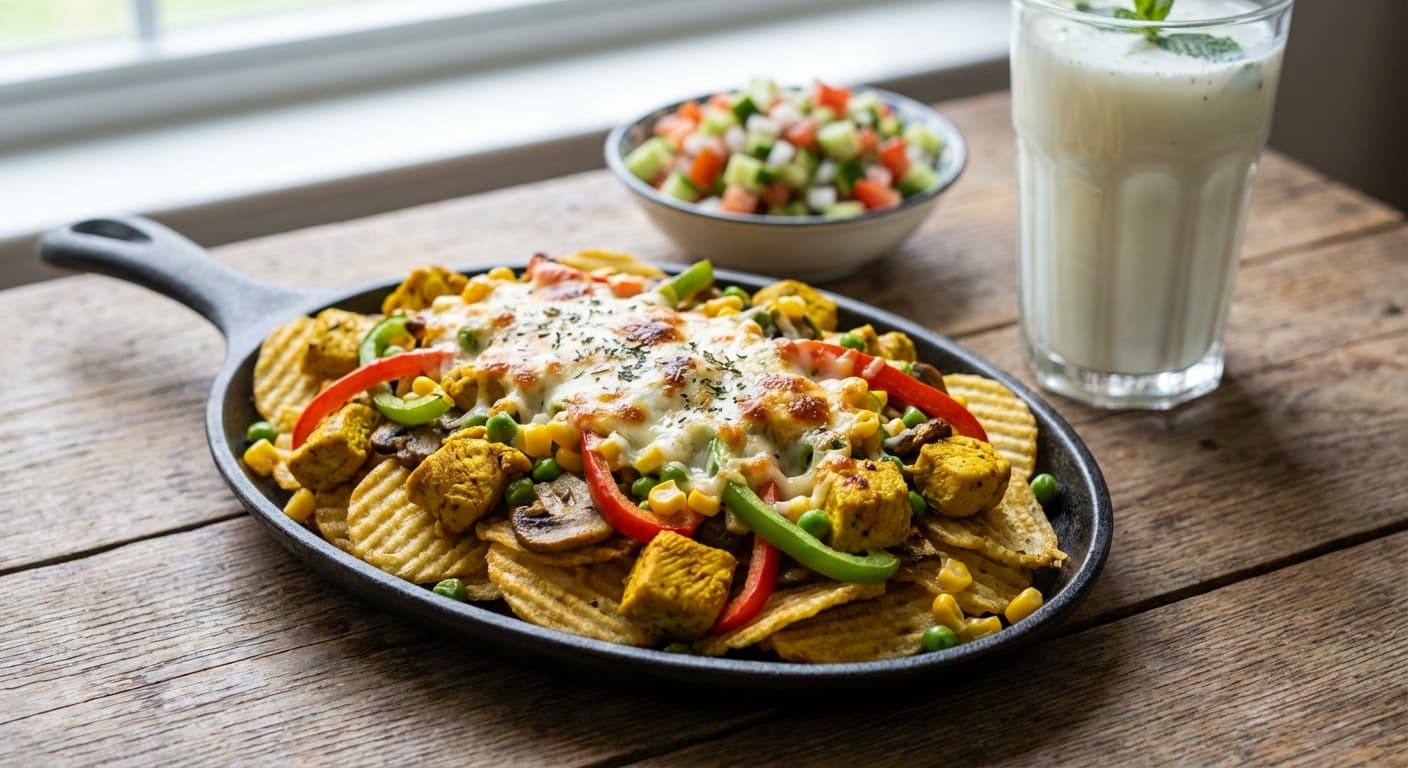
Persian-Style Pizza-Chips (خوراک چیپس و پنیر) — Street-Food Chip Bake with Chicken and Mozzarella
Persian · Main Courses · 45 min
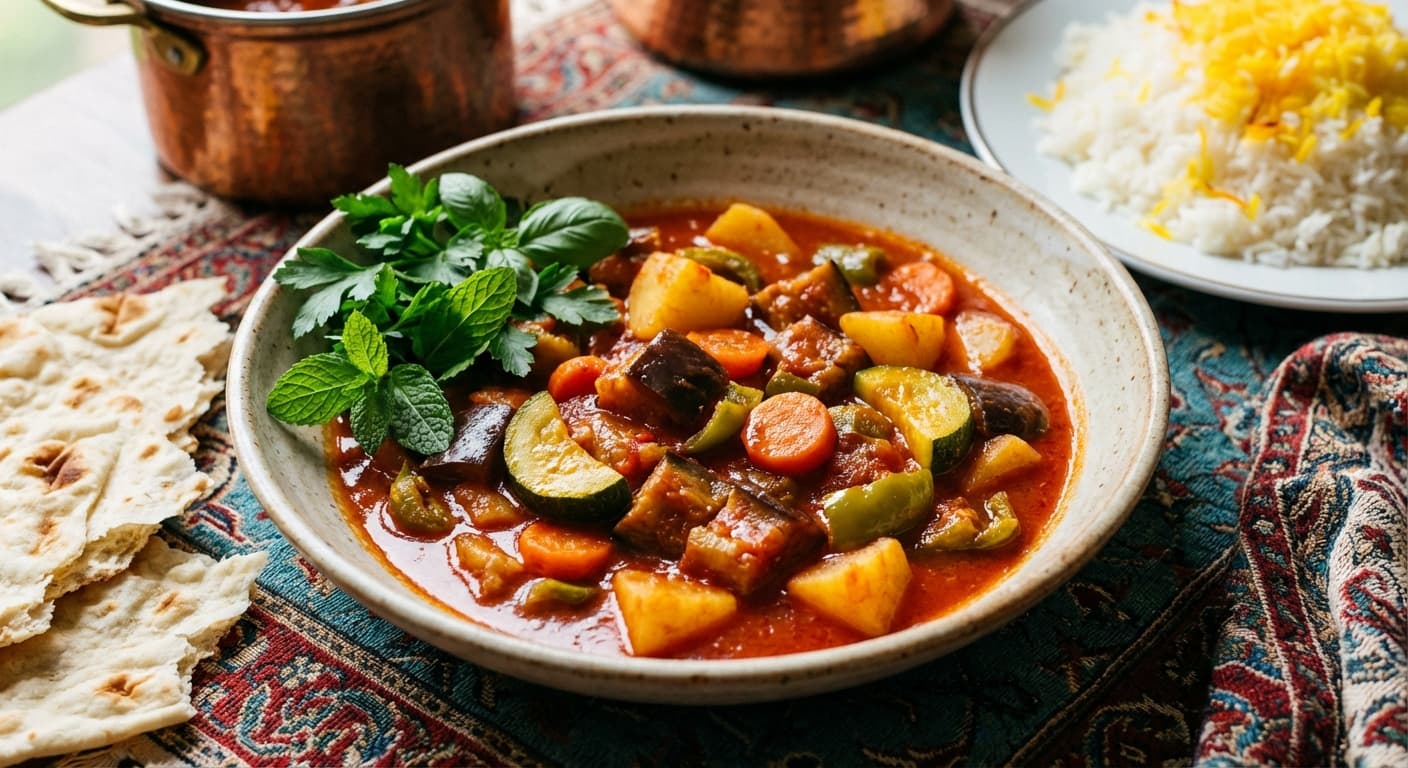
Yatimcheh (یتیمچه) — Persian Slow-Cooked Summer Vegetable Stew
Persian · Stews · 100 min
Reviews
Cooked this recipe?
Tap the stars to rate it — that's all it takes. A few words are welcome but optional.
No ratings yet. Cooked this one? Be the first to rate it — it takes one tap.