Pastitsio (Παστίτσιο) — Greek Baked Pasta with Beef Ragù and Béchamel
Pastitsio is a beloved Greek oven-baked pasta casserole layered with spiced beef ragù, tubular pasta, and a thick béchamel cap. Often served at family gatherings and Sunday lunches, it balances warm cinnamon-clove notes with creamy comfort.
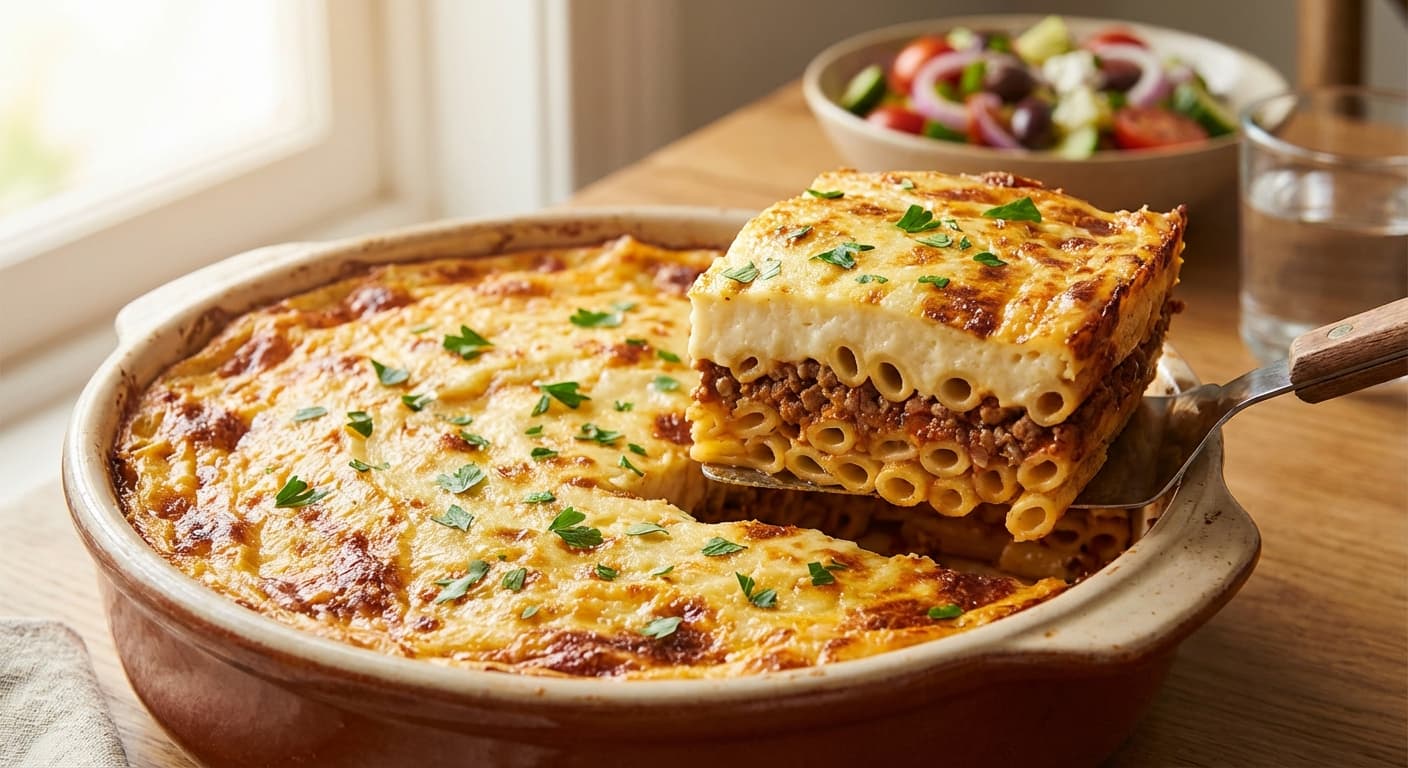
Printable Recipe Card
Servings: 8 · Total: 105 min · Difficulty: medium
Ingredients (quick list)
- 500 g Bucatini or pastitsio pasta (thick hollow spaghetti) (If using bucatini, break in half to fit the pan)
- 12 g Fine sea salt (For pasta water and seasoning)
- 2 Eggs (Lightly beaten)
- 80 g Kefalotyri cheese, finely grated (Or aged graviera)
- 30 g Unsalted butter (Melted)
- 30 ml Olive oil (About 2 tbsp)
- 200 g Yellow onion, finely chopped
- 10 g Garlic cloves, minced (About 2 cloves)
- 700 g Ground beef (85–90% lean)
- 30 g Tomato paste (About 2 tbsp)
- 180 ml Dry red wine (About 3/4 cup)
- 400 g Crushed tomatoes (1 can)
+ 10 more in the full ingredients section below.
Steps (summary)
- Prepare the ragù first so it has time to reduce and cool slightly. Heat the olive oil in a wide pot over medium-high heat, then…
- Add the garlic and cook for 30 seconds, stirring constantly so it does not brown. Add the ground beef and cook 8–10 minutes, br…
- Stir in the tomato paste and cook for 1 minute to caramelize it slightly. Pour in the red wine and simmer for 3–4 minutes until…
- Add crushed tomatoes, beef stock, bay leaf, cinnamon, cloves, oregano, black pepper, and salt. Bring to a gentle simmer, then c…
- Remove the bay leaf and set the ragù aside to cool for at least 10 minutes so it does not steam the pasta layer. While it cools…
- Cook the pasta in a large pot of boiling water with 10 g of the salt until just al dente, typically 1–2 minutes less than the p…
+ 6 more steps in the full instructions section below.
Cultural Background
Pastitsio is a cornerstone of Greek home cooking, especially for Sunday tables and celebrations. Its layered structure reflects Mediterranean casserole traditions, while cinnamon and cloves in the ragù echo the spice routes that shaped Greek flavors.
Equipment
💡 Tips
- Reduce the ragù until nearly dry; aim for less than 60 ml visible liquid in the pot so the pasta layer stays firm.
- Warm the milk before adding it to the roux; it thickens faster and helps prevent lumps in the béchamel.
- Resting is essential: a 25-minute rest gives you sharp slices and prevents the béchamel from sliding off.
⚠️ Common Mistakes
❌ Leaving the ragù too wet, which makes the casserole collapse when sliced.
✅ Fix: Simmer uncovered until thick and nearly dry, then cool 10 minutes before layering.
❌ Lumpy béchamel from adding cold milk too quickly.
✅ Fix: Warm the milk and whisk it in gradually; if lumps form, whisk vigorously off-heat for 1 minute.
❌ Cutting immediately after baking, causing the béchamel to run.
✅ Fix: Rest 20–30 minutes before slicing to let the starches and proteins set.
🧊 How to Store
Cool completely, then refrigerate covered for up to 4 days. Reheat slices in a 175°C oven for 15–18 minutes, loosely covered with foil, or microwave 2–3 minutes at 700W; add 15 ml water to the dish to prevent drying.
📅 Make Ahead
Cook the ragù up to 2 days ahead and refrigerate it tightly covered. You can also assemble the full dish, refrigerate up to 18 hours, then bake from cold by adding 10–15 minutes to the oven time.
🍽️ Pairs Well With
- Horiatiki salad
- olives
- crusty bread
- roasted lemon potatoes
- a glass of dry red wine.
Regional Variations
- Some Greek cooks add 2 tsp ground allspice to the ragù for a rounder, sweeter spice profile.
- In parts of Greece, a little grated kasseri is mixed into the béchamel for extra melt and elasticity.
- A few households line the pasta neatly in one direction for a more formal, taverna-style presentation.
Ingredients
- 500 gBucatini or pastitsio pasta (thick hollow spaghetti) (If using bucatini, break in half to fit the pan)
- 12 gFine sea salt (For pasta water and seasoning)
- 2Eggs (Lightly beaten)
- 80 gKefalotyri cheese, finely grated (Or aged graviera)
- 30 gUnsalted butter (Melted)
- 30 mlOlive oil (About 2 tbsp)
- 200 gYellow onion, finely chopped
- 10 gGarlic cloves, minced (About 2 cloves)
- 700 gGround beef (85–90% lean)
- 30 gTomato paste (About 2 tbsp)
- 180 mlDry red wine (About 3/4 cup)
- 400 gCrushed tomatoes (1 can)
- 240 mlBeef stock (1 cup)
- 1 leafBay leaf
- 1 tspGround cinnamon
- 0.25 tspGround cloves
- 1 tspDried oregano
- 1 tspBlack pepper, freshly ground
- 90 gAll-purpose flour (About 3/4 cup)
- 1000 mlWhole milk (Warm)
- 0.5 tspGround nutmeg
- 2Egg yolks (Temper before adding)
🔄 Substitutions
- Kefalotyri cheese→ Pecorino Romano
- Dry red wine→ Beef stock
- Ground beef (85–90% lean)→ Ground lamb
Instructions
- 1
Prepare the ragù first so it has time to reduce and cool slightly. Heat the olive oil in a wide pot over medium-high heat, then sauté the onion for 6–8 minutes until soft and lightly golden.
- 2
Add the garlic and cook for 30 seconds, stirring constantly so it does not brown. Add the ground beef and cook 8–10 minutes, breaking it up until no pink remains and the moisture has mostly evaporated.
- 3
Stir in the tomato paste and cook for 1 minute to caramelize it slightly. Pour in the red wine and simmer for 3–4 minutes until the alcohol smell fades and the liquid reduces by about half.
- 4
Add crushed tomatoes, beef stock, bay leaf, cinnamon, cloves, oregano, black pepper, and salt. Bring to a gentle simmer, then cook uncovered for 25–35 minutes, stirring occasionally, until thick and spoonable with very little free liquid.
- 5
Remove the bay leaf and set the ragù aside to cool for at least 10 minutes so it does not steam the pasta layer. While it cools, preheat the oven to 180°C and grease a 33 x 23 cm baking dish with 10 g butter.
- 6
Cook the pasta in a large pot of boiling water with 10 g of the salt until just al dente, typically 1–2 minutes less than the package time. Drain well and return the pasta to the pot so residual heat can evaporate excess moisture.
- 7
Mix the pasta with the beaten eggs, 80 g grated kefalotyri, and 30 g melted butter until evenly coated. Spread the pasta into the prepared dish and press it down firmly to create a compact, level layer.
- 8
Spoon the beef ragù over the pasta and spread it into an even layer all the way to the edges. Let it sit while you make the béchamel so the layers stay distinct and the ragù settles.
- 9
Make the béchamel: melt 90 g butter in a saucepan over medium heat, then whisk in the flour and cook for 2 minutes until it smells lightly nutty but remains pale. Add the warm milk gradually while whisking to prevent lumps, then simmer 6–8 minutes, whisking often, until thick enough to coat the back of a spoon.
- 10
Season the béchamel with nutmeg, 4 g salt, and 0.5 tsp black pepper, then remove from the heat. Temper the egg yolks by whisking in 120 ml of hot béchamel, then whisk the yolk mixture back into the pot so it thickens without scrambling.
- 11
Stir in 120 g grated kefalotyri until melted and smooth. Pour the béchamel over the ragù and spread it evenly; for a deeper crust, sprinkle an additional 20 g grated kefalotyri if you have it on hand.
- 12
Bake for 40–45 minutes until the top is deeply golden and the edges are bubbling. Rest the pastitsio for 20–30 minutes before slicing so the layers set cleanly and the béchamel stays creamy rather than runny.
🪪 Recipe Passport
Cultural Background
Pastitsio is a cornerstone of Greek home cooking, especially for Sunday tables and celebrations. Its layered structure reflects Mediterranean casserole traditions, while cinnamon and cloves in the ragù echo the spice routes that shaped Greek flavors.
Regional Variations
Researched from multiple sources and validated by the Zaffaron editorial team. Every recipe is tested for accuracy, measurements, and cultural authenticity.
Nutrition per serving
Pairs well with
If you enjoyed this recipe, here are a few related Zaffaron recipes to try next.
Does your family make this differently?
Every family has their own version. Maybe your grandmother adds a secret ingredient, or your aunt has a completely different technique. Preserve your family's version — with their name on it, forever.
You Might Also Like
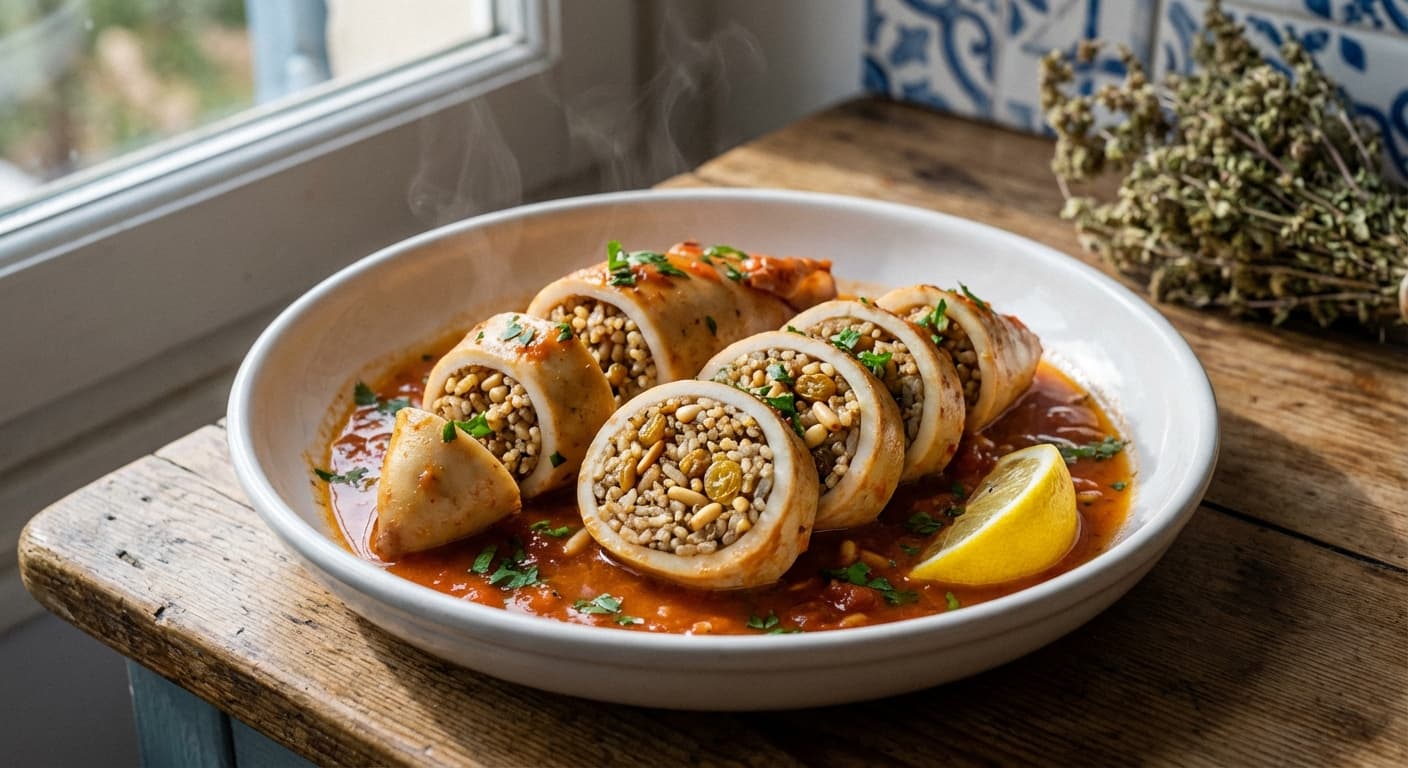
Stuffed Calamari (Καλαμάρι γεμιστό) — Squid filled with rice, pine nuts, and raisins
Greek · Main Courses · 75 min
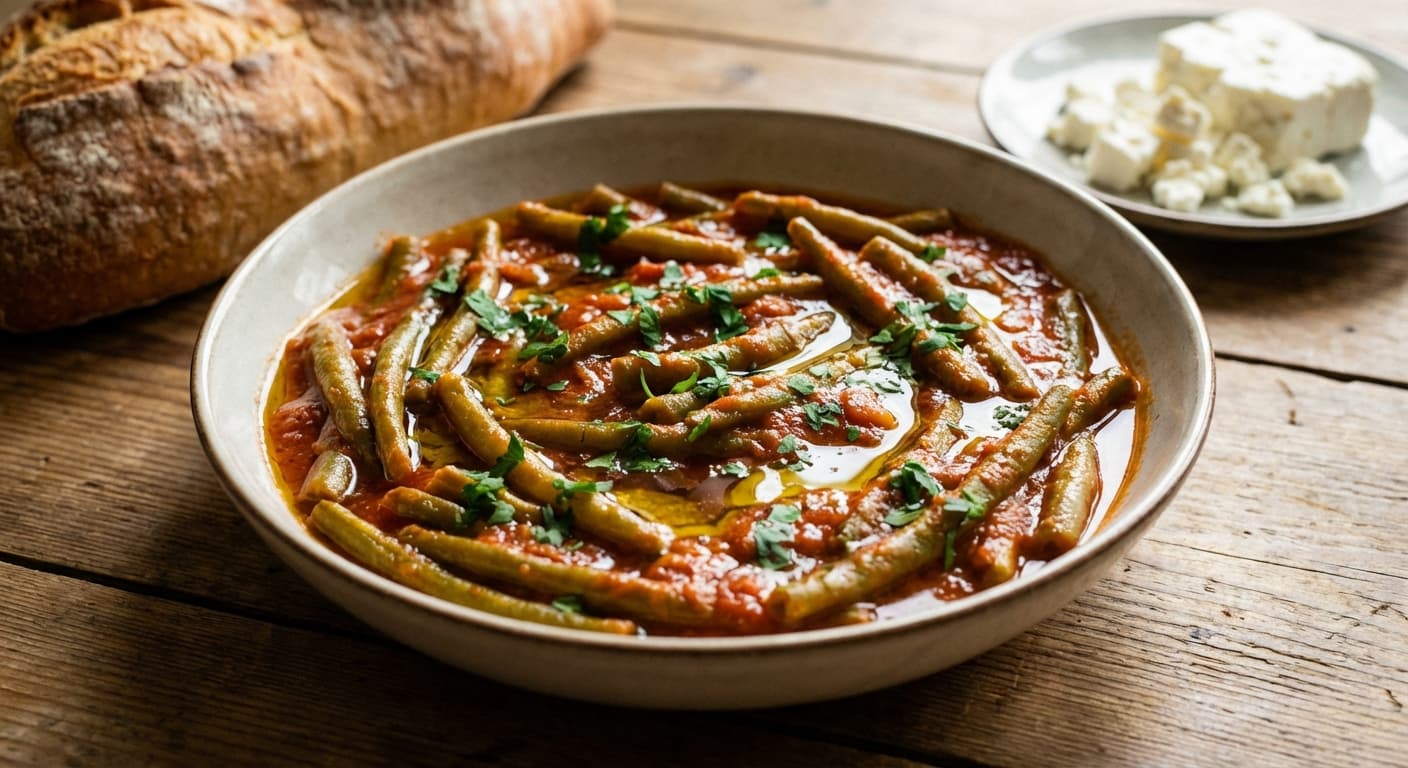
Greek Green Beans in Olive Oil (Φασολάκια λαδερά) — Tender green beans braised with tomato and extra-virgin olive oil
Greek · Main Courses · 75 min
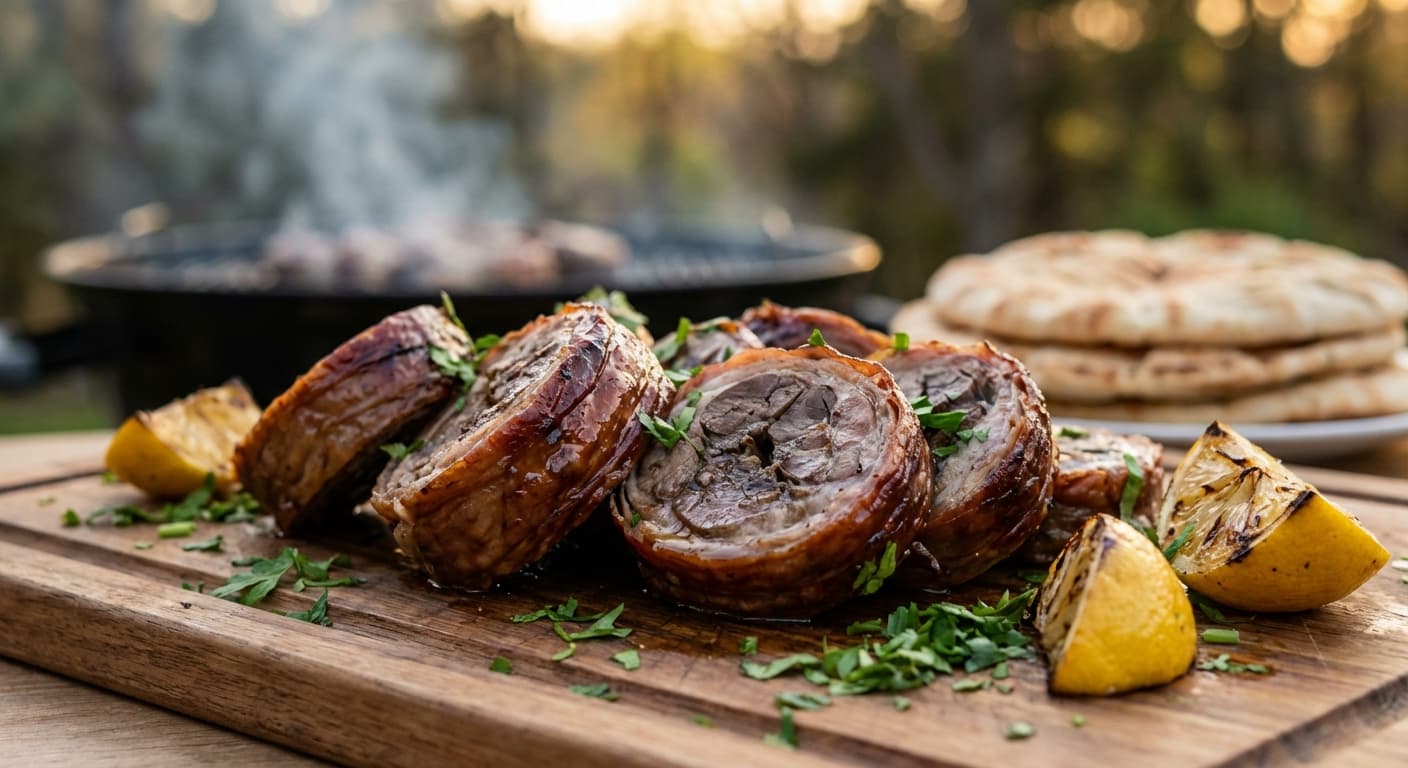
Kokoretsi (Κοκορέτσι) — Charcoal-Grilled Wrapped Lamb Offal
Greek · Kebabs · 135 min
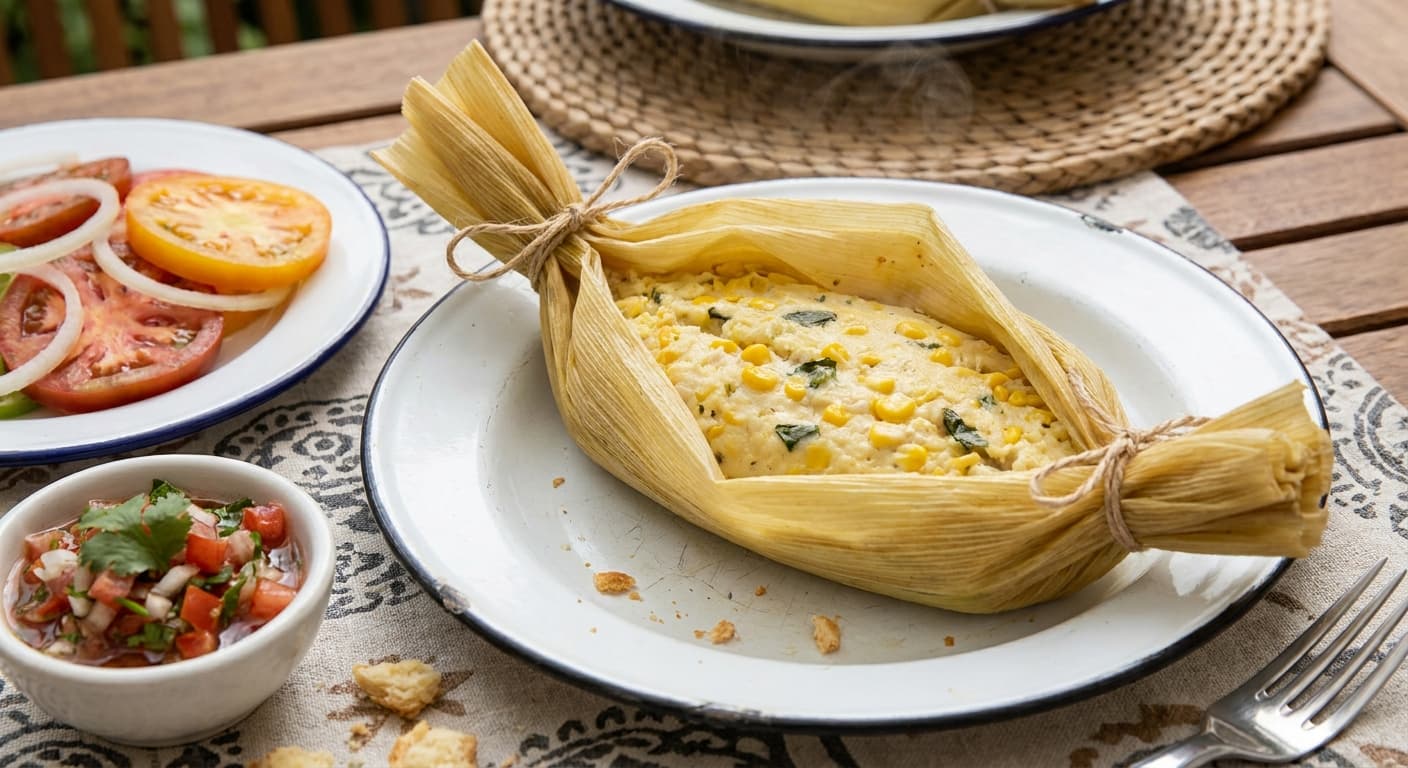
Chilean Humitas (Humitas) — Fresh Corn Parcels with Basil
Chilean · Main Courses · 90 min
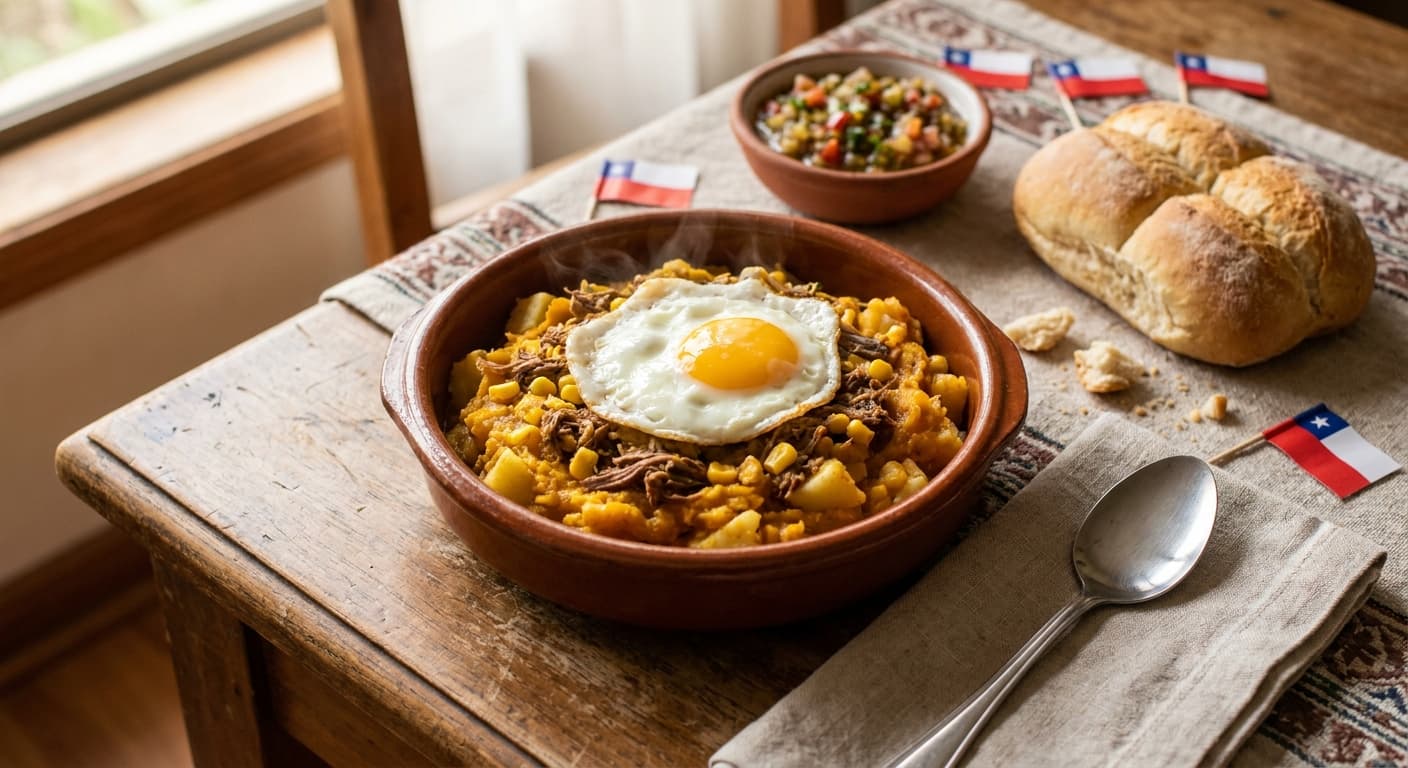
Charquicán (Charquicán) — Chilean Beef and Vegetable Hash
Chilean · Main Courses · 70 min
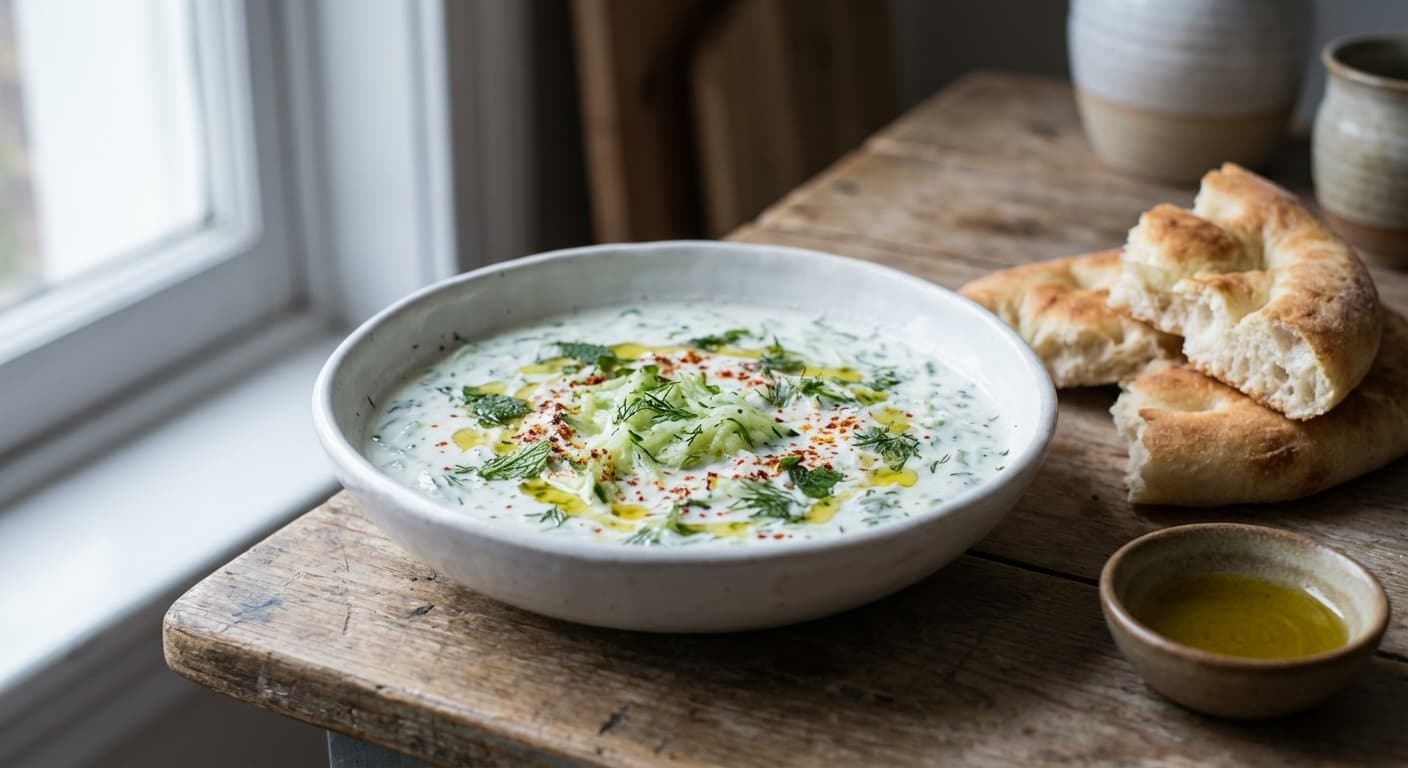
Cacık (Yoğurtlu Salatalık Mezesi) — Chilled Turkish Yogurt, Cucumber & Mint Dip
Turkish · Appetizers · 15 min
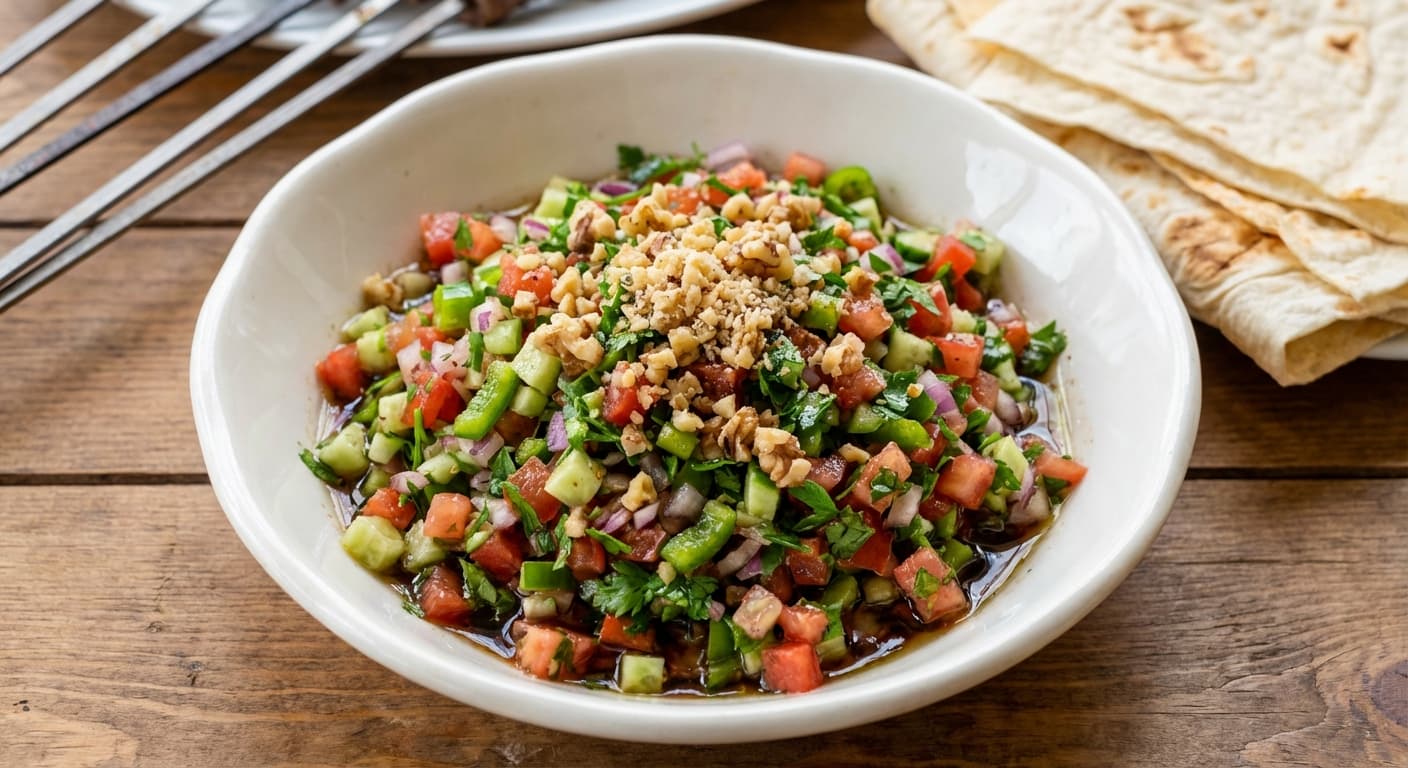
Gavurdağı Salad (Gavurdağı Salatası) — Finely Chopped Walnut & Pomegranate Salad
Turkish · Salads · 20 min
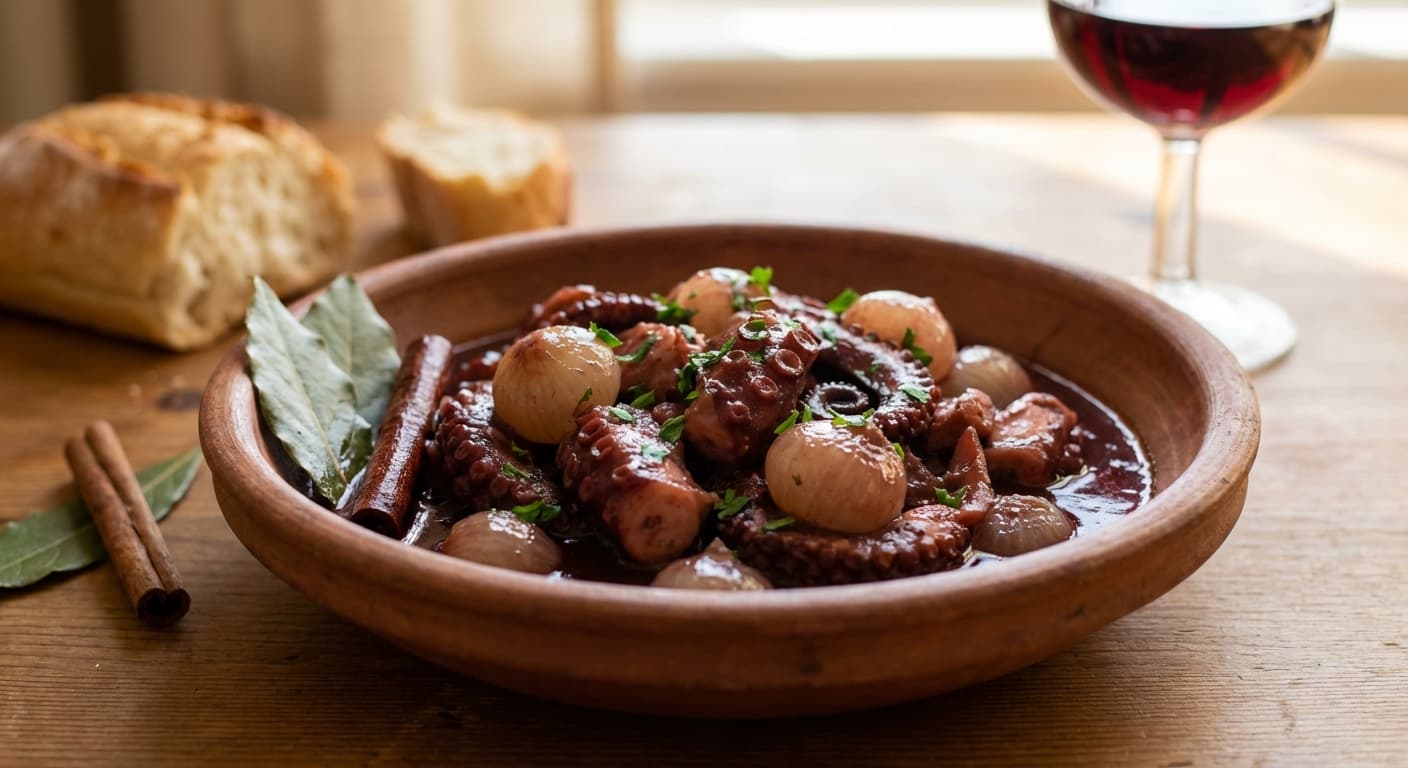
Octopus Stifado (Χταπόδι στιφάδο) — Octopus with Pearl Onions and Red Wine
Greek · Stews · 115 min
Reviews
Cooked this recipe?
Tap the stars to rate it — that's all it takes. A few words are welcome but optional.
No ratings yet. Cooked this one? Be the first to rate it — it takes one tap.