Kotlet (کتلت) — Persian Saffron Potato and Beef Patties
Crispy Persian kotlet made with lean ground beef, grated potato, onion, eggs, turmeric, and bloomed saffron. Pan-fried until golden and tender inside—ideal for picnics, family gatherings, and make-ahead lunches.
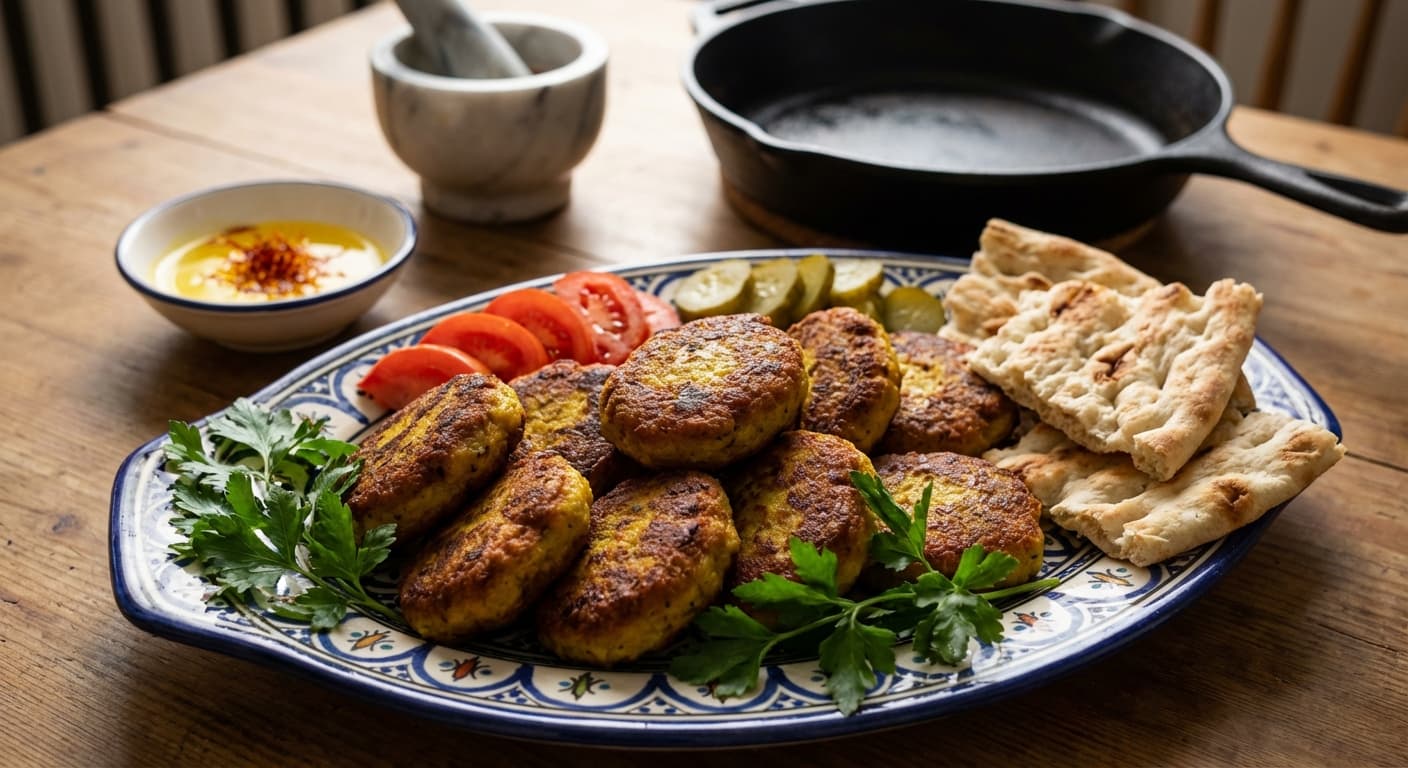
Printable Recipe Card
Servings: 6 · Total: 95 min · Difficulty: medium
Ingredients (quick list)
- 0.25 tsp Saffron threads (finely crushed)
- 2 tbsp Boiling water (for blooming saffron)
- 700 g Russet potatoes (peeled, grated on the fine side of a box grater)
- 200 g Yellow onion (grated on the fine side of a box grater)
- 500 g Lean ground beef (85–90% lean)
- 2 each Large eggs (lightly beaten)
- 1.5 tsp Turmeric powder
- 2 tsp Sea salt (fine)
- 1 tsp Freshly cracked black pepper
- 80 g Fine breadcrumbs (plus more only if needed for binding)
- 240 ml Vegetable oil (for shallow-frying, more as needed)
Steps (summary)
- Bloom the saffron: crush the saffron threads to a powder, then stir with 2 tablespoons boiling water in a small cup. Cover and…
- Grate and drain: grate the potatoes and onion finely. Transfer both to the colander and sprinkle with 1/2 teaspoon of the measu…
- Mix the kotlet base: in a large bowl, combine squeezed potato-onion mixture, ground beef, beaten eggs, turmeric, remaining salt…
- Bind and rest: add the fine breadcrumbs and mix 30–45 seconds until evenly distributed. The mixture should hold shape when pres…
- Shape evenly: divide into 12 portions (about 85–90 g each). With lightly wet hands, shape each into an oval patty about 9 cm lo…
- Fry in batches: heat 120 ml oil in a 30 cm skillet over medium heat until 175°C (a breadcrumb sizzles immediately). Fry 4–5 pat…
+ 1 more steps in the full instructions section below.
Cultural Background
Kotlet is a common home-cooked patty in Iran, often prepared for everyday meals as well as travel-friendly picnics because it tastes good warm or at room temperature. Many families have their own preferred balance of potato, onion, and spices, and saffron is sometimes added for aroma and color on special occasions.
Equipment
💡 Tips
- Squeeze the grated potato and onion extremely well; excess moisture is the main reason kotlet falls apart and absorbs oil.
- For a lighter texture, mix just until the meat binds; overmixing makes patties dense and bouncy.
- Keep oil around 170–180°C for the best crust; too cool makes greasy kotlet, too hot browns before the center cooks.
- Making the center groove is a small step that helps the patties cook evenly and stay flat.
- If you are packing for lunch, cool on a rack (not in a closed container) to keep the crust crisp before storing.
⚠️ Common Mistakes
❌ Not draining and squeezing the grated potato and onion enough
💡 Why: Excess water steams the patties, weakens binding, and causes oil splatter and soggy crust
✅ Fix: Drain 15 minutes, then squeeze in small handfuls until nearly dry; if still wet, add 10–15 g breadcrumbs.
❌ Frying at too low a temperature
💡 Why: The patties absorb oil before a crust forms, turning heavy and greasy
✅ Fix: Heat oil to about 175°C and keep a steady sizzle; fry in small batches and let oil reheat between batches.
❌ Making patties too thick
💡 Why: The outside browns before the center cooks through, especially with lean meat
✅ Fix: Shape patties about 1.2 cm thick and press a shallow center groove for even cooking.
❌ Overmixing the meat mixture
💡 Why: Overworked proteins create a dense, rubbery texture
✅ Fix: Mix only until cohesive and tacky (about 2–3 minutes), then rest the mixture 30 minutes in the refrigerator.
🧊 How to Store
Refrigerate cooled kotlet in an airtight container up to 4 days. Reheat on a skillet over medium heat with 1–2 teaspoons oil per batch for 2–3 minutes per side, or bake at 200°C for 10–12 minutes. Freeze cooked patties (parchment between layers) up to 2 months; thaw overnight in the refrigerator before reheating.
📅 Make Ahead
Mix and shape patties up to 24 hours ahead; store covered on a tray in the refrigerator. For longer prep, freeze shaped uncooked patties on a tray until firm, then bag and freeze up to 1 month; thaw overnight in the refrigerator before frying.
🍽️ Pairs Well With
- Flatbread or lavash with fresh herbs
- radishes
- and scallions
- Tomato and cucumber salad with lemon juice
- Pickles and olives
- Yogurt-based dip (if desired) and sliced tomatoes
Regional Variations
- Tehran-style home cookingOften uses a higher potato-to-meat ratio for a lighter bite, with a pronounced turmeric color and a thin, crisp crust from shallow-frying.
- Northern Iran (Caspian-influenced households)May include extra onion for sweetness and moisture, and is frequently served with fresh herbs, pickles, and simple salads suited to picnic meals.
Ingredients
- 0.25 tspSaffron threads (finely crushed)
- 2 tbspBoiling water (for blooming saffron)
- 700 gRusset potatoes (peeled, grated on the fine side of a box grater)
- 200 gYellow onion (grated on the fine side of a box grater)
- 500 gLean ground beef (85–90% lean)
- 2 eachLarge eggs (lightly beaten)
- 1.5 tspTurmeric powder
- 2 tspSea salt (fine)
- 1 tspFreshly cracked black pepper
- 80 gFine breadcrumbs (plus more only if needed for binding)
- 240 mlVegetable oil (for shallow-frying, more as needed)
🔄 Substitutions
- Lean ground beef→ Ground lamb or a 50/50 beef-lamb blend
- Fine breadcrumbs→ Gluten-free breadcrumbs or cooked, cooled mashed potato (120 g)
- Vegetable oil→ Sunflower or canola oil
Instructions
- 1
Bloom the saffron: crush the saffron threads to a powder, then stir with 2 tablespoons boiling water in a small cup. Cover and steep 10 minutes to fully release color and aroma. Meanwhile, set a colander over a bowl so you can drain the grated vegetables.
- 2
Grate and drain: grate the potatoes and onion finely. Transfer both to the colander and sprinkle with 1/2 teaspoon of the measured salt. Let drain 15 minutes, then squeeze very firmly in handfuls to remove as much liquid as possible; this prevents soggy patties and oil splatter.
- 3
Mix the kotlet base: in a large bowl, combine squeezed potato-onion mixture, ground beef, beaten eggs, turmeric, remaining salt, black pepper, and the bloomed saffron (including liquid). Mix by hand for 2–3 minutes until tacky and cohesive; do not overwork into a paste.
- 4
Bind and rest: add the fine breadcrumbs and mix 30–45 seconds until evenly distributed. The mixture should hold shape when pressed; if it feels wet, add 10–15 g more breadcrumbs. Cover and refrigerate 30 minutes so the starch hydrates and the patties fry up crisp.
- 5
Shape evenly: divide into 12 portions (about 85–90 g each). With lightly wet hands, shape each into an oval patty about 9 cm long and 1.2 cm thick. Press a shallow groove down the center with your finger; this helps the kotlet cook through without doming.
- 6
Fry in batches: heat 120 ml oil in a 30 cm skillet over medium heat until 175°C (a breadcrumb sizzles immediately). Fry 4–5 patties per batch for 4–5 minutes per side, adjusting heat to keep a steady sizzle without smoking. Add oil as needed between batches.
- 7
Drain and finish: transfer fried kotlet to a rack or paper towels and rest 3 minutes so juices settle. Check one patty: it should be deeply golden, crisp at the edges, and no longer pink inside (71°C internal temperature). Serve warm, or cool completely for picnic-style serving.
🪪 Recipe Passport
Cultural Background
Kotlet is a common home-cooked patty in Iran, often prepared for everyday meals as well as travel-friendly picnics because it tastes good warm or at room temperature. Many families have their own preferred balance of potato, onion, and spices, and saffron is sometimes added for aroma and color on special occasions.
Regional Variations
Researched from multiple sources and validated by the Zaffaron editorial team. Every recipe is tested for accuracy, measurements, and cultural authenticity.
Nutrition per serving
Pairs well with
If you enjoyed this recipe, here are a few related Zaffaron recipes to try next.
- Dolmeh Morgh va Berenj (دلمه مرغ و برنج) — Persian Saffron Chicken & Rice Dolmeh
- Makarooneh ba Gharch va Meygoo (ماکارونی با قارچ و میگو) — Persian Macaroni with Mushrooms and Shrimp
- Rollet Goosht va Sabzijat (رولت گوشت و سبزیجات) — Persian Meat and Vegetable Egg Roll
- Makaronī bā Lūbiyā (ماکارونی با لوبیا) — Persian Pasta with Kidney Beans
Does your family make this differently?
Every family has their own version. Maybe your grandmother adds a secret ingredient, or your aunt has a completely different technique. Preserve your family's version — with their name on it, forever.
You Might Also Like
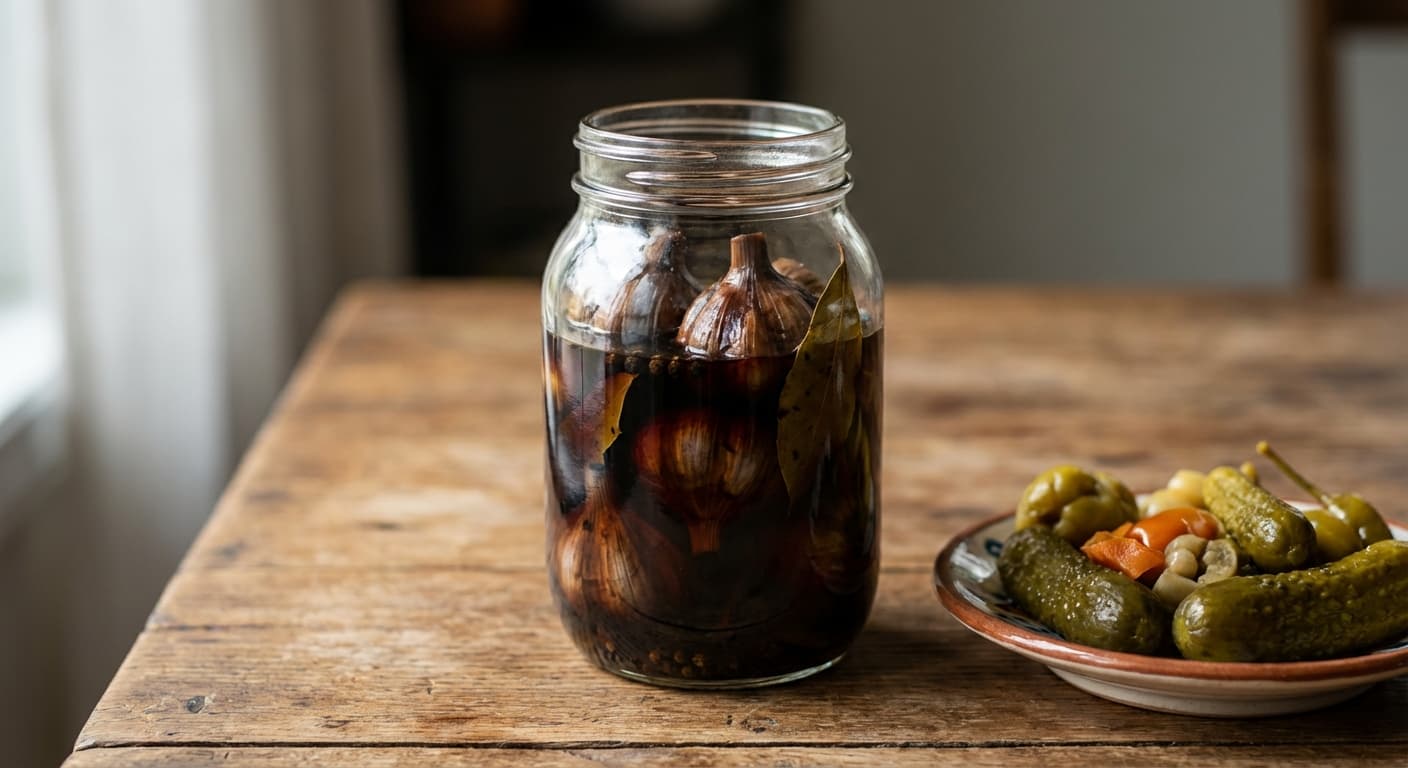
Aged Garlic Pickle (سیر ترشی) — Gilan’s seven-year-style black garlic torshi
Persian · Side Dishes · 45 min
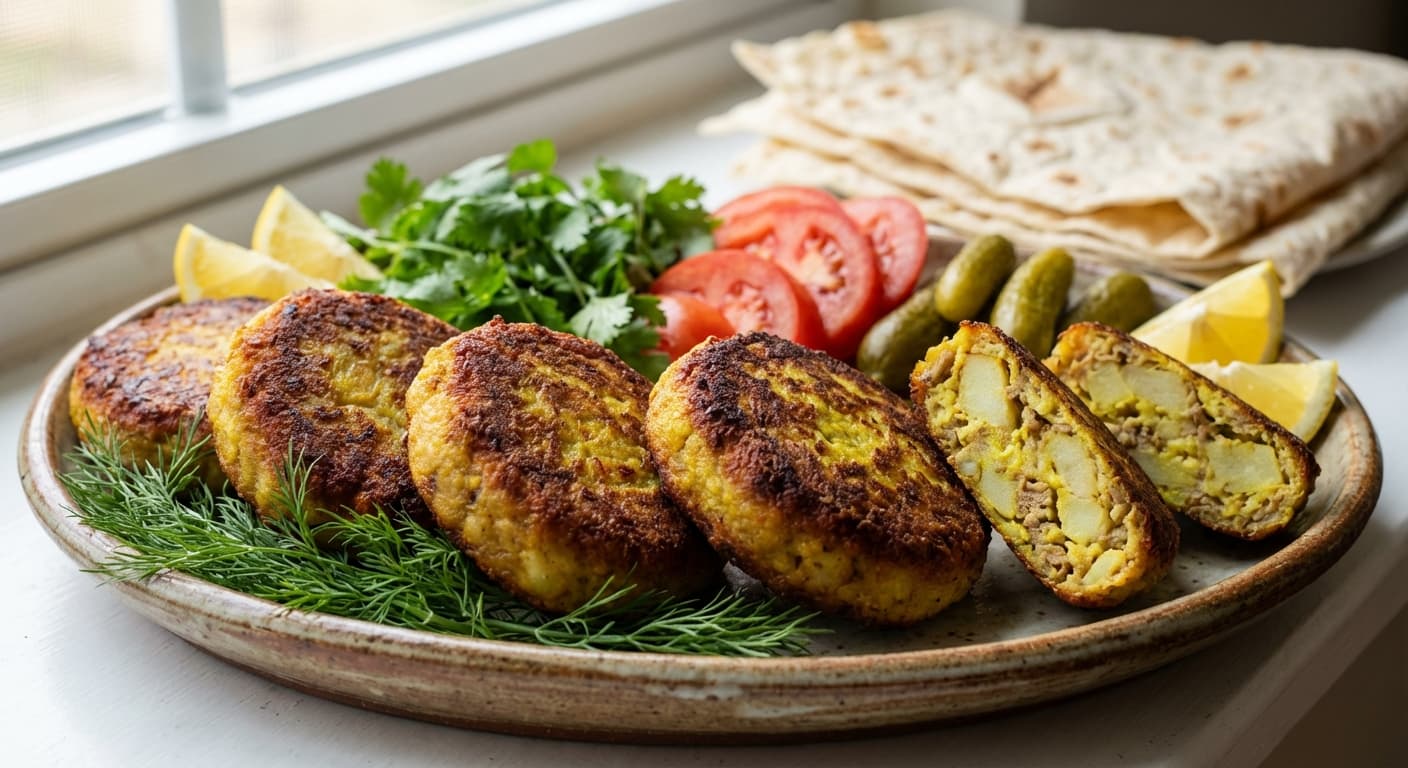
Persian Kotlet (کتلت) — Saffron-Infused Meat & Potato Patties
Persian · Main Courses · 55 min
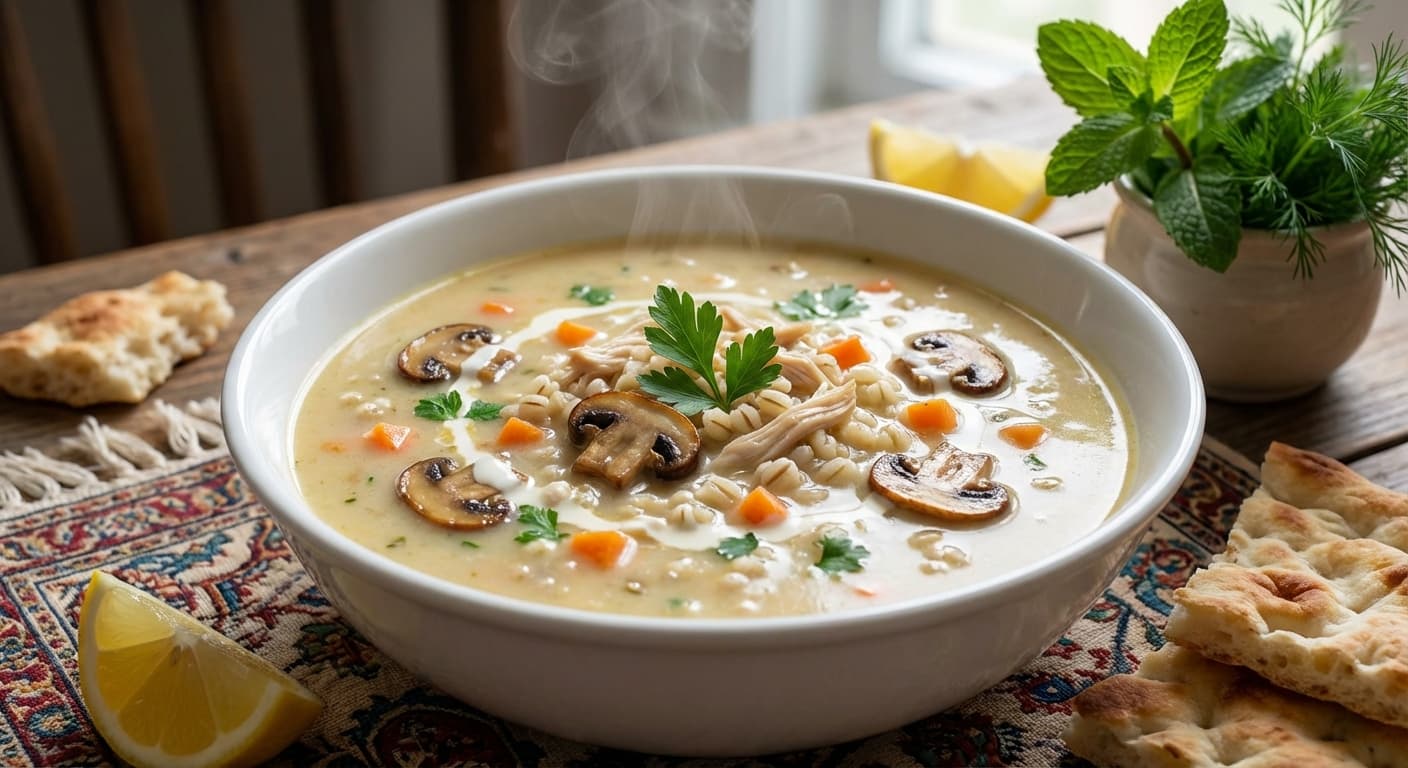
Soup-e Jo (سوپ جو) — Persian Creamy Barley Soup
Persian · Soups · 90 min
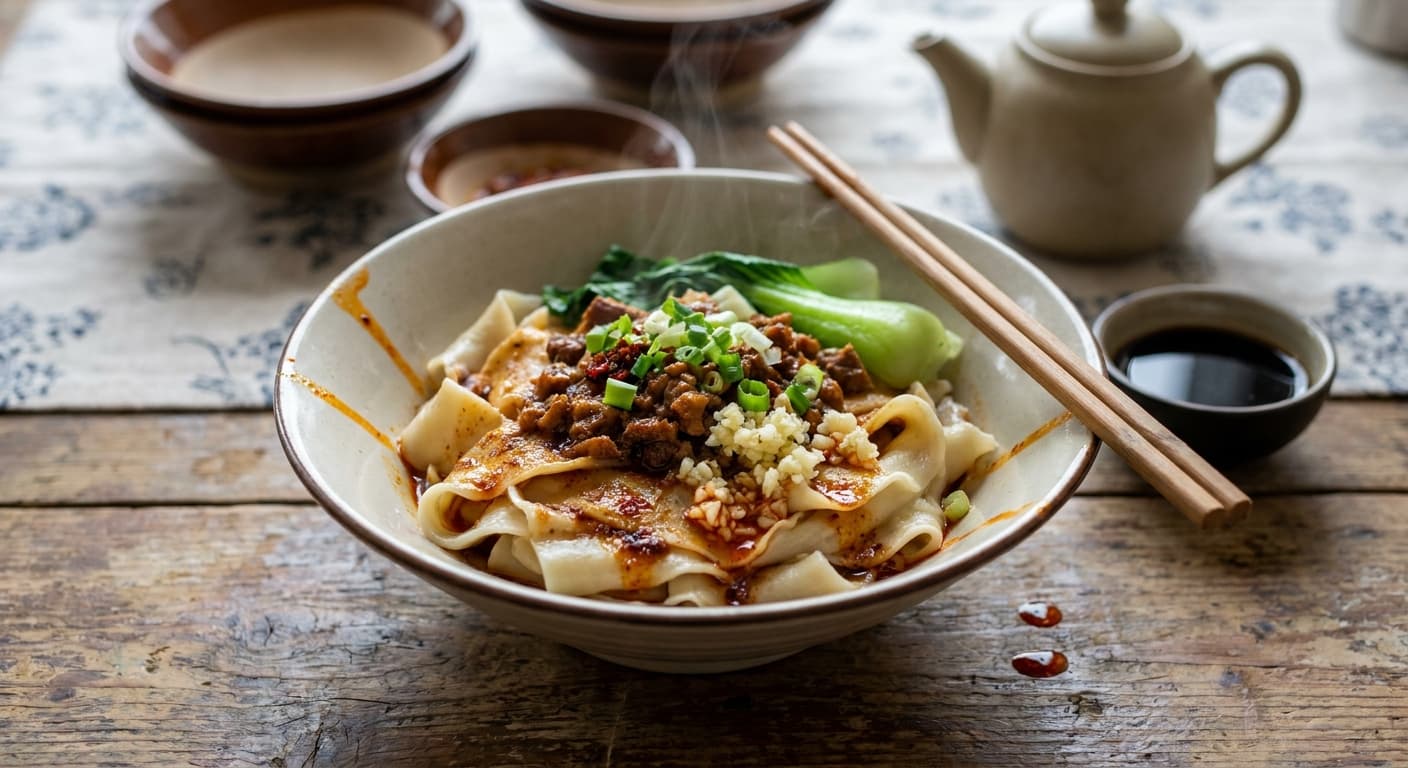
Biangbiang Noodles (油泼扯面) — Xi'an Hand-Pulled Belt Noodles
Chinese · Main Courses · 65 min
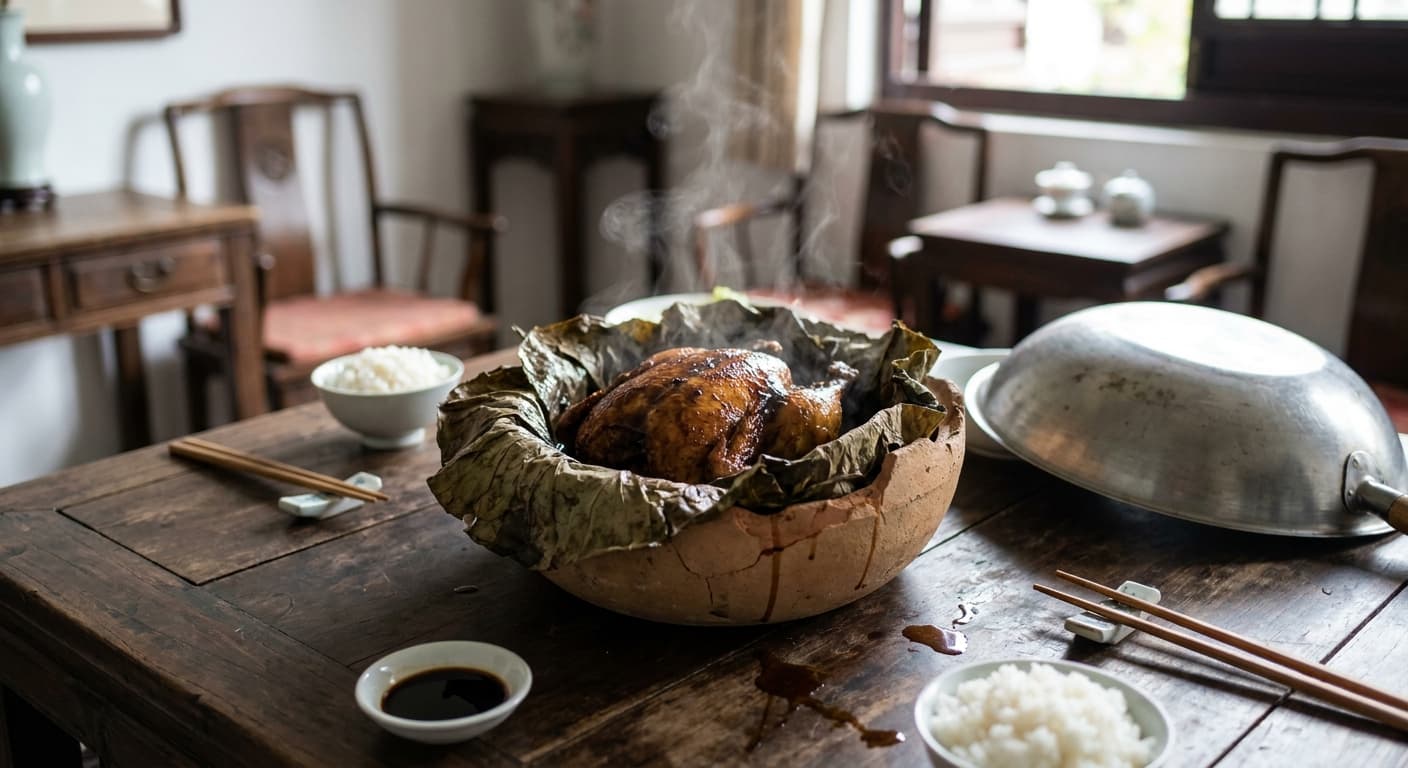
Beggar's Chicken (叫化鸡) — Lotus-Wrapped Clay-Baked Jiangnan Chicken
Chinese · Main Courses · 240 min
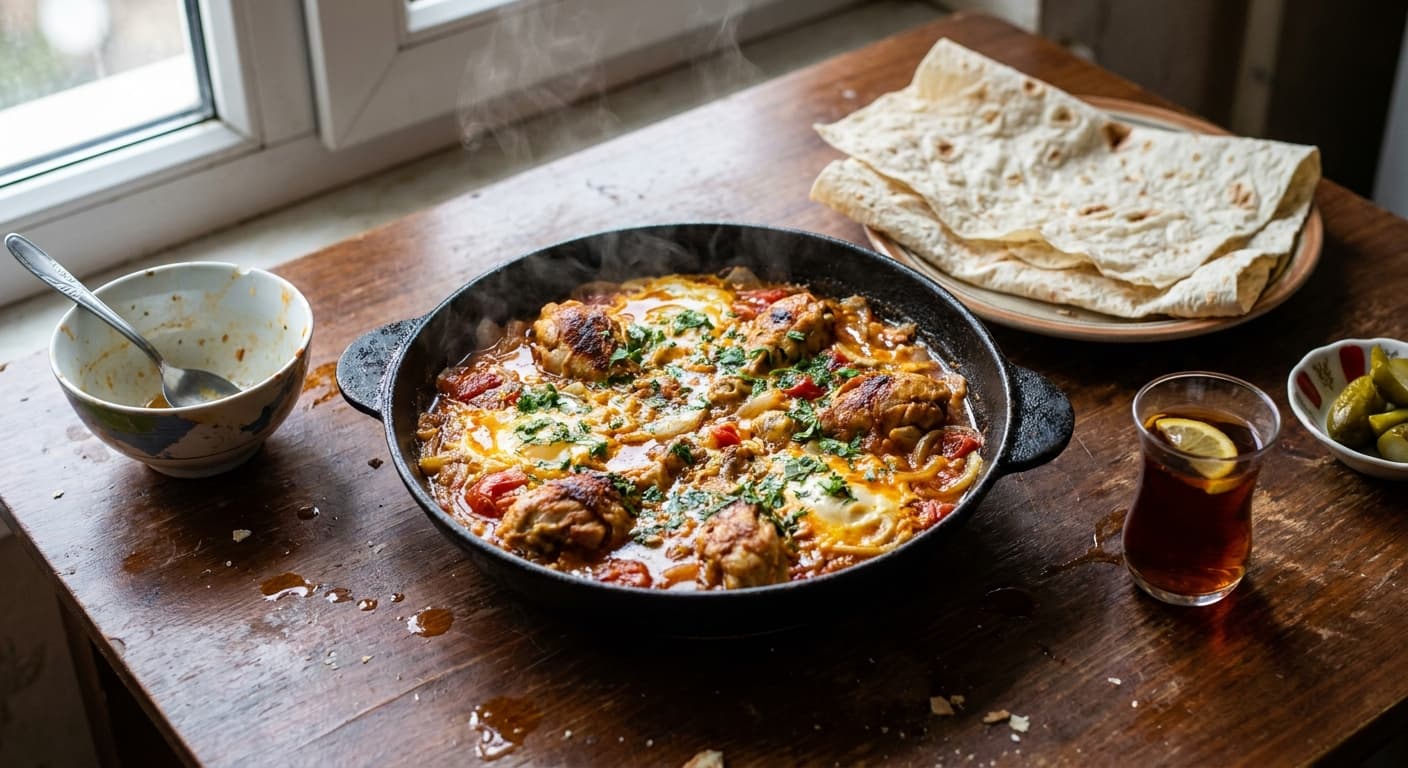
Chicken Chygyrtma (Toyuq Çığırtması) — Azerbaijani Chicken with Eggs and Tomatoes
Azerbaijani · Main Courses · 65 min
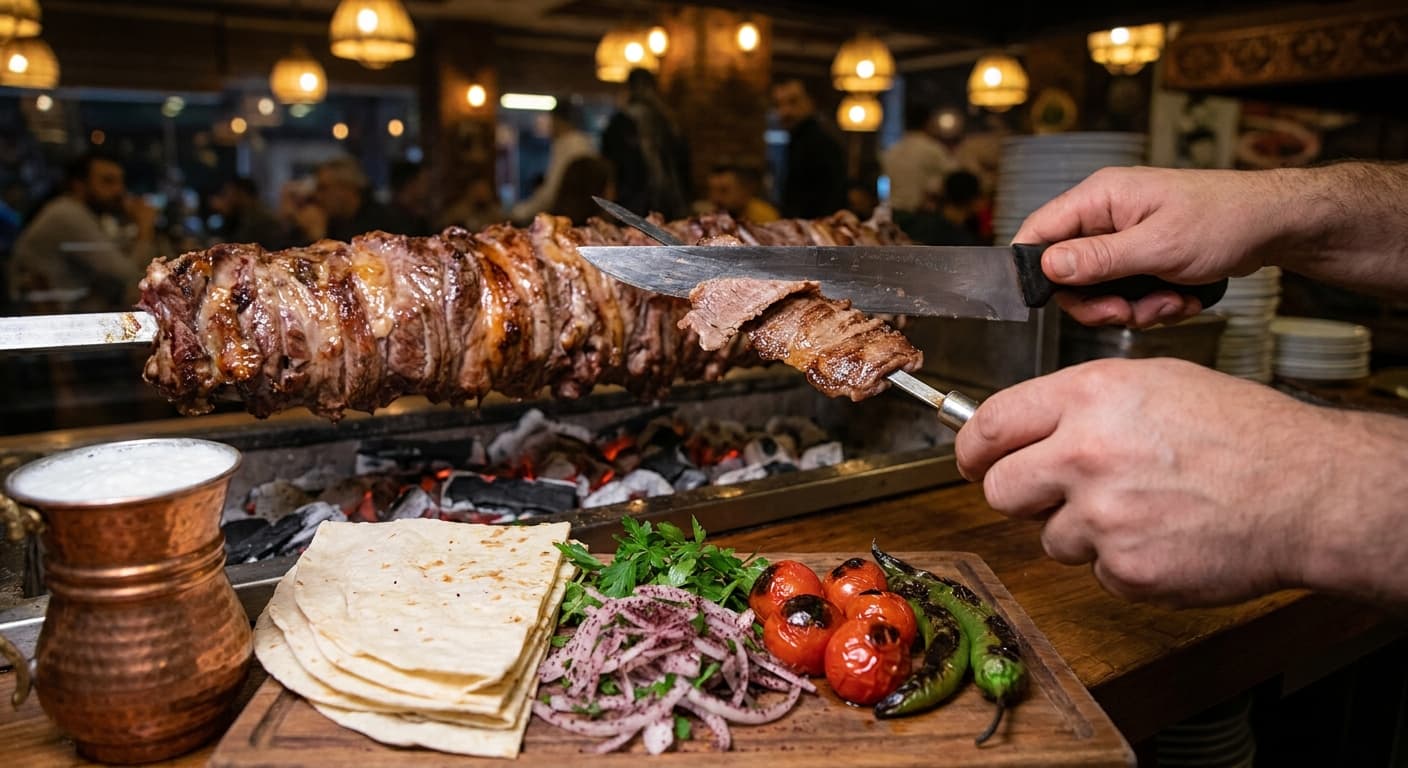
Turkish Cağ Kebab (Cağ Kebabı) — Erzurum Slow-Roasted Charcoal Lamb Skewer
Turkish · Kebabs · 160 min
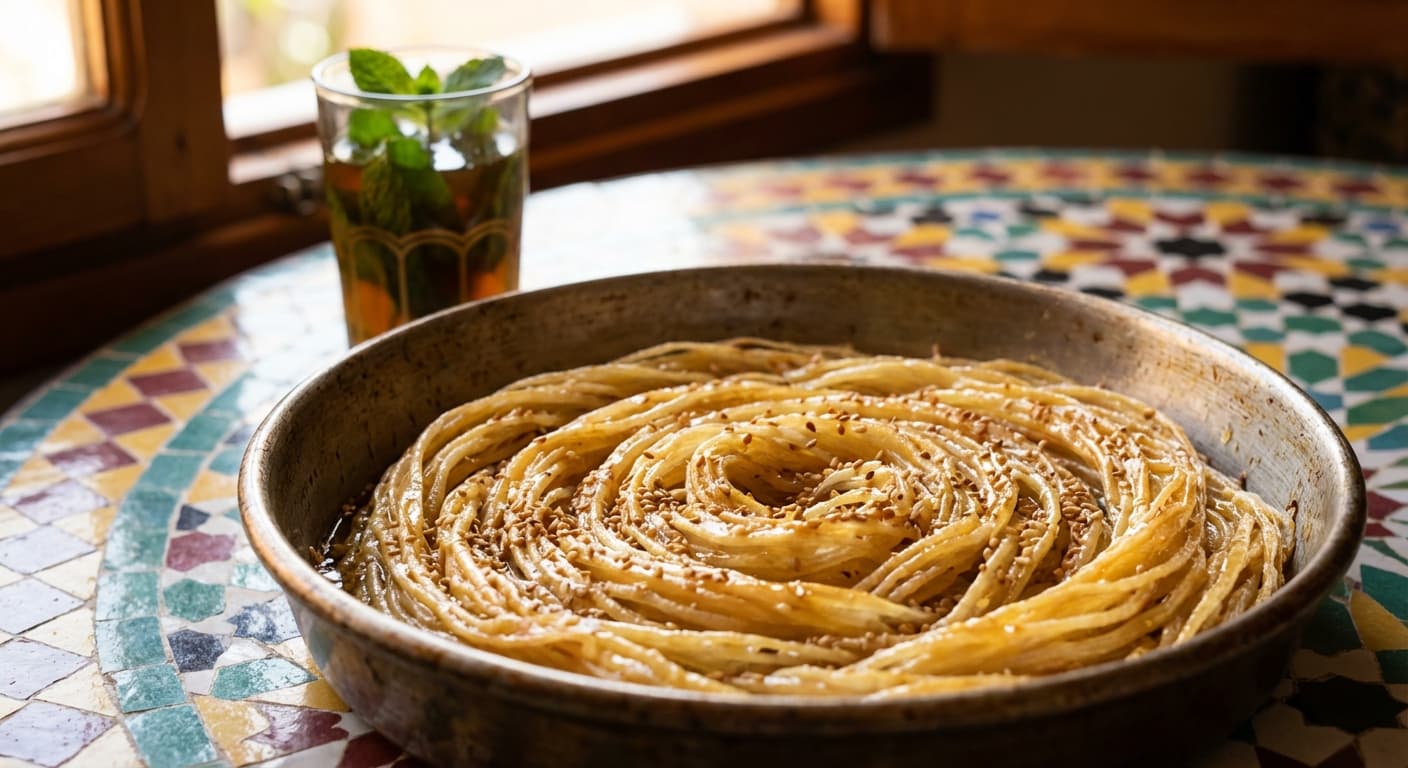
Rziza (رزيزة) — Moroccan Honeyed Braided Pastry Threads, Richly Buttery
Moroccan · Desserts · 95 min
Reviews
Cooked this recipe?
Tap the stars to rate it — that's all it takes. A few words are welcome but optional.
No ratings yet. Cooked this one? Be the first to rate it — it takes one tap.